
Socks may look simple, but there are far more variations than most people realize. Different lengths, materials, and constructions are designed for different shoes, climates, and activities. A pair made for running feels completely different from one designed for dress shoes or winter hiking.
Some sock types are built for comfort. Others focus on moisture control, cushioning, warmth, or support. Even small details — like height or fabric blend — can change how socks perform throughout the day.
This guide breaks down the main types of socks by length, function, materials, and construction, along with when each style works best.
Quick Answer: What are the Main Types of Socks?
Socks are usually categorized in four main ways:
- By length — such as no-show, ankle, quarter, crew, or knee-high socks
- By function — including running socks, hiking socks, compression socks, and dress socks
- By material — like cotton, merino wool, alpaca wool, bamboo, or synthetic blends
- By construction — including cushioning, seamless toe designs, and compression zones
The right sock often depends on a mix of factors rather than a single feature. Shoe type, activity level, climate, and comfort preference all play a role in how a sock feels and performs.
types of sock lengths
Sock length changes how socks look and how they work. Some types stay hidden inside shoes. Others add coverage, protection, or warmth. A small height difference can change how socks feel for daily wear, sports, or outdoor use.
No-Show Socks

No-show socks sit below the ankle. They stay hidden inside the shoe. People wear them with loafers, low-cut sneakers, and other casual summer shoes.
These socks give you a clean no-sock look. But they cover less around the heel compared to ankle socks.
Most no-show socks use lightweight cotton blends, bamboo fibers, or thin synthetic materials. That keeps them breathable.
Ankle Socks

Ankle socks rise just above the shoe collar. They sit around the ankle bone. You can wear them with sneakers, gym shoes, and everyday casual wear.
They offer a bit more protection than no-show socks. But they don’t add much extra height or warmth.
Common materials are cotton blends and lightweight performance synthetics.
Quarter Socks

Quarter socks go just above the ankle. They show up a lot in running and training socks. The extra height helps reduce friction from athletic shoe collars when you move.
They give you more coverage than ankle socks. But they still keep a low-profile look.
Many quarter socks use moisture-wicking synthetic blends with light cushioning.
Crew Socks

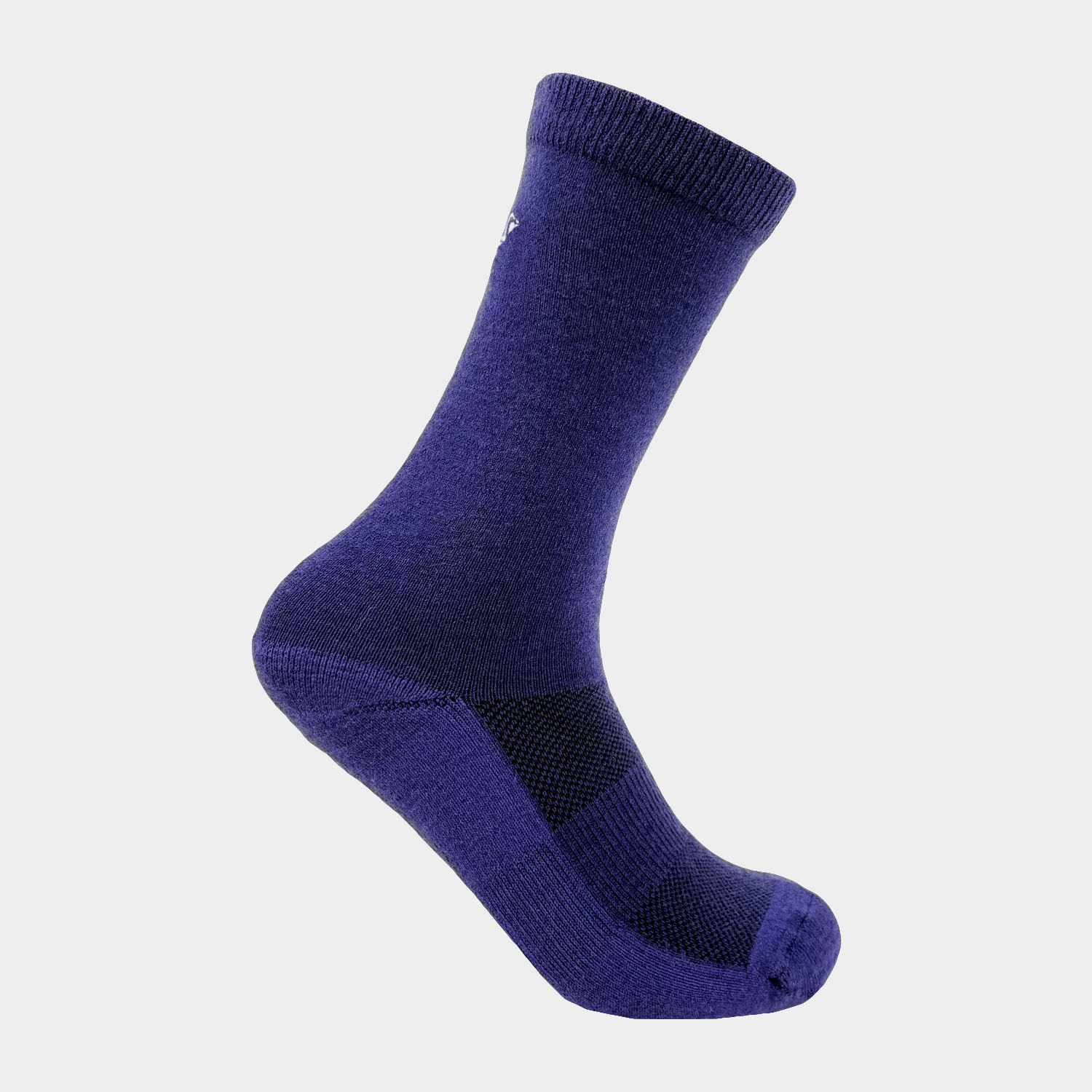
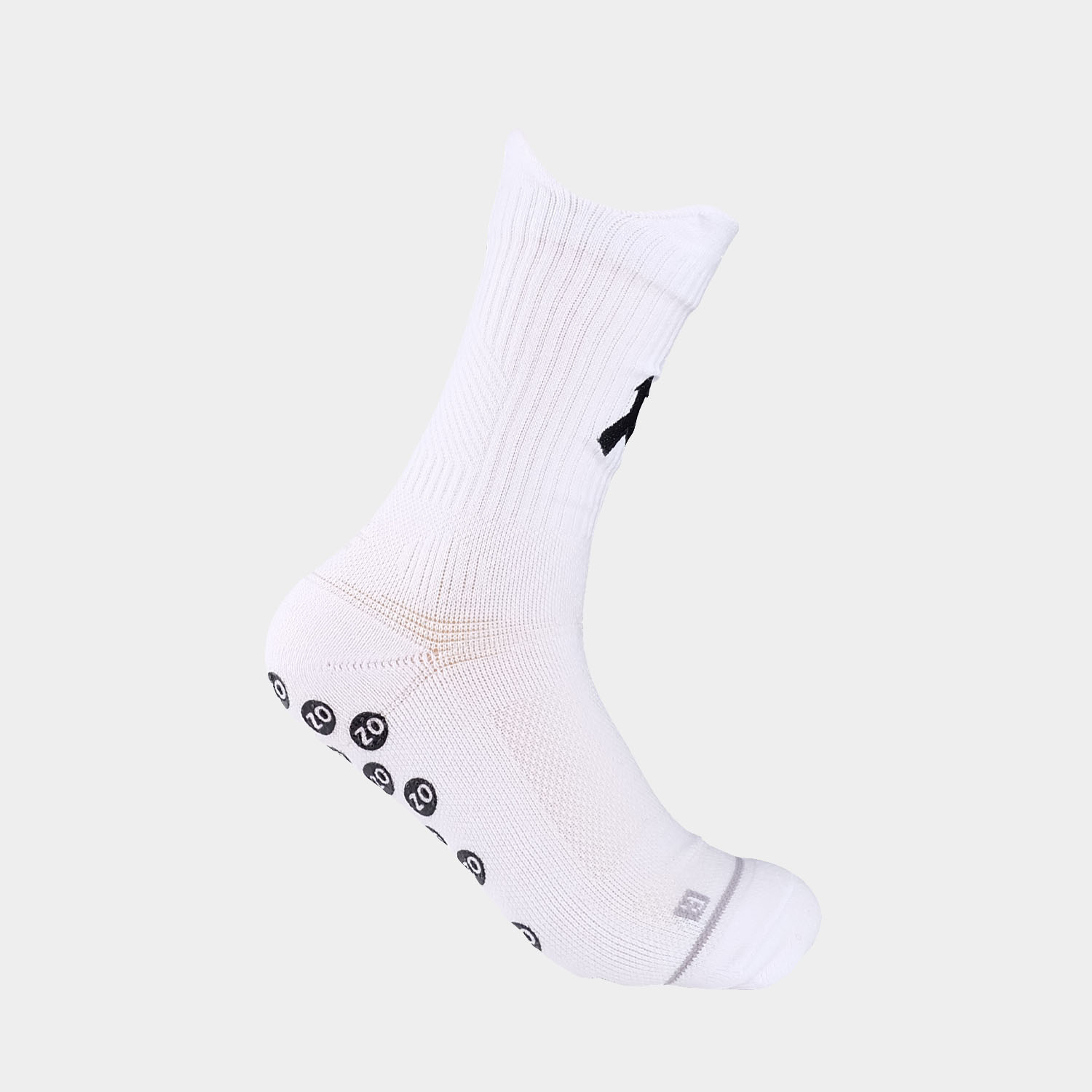
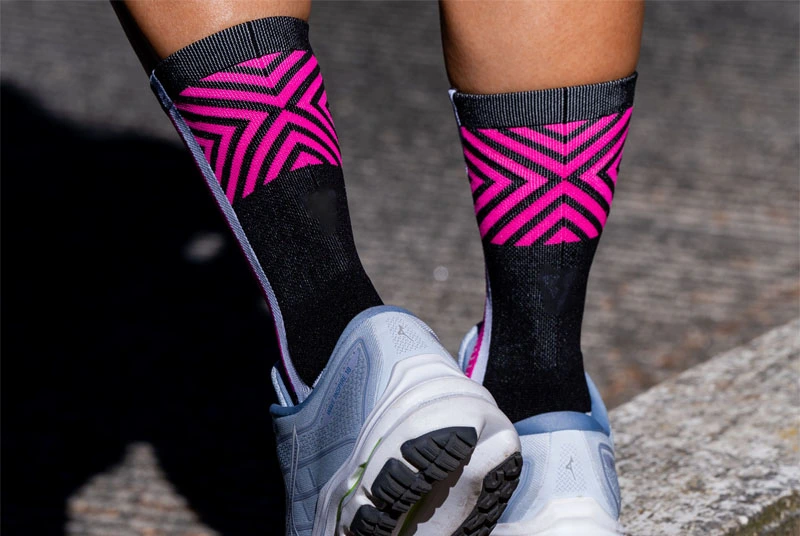
Crew socks usually reach mid-calf. They are one of the most versatile sock lengths. You can pair them with sneakers, boots, work shoes, and casual outfits.
This height works well for hiking, athletic, and work socks. It offers more protection and stability than shorter styles.
Everyday crew socks often use cotton blends. Performance crew socks typically mix merino wool, nylon, and elastane.
Mid-Calf Socks

Mid-calf socks go a bit higher than standard crew socks. People often wear them for business or dress occasions. The extra height gives you a cleaner look with trousers and formal shoes.
These socks are usually thinner than athletic crew socks. Their construction feels more refined.
Common materials include fine cotton, wool blends, and lightweight synthetic yarns.
Knee-High Socks

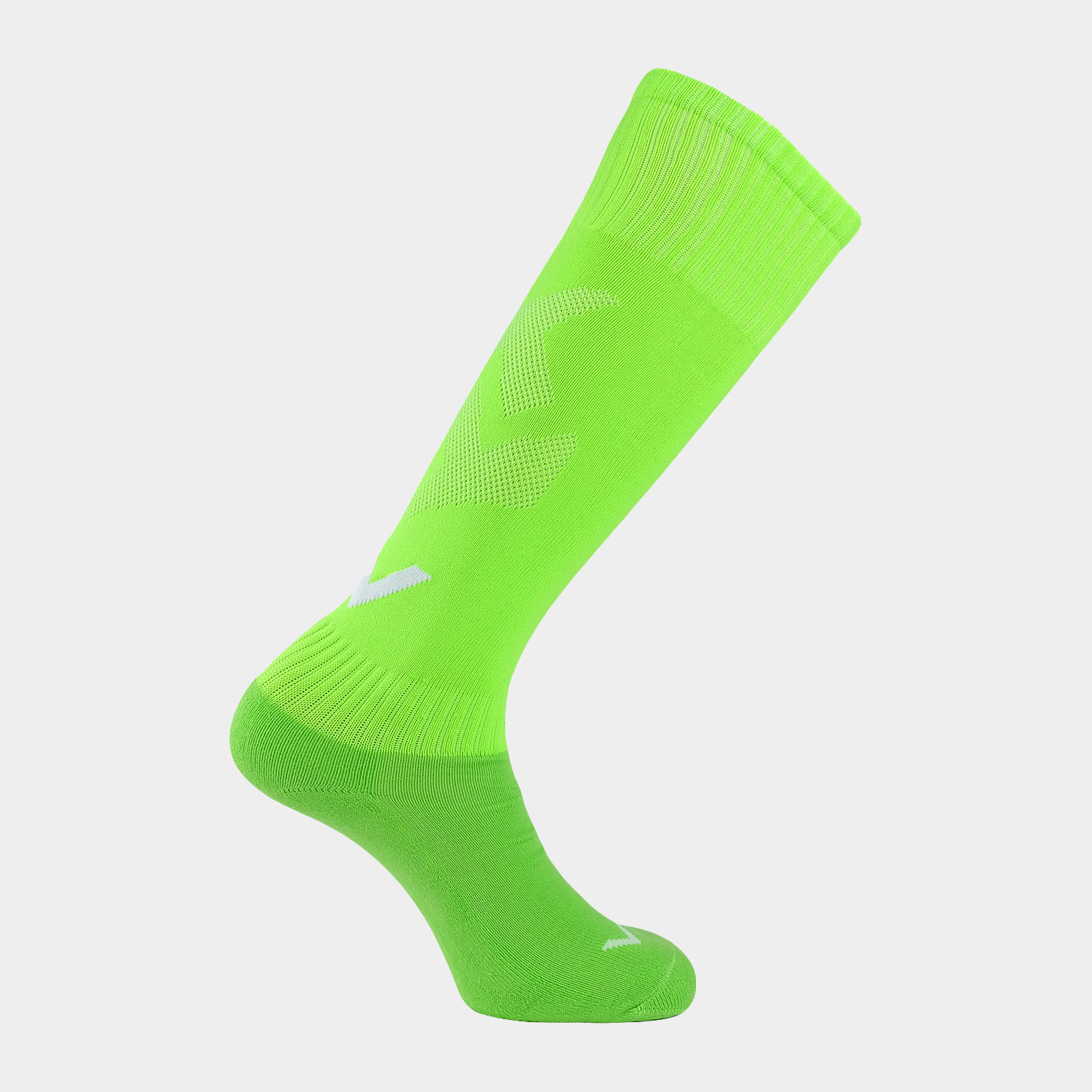
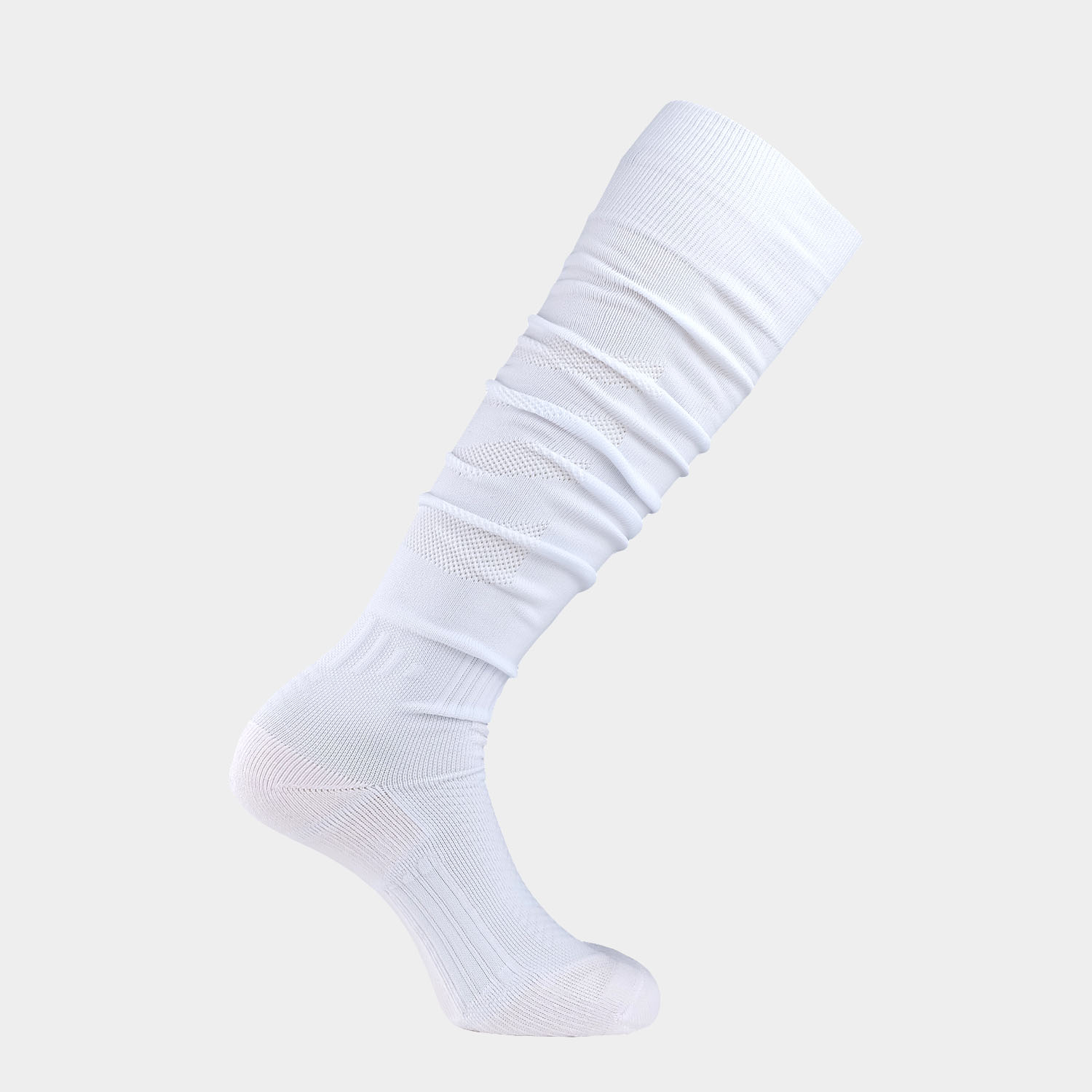
Knee-high socks reach close to the knee. They give you much more coverage than shorter socks. You find them in compression socks, winter socks, ski socks, and some uniforms.
The taller shape adds warmth, support, or graduated compression across your lower leg.
Most knee-high socks use stretch-focused synthetic blends. Wool versions are also common for cold weather.
Sockcn Tip
Sock height affects more than appearance. Taller socks usually provide better protection against friction, boot pressure, and temperature changes, especially in hiking or work footwear.
Type of Socks Length Comparison Chart
Sock Type | Approximate Height | Common Shoes | Typical Use |
No-Show Socks | Below the ankle | Loafers, low-cut sneakers | Casual summer wear |
Ankle Socks | Around the ankle bone | Sneakers, gym shoes | Everyday and light sports |
Quarter Socks | Slightly above the ankle | Running shoes, trainers | Running and training |
Crew Socks | Mid-calf | Sneakers, boots, work shoes | Casual, hiking, workwear |
Mid-Calf Socks | Higher than crew socks | Dress shoes, formal shoes | Business and dress wear |
Knee-High Socks | Below the knee | Boots, ski shoes | Compression, winter, outdoor use |
Quick Recommendation
Loafers & low-cut sneakers → No-show socks
Running shoes → Quarter socks
Boots & hiking shoes → Crew socks
Dress shoes → Mid-calf dress socks
Choosing the right sock height often improves comfort more than adding extra cushioning.
Sock Types by Function
Different activities need different socks. Some socks focus on cushioning and sweat control. Others put more weight on warmth, support, durability, or a slimmer fit inside certain shoes.
running socks
Running socks are made for repeated movement and long hours inside athletic shoes. They often use moisture wicking fabrics and targeted cushioning. A closer fit helps cut down friction during runs.
Quarter and crew lengths are common choices. They give extra protection around the heel and ankle.
Most running socks use synthetic blends with nylon, polyester, and elastane. That adds durability and stretch.
Sockcn Tip
Many people choose thicker socks for running comfort. But excessive cushioning can actually increase heat buildup and friction inside performance shoes.
A better fit and moisture control usually matter more.
Hiking Socks
Hiking socks are built for long wear, changing temperatures, and rough terrain. Cushioning is usually heavier around the heel and forefoot. That improves comfort inside hiking boots.
Hiking socks are typically thicker than standard athletic socks. They pay more attention to moisture and temperature control.
Merino wool blends are widely used here. They handle moisture well and stay comfortable in different weather conditions.
Compression Socks
Compression socks put gradual pressure on your lower leg. This helps blood flow and reduces fatigue when you stand, sit, or travel for a long time.
Most compression socks go up to the knee. Compression works better with taller coverage.
They are usually made from stretch focused blends. Nylon and elastane work together to give steady pressure and recovery support.
Dress Socks
Dress socks are made to fit smoothly inside formal shoes. They don’t add bulk. They are usually thinner and look more refined. Their length often goes to mid calf or over the calf.
Athletic socks focus on cushioning. Dress socks focus on clean fit and appearance.
Common materials include fine cotton, lightweight wool blends, and smooth synthetic yarns.
Work Socks
Dress socks are made to fit smoothly inside formal shoes. They don’t add bulk. They are usually thinner and look more refined. Their length often goes to mid calf or over the calf.
Athletic socks focus on cushioning. Dress socks focus on clean fit and appearance.
Common materials include fine cotton, lightweight wool blends, and smooth synthetic yarns.
Athletic Socks
Athletic socks are for general sports and gym use. They are not made for just one activity. They try to balance cushioning, stretch, and sweat control without going too far in any direction.
Quarter and crew lengths are both common. You see them a lot in training and court sports.
Most athletic socks use synthetic blends. That gives them flexibility, shape retention, and faster drying.
Casual Socks
Casual socks care more about daily comfort and versatility than technical performance. You wear them in many settings, from sneakers and loafers to basic everyday shoes.
Sport specific socks focus on performance. Casual socks tend to use softer builds and simpler cushioning.
Cotton blends are still the most common material. But bamboo and lightweight wool blends are also showing up in newer designs.
Best Sock Types for Different Shoes
Different shoes create different pressure points, levels of friction, and styling needs. Sock height and thickness often change how footwear feels throughout the day.
Shoe Type | Recommended Sock Types | Why They Work Well |
Sneakers | Ankle socks, quarter socks, crew socks | Balanced comfort and everyday versatility |
Boots | Crew socks, hiking socks | Added cushioning and better leg protection |
Dress Shoes | Mid-calf socks, dress socks | Slimmer fit and cleaner appearance |
Loafers | No-show socks | Hidden look with lightweight coverage |
Running Shoes | Quarter socks, running socks | Reduced friction and better moisture control |
Sock Types by Material
What a sock is made of changes how it feels and works. Some fabrics are good for daily wear. Others fit sports, cold weather, or outdoor use better.
Cotton Socks
Cotton is soft and familiar. That is why people use it so much. It works well in casual socks and basic athletic socks.
But cotton holds sweat. Your feet can feel damp after a long day or in hot weather.
Most cotton socks today mix in polyester or nylon. That gives them more strength and stretch.
Merino Wool Socks

Merino wool handles moisture and temperature better than most fibers. It feels softer on your skin than regular wool. You can wear it in cold or mild weather.
The real difference comes over time. Merino deals with moisture before your sock feels wet. That is why hiking socks often use merino.
Pure merino is rare. Most merino socks add nylon and elastane. That helps them last longer and keep their shape.
Alpaca Socks

Alpaca socks are soft and warm without being heavy. The fibers trap heat well. They feel smoother and less itchy than regular wool.
People like alpaca for cold weather socks where comfort matters most.
But alpaca fibers can be delicate. So most alpaca socks mix in nylon. That makes them more durable.
Bamboo Socks
Bamboo socks are soft and light. They are popular for casual wear. Comfort is the main goal here, not performance.
Bamboo blends feel cooler inside a shoe than thick wool socks. Many people wear them in warm weather because they breathe well.
Most bamboo socks add synthetic fibers. That gives them better stretch and helps them last.
Synthetic Blend Socks

Synthetic blends are everywhere in performance socks. You see them in running, cycling, and athletic styles.
Polyester manages moisture. Nylon adds strength. Elastane gives stretch. Each fiber brings something different.
That is why most sports socks use blends. One fiber alone cannot do everything. Mixing them balances comfort, durability, breathability, and fit.
Even wool or cotton performance socks use synthetic reinforcement. The heel and toe take the most wear. That is where you need the extra strength.
How Sock Construction Affects Comfort and Performance

Material and length matter. But how a sock is built also changes the way it feels inside your shoe. Small details in certain spots can affect cushioning, how long the sock lasts, and how much friction you get during daily wear or sports.
Cushioning Zones
Some socks put extra padding in high impact spots like the heel and the front of the foot. This helps take pressure off when you run, hike, or stand all day.
Other socks add cushioning only where you need it. The rest of the sock stays lighter and breathes better.
Seamless Toe Construction
A seamless toe removes bulky seams inside the sock. That cuts down on rubbing around your toes. You feel the difference on long walks, runs, or any movement you do over and over.
You see this a lot in performance socks and hiking socks. When you wear socks for hours, toe comfort matters.
Reinforced Heel and Toe
Your heel and toe take the most wear. So many socks use stronger yarns or special knitting in those areas. That helps the sock last longer without making the whole thing thicker.
You find reinforced construction in hiking socks, work socks, and athletic socks. Those are the ones you use day after day.
Expert Tip
Many sock durability problems are actually caused by reinforcement structure rather than fabric softness alone.
Heel and toe areas usually fail first because they experience the highest friction during daily wear.
How to Choose the Right Type of Socks
Choosing socks usually comes down to activity, climate, and footwear. In most cases, the right combination matters more than a single feature.
Situation | Recommended Sock Type |
Running or training | Quarter or running socks |
Hiking or outdoor use | Crew hiking socks with merino blends |
Hot weather | Lightweight ankle or bamboo socks |
Cold weather | Merino wool or alpaca socks |
Dress shoes | Mid-calf dress socks |
Loafers | No-show socks |
Long hours on your feet | Cushioned work or athletic socks |
Common Questions About Sock Types
What socks are best for hot weather?
Light and breathable. That is it. No show socks, ankle socks, thin bamboo or synthetic blends. Summer is not the time for thick padding. Heavy cushioning just makes your feet hotter.
What socks are best for sweaty feet?
Skip basic cotton. It soaks up sweat and stays wet. Go with merino blends or performance synthetics. They move moisture away from your skin. Ventilation panels help too.
Are wool socks good for summer?
Most people say no. But they are wrong about merino. Merino wool breathes. It handles sweat. It does not feel like that thick wool sweater your grandma gave you. That is why hikers and runners wear lightweight merino even in warm weather.
What materials are best for hiking socks?
Merino blends. Not pure merino. Pure merino wears out too fast. Add nylon or elastane and you get comfort plus durability. That combination is what actually lasts on the trail.
What is the difference between crew and quarter socks?
Quarter socks stop just above your ankle. Crew socks go up to mid calf. Crew socks give you more coverage. That is why you see them in hiking boots and work shoes. Quarter socks feel lighter. Runners and trainers like them better.