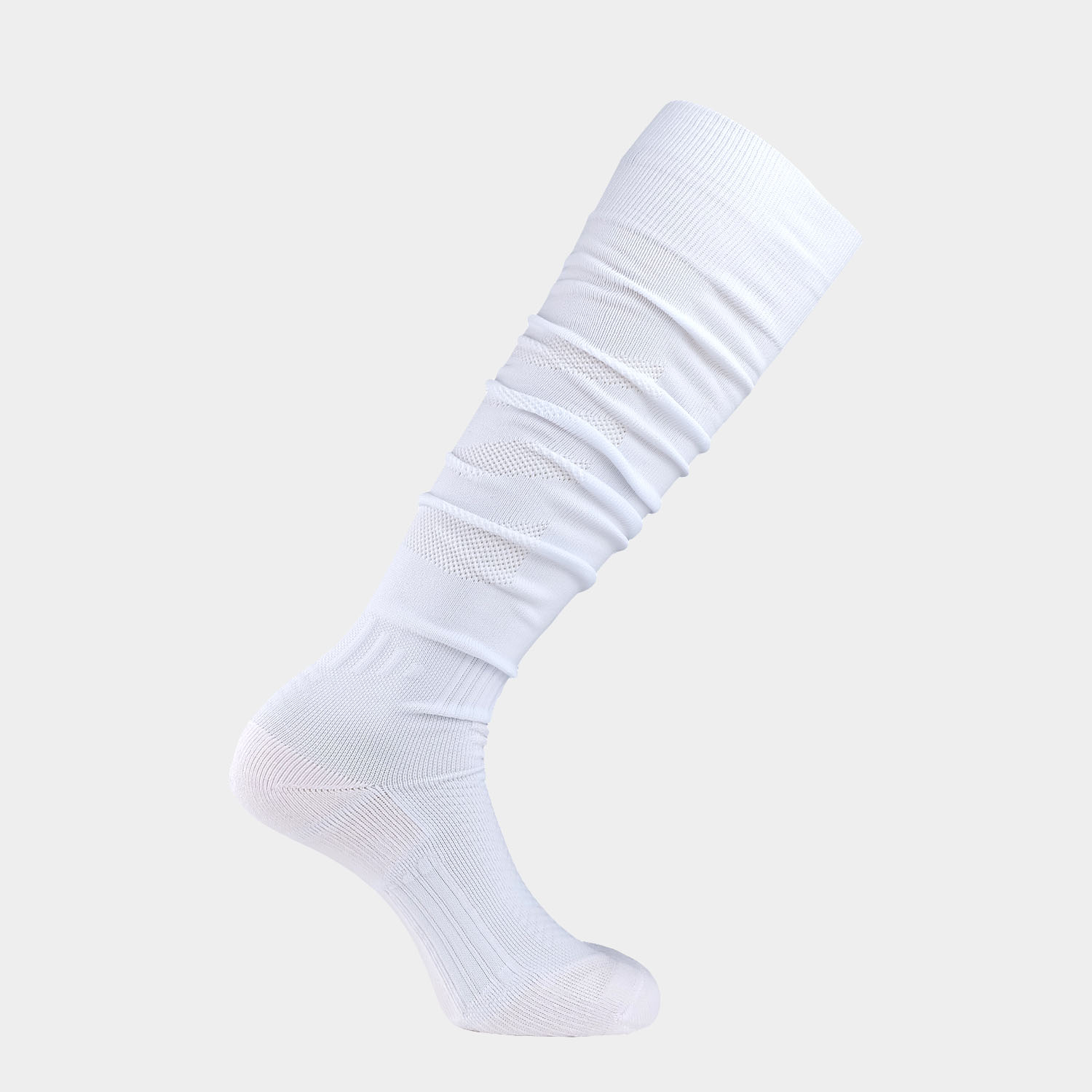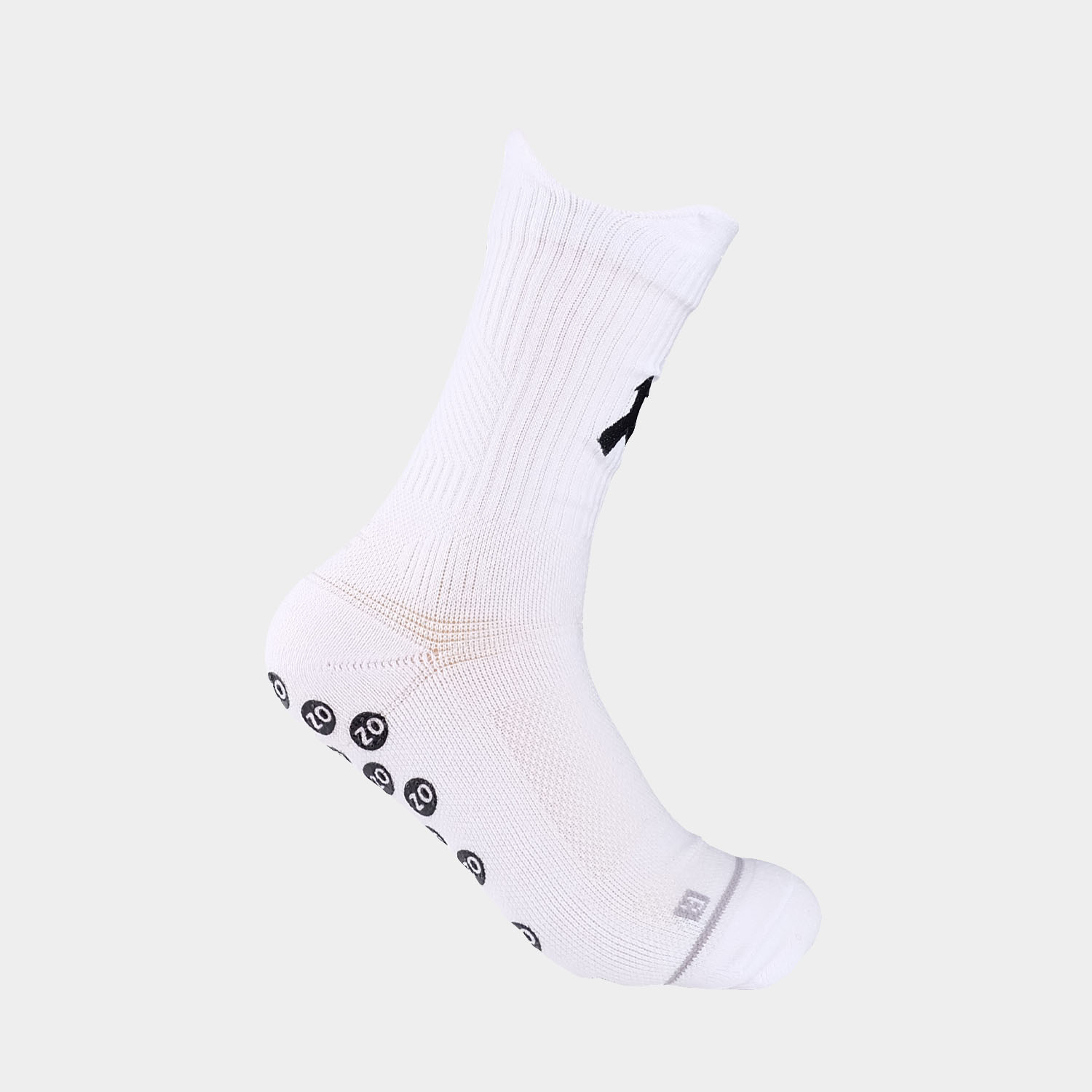

A brand-new pair grips well, but after a few washes, it may start slipping on the reformer. Sound familiar? In many cases, the problem is not the socks themselves, but how they are washed. Knowing how to wash Pilates socks properly helps protect the grip, maintain comfort, and extend their useful life. This guide covers the best washing methods, detergent choices, drying tips, and everyday care.
Why Pilates Socks Need Special Care
Ordinary socks can usually handle hot water and tumble drying without much trouble. Grip socks are different because the silicone layer on the sole needs more care than the knit fabric around it.
Protecting the Grip
Silicone and rubber can soften with prolonged heat and break down when exposed to bleach or fabric softener. These products can damage or coat the grip surface, gradually reducing the traction that makes grip socks useful.
Common Care Mistakes
Most damage comes from three common habits: using hot water, putting socks straight in the dryer, and washing them with detergents that contain softening agents. Each may seem harmless on its own, but the effects can build up over time and wear down the grip faster than expected.

How to Wash Pilates Socks
Two washing methods work well for Pilates socks, and the best choice depends on how much time you have and how delicate the grip is.
Hand Washing
Hand washing offers the most control and suits socks with detailed grip patterns or delicate arch bands.
- Turn the socks inside out to shield the grip pattern from direct rubbing.
- Fill a basin with cool or lukewarm water, no hotter than about 30°C.
- Add a small amount of mild, bleach-free liquid detergent.
- Swirl the socks gently for three to five minutes without scrubbing or twisting.
- Rinse under cool running water until no suds remain.
- Press between a towel to remove excess water instead of wringing.
Machine Washing
Machine washing saves time and works well as long as a few precautions stay in place.
- Turn the socks inside out before loading the machine.
- Place them inside a mesh laundry bag to limit friction against other items.
- Select a cold or cool water setting.
- Choose a gentle or delicate cycle with a slow spin speed.
- Use a mild detergent without bleach or fabric softener.
- Remove the socks promptly once the cycle finishes to avoid prolonged dampness.
| Method | Best for | Time needed | Grip protection |
|---|---|---|---|
| Hand washing | Delicate grip patterns, single pairs | 10–15 minutes | Highest |
| Machine washing (mesh bag, cold, gentle) | Regular use, multiple pairs at once | 30–45 minutes | Good, if settings are followed |
Choosing Detergent for Pilates Socks

A suitable detergent helps remove sweat and dirt without adding unnecessary stress to the fabric or grip. When choosing one, focus on the formula rather than simply looking for a “gentle” label.
- For synthetic socks: Choose a mild, everyday detergent without bleach, fabric softener, or optical brighteners. Tide Free & Gentle is one example.
- For wool or Merino blends: Choose a detergent made for wool or delicate fibers. Eucalan Delicate Wash is one example.
- Avoid fabric softener: It can leave a coating on fibers and is unnecessary for grip socks.
- Skip bleach: Regular bleach is unnecessary for routine washing and can be harsh on some sock materials.
- Use less, not more: Follow the detergent’s recommended dosage. Excess detergent can be harder to rinse out and may leave residue on the socks or grip.
💡 Check the care label first, especially when the Pilates socks contain wool, Merino, or other specialty fibers.
How Often Should You Wash Pilates Socks?
Washing too rarely creates hygiene problems, while washing after every brief wear adds unnecessary strain. Finding the right rhythm protects against both.
Wash After Each Session
Sweat, skin cells, and residue from shared equipment can build up during a single class. Washing Pilates socks after each session is therefore recommended for good hygiene.
Rotate Between Pairs
Owning two or three pairs gives each one time to dry fully and recover its shape between washes. Studios can use the same rotation approach when managing shared or rental socks.

How to Keep Pilates Socks in Good Condition
Even with proper washing, a few simple checks can help extend the life of your Pilates socks.
Check the Grip
Run a finger over the sole occasionally to check whether the grip dots still feel tacky or have become smooth. Spotting wear early can help you decide whether the pair is still suitable for regular use.
Store Them Properly
Store dry socks in a breathable pouch or drawer rather than a sealed gym bag pocket, where trapped moisture can encourage bacteria growth. Fold them loosely without pressing the grip pattern to help the silicone maintain its shape.
FAQ
Q1. Can pilates socks go in the washing machine?
Yes. Machine wash Pilates socks on a cold, gentle cycle in a mesh laundry bag.
Q2. Why did my pilates socks lose their grip?
Heat and fabric softener are the main culprits. Hot washing, tumble drying, and softener residue can all reduce silicone grip.
Q3. How often should pilates socks be washed?
After every studio session. Rotating between two or three pairs makes regular washing easier.
Q4. Do grip socks eventually need replacing even with good care?
Eventually, yes. Smooth grip dots or thin, loose fabric are signs that it’s time to replace the socks, even with proper care.
Conclusion
Grip usually wears down because of heat, harsh detergent, and rough handling rather than normal use alone. Washing on cold, skipping bleach and the dryer, and rotating between pairs can help a well-made pair maintain its traction for months. For studios sourcing socks for shared programs and frequent washing, it is also worth discussing durability and wash testing with the manufacturer before placing a bulk order.