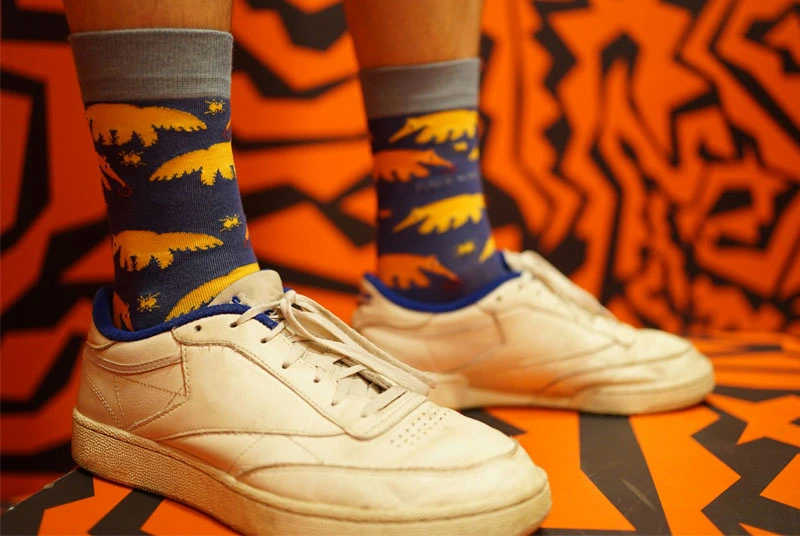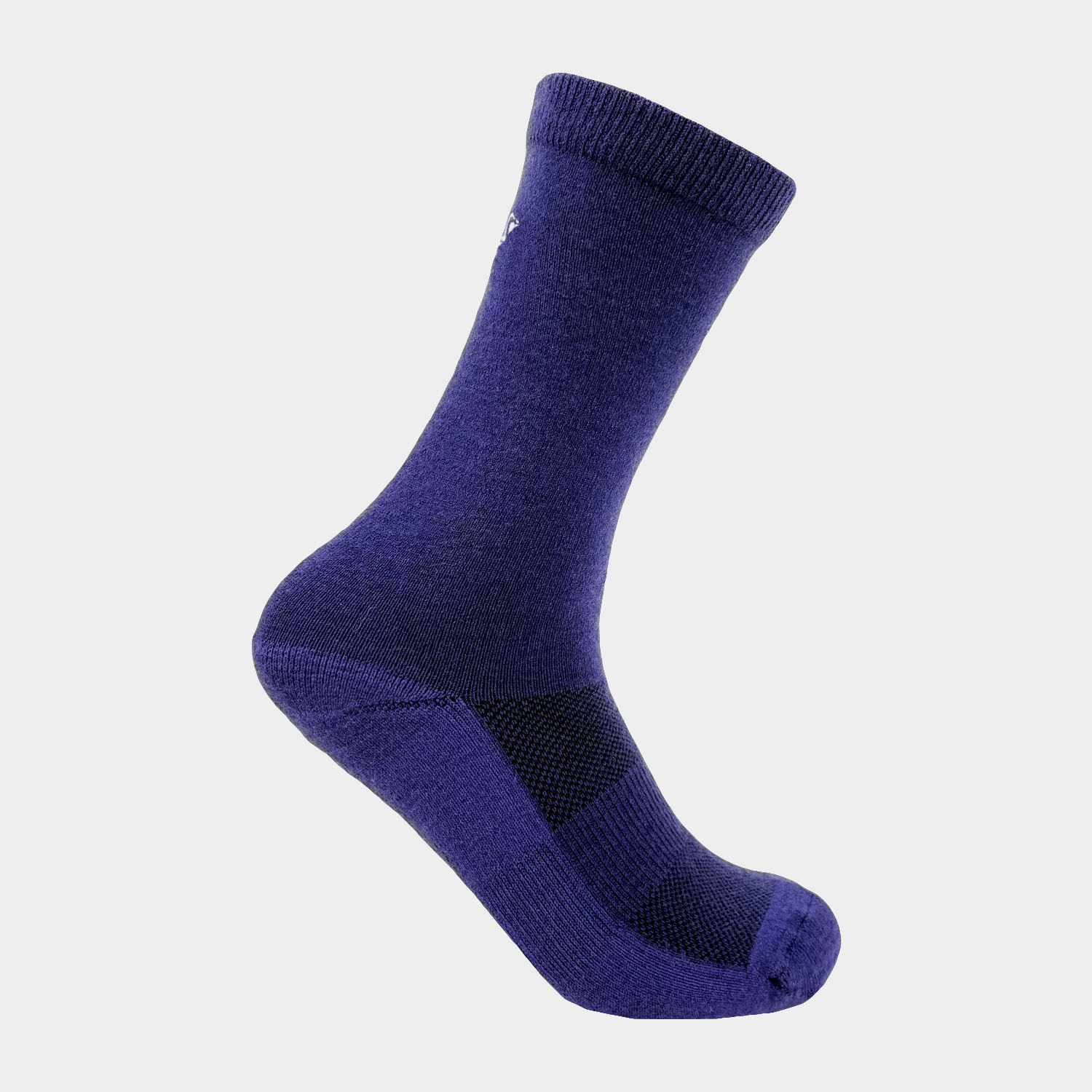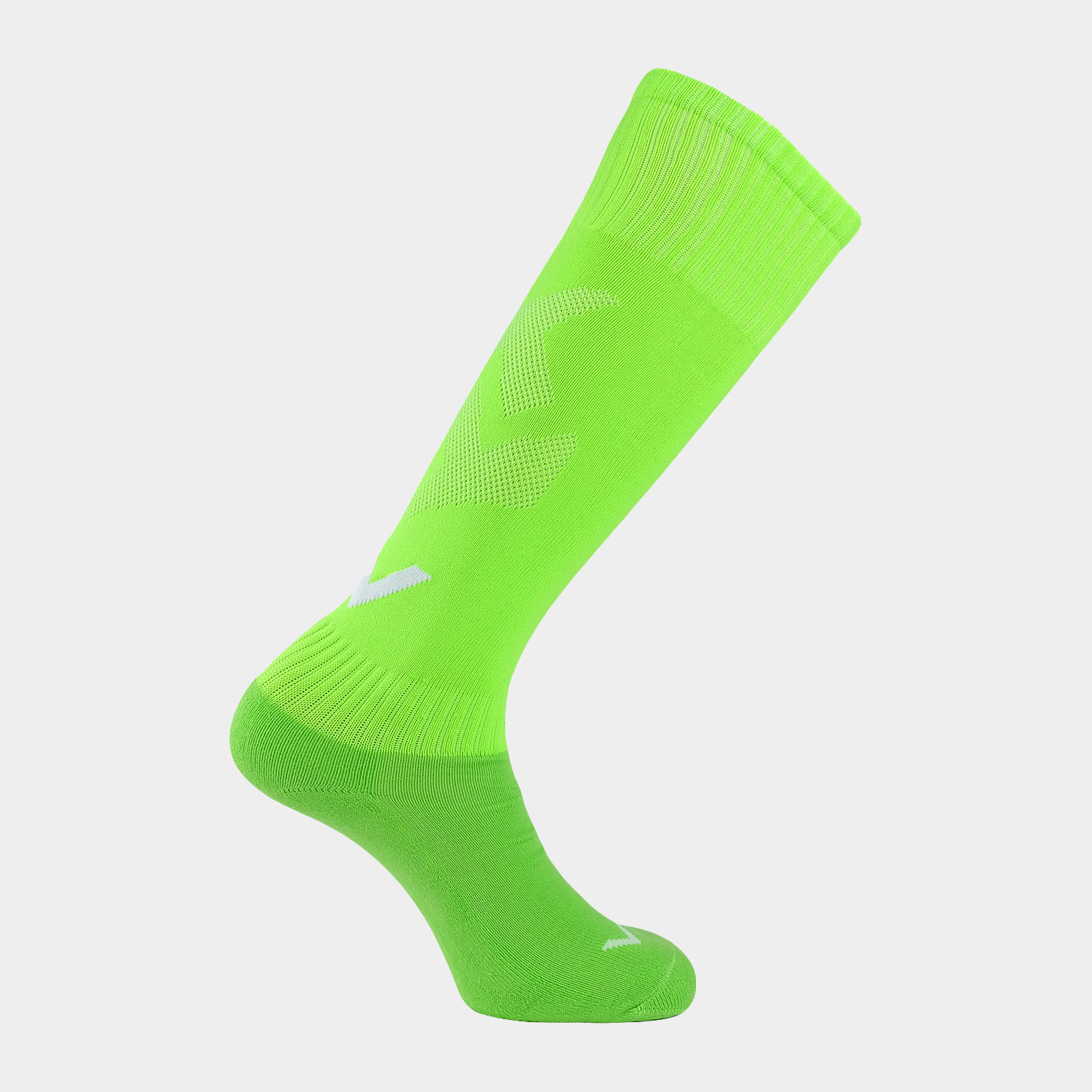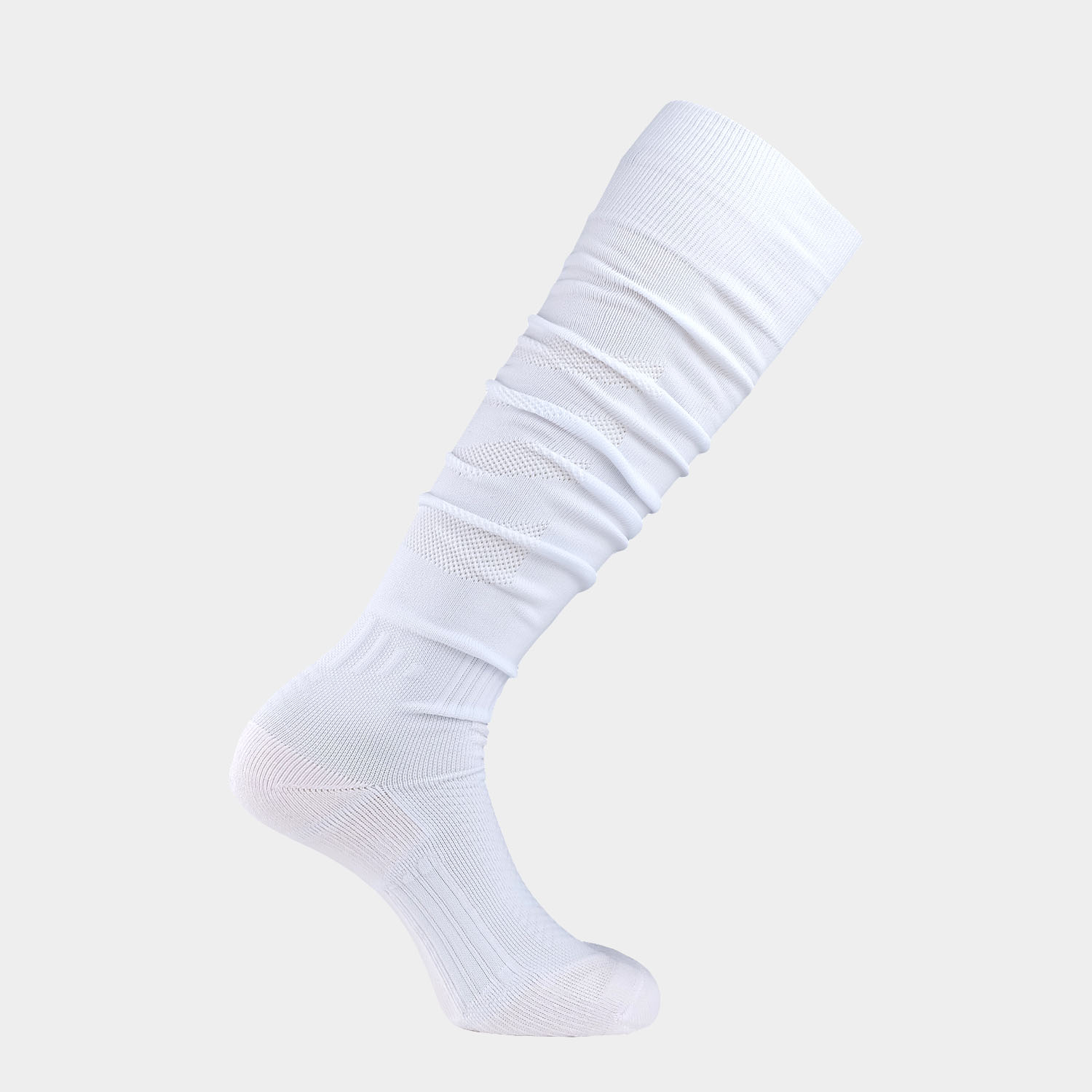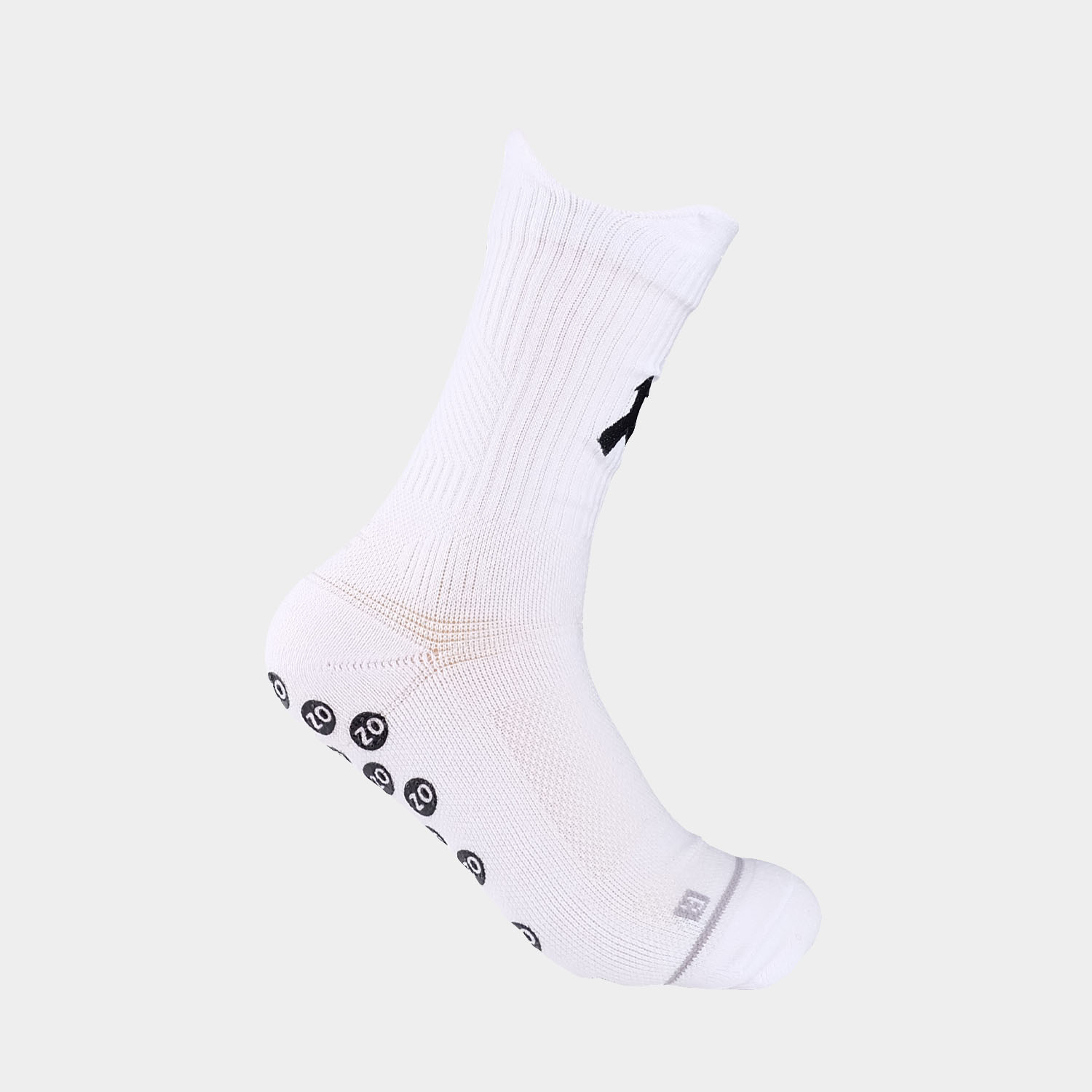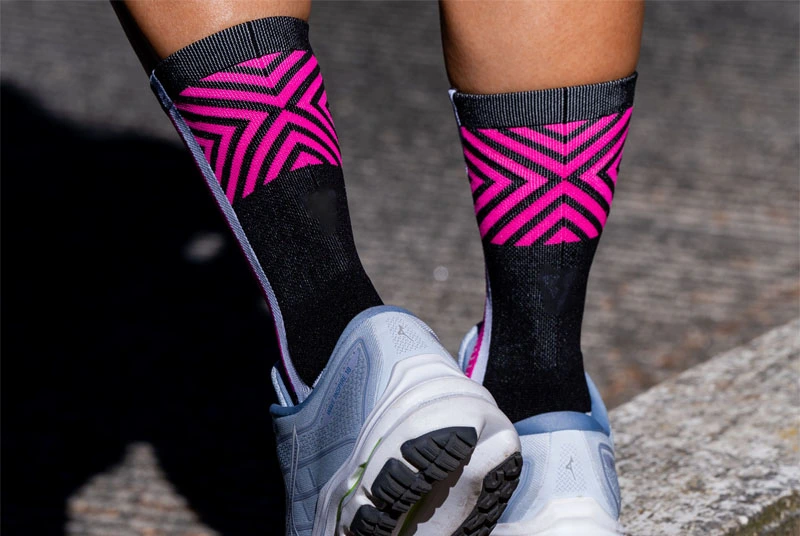

Welcome to the wonderful world of socks! From the loving hands of a hobbyist hand knitter to the whirring sound of machines in a contemporary factory, the production of a comfort sock is a process that is both art and science. Maybe you know the basic tricks of hand knitting socks, but you’re just curious about how a factory that packs thousands of pairs of socks every day rolls. This blog will go behind the scenes to show you the industrial process of taking a yarn to a completed pair of knit socks. We’ll look at the distinctions in hand-crafted knit socks vs machine-made and hone in on the delicate features of modern knit sock crafting.
How Modern Factories Knit Socks
Unlike the manual and linear process, factory production is a highly automated and interlinked system. Each step is meticulously calculated to ensure efficiency, consistency and outstanding quality.
Step 1: Yarn Selection & Pre-Treatment
This is the foundation of all high-quality knit sock. In the factory, we use large conical spindles. The yarn is typically treated before it goes into the weaving stage. This is a process of waxing or lubricating the yarn by spraying a lubricant, which greatly reduces the friction of the yarn with the machine needles that move at a very high rate, especially for merino and alpaca socks. Then it’s essential to know how to knit a sock at this step since your own design (or my pattern if you are using one of them) has been put through the test, especially for that step (i.e. doing this step may prevent yarn breakage, stop weaving defects, or stop knitting defects, and it can also help ensure a uniform and smooth knitting texture, and which precipitation from this perfect step will always be an excellent one), and a good foundation has been laid for the next step on your way to success.
Step 2: Machine Programming & Pattern Design
If the yarn is the component of the body of a sock, then the program is where its soul lies. Our designers will use the professional CAD (Computer-Aided Design) software to transform their ideas into digital weaving instructions. These include:
- Structural Design: Define the knitting structure (ribbing, plain weave, jacquard, etc.) for various parts such as the sock opening, sock body, heel, sock surface, and toe.
- Color Design: Precisely control the timing of introducing any color yarn to weave very complex patterns.
Once the design is completed, the program is input into the advanced computerized knitting machine, allowing the machine to execute each command accurately and without error.
Step 3: Knitting the Sock: Tube, Heel, and Toe
Modern sock-making machines are engineering marvels. They can weave a complete knitted socks in three dimensions and as a single piece, which is completely different from the two-dimensional, piece wise sewing logic used in manual knitting.
- Leg opening and leg shaft: The machine begins to weave a cylindrical shape. The leg opening usually adopts a more elastic ribbed structure.
- Back heel: This is the key point of the technology. The machine will perform the “pick thread” operation, stopping the weaving on some needles and only reciprocating on other needles, thus forming a bag-like heel structure. This process is fully automated and does not require manual intervention.
- Leg surface and sole: After the back heel is completed, the machine resumes cylindrical weaving, but the leg surface part may adopt a more durable structure, while the sole part may focus more on cushioning.
- Toe: Similar to the back heel, the machine begins to reduce the number of needles, creating a wedge-shaped toe bag suitable for the foot shape.
Ultimately, what came out of the machine was a basically formed “half-waving sock”, with only the toe part open.
Step 4: Toe Closing (Linking)
This is one of the few steps for how to knit a sock that require the participation of highly skilled workers, and it is also an important indicator of the quality of the socks. We use a process called “linking”. Workers operate a linking machine, precisely connecting each coil at the toe opening of the sock with the corresponding other coil. This process forms a seam that is flat and seamless, almost imperceptible, and is called “boneless sewing”. This is similar to the “knitting up” effect in hand-knitting, but it is much faster and more consistent than manual work.
Step 5: Washing & Softening
The freshly unwashed socks contain oil and tension from the textile manufacturing process, making them feel rather rough. They will be sent to large industrial washing machines for cleaning. At the same time, we will add environmentally friendly softening agents, which not only give the socks a soft and skin-friendly touch, but also further enhance the elasticity of the yarn, making the socks more comfortable and durable.
Step 6: Boarding (The Secret to Perfect Shape)
“Shaping” is the secret weapon that makes socks look neat, standard, upright and beautiful. Each damp sock is placed on a heated metal foot mold that is exactly the same size as the target size. This foot mold is usually made of aluminum and is equipped with steam or electric heating. Under the influence of heat and tension, the socks are precisely stretched and ironed into the perfect shape, and then dried. This not only gives the socks an attractive appearance, but also ensures the absolute accuracy of the size.
Step 7: Final Inspection & Packaging
Before leaving the factory, every pair of socks must pass through the keen eyes of the quality inspectors. We will check for any flaws such as thread pulling, holes, color differences, or incorrect connections. The socks that pass the inspection will be paired according to customer requirements, folded (usually using efficient automatic folding machines), and placed in custom tags and packaging bags. Finally, they are packed and ready to be shipped to brand manufacturers all over the world.
What Materials Are Used to Knit Socks?
Choosing the right yarn is the key factor in determining the performance, comfort and lifespan of socks.
Cotton & Organic Cotton
- Cotton: This fabric is very popular thanks to its soft and breathable properties and the great among of moisture that absorbs. It is the best option for daily casual socks. Yet, natural cotton is not very durable or elastic, so it is commonly mixed with around 20%–30% nylon and 5%–10% spandex to improve durability and the fit.
- Organic Cotton: It is cultivated without synthetic pesticides or fertilizers, and is more environmentally sustainable. Sensitive Skin & Newborns It’s especially soft to sensitive skin and newborns, so it’s a go-to for brands that are sustainable.
Merino Wool & Wool Blends
- Merino wool: The top material for outdoor and sports socks. It is hypoallergenic, has excellent temperature regulation (keeping you warm in winter and cool in summer), outstanding moisture absorption and sweat wicking properties, and naturally has antibacterial and deodorizing characteristics.
- Blended wool: Usually blended with nylon and spandex to make up for the lack of durability and elasticity of pure wool, making it more suitable for high-intensity activities.
Performance Yarns (Polyester/Nylon/Spandex)
This is the backbone of functional sports socks and durable socks.
- Nylon: Offers extremely high strength and wear resistance, serving as the “framework” material for almost all blended socks.
- Polyester: Durable, quick-drying, and colorful, it is commonly used for reinforcing the soles and toe tips of sports socks.
- Spandex/Lycra: Although it only accounts for 3% – 10% of the ratio, it is the “soul” of the socks. It provides all-round elasticity, ensuring that the socks stay tightly attached to the feet without slipping, and is crucial for the fit.
How Sockcn Manufactures High-Quality Socks for Brands
As a knit socks supplier, we understand that manufacturing knit socks for a brand is not merely about fulfilling orders; it is also about becoming your reliable extended supply chain and quality partner.
Advanced Knitting Machines
We invest in the world’s leading computerized knitting machines (such as brands like Lonati and Santoni from Italy). These advanced equipment can perform complex jacquard, towel base, and seamless processes, ensuring that every pair of socks produced has precise stitch density and consistent outstanding quality.
Certified Yarns
We only collaborate with yarn suppliers that have obtained global standard certifications (such as OEKO-TEX Standard 100, GOTS). This means that all the materials we use have undergone harmful substance testing, ensuring the safety and environmental friendliness of our products and meeting the highest requirements of the international market.
Custom Logo & Low-MOQ Solutions
We offer flexible knit socks customized services.
- Customized Services: From design and development, color, size, length, Logo, customized packaging, etc., we provide a one-stop knit sockssolution.
- Low Minimum Order Quantity: We offer competitive low minimum order quantity plans for start-up brands and trial customers, helping you test the market and build your brand with minimal risk.
Full Production Line from Knitting to Packaging
Our advantage lies in having a complete internal production line covering from weaving, linking, dyeing, shaping to packaging. This vertical integration model enables us to control the quality throughout the process, shorten the delivery time, and effectively manage costs, providing you with the most efficient and reliable one-stop purchasing experience.
Conclusion
From a fine thread to the comfortable and snug knit socks on your feet, the journey behind it is extraordinary, combining advanced technology, precise engineering and rigorous quality control. Whether it’s the unique warmth of hand knitting or the speed and uniformity of machinery production, the core is the relentless pursuit of comfort, beauty, and practicality. We are not just manufacturer, but also your technical partner to realize your sock creativity. If you need a trustworthy, professional and flexible manufacturer to develop your next best seller sock for your brand, we are here for you. Contact Sockcn now for free samples and quotations, and let’s weave success together!