TL;DR
Private label socks manufacturing allows brands to develop socks under their own brand name with customized materials, designs, construction, and packaging.
For growing brands, the right manufacturing partner should provide more than production capacity. A reliable sock manufacturer should support product development, sampling, quality improvement, and repeat production.
This guide explains how brands develop private label socks and what to consider when choosing a long-term manufacturing partner.
Introduction
For apparel, sports, outdoor, and lifestyle brands, socks can become an important part of a product collection.
A well-developed sock product can strengthen a brand’s identity, improve customer experience, and create additional sales opportunities.
However, developing private label socks is not simply about adding a logo to an existing product.
Brands need to make decisions about materials, construction, design details, sampling, and production quality. These decisions directly affect the final product experience and customer satisfaction.
A capable private label socks manufacturer should help brands turn product ideas into production-ready solutions, especially when design challenges appear during development.
What Are Private Label Socks
Private label socks are socks manufactured by a factory and sold under a brand’s own name.
Unlike standard wholesale socks, private label programs allow brands to customize products based on their market positioning, including materials, colors, construction methods, branding details, and packaging.
Private label socks are commonly developed by apparel brands, sports companies, outdoor businesses, retailers, and growing DTC brands that want more control over their product lines.
Private Label Socks vs Custom Socks vs OEM Socks
Although these terms are often used together, they usually represent different cooperation models.
Model | Main Purpose |
Private Label Socks | Developing branded sock collections for long-term sales |
Creating specific designs for teams, events, or promotional projects | |
Producing socks based on a brand’s detailed specifications |
For brands building a long-term product line, private label manufacturing provides more flexibility because the product can be developed around the brand’s target customers and market positioning.
How Growing Brands Develop Their Private Label Socks Collection
Successful private label socks development starts with understanding the brand, customer expectations, and product purpose.
A manufacturer’s role is not only to produce according to a design file. The manufacturer should also help evaluate whether the design can be successfully transformed into a production-ready product.
Define the Product Positioning Before Production
Before developing socks, brands should first understand what they want the product to represent.
- An outdoor brand may focus on warmth, durability, and technical performance.
- A running brand may prioritize lightweight construction, breathability, cushioning, and moisture management.
- A lifestyle brand may place more emphasis on premium materials, comfort, appearance, and brand identity.
The product positioning determines many later decisions, including material selection, sock construction, and manufacturing approach.
For example, a brand developing premium hiking socks may choose merino wool because it matches the outdoor market expectation, while a performance brand may choose technical fibers designed for active use.

Choosing Materials and Sock Construction
The right material choice helps brands create socks that match their market positioning.
Different products require different material solutions.
- For outdoor socks, merino wool is often selected because of its softness, warmth, and suitability for hiking and cold-weather environments.
- For performance socks, technical fibers such as COOLMAX® may be considered when moisture management and breathability are important.
- For premium product lines, specialty materials such as alpaca wool can help brands create a more differentiated product experience.
However, material selection is only one part of sock development.
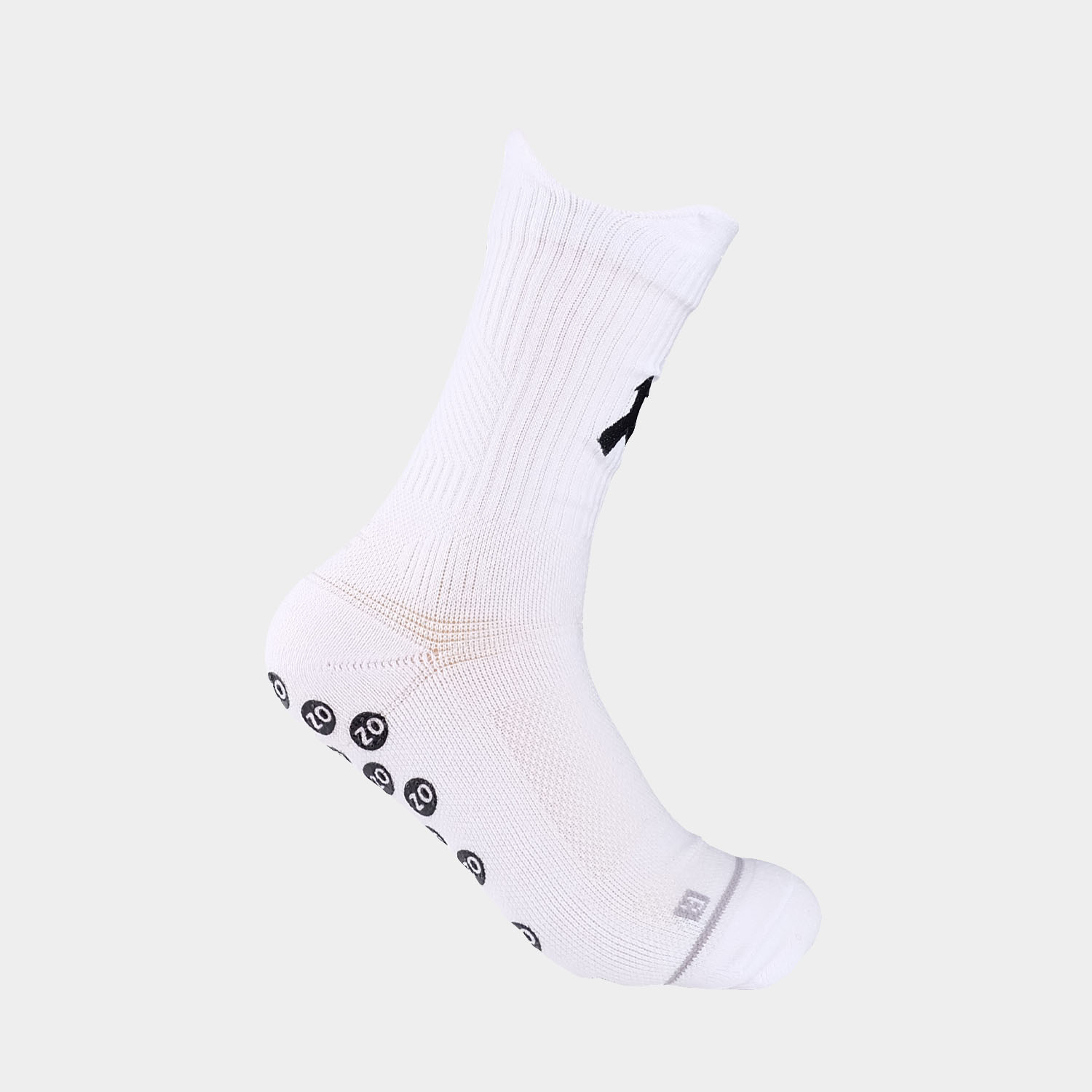
The final wearing experience also depends on construction details such as cushioning, thickness, heel and toe reinforcement, rib structure, and compression design.
Example: Developing Different Sock Solutions for Different Customers
One skating sock project required two different product approaches for different customer groups.
For children’s skating socks, the priority was warmth and protection, so a double-layer wool construction was developed.
For adult skating socks, the customer wanted a lightweight feeling, so an ultra-thin microfiber structure was selected.
The final product solution was based on the customer’s actual usage needs rather than simply choosing the most complex construction.
Why Sampling Is Critical in Private Label Socks Manufacturing
Sampling is one of the most important stages in private label sock development.
A sample is not only a preview of the final product. It allows brands and manufacturers to test whether the design, materials, and construction can achieve the expected result before bulk production.
For growing brands, proper sampling can reduce production risks and prevent expensive changes after manufacturing begins.
A capable manufacturer should not only create samples but also provide practical suggestions when design or production challenges appear.
Turning Design Ideas Into Production Solutions
In real manufacturing projects, brand designs sometimes need adjustments because of knitting limitations, material behavior, or production requirements.
Example: Producing Marathon Socks Under a Tight Timeline
One customer needed 500 pairs of custom socks for a marathon event within a short production schedule.
The original design included elements that were difficult to manufacture. Instead of removing the design completely, the production team worked with the customer to simplify the design while keeping the main visual elements.
Two sample versions were developed, and the customer selected the final option.
The project was completed according to the required timeline.
Testing Comfort and Product Performance
Sampling also allows brands to compare different product solutions before committing to bulk production.
One customer wanted socks with a softer and more comfortable wearing experience.
Two sample solutions were developed:
- A half-terry construction
- Additional terry cushioning on the calf area
After testing, the customer selected the second version because it provided a better balance between comfort and performance.
This type of development process helps brands create products that better match customer expectations.
Refining Branding Details Before Production
For private label brands, small branding details can have a major impact on the final product appearance.
Logo size, placement, embroidery quality, jacquard patterns, and color matching often require careful adjustment.
For some projects, customers may need multiple sample revisions before approving the final design.
These adjustments are not simply cosmetic. They help ensure the final product represents the brand correctly.
MOQ, Sampling Timeline, and Production Planning
MOQ and production timeline are two important factors brands consider when developing private label socks.
However, MOQ is not only about quantity. It is also affected by product type, materials, colors, customization requirements, and production processes.
For growing brands, a lower MOQ can provide flexibility when testing new products or launching a new collection.
Sockcn supports many custom sock projects starting from 100 pairs. However, specialized products such as alpaca socks and toe socks may require different quantities depending on material requirements and production complexity.
The right production plan should balance flexibility, product quality, and long-term business goals.
How Long Does Private Label Sock Sampling Take
Sampling time depends on the complexity of the design, material availability, and customization requirements.
For projects using available materials, existing quality samples may be provided quickly. For customized designs, sample development usually takes around 3 days when materials are available and the project requirements are confirmed.
Projects involving special materials, complex structures, multiple colors, or detailed branding elements may require additional development time.
Clear communication during the sampling stage helps brands move into bulk production more efficiently.
Why Quality Consistency Matters for Growing Brands
For growing brands, the first order is only the beginning of the partnership.
A successful private label socks project is not only about creating a good first sample. The manufacturer also needs to maintain consistency when brands place repeat orders or expand their product collections.
This is especially important for brands building long-term products because customers expect the same quality and wearing experience every time they purchase.
Maintaining Consistency Between Orders
A reliable manufacturing process should be based on clear product references and approved samples.
Important details such as materials, colors, dimensions, construction methods, and branding requirements should be confirmed before production.
This helps reduce differences between production batches and allows brands to build a consistent product experience.
Solving Complex Product Challenges
Premium private label socks often require more than standard production.
Brands may have specific expectations for materials, logo execution, fit, or performance features. In these situations, the manufacturer’s ability to solve problems during development becomes important.
Example: Developing Premium Merino Hiking Socks
A U.S. menswear brand wanted to develop merino hiking socks with quality similar to premium outdoor brands.
The project required careful adjustment of several details, including yarn colors, heel construction, and silicone logo solutions.
During development, different options were tested to achieve the desired appearance and performance.
The final product was approved, produced successfully, and the customer later placed a repeat order.
Supporting Future Product Expansion
Many brands start with one sock product and gradually expand their collection.
A reliable private label manufacturer should be able to support future development, whether brands want to add new colors, introduce new materials, or create additional sock categories.
For example, a brand may begin with running socks and later develop compression socks, outdoor socks, or lifestyle collections.
Long-term manufacturing cooperation allows brands to build a stronger product portfolio over time.
Private Label Socks Product Categories for Different Brands
Different brands develop private label socks based on their customers, market positioning, and product goals.
Performance Socks
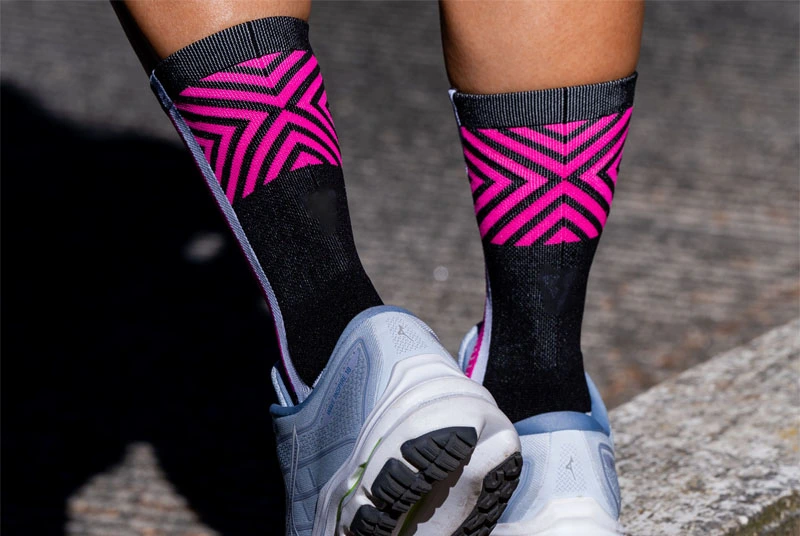
Performance socks are commonly developed by running brands, fitness companies, cycling brands, and sports businesses.
These products often focus on features such as breathability, moisture management, cushioning, lightweight construction, and support.
Material selection and sock construction are usually designed around the athlete’s usage scenario.
Outdoor Socks
Outdoor brands often develop socks for hiking, adventure, and premium outdoor markets.
Merino wool socks are commonly selected because of their warmth, softness, and durability.
Some brands also explore specialty materials such as alpaca wool when they want to create a more premium product line.
For outdoor products, construction details are equally important because comfort and durability directly affect the customer experience.
Team and Sports Socks
Sports clubs and teams often use custom socks as part of their identity.
Private label manufacturing allows brands and organizations to customize elements such as team colors, logos, and specific designs.
For example, Sockcn has developed football socks for clubs and sports organizations, including projects involving professional team requirements.
These products require attention to both appearance and performance.
Lifestyle and Premium Socks

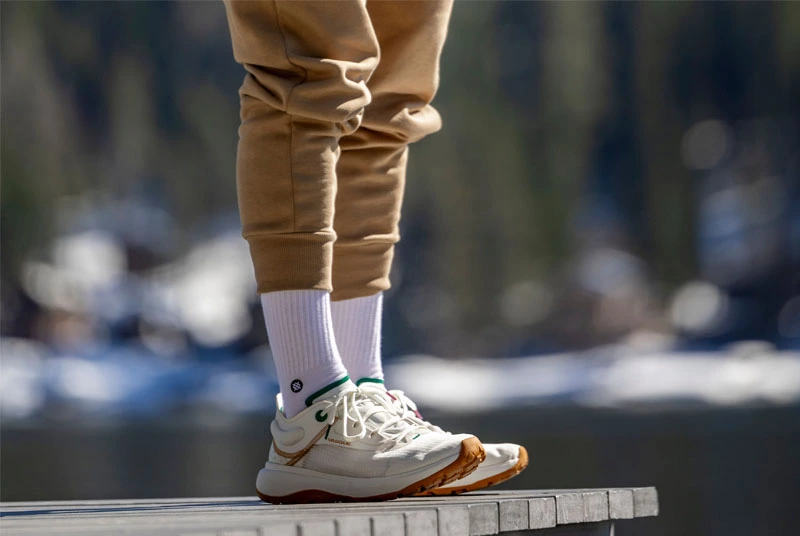
Lifestyle brands often develop socks as an extension of their apparel collections.
These products may focus on premium materials, unique designs, comfort, and brand storytelling.
Private label manufacturing gives these brands the flexibility to create products that match their overall brand image rather than choosing standard wholesale options.
How to Choose a Private Label Socks Manufacturer
Choosing the right manufacturer is an important decision for brands planning long-term growth.
The lowest price or lowest MOQ does not always represent the best partnership.
A capable private label socks manufacturer should provide product development support, reliable sampling, manufacturing experience, and consistent quality control.
Brands should evaluate whether a manufacturer can support:
- Product development and technical suggestions
- Material selection and sourcing experience
- Sample revisions and problem solving
- Production quality control
- Repeat order consistency
- Long-term product expansion
The best manufacturing partnerships are built when the supplier understands the brand’s goals and can support the product journey from the first idea to future collections.
Frequently Asked Questions About Private Label Socks
What is the MOQ for private label socks?
The MOQ depends on product design, materials, colors, and production requirements.
Many custom sock projects can start from around 100 pairs. However, specialized products such as alpaca socks or toe socks may require different quantities.
Can I create my own sock design?
Yes. Brands can develop socks with their own designs, including colors, logos, patterns, materials, and construction details.
A manufacturer can also provide suggestions to improve production feasibility and final product quality.
What materials can be used for private label socks?
Common materials include cotton blends, merino wool, alpaca wool, polyester, nylon, and performance fibers such as COOLMAX®.
The best material depends on the product purpose, target market, and desired performance.
Can brands reorder the same private label socks design?
Yes. After the product specifications and approved samples are confirmed, manufacturers can use these references for future production.
This helps maintain consistency across repeat orders.
Are private label socks suitable for small brands?
Yes. Private label socks can work for both emerging and established brands.
Smaller brands can use private label production to test new products, while larger brands can develop complete sock collections and expand existing product lines.
Conclusion
Private label socks manufacturing is more than producing socks with a brand logo.
For growing brands, successful product development requires the right combination of design support, material knowledge, sampling experience, manufacturing capability, and quality consistency.
A reliable private label socks manufacturer should help brands move from an initial idea to a production-ready product and continue supporting future growth.
Whether a brand is launching its first sock collection or expanding an existing product line, choosing a manufacturing partner with strong development capability can create better products and build a stronger foundation for long-term success.