For the upcoming year of 2026, if you have a plan for socks wholesale, you might learn about the factors that influence the prices of socks. In general, the following aspects affect the prices:
- Materials & Sock Construction
- Order Volume, Customization & MOQ
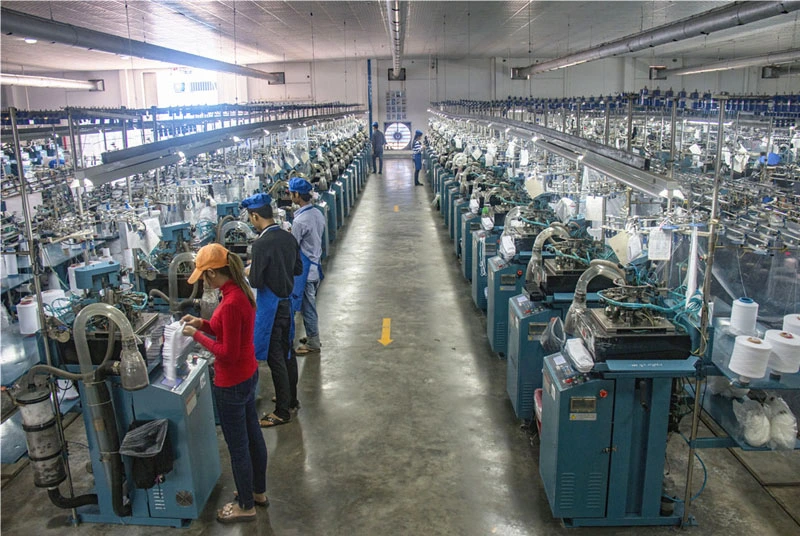
- Manufacturing, Quality Standards
- Logistics, Pricing Structure & Supplier Type
Materials & Sock Construction
The material and sock structure form the basis of the cost of the socks and are directly related to the purchase price.
Yarn types and blends
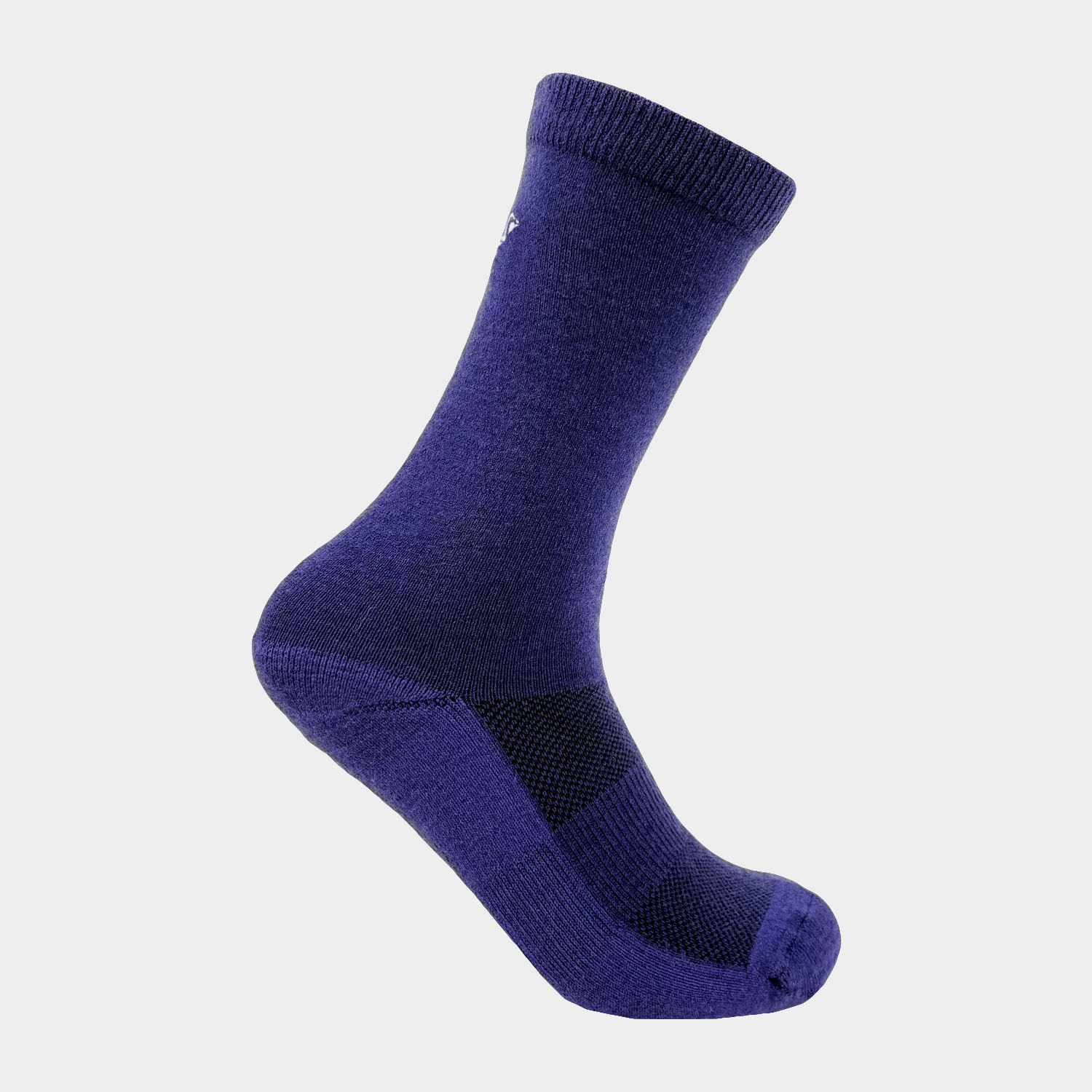
The fabric and craftsmanship determine the cost and quality. Ordinary cotton socks and polyester socks have lower costs, while using high-quality or functional fabrics such as combed cotton, bamboo fiber, and wool blends will significantly increase the cost.
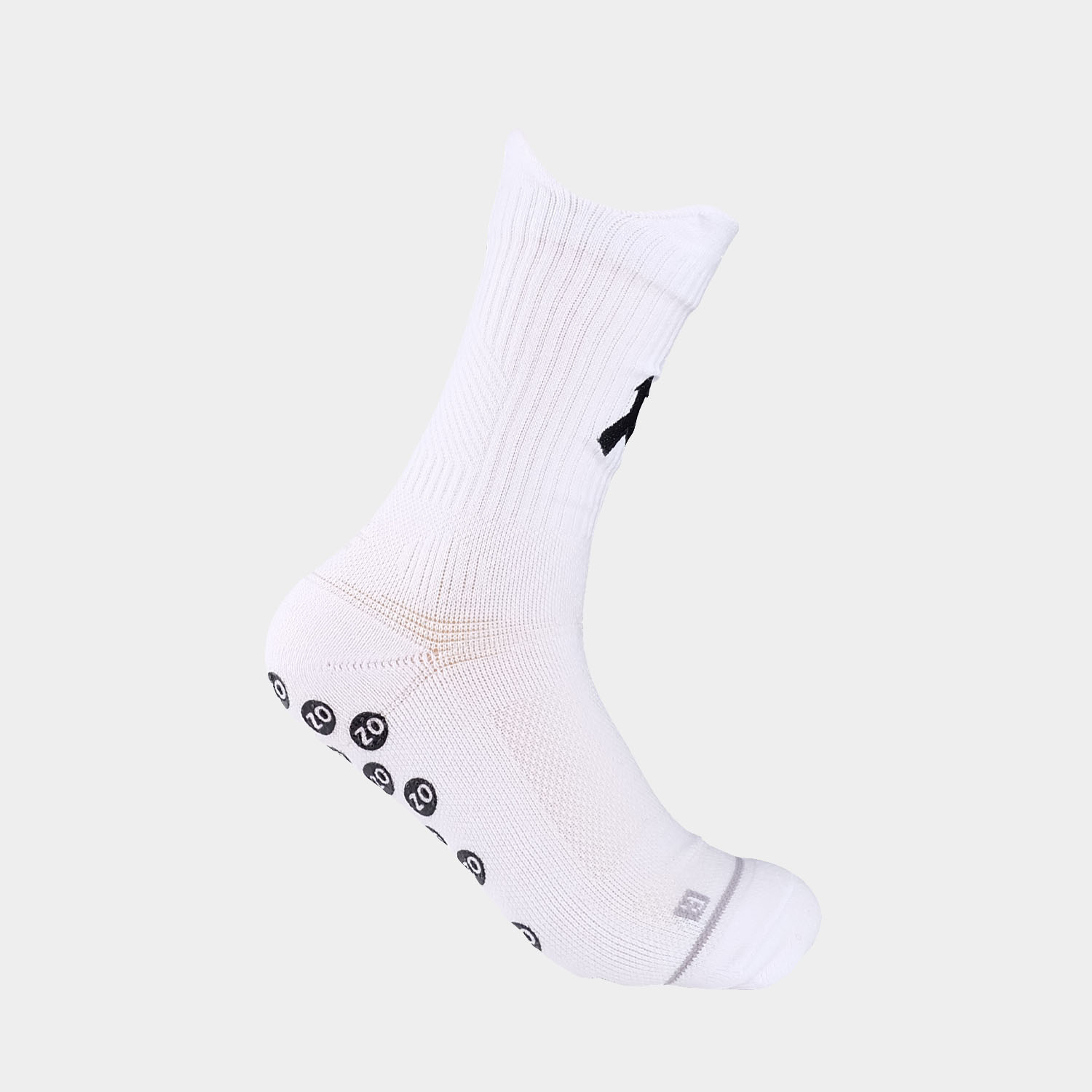
Knitting density, cushioning, and seamless toe design
Special techniques such as adding thickness and providing warmth through the “cushion” and enhancing comfort with the “seamless toe” will increase the weaving difficulty and the amount of yarn used, thereby raising the cost.
And the knitting density depends on the socks machine needle count. For example 144N,168N,200N and so on. The more knitting needles there are, the greater the density. And normally 200N is the most expensive, but not very big difference.
Reinforced heel & toe and durability requirements
Reinforcement toes (to enhance durability) increase the weaving difficulty and the amount of yarn used, thereby increasing the cost.

Order Volume, Customization & MOQ
The custom socks wholesale quantity and requirements of the order will also affect the price of the socks.
MOQ impact on unit price
Suppliers usually set clear price tiers. One supplier’s quotation indicates that when the order quantity increases from 499 pairs to over 5,000 pairs, the unit price may drop by more than 50%. Another supplier’s tier shows that when the order quantity increases from 999 pairs to 9,999 pairs, the unit price drops by approximately 25%.
Custom patterns, logos, and color matching
Customizing a unique LOGO, complex patterns and special colors means that new raw materials need to be purchased, the patterns of the socks need to be re-made, and the socks need to be re-produced. This is completely different from the large stock of yarn and pre-set patterns and LOGOs stored in the factory, and it also has a significant impact on the price of the socks. Generally, there is a minimum order quantity set. The minimum order quantity for Sockcn is usually 100 pairs.
Packaging, labels, and private label setup
Customized unique packaging also requires the packaging manufacturing factory to re-design the mold and produce the packaging, and there are also MOQ restrictions.

Manufacturing, Quality Standards
This aspect will affect your long-term procurement strategy and market positioning.
Quality standard upgrade: China is upgrading the sock industry standard (FZ/T 73001) to a national standard, which is to be implemented in 2026 or later. The new national standard will emphasis higher requirements on color fastness, durability and the limit of harmful substances, and will also add specifications for functional indicators such as sock cuff pressure comfort, moisture absorption and sweat evaporation, and antibacterial properties. This indicates that the production cost of compliant high-quality products may increase.
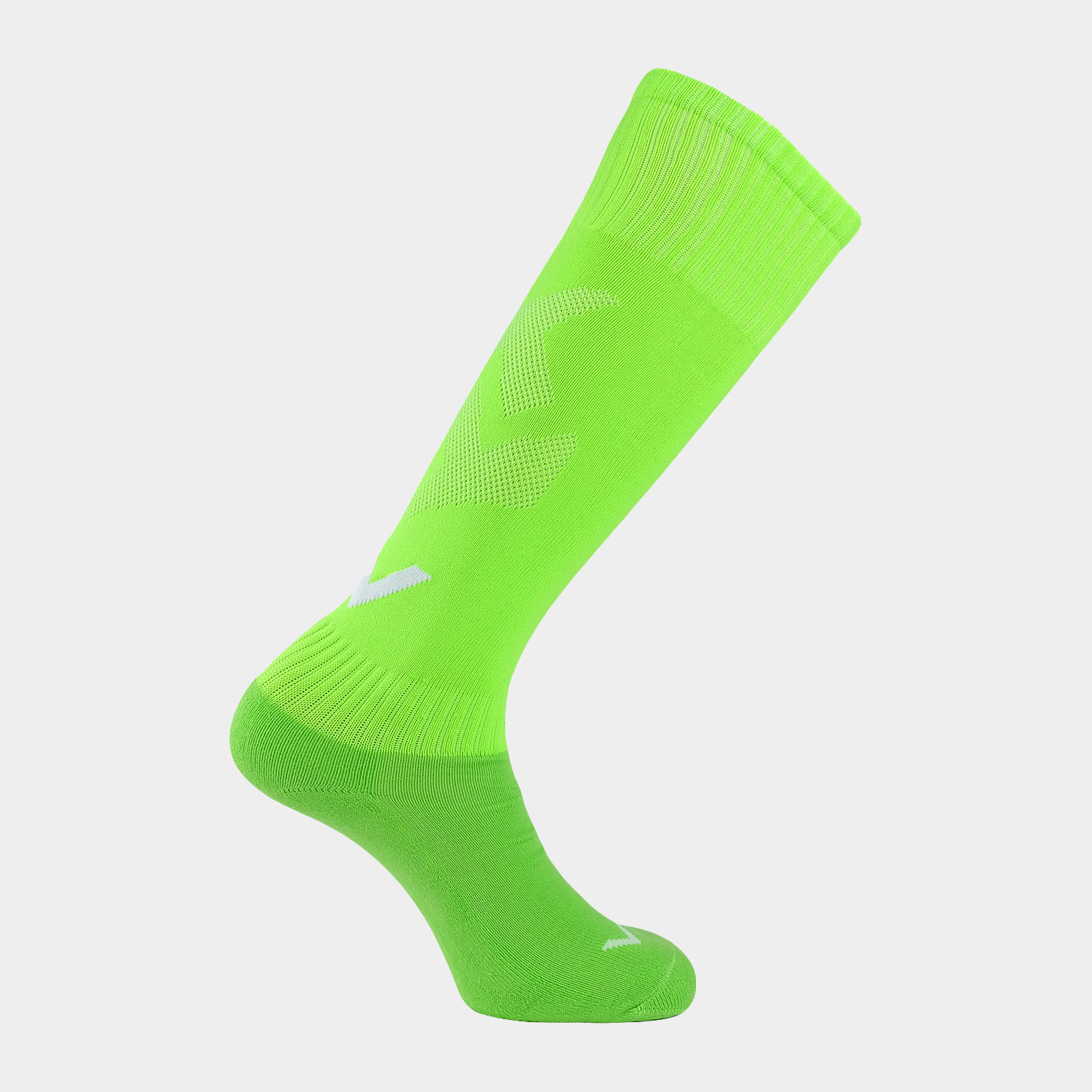
2026 socks market outlook: According to industry reports, the sock market is shifting from a “price war” to a “value war”. Consumers’ demand for high-quality, functional (such as antibacterial, compression socks), and fashionable designs is increasing. This means that although the prices of basic socks are highly competitive, there is still considerable profit potential and pricing power in the mid-to-high-end and functional market segments.
Logistics, Pricing Structure & Supplier Type
Factory-direct vs. trading company pricing
Factory – direct:The prices are the most competitive. Generally, factories have a relatively high minimum order quantity (MOQ) requirement. This is suitable for buyers with stable orders and large quantities.
Trading company:The trade company offers more flexible services, such as sourcing integration, handling logistics and customs clearance, etc. However, the price includes the service fee, so it is usually higher than the factory price. It is suitable for small-batch trial orders or buyers who need one-stop services.
Sockcn sets the minimum order quantity (MOQ) for general product codes at 100 pairs per style, and while offering the most competitive prices, it also promotes high-quality one-stop service. It integrates the advantages of suppliers.
Shipping methods, duties, and landed cost
Sea Shipping: The freight cost is the lowest (the shipping cost for a container of socks may only account for a few percentage points of the total value), but the delivery time is the longest (30-50 days). This results in high capital and inventory costs, making it suitable for large-volume, low-urgency orders.
Air freight / International express delivery: The freight cost is extremely high (possibly 30% – 50% of the value of the goods or even more), but the delivery time is fast ( 3 – 7 days ). This significantly reduces the capital occupation and is suitable for small batches, high-urgency replenishments or samples.
The China-Europe Railway Express: Its cost and efficiency lie between that of sea and air transportation, making it an important balancing choice.
Import duties: An unavoidable legal cost
- Tariffs: The tax rate is determined based on the material of the socks (cotton, synthetic fibers, etc.), HS code, and the country of origin. Import from countries that have free trade agreements with China (such as ASEAN, Peru) can enjoy preferential tax rates or even zero tariffs.
- Value-added Tax: It is levied in most countries (in China, it is typically 13%, varying in different EU countries). The calculation formula is: Value-added Tax = (Customs value + Tariff) × Value-added Tax Rate. This is a major tax burden.
- Other Taxes: Some countries may impose consumption taxes, etc.
Price stability and cost transparency in 2026
If you are in the US, Canada or other north American countries, pls pay attention to the enstable US import tariff policy. As you know, the tariff was changed more than 3 times in 2025. Let’s make a good wish on 2026.
If you are in Europe countries, pls pay special attention to the upcoming EU tariff reform that will come into effect in 2026. This will have a very direct impact on costs.
Conclusion
Based on the above information, you can start from the following aspects:
- Determine the type of supplier: Based on the size of your order, decide on the channel. For large orders and long-term orders, it is advisable to seek out production factories to obtain the best price; for small batches and multiple style trial orders, it may be considered to complete the process directly through a trading company.
- Seek the best price by leveraging order volume: Try to consolidate styles and increase the quantity of a single order to secure better prices from the suppliers. This is the most effective way to lower the unit price.
- Focus on the upgrade of quality and functionality: One cannot merely consider low prices. The key lies in selecting or developing products that comply with the new national standards, possess functionality (such as antibacterial and moisture-absorbing properties), and offer a valuable user experience. This approach is more conducive to meeting the trend of consumption upgrading and enhancing the competitiveness of the products.
I hope this guide can help you better plan your 2026 sock procurement. If you could provide the approximate procurement scale, target market and product type, I can offer more targeted analysis.