Sourcing grip socks wholesale sounds straightforward until a brand actually sits down with a factory and realizes how many decisions sit behind “just add our logo.” Sole pattern, fabric blend, length, and packaging each shift price and lead time in different directions, and private label buyers rarely get a clear picture of that before committing to a quantity. This guide breaks down what a custom grip socks wholesale order actually involves, who typically places one, and how the process runs from first sample to final shipment at a factory-direct manufacturer like Sockcn.
TL;DR
Customization: Choose your grip pattern, sock materials, length, logo placement, and packaging based on your target market.
MOQ: Standard custom grip socks typically start at 100–300 pairs. Molded grip logos may require 500–1,000 pairs due to tooling.
Pricing: Larger orders generally reduce the unit cost. Premium materials, custom grip designs, and retail packaging increase costs.
Production: Approve a physical sample before bulk production. Standard orders typically take 6–10 weeks from sample approval to delivery.
What a Custom Grip Socks Wholesale Order Includes
Before pricing or MOQ enters the conversation, a private label buyer needs to settle two physical decisions: what’s on the sole, and what the sock body is made from. Both choices get locked in before artwork or branding even starts.
Grip Types and Sole Construction
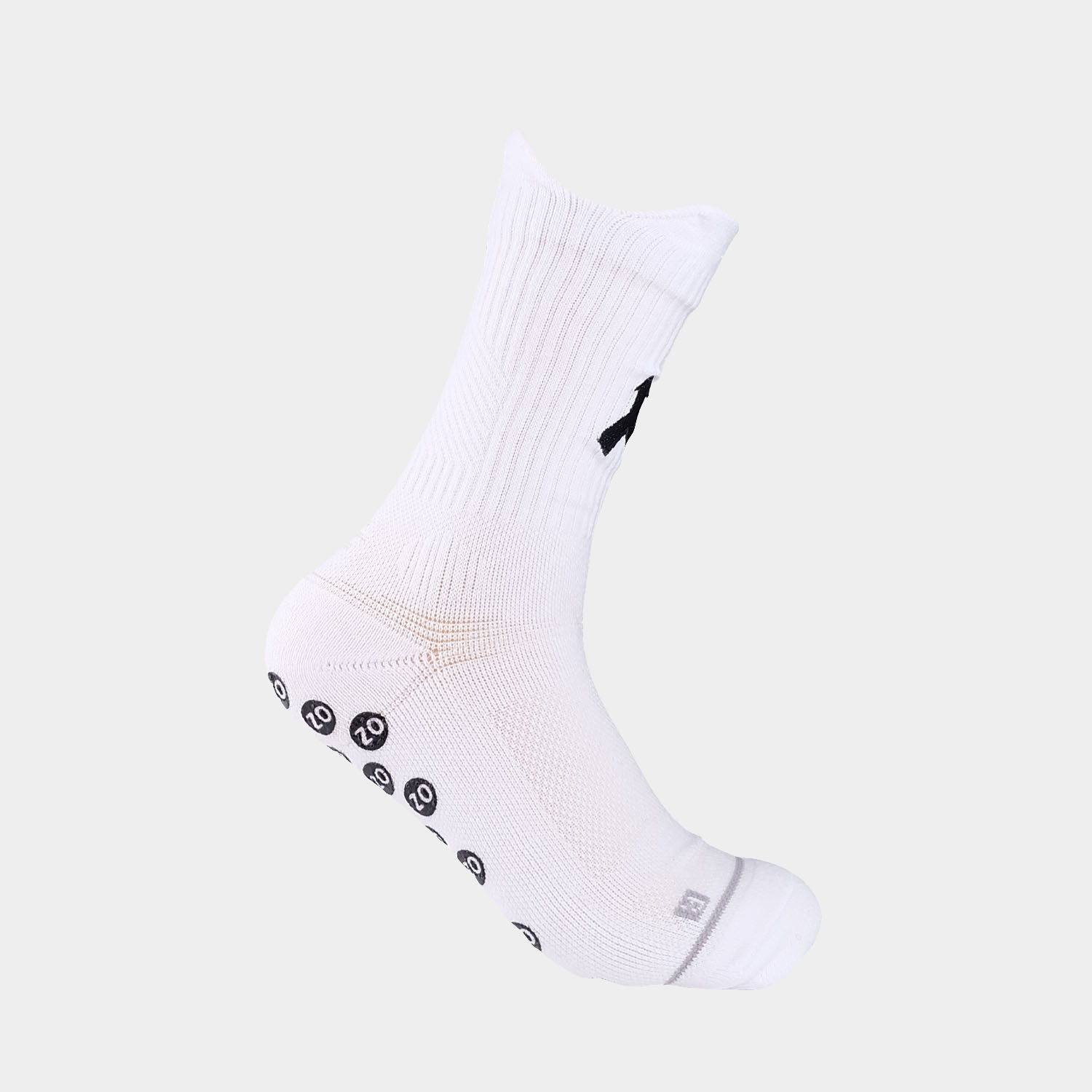
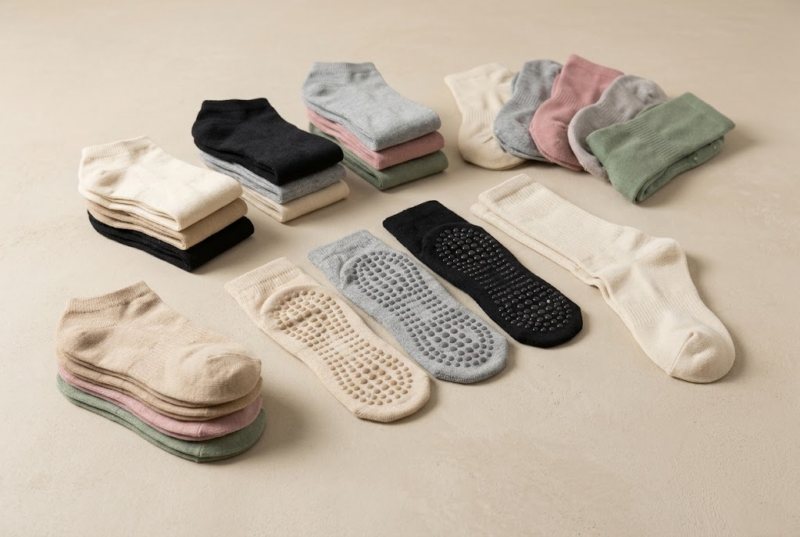
Silicone and PVC dot patterns cover most standard orders, offering reliable traction at a manageable cost for studios and venues placing their first wholesale run, while full-sole coverage gets specified when a brand needs maximum grip for high-activity environments such as trampoline parks. A logo molded directly into the grip, rather than printed on the cuff, is treated as a premium build since it requires its own tooling, and that step is usually what pushes MOQ from a few hundred pairs up toward four figures.
Grip quality also depends on elasticity and application consistency, not just the pattern itself. One Pilates studio client came to Sockcn after a previous supplier failed to deliver satisfactory grip quality. After testing our samples and finding the grip elastic and well-made, the client decided to move production to our factory. You can read more in our Custom Grip Socks Case Study: Fixing Poor Grip Quality.
Sock Body Materials and Blends
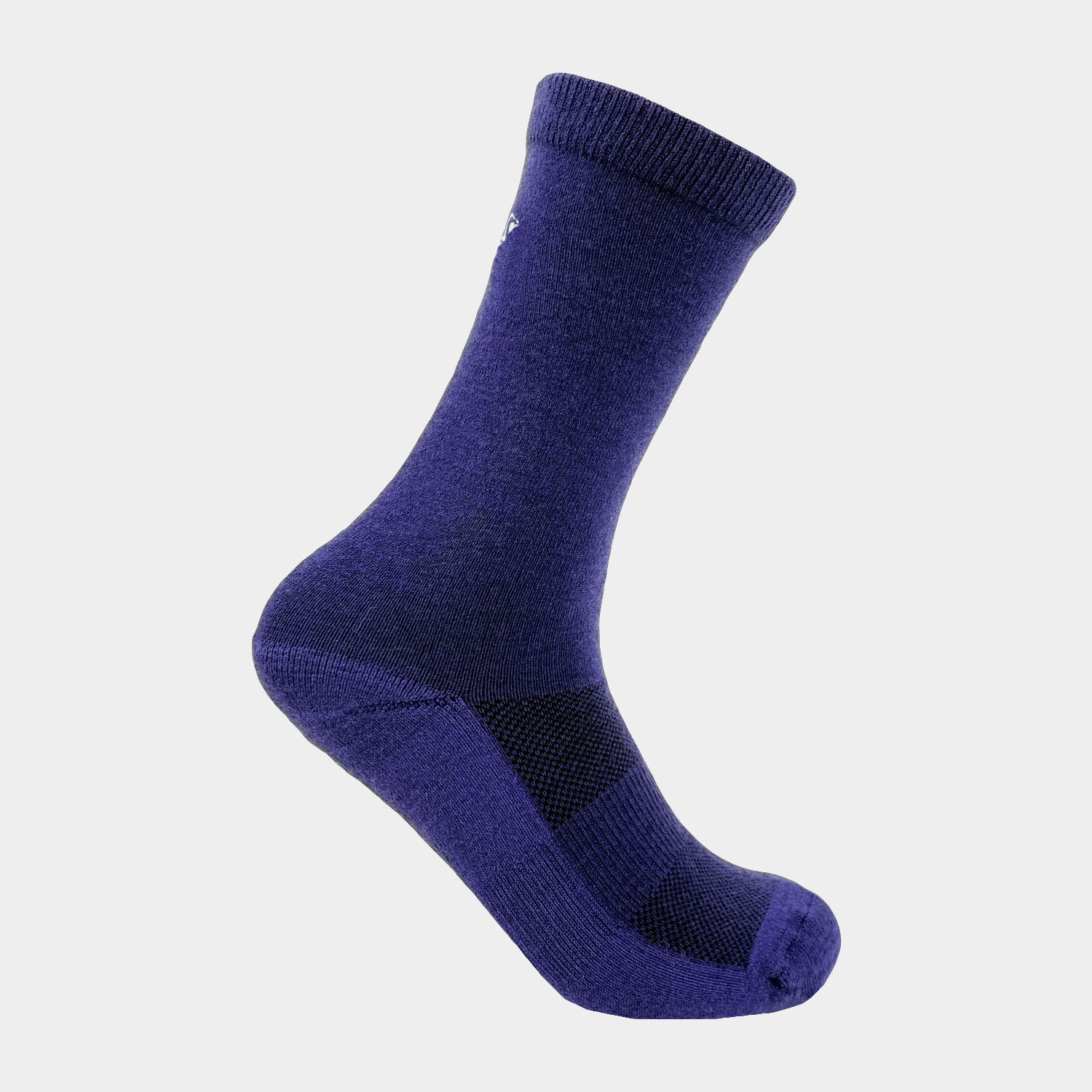
Cotton-polyester blends keep cost per pair low and suit high-volume entertainment or gym orders where durability matters more than hand-feel, whereas combed cotton with spandex gets chosen by yoga and Pilates brands aiming for a softer, more premium retail product. Bamboo-blend construction has become a common request for wellness and hospitality labels positioning around natural materials, and material choice at this stage affects both unit cost and how the finished sock performs after repeated washing.
Private Label Options for Custom Grip Socks
Once grip type and fabric are set, branding decisions shape how the finished product actually represents a brand on shelf or at a front desk. These choices add cost in smaller increments than the sole construction does, but they’re what customers notice first.
Logo Placement and Branding Methods
A logo can sit on the ankle cuff, across the top of the foot, or inside the grip pattern itself, and each placement carries different visibility and production complexity. Jacquard knitting bakes the logo into the fabric structure permanently, while printed or embroidered options cost less upfront but wear differently over repeated use, which is why Sockcn walks private label clients through trade-offs for each method before a sample gets produced.

Color, Length and Packaging Choices
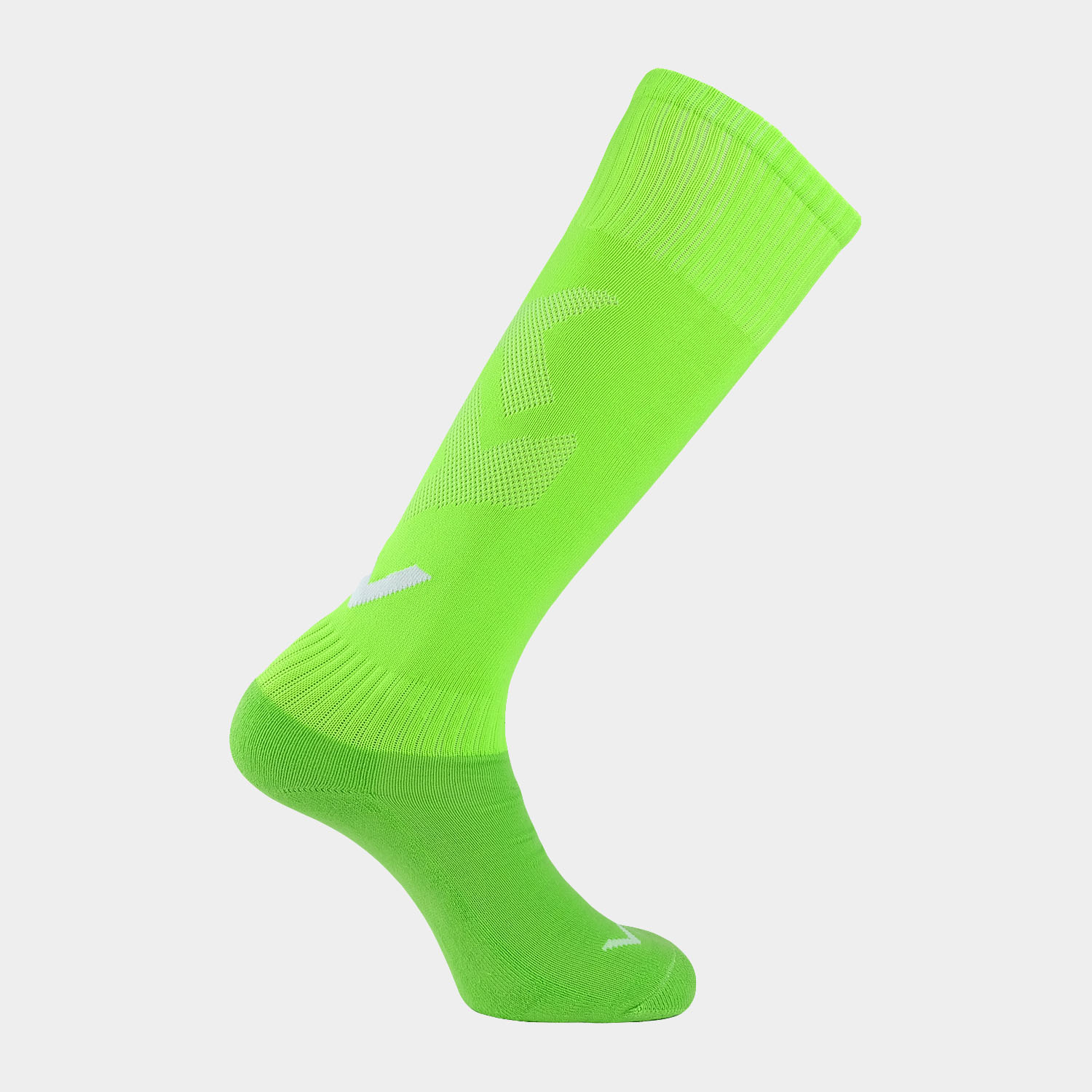
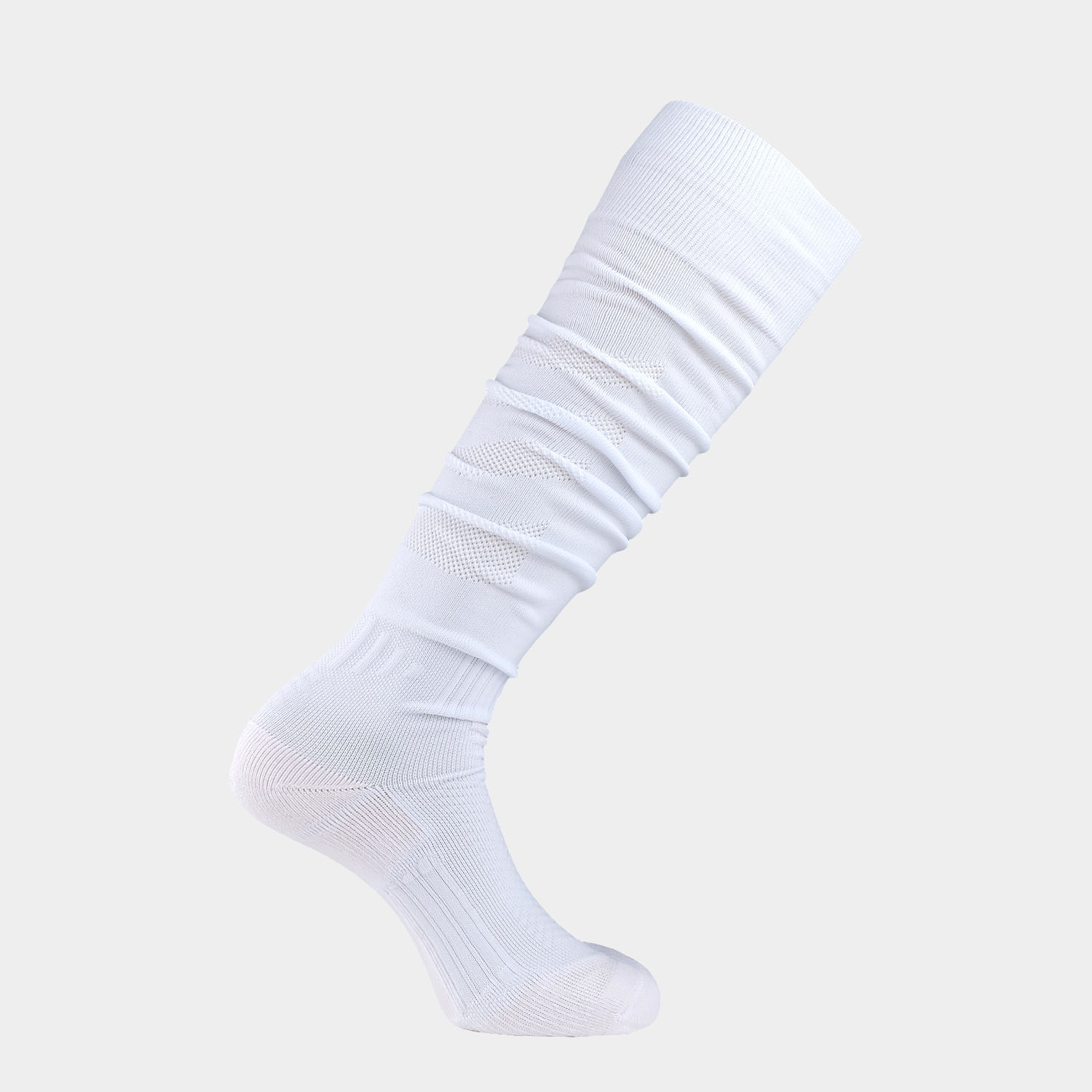
Ankle length remains the most requested option across industries since it suits nearly every use case, though no-show styles get picked by Pilates and barre brands focused on a cleaner look, and crew length shows up more often in healthcare and senior-care orders. Custom header cards, backer cards, or branded poly bags get added at this stage too, and retail-ready packaging is frequently what separates a wholesale grip sock from a giveaway item sold at the register for real margin.
Wholesale Pricing and MOQ for Grip Socks
Numbers settle faster than adjectives, so a tiered view of how volume and construction affect cost gives private label buyers something concrete to plan around before requesting a formal quote.
Order Volume | Typical Construction | MOQ Behavior | Price Trend |
|---|---|---|---|
100–300 pairs | Logo on cuff, dot grip | Entry-level MOQ, standard colours | Highest per-pair cost |
500–1,000 pairs | Custom colour blend, premium fabric | Mid-tier MOQ, more design flexibility | Noticeably lower per-pair cost |
1,000–5,000 pairs | Logo molded into grip, custom packaging | Grip tooling required | Competitive bulk pricing |
5,000+ pairs | Fully customised construction | Negotiated terms | Lowest per-pair cost |
What Raises or Lowers the Unit Price
Silicone grip, a molded logo pattern, individual poly-bagging, and specialty fibers all push price upward, while standard dot-grip, cotton-poly blends, ankle length, and bulk (non-individual) packaging keep per-pair cost down. Most private label brands end up somewhere in the middle, choosing premium construction on the one or two details that matter most to their customer and standard options everywhere else to protect margin.
Who Orders Bulk Grip Socks Wholesale

Demand for wholesale grip socks spans more categories than most buyers expect going in, and understanding where a brand’s own order sits relative to typical industry volumes helps set realistic expectations with a factory.
Studios, Gyms and Wellness Brands
Yoga, Pilates, and barre studios remain the most common private label buyers in this category, usually ordering 300 to 1,500 pairs per design to cover both retail sale at the front desk and complimentary new-member gifts. These buyers tend to prioritize a softer fabric blend and clean branding over maximum grip coverage, since their floors are controlled studio environments rather than high-traffic public venues.
Hospitality and Healthcare Buyers
Boutique hotels, spas, hospitals, and senior care facilities place larger, more frequent orders, often running 1,000 to 5,000 pairs per cycle for guest amenities or patient safety programs. Durability and consistent supply matter more here than branding complexity, which is why many of these buyers move toward standing reorder schedules with their manufacturer rather than one-off runs.
How to Place a Custom Grip Socks Wholesale Order
Knowing the construction options and typical buyer profiles only helps once it connects to an actual process, so here’s how a bulk order moves from first contact to finished shipment at Sockcn.
Sampling and Proof Approval
A brand shares its sole grip preference, fabric choice, and logo files, after which a physical sample gets produced for review before any bulk commitment is made. Checking grip texture, color accuracy, and logo placement on a real sample catches problems far earlier and more cheaply than finding them in a finished shipment of several thousand pairs.
Production Timeline and Quality Checks
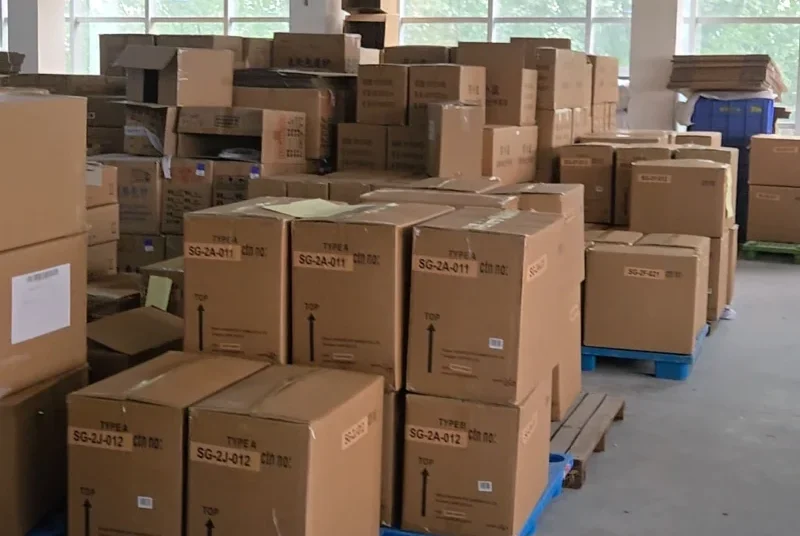
Standard grip sock orders typically run six to ten weeks from approved sample to delivery, with molded-grip logos adding time for custom tooling before production starts. Quality checks happen at multiple points along the line rather than only at the end, and a random sample from the finished batch gets pulled against the original approved sample before the order ships.
FAQ
Q1. What is the minimum order for custom grip socks wholesale?
Most standard designs start at 100 to 300 pairs when the logo sits on the cuff rather than in the grip pattern itself. A molded logo built into the sole typically raises that minimum toward 500 to 1,000 pairs, since custom tooling is required for the grip mold.
Q2. Can grip socks be made from bamboo or wool instead of cotton?
Yes. Bamboo blends are commonly requested for wellness and hospitality lines, and wool blends show up in colder-climate or premium positioning, though cotton-polyester remains the most cost-effective choice for high-volume orders.
Q3. Is silicone or PVC grip better for a wholesale order?
It depends on use case. Silicone flexes with the foot and holds up well through repeated washing, which suits studios with frequent sock rotation, while PVC costs less and performs reliably for high-volume, lower-cost programs like trampoline parks.
Q4. Does Sockcn offer sampling before a bulk grip socks order?
Yes. A physical sample is produced and reviewed before any bulk production begins, which lets a brand confirm grip texture, fabric feel, and logo accuracy ahead of committing to a full wholesale quantity.
Conclusion
A strong custom grip socks wholesale program comes down to matching construction choices to how the product will actually be used and sold, not simply picking the cheapest grip pattern available. Studios tend to favor fabric softness and clean branding, while hospitality and healthcare buyers lean toward durability and consistent reorder supply, and pricing tends to follow those same lines once volume and tooling requirements are factored in. Brands ready to move past general research can start a custom grip socks quote with Sockcn to get sampling and pricing specific to their own design.