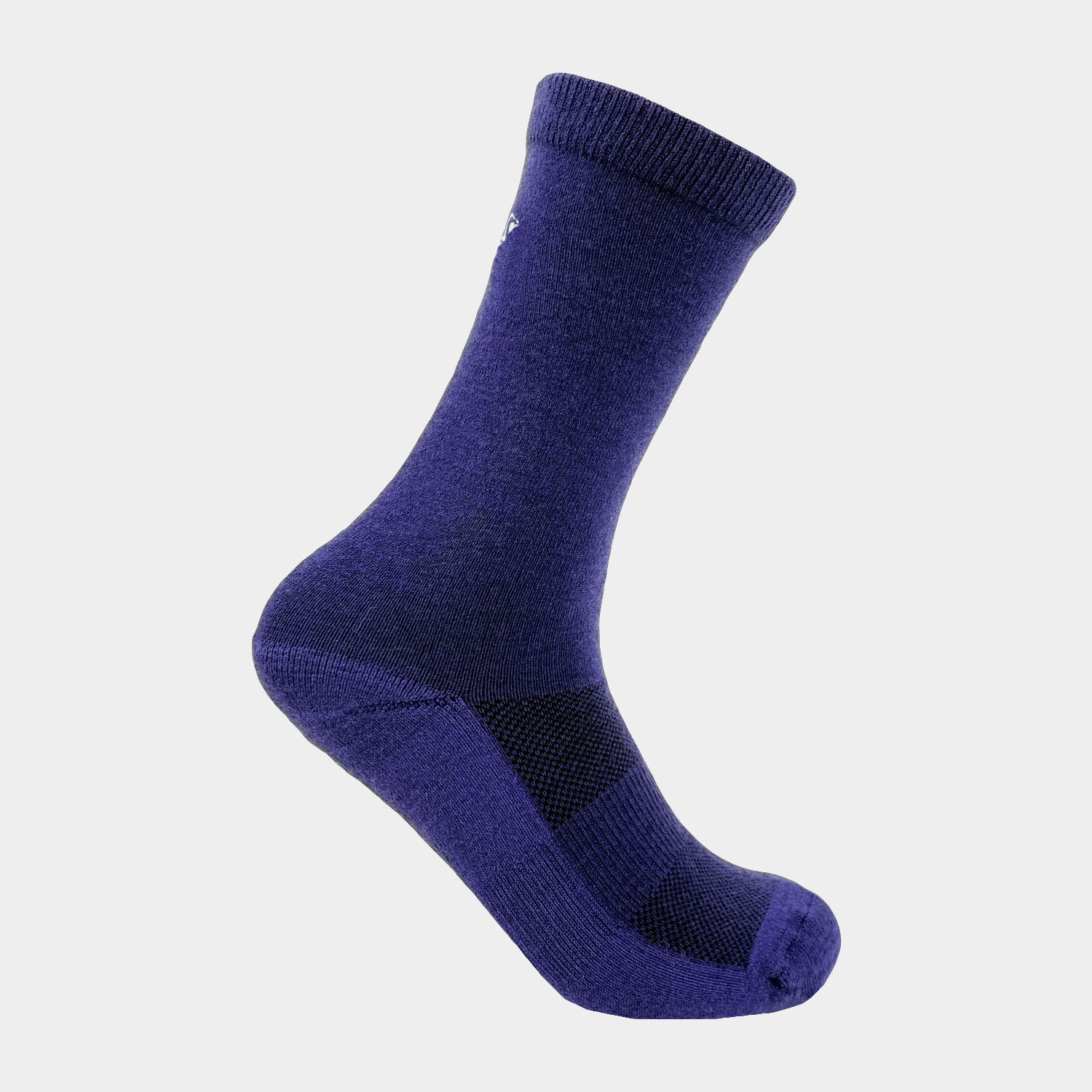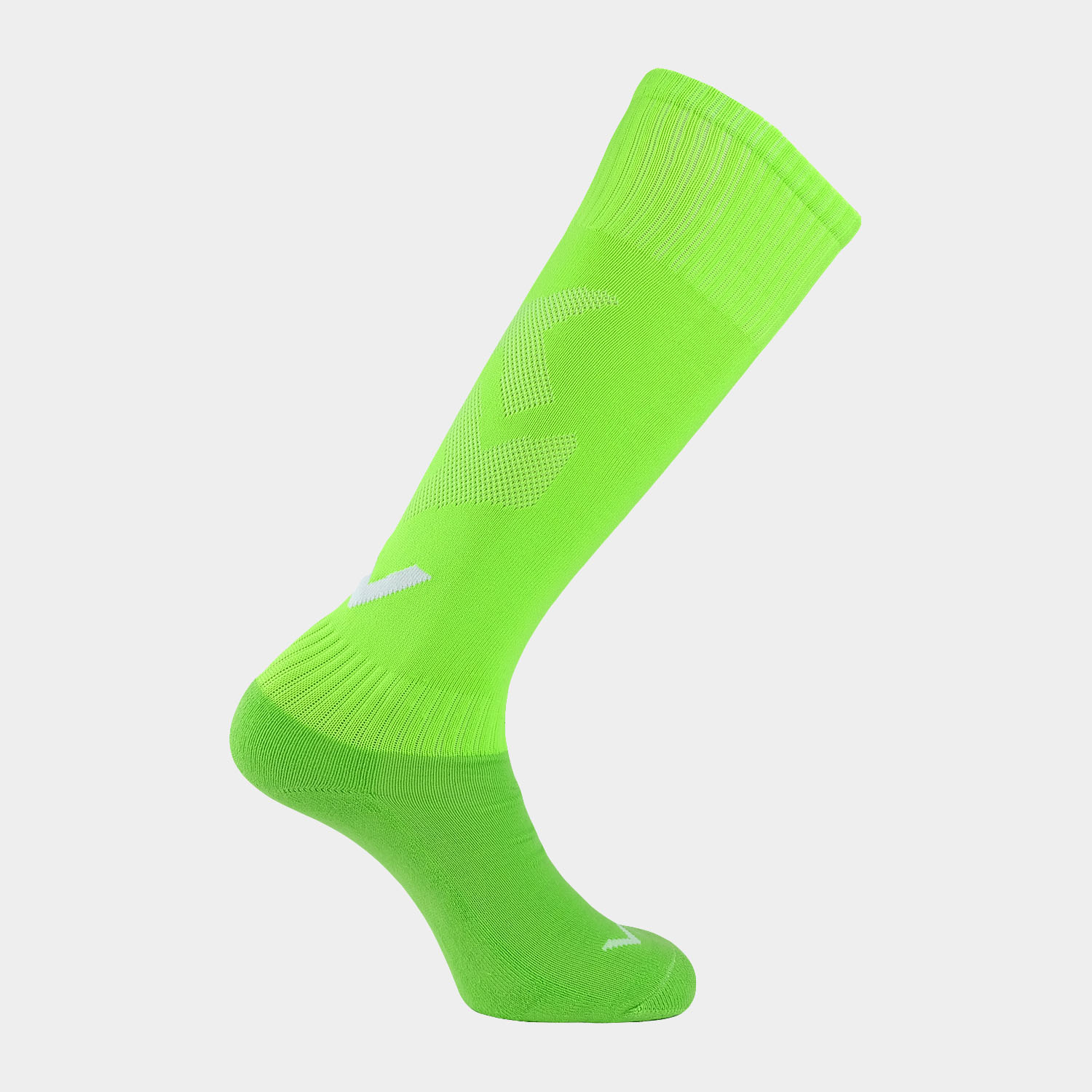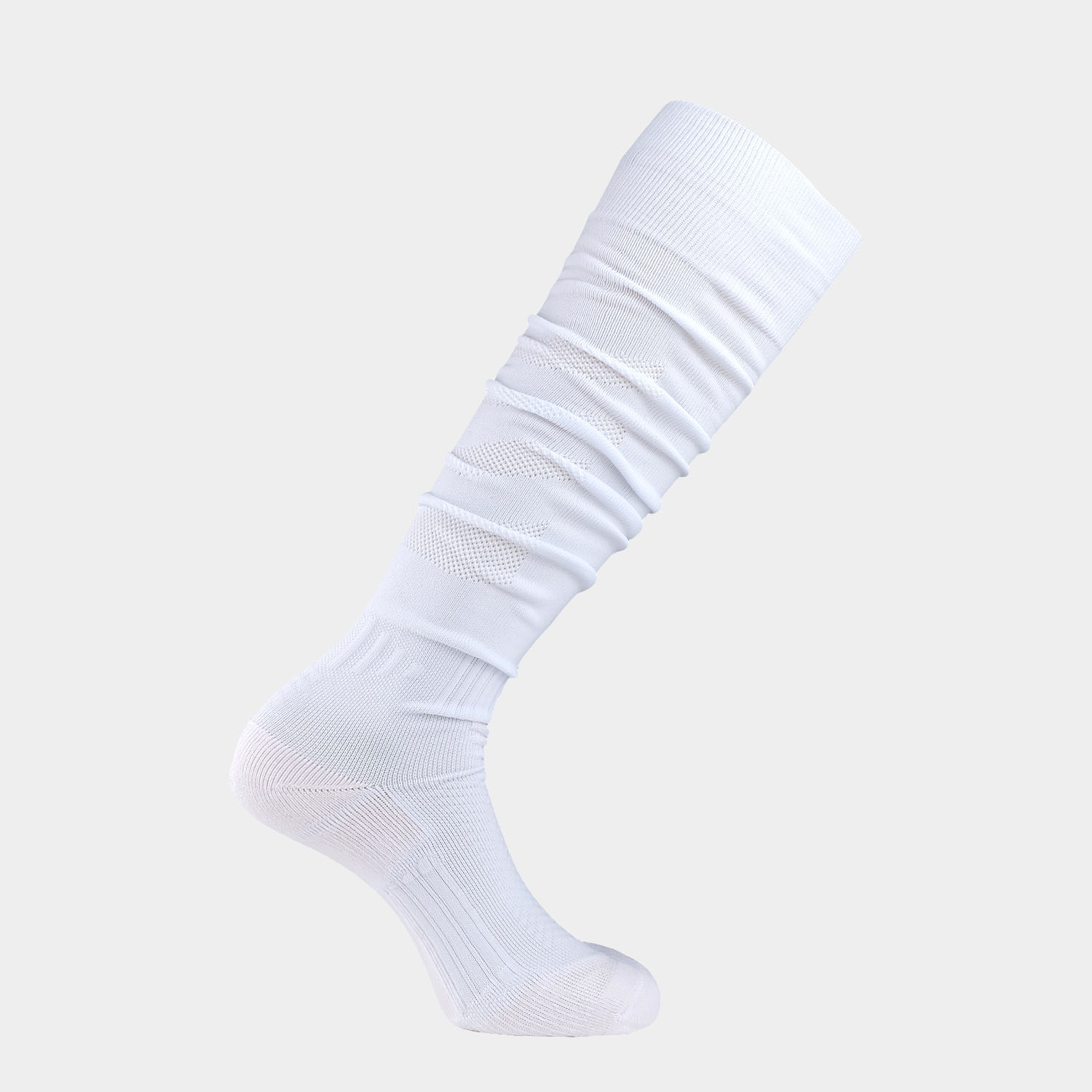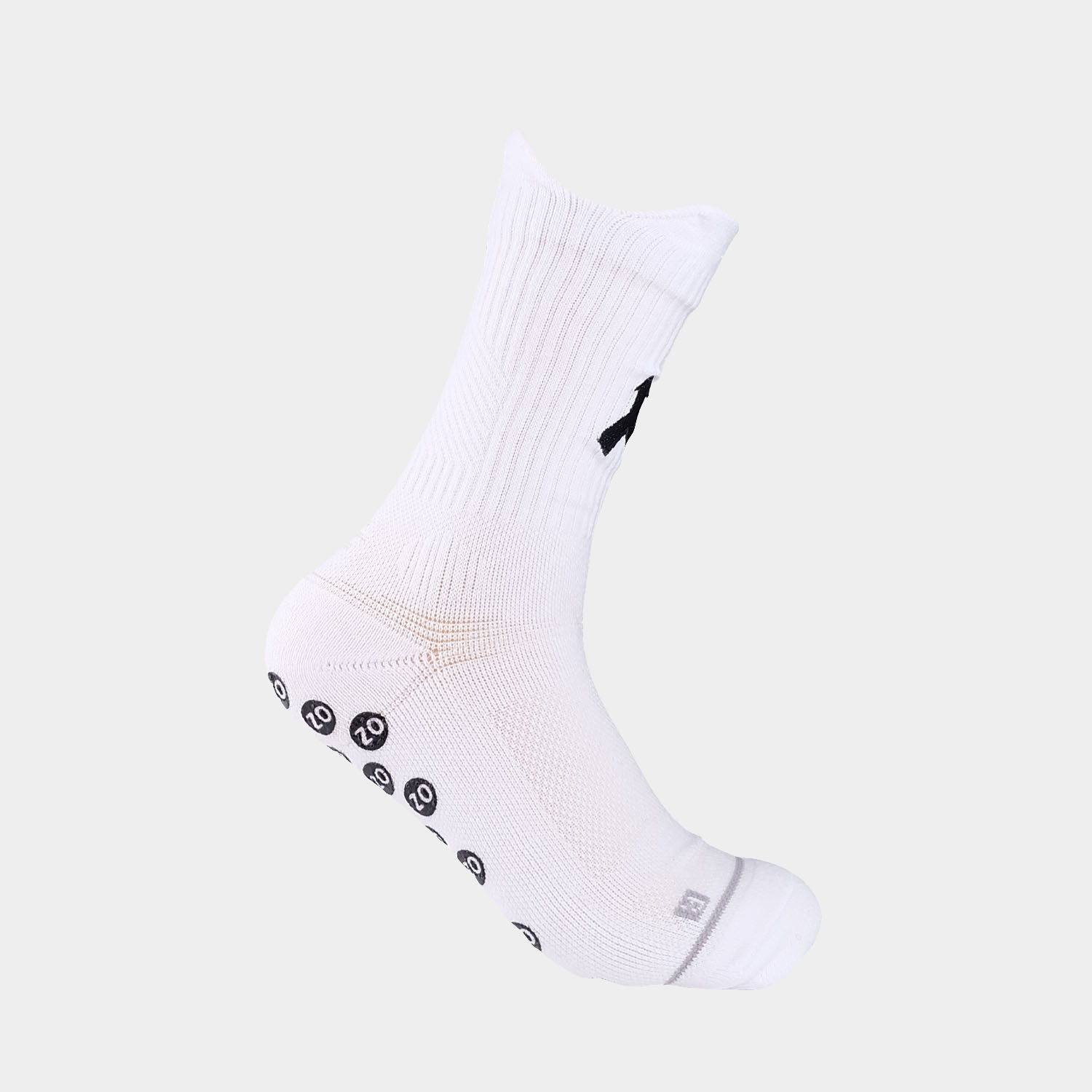

Fabric choice shapes cost, durability, and positioning as much as softness, because bamboo-derived viscose suits soft everyday socks while merino wool is chosen for temperature regulation and outdoor use. This guide compares bamboo vs wool socks on the price, end use, and construction decisions that shape a private label collection.
How Bamboo and Merino Wool Differ
When comparing bamboo vs wool socks for a private label collection, brands need to understand how each material behaves in daily wear, how much construction support it needs, and whether its benefits justify the target retail price.
Both bamboo-derived viscose and wool can make comfortable socks, though they serve different product strategies.
| Factor | Bamboo-derived viscose | Merino wool |
|---|---|---|
| Hand feel | Smooth, soft, silky | Soft, springy, naturally textured |
| Moisture behaviour | Absorbs moisture; drying depends on construction and blend | Absorbs moisture vapour and helps regulate comfort across changing conditions |
| Temperature regulation | Suitable for lightweight everyday socks | Particularly useful for variable temperatures and outdoor wear |
| Durability | Benefits from nylon reinforcement and suitable construction | Often blended with nylon to improve abrasion resistance |
| Typical positioning | Everyday comfort, lifestyle, value-conscious premium | Premium outdoor, hiking, winter, performance |
| Cost positioning | Often more accessible, depending on yarn and specifications | Generally higher for quality merino yarns |
These are general tendencies rather than guaranteed results, since fibre grade, yarn structure, fabric density, finishing, and blend ratios can change performance substantially.
What bamboo socks offer brands
Comfort-focused brands are drawn to bamboo socks because the material’s smooth hand feel creates an easy-to-understand benefit for customers. Developers comparing bamboo vs wool socks should still examine the actual fibre composition rather than treating “bamboo” as a complete technical specification.
Softness and bamboo viscose
Most commercial bamboo socks use viscose or rayon derived from bamboo pulp, a regenerated cellulose fibre valued for its smooth surface and soft feel against the skin. That hand feel suits casual crew socks, dress socks, lightweight everyday styles, and comfort-oriented collections, which keeps the material easy to position. Processing matters here, because bamboo-derived viscose is not the same as mechanically processed bamboo fibre, which means brands should confirm the correct fibre name for product labels and marketing claims. The custom bamboo socks collection from Sockcn offers a starting point for developing branded styles.
Moisture absorption and breathability
Viscose from bamboo absorbs moisture, and lightweight knitted constructions can provide comfortable airflow for everyday use. Absorption alone does not equal rapid sweat wicking or fast drying, which matters for customers who walk extensively, work long shifts, or perspire heavily. Those wearers need the complete yarn blend and sock structure more than a bamboo label alone, with mesh zones, suitable thickness, and supportive synthetic fibres helping tailor the product to its intended use.
Pricing and product positioning
Soft-touch products can use bamboo-derived viscose without automatically moving into the price tier associated with premium merino wool. Lifestyle multipacks, gift collections, and comfort-focused retail lines can all use it, because the material fits a soft, accessible proposition. Costs still depend on yarn specifications, order volume, colours, knitting complexity, and packaging, so buyers should compare quotations based on equivalent product specifications rather than fibre names alone. Sockcn’s custom bamboo socks guide covers further development considerations, including construction and blend choices for everyday styles.

What Wool Socks Offer Brands
Wool is not one uniform material, because traditional wool and fine merino differ in fibre characteristics, and the final result also depends on yarn quality and construction. Brands targeting outdoor or premium customers often treat merino as the more relevant side of the bamboo vs wool socks decision, because the performance story is easier to support.
Temperature regulation in merino
Crimped fibres give merino wool the ability to absorb moisture vapour while helping regulate the microclimate around the foot. Such characteristics make merino well suited to hiking, travel, cool-weather wear, and products designed for changing temperatures. Fine merino fibres can also provide a softer next-to-skin feel than many coarser wool types, which matters for socks worn directly against the skin. Premium collections can compare different constructions and blend specifications through Sockcn’s custom merino wool socks, which helps clarify the yarn and knit that suit the intended price point.
Durability and blend design
Warmth and temperature regulation are useful wool properties, but a sock made entirely from wool may not provide the abrasion resistance, stretch recovery, or shape retention required for frequent use. Manufacturers often combine merino wool with nylon for reinforcement and elastane for stretch and fit, which helps a lightweight sock hold its shape without losing softness. Appropriate percentages depend on the intended application, yarn availability, and budget, and should be confirmed through sampling rather than assumed from a standard formula. Cushioned hiking socks worn inside heavy boots may need a different construction from lightweight everyday wool socks, which is why the brief should name the footwear and activity.
Higher pricing and customer expectations
Quality merino wool generally costs more than standard bamboo-derived viscose yarn, particularly when the product uses finer fibres or specified sourcing and certification requirements. Additional cost makes the most sense when the collection can communicate meaningful benefits, such as temperature regulation, outdoor suitability, and considered material quality. Buyers should not assume that a higher wool percentage automatically produces a better sock, because the full blend, fit, and construction must support the product’s price point. A merino wool boot sock product illustrates how wool can be combined with supporting fibres for a defined use case.

Matching material to your collection
Once the differences are clear, matching bamboo vs wool socks to the customer and sales channel becomes the next decision. Materials that work well for an affordable everyday multipack may be less suitable for a specialist outdoor product, even if both are technically comfortable.
Start with the end use
Everyday lifestyle socks may suit bamboo-derived viscose when a smooth hand feel and accessible price position are priorities. Hiking, cold-weather, and premium outdoor collections often suit merino wool because temperature regulation and moisture-vapour management are central to the product proposition. High-intensity sports and products requiring fast drying should not be decided by material name alone, and performance-oriented synthetic blends may be worth evaluating alongside them.
Compare total product cost
Unit costs for bamboo vs wool socks cover more than the material quotation, since nylon reinforcement, elastane content, cushioning, knit complexity, colour count, logo execution, packaging, and order quantity can all affect the final price. Preparing the same product brief for each option allows a fair comparison, including sock length, size range, target weight, construction, branding, and packaging. Quotations should then be weighed against the expected retail price and margin rather than the lowest yarn cost, because the cheapest yarn rarely produces the most profitable sock.
test the finished sock
Samples are essential because fibre descriptions cannot predict every aspect of the finished product. Hand feel, fit, stretch recovery, thickness, shrinkage, pilling, colourfastness, and durability after laundering all deserve assessment, because appearance alone says little about how a sock will wear. Performance products should also be tested with their intended footwear and use conditions, so the sock is judged in the setting it was designed for. Guidance on evaluating fibre blends, construction, and end-use requirements appears in Sockcn’s sock material guide before a specification is confirmed.
FAQ
Q1. Are bamboo socks better than wool socks?
Neither fibre wins across the board. Bamboo viscose feels smooth on your feet day to day, while merino wool handles heat and moisture on a hike. Match the fibre to the job.
Q2. Do bamboo socks cost less to manufacture than wool socks?
Bamboo viscose usually carries a lower material cost than quality merino, but unit price still hinges on yarn grade, blend ratio, order volume, and design complexity.
Q3. Can wool socks be worn in warm weather?
Lightweight merino works year-round because it wicks moisture and regulates heat, provided the thickness and ventilation match the conditions.
Q4. Should brands use 100% bamboo viscose or 100% wool?
Skip the 100% label. Adding nylon and elastane keeps the sock from wearing thin and slipping off the heel. Decide the mix by what the sock has to do, then run a sample before you commit.
Q5. Are wool socks suitable for year-round sales?
Absolutely. Wool has natural temperature regulation and breathability, warm in winter and cool in summer.
Conclusion
Product positioning, rather than material prestige, should decide the bamboo vs wool socks question, since neither fibre wins on every measure. Soft, everyday collections can rely on bamboo-derived viscose, while merino wool is often better suited to premium outdoor and temperature-regulating products. For private label buyers, the strongest decision balances fibre properties with construction, durability, target retail price, and customer expectations, and that balance rarely comes from the fibre name alone. Define the use case first, compare complete product specifications, and approve samples before moving into bulk production, so the chosen fibre is tested in the product it will become. To discuss a custom blend or request a project quotation, contact the Sockcn team through its custom sock development page, where the next step can be agreed.
Related Resources
These resources can help you prepare a more complete product brief and understand the broader custom sock development process.
→ Custom Bamboo Socks: Options for Your Brand
→ Bamboo Socks for Athletes: Sustainable Performance for Sports Brands
→ Merino Wool Vs. Regular Wool: Key Differences for Your Business
→ Merino Wool Socks: The Comprehensive Guide
→ Private Label Socks Manufacturing: From Product Development to Repeat Orders