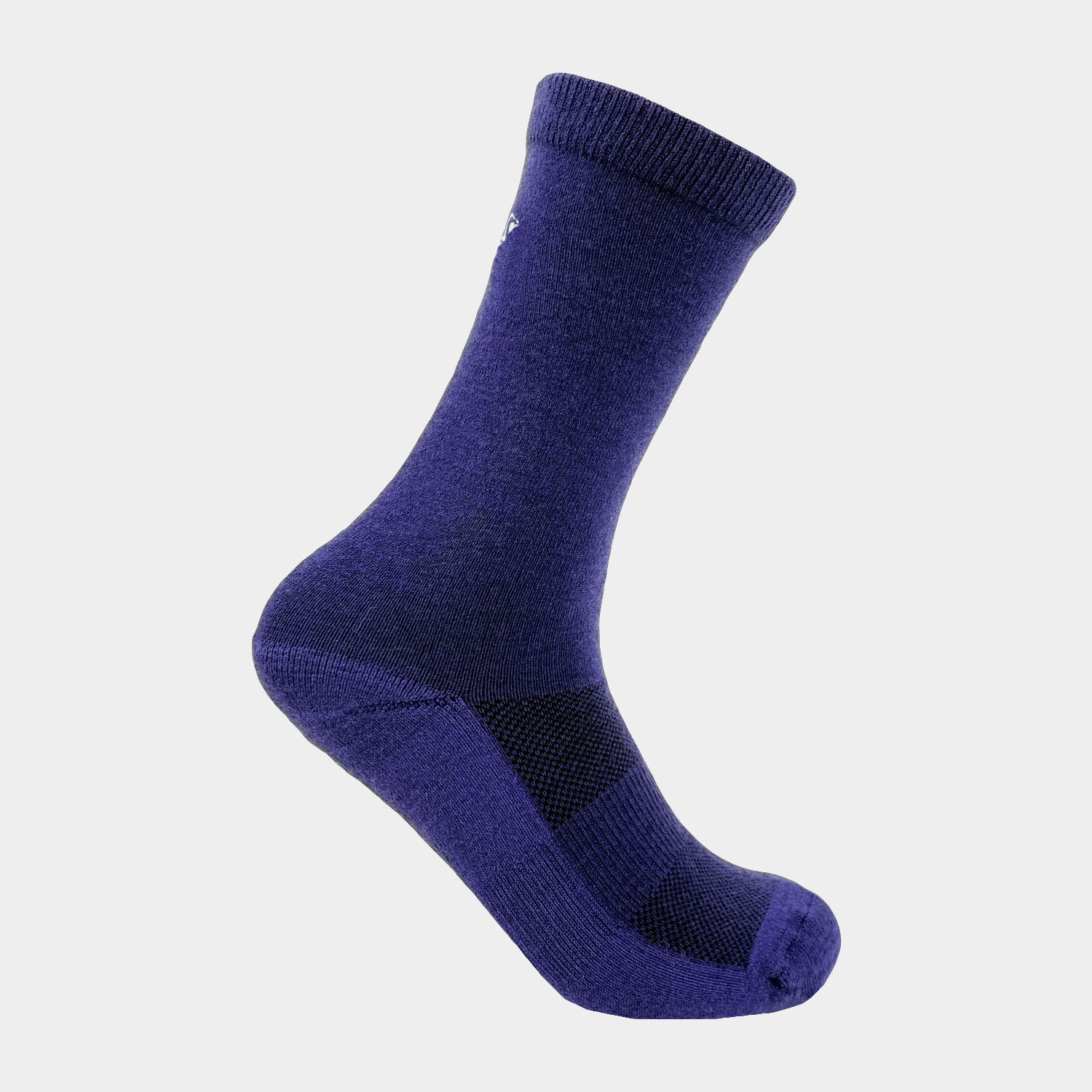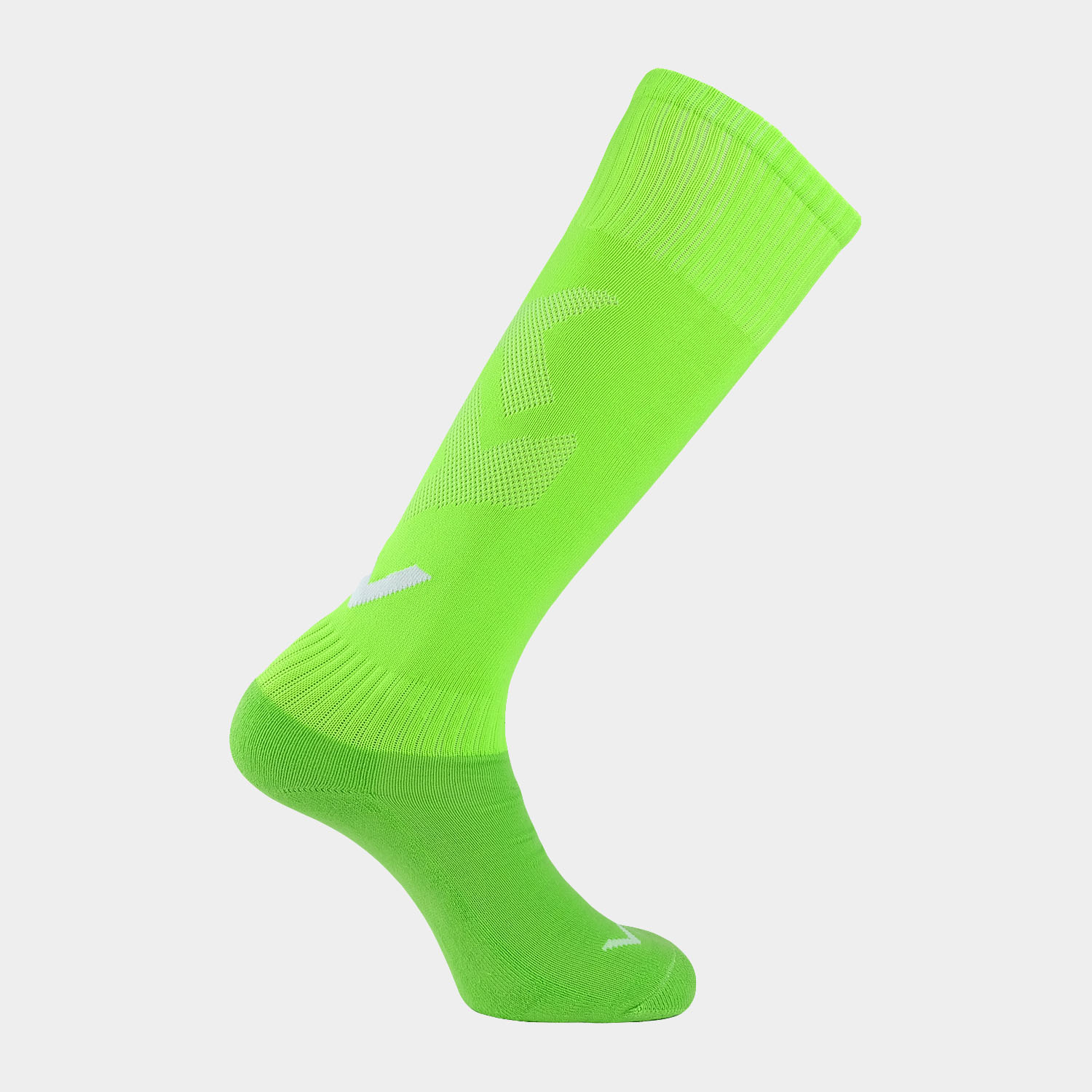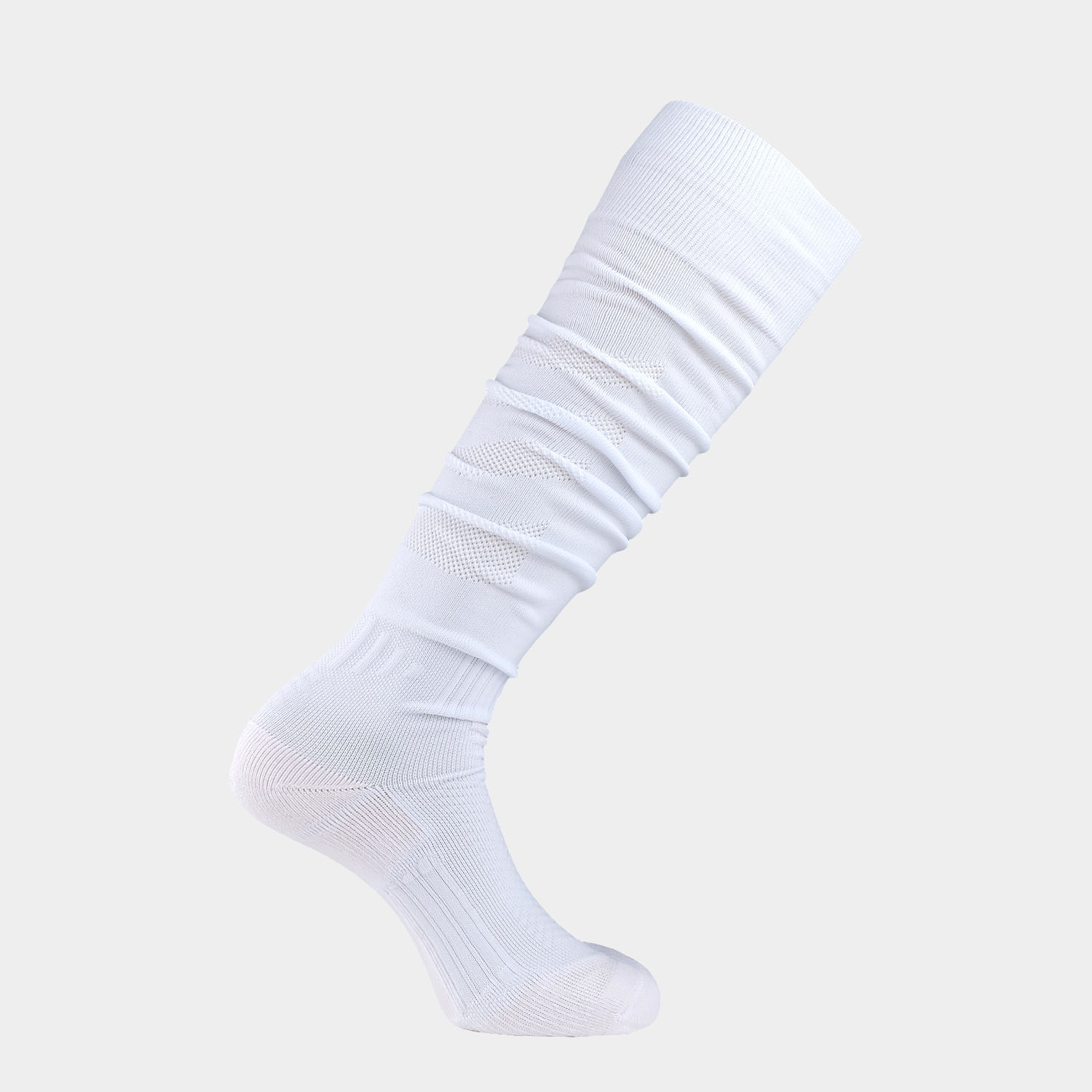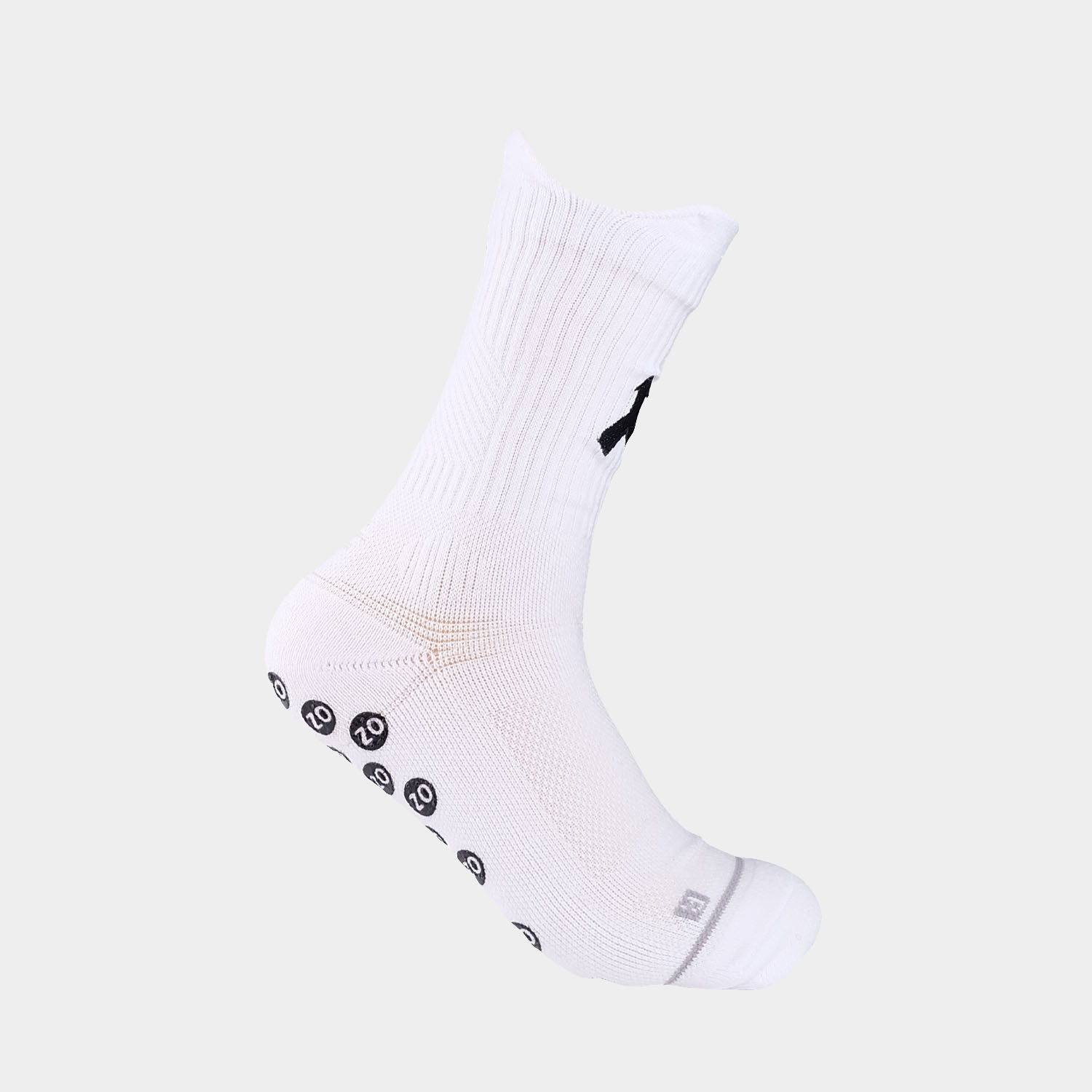
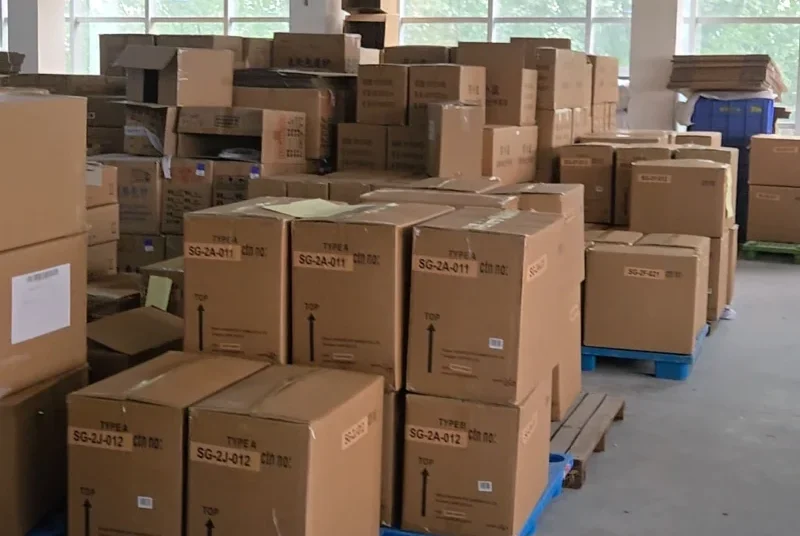
Deciding between private label vs wholesale socks shapes far more than how inventory is bought, because the choice sets how much design control, branding, upfront investment, and room for growth a business keeps. Buying wholesale lets retailers stock proven styles quickly, whereas private label socks let a company build a distinctive range under its own name. Working with a sock manufacturer also changes material selection, minimum order quantities (MOQ), sampling, and production planning, so the comparison below approaches both models from a B2B perspective and weighs budget, sales strategy, and long-term product goals.
Where the two models differ
Both sourcing models let a business buy socks for resale, although control, cost, and brand differentiation differ enough that neither suits every business. Figures in the table below compare them on the factors that shape a range, so private label vs wholesale socks can be weighed against whether speed or brand association matters more.
| Factor | Wholesale socks | Private label socks |
|---|---|---|
| Product selection | Existing styles and specifications | Existing or adapted styles under your brand |
| Branding | Usually supplier-branded or unbranded | Your logo, labels, and brand identity |
| Customisation | Limited | More options for colours, patterns, and packaging |
| Initial investment | Generally lower development costs | May include sampling and setup costs |
| MOQ | Depends on stock and supplier terms | Depends on style, materials, and customisation |
| Lead time | Often shorter when stock is available | Includes customisation and approval stages |
| Inventory risk | Useful for testing demand | Requires planning around specific designs and quantities |
| Best fit | Retailers seeking speed and flexibility | Brands developing a distinctive product range |
Wholesale socks explained
Ready-made products bought in bulk for resale define wholesale socks, so buyers choose from available styles, materials, sizes, and colours instead of commissioning development work. This side of the private label vs wholesale socks comparison suits a buyer who wants proven product quickly, though it leaves little room to alter the specification.
Lower development costs
Because the specification already exists, wholesale orders involve fewer setup and sampling steps than a private label programme. Final costs still depend on quantity, material, construction, packaging, and shipping, which is why the full landed cost deserves attention rather than an assumption that every wholesale option is cheap.
Faster stocking and market testing
Retailers that need to replenish popular styles or test a new category can start with wholesale, without committing to a dedicated design. A store might begin with several standard crew, ankle, or athletic styles, then use sales data to identify which products deserve further investment. Our sock wholesale price guide explains the main factors behind purchasing costs for buyers planning bulk orders.
Less brand differentiation
Other retailers may offer similar or identical products, which is the main limitation of buying wholesale stock. Merchandising, pricing, and customer service can still set a business apart, yet the sock itself offers fewer chances to establish a unique identity.

private-label brand socks explained
Selling socks under your own brand, using products developed or adapted to your requirements, describes the private label model. Depending on the manufacturing arrangement, a buyer may start from a proven sock base and customise its appearance, or specify materials, construction, and packaging in more detail.
Branding control
Knitted logos, custom colours, jacquard patterns, branded labels, hangtags, and retail packaging can all form part of a private label programme, which keeps a collection visually consistent. Brand-focused development is supported at Sockcn through its custom sock manufacturing service, where materials, designs, and product specifications are discussed with buyers.
Greater product differentiation
Collections under your own brand can reflect a particular customer group instead of relying on standard catalogue styles, which is where differentiation begins. Lifestyle brands, for instance, might prioritise soft everyday socks, while an outdoor brand could develop wool-blend socks with targeted cushioning and reinforced heels. Material and product requirements can be tailored to different market positions, as our custom wool socks collection shows.
Planning before production
Clear decisions about artwork, colours, sizes, packaging, and quantities are needed before a private label order can proceed. Sampling and approval may also be required before bulk production, depending on the project. Further detail on the manufacturing stages sits in our guide to choosing a reliable OEM factory for socks

How MOQ, cost, and lead time compare
Comparing private label vs wholesale socks on cost rarely stops at the unit price, because each model distributes expenses and responsibilities differently, which makes the full order requirements the fairer basis for a decision.
Minimum order quantity
Whether a supplier sells from available inventory or requires a new production run decides the wholesale MOQ. Across private label projects, MOQ may vary by style, colour, size, yarn, and customisation. At Sockcn, many custom sock projects start at 100 pairs per design, although the actual requirement depends on the specification. Background on these thresholds sits in our guide to MOQ in custom sock manufacturing.
Total cost of ownership
Development expenses often fall with wholesale purchases, while private label orders can involve sampling, logo setup, custom packaging, and other preparation costs. Commercial sense depends on order volume, product positioning, retail price, and expected sell-through, not on the quoted unit cost alone. Investment and expected margin deserve more weight than the lowest price on paper.
Production and reordering
Stock that is already available usually ships quickly on a wholesale order. More coordination is needed for private label production, since designs and specifications must be confirmed before manufacturing begins. Once a product has been approved, documented specifications make repeat orders easier to manage. Reorder arrangements differ across private label vs wholesale socks, and production schedules, material availability, and supplier terms should be confirmed before the first order.

Which sourcing model fits your business
Business stage and product strategy usually offer better decision criteria than company size alone, so several common scenarios are worth weighing before either model is chosen.
Choose wholesale for testing
Entering the sock category, replenishing existing products, or testing several styles before developing a range are all situations where wholesale works well. Fewer product-development decisions are needed at the start, which leaves demand, pricing, and sales channels as the focus.
Brand growth through private label
Growth usually points towards private label once the target customers are understood and consistent branding matters across the range. Distinctive designs, tailored packaging, or a collection that competitors cannot easily replicate also make the model sensible. Established demand for wool socks, for instance, could lead a retailer to develop its own branded version, such as solid-color wool socks with a custom logo
Consider a hybrid strategy
One model does not have to cover every product in a range. Stocking wholesale socks for variety while developing a smaller private label range around proven bestsellers is a workable middle path. Short-term flexibility and long-term brand development can both be served this way, provided inventory and cash flow are planned carefully.
FAQ
Q1. Are private label socks more expensive than wholesale socks?
Extra cost can come from sampling, branding, and packaging on private label socks, although the real difference depends on product specifications, quantity, materials, and customisation requirements.
Q2. What is the typical MOQ for private label socks?
MOQ varies by manufacturer and project, and Sockcn’s custom sock projects often start at 100 pairs per design, with special materials, construction, and customisation able to affect the final figure.
Q3. Can I add my logo to wholesale socks?
Some suppliers offer limited branding, but adding a logo or changing the product presentation may move an order into a custom or private label programme, so the available options should be confirmed before ordering.
Q4. Is private label the same as fully custom sock manufacturing?
An existing product base with branding applied is enough for private label, while fully custom manufacturing may change materials, fit, construction, or performance features as well.
Conclusion
Each model answers a different business priority, with wholesale allowing faster entry or replenishment and private label keeping control over branding and differentiation. Weighing private label vs wholesale socks comes down to price, demand, budget, MOQ, and timeline, and Sockcn helps buyers assess materials, customisation, and production requirements before goals are shared through the contact page.