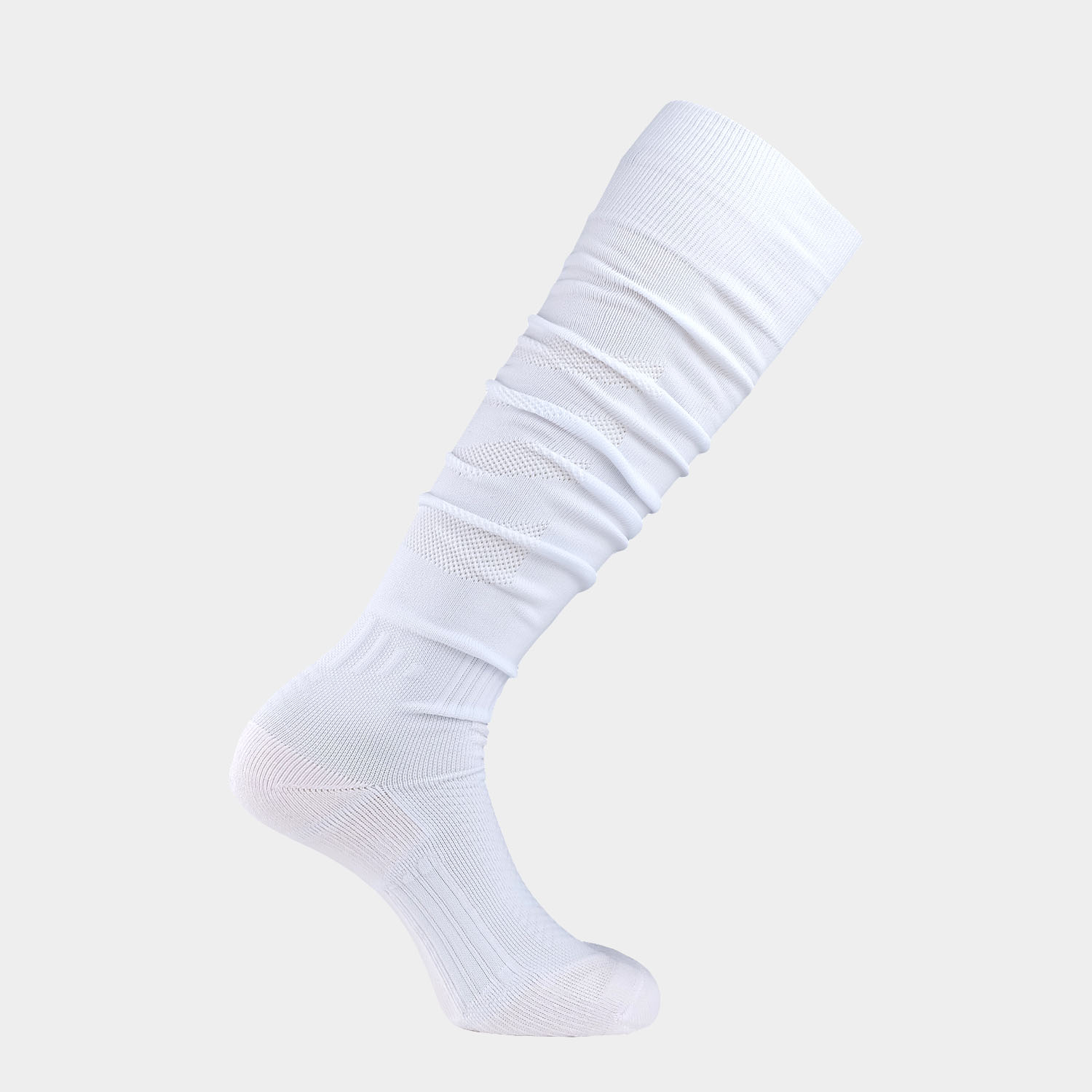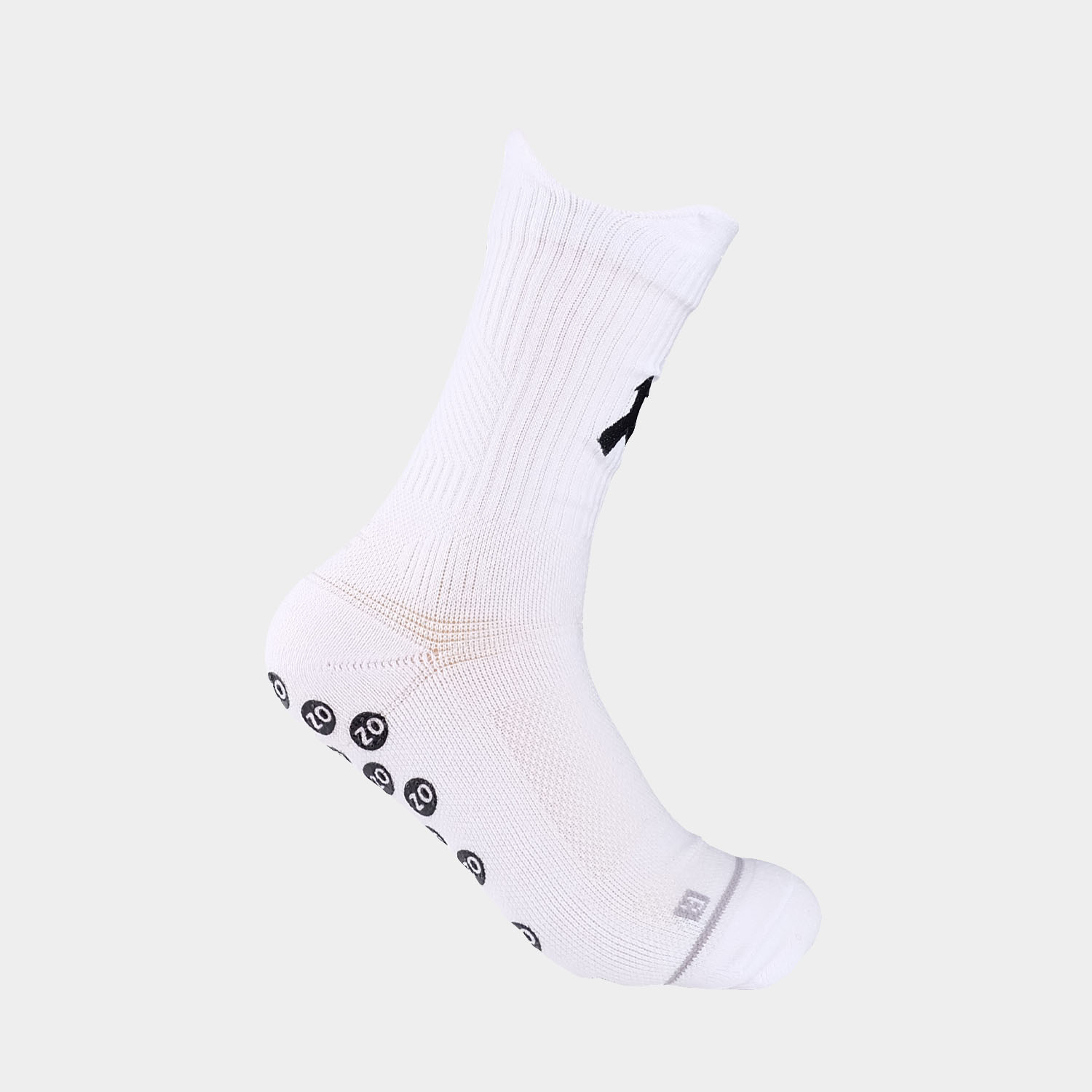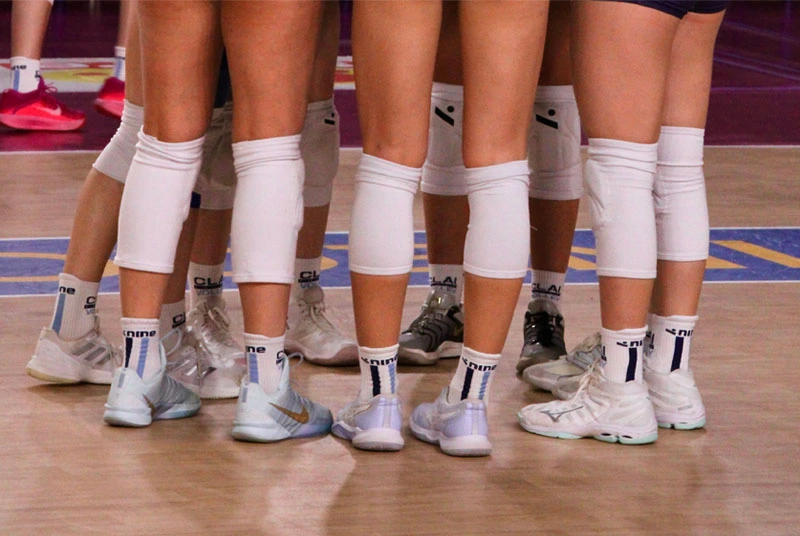
As a custom sock manufacturer serving fitness studios and brands in 25+ countries, Sockcn helps businesses develop custom Pilates grip socks for retail, member programs and branded merchandise.
Beyond logo customization, high-quality Pilates socks require the right grip technology, materials, and construction to deliver comfort, safety, and durability. This guide explains what studios and brands should consider when creating custom Pilates socks.
Quick Preview
Custom Pilates socks are more than branded workout accessories. For studios and fitness brands, the right product should combine reliable grip, comfortable construction, durable materials, and branding that fits the studio’s identity.
When developing custom Pilates socks, the key decisions are usually:
- Grip:Full-sole or targeted grip, depending on the training environment.
- Materials:Choose the right blend based on comfort, durability, and frequency of use.
- Construction:Details such as arch support, seamless toes, and sock height affect daily wear.
- Customization:Logo placement, colors, packaging, and other details turn a functional sock into a branded product.
- Manufacturing:A capable supplier should be able to develop the product around your actual use case—not simply reproduce a logo.
Why Are More Pilates Studios Choosing Custom Grip Socks?
As Pilates continues to grow worldwide, more studios are looking for ways to improve member experience while building stronger brand connections. Custom Pilates socks are no longer just functional workout accessories. They have become a valuable extension of studio services, helping businesses enhance customer experience, promote their brand, and create additional retail opportunities.
Improve Safety, Hygiene and Studio Experience
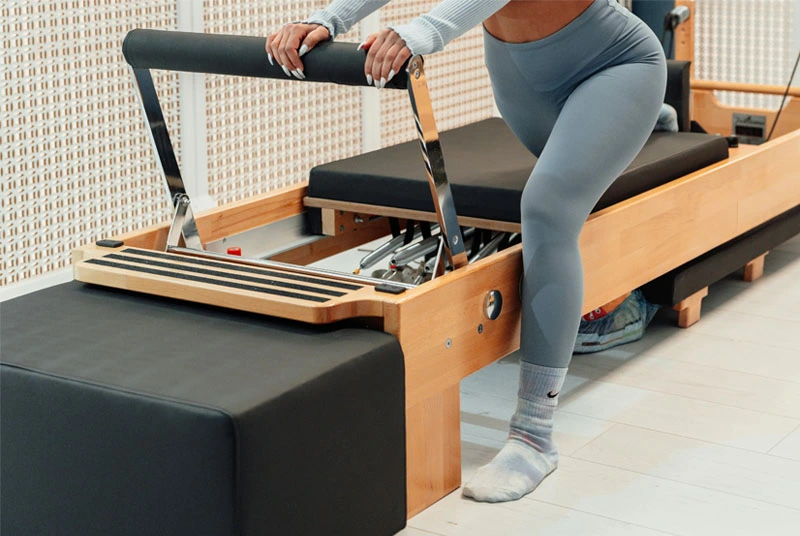
Many Pilates classes require clients to train barefoot or wear grip socks for Pilates for better stability and control. Especially in reformer Pilates, reliable grip performance plays an important role in helping users feel secure during different movements.
High-quality Pilates socks with grip should provide effective non-slip performance, comfortable fit, and long-lasting durability. For studios, choosing the right grip socks can improve the overall class experience while demonstrating a higher level of professionalism to members.
Create a New Revenue Stream Through Studio Merchandise
Custom Pilates socks can become a valuable part of a studio’s merchandise offering.
With customized logos, colors, and designs, studios can use branded socks for:
- Retail sales
- New member welcome kits
- Studio events and promotions
For studios ordering Pilates socks in bulk, branded products can create a stronger connection with customers while opening up an additional revenue opportunity.
Strengthen Studio Branding
Personalized Pilates socks allow studios to bring their brand identity into members’ everyday fitness routines.
Logo placement, signature colors, and unique designs help create a consistent brand experience. When members wear branded socks during classes or share workout photos online, these products can naturally increase brand visibility and strengthen community engagement.

What Defines a High-Quality Custom Pilates Sock?
In real studio environments, Pilates socks need to handle long training sessions, frequent use, repeated washing, and movement-related friction.
Brands should evaluate grip performance, materials, construction, and manufacturing quality to ensure long-term performance.
Grip Technology: The Core of Pilates Grip Socks

Many Pilates classes require members to train barefoot or wear Pilates grip socks for better stability. Especially in reformer Pilates, barre, and balance-focused workouts, reliable grip performance helps reduce foot slipping and improves movement control.
The key to a high-quality grip sock is not simply adding more silicone. It requires the right balance between:
- Grip strength
- Flexibility
- Comfort
- Durability
Too little grip coverage may not provide enough stability, while excessive grip coverage can reduce flexibility and affect the natural feel of the sock.
Professional manufacturers need to develop suitable grip solutions based on different training environments and user needs.
Silicone Grip Quality: What Studios Should Check Before Ordering
For Pilates studios, silicone grip quality directly impacts user experience and product performance. When evaluating suppliers, studios should pay attention to:
- Adhesion Durability
High-quality silicone grip should maintain strong adhesion after repeated use and washing.
Studios should test:
- Whether the silicone peels off after washing
- Whether cracks appear over time
- Whether grip performance decreases after repeated use
Some low-quality grip socks may perform well when new, but the silicone can start peeling after several washes, eventually affecting the brand experience.
- Grip Elasticity and Comfort
A good grip system needs to provide stability while allowing natural foot movement.
Silicone that is too hard may restrict flexibility, while silicone that is too soft or lacks adhesion may not provide enough traction.
Therefore, a well-designed grip system should balance stability, flexibility, and comfort.
Real Manufacturing Experience
A Pilates brand approached Sockcn after experiencing silicone grip issues with their previous supplier. Through sample adjustments and performance testing, Sockcn improved grip quality and wearing comfort, helping the customer expand from a 200-pair trial order to three designs totaling 600 pairs.
Full Sole Grip vs Targeted Grip Design
Different Pilates studios may have different requirements for grip design.
Full Sole Grip | Targeted Grip | |
Coverage | Full coverage from heel to toe | Focuses on key contact areas |
Stability | Higher | Medium to high |
Flexibility | Slightly lower | More flexible |
Best For | Reformer Pilates, high-intensity training | General Pilates, yoga, daily studio use |
Cost | Higher | More flexible |
Full Sole Grip
Full sole grip covers the entire sole area, including the heel, forefoot, and arch, providing maximum stability and traction. It is ideal for reformer Pilates grip socks and high-intensity training where foot control is especially important.
Targeted Grip
Targeted grip focuses on key contact areas such as the heel, forefoot, and toe, offering a better balance between grip, flexibility, and comfort. It is suitable for studios looking for a lighter and more versatile option.
Choosing Materials and Sock Structure
Material Selection
Cotton blends are suitable for most daily Pilates classes, offering softness, breathability, and comfortable wear, making them a cost-effective choice for many studios.
Cotton bamboo blends are a better option for premium wellness brands that focus on a higher-end experience, providing a softer feel and improved moisture management.
For Pilates socks for reformer classes or high-frequency usage environments, nylon blends offer better durability and shape retention, making them suitable for products that require long-term performance.
Sock Structure
Beyond materials, sock construction also affects the overall wearing experience.
Features such as arch support help keep the sock stable and reduce movement during training, while seamless toe construction helps minimize friction and improve comfort during longer sessions.
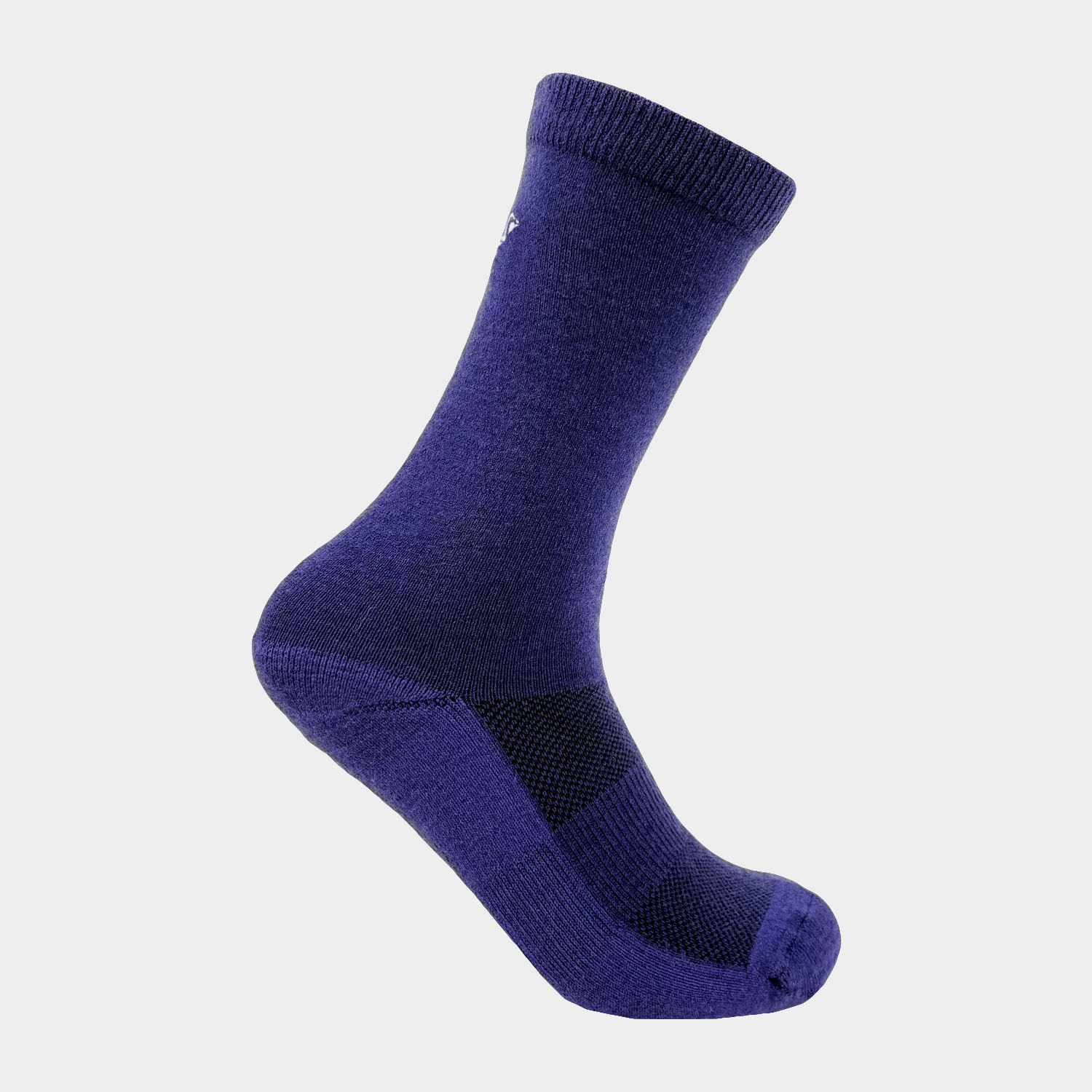
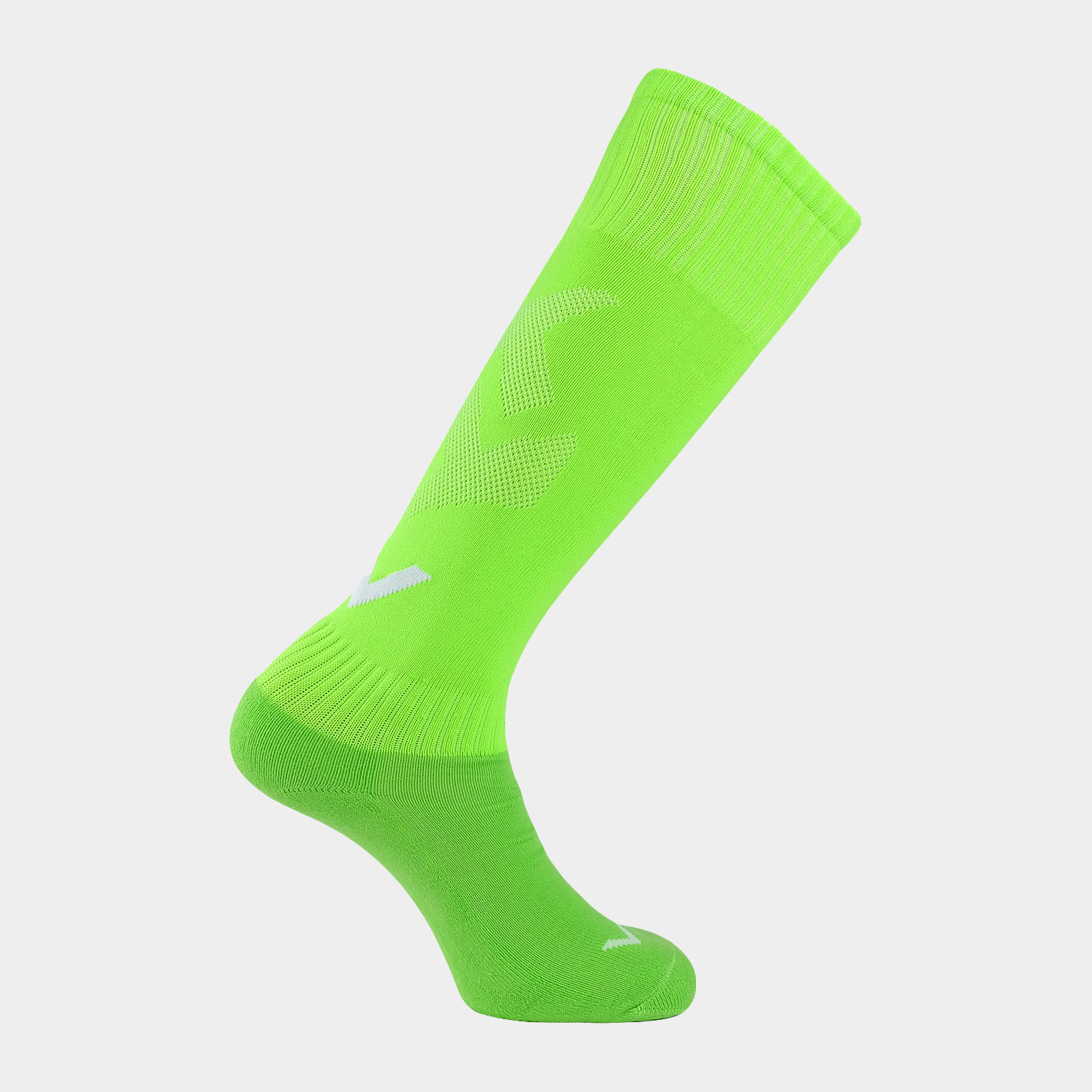
For sock height, both Pilates crew socks and ankle socks are popular choices among Pilates studios. Crew socks provide more space for branding and are often preferred for retail and brand promotion, while ankle socks offer a lighter option for everyday training.

How Are Custom Pilates Socks Made?
Creating custom Pilates socks is a process that turns a brand idea into a finished product.
Beyond adding a logo, brands need to consider product positioning, functional features, sample testing, and final presentation to create socks that match their market needs.
Define Your Design Direction
The first step in developing custom Pilates socks is defining the product concept and design direction.
Brands usually need to confirm:
- Sock style and length
- Color options
- Logo placement
- Target usage scenarios
Custom grip socks provide multiple branding areas:
Foot top:
The most visible logo placement area during classes and social media content.
Cuff area:
Suitable for brand names, text logos, or simple design elements.
Grip area:
Some premium designs integrate branding elements into silicone grip patterns, combining functionality with brand identity.
Select Functional Features
Based on the intended usage, brands need to determine the right product features, such as:
- Grip design
- Cushioning structure
- Arch support
- Toe construction
These details directly influence comfort, stability, and long-term wearing experience.
For example, Reformer Pilates studios may prioritize grip performance and stability, while premium wellness brands may focus more on comfort and overall product feel.
Sample Development and Testing
Before bulk production, manufacturers create samples based on the confirmed design requirements.
Brands can evaluate:
- Grip performance
- Comfort and fit
- Logo details
- Overall appearance
Sample testing helps optimize details that cannot be judged from designs alone, such as grip feel, sock elasticity, and wearing experience.
Packaging and Brand Presentation
For studios selling their own Pilates socks, packaging is also part of the product experience.
Brands can customize:
- Packaging cards
- Labels
- Gift packaging
Professional packaging improves product presentation and helps transform socks from a simple training accessory into a branded retail product.
Bulk Production and Quality Control
After sample approval, the product moves into bulk production.
For studios ordering Pilates socks in bulk,Manufacturers need to ensure:
- Consistent product quality
- Stable grip performance
- Accurate logo execution
- Final inspection
Stable production quality is essential for brands to maintain customer experience and build long-term product value.

How Much Do Custom Pilates Socks Cost?
The cost of custom Pilates socks depends on more than the number of pairs ordered. Material, sock construction, grip design, logo application, packaging, and order quantity can all affect the final price.
What Affects the Cost of Custom Pilates Socks?
Factor | Cost Impact |
Order Quantity | Larger orders usually reduce unit cost |
Grip Design | Full sole grip generally costs more than targeted grip |
Materials | Premium or specialty yarns increase material cost |
Logo Application | Embroidery, jacquard, and grip logos have different costs |
Packaging | Custom retail packaging adds to the overall cost |
Sock Construction | Special structures or added features may increase production cost |
For studios comparing Pilates socks wholesale options, a lower unit price is not always the lower-cost option. Poor grip adhesion, inconsistent sizing, or weak logo execution can result in quality issues, customer complaints, and costly reorders.
For new studios, starting with 1–2 core designs can be a practical way to test demand before expanding into more colors or styles.
How to Choose a Custom Pilates Socks Manufacturer?
When choosing a Pilates socks manufacturer or supplier, price and MOQ are only the starting points. More importantly, look for a manufacturer with proven experience in developing and producing grip socks. Beyond grip adhesion and durability, the manufacturer should be able to adjust grip patterns, sock construction, materials, and branding details according to different class types, usage needs, and brand positioning while maintaining consistent quality in bulk production.
Sockcn has extensive experience developing and manufacturing custom grip socks in different constructions, grip patterns, materials, and branding options for fitness studios and brands. From targeted grip to full-sole designs, different sock structures, customized logos, and packaging, our team helps turn a studio’s product idea into a production-ready sock and maintain consistent quality for repeat orders.
A good Pilates sock manufacturer should do more than reproduce your design. They should know how to build the right product around your actual use case.
FAQ
Q1. Do You Offer Custom Packaging for Retail?
Yes, we provide full branding solutions. Beyond the socks, we customize your packaging and labeling with your logo. This ensures your products arrive retail-ready for immediate display on your shelves.
Q2. Can I See a Sample Before Placing a Full Order?
Yes. We offer free samples and design assistance to refine your concept. You will approve a physical pre-shipment sample before we start mass production to ensure accuracy.
Q3. What Is Your Policy on Defective Items and Quality Guarantees?
We guarantee quality consistency. Our factory performs strict in-house inspections on every order. If any issues arise, our 24/7 support team is available to resolve them immediately.