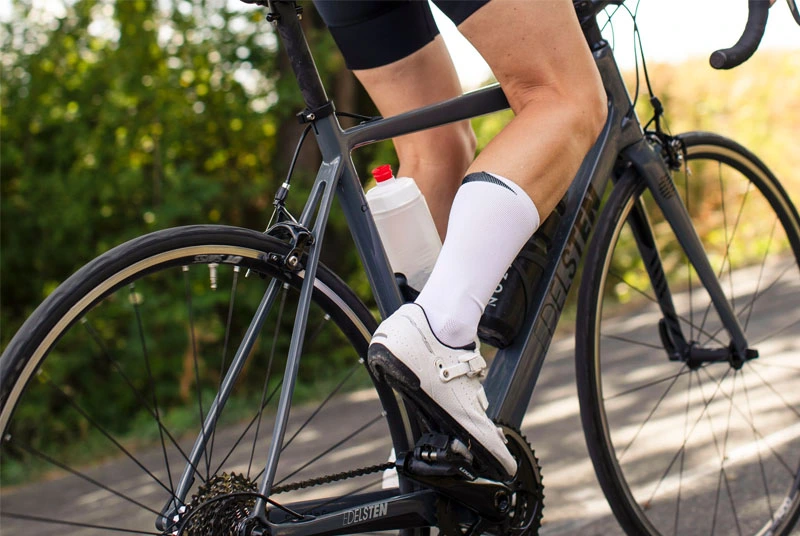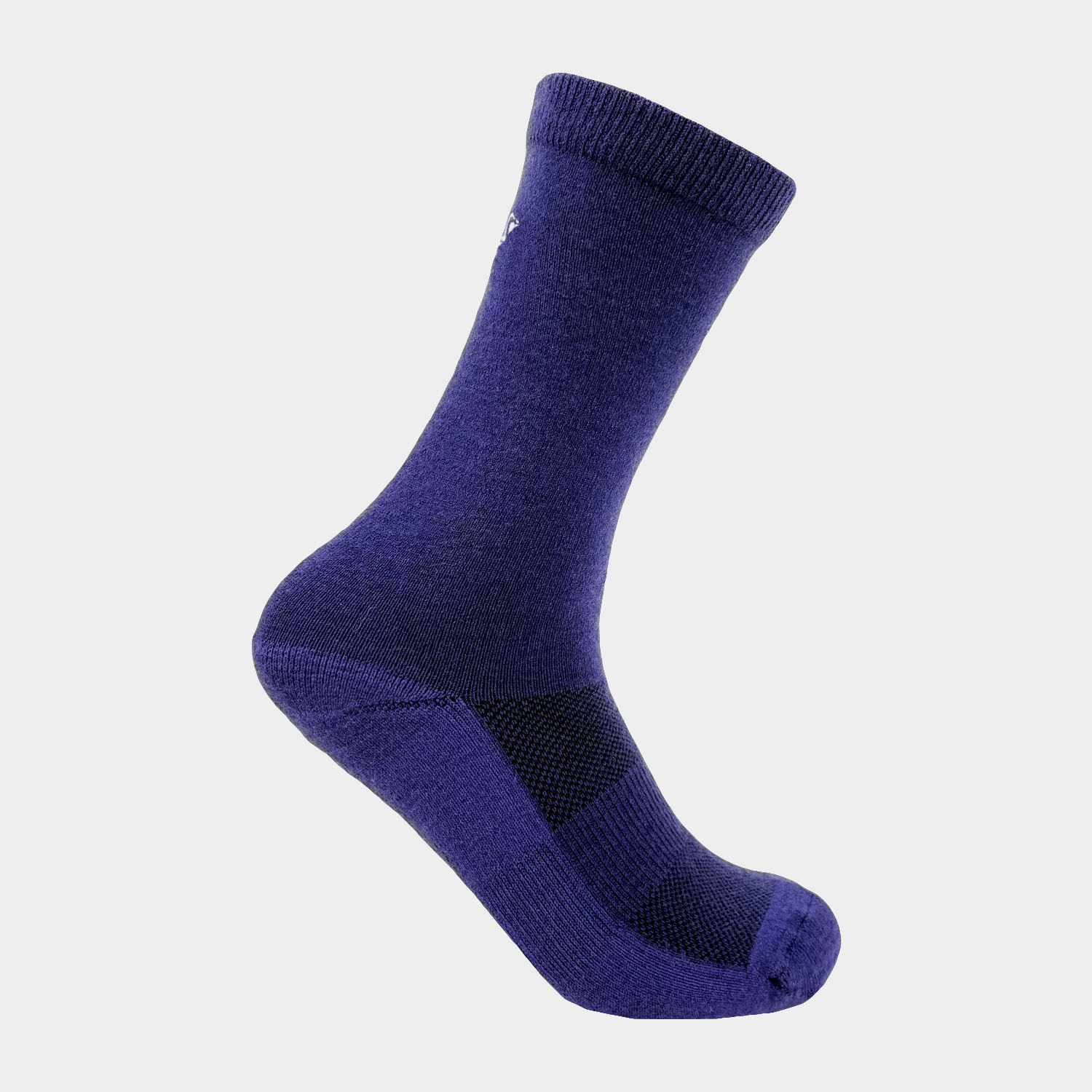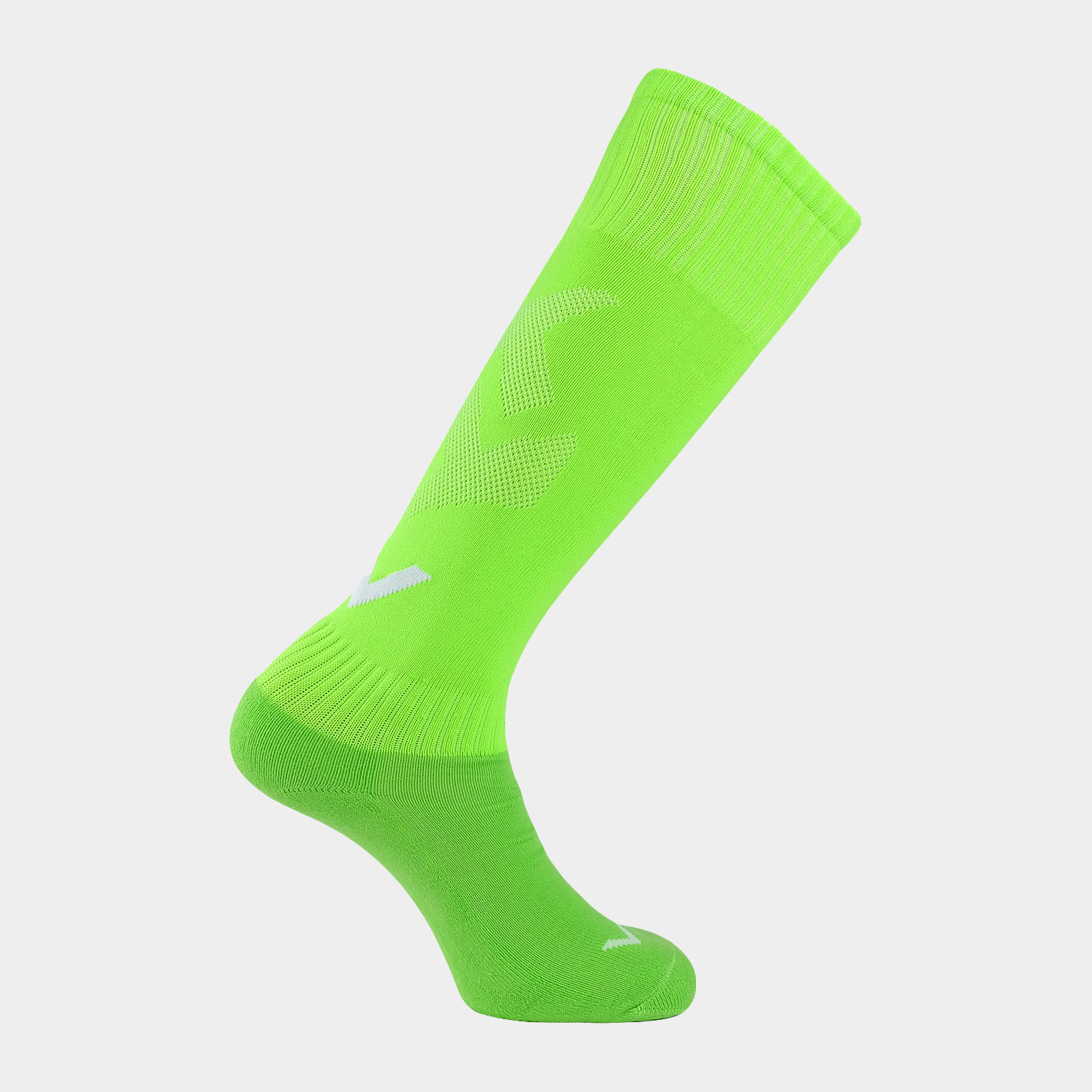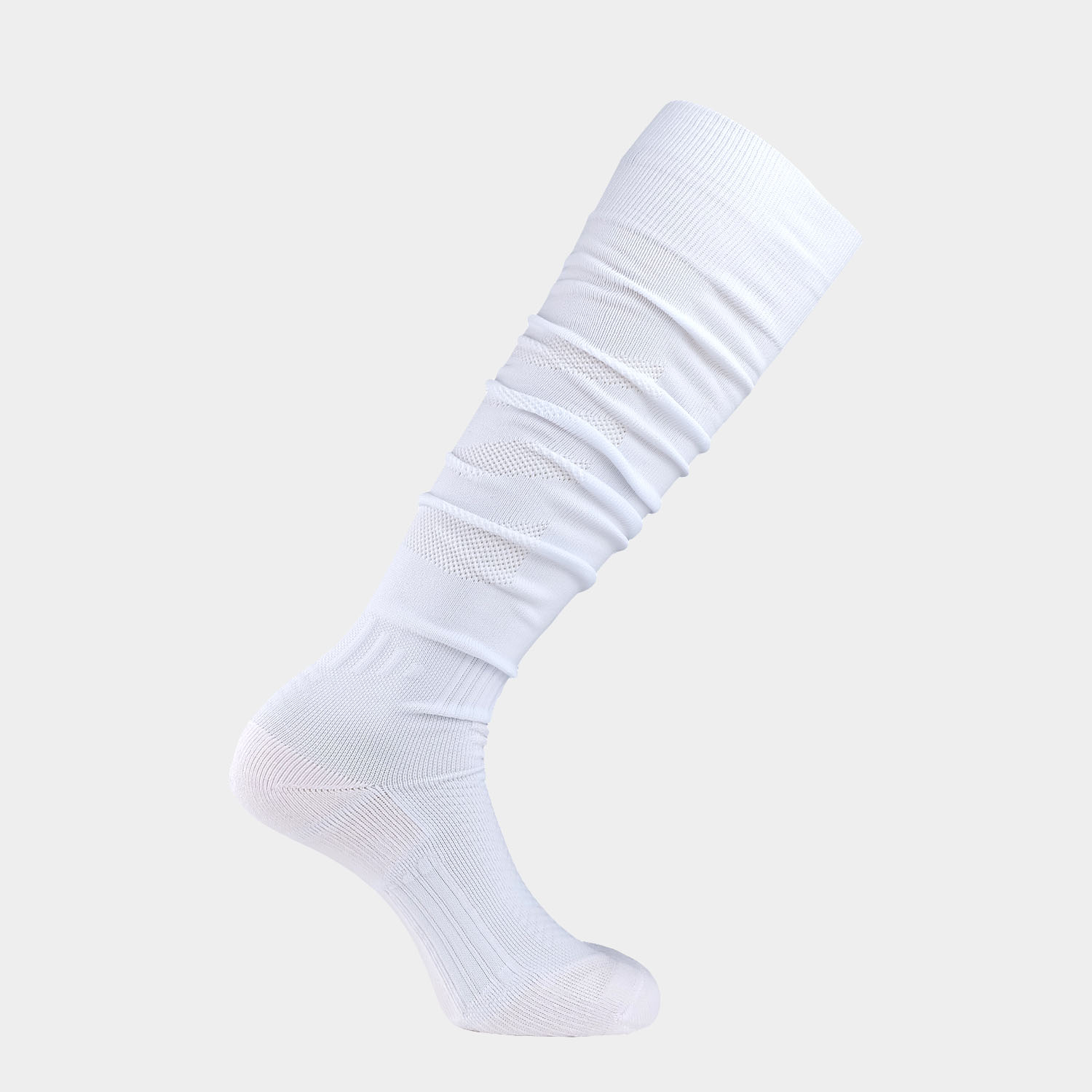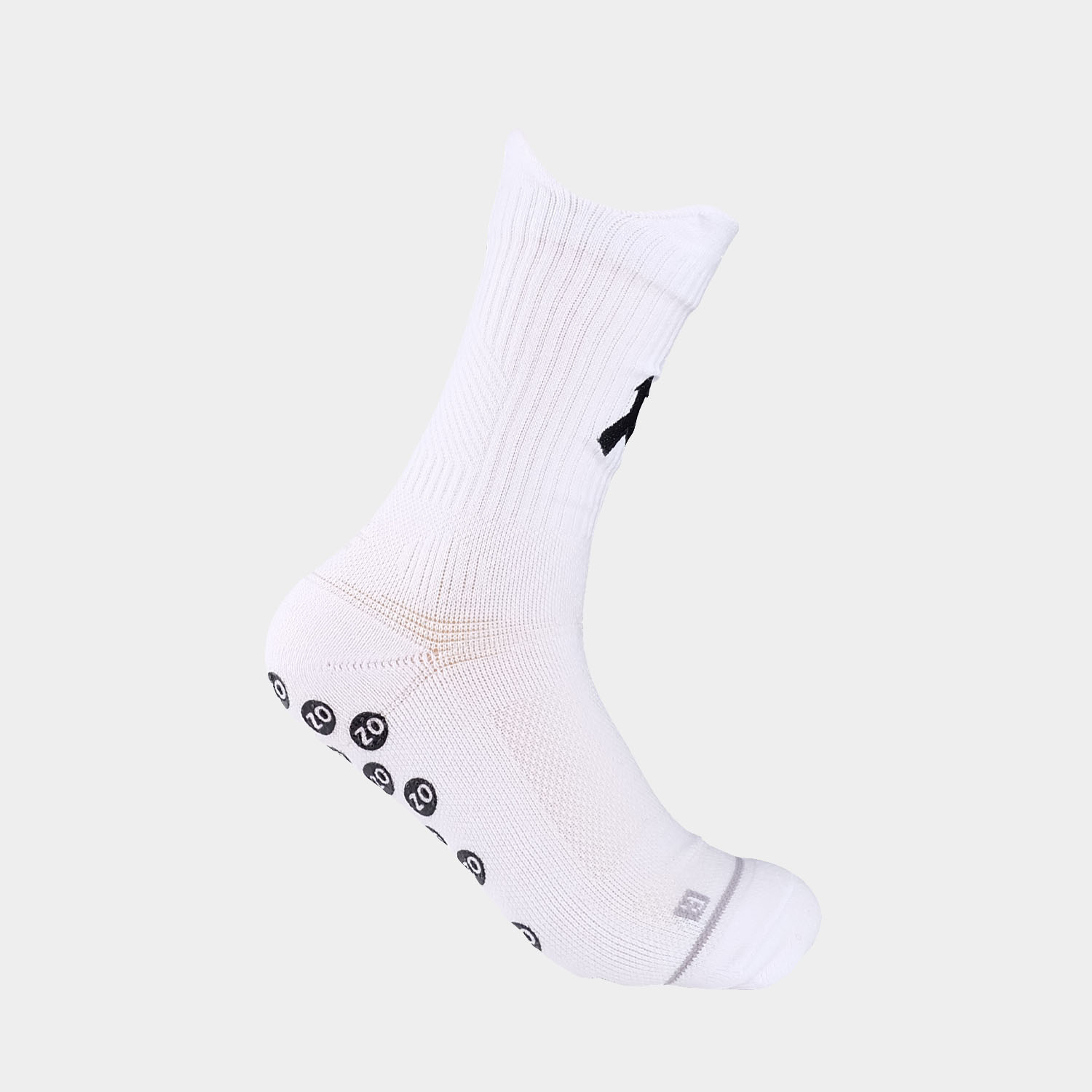
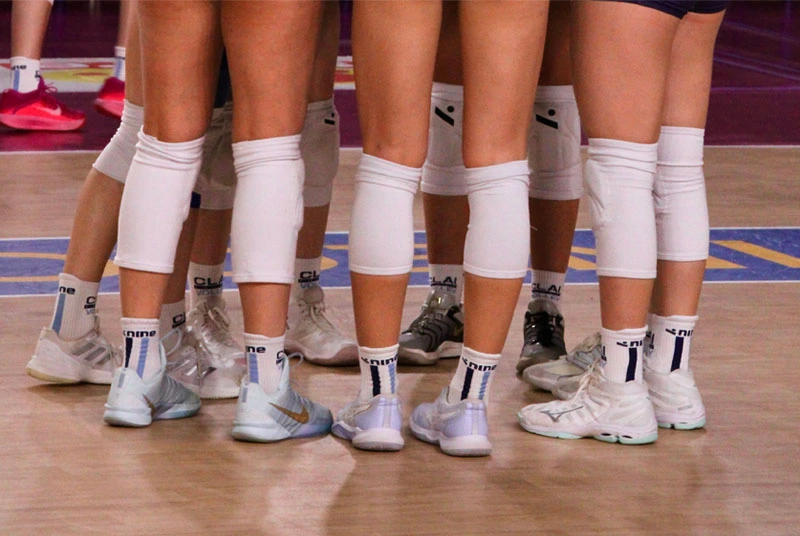
Custom team socks are more than a place to add a team logo. The right design needs to work with the sport, uniform, and way the socks will actually be worn—while also being practical to manufacture.
A good custom team sock balances team identity, comfort, performance, and production feasibility. The design should look right with the team’s uniform, feel comfortable during activity, and remain practical when the artwork is turned into a knitted sock.
TL;DR
Start with the sport and how the socks will be used. Then choose the construction, materials, colors, and graphics around those requirements—not the other way around.
This guide covers the main customization options, sport-specific considerations, common design mistakes, and what we look for when turning team artwork into a production-ready sock.
Start With the Sport, Then Build the Design
The same team logo can be used across different sports, but sports team socks should not necessarily be designed the same way.
Before choosing colors and graphics, consider how the socks will actually be worn. Playing position, footwear, playing surface, climate, and activity level can all affect the right construction.
Sport | Common design and construction priorities |
Soccer | 16–18 in. over-the-calf length, shin-guard compatibility, ribbed calf grip, relatively thin forefoot |
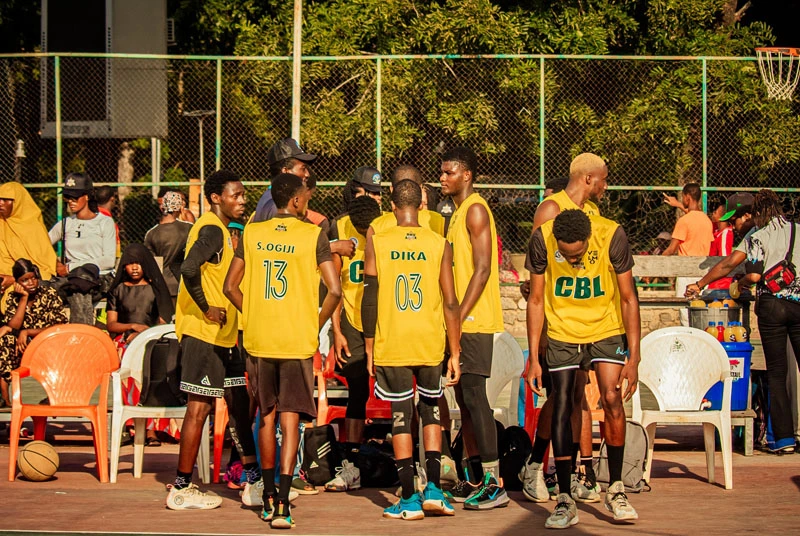
Basketball | 8–12 in. crew to mid-calf length, forefoot cushioning, arch support, ankle support |
Baseball / Softball | Knee-high or stirrup styles, cleat-compatible toe construction, moisture management |
Football | Extra cushioning, reinforced heel and toe, calf compression |
Track / Cross Country | 4–8 in. ankle-to-crew length, lightweight construction, breathable mesh, low-profile toe seam |
Volleyball | 8–10 in. crew length, arch support, forefoot cushioning, low-profile toe seam |
These are starting points rather than fixed rules. For example, team soccer socks may need different construction priorities from basketball or indoor sports, depending on the playing environment.

What Can You Customize on Team Socks
With custom sports team socks, you can customize team colors, logos, names, numbers, patterns, sock length, materials, and performance features such as cushioning, compression, and grip.
The visual elements are usually the first things teams consider:
- Team colors— match an existing uniform or create a new combination
- Logos and graphics— custom team socks with a logo, mascots, symbols, or other artwork
- Names and numbers— player numbers, team names, initials, or other identifiers
- Patterns and stripes— stripes, color blocking, geometric patterns, and other graphic elements
- Sock length— from shorter crew styles to knee-high or over-the-calf designs
The construction can also be customized around the intended use:
- Cushioning
- Arch support
- Compression
- Grip features
- Reinforced heels and toes
- Breathable mesh areas
- Moisture-managing materials
- Different yarn and material blends
For example, a running team may prioritize lightweight construction and moisture management, while team basketball socks may put more emphasis on cushioning and support.
How Do You Design Team Socks That Actually Work
A team sock is not a flat piece of fabric. It stretches, curves around the leg, folds, and moves during activity. That means an artwork file that looks perfect on a screen may need adjustments before it works well as a knitted sock.
Design for visibility
Logo size, color contrast, and placement all affect how easily the design can be recognized when the sock is worn.
A highly detailed logo is not necessarily a better logo for a sock. Small text, very thin lines, and complicated graphics may need to be simplified for knitted construction.
Consider the construction when placing graphics
The same artwork can look different depending on where it is placed. The leg, ankle, instep, and foot have different shapes and construction requirements.
This is particularly important when a design includes a logo that needs to remain proportionally accurate.
Factory Insight: Sometimes the final result comes down to individual stitches
We worked on a custom team sock where the customer’s logo proportions and angle were particularly difficult to adjust.
The original design was planned as a printed logo, but the project later changed to jacquard knitting. The customer eventually sent us a physical sock sample from overseas so we could use it as a reference.
We adjusted the:
- Logo proportions and angle
- Jacquard stitch pattern
- Instep mesh pattern
- Material
- Sock size
The project went through three rounds of samples.
Some of the later revisions looked almost identical at first glance. In production, however, they involved changing the design stitch by stitch.
This is why developing a custom team sock is not always as simple as placing a logo onto a standard template.
How Should Comfort and Performance Affect Team Sock Design
Comfort and durability should be part of the design from the beginning, rather than treated as optional upgrades.
For youth sports in particular, we recommend reinforcing the heel and toe to create durable team socks for regular training, since these areas experience significant wear during activity. Built-in arch support can also help improve comfort across multiple games.
These are not necessarily premium features. They are basic structural considerations for a well-made performance sock.
Material selection should also follow the playing environment.
For example:
- Running / track: lightweight construction and moisture management
- Basketball: cushioning and support
- Soccer: durability, calf coverage, and reinforced wear areas
- Cold-weather outdoor sports: merino wool blends for additional warmth
- Multi-sport leagues: polyester-nylon blends for a balance of moisture management and durability
If a league plays several sports across different seasons, a polyester-nylon blend can be a practical choice for both indoor basketball and outdoor soccer. For cold-weather soccer, a merino wool blend may be more appropriate when warmth is a higher priority.
What Are the Most Common Custom Team Sock Design Mistakes
The biggest problems with team athletic socks usually happen when the design is treated only as a visual exercise.
Making the logo too complicated
Small text, thin lines, and excessive detail can become difficult to reproduce clearly in knitted construction.
Choosing colors without considering contrast
A design can contain all the right team colors and still lack visibility when the colors are too similar.
In one project, we recommended changing the base color to black. This eliminated the need for repeated color matching and solved the design issue more efficiently than continuing to modify the artwork.
Designing only for a flat artwork file
A sock stretches and curves when worn. The design needs to work on the actual knitted structure, not just on a two-dimensional mockup.
Overlooking small construction details
Even details that seem minor can affect the finished appearance.
For one project, we adjusted the elastic color to prevent the white elastic from becoming visible when the sock was worn.
For another design, we matched the printed colors against the jacquard version and provided 10 color swatches at a time so the customer could select the closest color.
These small decisions can make a noticeable difference in the finished product.
From Custom Design to a Production-Ready Sock
Once the artwork is ready, the manufacturer still needs to make sure the design works with the actual sock construction.
This can involve reviewing:
- Logo proportions
- Stitch structure
- Graphic placement
- Material and yarn
- Sock dimensions
- Mesh construction
- Color matching
- Elastic color
- Performance requirements
Factory Insight: Production problems sometimes need a manufacturing solution
We once worked with a customer who wanted a leg sleeve made with a specialized nylon yarn, but the initial order quantity was below the factory’s minimum requirement.
We knew another customer was looking for a similar type of leg sleeve, so we suggested combining the requirements to reach the factory’s minimum production quantity. This allowed the customer to move forward with the first order.
We also encountered a different issue where a customer found that a printed logo became distorted after the material was stretched. We helped identify a more stable printing material to address the problem.
These are examples of why custom development is not simply about choosing from a list of options. Sometimes the manufacturer needs to help find a practical solution between the original design idea and the realities of production.
What should you provide to start a custom team sock
You do not need to have every production detail finalized before contacting a manufacturer. It is usually enough to provide:
- Your team logo or artwork
- Preferred colors
- Sport and intended use
- Preferred sock length
- Any performance requirements
- Reference images or an existing sock, if available
For Sockcn, custom socks can start from 100 pairs, with some specialized products requiring different minimum quantities. When materials are in stock, custom design samples can typically be developed in about 3 days, with delivery depending on the courier and destination.
Ready to Order Custom Team Socks? Start at 100 Pairs.
Send us your team type, order quantity, player sizes, custom design, and required delivery date to get started. Need help with your design or material selection? You can also send us your ideas or reference images, and our team can help you confirm the right style and material for your needs.
FAQ
What can you customize on team socks?
You can customize team colors, logos, names, numbers, patterns, sock length, materials, and performance features such as cushioning, compression, arch support, and grip.
Can you put a team logo on custom socks?
Yes. Team logos can be knitted or printed onto custom socks. However, very small details and thin lines may need to be simplified or adjusted to work properly with the sock’s construction.
What material is best for custom team socks?
There is no single best material for every sport. Polyester-nylon blends can be versatile for teams playing different sports, while merino wool blends can be useful for cold-weather outdoor activities. The choice should depend on the sport, climate, and performance requirements.
How do you prepare artwork for custom team socks?
Start with a clear logo, your preferred colors, and any reference artwork or existing socks. The manufacturer can then review the proportions, stitch structure, placement, colors, and materials before sampling.
Ready to Create Your Custom Team Socks
A strong team sock design starts with the sport, but it does not end with the artwork. The final result needs to work as a sock—in terms of construction, comfort, durability, color, and everyday use.
Have a team design in mind? Send us your logo or artwork, and we’ll help you develop it into a production-ready sock design.