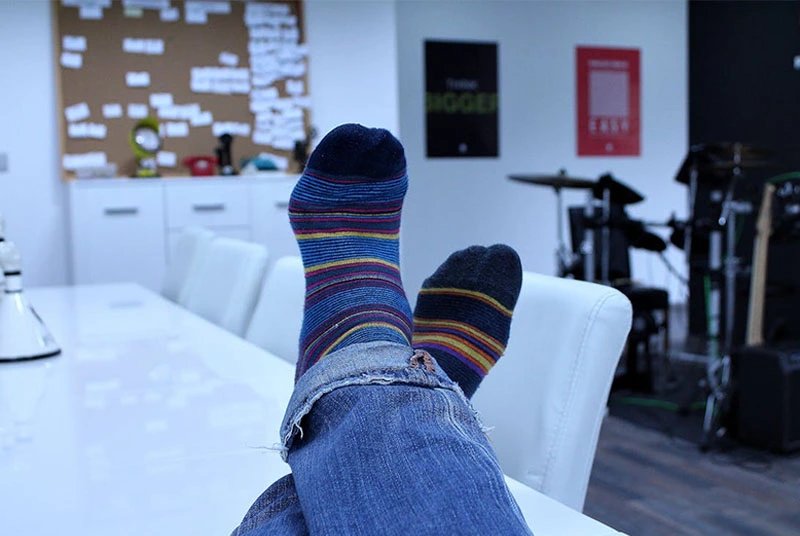
Does the embarrassing smell that comes out when you take off your shoes every day bother you a lot? Someone once said, good socks can prevent foot odor. But there are countless advertisements for odor-resistant socks claiming to easily solve the problem of foot odor. At Sockcn, we’ll cut through the noise and explain how socks truly achieve odor prevention. If you’re looking to source or develop effective solutions, let’s talk.
Why Foot Odor Happens?
So before making a purchase, we must first understand the underlying causes of foot odor and also be aware of the numerous deceptive advertisements for anti-odor socks.
Sweat itself doesn’t smell — bacteria do
As dermatologists have confirmed: the sweat glands on our feet secrete dozens of milliliters of sweat every day, and sweat itself is odorless. However, the high temperature and humidity on the soles create the perfect “breeding ground” for bacteria. These bacteria break down keratin (skin proteins) and mix with urea and lactic acid in sweat — that’s where the familiar bad smell comes from. Especially after exercise or when wearing non-breathable shoes, bacteria multiply several times faster.
The role of moisture traps in cheap socks
Let’s share an industry secret: many cheap socks use recycled cotton blends and tight weaving to cut costs. These socks are like airtight plastic bags — sweat soaks in but can’t escape, trapping moisture between your feet and the sock. Bacteria can’t help but thrive. Our workshop tested this: after wearing such socks for 4 hours, foot moisture levels reach over 80%, while quality odor-resistant socks keep it around 40%.
What Makes Socks Good?
The “plus points” of odor-resistant socks: These 3 factors are key.
Quick-dry fibers reduce bacterial growth
Bacteria love damp environments, so how quickly a sock wicks away moisture is crucial. When we select yarns, we test their “wicking effect” — good fibers transfer sweat from the skin surface to the outer layer of the sock in 15 seconds. Materials like merino wool and bamboo fiber don’t cling to your feet even when damp, naturally reducing bacterial growth.
Breathability over thickness
Many people think “thick socks absorb more sweat,” but that’s a big mistake! If thick socks lack breathability, sweat gets trapped in the fiber gaps, making odors worse. Our workshop now focuses on “lightweight, breathable styles” —like using 200-stitch high-density weaving to create a honeycomb structure. This improves breathability by 2.3x compared to regular thick socks, so your feet stay cool even in summer.
Smooth interiors minimize sweat spots
Notice one area of your foot sweats more? It might be because the sock’s interior is too rough! Friction stimulates sweat glands, so we use moisture-wicking loops on the sole and smooth fabric elsewhere for our odor-resistant socks. Tests show smooth interiors reduce local sweating by 30%.
Best Material For Socks
Choose the wrong material, and even expensive socks fail! These 3 are reliable
Merino Wool
Someone thinks wool is only for winter! But absolutely not! Merino wool fibers are extremely fine — they can absorb up to 30% of their weight in moisture without feeling damp, and dry almost as fast as synthetic fibers. For the outdoor brands we OEM for, we use 19.5-micron extra-fine merino. Customers say, “I hike for 8 hours and my feet are still dry.”
Bamboo Fiber
Natural bamboo fibers are packed with their own antibacterial superstars—bamboo essence and wax—that zero in on bacteria’s cell membranes, totally throwing off their ability to survive. The catch with regular bamboo fibers? They can’t keep up with repeated washes. After around 20 cycles, their bacteria-fighting power drops off big time. But here’s the fix: a next-gen molecular bonding process locks those natural antibacterial elements tight into the fiber’s core. Tests from trusted labs back it up—even after 50 washes, the antibacterial rate stays rock-solid above 80% for long-lasting freshness.
Copper/Silver Ion Yarns
Here’s the awesome thing about our yarns—we don’t just coat the surface—we weave metal ions right into the fibers themselves! That means they work way longer than just a top-layer treatment, zapping bacteria by breaking down their cell membranes so they can’t stick around and cause trouble. The best part? This isn’t just talk—these metal ions truly knock out the main culprit behind stinky feet, Staphylococcus aureus, with an antibacterial rate of 99% or more! They’re total lifesavers for anyone dealing with tough foot odor, like athletes sweating through workouts or chefs on their feet all day—keeping your feet fresh and comfy no matter how busy you are.
Key Construction Features for Odor Control
The devil’s in the details! These design features hold odor-control secrets.
Ventilation Mesh
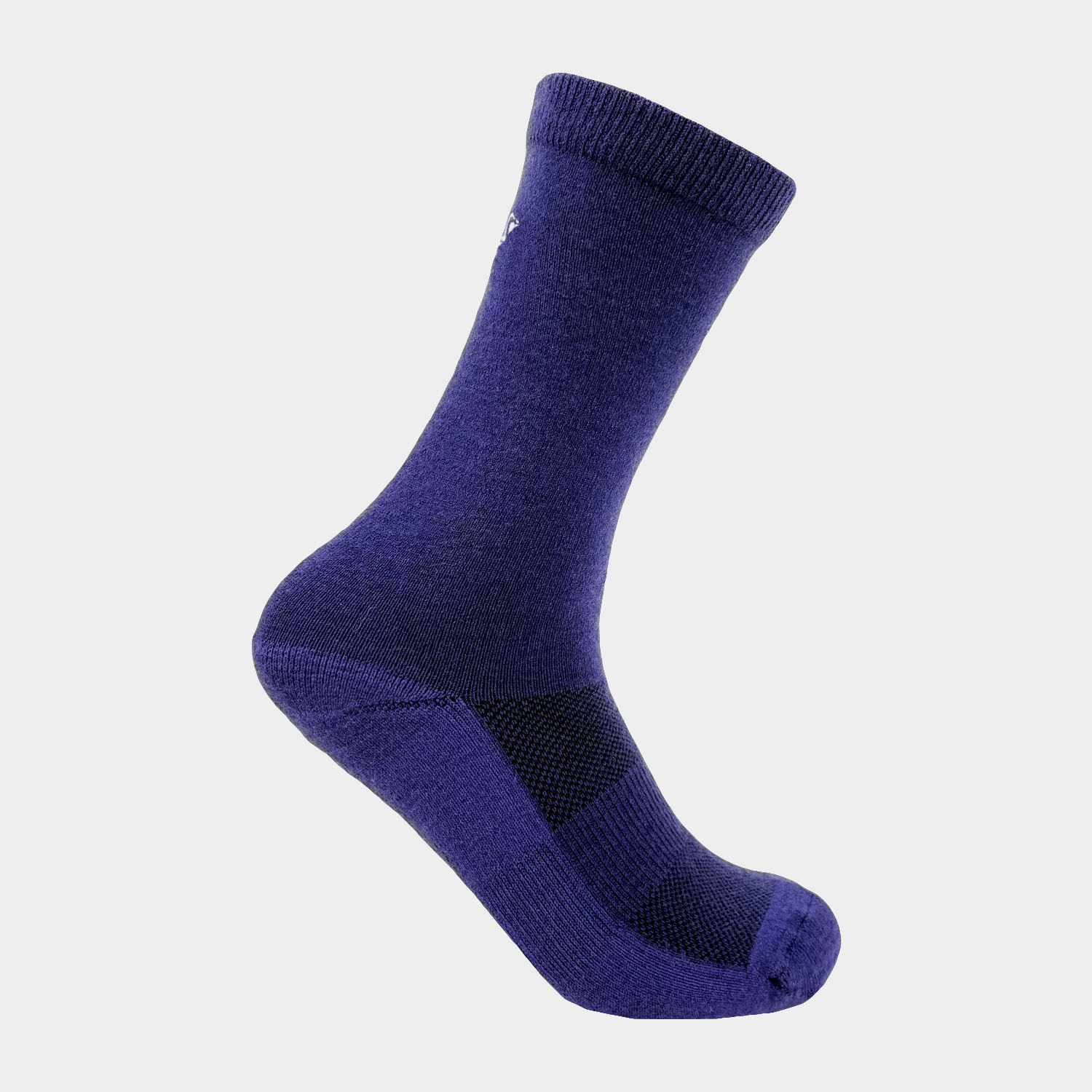
When we made the socks, we specially added a ventilation mesh on the back of the feet. The yarn here is woven 30% more sparsely than in other areas, just like installing a small window on the feet. When wearing sports shoes in hot weather, the heat can “swoosh” out through the mesh, and there’s no need to worry anymore that the soles will be as hot as a steamer!
Moisture-Wicking Channels
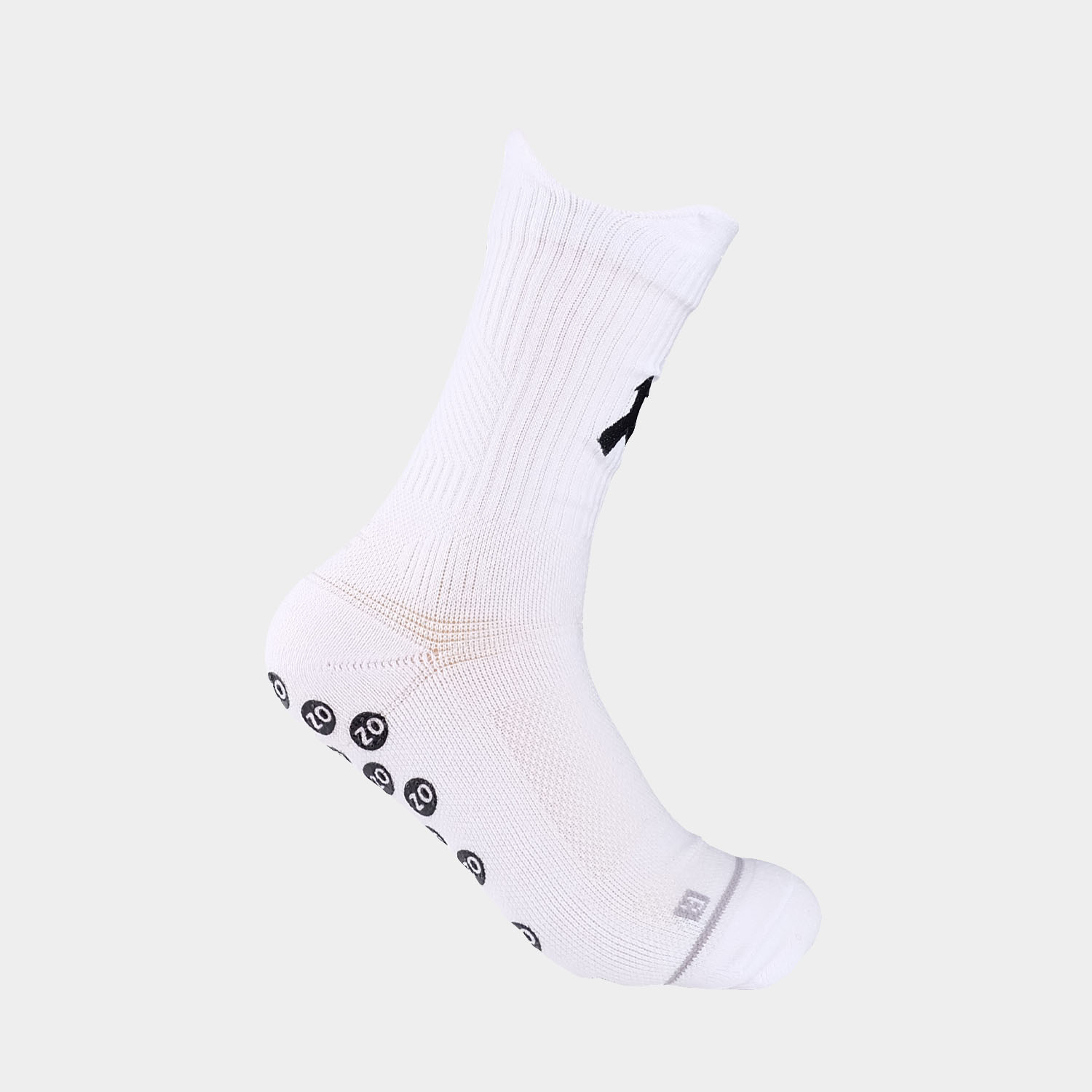
The sole is the biggest sweat hotspot, so we can use four-needle six-thread weaving to create vertical moisture-wicking channels. These quickly draw sweat up to the ankle for evaporation. A customer once said, “When I run in these socks, the surface of the sock is wet, but my soles are dry” — that’s the moisture-wicking channels at work.
Reinforced Heels & Toe
Heels and toes areas wear out fastest. Once they fray, fibers pill and trap dirt, making odors worse. So it is necessary to reinforced heels and toe. For our odor-resistant socks, we can use reinforced thread for double-layer weaving — this not only makes them more durable but also fits your foot better to reduce friction (and thus sweat).
Seamless Toe
Many people overlook sweating between toes! Seams on regular socks rub against toes, triggering more sweat. In fact, we can use heat-press technology instead of stitching for seamless toes — no more chafing between toes, and less sweat too.
Why Odor-Control Socks Sometimes Fail
Why aren’t your odor-resistant socks working? You might be making these 3 mistakes
Too Much Cotton
Cotton absorbs sweat well, but dries very slowly! If a sock has over 90% cotton, the sweat it absorbs becomes “stagnant.” For our odor-resistant socks, we keep cotton content between 70%-85%, blended with bamboo fiber or wool — this absorbs sweat and wicks it away.
Fabric softener buildup
Many people reach for fabric softener when washing socks, but this common practice leaves a sticky film on the fibers that clogs the fabric’s breathable pores and compromises its performance. To preserve the socks’ original breathability and ensure long-lasting moisture-wicking ability, we recommend opting for neutral detergent instead of fabric softener, keeping the washing water temperature below 40℃, and air-drying naturally while steering clear of direct sunlight — these simple care steps help maintain the fabric’s integrity and keep it functioning as intended.
Loose or weak knitting
Ever noticed how socks with loose or flimsy knitting can be such a hassle? They end up rubbing against your feet nonstop, wear out way too quickly, and trap sweat in those loose little gaps—which is exactly what leads to unpleasant odors! That’s why we’ve got you covered with our odor-resistant socks: we use precision 180-200-stitch high-density weaving that gives you a snug fit without feeling tight at all. It cuts down on that annoying friction between your foot and the sock, plus speeds up moisture wicking so sweat doesn’t linger—keeping your feet comfy and fresh for longer!
Sourcing Tips for Effective Odor-Control Socks
Then how to but effective odor-control socks? Honest advice for buyers/wholesalers: Focus on these 4 points when selecting products
Odor-resistance testing
Don’t just take a seller’s word for “odor-resistant” — ask for test reports! Internationally, AATCC 100 quantitative testing is recognized; domestically, GB/T 20944.3-2008 is the standard. An antibacterial rate of ≥70% is acceptable.
Reliable antimicrobial yarn suppliers
Antibacterial yarns are tricky — some use post-applied antibacterial coatings that wear off after a few washes. We’ve worked with a yarn factory for many years; their copper ion yarns come with test reports for every batch, so we control quality from the source.
Balancing performance & comfort
Odor control matters, but comfort matters more! Our research shows: customers throw away antibacterial socks that feel stiff. That’s we can add 5%-8% spandex to antibacterial yarns — it keeps the socks elastic and ensures a snug, non-slip fit.
MOQ for specialty blends
High-end blends like “merino wool + copper ion” usually have a minimum order quantity (MOQ) of thousands pairs from yarn factories. If you need smaller quantities, we recommend “bamboo fiber + silver ion” — the MOQ will be lower, with great value for money.
Conclusion
As sock manufacturers, we’ll be honest: odor-resistant socks improve 90% of daily foot odor, but if the smell comes from athlete’s feet (tinea pedis) or hyperhidrosis, see a doctor first. That said, choosing the right socks makes a huge difference — after all, when your feet are comfortable, everything feels easier!
Our workshop currently has merino wool, bamboo fiber, cotton and specialized sports socks. If you’re not sure which to choose, feel free to reach out — share your usage scenario and needs, and we’ll recommend the perfect option for you!