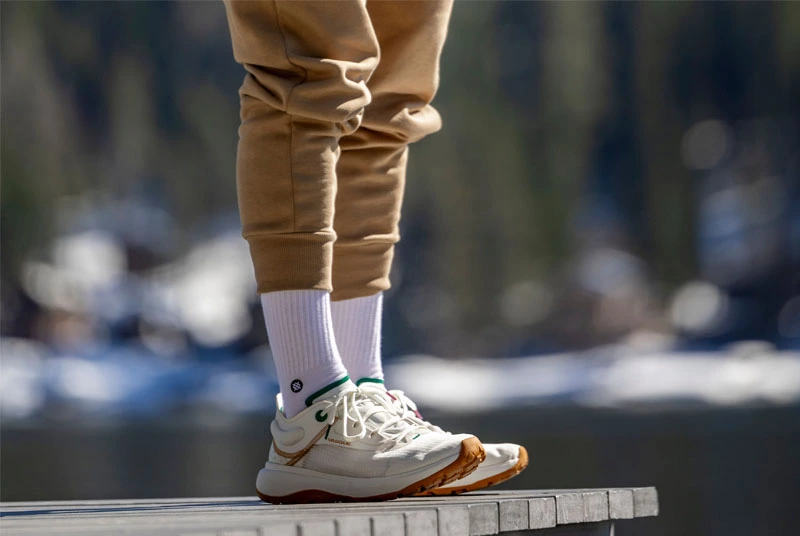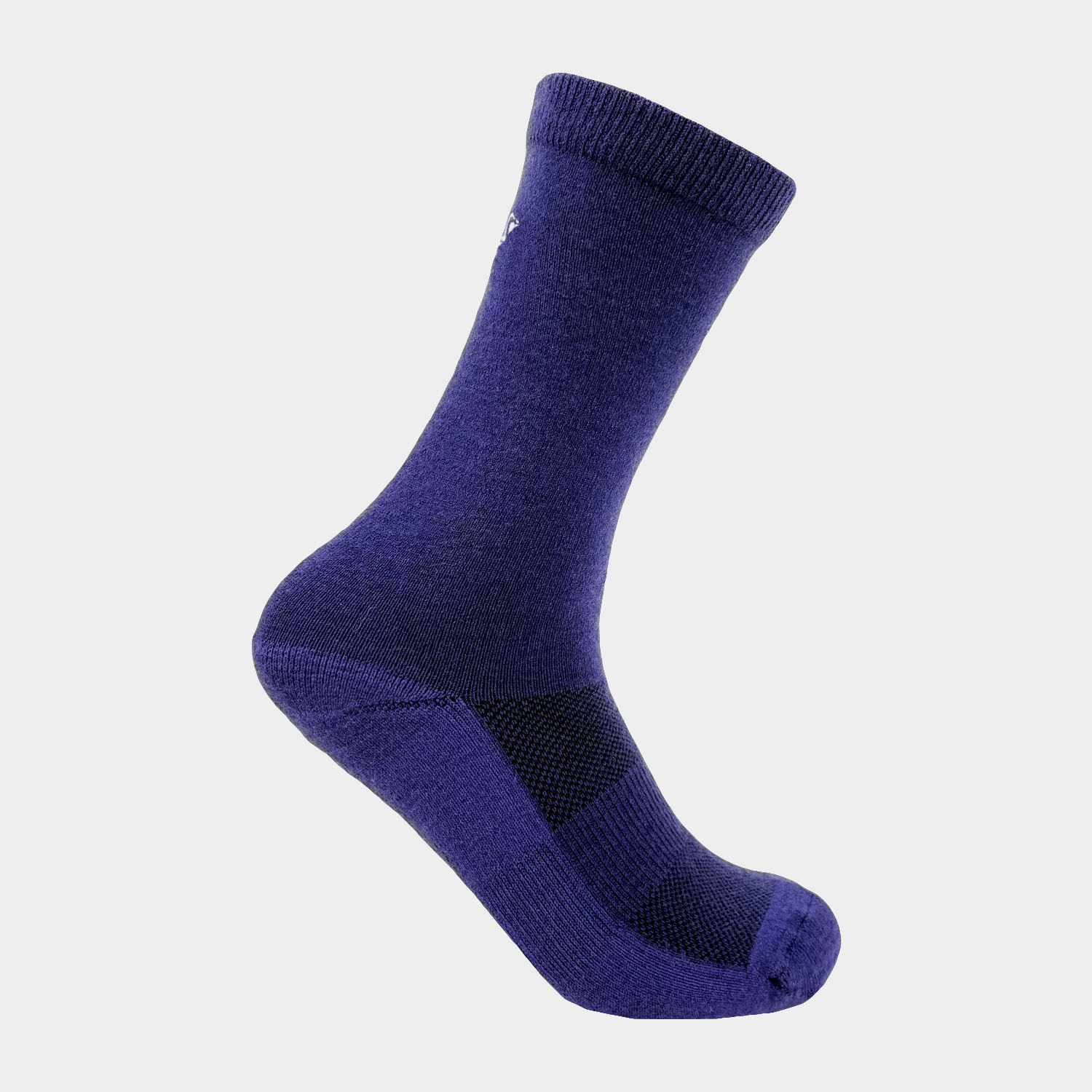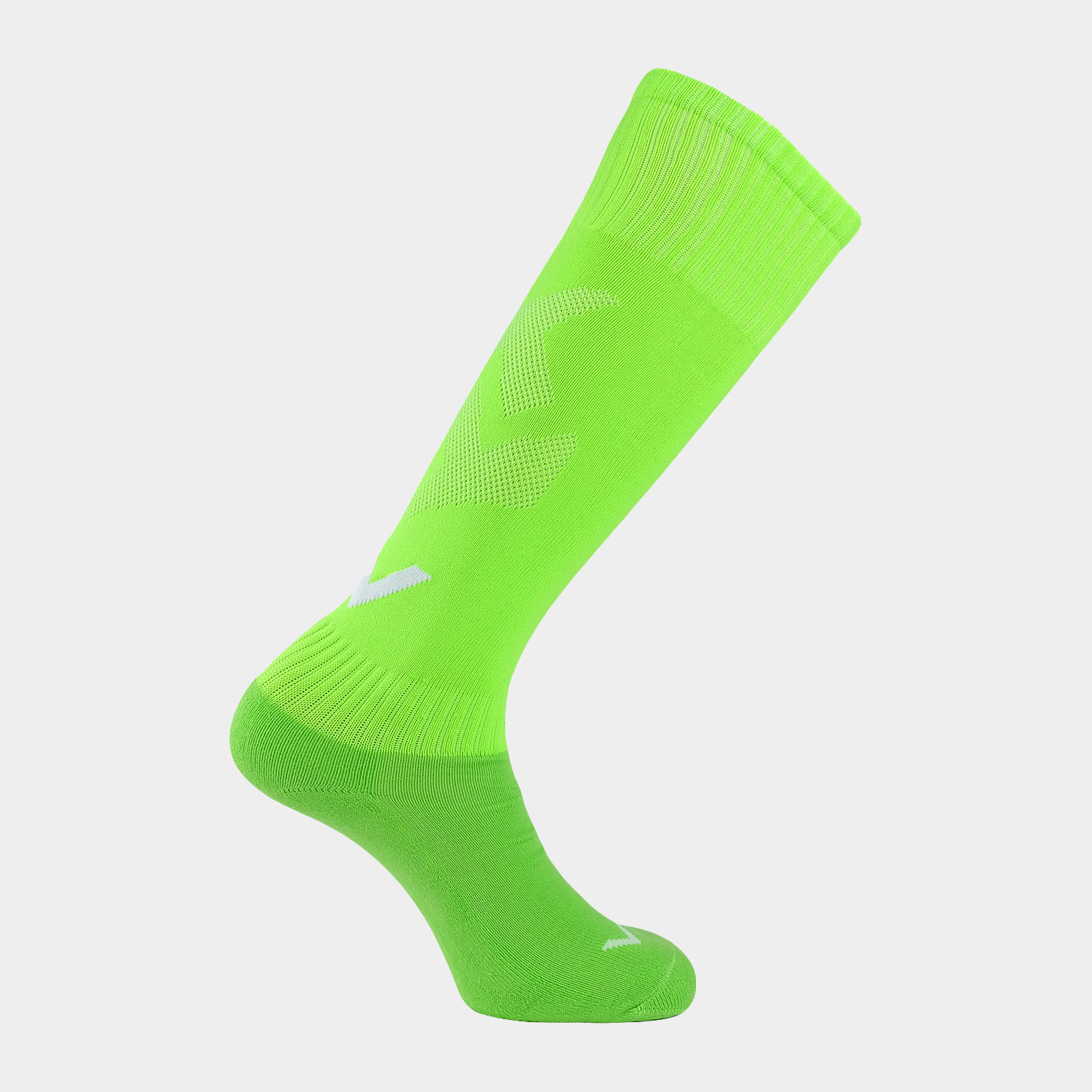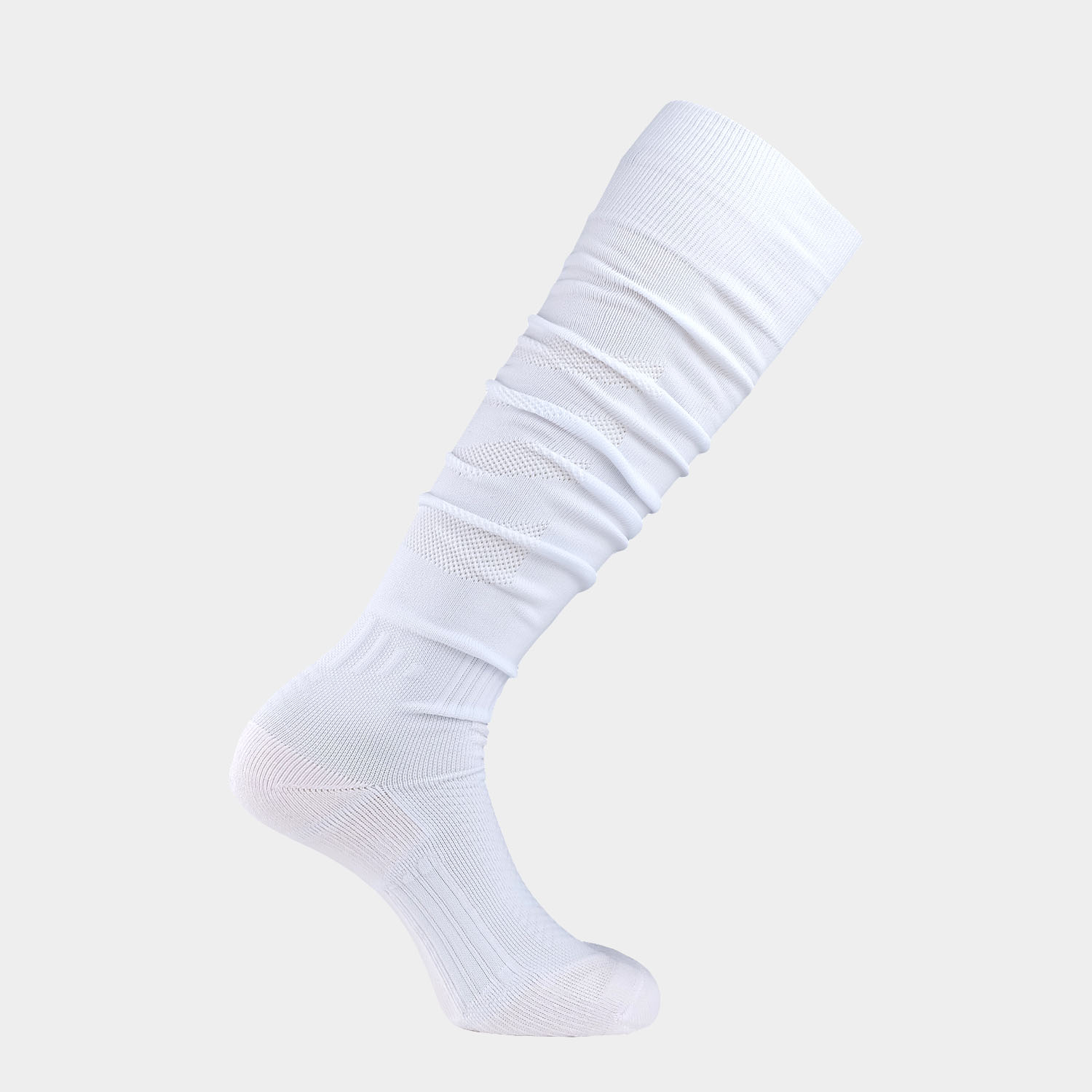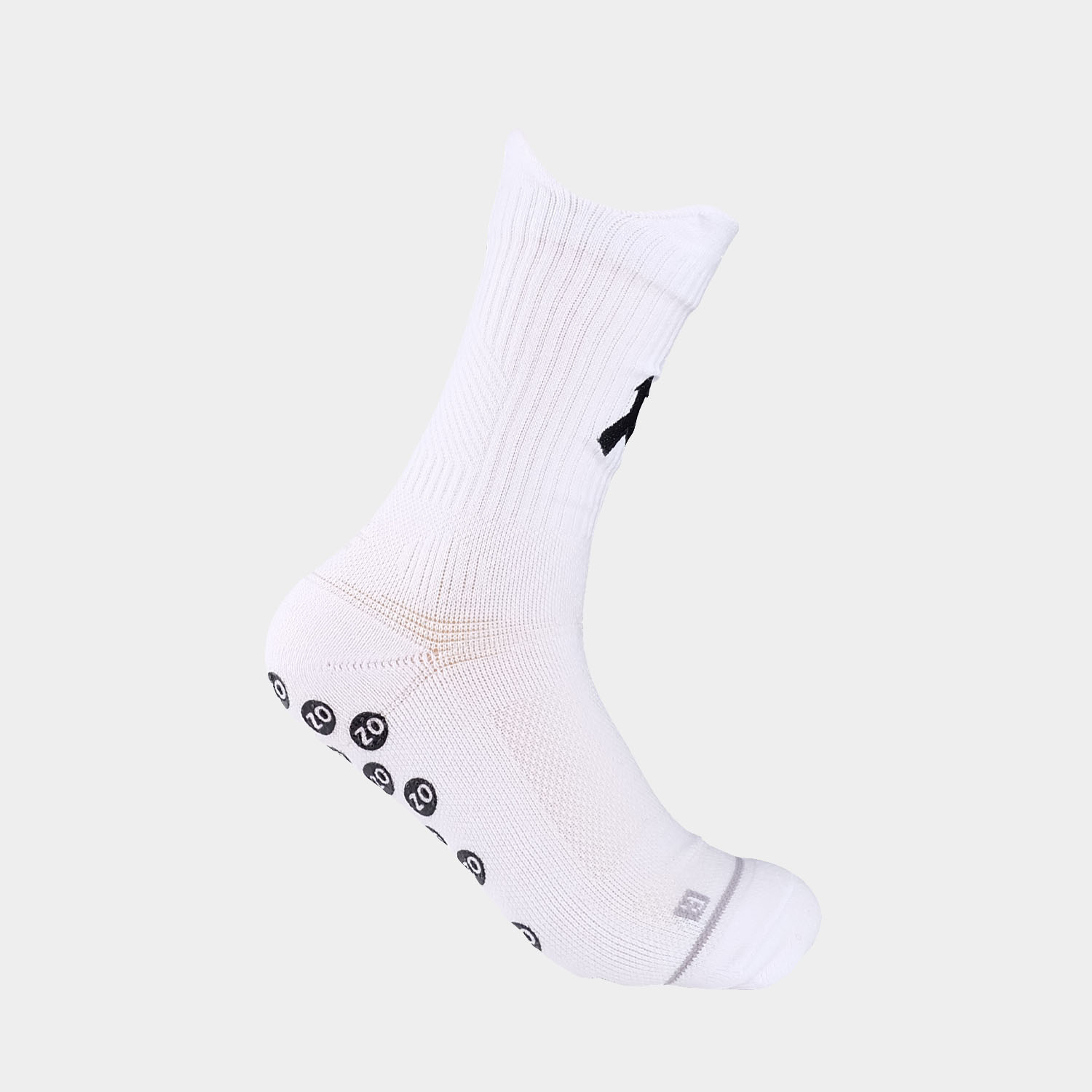

Seamless socks reduce bulky seams for a smoother fit, though their construction depends on the knitting method and finishing process. This guide explains how seamless socks are made, their benefits, and what brands should consider before bulk ordering.
What are seamless socks?
The term seamless socks describes socks engineered to minimize traditional sewn joins or create a more integrated knitted structure. Depending on the design, seamless construction may affect the sock body, heel, cuff, or other selected areas.
A seamless toe sock, by contrast, focuses specifically on the toe closure. Some socks feature a smooth toe finish while retaining other joins elsewhere. For product developers, identifying which areas require seamless construction is more useful than treating all seamless socks as the same type of product.

How Seamless Sock Construction Works
Traditional sock production forms yarn into knitted loops, then uses additional processes to achieve the required shape and finish. With suitable machinery and programming, manufacturers can develop seamless or reduced-seam structures while incorporating different stitch patterns and fabric densities.
The exact method varies by product. Some designs rely on specialized knitting technology, while others use particular joining or finishing techniques to minimize bulky seams. Before production begins, brands should confirm the construction method and specify which areas need a seamless finish.
Seamless Socks vs. Conventional Socks
Construction methods influence the sock’s surface, development process, and manufacturing requirements. However, seamless designs do not automatically outperform conventional socks in every category.
| Feature | Seamless Socks | Conventional Socks |
|---|---|---|
| Construction | Designed to minimize selected seams | May use sewn or linked joins |
| Surface feel | Can offer a smoother finish | Depends on seam placement and finishing |
| Functional zones | May integrate different structures into the knit | Can also incorporate knitted functional zones |
| Design flexibility | Depends on machine capabilities and programming | Depends on knitting and finishing methods |
| Production cost | Varies with equipment and design complexity | Varies with construction and finishing requirements |
Neither option guarantees superior quality. The right choice depends on the intended application, technical specifications, target price, and available manufacturing capabilities.
What Are the Benefits of Seamless Socks?
The right combination of materials, knitting structure, and finishing helps create socks with different levels of comfort and performance for specific uses.
A Smoother Surface
Reducing bulky joins creates a smoother feel, making seamless construction a good fit for close-fitting footwear and consumers who prefer a less noticeable sock structure.
More Integrated Functional Zones
Depending on the knitting technology, manufacturers can combine different fabric structures in one sock, such as breathable zones, elastic sections, and varying levels of density. An athletic sock, for instance, may feature a breathable upper and targeted cushioning. However, the available structures depend on the knitting machine and its programming capabilities.
Greater Design Flexibility
Brands can differentiate seamless sock collections through material blends, colors, patterns, and knitted details. These choices help tailor products to everyday wear, sports, and specialized markets. For companies developing custom socks, the key is to align the construction and design with the brand identity, target customers, and price point.

How Are Seamless Socks Manufactured?
Yarn selection, technical specifications, machine settings, finishing, and quality inspection all influence the final quality of seamless socks. A structured development process helps brands identify design issues early and reduce unnecessary sample revisions before bulk production.
1. Choose the Right Yarn Blend
Reducing bulky joins creates a smoother feel, making seamless construction a good fit for close-fitting footwear and consumers who prefer a less noticeable sock structure.
2. Develop the Knitting Structure
Design specifications cover dimensions, stitch patterns, fabric density, and functional zones such as ribbing, ventilation, cushioning, elastic support, and reinforcement. The available knitting equipment determines which combinations are feasible. More complex patterns or multiple functional zones may also require programming adjustments and extra sampling to achieve the intended result.
3. Create and Refine Samples
Before bulk production, both the brand and manufacturer should evaluate a development sample for fit, stretch recovery, measurements, fabric consistency, and appearance. Pay close attention to transitions between knitted structures, checking for tension issues, bunching, or poor shape retention. Address any problems before approving the sample for production.
4. Finish and Inspect the Product
Post-knitting processes may include washing, drying, boarding, trimming, and packaging, depending on the material and manufacturing method. Quality checks should cover dimensions, visible defects, knitting consistency, elasticity, and specified functional features. Clear acceptance criteria help manufacturers catch defects early and maintain consistent quality across production batches.
How to Develop Custom Seamless Socks

B2B buyers can streamline product development by outlining the intended use, construction details, and commercial requirements from the start. A clear brief helps manufacturers assess feasibility and recommend suitable options before sampling begins.
Define the Intended Application
Start by identifying the target market, whether it is everyday retail, athletic apparel, outdoor products, or another category. Each application calls for a different balance of fabric weight, elasticity, durability, appearance, and fit. Brands developing performance collections can explore custom running socks and specify the features that best meet their customers’ needs.
Confirm the Technical Specifications
Before requesting a sample, prepare a brief covering the essential product requirements:
Materials: Fiber composition, blend ratio, and yarn specifications.
Construction: Areas requiring seamless treatment, knitting structures, and reinforcement.
Fit: Size range, sock length, stretch, and recovery.
Design: Colors, patterns, logo placement, and branding methods.
Commercial requirements: Target price, order quantity, packaging, and delivery schedule.
A detailed brief gives the manufacturer a clearer basis for evaluating feasibility and preparing a quotation.
Evaluate Samples Before Bulk Production
Visual appearance is only one part of sample approval. Brands should compare the sample with the technical brief, check measurements and elasticity, and assess workmanship under conditions suited to the product’s intended use. For performance-focused collections, reviewing moisture-wicking running socks can help buyers understand how materials and construction work together. The goal is to evaluate the entire sock, not just its seamless features. problems before approving the sample for production.
FAQ
Q1. Are seamless socks completely free of seams?
Not necessarily. The term can refer to a knitted structure with fewer seams or one that eliminates joins in specific areas. Always confirm the exact construction with the manufacturer.
Q2. Do seamless socks cost more to manufacture?
Pricing varies based on equipment, knitting methods, materials, design complexity, order quantity, and finishing requirements. Manufacturers can provide a more accurate quote once they review the specifications and sampling needs.
Q3. Can manufacturers customize seamless socks?
Yes, brands can customize materials, colors, patterns, logos, sizing, and functional details. Available options depend on the knitting equipment and design complexity.
Conclusion
Successful seamless sock development depends on more than creating a smooth toe closure. Knitting technology, yarn selection, functional zones, and finishing all influence the final product’s performance and appearance. For brands and retailers, clear specifications, careful sampling, and consistent quality checks help ensure the finished socks meet customer needs and commercial goals.