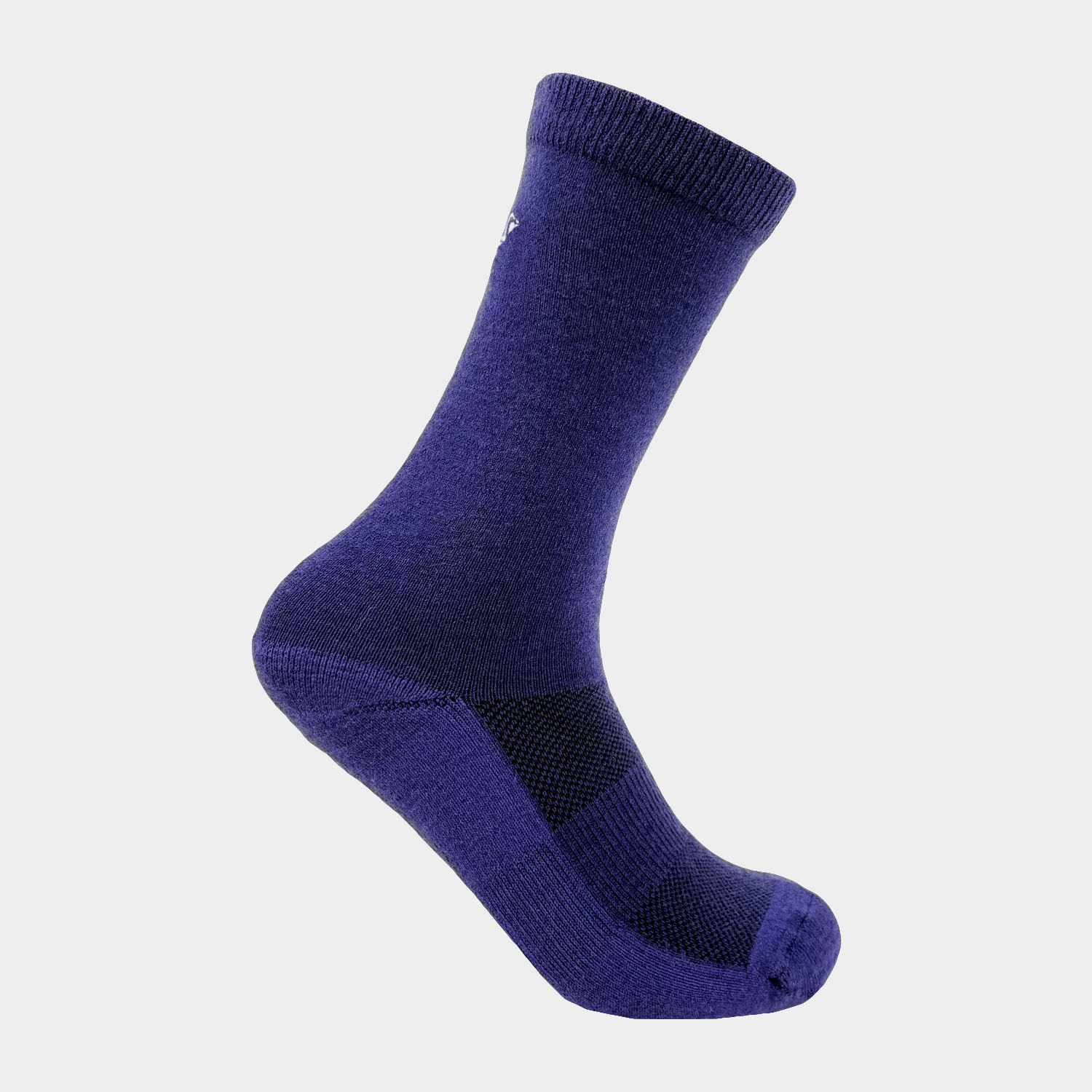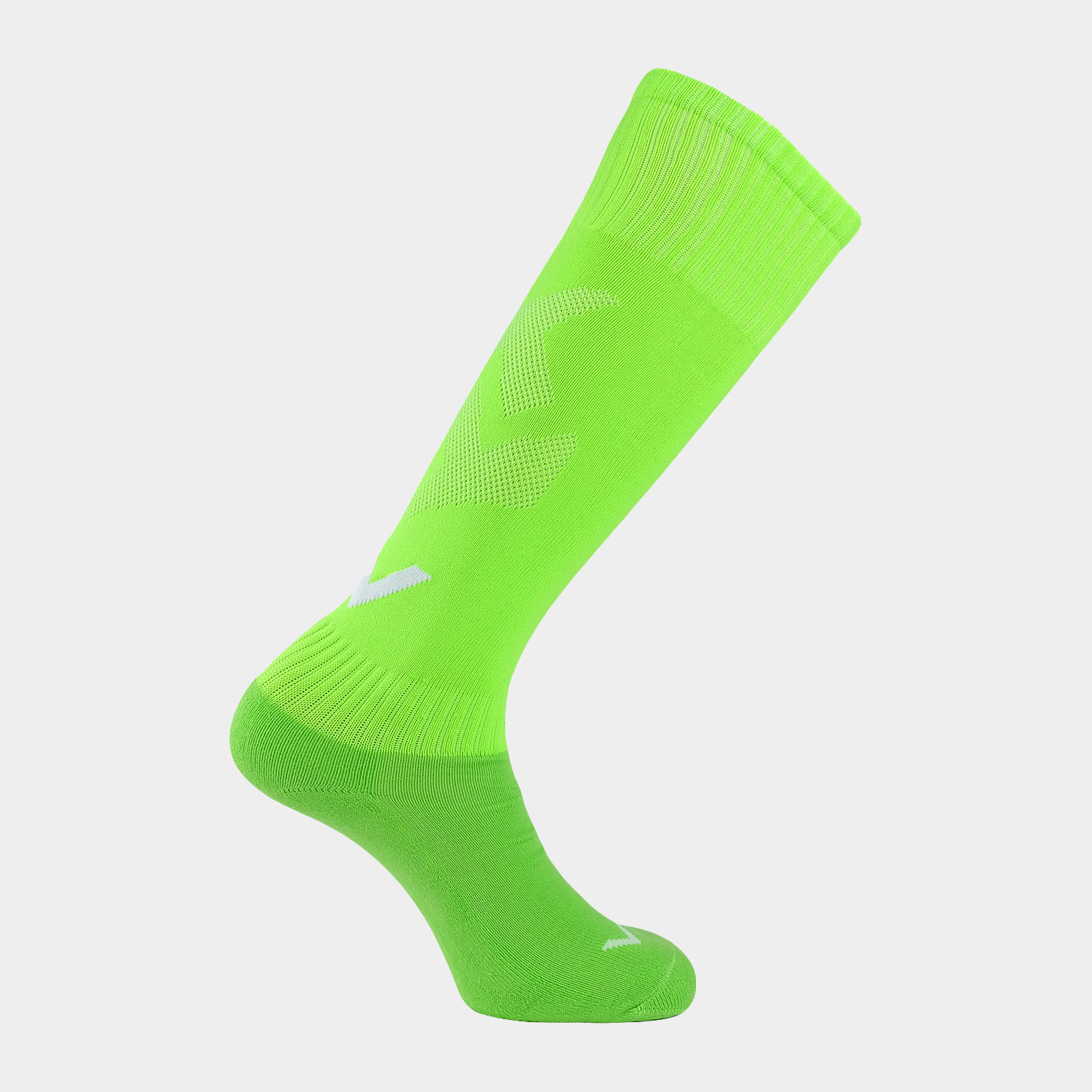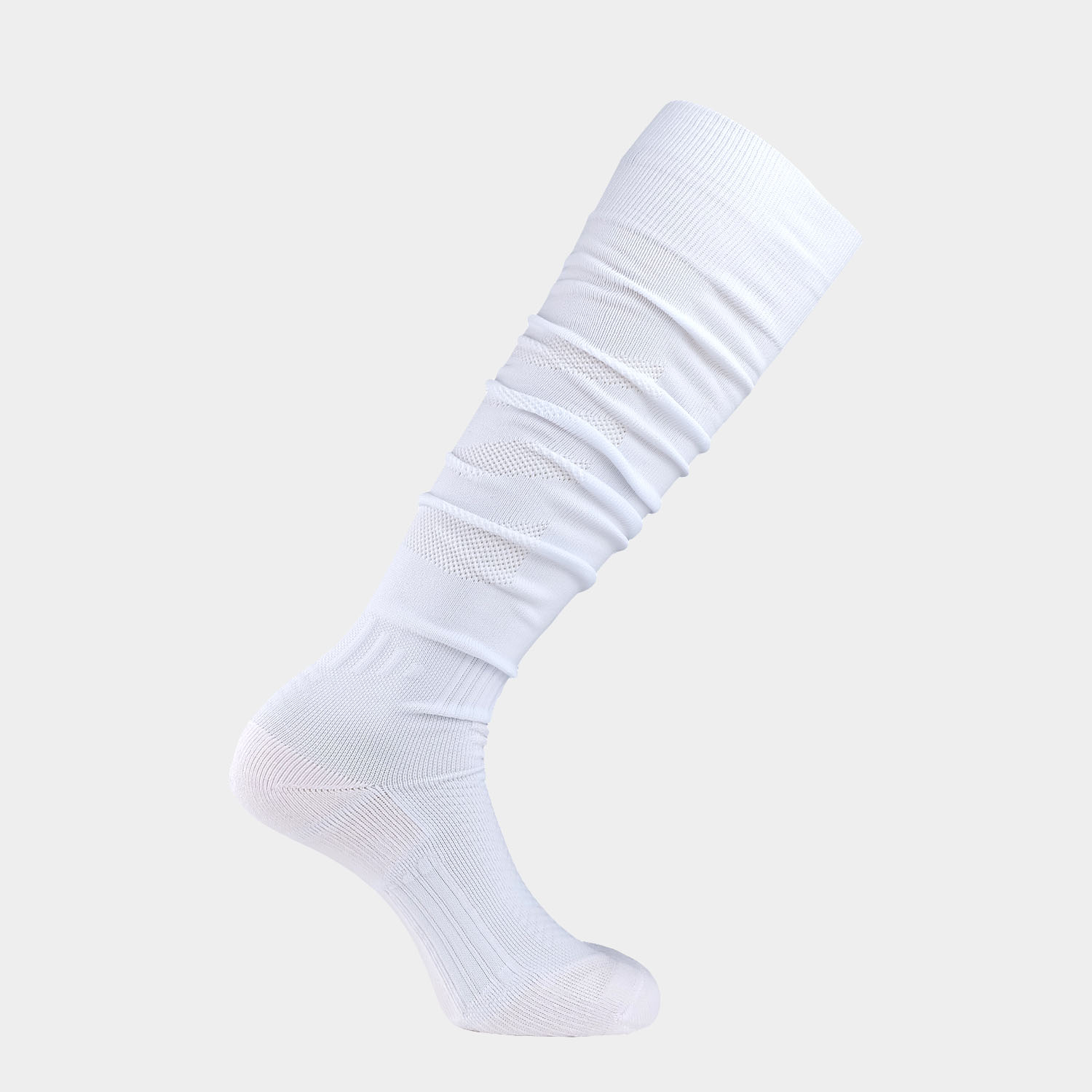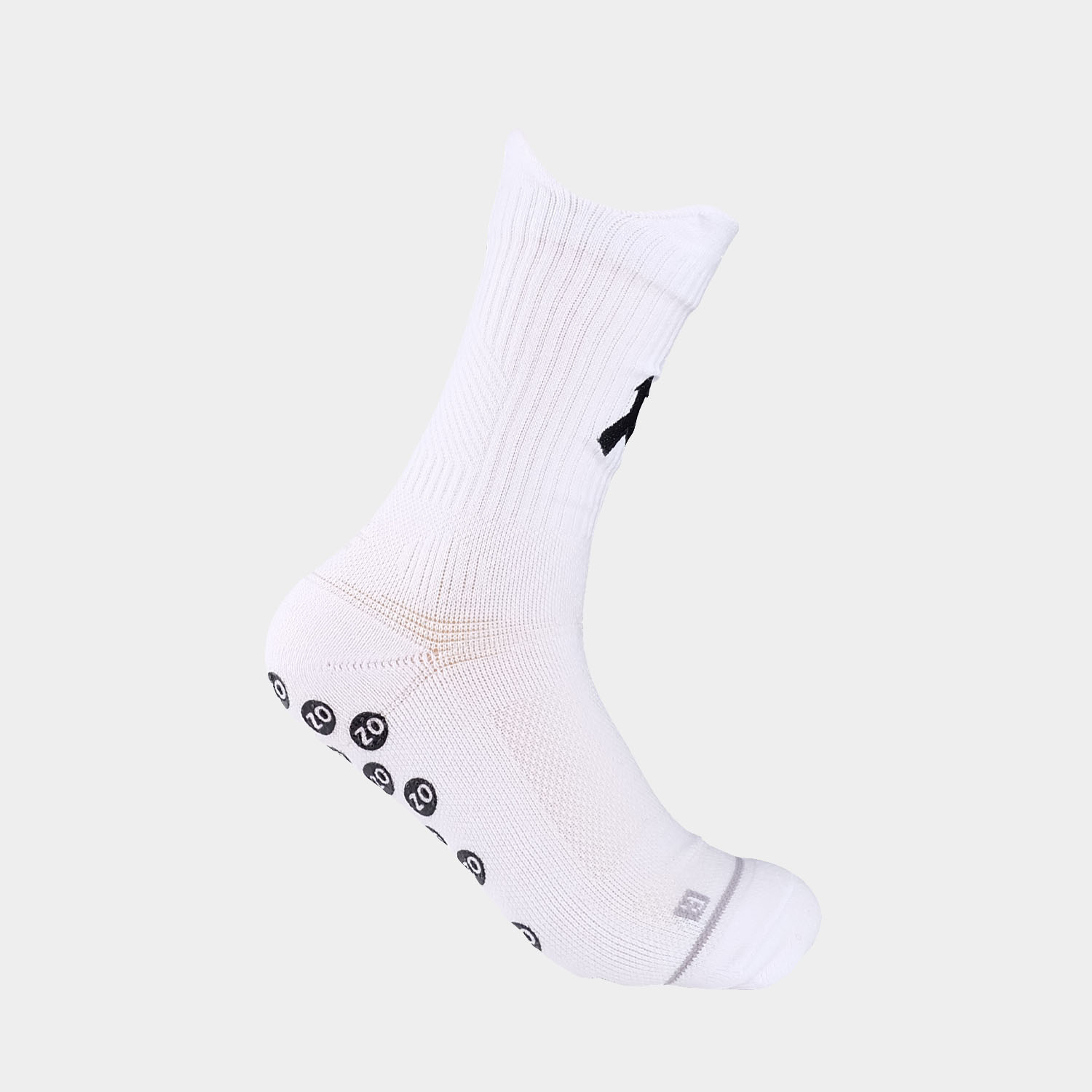

From the cotton everyday socks to the professional sports compression socks, behind each pair of socks lies a complex process of mechanical collaboration. For a high-quality sock manufacturer, the selection of the needle type on the sock machine is one of the core secrets that determine the competitiveness of their products.
What Are Sock Knitting Machine Needles?
The sock knitting machine is the core knitting equipment used for manufacturing various types of socks.
The machine contains a set of precisely engineered components that work in coordination: including the reciprocating tongue needle, the shedding plate responsible for pulling the warp yarns, the tappet plate that transmits motion, and the dobby plate used for selecting needles to create patterns.
Modern computerized knitting machines can achieve more intricate patterns and higher production efficiency through computer control.
Choosing the Right Needles for Different Sock Types
The specific specifications of the “needle type” on the knitting machine are typically determined by two key indicators: the diameter of the knitting machine (in inches) and the total number of needles. Different materials and thicknesses of socks require different needle type machines. Selecting the appropriate needle type for various sock products is the primary focus of production.
Needles for cotton socks
Key features:Balancing comfort, durability, and pattern implementation
Recommend needle:168-200N. Moderate density ensures good coverage and soft touch of cotton yarn, while also presenting clear jacquard or horizontal stripe patterns.
Needles for wool socks
Key features:Warm. Less pressure
Recommend needle:108-144N. Low density provides space for thicker wool or blended yarns, forming a more fluffy and air insulated fabric structure.
Needles for compression socks
Key features: Provide precise gradient pressure and high elasticity fit
Recommend needle:More than 200N. The density is very high, and when combined with high elasticity yarns such as Lycra, it can weave fabrics that are tight, strongly supportive, and have an ergonomic pressure distribution.
Needle gauge and density
The relationship between needle type and fabric density is opposite. Under the same yarn, the higher the number of needles, the tighter the arrangement of needles per unit length, the smaller the loops woven, and the denser and thinner the fabric. On the contrary, the lower the number of needles, the looser and thicker the fabric. Therefore, choosing a needle type is essentially to match the most suitable “weaving space” for a specific yarn material and target fabric feel.
How Needle Selection Affects Sock Quality
The choice of needle type is not a simple number game, it directly and profoundly affects the final quality of socks.
Impact on fabric density and stretch
The needle type determines the density and elasticity of the fabric. Using overly coarse needle shapes to weave fine yarns can cause the fabric to become loose, lack elasticity, and easily deform. Using overly fine needle shapes to weave coarse wool may cause excessive tension on the yarn during weaving, resulting in breakage or stiffness of the finished product, and loss of fluffiness and warmth.
Effect on logo clarity and pattern accuracy
For socks with fashionable prints or complex jacquard patterns, the needle shape is the “pixel” of the pattern. High needle count machines can provide finer “canvases”, ensuring clear pattern boundaries, accurate details, and natural color transitions. Low needle count machines may cause jagged edges in fine patterns, affecting the presentation of design effects.
Common quality issues caused by wrong needles
Using the wrong needle type can cause a series of quality issues.
- If the needle type is too thick, it is prone to “needle path” (longitudinal stripes), fabric looseness or easy snagging;
- If the needle type is too thin, it may lead to frequent yarn breakage, accelerated needle wear, and even hole breakage.
For modern high-speed production that requires high loads, the durability of the needle itself is crucial. Advanced dur ™ Technical knitting needles can significantly reduce the risk of hook breakage or tongue bending under high loads by strengthening the hook and tongue, and improving the tongue groove design, thereby reducing downtime and lowering scrap rates.
How Sockcn Ensures Needle Quality in Production
As a responsible supplier, we have a comprehensive system for controlling the quality of needle shapes in production. This system is built on several key points:
- “First pair socksconfirmation system”. Each batch of new orders goes online, and the first pair of socks that are taken off the machine must undergo strict review and signature by the quality inspection department to confirm that all parameters such as needle shape, density, and pattern fully meet the requirements of the process sheet before mass production can begin.
- Throughout the entire production process, we carry out strict ‘process handover inspections’. Each process must undergo qualification confirmation before transferring semi-finished products to the next process to ensure that problems are not transmitted or amplified.
- We have introduced a digital production management system. By installing data monitoring terminals on each intelligent sock weaving machine, more than 20 operational data such as speed, breakage frequency, and pattern parameters can be collected in real time. Once the system detects potential issues such as abnormal yarn tension, it can automatically shut down and lock its position within 10 seconds, while pushing alarm information to the maintenance personnel’s mobile phones. This has achieved a leap from passive maintenance to active prevention.
- For finished products, we implement a dual insurance system of “final inspection+sampling inspection”. All socks must undergo a final full inspection to check for appearance defects such as oil stains, holes, and loose threads. At the same time, factory inspections are conducted according to the AQL (Acceptable Quality Level) sampling standard to ensure the quality stability of the entire batch of products.