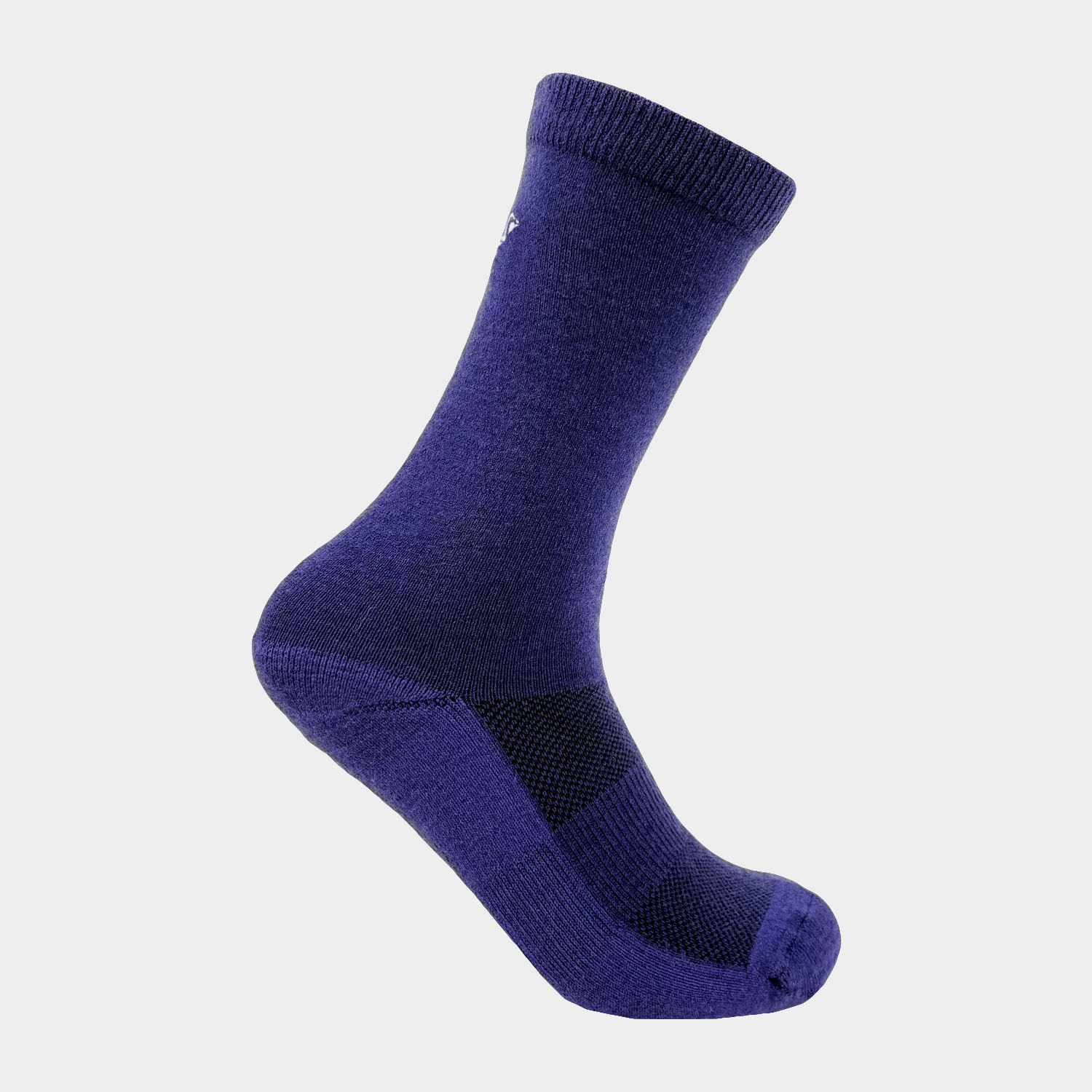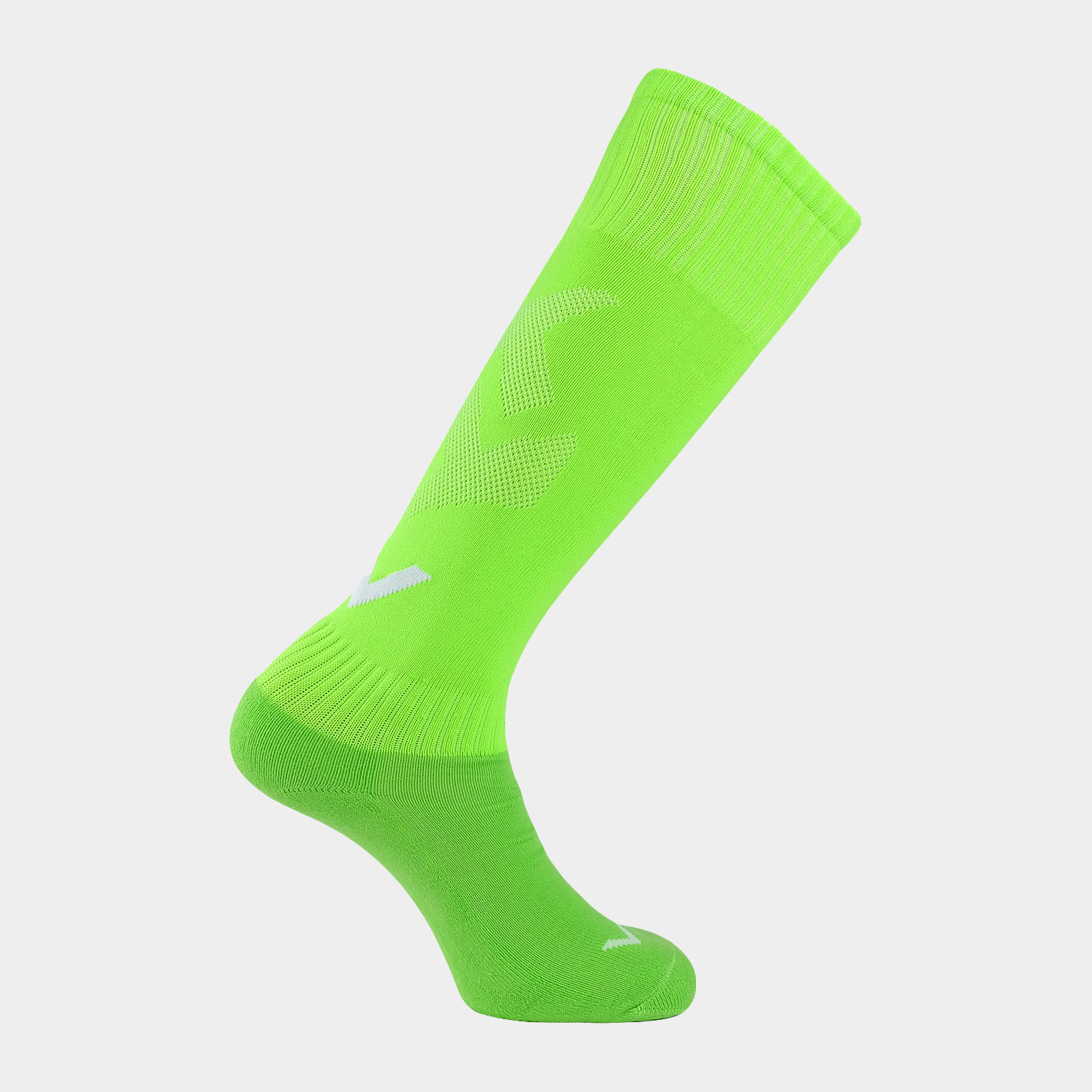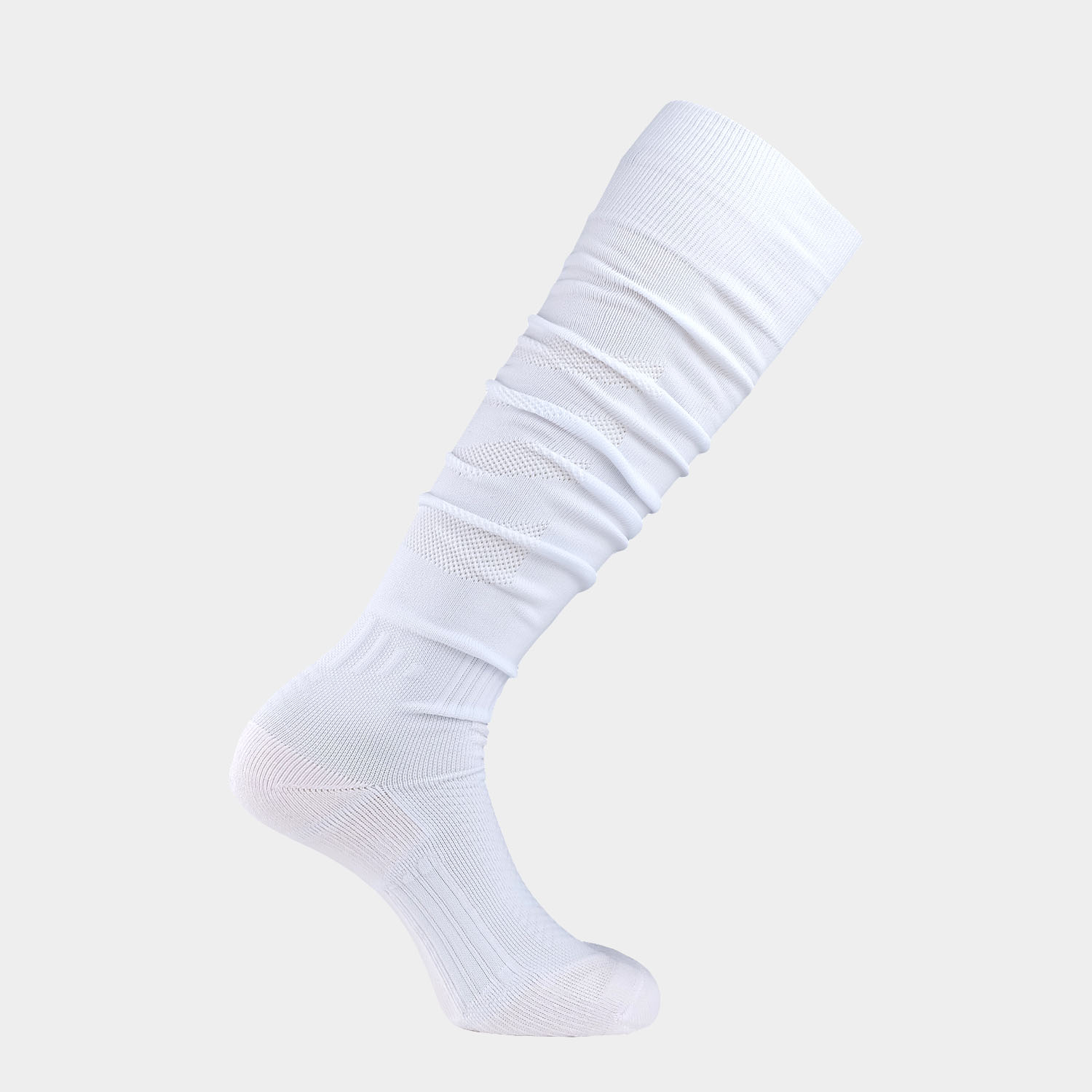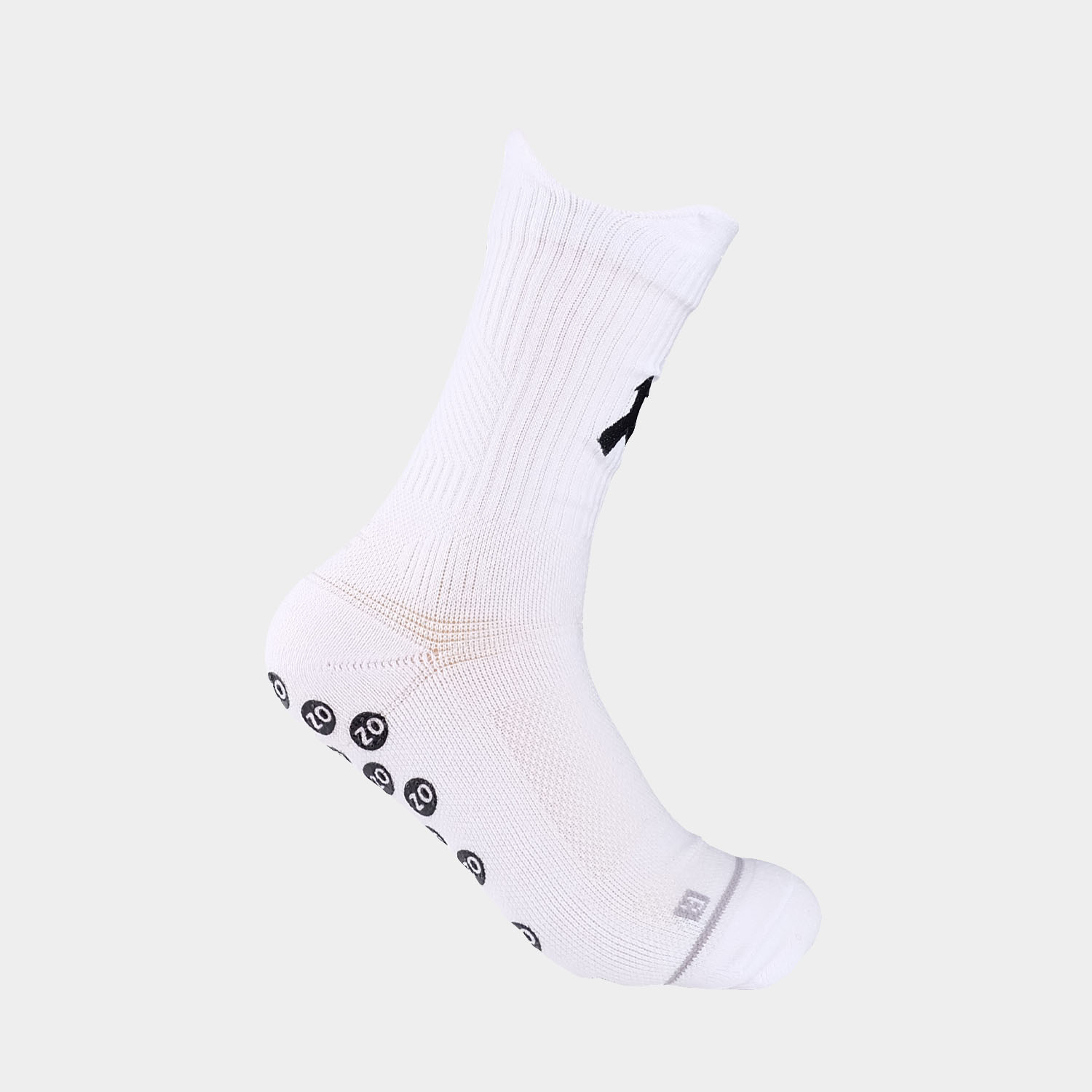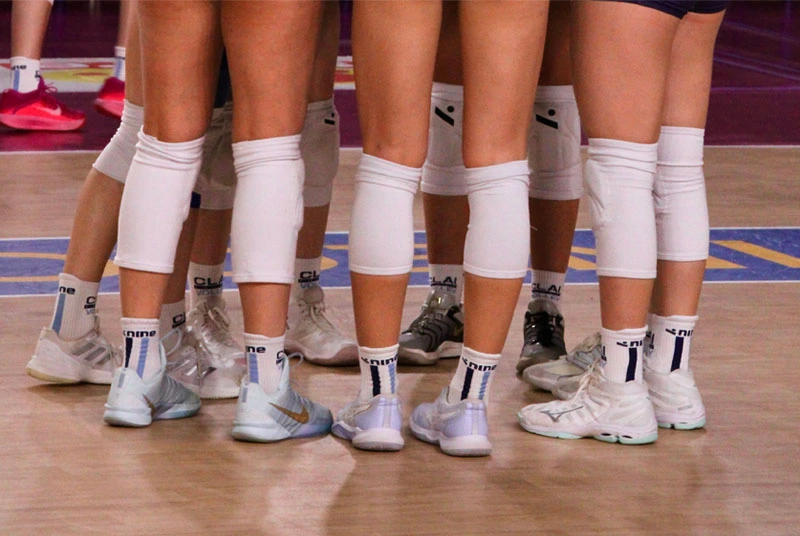

Custom socks are more than just promotional merchandise, they’re wearable branding, team pride, and everyday products that people actually use. However, turning a design idea into a successful pair of socks is not always simple.
If you’re planning custom socks for your brand, understanding the most common design and production mistakes can help you avoid unnecessary costs and delays. If you’re new to developing branded socks, you can also explore our complete guide to custom socks with logo.
Choosing the Wrong Yarn for the Sock’s Purpose
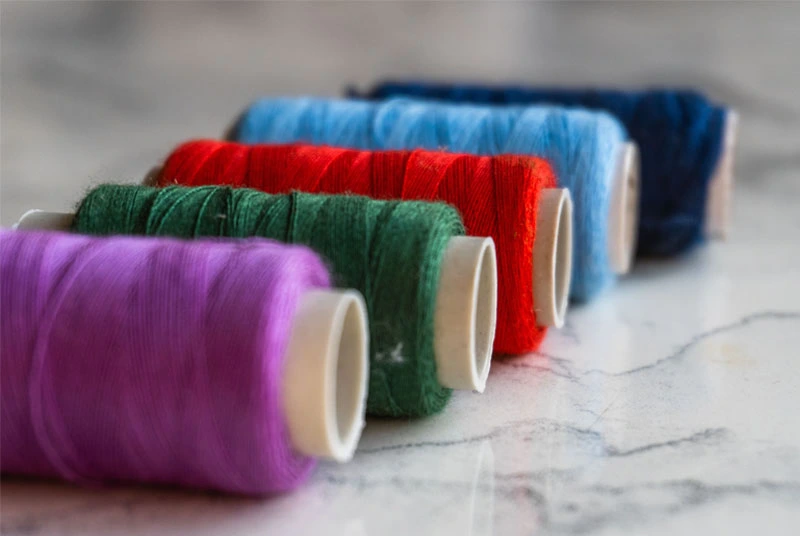
The foundation of any high-quality pair of socks lies in the yarn used. Many brands choose yarn solely based on cost or vague concepts such as softness and warmth, without considering the purpose of the socks. The yarn required for different types of socks is completely different. For outdoor sports, daily casual wear, comfortable leisure activities, or business gift-giving? Each purpose requires different fiber properties.
For example, when choosing running socks, using cotton material, although it has a soft texture, in fact, cotton’s sweat-absorbing performance is not excellent. Another example is when choosing work socks, using fine but unstrengthened yarn to make work socks will cause them to wear out quickly. This mistake directly affects customer satisfaction and the perception of brand quality.
The Sockcn Solution: We will guide you in making a purposeful selection of yarns. For instance, for industrial work socks that need to be thick and durable, depending on different budgets, we recommend yarns made of merino wool or cotton blends. We suggest adding nylon to the toe or heel of the socks to enhance their durability. For outdoor sports socks, we recommend yarns made of merino wool, alpaca wool, etc., which are moisture-absorbent and sweat-wicking. For high-end luxury gift socks, we recommend highly soft yarns such as bamboo fiber and cashmere. We help you match the material selection with the final use, ensuring that the functions align with your brand’s commitment.
Overcomplicating the Logo or Pattern
To highlight their own characteristics, some brands directly print complex full-color logos or complex digital patterns on socks. However, in fact, whether as a separate printed logo or applied to the entire sock using the printing technique, both have their own drawbacks. If the logo is printed as a separate logo using heat transfer printing on the sock, it is very likely to come off during washing or friction. If the entire sock is printed, it has limitations on the yarn and the best choice is polyester. If cotton, wool, nylon, etc. are chosen, it is difficult to achieve perfect production. The surface fabric should try to use the same material. Then, knitting technology is fundamentally different from digital printing. It has inherent limitations in terms of details, color gradation and clarity. However, it is more durable and has no restrictions on the yarn.
The problem lies in: overly detailed designs can become blurry and difficult to recognize, or are technically difficult to integrate. This may make your logo difficult to recognize and increase production costs due to excessive color variations or complex jacquard patterns.
The Sockcn Solution: Our designers are expert in technical R&D. We will handle your drafts of design to be easy to run in the knitting though we have not lost the essence of it. This might incluee simplifying color schemes, highlighting key elements, or suggesting pleasing stylized versions. We are passionate about short, strong design solutions, tailored for the media that will communicate through them, resulting in a clean & professional brand image.
Ignoring Needle Count and Thickness Requirements
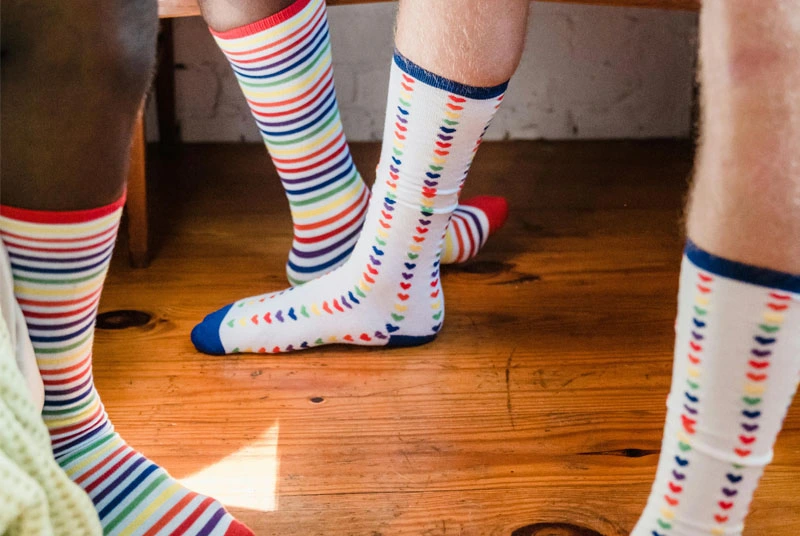
Thickness and detail of the sock are determined by the needle count of the knitting machine (e.g., 72, 108, 144, 200 needles). A low gauge makes a thick, chunky sock suitable for boots or winter. A high gauge knits finer dress sock detail.
The Issue: Brands typically have a thin and sleek sock in mind but sign off on a sample that is knit on a lower gauge machine, leading to a thicker product than they expected. On the flip side, a design intended to be dense and warm might be knit on a high-gauge machine, losing that snuggly warmth.
The Sockcn Solution: From the beginning, we are clear about our technical requirements. We recommend the best needle count for you based on the hand-feel, drape, and application. We run samples on the right equipment so that you can feel and see the exact fabric weight and hand prior to mass production, no surprises.
Forgetting About Toe & Heel Construction
People often focus too much on the appearance design and neglect the engineering details in high-stress areas. The stitching at the toe and the structure of the heel are crucial for comfort and durability. If the stitching at the toe is made crudely, it may irritate the feet, and if the heel structure is not sturdy enough, it will wear out quickly.
The problem lies in: either using a simple and heavy machine stitching method (this “hand-to-hand” design is not a true hand-to-hand structure), or ignoring the reinforcement of the heel, both will result in a poor user experience. For sports socks, the lack of a structured heel also affects their fit.
The Sockcn Solution: We will actively explore various solutions. We will use hand-sewing to ensure a comfortable and seamless fit, and there are multiple ways to reinforce the heel, such as the Y-shaped heel for better fit, or adding a nylon reinforcement, as well as a cushioning design for sports socks. We view these elements as important functional features of your product, rather than just additional considerations.
Choosing Colors That Don’t Translate Well in Knitting
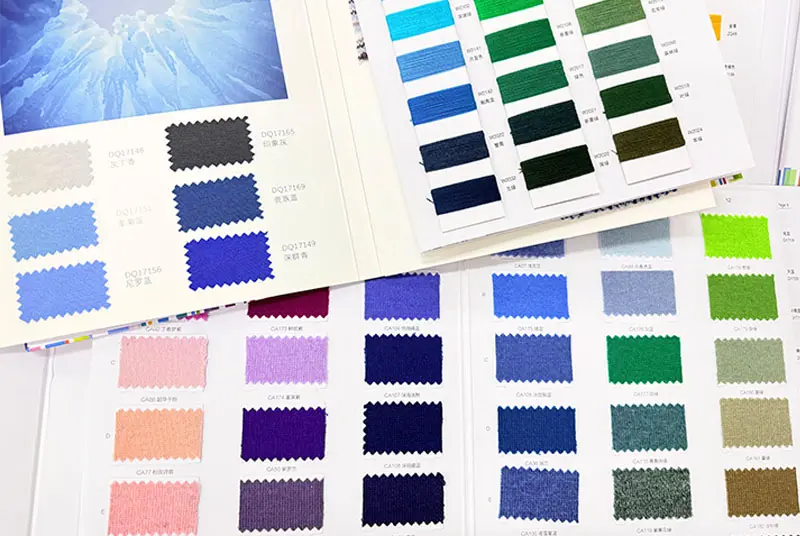
Colors on your screen (RGB) are not the same as colors in dyed yarn (Pantone, etc.). Subtle gradients, certain neons, or specific shades can be difficult to match accurately with thread.
The Problem: The vibrant teal on your monitor turns into a dull blue-green on the sock. This leads to disappointed brand managers and inconsistent branding across materials.
The Sockcn Solution: The customer provides the Pantone C color code. We will first find the color that is most similar from the available yarns for the customer’s reference. If the customer accepts it, we will start the production based on the available yarns. If it is a custom color, we can provide a dyeing sample before dyeing the large quantity of yarns. This is to prevent deviations caused by direct dyeing. At the same time, dyeing large quantities of yarns usually takes 20 to 30 days, while a dyeing sample only takes 3 to 5 days. This helps save time costs. In the early stage of the sample phase, we will display the intuitive color effect to help you make a reasonable expectation.
Not Considering Packaging Early On
Packaging is an extension of the unboxing experience and your brand. Choosing packaging when the socks are already made, means compromises—boxes that are too big or too small, too much material use, or additional costs and delays.
The Issue: Stunning socks are packaged in a plain poly bag that reduces the value perception. Alternatively, custom boxes are purchased externally, doubling the expense of logistics and complicating order fulfillment.
The Sockcn Solution: Packaging is included in the initial quote and timeline. From environmentally friendly single poly bags and hang tags to custom foldable boxes and gift sets, we provide full-service solutions. We can assemble, bag, tag and box your socks for direct shipment to your warehouse or event, making your supply chain that much smoother.
Not Getting a Proper Sample Before Mass Production
Skipping or rushing through the sample production stage in order to save time or money is the most costly mistake among all. Digital models cannot reflect fit, texture, color accuracy or construction quality.
The problem lies in: Approving production based on digital samples will result in tens of thousands of pairs of socks being of the wrong size, with incorrect colors or uncomfortable to wear. Moreover, the technology of jacquard weaving has limitations in restoring the design, and correcting this issue is extremely costly and may even be impossible to achieve.
The Sockcn Solution: Once the design draft is provided by the client, we will first offer a model design. After the client confirms it, we will produce pre-production samples to ensure that the color, size, pattern, etc. all meet the client’s requirements. We will reserve 1 to 2 sample testing sessions in the project schedule to ensure that you can test, experience and finally approve the product. This stage is indispensable for quality assurance and your peace of mind.
How Sockcn Helps Brands Avoid These Mistakes
At Sockcn, we tailor to your needs not only as a sock manufacturer, but as your technical sock partner. Our system is designed to steer you clear from these common trip-ups:
- Expert-guided membership: From the very beginning of your consultation, our experts will ask appropriate questions based on your purpose of ordering socks, the target audience, and the sock scenarios.
- Design& Technical Review : We review your design and offer constructive comments to optimize knitting.
- Open Specifications: We are open aboutall (technical) decisions needed to be made (yarn, needle count, construction) and the impact of each.
- Strong Sampling: Our exhaustive sampling process means you can see, feel and signoff on the end product.
- Seamless Production & Packaging: Production isintegrated under one roof, allowing us to maintain consistency and quality control from yarn to packaged carton.
Conclusion
Designing exceptional custom socks is a blend of creative vision and technical expertise. By understanding and avoiding these seven common mistakes, you elevate your custom socks from simple giveaways to valued brand assets that people love to wear.
Ready to create custom socks that perfectly represent your brand, without the headaches?
Let Sockcn be your guide. Our team is ready to bring your vision to life with the technical expertise and quality assurance you deserve.
Contact Sockcn today for a consultation and a free, no-obligation quote. Let’s knit your success story, one perfect pair at a time.