
To be honest, we’ve all been there. You find a pair of socks you absolutely love. They’re comfortable, they look great, and they feel like a hug for your feet. Then, after a few months of loyal service, disaster strikes. A tiny hole peeks out from the toe, the heel becomes thin as tissue paper, or the elastic gives up the ghost, leaving you with a pair of sad, slouchy ankle-warmers. It’s a sock tragedy!
But what if you could find—or better yet, create—socks that stand the test of time? Socks that are less like a fleeting romance and more like a lifelong partnership with your feet? The quest for the most durable socks isn’t just about thickness; it’s a fascinating science. So, let’s unravel the thread and discover what truly makes the best durable socks last through countless washes and miles.
What Makes a Sock Durable?
Think of a sock as a tiny, flexible suit of armor for your feet. It faces friction, moisture, stretching, and crushing forces daily. The durability of this “armor” depends on a few key engineering marvels.
Fiber strength & material composition
How tightly woven is the fabric? A loose knit is like a wide-mesh net—it leaves plenty of room for fibers to rub, snag, and break. A high-density knit, on the other hand, creates a tight, compact fabric where the fibers support each other. This density is achieved through advanced knitting techniques that leave fewer gaps for wear and tear to begin. It’s the difference between a loosely packed crowd and a tightly-knit phalanx—one is easy to break through, the other is formidable.
Fabric density & knitting techniques
How tightly woven is the fabric? A loose knit is like a wide-mesh net—it leaves plenty of room for fibers to rub, snag, and break. A high-density knit, on the other hand, creates a tight, compact fabric where the fibers support each other. This density is achieved through advanced knitting techniques that leave fewer gaps for wear and tear to begin. It’s the difference between a loosely packed crowd and a tightly-knit phalanx—one is easy to break through, the other is formidable.
Toe & heel reinforcement
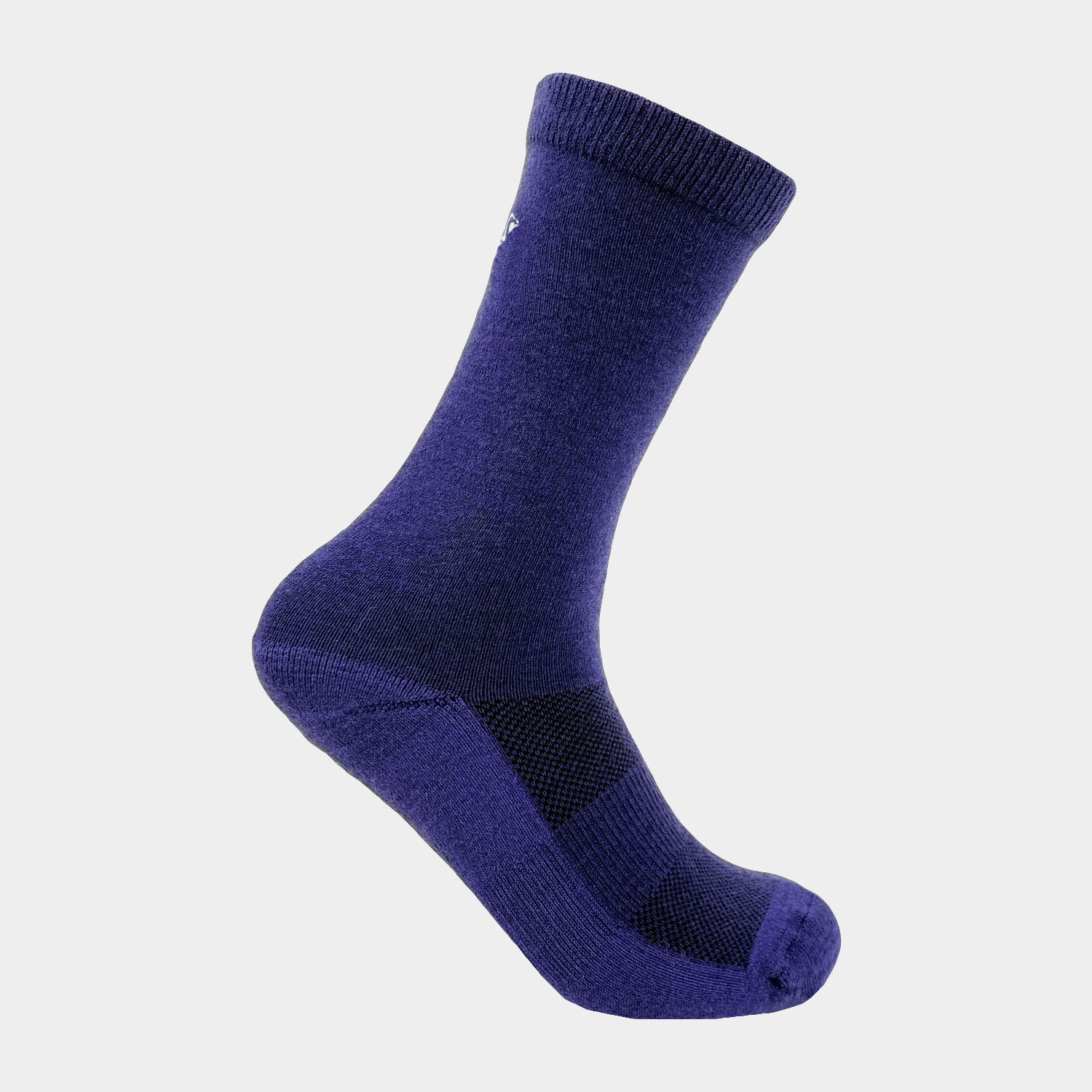
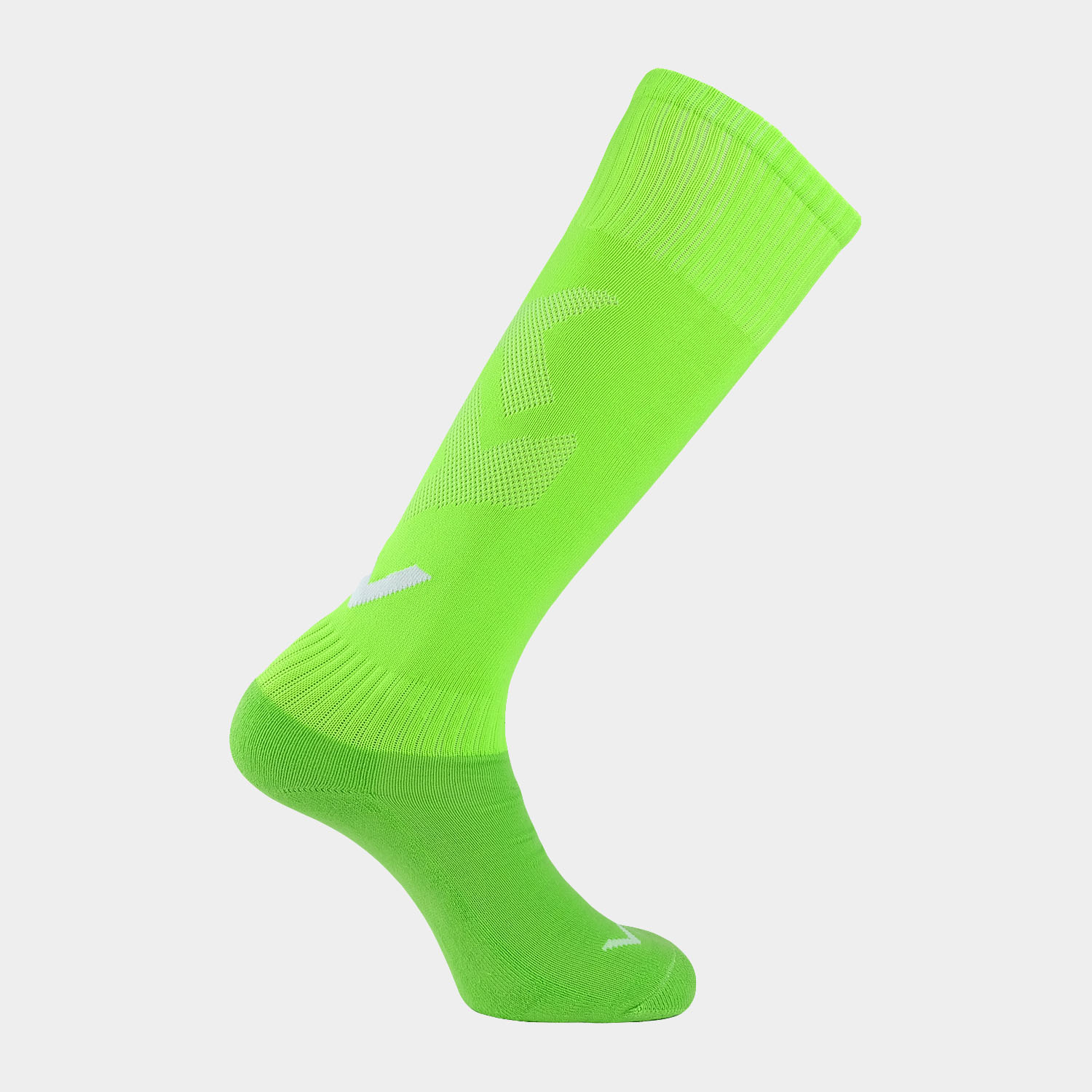
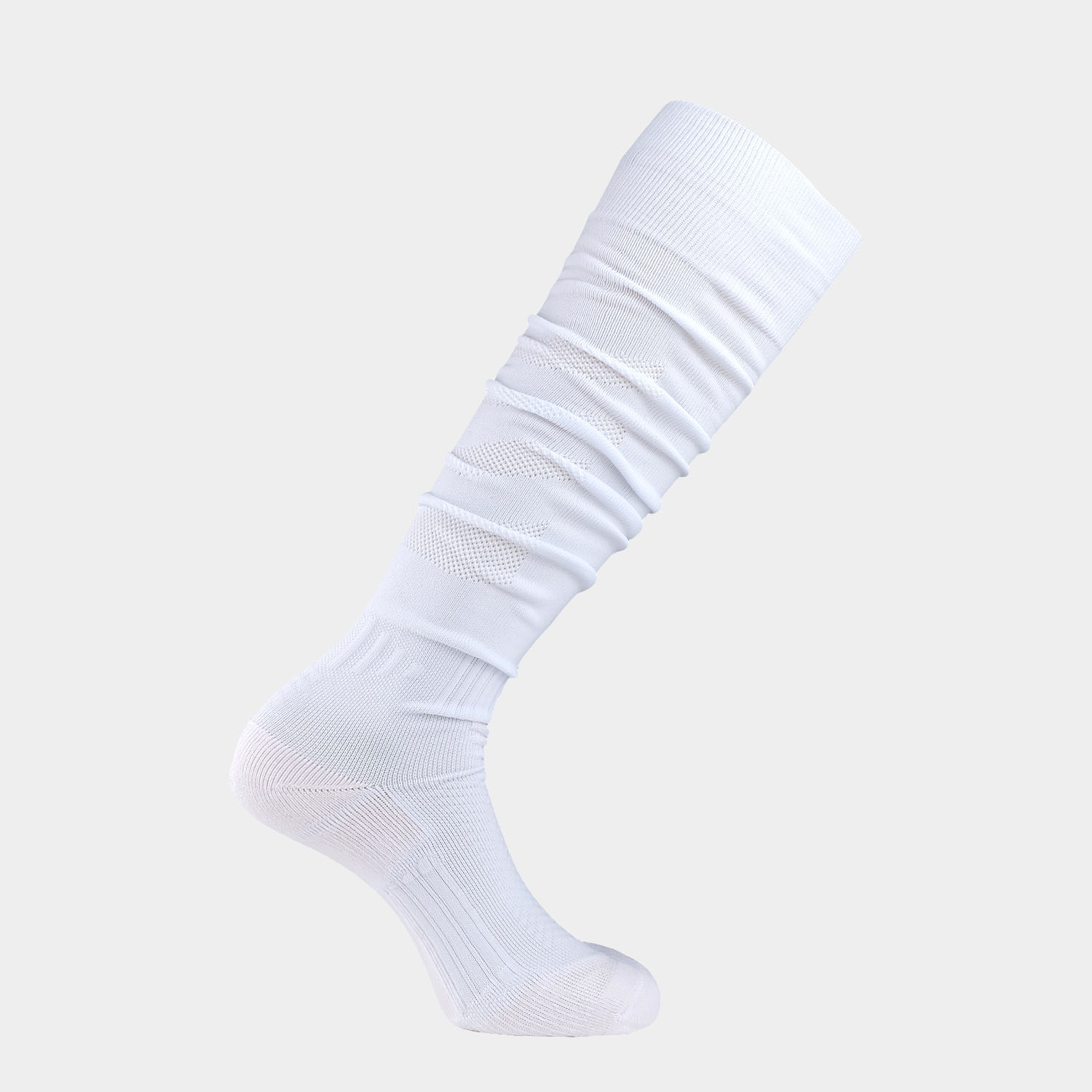
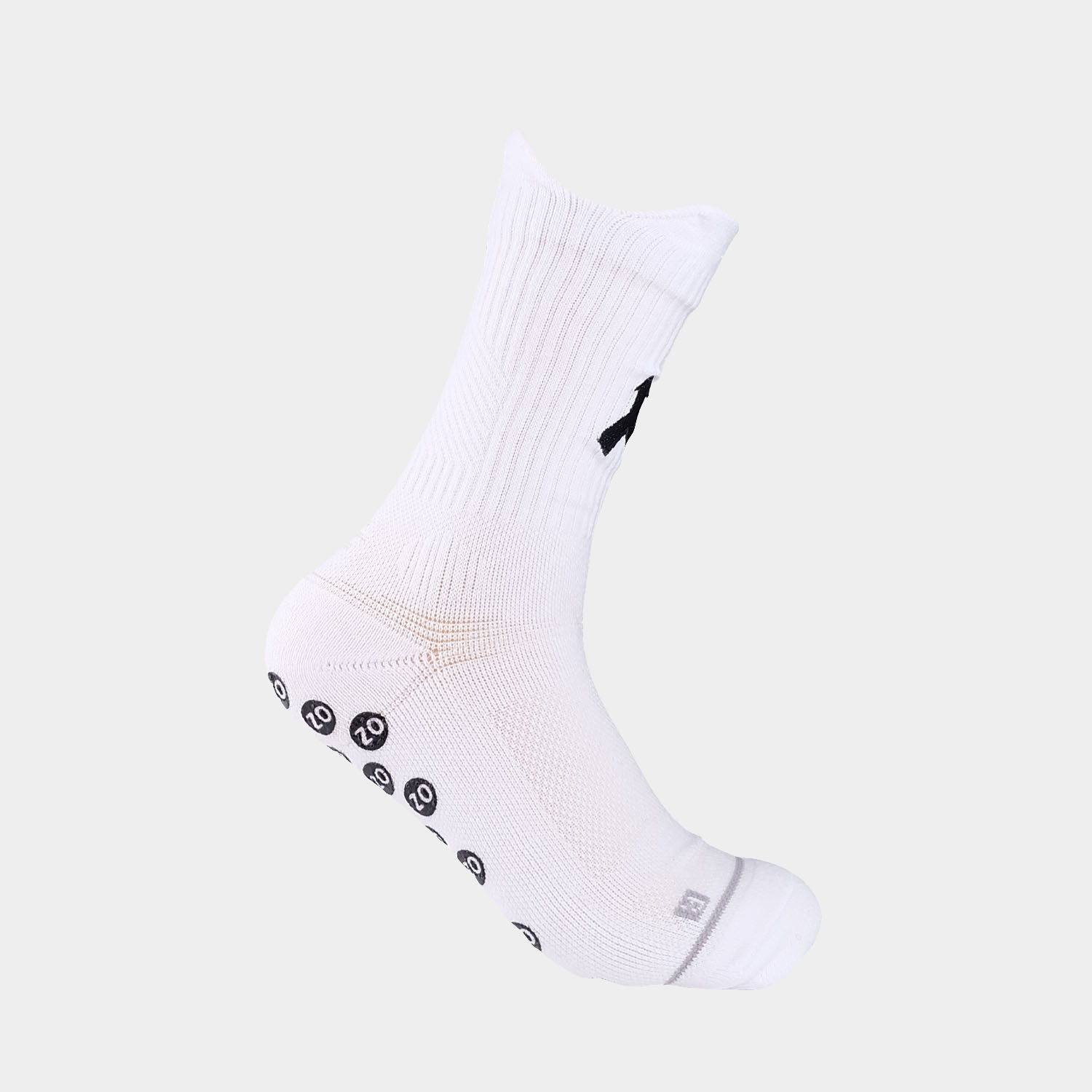
The toe and heel are the front lines in the war on sock longevity. They are the high-impact zones. That’s why the most durable socks feature extra layers of fabric in these areas. This reinforcement, often called “terry cushioning,” isn’t just for comfort; it’s a strategic doubling of the armor exactly where the enemy (friction) attacks most fiercely.
Elastic durability & shape retention
What good is a strong body if it loses its shape? The elastic in the cuff (usually Spandex or Lycra) is the memory of the sock. A sock with poor elastic will soon forget its job, sliding down your ankle and bunching up in your shoe. High-quality elastic retains its “memory” wash after wash, ensuring the sock stays up and maintains its fit, which is crucial for preventing blisters and uneven wear.
Best Materials for Durable Athletic Socks
Now that we know what makes a sock durable, let’s meet the all-star team of materials that make it happen.
Nylon for abrasion resistance
Nylon is the undisputed heavyweight champion of abrasion resistance. It’s incredibly tough and gives the sock its backbone. A high nylon content, especially in the toe and heel areas, is a tell-tale sign of a sock built to last. Think of nylon as the sturdy frame of a car—it takes the hits so the interior doesn’t have to.
Polyester blends for moisture-wicking + strength
Polyester is a fantastic multi-tasker. It’s strong and excellent at wicking moisture away from the skin. In durable athletic socks, polyester blends work synergistically with nylon, providing strength while keeping feet dry. A damp sock is a weak sock (and a stinky one!), so moisture management is directly linked to durability.
Spandex/Elastane for long-term stretch stability
Spandex (or Elastane) is the yoga master of the group—it provides the essential stretch and recovery. Typically making up only 2-5% of the material composition, its role is critical. It’s what gives the sock its snug fit and ensures it bounces back to its original shape after being stretched, time and time again. Without it, even the strongest sock would become a shapeless bag.
How to Choose Durable Sports Socks
Armed with this knowledge, you can now become a savvy sock shopper. Here’s your practical guide on how to choose durable sports socks.
Check the fiber ratios
Flip that tag over! Look for a blend high in Nylon (for strength) and Polyester (for moisture-wicking), with a small amount of Spandex (for stretch). A cotton-heavy sock might feel soft initially, but it’s a recipe for a short lifespan in high-intensity activities.
Look for reinforced heel/toe & arch support
Give the sock a quick inspection. Can you see and feel extra cushioning in the heel and toe? Many durable socks also feature arch support bands, which hug the foot and reduce fabric slippage and fatigue.
Inspect knitting density
Hold the sock up to the light. Can you easily see through it? If so, it’s probably a lower-density knit. A better, more durable sock will be more opaque, indicating a tighter, more resilient fabric.
Choose moisture-wicking blends to reduce friction damage
Remember, moisture is the enemy. Wet skin is up to 40% more prone to friction. By choosing socks that wick sweat away, you’re not just staying comfortable; you’re actively reducing the primary force that destroys socks.
Select the right thickness for your activity
Thicker isn’t always more durable if it causes your foot to overheat or your shoe to fit too tightly. A sleek, medium-weight sock might be more durable for running, while a thick, cushioned one is better for hiking in heavy boots. Match the thickness to the activity.
What Retailers & Outdoor Brands Should Know About Sourcing Durable Socks
If you’re reading this as a retailer or brand manager, you know that selling subpar socks is a fast track to high return rates and unhappy customers. Here’s what you need to know.
Certifications
Partner with manufacturers who adhere to international quality and safety standards. Certifications for materials (like Oeko-Tex for harmful substances) and factories (social compliance) are not just paperwork; they are a promise of consistent, reliable quality.
Why durability influences return rate & customer satisfaction
A customer who buys a pair of your branded durable socks and finds a hole in them after two months isn’t just returning a product. They are losing trust in your entire brand. Conversely, a customer with long-lasting socks becomes a loyal advocate. Durability is a direct investment in brand reputation and customer lifetime value.
How OEM/ODM factories ensure durability in production
This is where the magic happens. A professional factory (like ours, Sockcn!) doesn’t just assemble threads. We engineer durable socks from the ground up. This includes:
- Yarn Selection: Choosing the right blend and high-tenacity yarns.
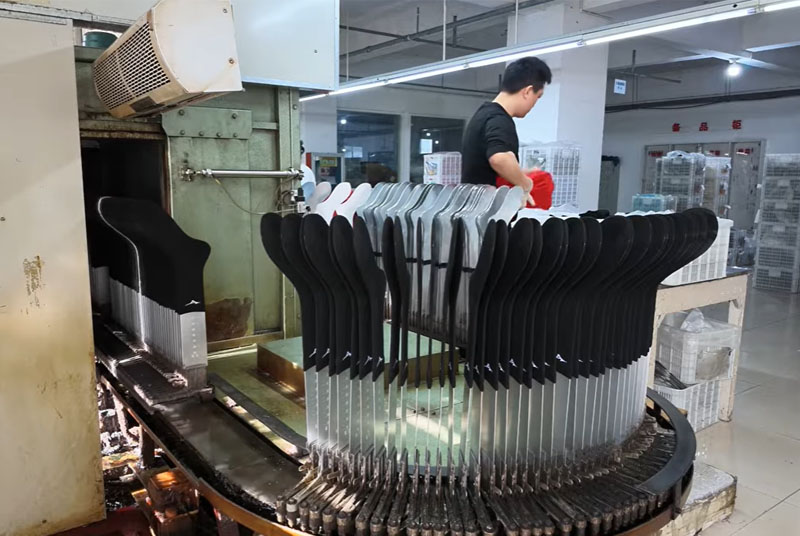
- Knitting Machinery: Using state-of-the-art Italian and Japanese knitting machines that ensure perfect, consistent density.
- Reinforcement Programming: Precisely programming the machines to add extra layers exactly where needed.
- Quality Control: Rigorous inspection at every stage, from yarn to finished sock, to catch any weaknesses.
Why Choose Sockcn for Durable Socks Manufacturing
You’ve learned what makes the most durable socks. Now, imagine a partner who embodies all these principles. That’s us.
At Sockcn, we don’t just manufacture socks; we engineer foot comfort with longevity at the core. We work with you from the design and material selection phase to ensure your custom socks are built to impress your customers and endure their toughest adventures. Whether you’re an outdoor brand needing the best durable socks for hikers or a retail chain looking for everyday reliability, we have the expertise, technology, and passion to bring your vision to life. Let’s create socks that people won’t just buy, but will love for years to come.
Conclusion
The journey to finding the perfect durable socks is a blend of art and science. It’s about understanding the superhero materials, the clever construction techniques, and the small details that make a big difference. Whether you’re a consumer looking for your next favorite pair or a business looking to create a standout product, remember that true durability is engineered, not accidental.
And if you’re in the business of creating such socks, the right manufacturing partner is key. For a deeper dive into selecting a supplier that can deliver on this promise, explore our guide:Tips for Choosing a Custom Socks Bulk Supplier. Let’s make sock tragedies a thing of the past.