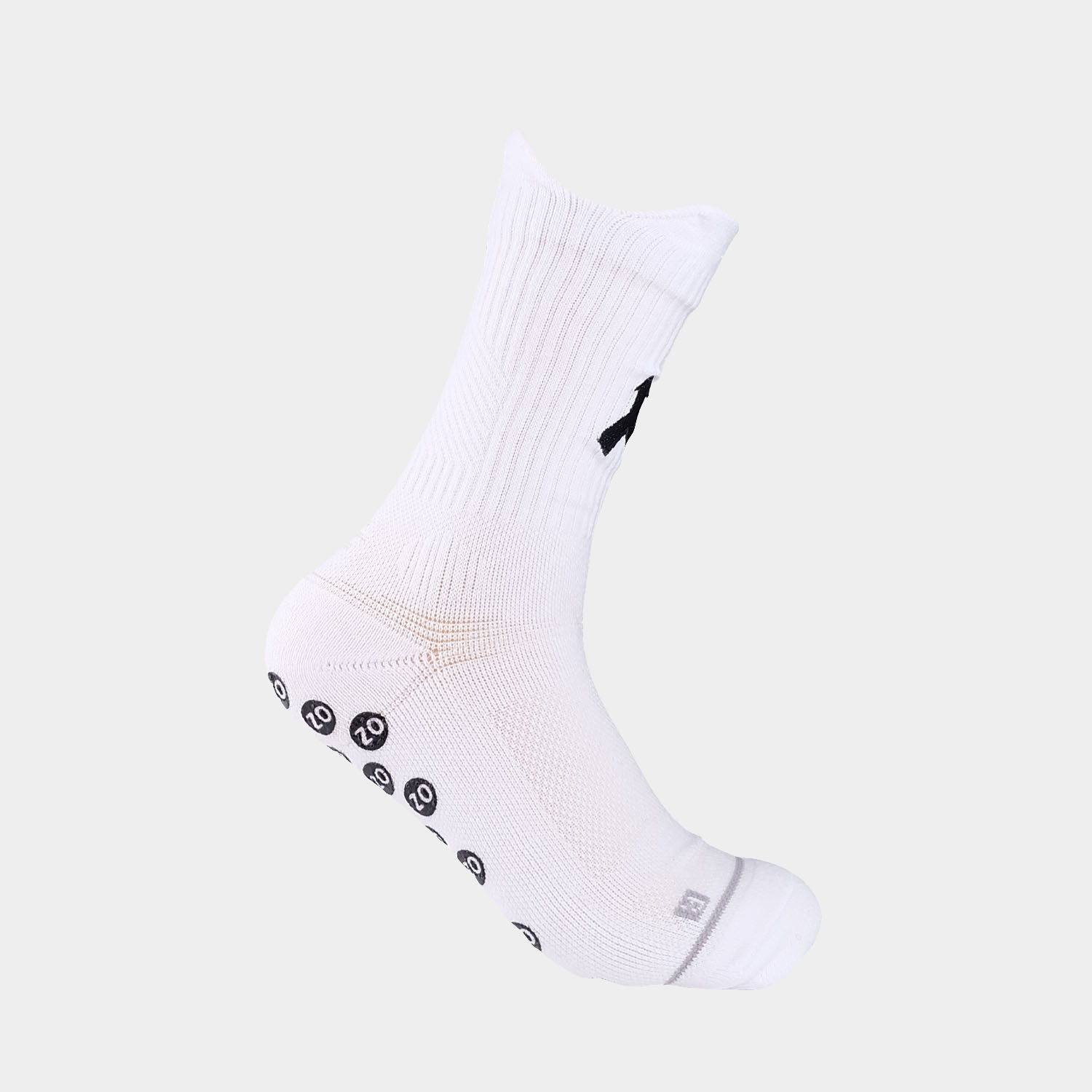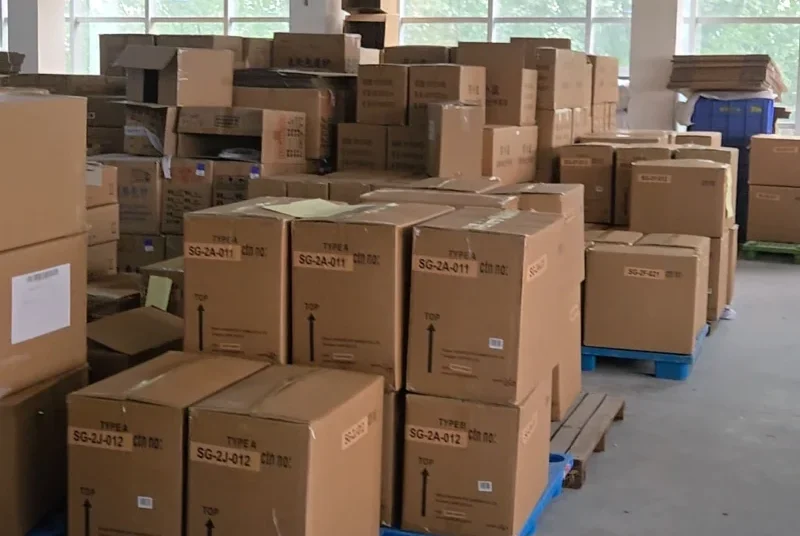
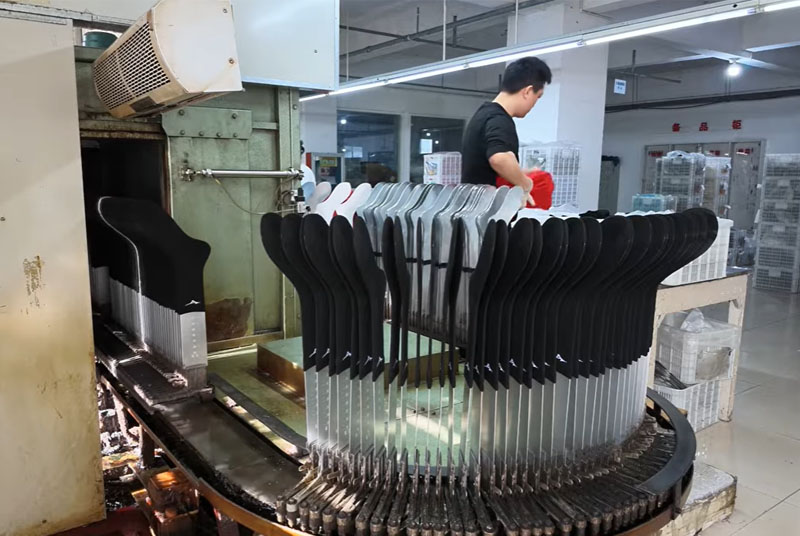
Socks manufacturer evaluation involves reviewing a supplier’s factory operations, manufacturing capabilities, product development process, quality management, certifications, and delivery performance. Buyers should verify these areas with factory records, production samples, inspection reports, and documented procedures before committing to a bulk order.
This guide explains what to check when evaluating a sock manufacturer and provides a practical factory audit checklist for supplier selection.
TL;DR: What Should Buyers Look for in a Sock Manufacturer?
When evaluating a sock manufacturer, buyers should focus on these seven areas:
Evaluation Area | What to Verify |
Factory Identity | Business information, actual manufacturing location, and production operations |
Manufacturing Capabilities | Sock types, materials, knitting equipment, and production capacity |
Product Development | Design support, sampling process, and sample approval |
Quality Control | Material inspection, in-process checks, and final product inspection |
Certifications | Certificate validity, holder, scope, and applicable products |
Production Management | Production planning, lead times, and order management |
Long-Term Reliability | Communication, quality consistency, and repeat order support |
Factory photos, approved samples, QC records, and production documents provide a clearer picture of manufacturing capabilities than a quotation or company introduction alone.
Verify the Manufacturer's Identity and Production Capabilities
Start by confirming that the supplier operates a real sock manufacturing facility and has the production capabilities required for your products.
Verify the Factory and Its Operations
Ask the supplier to provide:
- Current photos or videos of the knitting workshop.
- Information about its knitting machines and production equipment.
- Details of its in-house and outsourced production processes.
- Photos of sampling, finishing, quality inspection, and packaging areas.
Sock manufacturer should be able to explain its production workflow and identify where each manufacturing process takes place.
Buyers can also review Sockcn’s sock manufacturing process and factory capabilities to see how knitting, finishing, quality inspection, and other production stages are handled.
For large orders or long-term sourcing programs, arrange a factory visit or third-party audit to verify the information.
Check Product Range, Materials, and Equipment
A manufacturer’s production capabilities should match your product specifications.
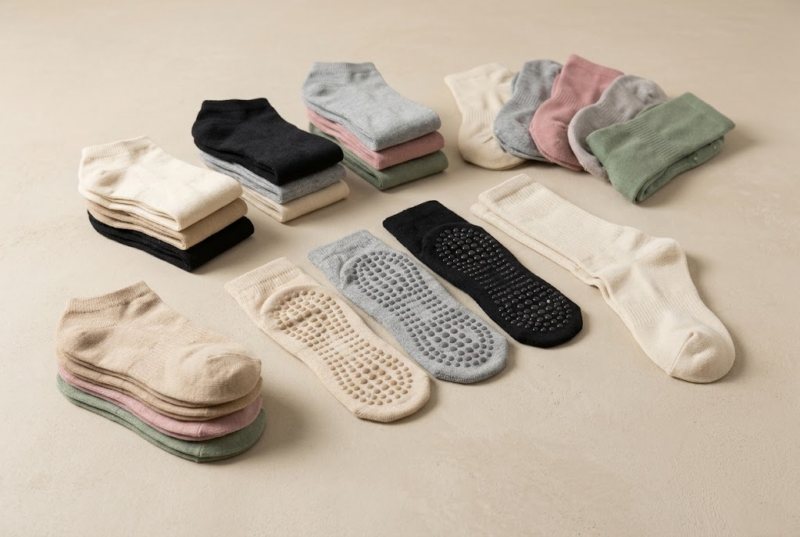
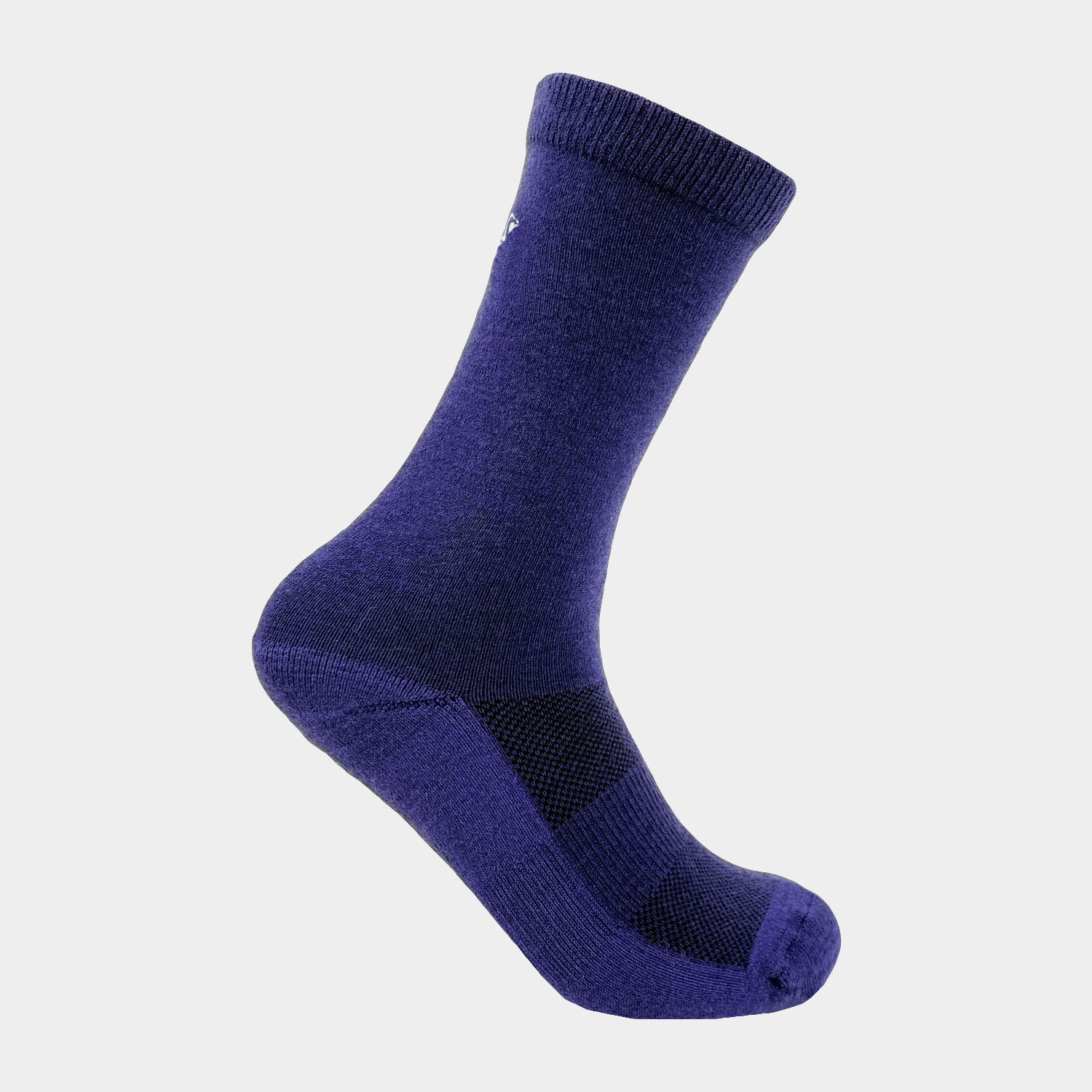
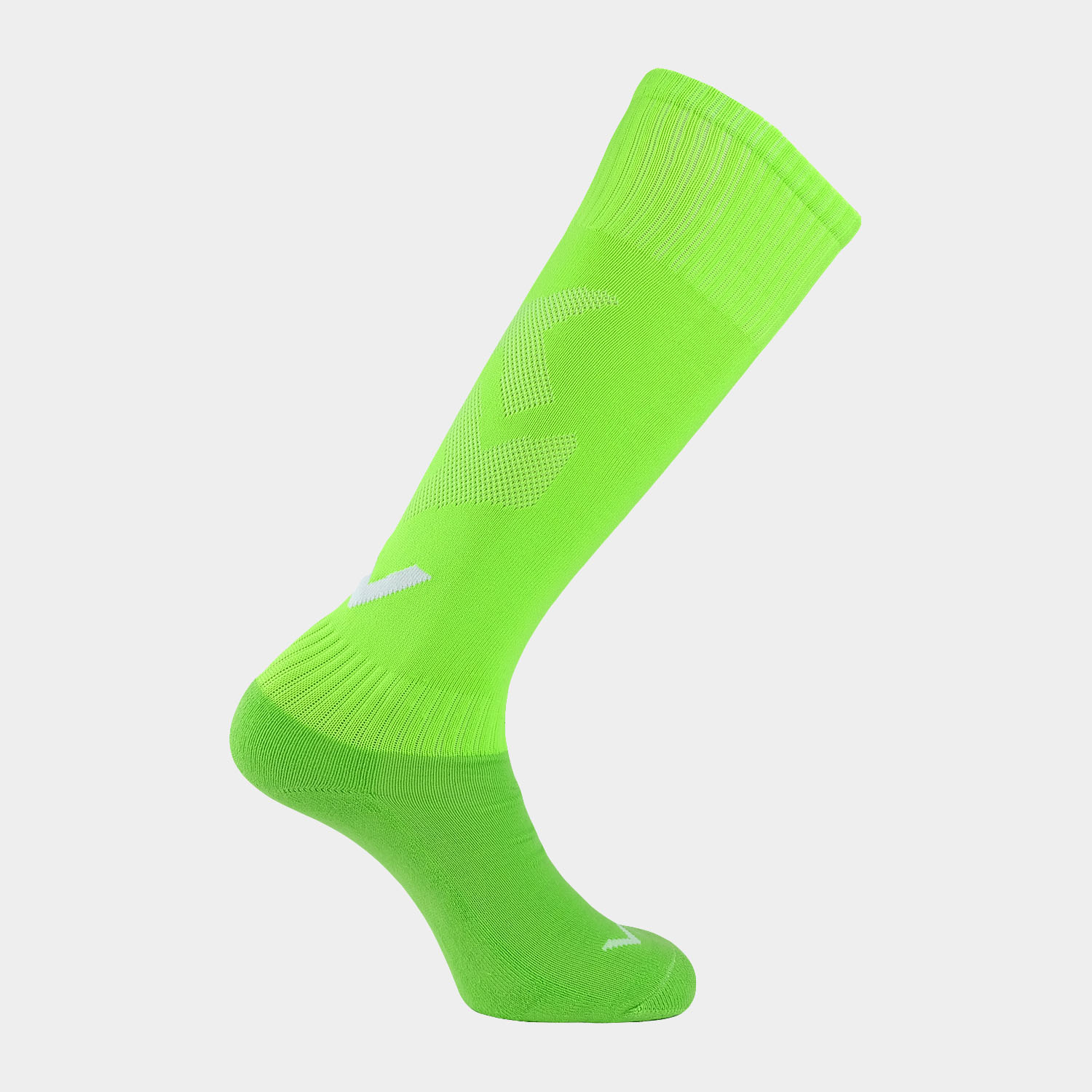
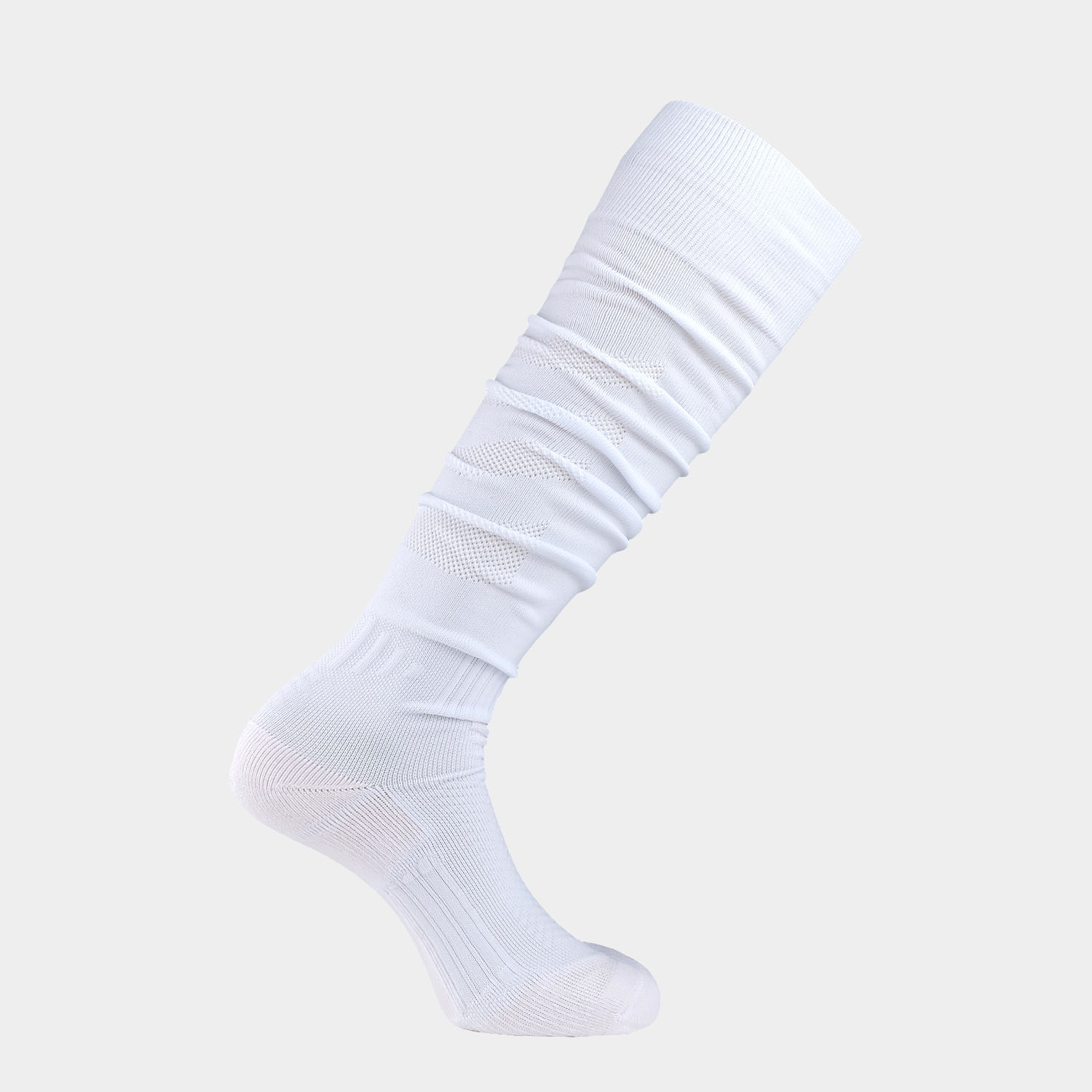
Check whether the factory can produce the sock types you need, such as crew socks, ankle socks, athletic socks, compression socks, or specialized outdoor socks.
Review its experience with relevant materials, including cotton, polyester, nylon, merino wool, bamboo-derived fibers, and blended yarns.
Also ask about:
- Knitting machine types and needle configurations.
- Available knitting structures and terry options.
- Toe-closing and finishing processes.
- Logo knitting, embroidery, and other customization methods.
- Dyeing, boarding, and packaging arrangements.
Evaluate Production Capacity and Lead Times
Ask about monthly production capacity, current production schedules, minimum order quantities, and typical lead times.
For bulk orders, confirm:
- Whether the factory can accommodate your order volume.
- How production is scheduled across different styles and colors.
- Whether raw materials can be secured before production.
- How the factory handles peak-season orders.
- Whether it can support repeat orders and replenishment.
A factory’s total monthly output is only one part of the evaluation. Buyers need to know whether the factory has enough available capacity to complete their specific order within the agreed delivery schedule.
Evaluate Product Development and Sample Quality
A sock manufacturer must be able to turn a product specification into a production-ready sample.
Buyers developing branded products can also explore custom sock development and sampling options to understand how design requirements, materials, colors, and product specifications are translated into finished socks.
Review the factory’s sampling process before approving a bulk order. This includes its ability to understand technical requirements, select suitable materials, adjust construction details, and resolve sample issues.
When reviewing sock samples, check the following:
Sample Check | What to Evaluate |
Size and Fit | Sock length, foot length, cuff height, and fit |
Knitting Quality | Stitch consistency, fabric structure, and visible defects |
Toe Closure | Seam appearance, smoothness, and construction |
Materials | Fiber composition, yarn thickness, and material specifications |
Color | Match with approved color references |
Logo | Placement, dimensions, clarity, and construction |
Elasticity | Stretch, recovery, and cuff performance |
Finishing | Loose threads, shaping, and overall appearance |
Packaging | Labels, hangtags, barcodes, and packaging instructions |
Check the Sample Approval Process
The sample approval process includes:
- A style number and sample version for each development round.
- Written specifications covering materials, dimensions, colors, and construction.
- Recorded feedback and revisions after each sample review.
- Final approval from the buyer before bulk production.
The samples approved by the customer serve as the reference standard for the mass production.
The factory should retain the approved sample and its corresponding specifications. Production teams need these references to reproduce the agreed design, materials, dimensions, and workmanship.
Assess the Factory's Quality Control System
Sock manufacturer needs a defined quality control process covering incoming materials, production, and finished products.
Incoming Material Inspection
Check how the factory controls incoming yarn and other materials.
Important inspection items include:
- Fiber composition and yarn specifications.
- Yarn color against approved color references.
- Yarn batch identification and traceability.
- Material condition and consistency.
- Supporting material test reports when required.
Material control is important for bulk orders and repeat production. Changes in yarn composition, color, or specifications can affect the finished sock.
In-Process Quality Control
Ask how quality is monitored during production.
The factory should have inspection procedures for:
- Knitting defects, such as dropped stitches and broken yarns.
- Sock dimensions and construction.
- Toe-closing quality.
- Logo placement and pattern accuracy.
- Boarding, finishing, and other relevant processes.
Defects identified during production should be recorded and corrected before the affected products move to the next stage.

Final Product Inspection
Finished socks should be checked against the approved sample and product specifications.
The inspection should cover:
- Appearance and workmanship.
- Measurements and size consistency.
- Color and logo accuracy.
- Pair matching.
- Loose threads and visible defects.
- Labels, packaging, and order quantities.
According to the product and buyer’s requirements, additional tests such as color fastness, shrinkage rate, abrasion resistance, elasticity or compression performance can be included.
For bulk orders, buyers should also understand how quality control is managed throughout the OEM sock manufacturing process, from sample approval to final inspection.
Review Certifications and Factory Compliance
The relevant documents depend on the product, destination market, and retailer requirements.
Common examples in textile sourcing include:
Certification or Standard | Main Purpose |
OEKO-TEX STANDARD 100 | Tests textile products for harmful substances |
GOTS | Covers organic textile processing and related environmental and social requirements |
GRS | Covers recycled material content and supply chain requirements |
RWS | Covers responsible wool sourcing and chain-of-custody requirements |
ISO 9001 | Quality management system requirements |
amfori BSCI | Social compliance audit framework for working conditions |
These standards are not interchangeable. For example, OEKO-TEX STANDARD 100 addresses harmful substances in tested products, while GRS concerns recycled content and related supply chain requirements. An amfori BSCI audit evaluates social conditions at a production site; it is not a product safety certificate.
When reviewing any document, check:
- Certificate holder: Does the legal entity match the supplier?
- Facility: Does it cover the actual manufacturing location?
- Scope: Does it apply to the relevant product, material, or process?
- Validity: Is the document current?
- Issuer: Was it issued by the relevant certification body or organization?
Socks Factory Audit Checklist: What Should Buyers Check?

A factory audit turns supplier evaluation into a structured verification process. Buyers can use the following checklist during a factory visit, remote assessment, or third-party audit.
Audit Area | What to Check | Evidence to Request |
Factory Identity | Registered company, factory address, actual production operations | Business documents, factory photos, site visit |
Production Capability | Machines, sock types, materials, production capacity | Equipment list, production records |
Product Development | Sampling process, specifications, sample approval | Approved samples, technical sheets, revision records |
Material Control | Yarn specifications, color references, batch management | Material records, test reports |
Quality Control | Incoming, in-process, and final inspection | QC procedures, inspection records |
Certifications | Validity, holder, scope, and applicable facility | Certificates, audit reports |
Production Management | Scheduling, order tracking, lead times | Production plans, order records |
Packaging and Delivery | Labels, packaging, quantities, final inspection | Approved packaging samples, packing records |
Red Flags to Watch for When Choosing a Sock Manufacturer
During supplier evaluation, pay attention to issues that indicate gaps in manufacturing capability or production management.
Red Flag | Potential Risk |
Cannot identify the actual manufacturing facility | Unclear production responsibility and limited factory transparency |
Factory photos do not match the stated operations | Misrepresentation of manufacturing capabilities |
Cannot explain machine types or production processes | Limited technical knowledge or production control |
No documented sample approval process | Differences between approved samples and bulk orders |
No incoming or in-process QC records | Production defects may go undetected |
Certificates are expired or do not cover the relevant products | Compliance requirements may not be met |
Cannot provide a realistic production schedule | Delayed orders and poor production planning |
Refuses to document specifications or changes | Disputes over product requirements and order consistency |
One serious issue can justify further investigation. Unresolved problems involving factory identity, product compliance, or quality control should be addressed before placing an order.
How to Choose the Right Sock Manufacturer for Long-Term Cooperation
After completing the evaluation, compare each supplier against your actual sourcing requirements.
A suitable manufacturer should meet four core conditions:
- Manufacturing capability: Its equipment, technical skills, and product experience match your requirements.
- Quality consistency: It has documented inspection procedures and can reproduce approved specifications across production batches.
- Production reliability: It can manage your order volume, meet agreed lead times, and plan future replenishment.
- Cooperation capability: It communicates clearly, records product requirements, and takes responsibility for resolving production issues.
For brands and wholesalers planning long-term sourcing programs, explore Sockcn’s OEM sock manufacturing services to learn how we support product development, bulk production, and repeat orders.
For a large-volume order, prioritize production capacity, quality control, and delivery reliability. For a private label brand, product development, material control, sample approval, and repeat-order consistency also deserve close attention.
The best supplier is the manufacturer whose verified capabilities match your product requirements, order volume, quality standards, and long-term business plans.
Conclusion
Evaluating a sock manufacturer requires more than comparing prices and reviewing product samples. Buyers need to verify the factory’s production capabilities, inspect its quality control system, review relevant certifications, and assess its ability to manage bulk orders and repeat production.
A structured manufacturer evaluation and factory audit checklist helps buyers identify production risks before placing an order and select a supplier that can support their business requirements.
If you are sourcing custom or private label socks, Sockcn provides OEM and private label manufacturing services for brands, wholesalers, and business buyers. Contact our team to discuss your product specifications, order requirements, and production needs.