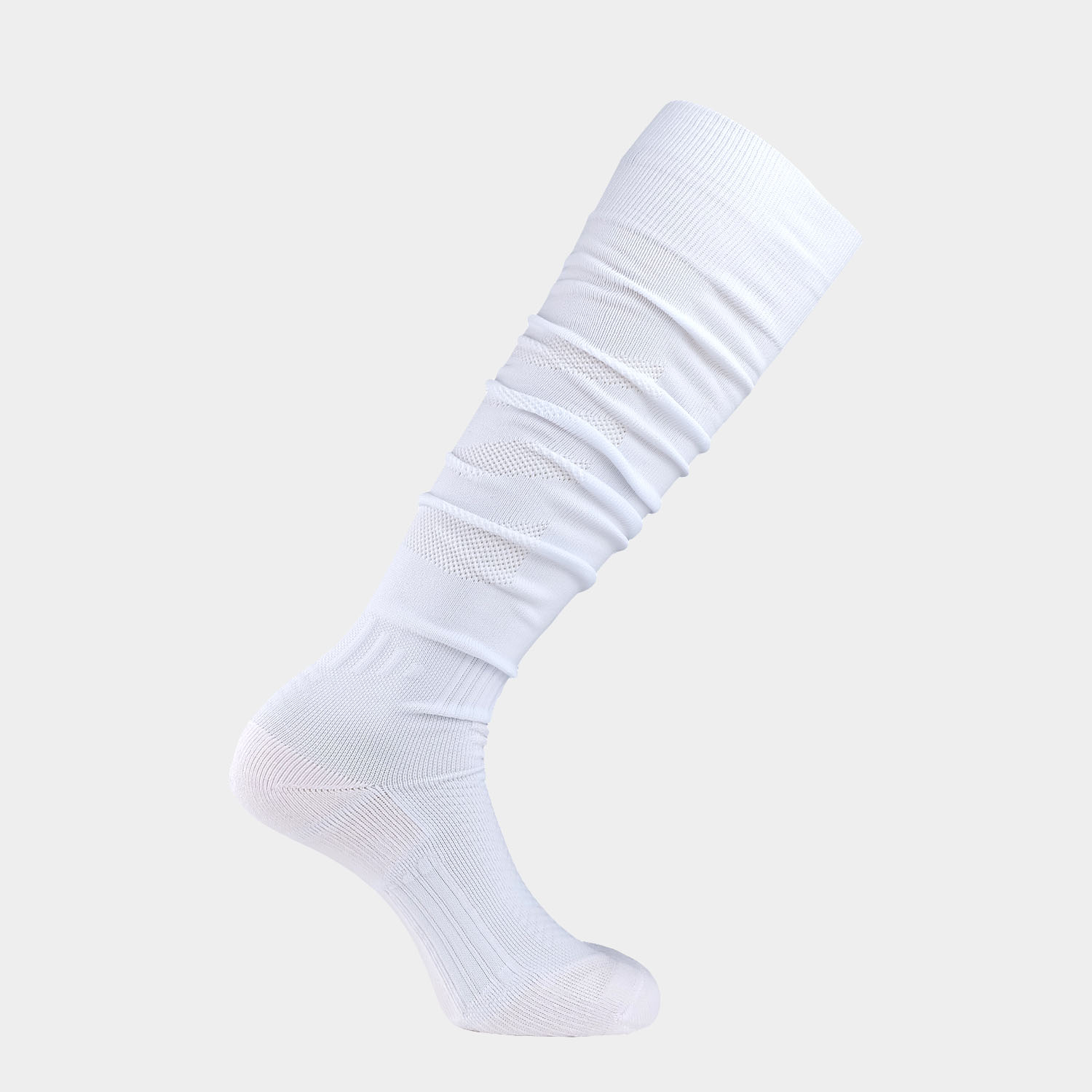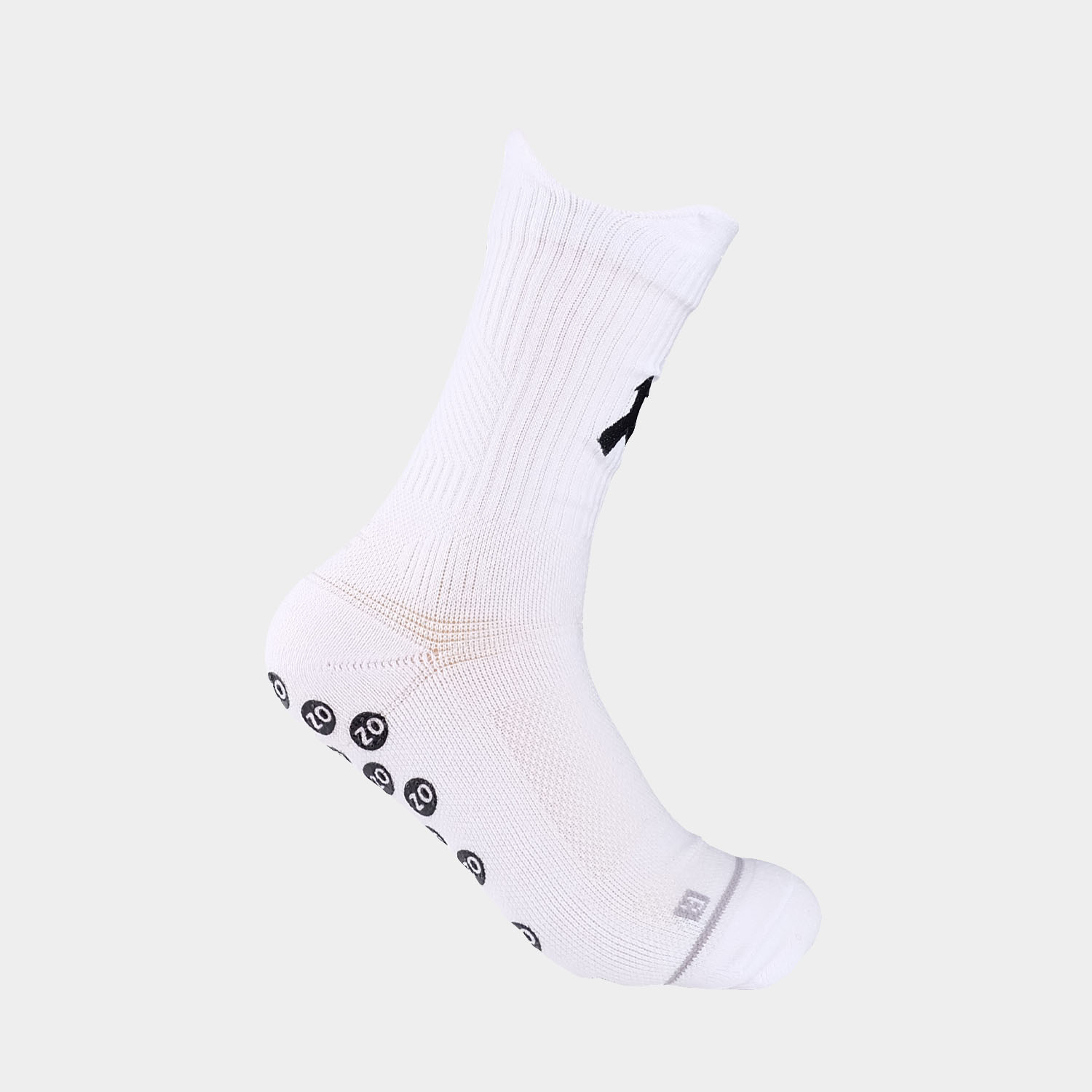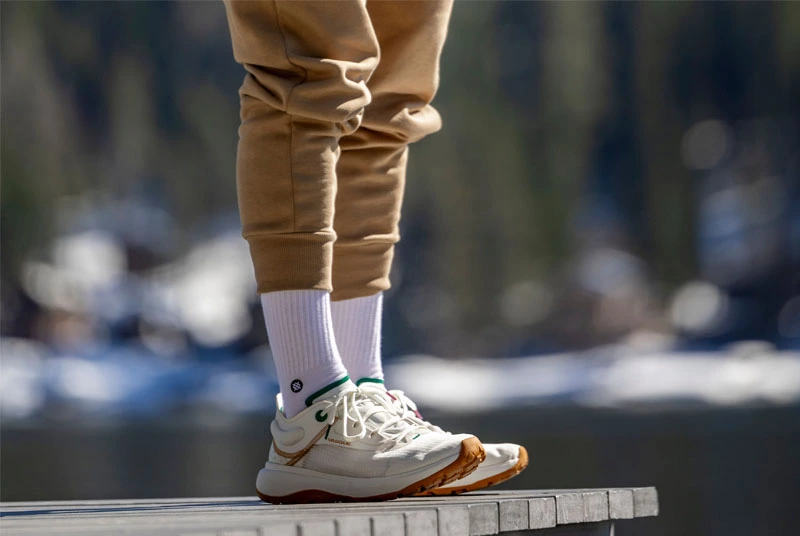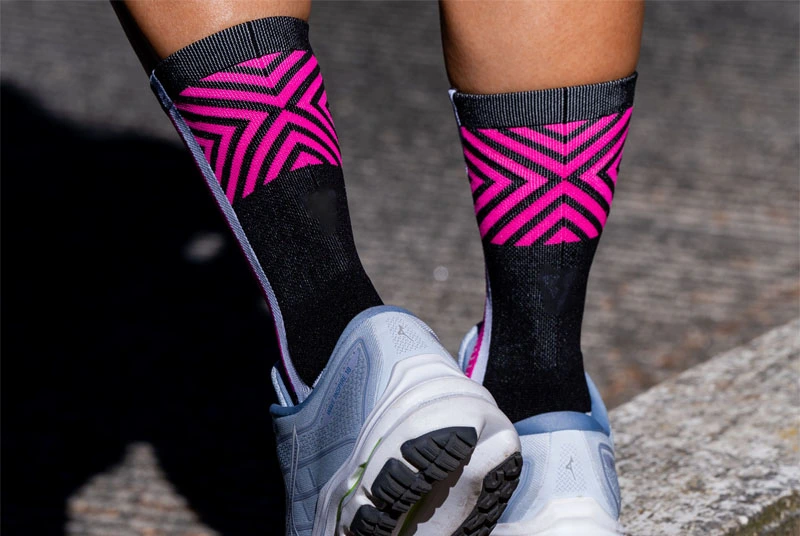

Diabetic socks are specialized, seamless, and non-binding footwear designed to protect sensitive feet and support healthy circulation. According to the CDC, diabetes is the leading cause of non-traumatic lower-limb amputations in the U.S., a staggering reality that turns specialized footwear into a medical necessity. For many, a simple pair of diabetic socks is the first line of defense against infections and circulation issues that lead to serious complications.
Foot health depends on matching the right sock design to specific medical needs. This article clarifies the differences between diabetic and compression options to find the safest features. It focuses on risk levels, breathability, and proper maintenance to help both wholesalers and patients pick footwear that prevents injuries and improves circulation.

Key Features of Diabetic Socks
Diabetic socks focus on three goals: better blood flow, less friction, and dry skin. Standard socks often squeeze the legs and trap moisture, which causes risks for sensitive feet. These specific designs solve the problems that regular socks ignore.
Key Cushioning Zones
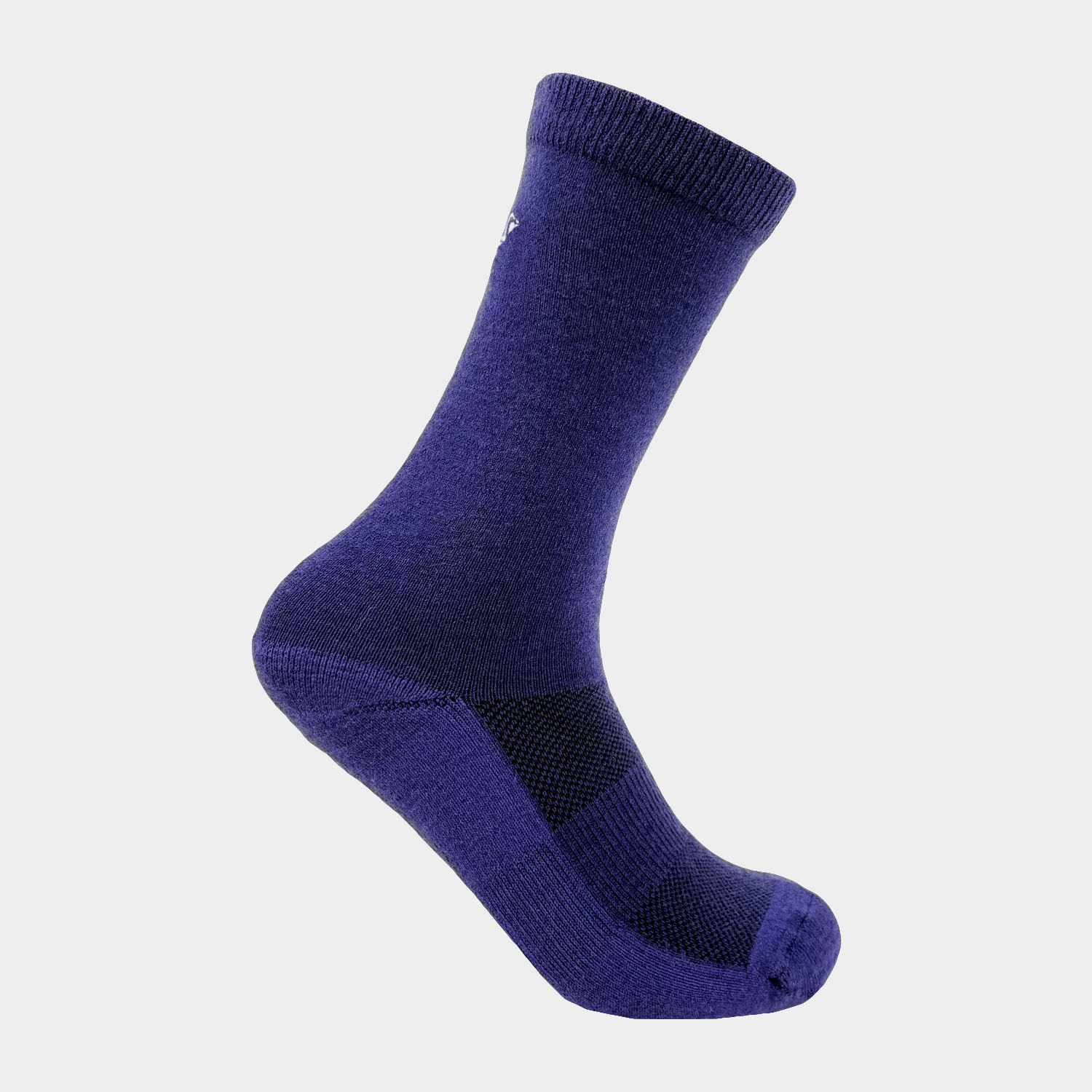
Pressure is the primary cause of foot ulcers. Quality diabetic socks use targeted padding at the heel and the ball of the foot to absorb shock. This extra layer protects the skin from rubbing against the shoe, lowering the risk of blisters before they start. For active users or those standing for long shifts, this cushioning is a critical safety requirement.
Non-Constricting Top Band
Tight elastic restricts blood flow and leaves painful indentations. Diabetic socks feature a loose-knit top that stays up without squeezing the leg. This promotes healthy circulation, which is essential for reducing swelling and speeding up wound recovery.
Moisture-Wicking and Breathable
Wet skin causes sores and infections. Basic cotton is a hazard because it traps sweat and stays damp. These socks use fabrics that move moisture away from the skin. Mesh parts also let air flow through to keep feet dry and cool.
Seamless Toe Closure and Flat Toe Seams
The thick seam on a standard sock is a hidden hazard. For someone with neuropathy, this ridge can rub against the toes for hours unnoticed, eventually causing an open sore. A seamless toe effectively removes this pressure point, providing a smooth interior that protects the most vulnerable parts of the foot.

Diabetic Socks vs Compression Socks: A Side-by-Side Comparison Table
Choosing the right pair depends on whether you need to prevent injury or manage circulation. The following table breaks down the core differences.
Feature | Diabetic Socks | Compression Socks |
Primary Purpose | Skin protection and ulcer prevention | Improved circulation and fluid management |
Material | Padded, moisture-wicking yarns | High-stretch, elasticized fabrics |
Fit | Non-binding and loose | Tight with graduated pressure |
Best Use | Neuropathy or sensitive feet | Edema, varicose veins, or leg fatigue |
Key Benefit | Minimal friction and no constriction | Moves blood back toward the heart |
Diabetic socks focus on non-constricting protection. They serve as a smooth barrier against blisters and infections without squeezing the leg. This design is essential for those with neuropathy who cannot feel minor irritations. By minimizing friction and keeping feet dry, these socks can help prevent small sores from turning into major health issues.
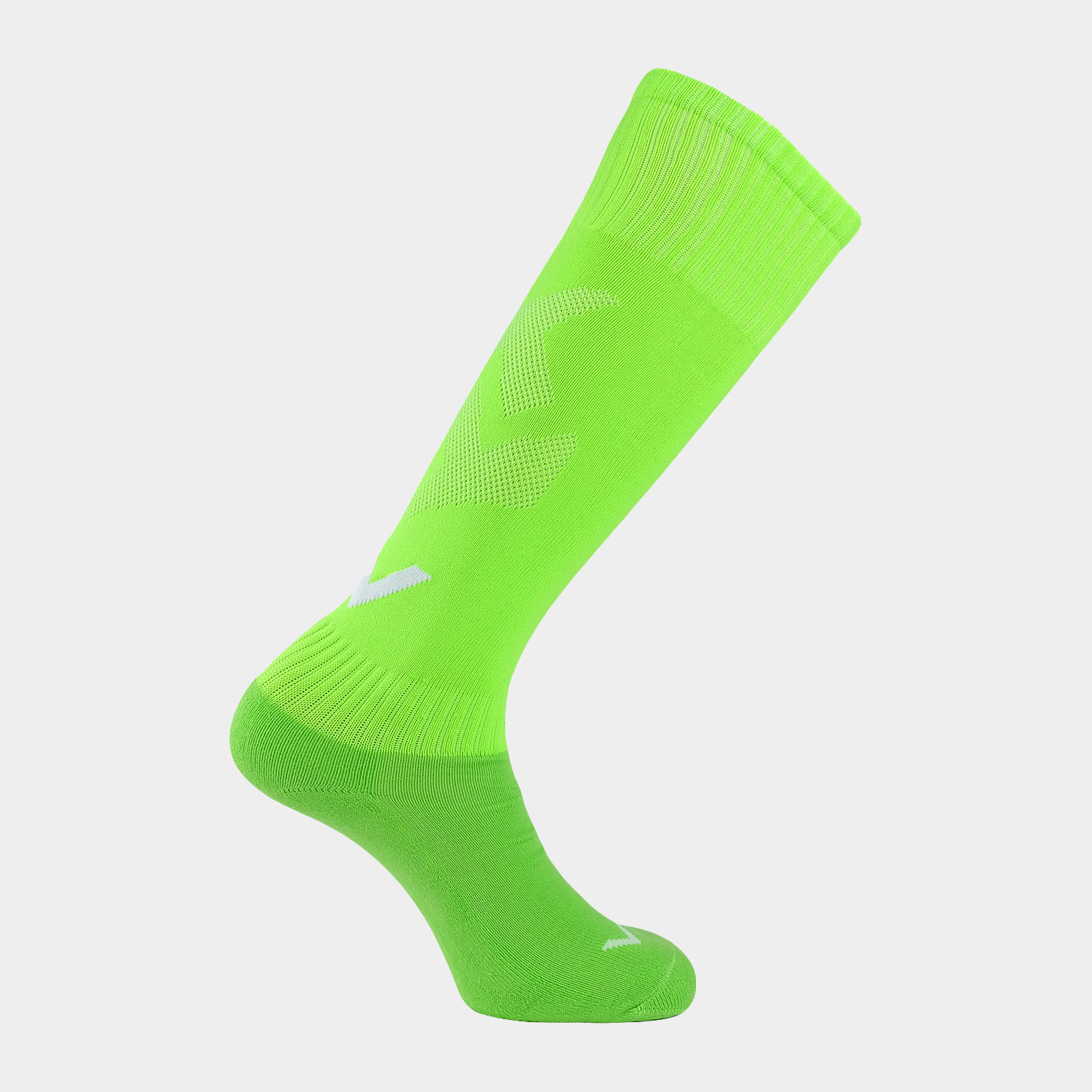
Compression socks move blood and reduce swelling through graduated pressure. While diabetic socks focus on skin protection, athletic versions support the feet during exercise. To order in bulk, check wholesale compression socks for running for professional manufacturing details. This helps buyers find the right support for active patients and sports markets.
How to Choose the Best Diabetic Socks?
Selection is a matter of risk management. Every design feature should solve a specific medical challenge rather than just providing a layer of fabric. Focus on these four standards to ensure genuine protection.
Match the Sock to Your Foot Risk Level
Protection needs vary by medical history. Patients with active neuropathy or past ulcers require dense cushioning and specialized fibers. Early-stage patients often prefer lightweight, breathable options for daily circulation. Wholesalers should stock both types to cover the full range of patient needs.
Choose a Non-Binding, Seamless Design
Constriction and friction cause most diabetic foot injuries. A loose-knit top must stay up without squeezing the leg or leaving indentations. Similarly, a seamless toe is non-negotiable. Removing the internal ridge prevents the sores and blisters that often go unnoticed in numb feet.
Look for Moisture Control and Breathability
Wet skin is fragile and prone to infection. Basic cotton is a hazard because it traps sweat against the foot and stays damp. Choose moisture-wicking yarns like bamboo or polyester blends to pull sweat away for fast evaporation. Dry feet are the first line of defense against bacterial and fungal growth.
Select the Right Cushioning and Size
Proper padding is useless if the sock shifts or bunches. Extra thickness at the heel and ball of the foot must absorb impact and reduce pressure. However, the size must be exact. If the sock is too large, it creates new pressure points; if too small, it restricts blood flow. A precise fit keeps the protection exactly where it belongs.
How to Care for Diabetic Socks?
Proper care keeps socks functional. Poor washing can compromise the protection, turning them into standard, ineffective socks.
Use Mild Detergents and Warm Water
Mild soap and warm water keep the fabric soft. Bleach and strong cleaners break the fibers that manage moisture. A mesh laundry bag prevents stretching during the wash to keep the socks effective for longer.
Air Dry to Maintain Shape
Air drying preserves the fit. High heat damages the stretch and can make the band tight enough to restrict blood flow. The lowest heat setting is the safest approach if a dryer is necessary to prevent shrinking.
Replace Socks Regularly
Replace worn socks immediately to maintain safety. Thin padding or holes mean the fabric no longer effectively reduces friction. New pairs every few months keep feet safe from blisters and sores.
FAQ
Q1. Are Diabetic Socks Suitable for Swollen Legs?
Yes. The loose-knit top stretches over swelling without leaving deep marks or cutting off circulation. This design manages mild edema without the pain caused by regular elastic bands.
Q2. Can I Customize Diabetic Socks for Healthcare Brands?
Yes. Sockcn provides OEM and custom branding for bulk orders. Clients can select specific materials and design features.
Q3. What’s the Difference Between Regular Socks and Diabetic Socks?
Seamless toes and non-binding tops. Regular socks use tight elastic that restricts blood flow. The loose-knit design protects sensitive feet without squeezing the leg.
Conclusion
Sockcn offers professional OEM manufacturing for diabetic socks that support injury prevention and improve circulation. This is achieved through designs with loose tops and dry materials that keep skin safe. To keep these features working, proper washing and regular replacement are necessary. Using these specialized socks correctly helps prevent small sores from turning into major health problems.
Medical Disclaimer
This article provides general information and is not medical advice. Consult a healthcare professional before treating any foot condition or making health decisions. Diabetic socks are a tool for foot safety and do not replace professional medical care.