
Let’s be real: Few things ruin a morning faster than shoving your foot into a sock and feeling that unmistakeable hole—like your toe just crashed a surprise party for threadbare fabric. We’ve all stared at those sad, gap-toed socks and thought, “Did I really wear these out that fast?” Spoiler: It’s not you (okay, maybe sometimes it’s you). Let’s break down why socks turn into Swiss cheese, and how the good ones stay intact long enough to become your laundry room MVPs.
Common Causes of Sock Holes
Let’s start with the obvious: Your feet are tiny, high-impact machines. Every step is a battle between your socks and the world—and these are the moves that take your socks down.
Friction in High-Stress Zones
Think of your sock’s heel and toe as its total “soft spots”—they’re the first to throw in the towel. Every time you take a step, your heel rubs against the back of your shoe so much it’s practically sparking, and your toe prods the front like it’s tapping for a snack. Over time, that rubbing grinds the yarn down to nothing—sort of like how your phone case gets all scuffed up after just a month of dropping it (no shade if that’s you). If socks were superheroes, these parts would be their unprotected sides—no armor, just easy targets.
Toe Pressure During Walking/Running
Toes endure 2-4 times body weight during running (2-3x more push-off force than walking), with the big toe bearing 40%-60% of the load. Sustained high pressure makes toes curl and compress, creating intense friction against socks—especially in the forefoot and toe creases—gradually wearing fibers to holes.
Incorrect Sock Fit Leading to Excess Stretching
If the socks don’t fit properly, they will get holes due to excessive pulling. If the socks are too small, it’s like forcing square building blocks into round slots – the feet will feel cramped. The socks will be stretched tightly to “pretend to fit”, but after a few wears, the elasticity will completely “break down”. Too-big socks feel just like slipping into the inner liner of rain boots that’re two full sizes too big for your feet. Every step you take, they bunch up all messy around your toes—and the sock cuffs just won’t stay put, sliding down your calves nonstop. The whole time, you’re quietly tiptoeing to yank them back into place without anyone noticing.
Low-Durability Yarn Choices
Ever bought a pack of cheap socks that felt great… until the first wash? Yeah, those are made with “party yarn”—here for a good time, not a long time. Flimsy cotton blends or thin, low-quality threads can’t handle daily wear. It’s like building a house out of toothpicks: looks cute, falls down when a breeze hits it.
Wearing Socks Without Shoes at Home
You think walking barefoot in socks at home is “cozy”? Wrong. It’s your socks’ version of a obstacle course. Wood floors have tiny splinters that snag yarn. Carpet? It’s full of dust bunnies and loose threads that act like little scissors. Even your couch? That rough edge on the armrest? It’s slowly sawing through your sock. Save the sock-only look for bed—your feet (and socks) will thank you.
Heavy Outdoor Use (Hiking, Running, Trekking)
Regular walking’s basically just your socks taking a chill Sunday stroll—no drama, no chaos. But hiking or trail running? That’s straight-up sock boot camp, with zero leniency. Your poor socks are out here battling pointy rocks that jab like tiny spears, mud that clings and tugs at their threads, and nonstop rubbing against hiking boots heavier than a stuffed backpack. It’s like asking a thin, flimsy tee to survive a soccer game where everyone’s sliding for the ball—sure, it’ll try to hang in there, but by the end? It’ll be covered in holes (and probably caked in dirt, like it joined the team for a mud fight).
Materials That Affect Durability
Want socks that outlast your favorite hoodie? It’s all about the fabric. Let’s separate the “tough guys” from the “softies who quit.”
Assessing Fabric Strength
Fancy term alert: “Tear resistance.” Basically, how hard you have to pull a fabric before it rips. Good socks use yarns that score high here—think of them as the fabric version of people who can lift 50lbs without breaking a sweat. Bad socks? They’re the ones who struggle to open a jar. Pro tip: If a sock feels thin enough to see through, it’s probably not gonna last.
Benefits of Reinforced Toes and Heels
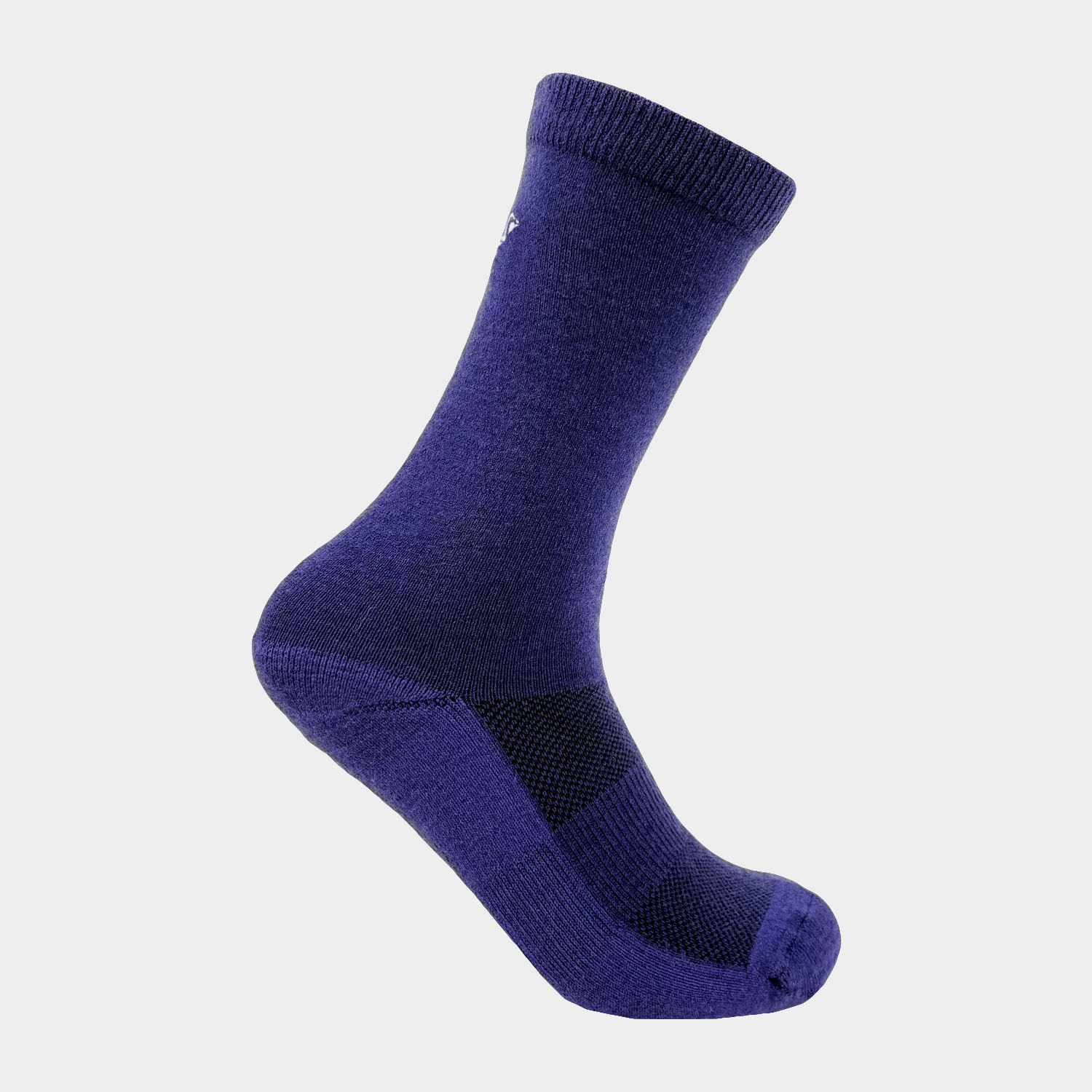
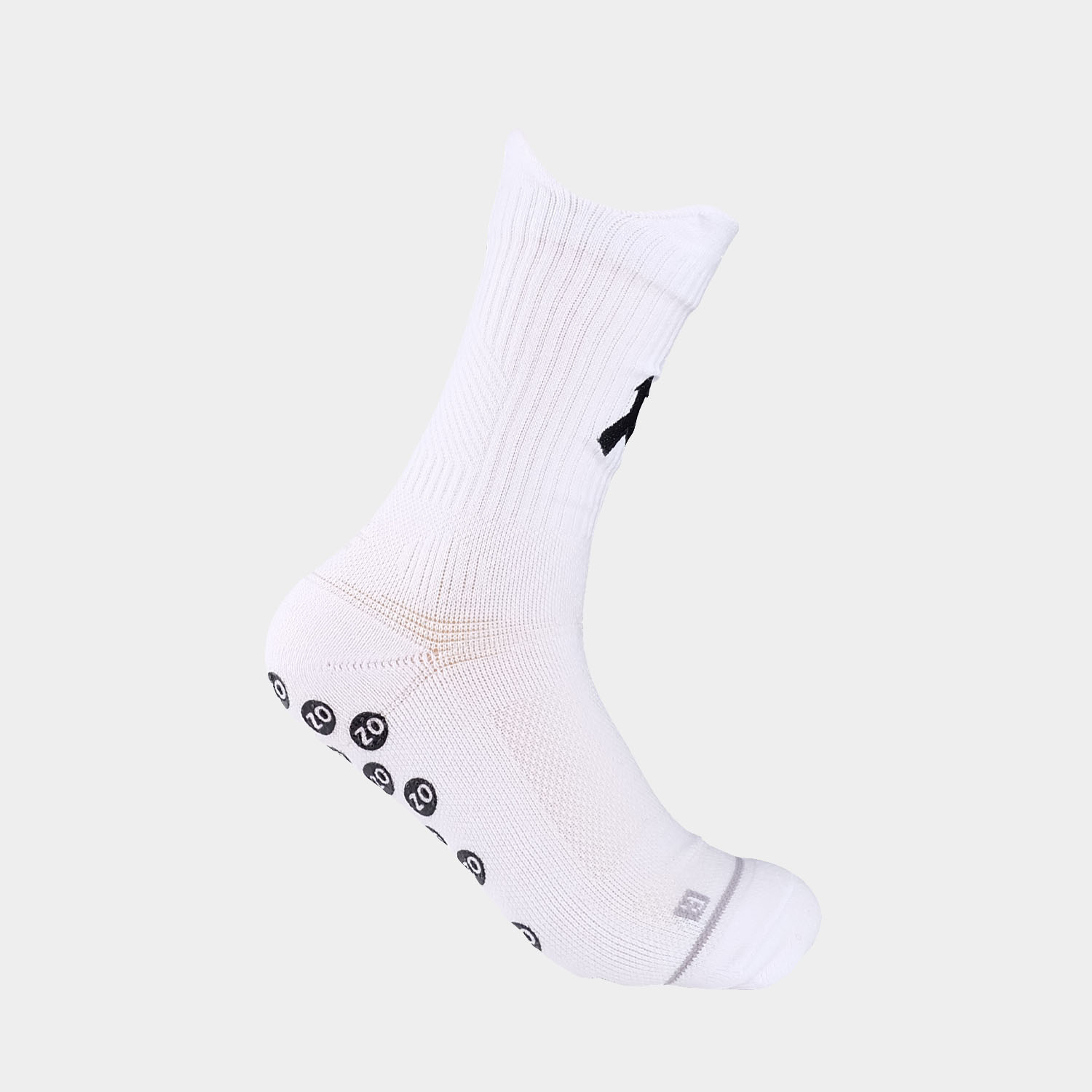
Remember when we talked about heels and toes being total wear hotspots—like little “friction fight zones”? Reinforced socks fix that by basically adding custom pads to those spots, not random knee pads, but proper toe and heel protectors made just for socks. Brands layer extra yarn here, or even swap in a tougher, more durable fabric, all to soak up that constant rubbing that wears regular socks out.
Choosing Natural vs Synthetic Fibres
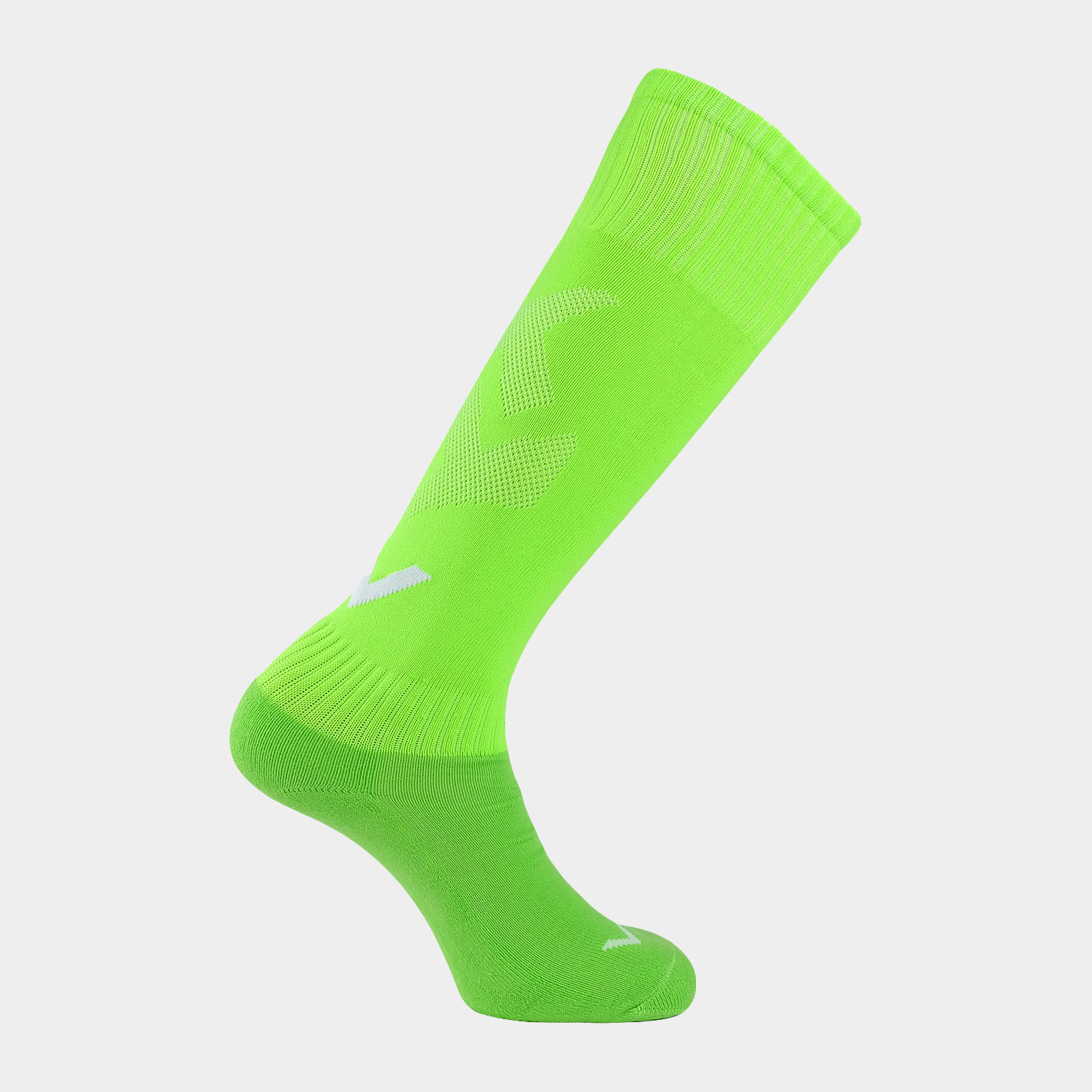
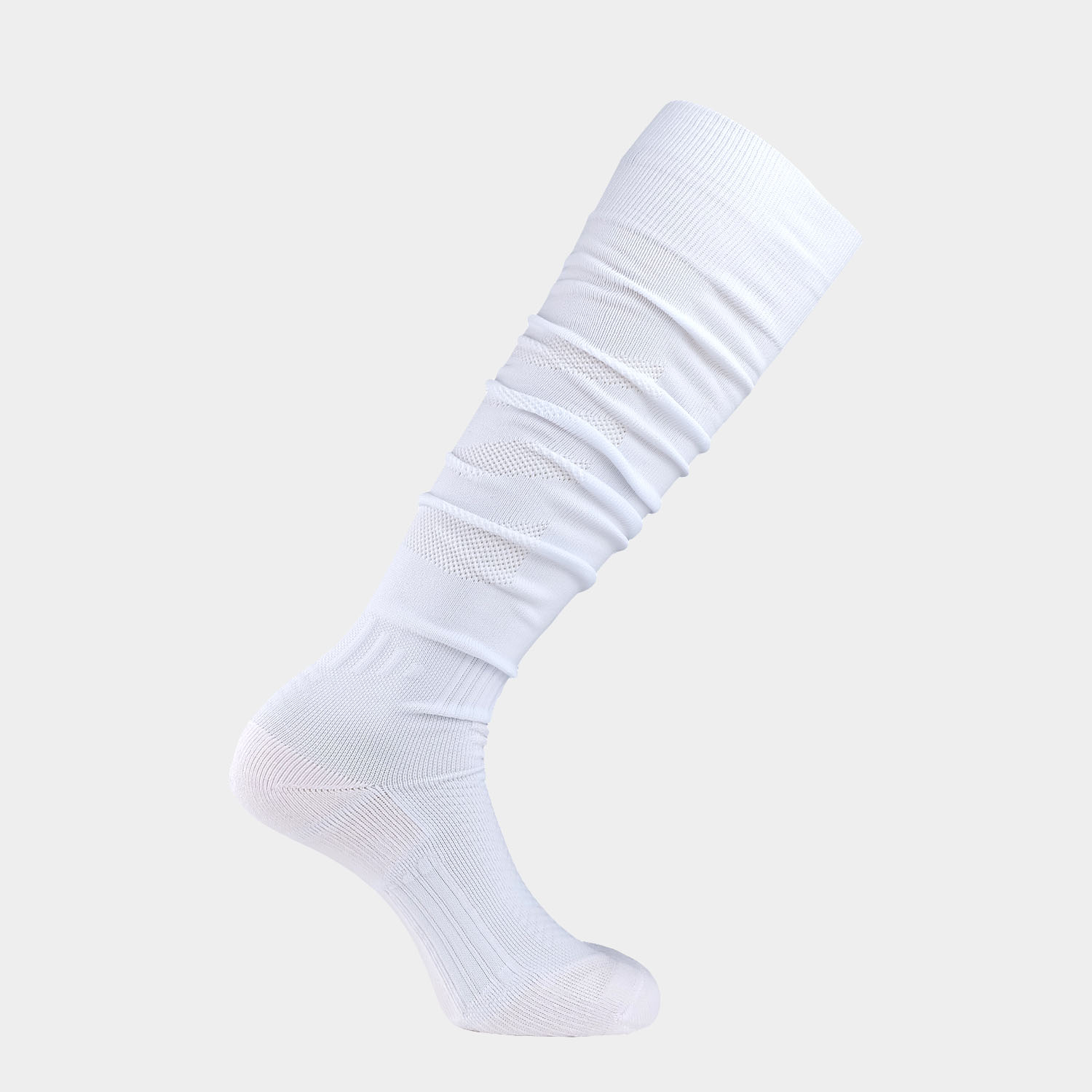
Natural fibres such as cotton and wool are nice and snug—like tucking your feet into a soft blanket. But cotton? It’s a total fussbudget: soaks up sweat, stretches out quickly, and thins out fast with wear. Wool is more reliable (it pulls moisture away and stands up to use), but pure wool can be a bit scratchy. Synthetics like nylon, polyester, and spandex are the “go-getters” of socks—tough enough to handle daily wear, stretchy, and quick to dry. But socks made solely of synthetics? They can feel like slipping your feet into plastic. The best option? A blend—something like wool mixed with nylon plus a little spandex. It’s like a top-notch team: each fiber does what it’s best at, making the socks both comfortable and long-lasting.
Manufacturing Choices That Determine Lifespan
You can have the best materials in the world, but if you make the sock like a kid gluing paper, it’s gonna fall apart. These manufacturing tricks are the secret sauce.
Needle Count
Needle count does exactly what its name suggests—it’s the number of needles employed when knitting a sock. Go for higher counts, say 168 or 200, and the fabric turns out nice and tight—similar to a tight-knit net that’s tough to rip. Lower needle counts, though? The fabric ends up loose, with way larger gaps between the threads. It’s comparable to choosing between a mesh tote and a canvas bag for your groceries: which one would you trust not to let your veggies or snacks slip through?
Targeted Reinforcement Design
Reinforcement isn’t just slapping extra yarn anywhere. Good brands use “targeted” designs—like a thicker knit in the toe box where your toes bend, or a ribbed heel that can stretch without breaking. It’s like how a backpack has extra padding on the straps where it rubs your shoulders: smart, not random.
Seam and Stitching Strength
Ever had a sock where the toe seam came undone after one wash? That’s bad stitching. Good socks use strong, flat seams (no more scratchy lumps!) that are stitched multiple times—like sewing two pieces of fabric together with double the thread. It’s the difference between taping a paper cut and using a band-aid: one holds, the other falls off.
How Outdoor Brands Can Build Durable Socks!
Outdoor brands, listen up: We’re tired of buying “hiking socks” that die after one trail. Here’s how to make socks that actually keep up
Choosing the Right Yarn Blend
Skip wasting cash on shoddy cotton mixes—they’re total flops for outdoor socks! Top-tier outdoor socks call for a purpose-built, high-function blend: wool locks in gentle warmth while whisking away sweat, nylon boosts tough, long-lasting sturdiness, and spandex offers a cozy, stay-put fit that never slides. Leading brands step up their game with high-quality extras—merino wool that’s way softer than regular wool, or polypropylene that repels dampness and dries in seconds. It’s like assembling a dream team for your feet: each “teammate” (aka fabric) has a specific role, and when they collaborate seamlessly, you end up with socks that perform great, stand the test of time, and feel fantastic.
Setting Durability Requirements
Brands should stop saying “durable” and start proving it. Set rules: “This sock must survive 50 washes without stretching.” “It must resist 1000 rubs before showing a hole.” No more empty promises—give us receipts (or test results).
Working with Factories That Do Wear Testing
If a factory doesn’t test socks for wear, run. Good factories put socks through “boot camp”: they rub them against shoes, stretch them, wash them, and see how they hold up. It’s like hiring a athlete—you don’t just take their word for it; you watch them play. Brands that skip this step are just selling us socks that look good on the shelf, not on our feet.
Conclusion
At the end of the day, socks are the unsung heroes of our wardrobes. They keep our feet warm, protect our shoes, and hide our weird toe shapes. So why do we settle for ones that turn into rags after a month?
Next time you buy socks, skip the cheap packs. Look for reinforced toes/heels, a good yarn blend (wool + nylon = BFFs), and brands that talk about testing (not just “durability”). Your feet will stop staging morning protests, and you’ll stop throwing away socks like they’re disposable coffee cups.
And if you ever find a sock that lasts more than a year? Hold onto it. That’s a keeper—like a good pen or a friend who remembers your birthday. Now go forth, and wear socks that don’t let you down.