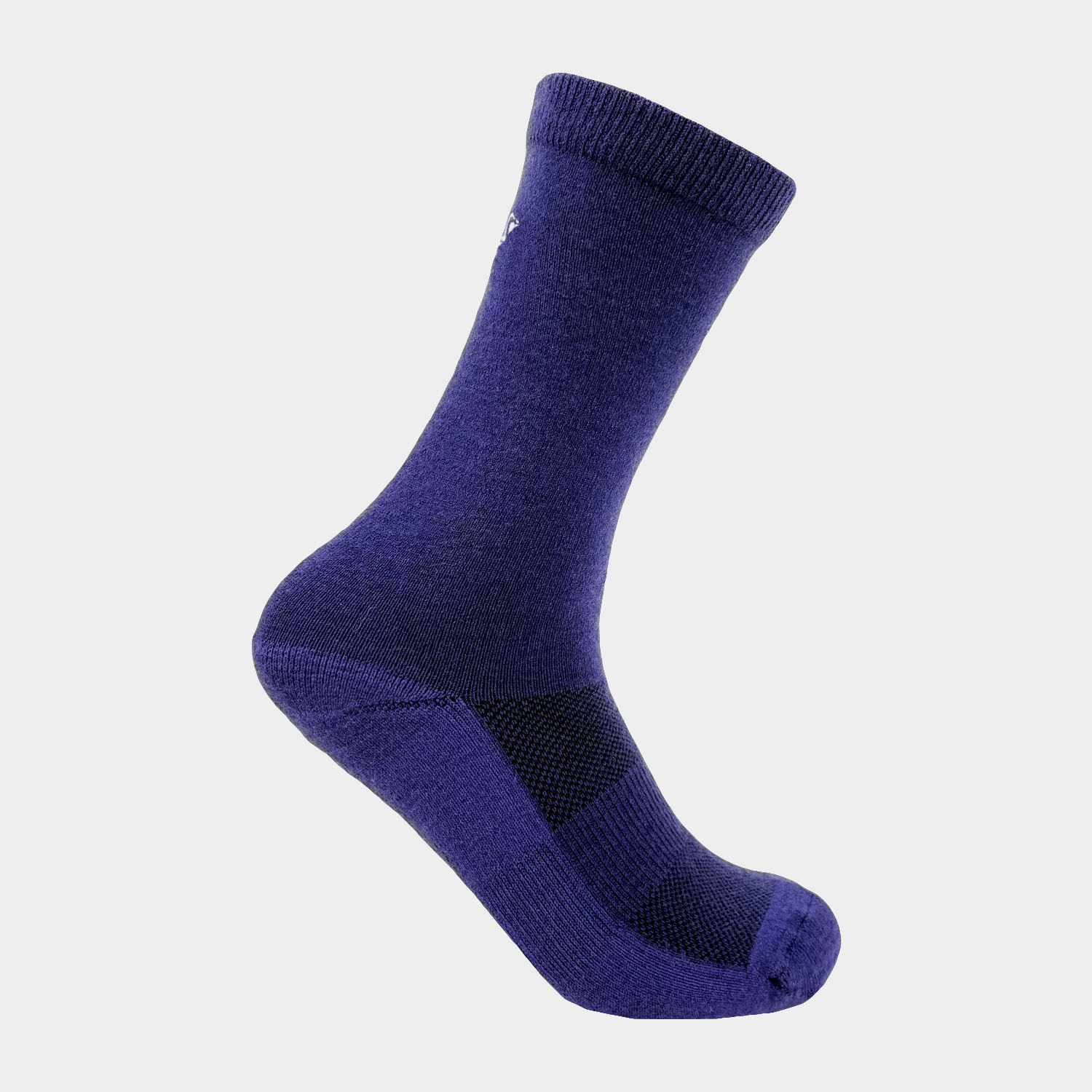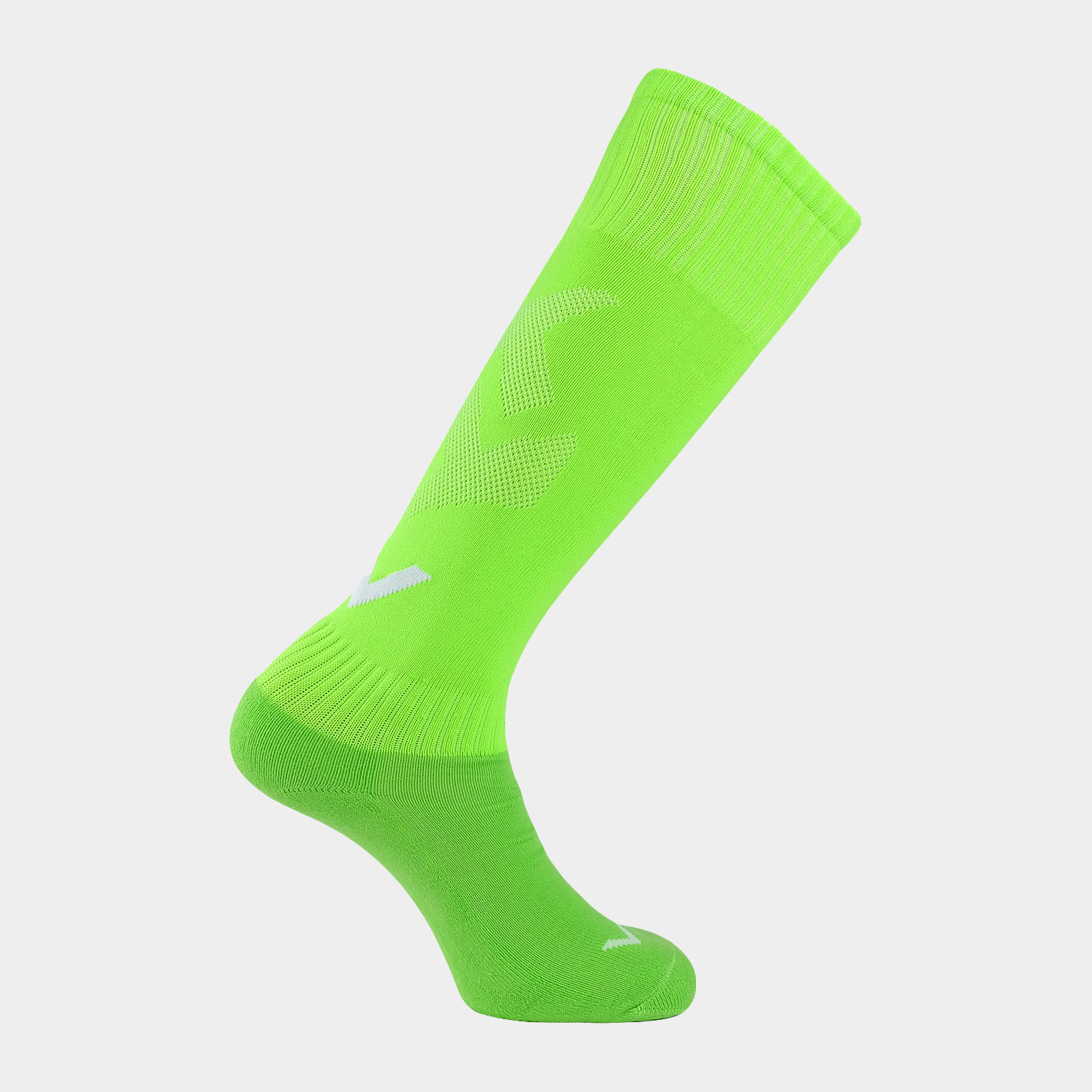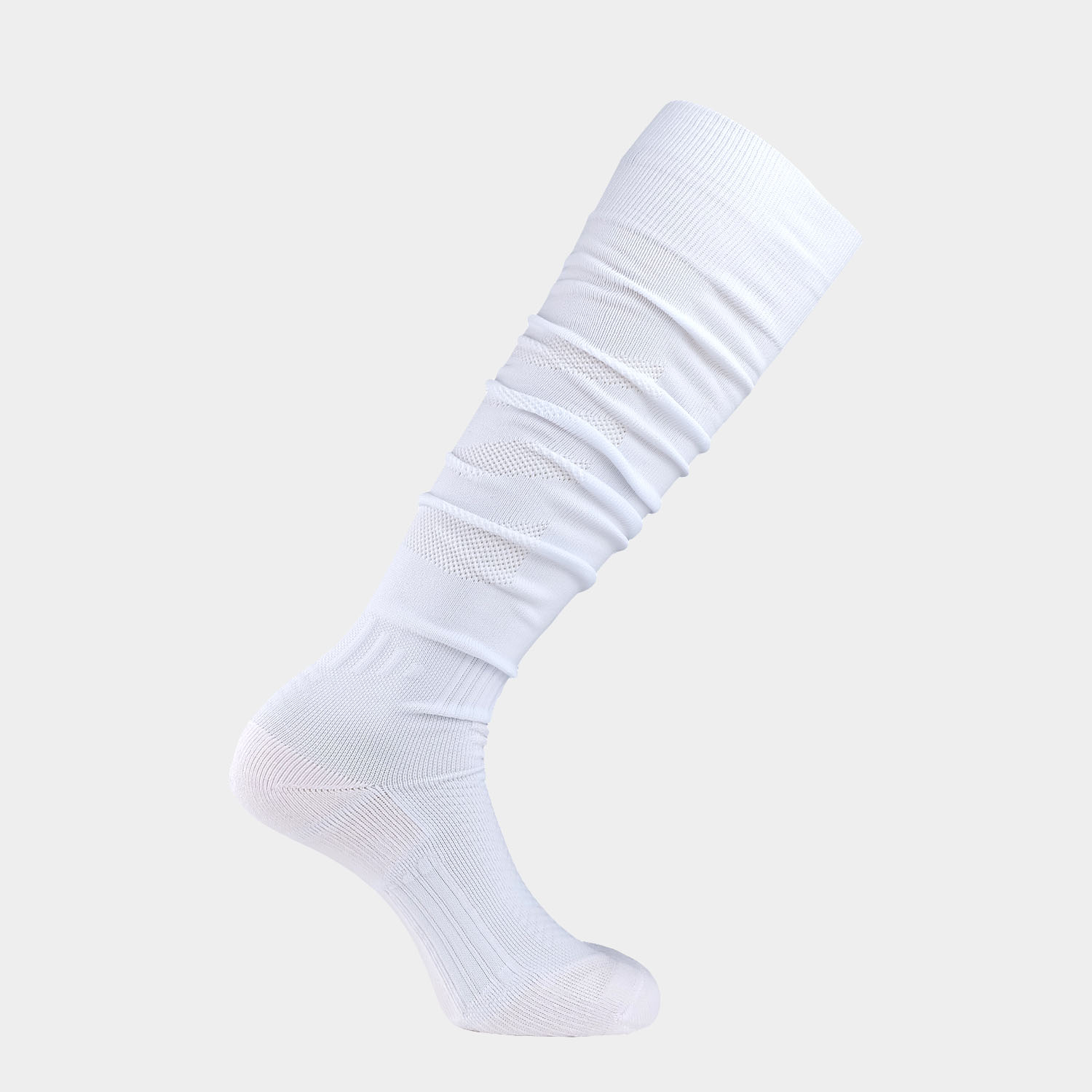
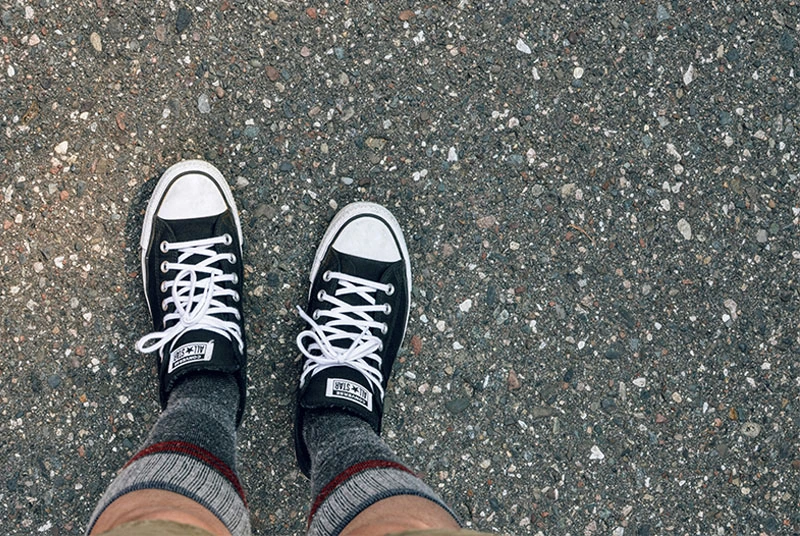
Making bespoke outdoor socks for outdoor brands is both a challenge and a opportunity. A good pair of outdoors socks can go a long way towards cementing the user’s product experience and brand loyalty, whereas a bad pair of socks can not only lead to an expedition failure, but also damage the brand’s reputation. Over the course of working with many brands, we’ve seen some development errors that are surprisingly common and can be damaging to performance and reputation. We’ll expose these five traps in this article so you will be able to leverage your own technical advantages to develop the best outdoor socks.
1. Choosing the Wrong Fiber Blend
Fiber blending is the “genetic code” of outdoor socks. If the choice is incorrect, all subsequent designs will be based on that mistake.
Blindly following marketing trends
That is meant to be a high-risk strategy of market following. Like when “100% Merino wool” became a selling point and many brands jumped on the bandwagon without realizing the vulnerabilities of pure Merino wool when it came to abrasion resistance and durability, leading to more rapid product failure in use cases of heavy-duty hiking etc. “Custom outdoor socks that are truly successful are built on what the end users actually require, not what is ‘cool’ for a season, he said.
Not matching fibers to climate/activity
This is where things are most likely to go wrong, and misunderstandings arise. Fiber selection must be a precise match to the activity and environment. It is not the case that more wool content makes for a better sock:
- High humidity / multi-day events (e.g., multi-day hiking) – An extremely high percentage of synthetic fibers (60% or more polyester/nylon) is necessary to achieve ultimate quick-drying performance, with a small amount of merino added to act as a temp regulator.
- Cool and dry conditions (skiing, mountaineering): A high concentration of Merino (70% or more) is the best static wet insulation and humidity buffer.
- High-intensity trail running: Great for humidity management and low friction. Ultra-fine merino is combined withpolyester, nylon, and CoolMax®, in a patented percentage and converted into foot cushions that conform to the shape of the foot.
2. Weak Reinforcement & Cushion Design
The wear-resistant and cushioning design directly determines the lifespan and comfort of outdoor socks.
Thin toe/heel durability issues
The toes and heels are the “worst-hit” areas for wear and tear. Many brands, in pursuit of a “light and thin” visual effect or to reduce procurement costs, have used the same thin weaving method for these areas as for the sock cuffs. This results in the socks wearing out prematurely in these crucial parts. Professional outdoor socks (outdoor socks) must physically thicken these areas (such as using higher denier nylon yarns) and strengthen the structure (such as using double-layered fabric weaving).
Missing arch support
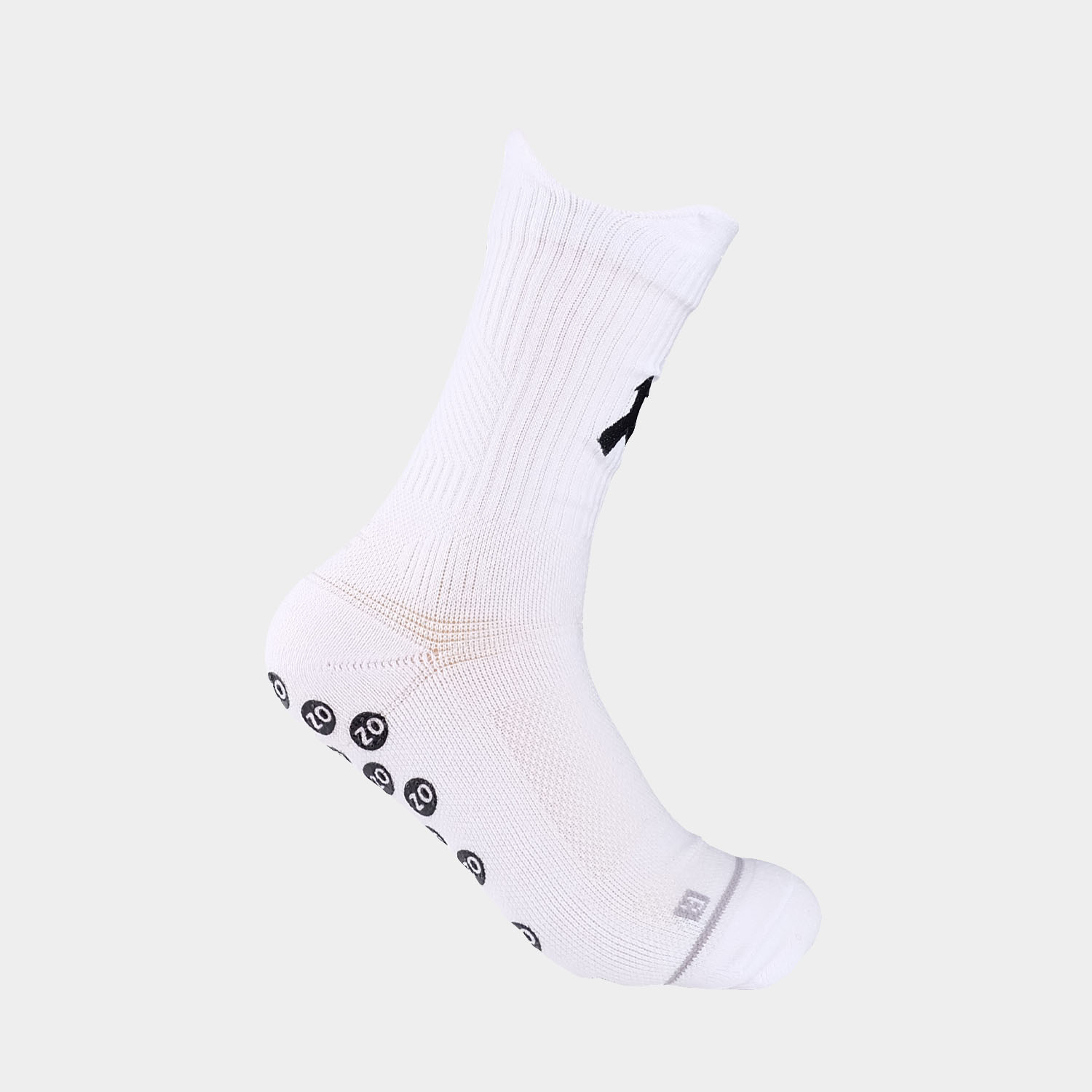
The arch support belt is not a “functional gimmick”. A well-designed elastic support belt can effectively stabilize the socks, preventing them from sliding inside the shoes and causing friction, and at the same time reducing the fatigue of the arches during long walks. Ignoring this design is a significant functional deficiency for mid-to-high-top hiking socks.
Hotspots causing blister risks
Blistering is the number one enemy for outdoor enthusiasts, and its root cause often lies in the internal seams and rough knitting points of the socks. Areas prone to friction such as the instep and the outer side of the ankle must adopt flat seamless technology or a particularly fine stitching process. When developing custom socks, internal friction tests must be regarded as a core verification step.
3. Using One Generic Pattern for All Outdoor Activities
Trying to achieve universal performance across all outdoor scenarios with a single “all-purpose sock” often results in mediocre results across all situations.
Same structure for hiking, running, skiing
Trekking socks should have all-round cushioning from the sole up to the ankle, along with hard-wearing, reinforced protective areas and a high-strength arch support.”
- Trail running socks: Prioritize lightness, perfect fit, and localized cushioning (e.g., on the forefoot) Use thinner fibreto improve heat dissipation.
- Ski socks: needs to be lined with a thicker layer of insulation for the lower leg, needs to provide a shin pad for the ski boot, and should be longer.
They have totally different architecture. Wearing ski socks to run will make you feel heavy and warm; wearing running socks to trek you will have insufficient cushioning and protection.

Wrong compression levels
The compression function is beneficial for promoting blood circulation and reducing muscle vibration, but the compression level must be precise. Light hiking and recovery wear with mild compression (15-20 mmHg) is different from the medium compression (20-30 mmHg) required for high-intensity competitions. Incorrect matching of compression levels will affect the wearing experience and performance.
Sock height mismatched to footwear
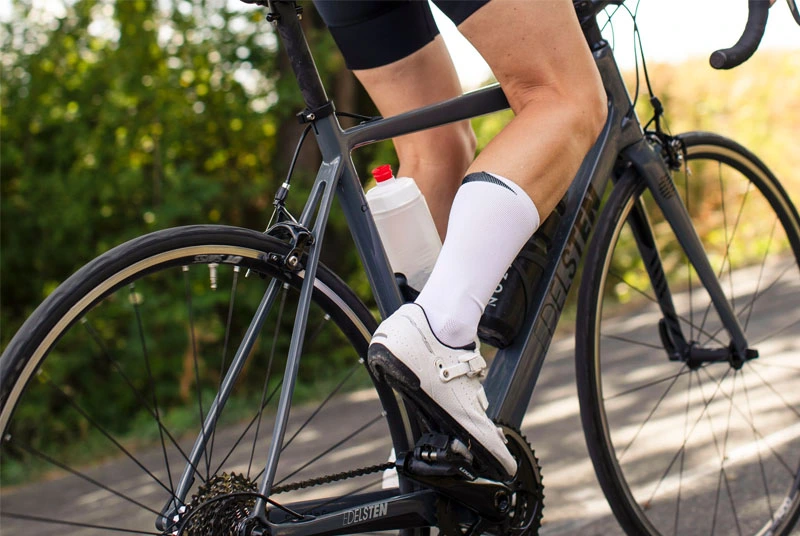
Low-top socks used with high-top boots can lead to the boot collar rubbing on the ankle, causing pain and even blisters. The height of the sock must be suitable to the shoe model to wear for: low-top socks for outdoor running shoes, mid-to-high-top socks for hiking boots, and long socks for ski boots/ hunting boots. It’s an easy detail to miss but you need to get it right when you make your own branded socks.
4. Prioritizing Looks Over Function
In the area of social media, appearance is undoubtedly important, but for outdoor socks, functionality is always the top priority.
No wicking/odor tests
Complicated jacquard weaves and bright prints, when produced with untested dyes and yarns, can drastically reduce the fabric’s moisture absorption and moisture releasing capabilities and can also bring about odors from residual dyes. Any design is subject to rigorous testing for wicking rate and antibacterial/antifungal properties prior to mass production to ensure the functionality is not impaired.
No wash-testing before bulk
This is one of the most costly mistakes Without carrying out several washing tests before starting mass production, it can lead to:
- Severe shrinkage: Merino wool, if not pre-shrunk properly, may shrink by 1-2 sizes after washing.
- Color migration/ fading: Color transfer may occur with multi-color socks in the wash.
- Shape: The socks lose their stretch and become baggy. Standard 5-10 times washing tests need to be carried out, and measurement of size change, colorfastness, and shape retention before and after washing should be taken.
5. Overlooking Factory Capabilities & Partnership
Viewing the factory as an “order executor” not a product ”technical partner,” is the single biggest contributor to the constraints on product quality and development velocity.
Professional outdoor socks production factory can active provide:
- Materials science advice: Based on your design concept, we can suggest tried and tested blended solutions and yarns.
- Structural engineering support: How to make the complicated structures-buffer zones and seamless gradients, that you imagined.
- Fast prototyping and iteration capability: A well-run prototyping process is the key to product refinement.
- Performance test control: The sock factory must be equipped with the basic testing such as the wear resistance and pilling, and also support samples to third party institution for testing.
Aligning yourself with a factory experienced in the principles of outdoor sock manufacturing, and you can trust your creativity can be translated into market viability.
Conclusion
As a high-performance sock manufacturer, we understand that every pair of outdoor socks carries an adventure—and a user’s trust. We don’t just manufacture; we act as an extension of your brand’s R&D team, delivering full-chain solutions from concept development to finished product. With deep material expertise, proven performance engineering, and robust production capabilities, we help brands create trail-ready socks built to conquer mountains, fields, and everything in between. To see how a true manufacturing partner makes the difference, explore Best Sock Manufacturers: Custom and Private Label Socks.