Crew Socks VS Ankle Socks: What’s the Difference?
Strut into any sock drawer or clothing store, and you’re confronted with a choice that looks straightforward but is actually laden with nuance: ankle socks or crew socks? Though they both perform the basic function of shielding your feet, they are miles apart in style, function, and feel.
Selecting the right sock isn’t simply a matter of determining what color to buy; it involves pairing your sock choice with your footwear and activity, your clothing, and even your individual comfort philosophy. Now, we’re going to figure out — inch-by-inch — the great debate sock to rule them all.
The most obvious and defining difference is, of course, the length.
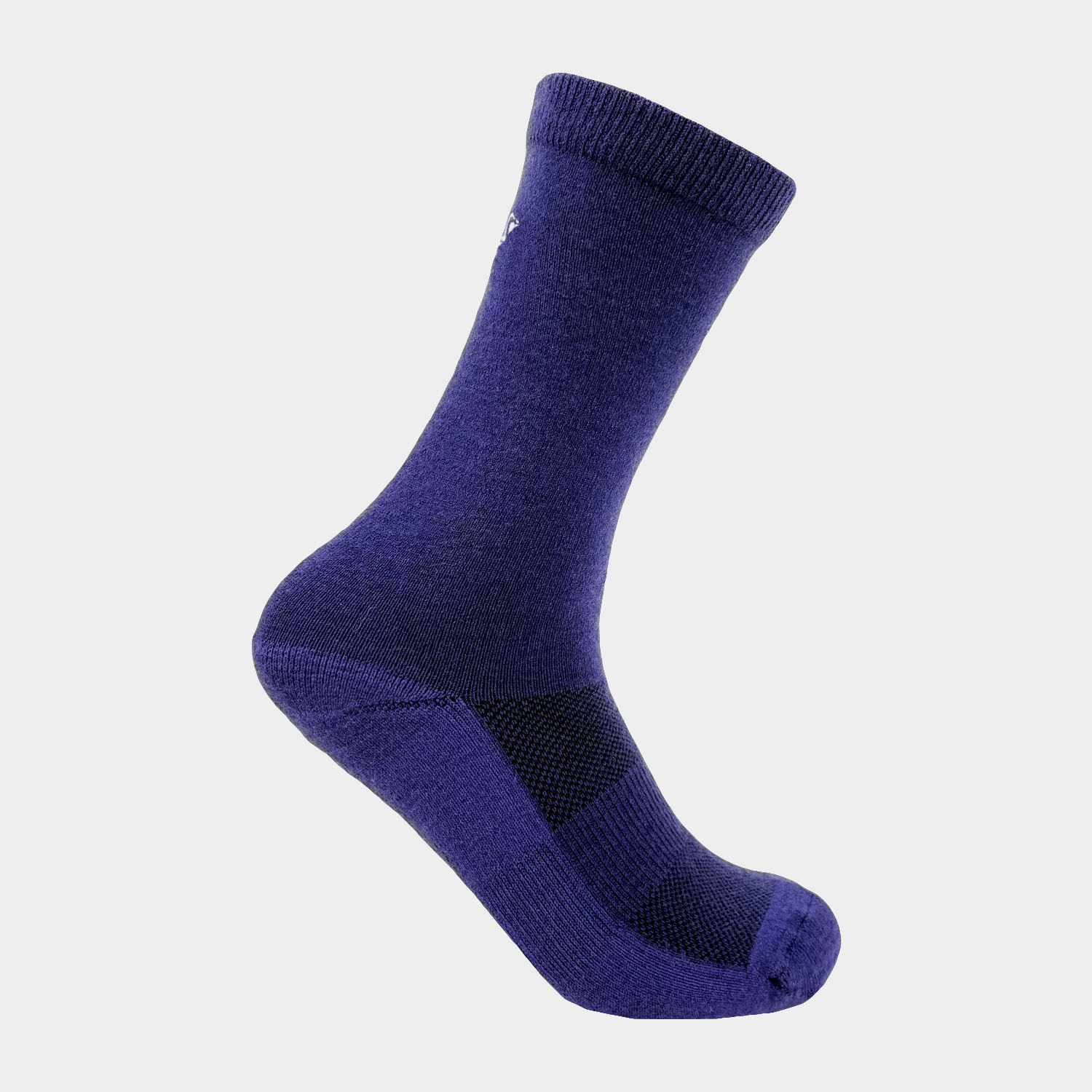
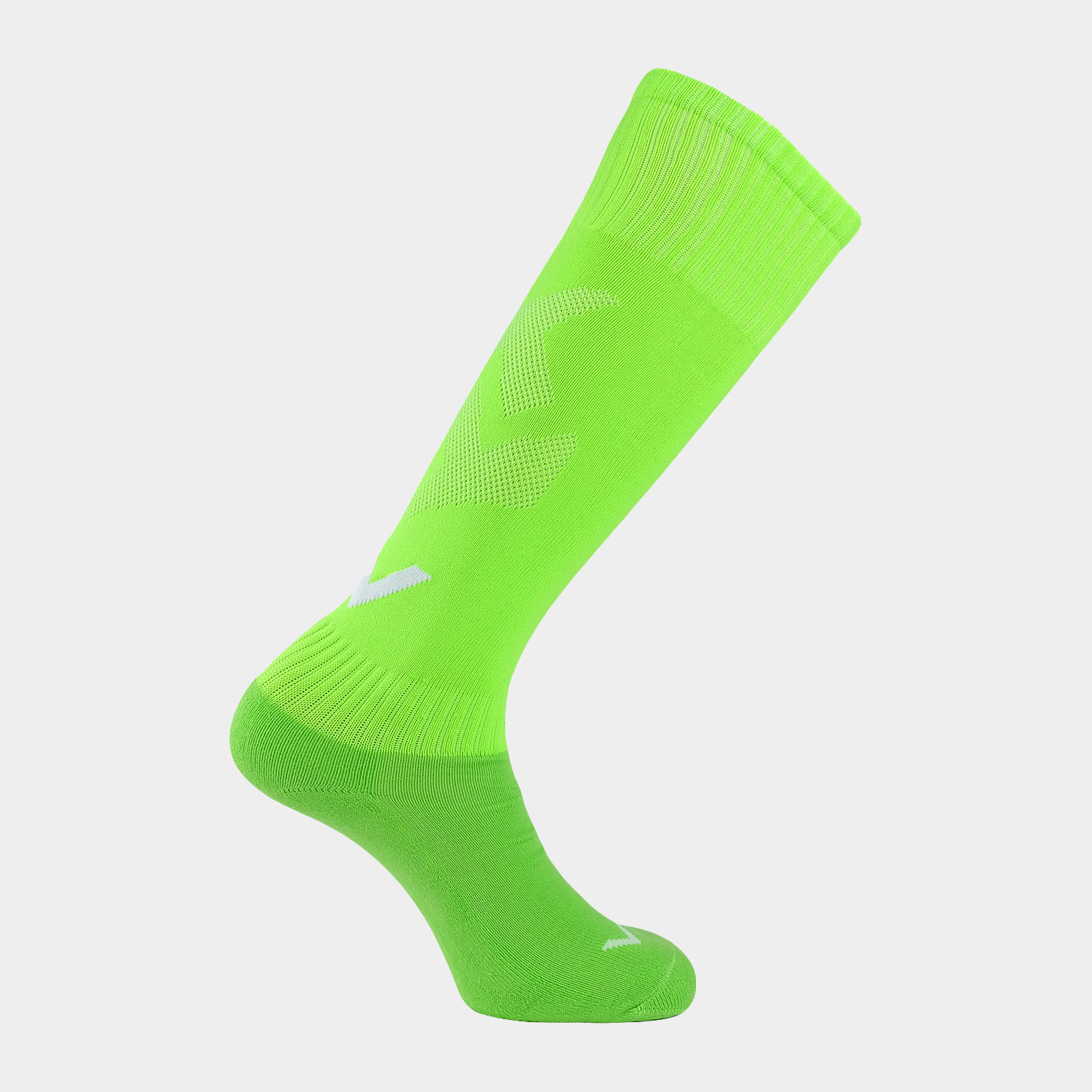
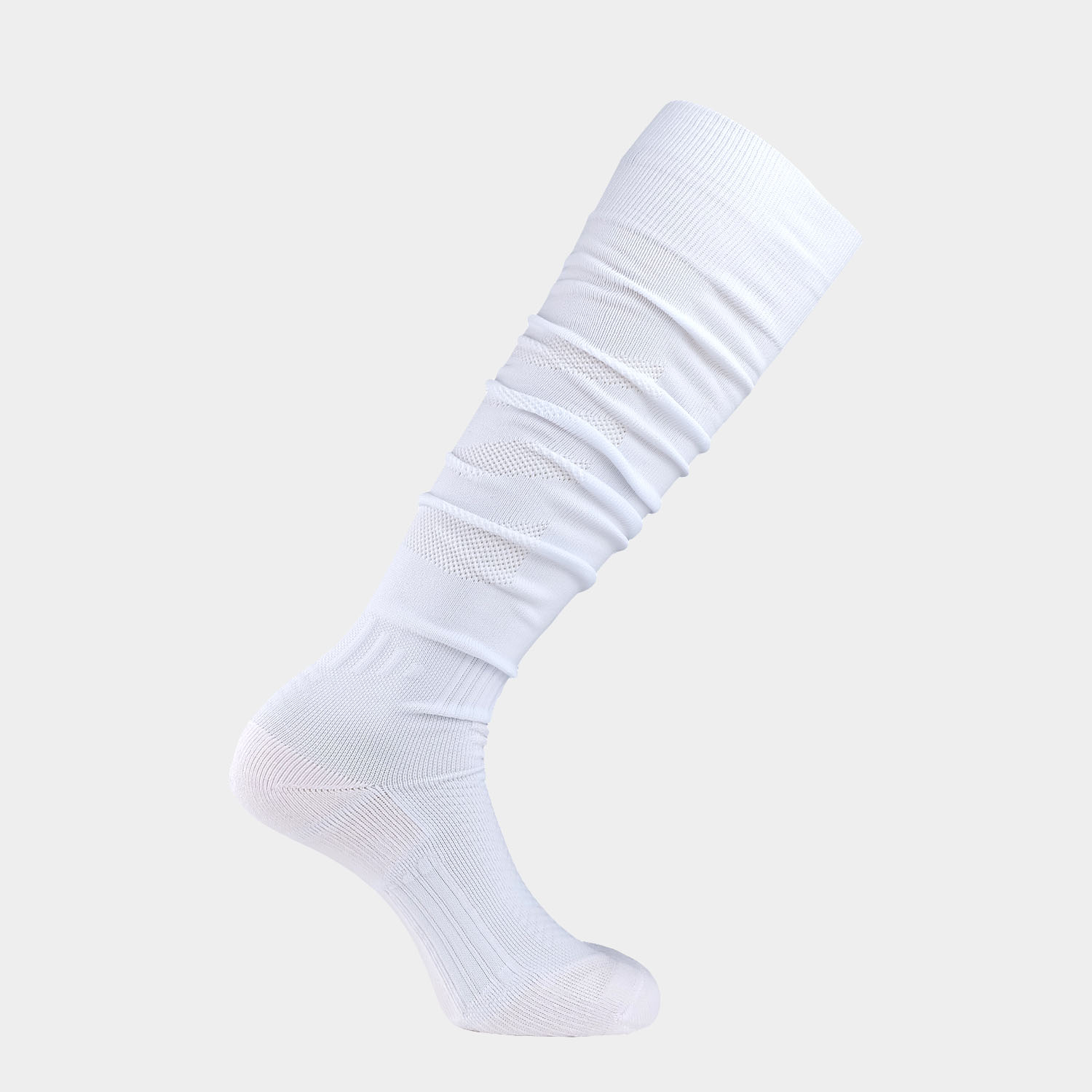
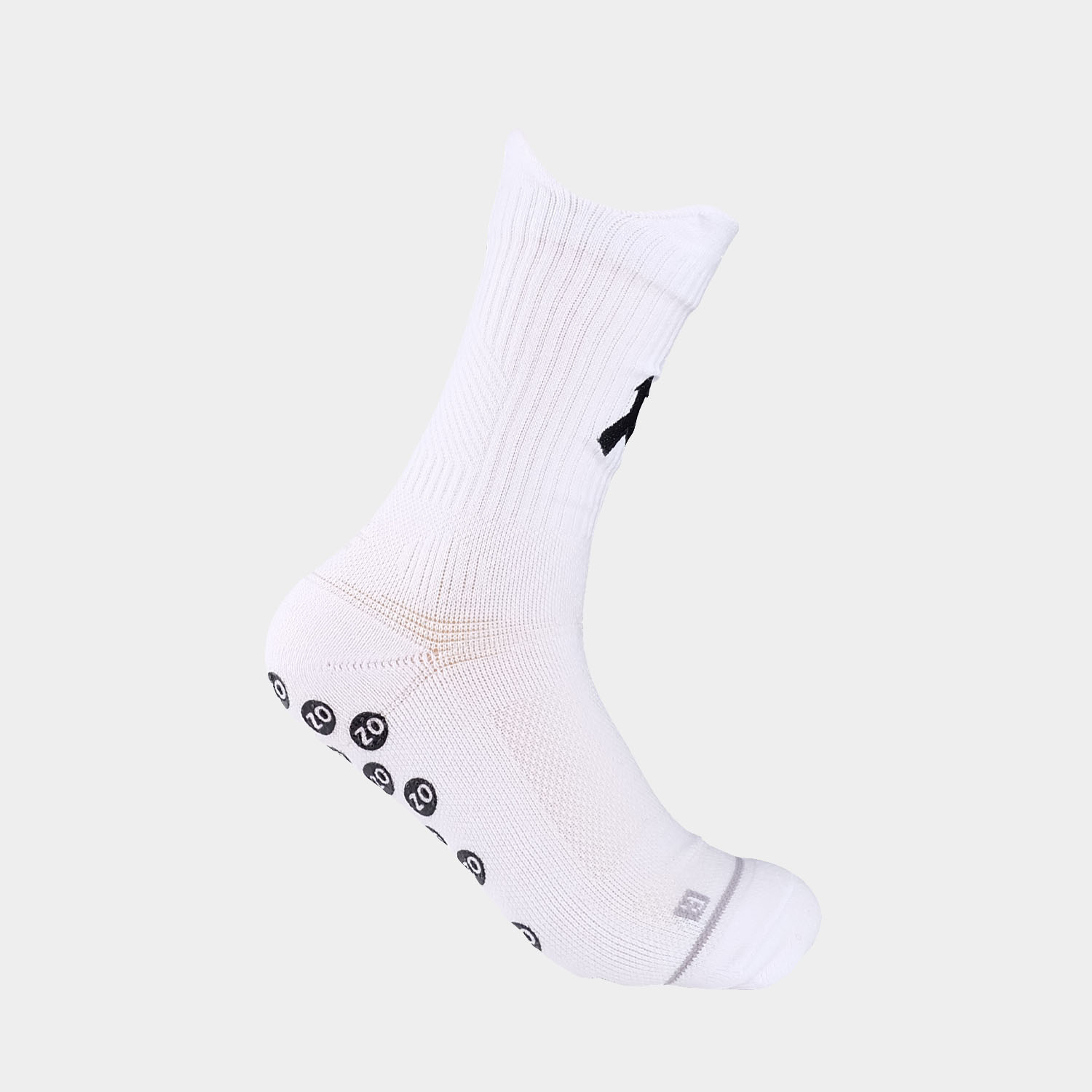
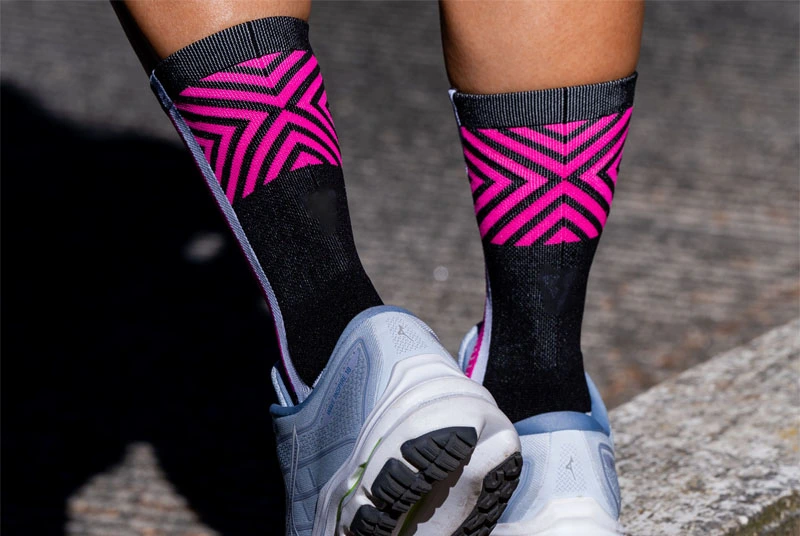
- Crew Socks: This sock is a regular length sock that comes up to about the middle of your calf falls 6 to 8 inches above your ankle bone. They give you plenty of coverage—sometimes they can feel like a warm hug for your lower leg.
- Ankle Socks: These are named for the fact that they really do sit on or just above your ankle bone. They are low-profile and are usually hidden inside the shoe instead of you seeing them. A few ultra-low-cut styles — aka “no-show” or “loafer” socks — go even lower so that they stay completely out of sight.
But the difference is much more than a few inches of cloth. This height difference leads to all the other differences between them.
The Function & Performance Arena
Crew Socks: Versatile Work and Play Style
- Cushioning & Support: Crew socks tend to provide more space for cushioning in the heel, toe, and foot area. This makes them excellent for high-impact workouts such as running, basketball, or hiking, where additional shock absorption never hurts.
- Warm Reception: There is just something about the extra material that keeps you warm in colder weather and shields your calves from scratches, sun or bugs on a nature hike. Scratch, sun or bugs protection: The additional fabric shields your calves from scratches, sun or bugs in nature.
- Moisture Wicking: Both styles can be moisture-wicking, but due to its larger surface area, a crew can sometimes help you breathe better and manage sweat better during strenuous activities.
Ankle Socks: The Lightweight Performer
- Breathability & Mobility With less fabric, ankle socks are naturally more air-permeable and less sticky to the skin. They are ideal for warm climates, easy gym visits, or general use when you want your legs to be as free as they can be.
- Minimalist Feel – Many people like the “nothing there” sensation of an ankle sock as it does not pinch the calf. Some are better designed with heel grips to prevent them from slipping down so much during certain activities. Shoe-Specific Design: They’re made to fit low-cut shoes so they won’t bunch up or peek over the shoe collar in an unseemly manner.
The Pros and Cons at a Glance
Crew Socks:
- Pros: More cushioning and warmth, nicer to wear in boots, make great style statements, classic athletic support.
- Cons: May be too warm for summer, can feel restrictive, not all shoe types are compatible (e.g. loafers).
Ankle Socks: Discreet, breathable, lightweight, great for a minimalist style, best for low top shoes.
- Pros: Discreet, breathable, lightweight, great for a minimalist look, best for low top shoes.
- Cons: Less padding, No protection for your calf, Can slip off, No-show models are not to be worn unless they are designed well.

Which Style Works Better for Different Markets?
Your target market is probably the most important aspect of this decision.
Sports and Fitness Brands
For brands in the sports and performance space, the choice is heavily influenced by the specific activity.
- Ankle Socks : Running, cycling, tennis, and HIIT. The ankle-friendly design also minimizes bulk and eliminates friction against the shoe. They have performance features including targeted cushioning in the heel and ball of the foot, arch support and moisture-wicking technical fabrics that are as important for athletes as they are for anyone with high foot demands.
- Crew Socks: The classic uniform sports of baseball, football,hunting and rugby. They are popular among weightlifting /cross-training types too, as the additional coverage can protect the shins in exercises such as dead-lifts, or just provide a bit more warmth. The goal is heavy-duty cushion, and to wicks sweat superior.
Verdict: Ankle socks are likely to be the best seller for most fitness fashion labels these days and for good reason. That being said, adding a performance crew sock to your lineup will enable you to speak to a small, but dedicated part of your consumer base.
Outdoor and Workwear Brands
Toughness, security, and heat were uncompromising in this industry.
- Crew Socks are the Undisputed Champion: Whether it’s hiking, construction, or really any hard outdoor work, you need the crew sock. It forms an essential layer of defense from boot wear, ticks, brush, and cold weather. Outdoor and workwear crews are generally constructed from sturdy materials such as merino wool or thick cotton blends and the heels and toes are reinforced for extra longevity.
- Ankle Socks have a Hard Time Finding a Place: You’d be hard pressed to spot an ankle sock with any serious hiker or construction worker. They’re just not protective enough. They are used in this market only for casual, fair outdoor activities or as a lightweight liner, but they are not the center piece.
Verdict: If you are a brand that sells outdoor or workwear socks, your hero sock must be a high quality crew. Ankle socks are a distant thought at best.— and the… only.”
Lifestyle and Fashion Labels
This is where the decision becomes most nuanced and brand-dependent.
- Crew Socks as a Statement Accessory: For streetwear, vintage, and preppy labels, crew socks is almost an accessory. They’re deliberately put on display, emblazoned with bold logos and eye-catching patterns, or featuring retro designs. They lend themselves to a “pop” of color or can be used to extend a fashion story from the apparel collection. Imagine a stylish fashionista wearing crew socks and loafers or a streetwear lover rocking them with chunky sneakers.
- Ankle Socks for a Minimalist Aesthetic: Much to the minimalist and high-fashion brand’s delight, the ankle sock wins out. This clean, continuous line from the pants to the shoe lets the shoe have a moment. The branding on these socks tends to be understated—like a small, refined logo on the tab or a subtle pattern that only comes out when the wearer sits down. It’s a sign of muted luxury.
Verdict: Analyze the essence of your brand’s style. Is it bright and loud? Crew socks, you know, lean into ’em. Is it slick and polished? Consider ankle socks your best friend. Some successful fashion brands make both designs to serve different consumer tastes and styling needs.
Custom Design & Branding Opportunities
Custom socks are a walking billboard for your brand. The style you choose directly impacts how and where you can place your branding.
Logo Placement Options
- Crew Socks: The opportunities are vast. You can place your logo on the:
- Cuff: The most classic and highly visible placement.
- Mid-Calf/Side of Leg: A larger, more dramatic canvas for big logos or detailed artwork.
- Instep/Top of Foot: A more subtle placement that the wearer sees when they look down.
- Toe or Heel: Perfect for accent colors or secondary logos.
- Full Sock Print: Turn the entire sock into a work of art with all-over prints.
- Ankle Socks: Branding is more targeted and discreet.
- The Tab: The prime real estate. A logo on the tab is visible when the sock is off or when the wearer crosses their legs.
- Toe/Heel Accents: Used for color blocking or small design elements.
- Sole Printing: A fun, surprise element where you can print a message or pattern that only the wearer knows about.

Seasonal Color and Pattern Trends
- Crew Socks are perfect for embracing the season’s trends. For Fall/Winter, warm and rich tones, fair isle and chunky knitting can be created. In Spring/Summer they can have vibrant pastels, tropical patterns, and airy, light styles. Their scale enables them to take a seasonal stance.
- Ankle socks are color trend followers but far less about big patterns. Think: Solid colors with a contrasting tab, subtle tonal stripes, or understated geometric designs. What makes them trendy is that they are functional, and have something they call “no-show” technology (whichj includes silicone grips so they don’t slip).
OEM & Private Label Flexibility
A strong manufacturing partner will offer immense flexibility for both styles. Whether you choose crew or ankle, you should be able to:
- Customize Yarn: Select from a range of materials, from basic cotton to performance blends and sustainable options.
- Choose Construction: Decide on the level of cushioning, seam type (e.g., hand-linked toes for comfort), and specific knitting techniques.
- Control Branding: Apply your logo via embroidery, jacquard weaving, or printing, depending on the desired effect and budget.
Material and Performance Considerations
The fabric of your socks is just as important as their shape. It dictates comfort, performance, and perceived value.
Cotton, Nylon, and Wool Blends
- Cotton: It is soft, breathable and absorbent. Great for daily casual crew socks. Though, 100% cotton can be heavy and slow-drying which is less ideal for outdoor performance. Blends are the best.
- Nylon & Polyester: These are the synthetic fibersthat make up the most abundant moisture-wicking and durable sock fibers. They provide added durability and elasticity to the sock to perform wash after wash. Necessary for performance ankle socks and rugged crew socks.
- Merino Wool: An outdoor, performance sock must have Merino wool in my book. It’s truly temperature-regulating, moisture-wicking and odor-resistant. It’s soft, not itchy, and ideal for premium crew socks for hiking or travel.
- Spandex (Lycra/Elastane): A small amount (somewhere between 3% and 8%) of this is a necessity in both types. It adds the right amount of stretch and recovery necessary to keep the sock feeling secure and comfortable.
Breathability and Cushioning
- Breathable: This is controlled by the selection of (merino, cotton, bamboo) material and knitting method. Mesh panels are commonly knitted into the body of both crew and no-show socks for better ventilation, a must-have for performance socks.
- Cushioning: Cushioning can be placed where is needed, depending on the sock meant use. A running ankle sock may have minimal padding in the heel and ball of the foot. A hiking crew sock is fully cushioned on the entire sole for maximum shock absorption. The amount of padding is one of the best selling features that can be made personal to you.
Sustainability Options
The modern consumer demands eco-conscious products. Partner with a manufacturer that offers:
- Organic Cotton: Grown without toxic pesticides and herbicides the Earth can breathe again.
- Bamboo Viscose: Soft as silk, cooler than cotton, naturally antibacterial, and one of the most sustainable fabrics on Earth.
- Recycled Material: Yarns from recycled polyesteror recycled nylon are gaining in popularity and have exceptional performance.
- Ethical Production: Ask about the dyeing process in the factory (using Oeko-Tex certified, low-impact dyes) and how they may be reducing water and energy waste.
How to Choose the Right Type for Your Brand
With all this information, how do you make the final call? Follow this three-step framework.
Define Your Market Position
Return to the core essence of the brand. Who are your target customers? For instance, your target customers could be young people who love running, middle-aged people who enjoy hunting, or women who yearn for fashion? Different target customers determine the core concept of the brand.
Balance Style with Functionality
A pair of socks should not only be aesthetically pleasing but also functional. Fashion brands cannot ignore comfort, and performance brands cannot overlook aesthetics.
Therefore, the first step is to list your priorities. Your primary goal is to achieve the visual effect (style) or provide a functional base layer? Your answer will directly guide you in choosing the appropriate shoe style, whether it is a style suitable for the instep or a style suitable for the ankle. The highest-quality products will find the perfect balance point.
Partner with a Reliable Custom Socks Manufacturer
Your manufacturer is not merely a supplier; they are also a strategic partner in your product development process. An appropriate partner will guide you throughout this decision-making process.
When evaluating the manufacturer, the following questions are very important:
- Can you provide some samples of crew vs ankle socksmade of different blends of materials?
- What is your minimum order quantity for each style?
- Which customization techniques are you proficient in (such as the difference between jacquard and printing techniques)?
- Can you help us make material selections based on our target market?
- What industry experience do you have in the specific field we are involved in (such as fashion, fitness, etc.)? Do you have experience in developing similar other brands?
An outstanding manufacturer would surely be willing to take on the role of an advisor, leveraging their expertise to help you solve the “feet and ankles” problem and tailor a pair of socks that truly suits your brand for you.
Conclusion
Deciding between “crew socks” and “ankle socks” is not merely a matter of length; it is a strategic choice. It reflects the brand’s identity, meets the needs of the target audience, and has unique design advantages. By thoroughly understanding the historical background, functions, and market compatibility of each style, you can move beyond making choices based on personal preferences and make confident decisions.
Whether you choose the classic, individualistic crew sock styles or the modern, performance-oriented ankle sock styles, the ultimate goal is to create a product that your customers will love, is comfortable to wear, and can be proudly displayed as a symbol of their connection with your brand. So, please refer to these points, find your ideal manufacturing partner, and start producing those socks that can showcase the best image of your brand.