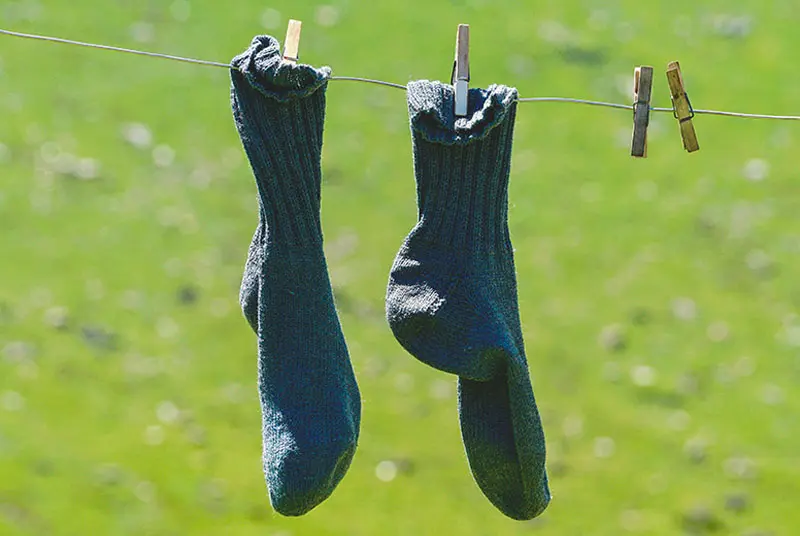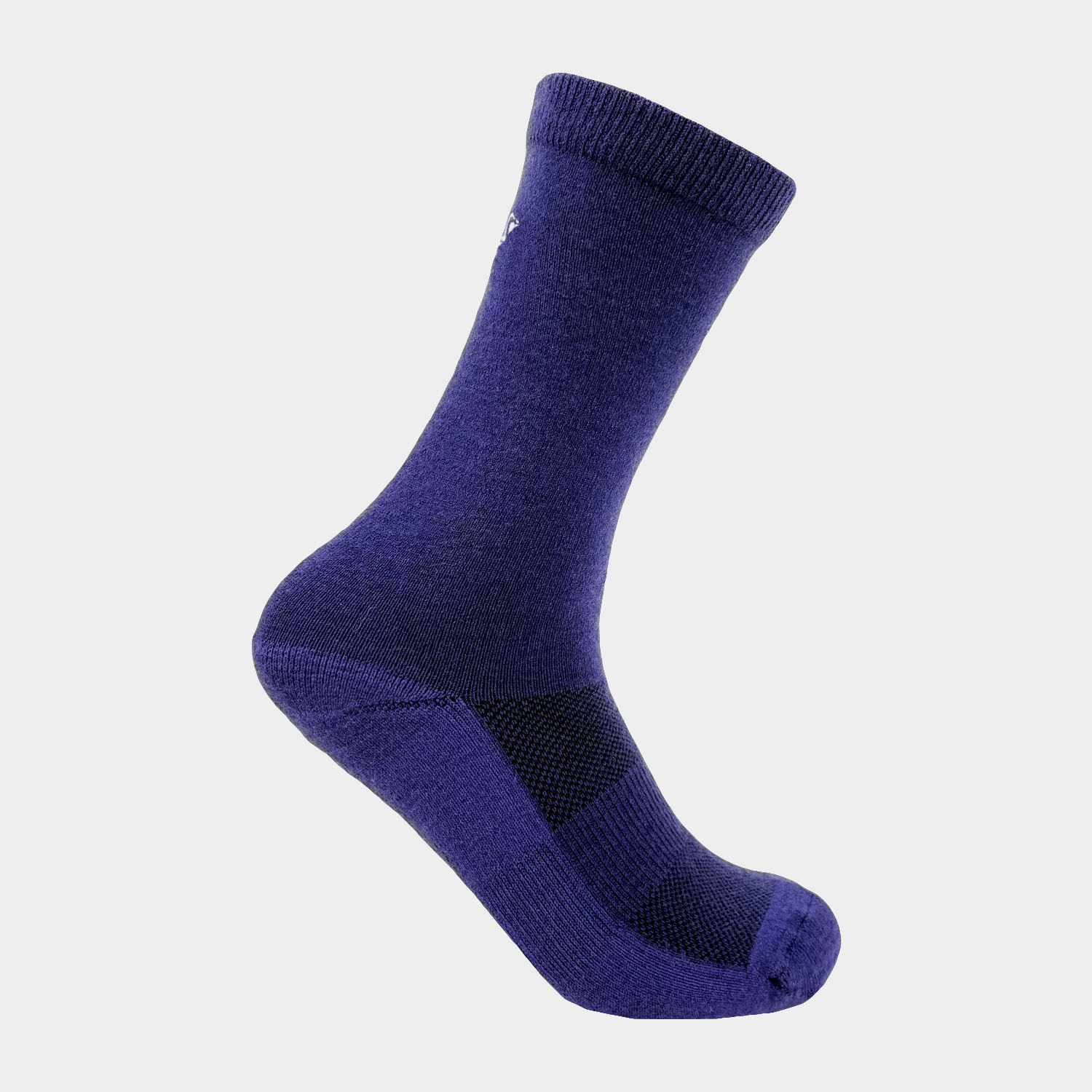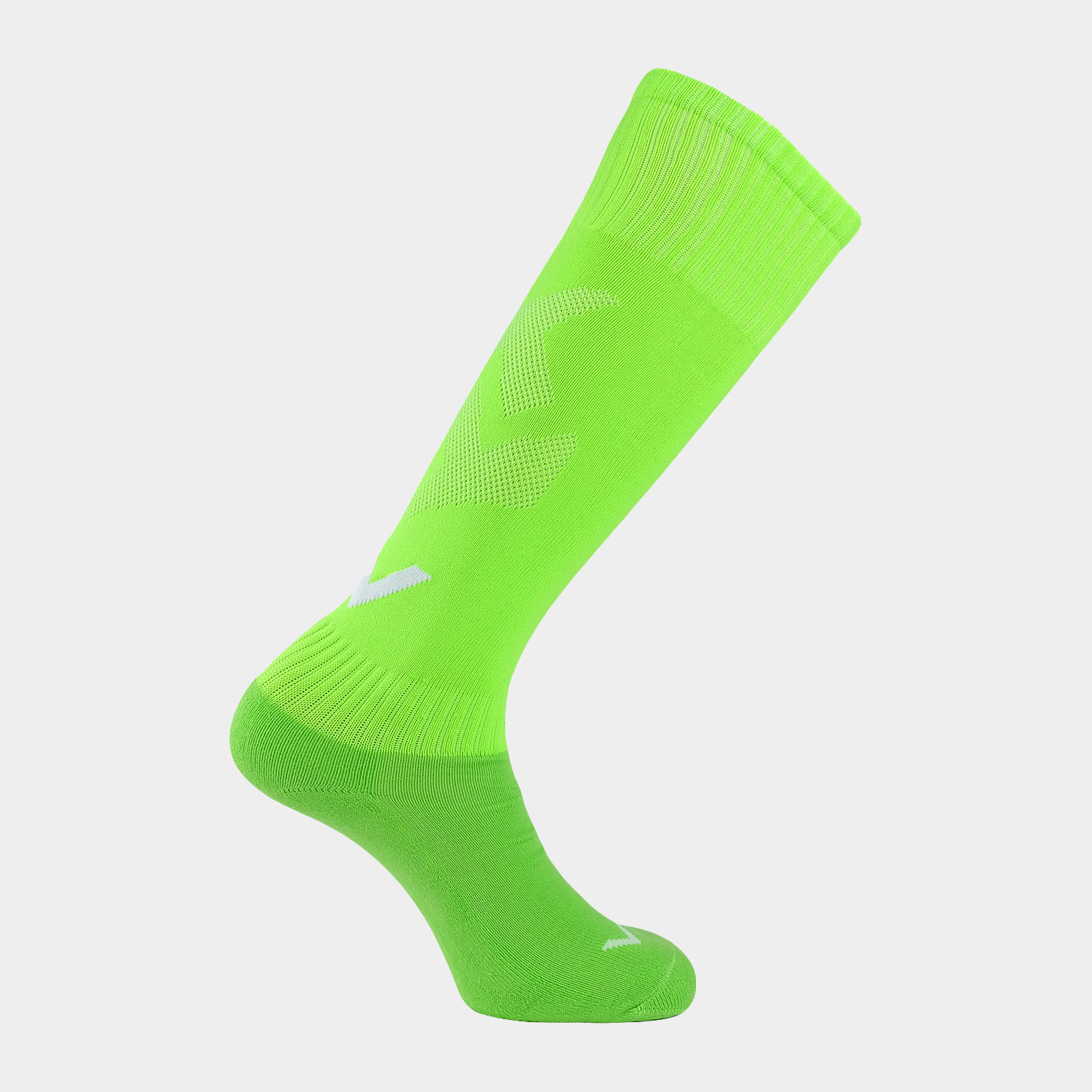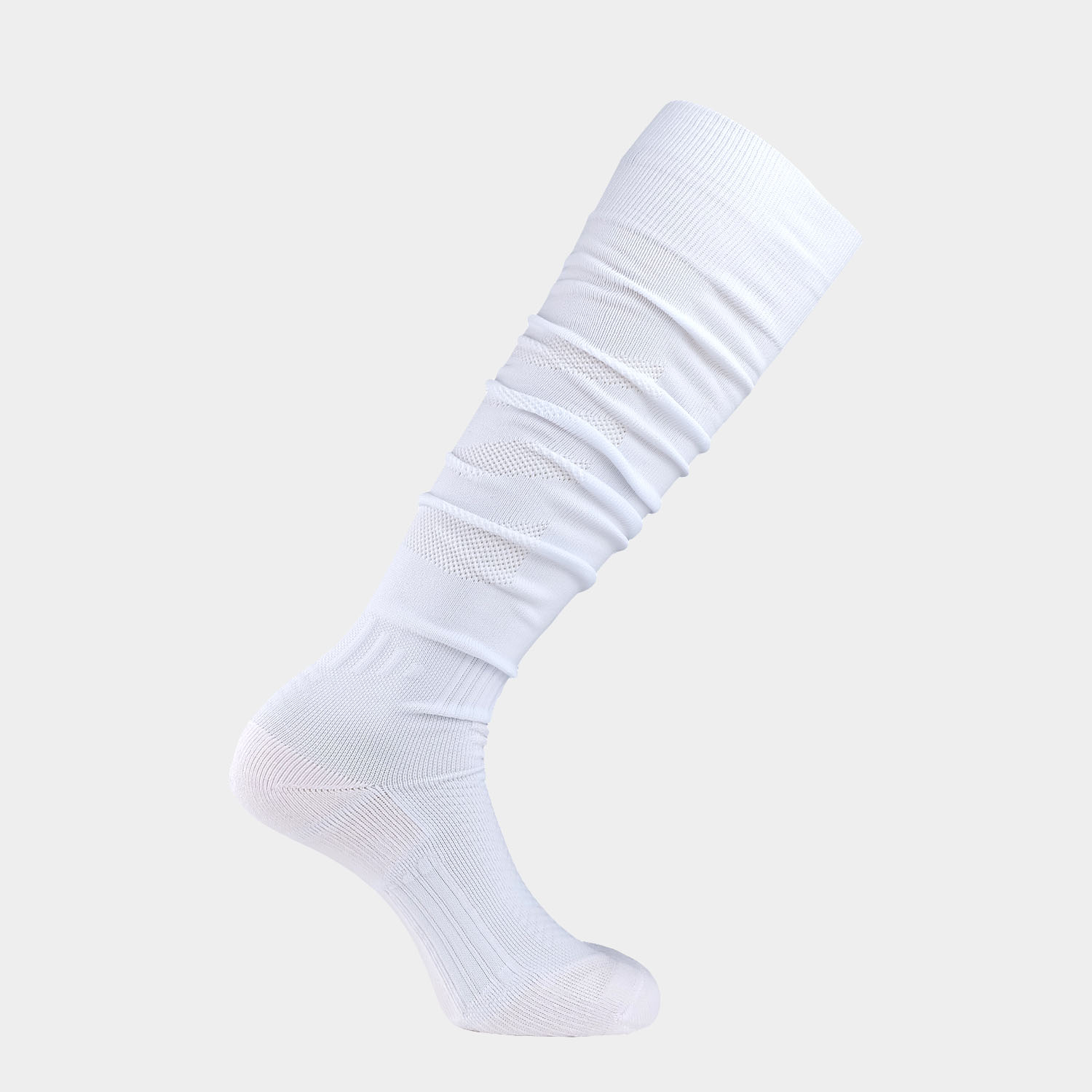
Which material shall I use to customize my socks – alpaca wool or merino? Which one suits my brand? Are these the questions always in your mind before making a socks retail plan? Merino wool and alpaca wool are natural fibers that offer luxury and high performance. They are both fantastic and popular, but they cater to slightly different needs and concepts. Today, let’s talk about the differences between them to help you create custom socks for your brand.
What's the Difference Between Merino Wool and Alpaca Wool?
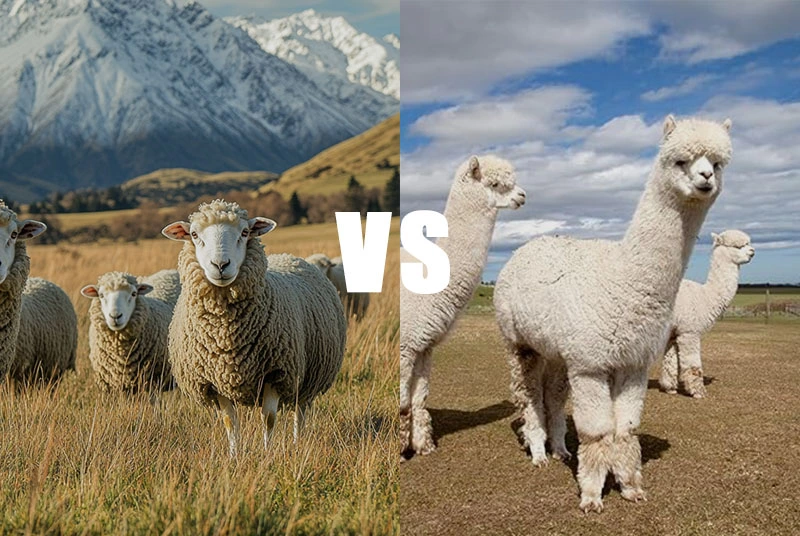
Firstly, let’s understand the fundamental differences between these two types of fibers – alpaca wool vs merino wool
Origin and Fiber Characteristics
Merino wool: Merino sheep are originated in Spain, however, it is now primarily raised in Australia, New Zealand, and South Africa. What distinguishes Merino wool is the fine diameter of its fibers (usually less than 23.5 microns), which translates directly into extraordinary softness. The fibers spaces at surface with small overlapping scales, which results in natural elasticity and ability to absorb and quickly evaporate moisture.
Alpaca wool: Alpaca wool is sourced from alpacas in the South American Andes Mountains, like those from Chile and Peru. Structure is the biggest difference between alpaca wool vs merino wool. Alpaca wool is hollow in the middle. This hollow lies-shaped tube feature makes alpaca wool even lighter than merino wool, and also allowing it to trap more air, resulting in extraordinary insulation capabilities. The thickness of alpaca wool fibers is comparable to that of merino wool fibers, however there are more types of alpaca wool (e.g. baby alpaca is not the same as regular alpaca wool).
Texture and Touch
Merino wool: It is extremely soft, hence it is often referred to as “skin-friendly”. The high-quality Merino wool that has undergone advanced processing by the yarn factory is almost not itchy at all and has become the preferred choice for close-fitting clothing, including socks.
Alpaca wool: The texture is typically fine and soft with a creamy richness to the fibers. It is free of lanolin (natural oil associated with merino wool), making it feel exceptionally smooth and is generally a good option for anyone with allergies to wool.
Natural Properties
Merino wool: It can take in 30% of its weight in moisture without feeling wet, and sweat can also be evaporated from the skin.
Alpaca wool: Excellent at temperature regulation. The hollow fibers provides outstanding insulation in cold conditions and maintain coolness in hot weather. It also has good moisture absorption properties, which are comparable to or slightly superior to those of merino wool.
Which Material Works Better for Socks?
Socks are a product that needs to balance comfort, functionality, and durability. If you’re evaluating different fibers beyond just merino and alpaca, it’s helpful to refer to a complete guide to sock materials to understand how each option performs across various use cases.
Softness & Skin Comfort
The two are equally
- Merino wool is a verified and reliable soft material. Customers trust its skin-friendly comfort. This is a safe and much-loved option for brands seeking mass market appeal.
- Alpaca wool has a unique feel and softness often compared to cashmere. The slippery feeling is a big differentiator. For brands that target at a high-end positioning and want to provide a unique tactile sensorial experience, this is a strong selling point.
Moisture Control & Breathability
Winner: Merino wool ( by a narrow margin )
The structure of Merino wool fibers has been tailored to allow the skin moisture to be absorbed efficiently and transported on the surface of the fibers to the outside. It also works extremely well in high-exertion activities, like hiking or running, keeping feet dry and blister-free.
Alpaca is known for its superior moisture absorbency and it has great sweat-wicking abilities. Because of its hollow shape, it allows the air flow. The active moisture transport is very similar to merino wool, however merino wool is slightly better at removing active moisture, particularly during strenuous activity.
Temperature Regulation
Winner: Alpaca wool
The alpaca wool fibers are hollow and offer the best heat insulation. It allows you to retain more heat in cold weather while it also allows you to breathe more in hot weather without getting too hot. For socks that focus on maximum climate control (winter mountaineering socks or all-season socks), alpaca wool is the superior option.
Merino wool has excellent temperature-regulating capabilities and can respond to temperature changes. However, when of the same weight, its insulating performance is not as good as that of alpaca wool.
Durability, Elasticity & Brand Positioning
Socks lifespan and appearance retention are critical to consumer satisfaction and brand reputation.
Fiber Strength & Shape Retention
Winner: Alpaca wool
Alpaca wool is more durable than merino wool. That means socks in alpaca wool are more resistant to tears, less probable to pill and longer lasting. While merino has a good natural stretch, the fibers are quite thin, and they wear out. High-quality, tightly woven merino wool is very durable, but in general it’s not as strong as alpaca wool.
Product Lifespan & Care
Winner: Alpaca wool
Alpaca socks are more durable and are more resistant to pilling because of the higher alpaca fiber content. And it lacks lanolin, which makes it less likely to get dirty and easier to clean.
Taking care of merino wool is a bit more sensitive. In order to avoid shrinking or felting, we usually advise casual machine washing or hand washing with cold water. Although hard-wearing, over time it may wear out sooner than socks in alpaca wool.
Cost & Market Positioning
Winner: Merino wool (Lower cost)
The Merino wool supply chain is more developed and the supply larger, so it’s a more cost effective option. This allows the brand to price its products more competitively and still deliver a quality experience.
Alpaca wool production is quite modest (the world alpaca population is tiny in comparison to merino sheep), and its processing is more niche, making prices higher. So it naturally sits in the luxury and high end space. Simply the use of wool from the alpaca says exclusivity, sustainable and performance.
How to Choose the Right Wool for Your Custom Sock Line
Ultimately, the choice depends on your brand strategy and target customers.
Consider Your Brand Identity
Merino wool: if your brand focuses on reliable performance, wide appeal, positive lifestyle, and good value, merino wool is an ideal choice for sports brands, outdoor brands, and high-end basic style brands.
Alpaca wool: If your brand focuses on the ultimate luxury, sustainable, unique, and good quality, alpaca wool is perfect for brands that are high-end, care about the aesthetics and give the best comfort.
Match Product Functionality
Merino wool: For high-performance sports socks, everyday wear socks, hiking socks, and socks requiring excellent moisture-wicking properties.
Alpaca wool: For warm-keeping ultimate (for extremely cold weather) socks, luxurious leisure socks, gift socks with a smooth surface or socks for sensitive skin or people who are allergic to wool.
Customization & Private Label Options
For custom socks, both of these options are good choices. Merino wool and alpaca wool are both easy to dye and can produce bright colors. They can also be blended (for example, blending with nylon to enhance durability, and adding spandex to enhance elasticity) to optimize performance. You can discuss the specific blending ratios with the manufacturer to achieve a perfect balance between softness, durability, and cost.
Conclusion
There is no absolutely “wrong” choice between merino wool vs alpaca wool – only the choice that is “right” for your brand.Merino wool is a good standard for both high performance and wide popularity. It is reliable, effective, and is widely understood and appreciated by the market.Alpaca wool is the king of luxury and warmth. It is more durable, silky smooth and also provides exceptional temperature control. It is a differentiated choice for brands that wants quality and uniqueness.
Final suggestion: If you want to offer reliable and high-quality socks at a competitive price, choose merino wool. If you aim to create a high-end, luxurious feel with an excellent durability and temperature control, and are willing to make the necessary investment, then alpaca wool is definitely a material worth considering.By collaborating with top manufacturers, you can clearly understand your target customers and select the perfect wool blends to create a custom sock collection that can attract repeat customers.
Related Resources
→ Merino Wool Vs. Regular Wool: Key Differences for Your Business
→ Wool vs Cotton Socks: Which Is Better for Your Brand
→ Cashmere vs Wool: Which Material Is Better for Socks
→ Best Sock Material for Hot Weather: What Actually Keeps Feet Cool
→ Best Material for Hiking Socks: What Actually Works on the Trail
Explore more guides on sock materials, performance requirements, and manufacturing considerations.