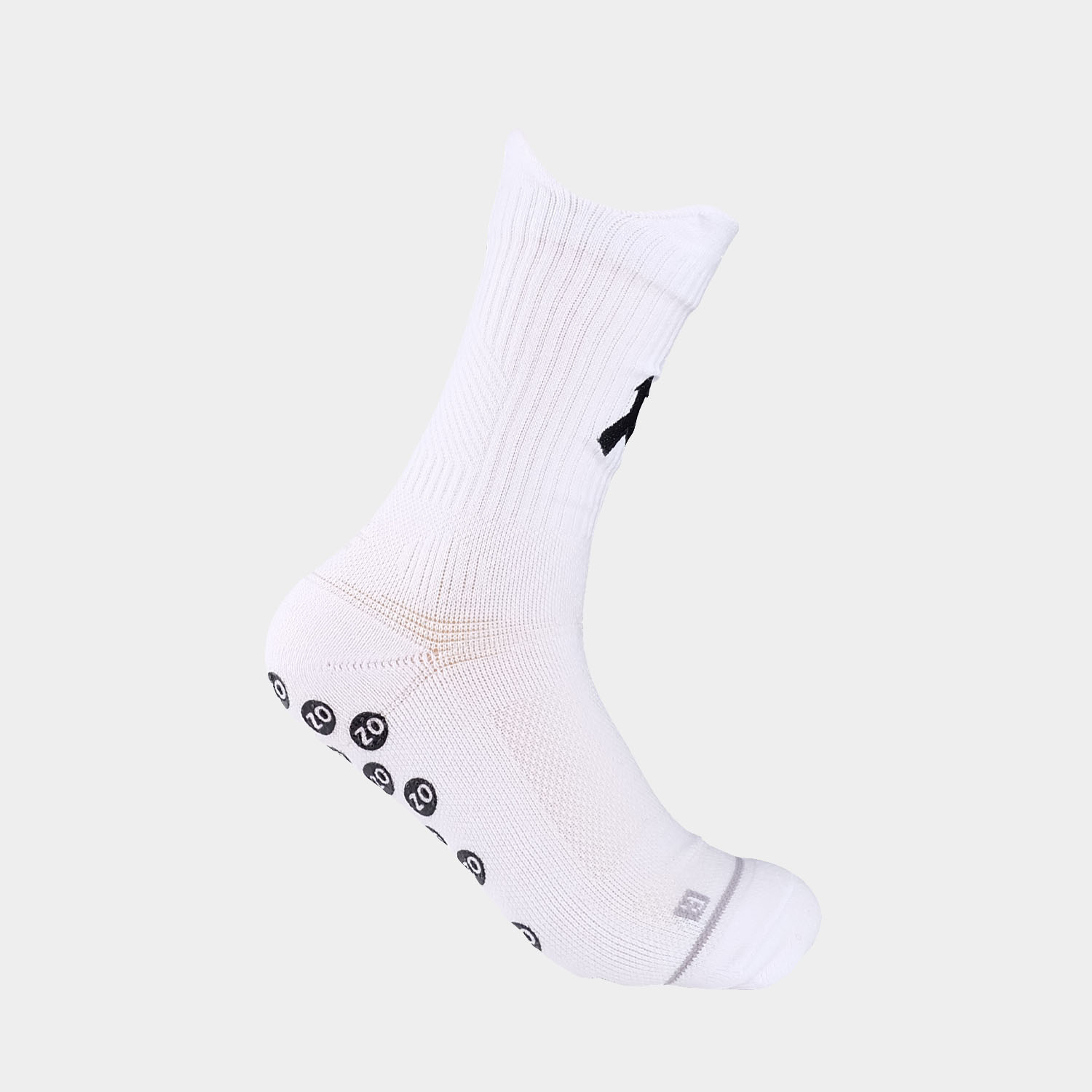

Sweaty feet are more common than you think—and the wrong socks can make it worse.
If your feet often feel damp, smelly, or uncomfortable, the problem isn’t you—it’s your socks. In most cases, choosing moisture-wicking socks for sweaty feet is one of the most effective ways to keep your feet dry and comfortable throughout the day.
In this guide, we’ll break down the best socks for sweaty feet, including the materials, features, and styles that actually keep your feet dry all day.
Best Socks for Sweaty Feet (Quick Answer)
If you want a quick summary:
- Best overall material: Merino wool—offers moisture-wicking, temperature regulation, and natural antibacterial and odor-resistant properties.
- Best value/top choice for sports: Coolmax or polyester-blend socks—quick-drying and durable.
- Eco-Friendly Choice: Bamboo fiber—soft, breathable, and naturally antibacterial.
- Least Recommended: 100% cotton—absorbs moisture like a sponge, dries extremely slowly, and only makes your feet wetter.
For most people, a blend of merino wool, a small amount of nylon, and spandex offers the best balance of comfort, durability, and moisture management.

What Causes Sweaty Feet in Socks?
Feet naturally have a high concentration of sweat glands. When you put on socks and shoes, airflow is reduced. If you also choose socks made of unsuitable materials—such as plain cotton or synthetic fabrics with poor breathability—moisture becomes trapped inside the socks, causing the temperature to rise. The end result is that sweat cannot evaporate, leading to increasingly damp conditions and unpleasant odors.
Different sock materials yield completely different results. Cotton socks absorb moisture but don’t wick it away; bamboo fiber socks are breathable but have average moisture-wicking properties; wool-blend socks both absorb and wick away moisture, making them an excellent choice.
In short, the key lies in whether the socks can effectively draw sweat away from the skin’s surface.
Best Sock Materials for Sweaty Feet
Choosing the right fabric solves 90% of the problem. Below is a comparison of how several mainstream materials perform in terms of moisture control.
Merino Wool Socks for Sweaty Feet
Don’t assume that wool means “hot” or “warm”—merino wool is actually the gold standard for sweaty feet.
Merino fibers are hydrophilic on the inside (absorbing moisture) and hydrophobic on the outside (repelling liquid water), allowing them to wick sweat away from the skin’s surface before it turns into liquid. Additionally, wool fibers naturally contain lanolin, which has antibacterial properties, so they don’t easily develop odors even after wearing them for several days. They are ideal for environments with fluctuating temperatures or situations requiring prolonged wear.
Merino wool is widely considered one of the best choices for moisture control. If you’re wondering 【are wool socks good for sweaty feet】 or how they compare to other materials, this performance comes from its unique fiber structure.

Bamboo Socks for Sweaty Feet
Bamboo fiber socks have become increasingly popular in recent years due to their eco-friendly nature. The cross-section of bamboo fibers features natural micro-pores, providing excellent breathability and moisture absorption, along with natural antibacterial properties. Their durability is slightly lower than that of wool or synthetic fibers, particularly when wet, as their abrasion resistance decreases. Therefore, bamboo fiber socks are typically blended with nylon to enhance durability.
Cotton Socks for Sweaty Feet (Are They a Bad Choice?)
For people with sweaty feet, pure cotton socks are indeed not a good choice. Cotton is hydrophilic, meaning it absorbs and traps moisture. Once soaked, they dry very slowly. Wet cotton socks increase friction, making your feet prone to slipping, and are highly susceptible to bacterial infections and blisters. The trend in 2026 is to use high-quality, finely combed cotton blends, but these are limited to low-intensity daily commuting. For sports or long work hours, avoid 100% cotton socks.
Synthetic Socks (Coolmax, Polyester)
Synthetic socks are well-suited for athletic activities. For example, Coolmax—a polyester fiber with a special cross-sectional structure—wicks moisture faster than natural fibers, making it a common choice for runners and sports enthusiasts. Polyester or cotton-polyester blends are durable, elastic, and quick-drying. Synthetic socks are highly durable, affordable, and quick-drying.
Best Socks for Different Activities
The type of socks you wear depends on what you’re doing. Socks designed for standing 12-hour shifts certainly aren’t suitable for running a 5K.
Best Running Socks for Sweaty Feet
Look for thin styles with arch support that fit snugly without slipping to reduce the risk of blisters. High-end running socks in 2026 typically feature large mesh panels on the top of the foot. For style and design inspiration, check out the Balega Hidden Comfort or Feetures Elite.
- Key Points: Thin fabric, breathable mesh, snug fit without slipping to reduce the risk of blisters.
- Material: Coolmax or merino wool + nylon blend.
- Reason: Running generates a lot of heat, requiring rapid evaporation. Prioritize styles labeled “ultra-light” or “invisible” with mesh panels.
- Recommendation: Running socks that distinguish between left and right feet better conform to the foot’s shape and reduce friction.
For a full breakdown of performance features and material choices, check our guide to best socks for sweaty feet running.

Best Work Socks for Sweaty Feet
Key Points: Medium thickness, arch support, and durability—ideal for prolonged standing.
Material: Merino wool blend.
Reason: If you wear leather shoes to the office, breathability is essential; for jobs requiring constant movement—such as in food service, retail, or construction—you need socks that provide cushioning without causing overheating. Merino wool’s advantage is that it resists odor even with prolonged wear.
Best Boot Socks for Sweaty Feet
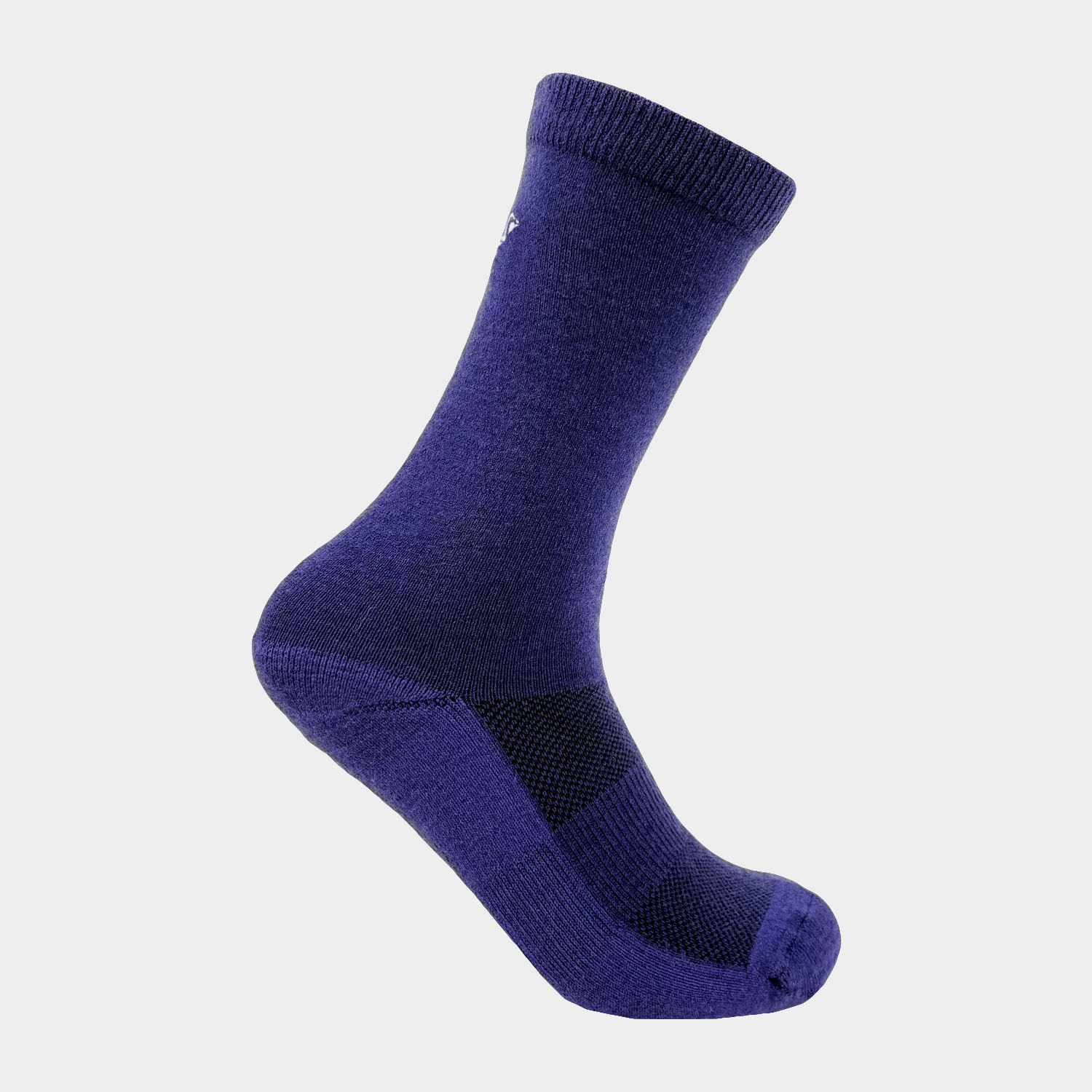
Key Features: Mid-to-high cut, varying cushioning thickness across different zones, reinforced heels and toes.
Material: High-density merino wool or wool/synthetic blend.
Common misconception: Many people believe that wearing boots requires thick socks. However, for sweaty feet, the placement of cushioning is more important than thickness. We recommend choosing socks that are thicker only in high-impact areas like the heel and forefoot, while being thinner on the instep and ankle. This provides cushioning while allowing for better heat dissipation. Unless you’re in extremely cold conditions, avoid “winter-weight” styles.
How to Stop Sweaty & Smelly Feet
Even the best socks require proper care. Here is the complete 2026 care plan:
- Wash your feet properly: Use antibacterial soap or a cleanser containing benzoyl peroxide to wash your feet, reducing odor-causing bacteria at the source.
- Rotate Your Shoes: Shoes need 24 hours to dry completely. Don’t wear the same pair two days in a row. Use cedar shoe trees or a shoe dryer to help remove moisture.
- Use Antiperspirant on Your Feet: That’s right—you can use antiperspirant on your feet too. Applying an antiperspirant roll-on (not deodorant) to your feet before bed can significantly reduce sweating.
- Use foot powder: Before putting on socks, use cornstarch or an antifungal foot powder to absorb excess moisture.
- Wash socks inside out: Turn your socks inside out when washing to ensure the side that touches your skin (where bacteria are most concentrated) is thoroughly cleaned. Also, avoid using fabric softener, as it coats the fibers and impairs their ability to absorb and wick away moisture.
Choosing moisture-wicking socks for sweaty feet is the most effective way to manage sweat. Unlike socks that simply absorb sweat, high-performance socks are designed to move moisture away from the skin.
Are Wool, Bamboo, or Cotton Socks Better? (Quick Comparison)
Feature | Merino Wool | Bamboo | Cotton (100%) |
Moisture Wicking | Excellent (absorbs vapor, releases liquid) | Very Good (absorbs liquid, slow to release) | Poor (holds liquid, slow to dry) |
Odor Control | Excellent (natural anti-microbial) | Good (anti-bacterial properties) | Poor (traps bacteria) |
Durability | Moderate (depends on nylon content) | Low to Moderate | Moderate (prone to shrinkage) |
Temperature Regulation | Excellent (thermo-regulating) | Good (breathable) | Poor (cold when wet, heavy when hot) |
Best Use Case | All-day wear, hiking, work, boots | Casual wear, lounging, sensitive skin | Low-activity, cool/dry climates |
If you’re unsure which material suits your situation, you can explore detailed comparisons like 【best moisture-wicking socks for sweaty feet】 to better understand performance differences.
For Brands: Developing Socks for Sweaty Feet
For manufacturers and brands looking to enter the “sweaty feet” or “active lifestyle” market in 2026, the following technical specifications can help you establish a competitive edge:
- Zoned Design: Avoid using a single-knit structure. Consumers need mesh panels on the top of the foot for ventilation, as well as thickened cushioning in key areas for shock absorption. This effectively reduces heat buildup in the feet.
- Seamless Toe Construction: Coarse seams at the toe can cause friction and blisters when the foot is damp. Using seamless construction or hand-stitched toe seams can significantly reduce the risk of blisters.
- Antibacterial Treatment: Merino wool is naturally antibacterial, but for synthetic fiber socks, antibacterial technologies such as silver ions or zinc pyrithione must be added to prevent odor buildup.
- Optimal Blend: The most effective blend for sweaty feet currently is 50–65% merino wool + 30–45% nylon + 5–10% spandex, balancing moisture management, durability, and elasticity.
- Sustainability: By 2026, consumers will demand greater transparency regarding environmental impact. Brands using mulesing-free Merino wool, closed-loop bamboo fiber, or recycled nylon are more likely to gain recognition from eco-conscious consumers.
FAQ – Quick Answers About Socks for Sweaty Feet
Q: Are 100% cotton socks suitable for sweaty feet?
No, they are not suitable. Cotton traps moisture on the skin’s surface, which can lead to blisters, odor, and discomfort. Use them only in dry, cool environments or during short periods of low-intensity activity.
Q: Are bamboo fiber socks suitable for sweaty feet?
Yes, they are a good choice. Bamboo fiber is highly breathable and naturally antimicrobial, making it superior to cotton. However, its moisture-wicking speed is not as fast as that of merino wool or Coolmax synthetic fibers.
Q: Will wearing wool socks in the summer be too hot?
No, especially thin merino wool socks. Merino wool naturally regulates temperature; a pair of thin wool socks is cooler than thick cotton socks because it actively wicks heat and moisture away from the skin’s surface.
Q: How do I care for moisture-wicking socks?
Wash in cold water, avoid fabric softener (it clogs wicking fibers!), and air dry or tumble dry low. This keeps the fibers working their best.
Q: How often should people with sweaty feet change their socks?
Ideally, change them daily. If you’re exercising or sweating heavily, it’s recommended to change them immediately. Wearing damp socks increases the risk of fungal infections like athlete’s foot.
Q: Do compression socks help with sweaty feet?
Compression socks primarily improve blood circulation and reduce swelling, but they do not reduce sweating. If you do need to wear compression socks, choose styles that contain merino wool or feature mesh ventilation panels.
Conclusion
In 2026, the key to selecting the right socks for sweaty feet is to move away from traditional moisture-absorbing materials (such as thick cotton socks) and toward functional fibers. Merino wool remains the top choice for sweaty feet due to its combined moisture-wicking, odor-resistant, and temperature-regulating properties. For high-intensity athletic activities, synthetic materials like Coolmax excel with their superior quick-drying performance.
Remember, socks are only part of the solution. Combining high-quality moisture-wicking socks with proper foot hygiene, rotating your shoes, and using antiperspirant and deodorant products is the only way to truly keep your feet dry, blister-free, and odor-free. Whether you’re running, standing for long periods at work, or commuting daily, choosing the right socks is the most direct and effective step toward improving foot health.