

Ski socks make a notable difference in the skiing experience. Whether your customers ski as a hobby or as a sport, the right socks will make the ski experience better. During a ski, warmth, fit, and support determine how happy and confident your customers feel. The two main types of high-quality ski socks are merino wool socks and compression socks. To help you better understand and decide which option best suits your product line, we shall look at both of them in greater detail. With a bit of guidance from an expert supplier and simple tips, you will be able to have a reliable ski sock collection. The Two Main Choices in Performance Ski Socks Different customers require ski socks to perform differently. Each type comes with a variation in comfort and support. When you know the difference, you can choose the best option for your brand. The All-Day Comfort of Merino Wool Merino wool socks make skiers feel relaxed. These are soft on the skin. A plus point is their ability to naturally regulate temperature. This means you can keep your feet warm even in freezing temperatures. The smooth feeling and cosiness make them a great all-day skiing choice. The Athletic Edge of Compression Compression ski socks are great for very active skiers. These socks offer a tight and supportive fit, which keeps circulation optimal while offering utmost stability. The leg support helps skiers maintain a strong performance with reduced fatigue. Benefits of Merino Wool Socks for Ultimate Comfort One of the most effective ski socks is those crafted with Merino wool. They are great for natural comfort, warmth, and staying fresh. They can suit the needs of almost all types of skiers. When you are a beginner or skiing with your family, these ski socks work amazingly. Natural Temperature Control Merino wool is great for winter wool socks to keep your feet warm. However, it can keep them cool, and it has great temperature regulation. The natural fibres have the ability to adjust according to the changing temperatures. Hence, they ensure comfort, which is one of the most important things to consider. Superior Moisture Wicking Moisture and sweat is a problem with a lot of socks. It needs extra attention when you're choosing what socks to wear for skiing. However, these socks alleviate that problem. The wool fibres are soft and pull moisture from your skin. For long ski sessions or outdoor activities, these socks are excellent. You will stay dry, light, and comfortable when you're on the slopes for long periods of time. Odour-Free, All-Day Freshness The ski socks work great for long days of skiing as they can resist odour. This helps your feet stay fresh for a long time. You don't have to wash them frequently. They will still keep your feet in utmost comfort. Ideal for: The Everyday Skier, Families, and Comfort-Seekers These socks work great for people who are looking for soft and warm ski socks. The ski socks are great for families or even casual skiers looking for all-day comfort. The natural properties of these ski socks provide reliable all-day cosiness without a lot of maintenance. Benefits of Compression Socks for Peak Performance Having compression ski socks also means extra support, extra endurance, extra stability, and fatigue support while you ski. Low fatigue, better circulation, and a better fit give you better ski performance for every run. Enhanced Blood Flow and Endurance Good circulation means blood can be delivered to the muscle adequately. So, when your thigh muscles are stronger, you ski with better endurance. Compression socks give you extra support to improve your ski performance. Reduced Muscle Fatigue Ski muscle fatigue is real, and compression socks help with that. These socks minimize vibrations and prevent muscle soreness. You get the ability to maintain your muscle strength and stability. Hence, you can ski for a longer time even on intense terrain with confidence. Precise Fit and Blister Prevention Compression socks, when on your legs, lower the friction, which helps you prevent blisters and hot spots. This is a great benefit for those who require foot protection. The enhanced comfort not only increases protection but also performance of those spending extended periods on the slopes. Ideal for: Advanced Skiers, Athletes, and Performance-Focused Customers These socks improve performance and endurance for serious skiers who want to improve their performance, stamina and endurance. Hence, it is essential for athletes or customers requiring reliable support to improve their skiing performance. How to Choose the Best Ski Socks for Your Business Selecting ski socks requires knowledge of your customers' desires along with your brand's objectives. A good choice is based on defined strategies, as it helps you establish a reputable and reliable product line. Identify Your Target Customer Profile Is your clientele a family ski unit, moderate ski enthusiasts, or do they belong to the elite class of ski athletes? Answering this question provides insight needed to determine appropriate ski socks materials, features and price level for the collection. Balance Material, Performance, and Cost Select appropriate materials that align with your brand values and objectives. For instance, superior softness and natural temperature regulation are exactly why retailers prefer Merino wool socks. However, higher performance, durable and long-lasting compression socks are also available options. Ensure Quality and Customisation for Your Brand Your product's key attributes include quality materials, high-stitching, durable fibres, and a smooth overall fit. You can also distinguish your brand within the market through custom colours, logos, patterning and durable custom packaging. Sockcn: Your Expert Supplier for All Ski Sock Types For seeking high quality ski socks, Sockcn is a reliable partner. After working with us, you will understand the importance of balancing between materials, design, and support so that you can create a consistent product line. Premium Merino Wool and Technical Synthetics We source our Merino wool directly from Australia and New Zealand which are the undisputed global leaders in both quality and production volume. This regional characteristic can ensure your socks are made

Merino Wool Vs. Regular Wool: Key Differences for Your Business
When deciding which material to use for your line of products, you’ll definitely end up comparing merino wool vs. wool. They’re both natural and reliable, yet offer different experiences for users. If the goal is to hook your partners with gear that feels good and performs well, you gotta know the differences between these materials. Let's break it all down, from comfort and durability to straight-up performance. What Is Wool? For centuries, wool's been harvested as a natural sheep fiber. People find it preferable for clothes because it keeps you warm and holds up tough. So, you'll spot it in everyday winter gear like sweaters, blankets, coats, and cozy wool socks. The one downside? Its thick fibers can feel heavy and itchy against your skin. But with how affordable it is, wool has become the go-to for standard, value-driven product lines. It dishes out solid insulation for protective, hard-wearing stuff. A crowd-pleaser that's turned into a smart, reliable bet for many companies. What Is Merino Wool? Produced by a special breed of sheep, Merino wool is sought after for its softness and fineness. Clothing made from Merino feels smooth on the skin unlike regular wool, making it great for those who want none of that rough, scratchy feeling. Another thing about it is that it adjusts to temperature swings, keeping one warm in the cold and chill in the heat. Furthermore, Merino is a breathable material with moisture-wicking and odor-resisting abilities. These performance features are exactly why Merino wool socks are a top choice for keeping feet dry, comfortable, and fresh all day long. Why Merino Wool Outperforms Regular Wool: A Point-by-Point Comparison When you zoom in on individual fibers, the gap between regular wool and Merino wool jumps right out. No wool beats Merino for comfort, high performance, and high-quality presentation. A side-by-side comparison says it all. Fiber Fineness and Softness It’s barely a contest here.Regular wool fibers are just too coarse and thick. People with sensitive skin will feel the burn from that roughness. But Merino fibers? Incredibly thin and soft. At that level of fineness, it crushes the competition.luxurious and smooth, Merino is perfect for everyday wear. Performance and Durability The fibres of Merino wool are both strong and flexible. They can bend more than traditional wool, so products tend to remain in great shape for much longer. Which is why Merino is the go-to for socks, base layers, and knitwear lines that are specialized for performance. It’s the industry standard for the level of comfort with superior durability. Temperature Regulation and Breathability Regular wool offers good warmth. However, it fails to adapt to varying body temperatures. Merino wool does. It regulates according to the body temperature, so it keeps you warm only when it's cold. For this reason, Merino has become the industry standard for year-round products. Moisture Wicking and Odor Resistance Regular wool tends to absorb moisture. This makes it heavy. However, Merino wool does the opposite. It wicks moisture and dries out faster. It also has odor-resisting properties. All these features make it the most sought-after fabric to make activewear, travel gear, and everyday socks. Quick Comparison Table Regular Wool Merino Wool Softness Can be rough Ultra-soft Breathability Good Excellent Temperature Control Warm Adaptive Moisture Wicking Moderate High Odor Resistance Low Strong Durability Good Excellent Best Use Basic winter wear Premium & performance products While comparing merino wool with regular wool helps clarify their differences, material selection in real-world product development rarely stops at just one category. In practice, brands often evaluate a wider range of fibers and blends before finalizing their product strategy. If you want a more complete overview of how different materials perform across various use cases, check out our full guide on the best material for socks to better understand how to choose the right option for your collection. When to Choose Merino Wool for Your Business If still unsure about when to choose merino wool, the points below can help you decide with confidence. For Premium and High-Value Products Merino adds a distinct touch to the products by enhancing the experience, look, and feel. The unparalleled lightweight comfort, softness, and natural performance features make the customer feel the luxury enhancement. Merino is the optimal choice to add a refined touch to the collection. For Performance and Technical Apparel For activewear, travel essentials, outdoor gear, and hiking socks, Merino wool gives you a competitive edge over regular wool. Those leading active lives and spending long hours on the move will appreciate the moisture management, breathability, and odor resistance. For Building a Brand of Quality and Comfort If your brand story is centered on comfort and craftsmanship, Merino helps reinforce that identity. It enables the creation of products that feel customer-centric and reliable. Experience the Benefits of Merino Wool with Sockcn: A Partnership for Growth Consider collaborating with a reputable sock factory for bulk production of custom merino wool socks. Sockcn is your best choice. We bring over 20 years of manufacturing experience and have partnered with more than 500 global brands, wholesalers, and retailers. What Services We Offer: Fully customized options in a wide range of materials and styles. Factory-direct pricing with no hidden fees. Complete certifications, including OEKO-TEX, GRS, GOTS, and RWS. Available for both large and small-batch orders. Free sample delivery provided. Our team is available 24/7 - Reach out for a quote anytime, and we’ll ensure you receive the best service from start to finish. FAQ Can You Machine Wash Merino Wool? Yes, Merino products can usually be washed in a machine, on a gentle or wool cycle. Following care instructions usually leads to the best results. What Kind of Detergent Is Best for Wool Products? A mild, wool-safe detergent is ideal. Anything with bleach or stronger chemicals is likely to harm the material. Is 100% Merino Wool a Good Quality Investment for Our Product Line? Yes, people can feel the difference immediately. It’s a strong investment going forward, as it is a performance and comfort
DAP Shipping Terms: Every Sock Buyer Needs to Know
If you purchase socks from other countries, choosing a reliable shipping model is one of the smartest decisions you can make. Choosing the wrong shipping term can easily cost sock buyers hundreds, sometimes thousands of dollars in unexpected fees. Among all Incoterms, DAP is one of the most practical options for sock importers, offering a balanced mix of convenience and control, but many buyers still misunderstand what it actually includes. This guide breaks down the fundamentals of DAP shipping terms, explains how it affects your costs, delivery time, and profits, and helps you make the right choice when importing socks. What Is DAP? Knowing the terms of shipment is important for anyone who buys socks from abroad. The following is about the definition,pros ,cons of DAP shipping terms. Meaning of DAP Shipping Terms DAP stands for 'Delivered at Place'. The seller will leave the socks at the location where you both have previously agreed on, and you will have to unload them yourself. You don’t have to pay for international shipping, but you will need to pay for importing fees and taxes. For instance, if you order 5,000 pairs of Wool Socks to be delivered to your warehouse in Los Angeles, the seller arranges and pays for the entire journey to that specific address. Once the shipment arrives and is ready for unloading, you will manage all the duty that follows, including taxes, border control, and then the unloading. The Benefits and Risks for Every Sock Buyer Buyers benefit the most from DAP shipping. Your expenses are prepaid, since the seller handles packing, transportation, and export procedures. This facilitates easier shipping since you have less work, the parcel is less likely to get misrouted, and is delivered to you quickly. Your only concern is the import activities, customs clearance, duty payments, and unloading. Some risks also have to be taken into account. Your shipment might get delayed, or you might incur additional costs. This usually happens when the package doesn’t comply with customs regulations and if there are gaps in the documentation. Failure to strategize in advance could be a costly lapse. To mitigate these risks, have the proper documentation, research the relevant regulations, and maintain communication with your customs officer. Tips to Avoid Problems When Using DAP Stuck on how to use DAP shipping to import socks? No problem! Here’s the cheat sheet that flips headaches into handshakes. Be Familiar with Your Local Customs Regulations Understand all the applicable duties, taxes, and government regulations on the socks you import before ordering to avoid complications when they arrive. Make Organizing All Your Documentation a Top Priority Having all the papers and shipping documents ready, including invoices and packing lists, will make it easier for customs to review, guaranteeing fast and easy clearances. Clearly Describe the Exact Coordinates of the Delivery Location This will help avoid both misdelivery and wallet-draining detours. Select an Experienced Supplier An exporter who knows international logistics will minimize errors, be more efficient than peers, and understand all steps of the export process. Collaborate with Trustworthy Customs Brokers Such brokers enable you to comprehend the legal framework, pay necessary duties, and help with the customs clearance of the shipment. How to Choose the Shipping Term? For seamless sock imports, it’s critical to know the ins and outs of your shipping terms. Every supplier has their own distribution model, and each shipping model has different responsibilities and obligations. These include: DAP, DDP(Delivery Duty Paid), FOB(Free on Board), and EXW(Ex Works). If you want to have the least amount of shipping obligations, and don’t mind the hassle of customs and duty clearance, as well as unloading, choose DAP. As this is where the balance of convenience and control lies. If you want to be fully hands-off, then DDP is what you’re after. This also means your shipment will arrive fully set up and operational, but at the cost of a larger economic expense on your part. Finally, if you want to be fully in control of the shipping process and want to take care of the freight or any import, export activities yourself, then FOB or EXW would be more preferable for you. You should make an informed decision depending on your preferences, budget, and local regulations. Shipping term comparison (DAP vs DDP vs FOB vs EXW) Partnering with Sockcn guarantees an incredible experience. Clear communication, defined expectations and no surprises. Their outstanding team of professionals is always on standby to provide you with the best service available in the industry. More than 20 years of socks manufacturing experience Term Buyer Responsibility Seller Responsibility Best For DAP Import duties, customs, unloading International freight + delivery Buyers who want convenience without giving full control DDP None (fully hands-off) All costs including duties Busy buyers who want simple, predictable pricing FOB Freight, import duties Export to vessel Buyers with their own forwarder EXW Almost everything Provide goods only Advanced importers And of course, even the best shipping term only works well when paired with a reliable supplier. That’s why selecting a partner with strong logistics experience becomes just as important as choosing the term itself. Sockcn: Your Best Sock Partner from China Flexible Shipping Support Enjoy a variety of options, including DAP, DDP, FOB, EXW, and more. Choose a shipping term that you’re most comfortable with, one that fits your needs and your budget. Custom Sock Services for Various Materials and Styles We give you total creative control to create wholesale customized socks from the ground up. Bring your vision to life by selecting custom patterns, styles, and exact Pantone shades. Craft the ideal balance of comfort and performance using our premium material blends, including Merino wool, nylon material, and other eco-friendly options. Finally, we ensure your socks are retail-ready with fully customized branding—from logos and labels to professional packaging. Best of all, our flexible, low MOQs make it easy for brands of all sizes to get started. Over 20 Years of Custom Sock Expertise Enjoy fast operations and excellent

Quarter Socks Vs Crew Socks: Which Is Better?
Crew socks reach mid-calf for more coverage, warmth, and branding space, while quarter socks sit just above the ankle for better breathability and athletic performance. Here's how to choose the right sock length for your needs. Quick Overview (30 Seconds) Crew socks extend to the mid-calf, offering more coverage, warmth, protection, and space for custom logos or patterns. Quarter socks sit just above the ankle, providing a lighter, more breathable fit for running, gym workouts, and everyday activities. For outdoor and work applications, crew socks are usually the better choice because they reduce friction and provide extra protection. For sports and warm-weather activities, quarter socks are preferred for their lightweight feel and improved airflow. For brands and retailers, crew socks offer greater branding visibility, while quarter socks create a more performance-oriented product style. What Are Crew Socks? Crew socks reach mid-calf, typically sitting 6–8 inches above the heel. They provide more coverage than quarter socks and are commonly worn for hiking, work, everyday wear, and cooler weather. What Are Quarter Socks? Quarter socks sit just above the ankle, usually 2–4 inches above the ankle bone. They provide light coverage while keeping feet cooler, making them popular for running, training, and everyday wear. Sock Length Guide Sock length refers to how high a sock extends above your foot and ankle. Different lengths provide different levels of coverage, comfort, and protection, making them suitable for different shoes and activities. From shortest to tallest, the most common sock lengths are No Show, Ankle, Quarter, Crew, and Knee-High. Quarter socks sit just above the ankle, while crew socks extend to the mid-calf, offering more coverage and space for logos or patterns. Crew Socks vs Quarter Socks: Key Differences Although crew socks and quarter socks share many of the same materials and construction, they are designed for different needs. The biggest differences are height, coverage, breathability, warmth, and ideal use. The table below compares the two styles to help you quickly decide which sock length best fits your activity and preferences. Comparison Table Between Them Feature Quarter Socks Crew Socks Height Usually reaches just above the ankle (around 3–5 inches) Extends to the mid-calf area (around 6–10 inches) Coverage Provides light ankle coverage while keeping more of the leg exposed Offers greater coverage for the ankle and lower calf Breathability Better airflow due to less fabric coverage; ideal for warm conditions and active use Slightly less airflow but can still be highly breathable with mesh ventilation zones Warmth Provides light warmth and helps keep feet comfortable without overheating Offers more insulation and protection, especially in cooler environments Protection Helps prevent shoe friction and provides basic ankle coverage Better protection against abrasion, debris, and boot/shoe rubbing Logo & Branding Space Moderate branding area, suitable for subtle logos or athletic designs Larger visible area, ideal for team socks, uniforms, and brand promotion Best For Running, gym workouts, tennis, casual walking, everyday sports Hiking, outdoor activities, work boots, soccer, basketball, team sports Best Season Spring, summer, and indoor training; also suitable year-round with performance materials Fall, winter, and outdoor activities; widely used year-round for sports teams Best Shoes Running shoes, sneakers, training shoes, low-cut athletic shoes Hiking boots, basketball shoes, soccer cleats, work boots, high-top sneakers Main Advantage Lightweight feel, enhanced mobility, and reduced heat buildup More coverage, stronger protection, and better visual impact Height & Coverage Crew socks extend to the mid-calf, offering more protection for the lower leg. Quarter socks sit just above the ankle, providing enough coverage to prevent shoe rubbing while keeping the leg cooler. Breathability & Comfort Quarter socks allow more airflow, making them ideal for warm weather and high-intensity activities. Crew socks retain more warmth and provide a secure fit, making them better suited for cooler conditions and long hours of wear. Protection & Support Crew socks offer additional protection against boot friction, dirt, and minor scratches during outdoor activities. Quarter socks focus on lightweight comfort while still protecting the heel and ankle from rubbing. Style & Visibility Quarter socks create a clean, low-profile look that pairs well with running shoes and sneakers. Crew socks are more visible, making them a popular choice for streetwear, uniforms, and custom logo designs. Logo & Branding Space Crew socks provide a larger knitting area for logos, patterns, and brand colors, making them ideal for promotional products and private label collections. Quarter socks offer a cleaner athletic look and are often chosen for running clubs, fitness brands, and activewear collections. Which Sock Length Should You Choose for Different Activities? Activity Best Choice Why Running Quarter Lightweight & breathable Hiking Crew Better protection & warmth Gym Quarter Cooler during workouts Walking Both Depends on weather and shoes Work Boots Crew Reduces boot friction Office Crew Better with dress shoes Casual Sneakers Both Personal preference Summer Quarter Better airflow Winter Crew Extra warmth Running Quarter socks are usually the better choice for road running because they provide enough ankle protection while keeping your feet cooler during long runs. Lightweight fabrics and breathable mesh panels further improve comfort in warm weather. Hiking Crew socks are recommended for hiking because they protect the lower leg from boot friction, dirt, and minor scratches while providing additional warmth on the trail. Gym Quarter socks pair well with training shoes and allow better airflow during high-intensity workouts, making them a popular choice for gym sessions. FAQ Q1. Are Crew Socks Still in Style in 2026? Yes. Crew socks are versatile and functional. They have a fashion crossover appeal and are popular in the sportswear market. Streetwear culture has an affinity for crew socks. Q2. Why Do Crew Socks Leave Marks? When crew socks leave marks, it can indicate that the elastic is too tight or the material is of poor quality. Look for certified fabrics and elastic blends that will feel comfortable. Q3. What Shoes Do You Wear with Quarter Socks? Quarter socks are suitable for sneakers, athletic shoes, casual shoes, slip-ons, and low-cut walking shoes. They look neat and provide
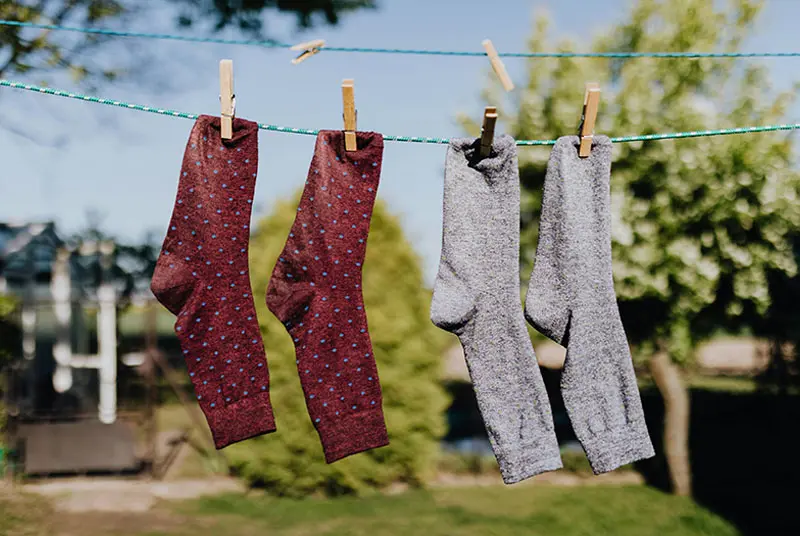
Polyester vs Cotton Socks: Which Material Suits Your Business?
When choosing customized socks for your brand, retail shop, or corporate gift business, the question always arises: Polyester vs. Cotton Socks, which side should you take? Your clients prioritize comfort, style, durability, and value for their buck. You need a material that conveys your brand quality, accommodates your budget, and engages your customers to make repeat purchases. To identify the right material, you need to compare both in a clear, practical, and business-oriented way. Polyester and Cotton Socks: Key Features for Bulk Buyers When ordering socks in bulk, your primary priorities are comfort, durability, and consistent quality. Polyester and cotton each possess unique features, but your final clientele will determine which material better suits your needs. Understanding this is one of the most important tips for choosing a custom socks bulk supplier. So, it all depends on athletes, children, employees, safety workers, fashion customers, or corporate clients. Now, let’s discuss what each material offers. Meaning and Advantages of Polyester Socks Socks made with polyester have performance and quality ratings. Being smooth and synthetic, engineered polyester socks offer performance and quality ratings. Reasons why bulk buyers opt for polyester socks: They have outstanding wear and abrasion resistance. They resist fading from repeated washing. They dry quickly and hold minimal moisture. They are ideal for custom prints, stitching, and brand logos. They offer excellent shape retention. Polyester socks are ideal for businesses that provide sports uniforms, retail collections with patterned prints, and promotional giveaway socks. They help in achieving a neat, professional look. Meaning and Advantages of Cotton Socks For softness and breathability, cotton socks are the preferred choice. Customers appreciate the gentle feel of cotton on the skin. Reasons why brands opt for cotton socks: They provide a high level of comfort. They help maintain a lower skin temperature and sweat. They are perfect for daily wear and sensitive skin. They are a more environmentally friendly option when compared to other synthetic fibers. Cotton provides a natural advantage for businesses offering premium socks, everyday comfortable pairs, baby socks, medical socks, or eco-centered products that prioritize comfort. Polyester Vs Cotton Socks: What’s the Difference? Although both options appear quite similar, they vary significantly when examined in terms of their internal characteristics. These distinctions can make all the difference when it comes to competing in the retail world. While comparing polyester and cotton helps clarify their differences, material selection in sock manufacturing is rarely limited to just two options. In real-world product development, brands often evaluate a wider range of fibers based on performance, cost, and target use. For a broader perspective on how different materials compare across various sock types and use cases, you can explore our guide on the best material for socks to better understand which option fits your product strategy. Material Composition While cotton socks are made from natural cotton fibers, socks made of polyester come from engineered synthetic fibers. Unlike cotton fibers, polyester resists moisture, holds color much longer, and provides shape retention. When it comes to natural softness, cotton wins, but for bright, high-definition custom prints, polyester is the better option. Comfort and Skin Sensitivity Cotton socks offer comfort for sensitive skin, which is why they are often recommended for children. Athletic socks are often made with polyester to provide extra comfort and stretch, as polyester is often blended with spandex. A business targeting daily wear customers may prefer cotton, while a sportswear brand will likely opt for polyester. Maintenance and Durability Cotton socks may shrink if washed in hot water. They face quickly and also stretch out. Polyester socks tend to keep their shape after multiple washes without their colors fading. They are also resistant to piling and tearing. For customers who appreciate socks that withstand extended use, polyester is the ideal choice, as it is more durable over time. Therefore, it’s ideal to wear it under work boots, running shoes, while training at the gym. This durability also makes it the go-to material for specialized gear like cycling socks, which must endure intense and repetitive motion. Price and Accessibility Since cotton is a natural crop, it is priced higher, while polyester is cheaper and more readily available for customized bulk orders. For events or promotions, 5,000 or 10,000 pairs in polyester are less costly. For brands selling premium lifestyle socks, the higher price for cotton is justified. For business owners, offering a variety of materials instead of just one can help meet diverse customer preferences and boost sales. Cotton Vs Polyester Socks: Comparison of Suitable Scenarios Scenario Best Choice Why Sports teams Polyester Quick-dry, stretch, and durability Corporate gifting Polyester Bright logos and long-lasting prints Retail fashion Both Cotton for comfort, polyester for design Medical or baby socks Cotton Skin-friendly, breathable Promotional bulk orders Polyester Lower cost, easy customization Future Trends in Polyester Vs Cotton Socks for Buyers Socks made from blended fabrics are now the industry standard. Expect more of the following: Cotton-polyester socks, which offer softness and strength. High-performance socks made of polyester that dry quickly, and control moisture and odor. Eco-friendly polyester made from recycled plastic bottles Eco-conscious consumers will appreciate socks made of organic cotton. The bottom line? The question is not about which option is better: polyester or cotton socks. Instead, it is about using the appropriate material for the purpose. Why Sockcn Is the Top Choice for Custom Sock Manufacturing When it comes to professional personalization, seamless quality, and direct-from-the-factory rates, Sockcn simplifies it all for you. You receive: Choices between premium cotton and lasting polyester Personalized designs, embroidered, jacquard-woven, and packaged according to your specifications Quick turnarounds with low MOQ Amazing machines that create long-lasting, high-definition designs Protect your profit margins with bulk pricing. Sockcn produces socks for thousands of enterprises, supplying e-commerce brands, corporate events, outfitting sports teams, and wholesale retail. Quality depends not only on the materials, but also on the manufacturers. Steps to Custom Bulk Polyester and Cotton Socks You design while the specialists complete the technical