
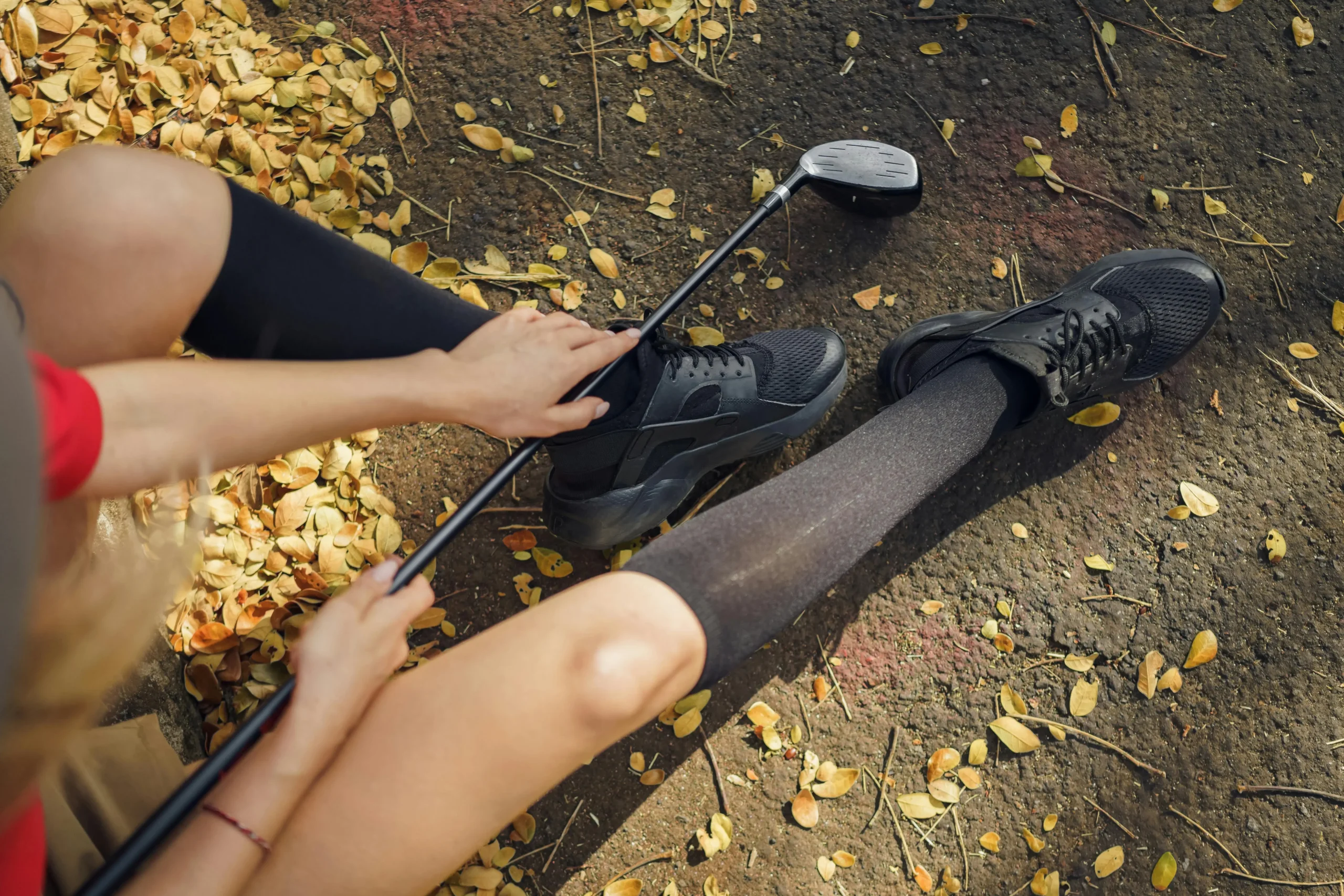
Compression socks for standing all day should match pressure level, calf fit, fabric recovery, and shift conditions. A good work sock should feel firm at the ankle, stay smooth through the calf, and support lower-leg comfort without painful pressure. For workwear buyers, comfort is only one part of the order. The bigger question is whether the sock keeps the same compression after sampling, bulk production, washing, and daily wear. Are Compression Socks Good for Standing All Day at Work? Compression socks may help standing workers manage tired legs, ankle swelling, and lower-leg fluid buildup. Medical compression works by applying pressure to the lower legs, which can support blood flow and reduce pooling in the feet, ankles, and calves. A loose sock loses support. An overly tight sock can leave marks, create discomfort, and make workers stop wearing it before the shift ends. Leg swelling from long standing Standing for hours can increase ankle and calf swelling when fluid collects in the lower legs. This problem often appears near the end of a shift, especially in healthcare, retail, warehouse, factory, and service jobs. Compression socks apply controlled pressure around the lower leg, which may help reduce fluid buildup when workers keep moving during the day. Graduated compression and blood flow support Graduated compression socks are tightest at the ankle and gradually reduce pressure up the leg. This pressure pattern fits standing work because fluid often collects around the foot, ankle, and lower calf. A proper gradient supports upward blood flow instead of squeezing the calf unevenly. Poorly graded pressure can make the sock feel tight without giving useful support. Situations where compression socks may not fit Compression socks are not right for every worker or every health condition. Workers with pain, numbness, tingling, wounds, skin irritation, or circulation concerns should ask a healthcare provider before regular use. Uniform programs should avoid one pressure level for every worker. A safer program needs clear size charts, multiple pressure options, calf circumference ranges, and basic use guidance. Workers with diabetes or circulation concerns may also need to compare diabetic socks vs compression socks before choosing a daily work sock. What Compression Level Is Best for Standing All Day? The best compression level for standing all day depends on shift length, swelling level, comfort tolerance, and medical guidance. Compression pressure is measured in mmHg, or millimeters of mercury. Compression level Best for Buyer note 8-15 mmHg Light support, first-time wearers, office staff, front-desk workers, and moderate standing Easier for large teams to accept, but may not support heavier swelling or long industrial shifts. 15-20 mmHg Common workday support for nurses, retail staff, service workers, and standing jobs Often the most practical range for uniform programs, but calf grading still affects comfort. 20-30 mmHg Firmer support for workers who need stronger pressure Requires better size control, clearer use instructions, and more conservative product claims. Pressure accuracy for bulk orders Pressure accuracy matters most when a sample moves into bulk production. One approved sample is not enough if the full order includes several sizes, colors, or logo designs. B2B buyers should check whether pressure testing covers each size, whether testing happens during sampling and bulk production, and whether the sock keeps its compression feel after washing. Sockcn has its own lab and supports free pressure-standard testing during sampling and bulk production. This helps buyers confirm whether compression socks match the required pressure range before shipment. How Should Compression Socks Fit for Standing Jobs? Compression socks for standing jobs should feel firm, smooth, and wearable through a full shift. The sock should not slide down, bunch behind the knee, dig into the calf, or leave painful cuff marks. Fit should be based on foot, ankle, and calf measurements. For team orders, calf grading matters more than shoe size alone. Snug but comfortable fit A work compression sock should feel snug without sharp pressure. The heel should sit in place, the ankle should feel supported, and the fabric should lie flat against the skin. If the sock twists, wrinkles, or bunches, pressure becomes uneven and may create discomfort during long standing shifts. Stay-up cuffs without painful pressure The cuff should hold the sock up without cutting into the calf. A weak cuff slides down during walking, while a harsh cuff leaves red marks and makes workers remove the sock early. A wider and softer stay-up band often works better than a narrow tight band, especially for workers with larger calves. Size grading for different calf widths Calf-width grading is essential for workplace compression socks because two workers may wear the same shoe size but need different calf widths. Bulk buyers should request size charts that include calf circumference. This detail helps reduce fit complaints, return risk, and discomfort across large teams. Knee-high and crew-length options Knee-high compression socks usually give better lower-leg coverage for standing jobs because they cover the ankle and calf area where swelling often appears. Crew-length compression socks may work for light support, warmer climates, or casual uniform programs. Knee-high socks are usually the stronger option when the buying goal is ankle and calf support. What Materials Work Best for Work Compression Socks? Work compression socks need yarns that hold pressure, manage sweat, and recover after washing. Material choice affects stretch recovery, skin feel, odor control, drying speed, and abrasion resistance. Most work compression socks use blended yarns. One fiber rarely gives enough compression stability, comfort, and durability at the same time. Nylon and spandex compression stability Nylon and spandex help compression socks keep stretch, pressure, and shape. Nylon adds strength and abrasion resistance, while spandex helps the sock recover after stretching over the foot and calf. Cotton blend softness for daily wear Cotton blends improve softness and skin comfort for daily work use. This material can feel more familiar for workers who dislike a slick synthetic feel. Cotton alone is not ideal for compression stability, so a stronger blend with nylon and spandex usually performs better for support, shape retention, and longer wear. Merino

What Color Socks to Wear With Brown Shoes?
Navy socks tend to be the safest, most versatile choice for brown shoes across most occasions. Charcoal and burgundy follow as strong runners-up. This guide breaks down every color by occasion, season, and outfit so you can build a sock rotation that pairs with every brown shoe you own. Match Your Socks to Your Pants Not Your Shoes Socks bridge pants and shoes, which means matching socks to trousers creates a clean vertical flow. Matching socks to shoes, by contrast, shortens the leg line and looks disconnected. Navy chinos with brown oxfords, for example, call for navy socks. This single rule solves most sock-color confusion before you even open your drawer. Pick the Best Sock Colors for Brown Shoes Navy, charcoal, burgundy, olive, and dark brown each cover a different slice of your wardrobe. Understanding why each shade works saves you from second-guessing every morning. Wear Navy for Almost Any Outfit Navy is one of the most versatile sock colors for brown shoes. Because navy is a neutral that contrasts brown without clashing, this shade works with light tan through dark chocolate leather. Navy also pairs with the most common trouser colors: gray, khaki, olive, and navy itself. Best for business casual, office wear, and smart casual dinners. A well-made navy dress sock in merino wool or combed cotton can hold its color and shape through extended wear, which makes it the anchor of any sock rotation. Wear Charcoal for Formal and Business Settings Charcoal gray pairs cleanly with dark brown shoes in boardrooms, interviews, and formal events. This sophisticated neutral grounds brown leather without competing with it. Best for business formal, job interviews, and evening events. Stick to mid-to-dark charcoal, since very light gray tends to look washed out next to medium or dark brown shoes. For brands building a formal sock line, charcoal is typically the second-highest volume color after navy. Try Burgundy to Add Depth Without Flash Because burgundy sits next to brown on the warm color wheel, the pairing feels intentional rather than loud. Best for date nights, creative offices, and weekend brunch. This shade pairs naturally with gray flannel trousers, dark denim, and olive chinos. Burgundy dress socks are a growing category for private-label sock brands that target the menswear market. Choose Olive or Forest Green for Earth-Tone Outfits Olive and forest green complement brown shoes because both belong to the earth-tone family. Their shared warm undertone creates a natural palette that reads as grounded and effortless. Best for casual Fridays, outdoor events, and fall and winter outfits. Pair with khaki, tan, olive, or cream trousers. Outdoor and hiking sock brands often lead with these greens because the shades resonate with the adventure market. Wear Dark Brown for a Monochromatic Look When sock shade closely matches shoe shade, the result is a continuous, leg-lengthening line from ankle to toe. A half-tone lighter or darker than the shoe reads as intentional, while an exact match can look like a uniform. This approach works well with gray or navy trousers, where you want the lower half to read as one clean block. Dark brown socks in a merino wool blend add warmth and a refined texture that cotton alone struggles to deliver. Skip These Sock Colors With Brown Shoes Five colors work reliably. A few others break the visual line or send the wrong signal, so knowing which to avoid is just as practical as knowing which to wear. Avoid White Socks With Brown Dress Shoes White athletic socks signal gym, not office. This shade clashes with the formality of brown leather and breaks the visual line from trouser to shoe. Exception: white crew socks with brown sneakers work in a streetwear or athleisure context. Avoid Black Socks With Brown Shoes Black and brown traditionally occupy different formality levels, so the pairing reads as accidental rather than styled. Exception: very dark charcoal works when the rest of the outfit is monochrome, since charcoal functions as "off-black" without the harsh contrast. Avoid Neon or Bright Socks in Formal Settings Bright colors pull focus downward and break the visual line from waist to floor. Save neon and fluorescent shades for casual, personality-driven outfits or athletic contexts where performance visibility actually matters. Adjust Sock Color by Season The right color in the wrong fabric still falls flat. Season shifts change both the shade you reach for and the fiber that keeps your feet comfortable. Wear Lighter Socks in Warm Weather Lighter neutrals like tan, light gray, and pale blue pair well with summer loafers and lighter brown shades. Lightweight cotton or bamboo socks breathe better in heat and wick moisture away from the skin, keeping feet dry during long summer days without adding bulk inside the shoe. Wear Deeper Socks in Cool Weather Shift to navy, charcoal, burgundy, and forest green during colder months. These richer tones complement darker brown boots and heavier fabrics like flannel and tweed. Cold weather socks made with merino wool regulate temperature and wick moisture, which prevents the clammy feeling that synthetic blends tend to trap against the skin. For sock brands, merino wool and alpaca blends command a premium price point in the fall and winter season. Pick Patterned Socks for Casual Outfits Solid colors handle most situations, but patterns add personality when the rest of the outfit stays simple. The key is matching pattern density to the outfit's complexity. Patterns work when they pull at least one color from the outfit: pants, shirt, or shoes. Safe patterns with brown shoes include navy argyle, brown and cream Fair Isle, burgundy polka dot, and olive stripes. The busier the outfit, the simpler the sock pattern should be. A solid charcoal suit pairs well with argyle, while a patterned blazer calls for solid socks. Jacquard-knit patterns hold up better than printed designs because the pattern is woven into the fabric rather than sitting on the surface. Use the Quick Reference Chart The principles and exceptions above cover the full picture. This table compresses everything into

What Are No Show Socks?
No show socks are low-cut socks engineered to stay invisible below the shoe line. These socks prevent the slipping, bunching, and odor problems that come with going sockless. These socks cover the heel, sole, and toes while leaving the top of the foot exposed. This cut sits below the rim of any low-cut shoe, so no fabric peeks out when standing, walking, or sitting. Unlike ankle socks, which still show a band of fabric above the shoe line, a properly designed no show sock disappears completely. Business professionals pair these socks with loafers for a clean, sockless look at the office. Athletes rely on them inside training shoes to absorb sweat and prevent blisters. Casual wearers choose them with canvas sneakers and slip-ons during warm months. The challenge is making a sock that stays invisible while also staying on the foot. How No Show Socks Work Staying in place depends on two construction elements. The heel cup wraps around the back of the foot to anchor the sock. The elastic banding across the midfoot prevents the sock from sliding forward during steps. Why No Show Socks Keep Slipping Slipping ranks as the most common complaint about no show socks. Silicone Grip Strips and Heel Tab Design Silicone grip strips run along the inside of the heel cup, creating friction between the sock and the shoe to hold the sock in place during movement. Cheap no show socks use a thin silicone line that peels away after a few washes. Quality no show socks use a thicker silicone coating that withstands hundreds of wash cycles without breaking down. A Y-shaped heel panel follows the natural curve of the heel bone, giving the grip strip a better surface to hold. A flat heel panel gaps away from the bone, loosening the grip regardless of how much silicone is applied. Knit Structure and Elastic Banding Ribbed knitting creates elasticity that lets the sock conform to foot shape and spring back after each step. Plain knit socks lack this recovery, so they stretch out permanently after a few wears. Elastic banding across the arch and midfoot locks the sock to the foot. This banding prevents forward sliding, which is the motion that causes bunching under the toes. The best no show socks use a medium-weight knit that holds its shape without adding bulk or creating pressure points. Choosing the Right Material for No Show Socks Material choice shapes how the sock feels, how long it lasts, and when to wear it. Cotton and Combed Cotton Blends Cotton is the most common material for no show socks. This fiber breathes well and feels soft against the skin, which makes it comfortable for everyday wear in moderate climates. Pure cotton absorbs moisture but does not release it quickly, so feet that sweat will feel damp after a few hours. Combed cotton removes short fibers from the yarn during processing, producing a softer hand feel and increased durability. A typical combed cotton no show sock blend is 80% combed cotton, 15% nylon, and 5% spandex. Merino Wool and Performance Fibers Merino wool no show socks handle temperature and moisture better than cotton. Sockcn sources this fiber directly from Australia and New Zealand. Merino wool regulates body heat in both warm and cold conditions and absorbs up to 30% of its weight in moisture without feeling wet, which makes this material a strong choice for people who deal with sweaty feet. The fiber structure also inhibits bacterial growth, so merino no show socks stay fresh longer between washes. Standard merino no show socks use a 70% merino wool and 30% nylon blend. Performance versions may incorporate polyester or CoolMax fibers to accelerate moisture wicking during athletic activities. Synthetic and Blended Fabrics Polyester wicks moisture away from the skin and dries faster than cotton or wool. Nylon resists abrasion and holds its shape through repeated stretching. These two fibers often appear together in no show socks designed for athletic use and high-volume retail. CoolMax and similar technical fabrics use a four-channel fiber cross-section that pulls moisture away from the skin surface for faster evaporation. Blended fabrics combine the strengths of multiple fibers. Combed cotton with nylon and spandex balances comfort and durability. Polyester with cotton improves hand feel while keeping the moisture-wicking benefits. Each blend targets a specific use case, so the best choice depends on the end wearer's needs. Matching No Show Socks to the Right Footwear No show socks are not a universal fit across shoe types. The sock profile must match the shoe cut to stay hidden and anchored. Loafers and Dress Shoes Loafers and dress shoes have low-cut openings that expose the top of the foot. This design requires the lowest possible sock profile. The sock edge needs a clean, flat finish because a rolled edge creates a visible ridge. Laser-cut or bonded edges sit flush against the skin and disappear under the shoe line. Grip quality matters more with loafers because smooth leather insoles offer less friction than canvas or mesh. Boat Shoes and Moccasins Boat shoes have leather insoles that get slick with sweat during summer wear. No show socks for boat shoes need strong silicone grip and moisture-wicking material. Cotton or cotton-blend no show socks work well here because the breathability matches the shoe's warm-weather purpose. Moccasins have soft suede interiors that create different friction levels than smooth leather. A thin-profile no show sock with elastic arch banding prevents the sock from sliding forward inside the looser moccasin structure. Athletic Sneakers Athletic sneakers have higher openings that give the sock more room to extend up the midfoot. This extra coverage improves grip during physical activity. Targeted cushioning at the heel and forefoot absorbs shock from repetitive foot strikes. No show socks for these shoes should use moisture-wicking fibers like polyester, CoolMax, or merino wool blends to match the shoe's airflow. Canvas Shoes Canvas shoes like low-top Converse and Vans have flat insoles with minimal arch support. The smooth cotton interior lets

Best Moisture-Wicking Socks for Hiking and Long Trails
Moisture-wicking socks help reduce blister risk by moving sweat away from the skin before moisture builds up inside the shoe. Wet skin softens faster. Once the foot stays damp, every step creates more friction between the skin, sock, and shoe lining. On long hikes, friction often starts as a hotspot, especially when the sock shifts, folds, or traps sweat under pressure. The fiber should move moisture, the fit should stay close, and the cushioning should protect pressure zones without trapping too much heat. How Do Moisture-Wicking Socks Reduce Blister Risk? Moisture-wicking socks pull sweat away from the skin and move moisture toward the outer side of the fabric, where moisture can spread and dry faster. After several miles, a drier foot surface helps reduce rubbing inside the shoe. Feet swell, shoes press harder on descents, and damp fabric starts rubbing against softened skin. Moisture-wicking hiking socks reduce one major blister trigger, but sock performance still depends on shoe fit, sock size, trail distance, and foot shape. What Materials Make the Best Moisture-Wicking Socks for Hiking? Material choice shapes how a hiking sock manages sweat, warmth, structure, and durability. Cotton-heavy socks are usually a poor choice for long hikes because cotton keeps moisture close to the skin. Merino wool, technical polyester, COOLMAX, nylon, and merino synthetic blends often perform better for outdoor use. When brands compare moisture-wicking fabric options, drying speed, odor control, warmth, and shape retention usually matter more than fiber name alone. A cold-weather hiking sock needs warmth without leaving the foot damp. Merino Wool Hiking Socks for Cool Weather and Multi-Day Hikes : Material Type Best For Main Strength Main Limit Merino wool Cool weather, multi-day hikes, backpacking Moisture control, warmth, odor resistance Dries slower than many synthetics Polyester or COOLMAX Hot trails, summer hiking, high-sweat use Fast drying and strong moisture movement Less warmth in cold or wet conditions Merino synthetic blend All-day hiking, mixed weather, long trails Balanced softness, drying speed, durability, and shape retention Blend ratio needs to match season and shoe type Nylon reinforcement Heel, toe, and high-wear zones Improves strength and stretch recovery Usually works best as part of a blend Cotton-heavy blend Casual wear or light use Soft dry hand feel Holds moisture and is usually a poor choice for long hikes Merino Wool Hiking Socks for Cool Weather and Multi-Day Hikes Merino wool hiking socks work well when the trail starts cold, warms up later, or stretches across several days. Merino manages moisture while helping the foot stay warm when the sock becomes slightly damp. Fine merino also feels softer against the skin than coarse wool, which helps reduce irritation during repeated steps. For backpacking socks, odor control matters because daily washing is not always realistic. Synthetic Fibers for Hot and High-Sweat Trails On hot trails, synthetic moisture-wicking hiking socks often make more sense than heavy wool socks. Polyester and COOLMAX blends dry faster than cotton, making them practical for summer hiking, fast walking, and high-sweat outdoor use. Thin synthetic socks may dry quickly, but merino wool usually feels warmer when the pace slows or the weather turns cold. Merino and Synthetic Blends for All-Day Hiking Many hiking socks work best as blends because trail conditions rarely stay consistent. Merino brings softness, warmth, and odor control, while nylon or polyester improves strength, drying speed, and stretch recovery. For custom hiking socks, the final blend should match the season, boot type, price range, and target user. Sockcn can adjust yarn options such as merino, COOLMAX, nylon, polyester, and other functional fibers based on the sock’s intended use. What Design Features Matter Most in Hiking Socks? A hiking sock can use the right yarn and still fail if the structure moves badly inside the shoe. Cushioned Hiking Socks Should Protect Pressure Zones The heel and forefoot take the most impact on rocky trails and long descents, so cushioned hiking socks need better protection in these zones. Full-sole cushioning can feel comfortable at first. After a few miles, extra padding can trap heat and raise sweat levels, especially in warm weather. Targeted cushioning is usually more practical because targeted padding protects pressure zones without making the whole sock feel heavy. A lightweight trail runner does not need the same padding as a stiff hiking boot. Cushioning weight should match the footwear, trail type, and season. Seamless Toe Hiking Socks Reduce Front-Foot Rubbing Downhill walking pushes the foot forward. When the foot slides forward, the toes press into the front of the shoe, and any raised seam becomes easier to feel. Seamless toe hiking socks help reduce that rubbing point, especially on long descents and multi-hour walks. A smooth toe finish also benefits running socks, travel socks, and other long-wear styles. Arch Support Keeps Fabric From Bunching On uneven trails, the foot rarely moves in one clean direction. The foot slides forward on descents, rolls slightly on side slopes, and presses harder through the arch during climbs. An arch support band helps keep the sock from drifting into the forefoot. Without enough hold, extra fabric can bunch under the ball of the foot and create friction folds. The band should hold the sock in place without cutting into the foot. Breathable Hiking Socks Need Smart Mesh Placement Breathable hiking socks rely on mesh placement before the fabric becomes fully damp. During warm climbs, heat builds across the top of the foot, and mesh panels help release heat earlier. Mesh placement should match the season and shoe type. A summer hiking sock may need more ventilation across the instep. A colder hiking sock may need less mesh and more insulation. Compression Hiking Socks Need Real Pressure Testing Light compression hiking socks can feel more stable during long climbs. For buyers comparing compression socks for hiking, the key is controlled support around the ankle and lower calf without excessive pressure. Compression has to be controlled. Loose compression reduces support. Excessive compression can reduce comfort quickly. Pressure testing matters for socks with compression zones because support should
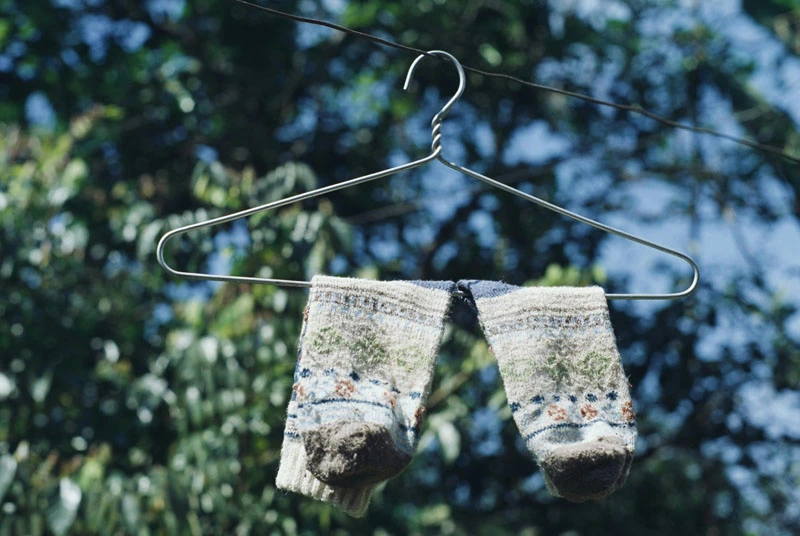
How Advanced Manufacturing Shapes the Perfect Merino Wool Socks
Advanced manufacturing helps reduce inconsistent sizing and premature wear in merino wool socks. According to the 2026 Merino Wool Socks Market Analysis report, the sector projects a 5.7% CAGR through 2033 as buyers prioritize technical reliability. Precision machinery limits the production errors that damage brand reputation. Combining premium yarn with automated needle controls builds durable footwear. This hardware integration locks in targeted cushioning and thermal regulation. Direct material sourcing and rigorous stress testing prevent customer complaints regarding fabric holes and shrinking. Premium Merino Wool Yarn Sourcing Securing higher-grade raw materials helps merino wool socks resist structural failure and fabric pilling. Because weak yarn degrades quickly under constant friction, this material choice affects whether the socks hold up during heavy use or lose shape after washing. Sourcing Merino Wool from Australia and New Zealand The argyle pattern originated in the Scottish Highlands during the 17th century. Modern apparel brands use this historical pedigree to construct authentic marketing narratives and justify premium retail pricing for custom knitwear. Securing RWS and OEKO TEX Certified Yarn Certified yarns verify ethical production standards and chemical safety for the end user. Responsible Wool Standard tracking validates animal welfare, as OEKO TEX testing confirms the material contains no harmful substances. Missing certification documents can create compliance risk for retailers, distributors, and import reviews. Blending Merino Wool with Nylon and Spandex Mixing merino wool with synthetic fibers can improve durability and shape retention. A well-planned merino wool sock blend helps balance softness, friction resistance, and fit stability. Adding 20 to 50 percent nylon strengthens the base structure against friction, while spandex provides the stretch required for a secure fit. Seamless Merino Sock Knitting Technology Computerized needle control determines the density and breathability of the fabric. Because automated calibration limits structural irregularities, this mechanical precision aligns bulk orders with strict technical specifications. Failing to monitor these machines leads to inconsistent sizing and rejected shipments. Choosing 96N to 200N Needle Counts Selecting the correct needle count dictates the final thickness and intended application of the footwear. While 96N machines create heavy terry loops for industrial warmth, 200N cylinders produce the fine gauge required for professional dress attire. Ignoring specific needle density results in poor moisture management and unstable fits. Matching Needle Counts to Footwear Applications: Pairing needle density to end-use activities prevents structural failures. Cylinder gauges dictate yarn thickness and cushioning limits, directly controlling final product quality. Selecting the wrong configuration accelerates uncomfortable fits and rapid material wear. Needle Count Best Application Fabric Thickness Risk of Wrong Choice 96N Industrial work footwear Heavy terry loop Poor moisture management 144N Athletic performance wear Medium padding Inconsistent arch support 200N Professional dress attire Fine flat gauge Rapid fabric thinning Knitting Seamless Toes for Blister Free Socks Removing the internal toe ridge prevents skin abrasion and localized pressure during movement. Because automated linking creates a flat surface, the material remains smooth against the skin inside tight footwear. Traditional seaming methods often cause painful blisters and unnecessary friction. Adding Targeted Cushioning for Foot Support Placing extra padding in heavy impact areas absorbs shock while maintaining overall breathability. This localized reinforcement protects the heel and ball of the foot without adding bulk to the upper garment. Lacking specific support zones accelerates foot fatigue and rapid fabric thinning. Merino Wool Sock Finishing and Durability Testing Finishing checks and internal stress testing help reduce fabric wear, shrinkage, and size changes after washing. Because these checks simulate repeated use, bulk production stays closer to the approved sample. Batch checks can also cover size consistency, color accuracy, and structural integrity, giving buyers clearer proof before packing and shipment. Pressure testing gives compression and performance sock buyers a measurable QC point. For compression and performance programs, Sockcn can measure sock pressure in its own lab at no extra cost during sampling and bulk production, helping the final order stay closer to the approved sample in fit and support. Preventing Merino Wool Shrinkage Implementing strict temperature controls during the final wash prevents severe garment shrinkage. When technicians apply standardized washing techniques, natural wool fibers relax and reach stable physical dimensions before packaging. Ignoring this material stabilization step creates distorted footwear after initial consumer laundry cycles. Locking in Sock Shape with Heat Setting Applying controlled steam and pressure prevents fabric warping and structural loss. Because the heat setting process conditions synthetic fibers to retain the metal board contour, the footwear maintains its engineered fit. Bypassing this thermal shaping produces baggy garments that bunch uncomfortably inside the shoe. Testing Abrasion Resistance for High Wear Areas Sockcn sends selected sock samples to third-party labs for abrasion resistance testing. In one lab test, the tested samples passed Resistance Over 100,000 Rubs. This result shows how durable socks reach 100K+ abrasion cycles in high wear areas such as the heel and toe, helping buyers check whether the yarn blend can handle repeated friction before bulk shipment. Custom Merino Wool Sock OEM Solutions Working directly with the factory gives brands more control over yarn selection, sample approval, packaging, and delivery planning. This OEM sock manufacturing setup keeps material blends, construction details, and packaging requirements easier to verify without middleman interference. Customization can cover yarn blends, terry cushioning, zoned padding, compression support, jacquard branding, breathable mesh zones, and private label packaging. Indirect sourcing can make sampling, quality checks, and delivery costs harder to verify. Matching Advance Samples to Bulk Orders Physical samples help catch sizing, color, logo, and construction issues before bulk production starts. Existing quality samples in stock can ship the same day and reach buyers by express in about three days. For custom designs using stocked materials, sample knitting can take about three days, with delivery often within about one week. Pre-production samples can use the same yarns, machines, and production standards as bulk orders, helping buyers compare the approved sample with the final shipment more accurately. Testing a Merino Wool Sock Line? Start at 100 Pairs. Sockcn's pre-production samples run on the same yarns, machines, and settings as bulk orders, giving buyers a reliable

How to Choose the Best Merino Wool Socks
According to textile research, Merino wool absorbs up to 30% of its weight in water before feeling wet to the touch. This absorption actively pulls sweat away from the skin during physical activity. The fiber helps reduce the cold, damp feeling that builds when sweat stays against the skin. Selecting the right pair requires matching fabric weight, cushioning density, and footwear use to your environment. Checking the synthetic blending ratio helps you avoid rapid material breakdown. Proper sizing and targeted construction prevent friction blisters while maintaining body heat outdoors. Matching Merino Wool Weight to Weather Conditions Fabric density directly influences thermal regulation. Some sock manufacturers measure this material weight in GSM, while retail pages use ultralight to heavyweight labels. Cross-referencing these specs with a complete Merino wool socks guide matches exact fabric density to your target climate, preventing overheating and cold exposure. Merino Wool GSM Specification Chart: Reviewing standard factory metrics aligns material thickness directly with your environmental temperature. Weight Category GSM Range Target Climate Core Physical Function Ultralight Under 150 GSM Summer heat Maximizes airflow and accelerates sweat evaporation Midweight 150 to 250 GSM Autumn or spring Balances warmth and vents excess heat Heavyweight Over 250 GSM Freezing environments Traps body heat and creates air pocket insulation Wearing Ultralight Under 150 GSM for Summer Heat Ultralight socks maximize airflow to keep feet dry in high temperatures. Factories knit these garments with minimal yarn density to accelerate sweat evaporation. If you select thicker materials during summer, the fabric traps body heat and accelerates friction blisters. Choosing Midweight 150 to 250 GSM for Shoulder Seasons Midweight options balance warmth and breathability for autumn or spring weather. This intermediate GSM provides insulation for cold mornings while venting excess heat during physical movement. Selecting this versatile weight protects your feet when temperatures drop suddenly. Picking Heavyweight Over 250 GSM for Freezing Environments Heavyweight construction traps body heat to withstand freezing conditions. Dense terry loop knitting creates thick air pockets inside the sock. This physical barrier defends your skin against cold air. If you rely on lighter weights in snow, the lack of insulation can lead to faster heat loss, numb toes, and a colder ride or hike. Selecting Cushioning Levels for Impact Protection Cushioning volume directly influences shock absorption, boot fit, and how much room your toes have. Sock manufacturers adjust internal yarn loops to create required padding thicknesses. Matching this padding density to your activity prevents early foot fatigue. Footwear Compatibility and Cushioning Chart: Adjusting internal loop density protects your joints while ensuring the fabric fits within the internal volume of your footwear. Cushioning Level Best Footwear Match Manufacturing Construction Prevented Risk Zero Cushioning Tight sneakers, cycling shoes Flat fabric surface (no internal loops) Restricted blood circulation, toe numbness Targeted Zones Trail running shoes Loops under heel/forefoot, thin instep Lace pressure, joint impact Maximum Density Stiff mountaineering boots Full bed terry loops Heel blisters, arch pain Wearing Zero Cushioning Designs for Tight Athletic Shoes Zero padding designs fit easily inside rigid cycling shoes or tight sneakers. Factories skip the internal looping process to maintain a flat fabric surface. If you stuff thick material into compact footwear, the extra bulk restricts blood circulation and accelerates toe numbness. Selecting Targeted Cushioning Zones for Trail Running Zoned padding absorbs repetitive impact on uneven terrain. Knitting machines place concentrated yarn loops directly under the heel and forefoot while leaving the instep thin for heat dissipation. This selective construction softens repeated foot strike and helps reduce lace pressure across the top of your foot. Choosing Maximum Cushioning Density for Heavy Load Hiking Full density padding cushions your foot against stiff mountaineering boots. Heavy loops wrap around the entire footbed and lower leg to distribute backpack weight across your stride. If you wear thin socks while carrying heavy loads, the sustained friction accelerates heel blisters and arch pain. Verifying Synthetic Blends in Merino Wool Socks Blending synthetic yarns with pure Merino fibers prevents rapid fabric deterioration. Learning how to decode the blend protects high-friction zones against early material failure. Sock factories execute this reinforcement by wrapping nylon threads directly around natural wool strands, securing the heel, toe, and arch. Nylon Reinforcement: Manufacturing lines weave high tensile nylon into friction zones like the heel and toe. Knitting this synthetic fiber alongside the wool reinforces the material to prevent premature holes during outdoor movement. Spandex Elasticity: Elastane threads provide memory stretch across the arch and ankle. If a factory skips this elastic component, the wet fabric loses tension rapidly and generates sock sagging inside your footwear. Ensuring Proper Fit to Prevent Blisters Sock fit directly influences friction levels against your skin. Manufacturers program 3D knitting machines to match human foot anatomy. Securing this contour prevents the fabric from bunching and generating friction blisters. Checking for Arch Support and Snug Compression Arch compression secures the material against your foot. Production lines knit spandex rings into the midfoot to anchor the fabric. If you wear socks lacking this tension, the material slips inside your shoe and accelerates arch fatigue. Finding Seamless Toes to Prevent Rubbing Seamless toe closures flatten the fabric ridge above your toes. Factories operate linking machines to stitch the toe box flat. When you wear traditional seams, the raised thread rubs against the shoe interior and accelerates toe blisters. Deciding Whether to Size Up or Down Sizing down can reduce excess material if you are between sizes, but the brand size chart should still lead the decision. Merino wool naturally stretches to match your foot profile. This elasticity allows the smaller size to maintain required compression. If you buy oversized socks, the extra fabric folds over and generates friction points. FAQ Q1. Do Merino Wool Socks Cause Skin Itching? Fine merino wool socks prevent standard skin itching. When these ultrafine fibers touch human skin, they bend easily instead of creating physical abrasion. This structural flexibility defends your feet against surface irritation. Q2. How Often Should You Wash Merino Wool Socks? Wash Merino wool socks when they carry visible
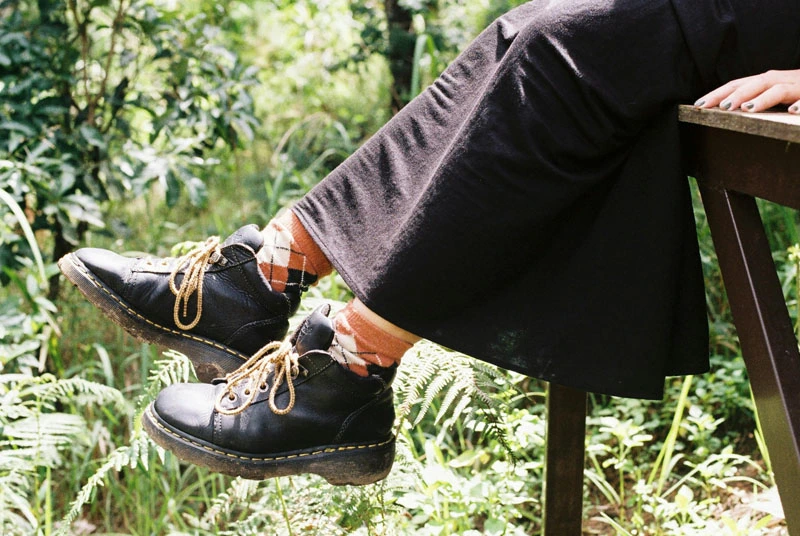
Argyle Pattern: What It Is and Why We Still Love It
According to The Zoe Report, consumer interest in the argyle pattern surged throughout 2024. Who What Wear confirms Miu Miu, Prada, and Burberry integrated argyle apparel directly into their autumn 2025 collections. Converting this market momentum requires exact jacquard knitting specifications to minimize pattern distortion. Securing reliable OEM sock manufacturing provides the material selection protocols and technical parameters necessary to execute profitable bulk orders. What is the Argyle Pattern The argyle pattern is a geometric textile design built on a diagonal axis. Its visual structure consists of two distinct elements: Interlocking Diamond Blocks: The primary solid geometric shapes. Intersecting Rakers: A secondary set of contrasting crisscross lines running through the diamonds. Producing this specific geometry requires intarsia or advanced jacquard knitting programming. Maintaining diagonal symmetry forces manufacturers to control yarn tension continuously. Poor tension management distorts the raker lines, which downgrades the final knitwear to defective inventory. Argyle Pattern History and Origins The argyle pattern originated in the Scottish Highlands during the 17th century. Modern apparel brands use this historical pedigree to construct authentic marketing narratives and justify premium retail pricing for custom knitwear. Clan Campbell of Argyll Textile historians trace the exact geometric layout to the Clan Campbell, located in the Argyll region of western Scotland. Early Highland weavers created the Campbell tartan using a distinctive green and blue asymmetric grid. Modifying this traditional square grid into a diagonal orientation produced the first recognizable argyle design. This design adaptation required manual hand-knitting techniques to manage production volume. From Tartan to Anti-Tartan Traditional tartans rely on vertical and horizontal intersecting lines woven on a standard loom. Rotating these woven lines 45 degrees creates the diagonal argyle pattern, which textile experts classify as an anti-tartan. This structural shift forced a manufacturing transition from flat loom weaving to complex circular knitting. Pringle of Scotland commercialized this specific knitted design into golf hosiery during the 1920s. The Duke of Windsor popularized these garments on the golf course, generating immediate international consumer demand. Translating this historical anti-tartan into modern bulk production requires the precise jacquard machinery used in advanced OEM facilities today. Why the Argyle Pattern Remains a Timeless Fashion Staple Consistent inventory turnover forces retail buyers to classify the argyle pattern as a timeless staple, anchoring profitable OEM supply chains. The Perfect Balance of Classic and Quirky The fundamental geometric grid provides a conservative foundation. Injecting high-contrast color palettes into the intersecting rakers transforms this base into a bold statement piece. Merchandisers use this visual duality to capture both traditional shoppers and trend-driven demographics within a single product line, maximizing shelf space efficiency. Versatility Across Seasons and Genders The argyle design adapts easily to diverse material blends, which minimizes seasonal SKU risks for B2B buyers. Sourcing lightweight combed cotton produces breathable summer hosiery. Choosing between OEKO-TEX certified merino wool vs alpaca dictates the final retail margin for winter knitwear. This universal grid structure broadens the target demographic, expanding the potential retail yield for wholesale orders. Pop Culture and Nostalgia Viral consumer trends, specifically the "Old Money" aesthetic and Y2K fashion revivals, heavily feature argyle apparel. Consumers specifically associate the vintage argyle sweater with elite academic uniforms. Retailers capitalize on this nostalgia by integrating the classic argyle print into modern seasonal catalogs, which secures sustained bulk orders for advanced knitting facilities. Where is the Argyle Pattern Applied Today Scaling the argyle pattern demands exact OEM alignment. Classic Knitwear and Apparel Heavy winter apparel, specifically cardigans and sweater vests, relies on the argyle design to command premium retail positioning. Producing a heavyweight argyle sweater requires advanced flat-bed knitting machinery to manage complex intarsia color blocks without distortion. Sourcing heavyweight yarns dictates the final tactile quality, which directly determines the retail price point. Traditional Sportswear and Golf Attire Professional golf attire and traditional sportswear frequently integrate the argyle pattern to maintain classic country club aesthetics. Substituting traditional wool with moisture-wicking synthetic fibers creates functional athletic garments. This fiber substitution allows merchandisers to market classic geometric designs to performance-focused consumers. Everyday Hosiery and Socks Custom argyle socks represent a dominant high-volume retail application for this geometric pattern. Executing the complex intersecting raker lines requires precise circular knitting equipment, which maintains structural integrity across the heel and calf. What to Look for When Manufacturing Argyle Socks Preventing defective bulk inventory requires strict supply chain auditing. Verifying machinery capabilities, material certifications, and production flexibility secures profitable geometric knitwear. Comparing Knitting Techniques Preventing pattern distortion requires specific sock knitting machine needles. Rendering the intersecting diamond grid accurately demands exact 168-needle or 200-needle circular configurations. Sourcing facilities must operate advanced machinery to accurately render the intersecting diamond grid and crisscross raker lines. Managing internal yarn tension continuously prevents loose floating threads inside the garment. Integrating a hand-linked toe and a reinforced heel maintains structural integrity under severe physical stress. Selecting the Right Materials Securing long-term shape retention relies on blending combed cotton with specific ratios of nylon and spandex. Premium winter collections capture higher margins by substituting cotton with RWS-certified merino wool or alpaca fibers, which provide natural moisture control and hypoallergenic warmth. Mandating OEKO-TEX certified yarns protects brand equity by confirming the final hosiery remains free from harmful substances. Providing Customization Options Validating bold designs without excess inventory risk requires low 100-pair MOQs and accelerated 3-day sampling. Specialized OEM partners like Sockcn execute this end-to-end customization, embedding targeted cushioning, compression zones, and woven brand logos directly into the knitted grid. Executing 100,000-cycle abrasion testing on these pre-production samples prevents yarn breakage and secures long-term retail margins. FAQ Q1. What Is the Structural Difference Between Argyle and Plaid Plaid forms square grids through intersecting vertical and horizontal lines. The argyle pattern features interlocking diamond blocks arranged on a diagonal axis. Producing standard plaid allows for basic flat loom weaving, while the diagonal argyle geometry demands complex jacquard equipment to manage distinct color transitions. Q2. Can You Mix the Argyle Pattern with Other Prints in an Outfit A unified color palette allows stylists to mix the argyle pattern with subtle prints.
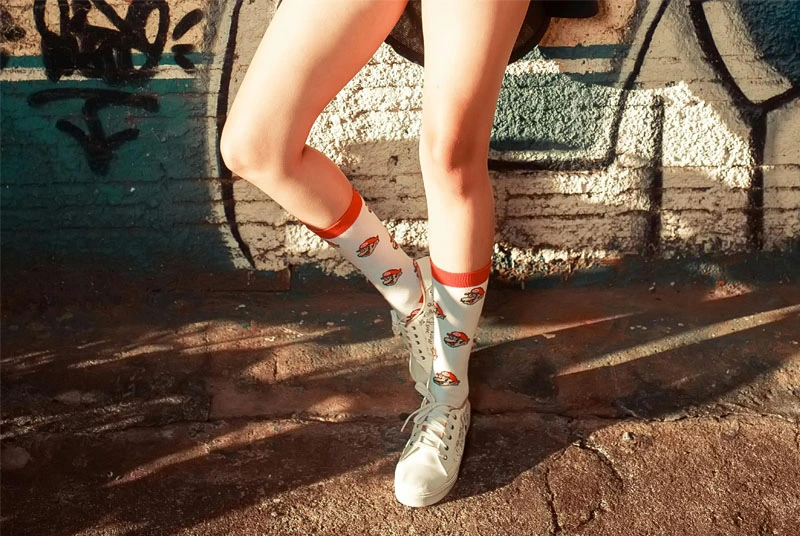
Sock Design: Top 10 Trendy Ideas for 2026
According to Grand View Research, the global sock market reached $49.48 billion in 2025, driven by consumer spending on bold visuals, sustainable materials, and functional tech. This guide covers the top 10 sock design trends for 2026, from Y2K metallics to Gorpcore utility. A final manufacturing section explains how to push these concepts into bulk production. How Will Sock Design Evolve in 2026? Sock design in 2026 fuses functional engineering with smart textiles. This shift directly stops physical problems like sweat buildup and arch fatigue. Manufacturers execute these performance upgrades through three exact shop floor changes: Material Science: Knitting machines replace virgin plastics with 80 to 100% recycled nylon and bamboo blends. This exact material swap clears strict global sustainability mandates. Ergonomic Engineering: Designers scrap flat tenson knits for 3D mapped compression zones. These engineered structures push 15 to 20 mmHg of targeted support directly into the plantar fascia. Small Batch Customization: Facilities now spin up automated full cylinder digital printers. Upgrading this hardware drops minimum order quantities from 1000 down to 50 pairs per run. Top 10 Innovative Sock Design Trends to Watch in 2026 Retail data and factory production schedules confirm these specific aesthetic and functional upgrades actively drive buyer purchases. Tip 1: Retro Futurism and Y2K Metallic Graphics Y2K metallic graphics drive retail sales by catching harsh lighting on physical store shelves. Because designers achieve this visual effect using metallic lurex threads blended with standard cotton bases, this specific yarn combination requires strict tension control to stop rigid fibers from snapping on the machines. Thread Mix: Spin 10 to 15 percent lurex alongside 85 percent combed cotton. Machine Setting: Slow knitting cylinders by 20 percent to prevent metallic yarn breakage. Tip 2: Smart Socks and Wearable Tech Integration Embedded conductive yarns monitor real time biometric data like foot temperature and strike pressure to prevent athletic injuries. Medical brands fuse microscopic sensors directly into the sole fabric, which send immediate alerts to smartphone apps when runners alter their gait. Factories seal these conductive pathways in waterproof polyurethane so buyers can wash them in standard machines. Tip 3: Asymmetrical and Mismatched Pairings Deliberately mismatched sock pairings increase customer basket sizes by offering multiple styling options per purchase. Because factories package left and right feet with inverted color palettes, this styling strategy skips complex manufacturing overhauls. Brands simply knit two distinct designs on standard 168 needle machines before pairing them during final packaging. Tip 4: Maximalist Geometric Color Blocking Heavy geometric color blocking creates aggressive visual contrast that effectively stops digital scrolling. Intarsia knitting machines build these sharp angles without leaving loose interior threads, which stops toenails from catching on stray yarn loops. Designers map neon greens against deep blacks on neon geometric crew socks using exact hex codes to guarantee visual pop across all screens. Tip 5: 3D Textures and Tactile Knits Raised 3D tactile knits actively absorb impact shocks and reduce skin friction during heavy movement. Because terry loop knitting techniques build physical cushioning directly into high strike zones like the heel, this added fabric volume prevents severe blisters. Heel Padding: Add 3 to 4 millimeters of terry loop density for impact absorption. Arch Zone: Switch to tight flat knits in the midfoot to drop excess bulk and release body heat. Tip 6: Sheer Fabrics and Transparent Elegance Transparent sheer panels cool feet during summer months while displaying detailed shoe interiors. As manufacturers drop heavy wools for ultra thin monofilament nylon yarns, working with this material requires highly polished machine needles. Even microscopic metal burrs easily shred delicate 20 to 30 denier threads upon contact. Tip 7: Hyper Personalization and Modular Designs Modular design elements like magnetic patches allow buyers to physically alter their footwear daily. Because shoppers snap custom velcro accessories onto a blank base sock, this modular approach solves dead inventory problems for retailers. Warehouses simply stock bulk quantities of solid base layers alongside highly profitable physical attachments. Tip 8: Nature Inspired Organic Linework Flowing organic linework captures the highly profitable outdoor market by directly mimicking natural terrain maps. Because digital design software translates topographic data into exact knitting patterns, factories execute these fluid designs using unbleached raw cotton and natural vegetable dyes. Stripping chemical bleach from the production line saves massive water volumes, which directly appeals to environmentally focused buyers. Tip 9: Typographic and Statement Lettering Bold typographic lettering transforms the bare ankle into a high visibility marketing asset for streetwear brands. Because knitting clear letters requires high density 200 needle machines, this mechanical upgrade stops text from stretching when worn. This crisp typography clearly signals premium manufacturing quality to buyers. Tip 10: Gorpcore and Extreme Outdoor Utility Heavy duty Gorpcore styling protects users against sharp trail debris and freezing temperatures during outdoor expeditions. As buyers wear technical gear in urban settings, manufacturers armor these garments using Kevlar toe boxes. Analyzing Merino wool vs. regular wool prevents rapid heat loss during freezing expeditions. Thermal Core: Weave 65 to 75 percent Merino wool for natural temperature regulation. Armor Plating: Inject 5 percent Kevlar yarn at extreme abrasion points to stop fabric blowouts. How to Manufacture Your Custom Sock Designs Step by Step Sockcn streamlines how to custom socks by transforming digital concepts into retail ready inventory through 20 years of direct factory expertise. This facility controls the entire production pipeline to support both small trial runs and high volume global orders. Step 1: Submitting Tech Packs and Material Sourcing Precise tech packs stop production errors by locking in exact Pantone shades and structural fiber blueprints before the machines start. To ensure specific performance metrics, Sockcn provides free design support to help buyers dial in the perfect yarn combinations. Merino Blends: Mix 40 to 70 percent Merino wool with nylon to hit temperature control targets. Alpaca Blends: Weave hollow alpaca fibers to capture extreme warmth without skin irritation. Step 2: Rapid Prototyping and Sample Approval Free physical prototyping prevents financial risk by allowing buyers to verify stretch, color, and fit before funding bulk production. Factory technicians
Are Merino Wool Socks the Right Choice for Your Feet?
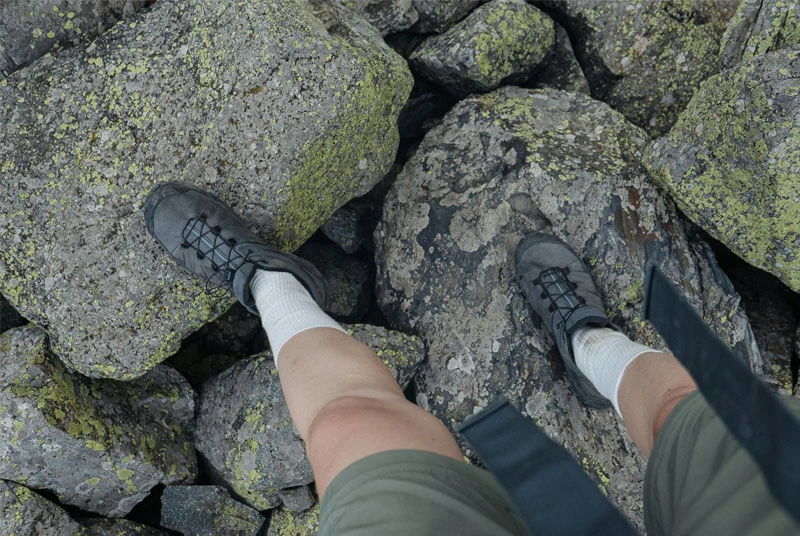
According to podiatrists at Gotham Foot Care, your feet contain 250,000 sweat glands and produce half a pint of moisture daily. This trapped sweat directly causes painful blisters and stubborn odors. Simply put, your choice of socks matters more than you think. Are merino wool socks the right fix? Yes. These fibers actively regulate temperature and quickly pull moisture away from your skin. They even stop odor bacteria before it starts. Let's look at the top benefits of merino wool socks, why they beat standard cotton, and how to find your perfect pair. The 5 Key Benefits of Merino Wool Socks Merino wool socks actively help solve daily foot problems. Here are five practical reasons to make the switch. Adapts to Summer and Winter Weather Merino wool acts as a personal thermostat for your feet. The fibers trap body heat in cold weather. They release excess warmth when temperatures rise. This natural climate control maintains comfort during summer hikes and snowy commutes. Keeps Your Feet Dry from Sweat Merino wool keeps your feet dry through natural moisture-wicking. The fabric pulls sweat directly off your skin. It then pushes this moisture to the outside layer for quick evaporation. This constant drying cycle leaves your feet feeling noticeably fresh. Fights Bad Odors Naturally Merino wool naturally starves odor-causing bacteria. By keeping your skin comfortably dry, these odor-resistant socks ensure bacteria struggle to multiply and create bad smells. Without trapped moisture, bacteria struggle to multiply and create bad smells. The fibers also naturally resist buildup. This natural resistance keeps your socks fresh even after multiple wears. Prevents Skin Rubbing and Blisters Merino wool drastically reduces the friction and moisture that cause blisters. The ultra-fine fibers are incredibly soft. They flex naturally with your foot movements instead of rubbing against your skin. This low-friction environment protects your feet from irritation. Prevents Fungal Growth Merino wool acts as a natural defense shield against foot fungi. The fabric continuously dries out the inside of your shoes. This rapid drying disrupts the damp environment fungi need to spread. Your skin simply stays healthier and more comfortable. Why Merino Wool Outperforms Cotton and Synthetic Fabrics Choosing the right sock fabric directly impacts your foot health. Merino wool offers specific technical advantages that standard materials lack. The Dangers of Cotton Socks Cotton fibers absorb and hold moisture against your skin. This trapped dampness often leads to cold feet and painful blisters. Cotton also tends to lose its shape when wet. This loss of shape creates clumps of fabric that rub against your heels and toes throughout the day. The Flaws of Synthetic Materials Synthetic materials often struggle with natural breathability. Fabrics like polyester trap heat and moisture inside your shoes. This environment creates an uncomfortable plastic-like feeling during long hours of wear. These fibers also tend to retain odors much longer than natural options. The Advantages of Merino Wool Merino wool directly addresses the exact problems created by standard fabrics. It moves moisture away from your skin instead of soaking it up like cotton. It allows excess heat to escape naturally instead of locking it in like synthetic polyester. This material gives you reliable comfort without the common drawbacks of traditional yarns. Merino Wool Vs Cotton vs Synthetic Fabrics Comparison Table A side-by-side comparison clearly highlights the performance gaps between these everyday materials. This quick comparison table summarizes their direct impact on your foot health. Feature Merino Wool Cotton Synthetic Fabrics Moisture Handling Moves sweat away Absorbs and holds dampness Traps moisture inside Breathability Allows heat to escape Poor when wet Struggles to breathe Shape Retention Maintains reliable fit Loses shape and clumps Creates plastic-like feel Odor Control Naturally stays fresh Moderate Retains odors heavily Blister Risk Low friction High friction Moderate friction Switching to merino wool directly improves your daily comfort. The fabric provides a much smarter balance of dry protection and lasting wear. Which Merino Wool Sock Styles Are Best for Different Activities Specific activities require distinct fabric weights and cushioning levels. Matching the right profile to your routine maximizes daily comfort. Here is a practical guide. Hiking and Outdoor Use Medium to heavy cushioning provides the essential support needed for a reliable pair of merino wool hiking socks. This extra padding absorbs heavy impact on uneven trails. The thicker yarn actively protects your skin from stiff outdoor boots. Crew-length options then prevent trail dirt from reaching your ankles. Running and the Gym Ultra-lightweight sock profiles work best for high-intensity workouts. Finding the best wool socks for running drastically enhances breathability during heavy sweating. Ankle or no-show cuts with reinforced heels fit perfectly into athletic shoes. This specific design reduces friction while keeping your feet comfortably cool. Everyday and Office Wear Lightweight and sleek sock designs are ideal for office environments. These thinner weaves fit easily into tight dress shoes or casual sneakers. Light cushioning provides adequate support for daily walking. The breathable profile prevents your feet from overheating in climate-controlled indoor spaces. Winter and Snow Sports Heavyweight and over-the-calf designs offer the necessary protection for snow sports. The extended length shields your lower legs from stiff ski boots. High wool density traps substantial body heat in freezing temperatures. This thick insulation maintains vital warmth while actively managing moisture. FAQ Q1. Will Merino Wool Make My Feet Itch? No, merino fibers are significantly thinner than traditional wool. This fine structure allows the yarn to flex easily against your skin without causing irritation. They remain smooth and comfortable even during long hours of wear. Q2. Should I Look for 100% Merino Wool Socks? No, durable blends provide better performance than pure wool. 100% merino fibers often lack the structural strength needed for daily footwear. Sockcn engineers technical blends by combining merino wool with nylon and elastane. This specific construction prevents premature holes while ensuring a consistent fit over time. Q3. Are They Worth the Higher Price Tag? Yes, superior durability makes these socks more cost-effective over time. One pair often outlasts multiple pairs of
Who Buys Merino Wool Socks? Retail Buyer Guide
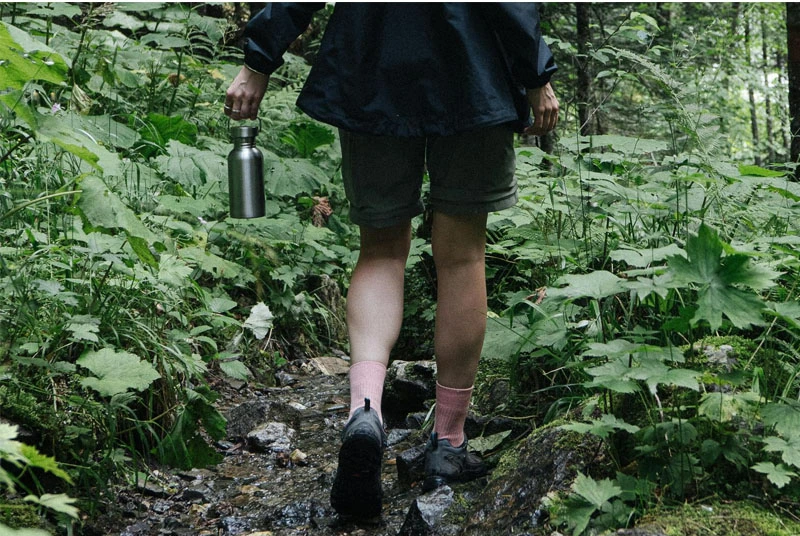
Merino wool socks sell best when brands match the product to clear customer needs. The strongest buyers are outdoor users, workwear customers, travelers, and comfort-focused shoppers who need moisture control, temperature balance, odor resistance, and a softer feel. For retailers, the value is not just the fiber. Merino wool supports a higher-position sock line when the blend, cushion, weight, and construction match the use case. This is why wholesale merino wool socks often work better as a targeted product category rather than a basic sock replacement. 4 Customer Groups That Buy Merino Wool Socks The strongest buyer groups usually share one thing: they need socks that solve a repeated comfort problem, not just a warmer material. Outdoor Athletes and Hiking Customers Hikers, trail runners, campers, and winter sports users often buy merino wool socks for moisture control and comfort during long movement. Cotton holds sweat against the skin, which can increase friction inside shoes or boots. Merino wool can absorb moisture and release it as vapor, helping feet feel drier during active use. This customer group usually looks for reinforced heels, cushioned soles, secure arch support, and breathable knit zones. For retailers, outdoor merino socks work best when the product page explains sock weight, cushion level, and season fit instead of only listing the fiber name. Workwear and Long-Shift Customers Nurses, warehouse workers, construction workers, and service staff often need socks that stay comfortable through long hours. Heavy footwear traps heat, while repeated standing creates pressure around the heel, toe, and arch. Merino wool blends can support temperature balance and odor control, which makes them practical for work socks, boot socks, and uniform programs. This buyer group usually values durability as much as softness, so nylon reinforcement and stable elastic zones matter during product development. Sensitive-Foot and Comfort-Focused Customers Some customers choose merino wool socks for softness rather than outdoor performance. Fine merino fibers can feel smoother against the skin than coarse wool, making them suitable for people who dislike rough sock textures. For this group, retailers should avoid vague claims such as “therapeutic” unless the product has the right support and documentation. Better product copy should mention fine yarn, smooth toe seams, gentle cuff options, and a secure fit that does not feel tight during daily wear. Travelers and Minimalist Shoppers Travelers often buy merino wool socks to pack fewer pairs and reduce odor buildup between washes. Lightweight merino blends are useful for business trips, hiking trips, and capsule wardrobes where one sock needs to work across several outfits. This customer group cares about versatility. Neutral colors, quick-drying blends, thinner knit structures, and easy-care instructions can make the product easier to buy. For retailers, travel-focused merino socks also work well in gift sets and multi-pair packs. Why Retailers Add Merino Wool Socks to Product Lines Retailers add merino wool socks when the material gives customers a clear reason to pay more than they would for basic cotton or synthetic socks. Merino wool can support premium pricing when the sock construction, blend, and use case justify the higher cost. The fiber is already associated with outdoor use, comfort, and all-season wear, but customers still need a clear reason to choose the product. The selling point should stay practical. Customers buy merino socks when the product solves a clear problem, such as sweaty feet, cold-weather discomfort, boot odor, packing limits, or rough sock texture. A product line built around these needs usually feels more credible than a general “premium wool sock” claim. What Makes Merino Wool Socks Sell The main selling points of merino wool come from how the fiber manages moisture, temperature, and odor during real wear. Moisture Management Merino wool can absorb moisture from the skin and release it into the air. This helps reduce the damp feeling that often causes friction during walking, hiking, or long work shifts. For customers choosing socks for sweaty feet, the blend still matters. A balanced merino blend with nylon or polyester can improve shape retention, drying speed, and abrasion resistance, helping the sock hold up better in daily wear. Temperature Balance Merino wool can help feet feel warmer in cold weather and more comfortable in mild or warm conditions. The fiber structure traps air for insulation, while moisture movement helps reduce clammy heat inside shoes. This feature makes merino useful beyond winter socks. Lightweight merino socks can work for spring, summer travel, indoor work, and daily wear when the knit is thin enough and the construction allows airflow. Odor Control Merino wool helps reduce odor buildup during repeated wear. This benefit matters most for travelers, hikers, workers, and customers who wear closed shoes for long hours. Retailers should avoid saying merino “destroys bacteria” or “eliminates odor.” A safer claim is that merino wool helps manage odor and keeps socks fresher between washes. How Brands Should Source Merino Wool Socks When brands source custom merino wool socks, the target customer should guide the structure, since hiking socks, work socks, travel socks, and comfort socks need different builds. Choose the Right Merino Blend A higher merino content can improve softness and comfort, but the sock still needs strength. Nylon, polyester, spandex, and other support fibers can help improve stretch, recovery, drying speed, and wear resistance. The best blend depends on the target buyer. Brands should compare merino wool blends by checking fiber percentage, reinforcement, stretch recovery, drying speed, and hand feel. Comfort socks need softness, smooth seams, and gentle cuffs. Match Sock Weight to the Use Case Heavy merino socks work better for boots, winter wear, and outdoor cold-weather use. Lightweight merino socks are better for travel, office wear, sneakers, and warmer seasons. Retailers should separate these styles clearly on the product page. Customers can choose faster when the page explains whether the sock is built for hiking, work boots, travel, daily wear, or sensitive comfort. Check Certifications and Testing Before placing a bulk order for merino wool socks, brands should confirm material details, test options, and certification support when available. RWS can