
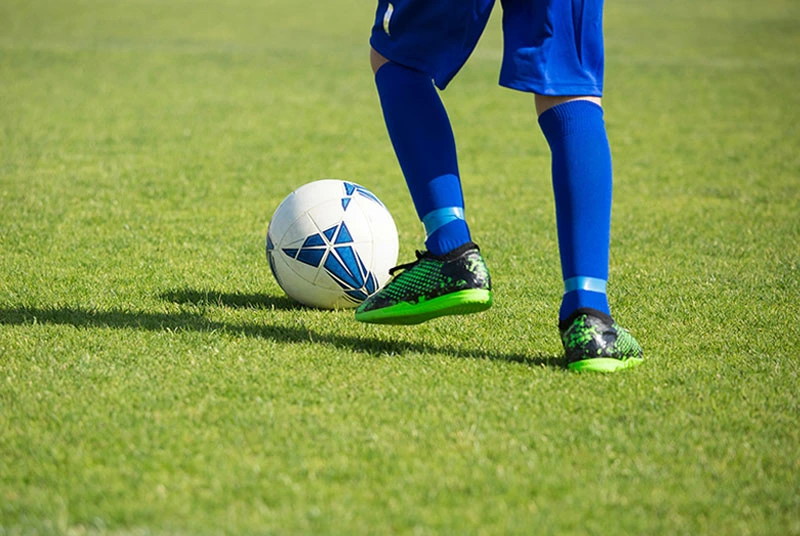
For team managers, coaches, and sports program directors, ordering custom football socks is not only about adding a logo. The right socks need to match team identity, player performance requirements, uniform systems, budget, and delivery schedules. Quick Overview When evaluating custom football socks, teams, clubs, and sports organizations usually focus on five key factors: Materials: Choose suitable yarn blends based on comfort, durability, moisture management, and playing requirements. Performance Features: Consider options such as grip technology, cushioning, compression fit, and ventilation based on training and match needs. Custom Design: Customize team colors, logos, player numbers, and patterns to create professional club custom football socks. Bulk Ordering: Confirm MOQ, sample approval, production timeline, and shipping schedules before placing bulk orders. Manufacturer Experience: Work with experienced custom football socks manufacturersthat understand team projects, customization requirements, and production processes. What Are Custom Football Socks? Custom football socks are personalized athletic socks designed for football teams, clubs, schools, and sports organizations. They feature customized elements such as team colors, logos, patterns, and player numbers while providing the comfort and performance support required for training and matches. Unlike standard football socks, football socks custom solutions are developed according to each team's specific requirements, allowing organizations to create custom football socks with logo that match their uniforms, brand identity, and overall team appearance. For clubs and sports programs looking for a unique team identity, personalized football socks can include custom knitted patterns, club logos, player numbers, and other design elements that represent a team, academy, league, or sports organization. Before Ordering Custom Football Socks, Teams Usually Ask Q: Will the socks match our existing uniforms? A: Professional custom sock manufacturers can match team colors through Pantone/PMS color matching and provide design approval before production. Q: Can players actually perform better? A: Performance features such as grip technology, cushioning, compression, and moisture management help improve comfort and stability during games. Q: How many pairs should a team order? A: Teams usually calculate based on roster size, coaching staff needs, replacement pairs, and tournament schedules. 100 pairs per design for small team orders or testing 300–500 pairs for regular club orders 1,000+ pairs for larger programs or organizations Q: How early should teams place an order? A: The timeline should include design confirmation, sampling, production, and shipping time. Why Custom Football Socks Matter for Teams For teams, football socks are not only part of the uniform but also a piece of performance equipment. Custom football socks help clubs, schools, and sports programs create a consistent team image while meeting practical needs such as comfort, stability, and durability. Build Team Identity and Professional Image A unified kit creates a more professional appearance. Custom socks allow teams to match jersey colors, add logos, and maintain consistent branding through Pantone color matching and knitted designs. Improve Player Comfort and Stability During training and matches, socks need to stay secure inside football boots. Features such as grip technology, cushioning, compression, and moisture management help improve comfort and provide better support during play. Improve Durability and Reduce Replacement Cost Team socks go through frequent training sessions and matches. Reinforced heel and toe areas, durable yarn blends, and suitable cushioning structures help extend product life and reduce the need for frequent replacements. How to Design Custom Football Socks Designing custom football socks requires balancing team appearance, player needs, and production requirements. Teams usually consider four main aspects: materials, colors, branding, and performance features. Material Selection The material combination affects comfort, durability, and wearing experience. Most football team socks use blends of: Polyester for color retention and moisture management Nylon for abrasion resistance in high-wear areas Spandex for stretch and fit Teams should also consider sock thickness and weight. Lightweight socks may provide better boot comfort, while cushioned styles offer more protection for frequent training and matches. Factory Insight:Based on manufacturing experience, a common match-day football sock composition is 70% polyester, 25% nylon, and 5% spandex, balancing color retention, abrasion resistance, and stretch recovery. Color Matching Custom football socks should match the team’s existing uniform system. Manufacturers can use Pantone/PMS color matching to keep colors consistent between socks, jerseys, and other equipment. Teams should provide accurate color references before production to ensure the final product matches the approved design. Logo and Branding Teams can customize socks with: Logos Club names Player numbers Stripes and patterns For knitted designs, logo size and placement affect the final appearance. Clear artwork and suitable design proportions help achieve better production results. Performance Features Teams can select performance features based on their playing needs, including: Grip technology for better stability inside football boots Anti-slip grip pads for enhanced traction Cushioning zones for comfort and impact protection Compression fit for a secure feel and reduced movement Mesh ventilation and moisture-wicking fabrics for breathability For teams ordering bulk custom football socks, grip customization is becoming increasingly popular, especially among clubs and leagues looking for improved traction during matches. Professional custom football grip socks manufacturers can develop different grip structures, including silicone grip areas, anti-slip zones, and customized performance fabrics based on team requirements. Factory Insight:For custom football sock orders, common team requirements include adult knee-high socks around 45–55 cm in height, youth sizes based on age groups, and MOQ options typically starting from around 100 pairs per design depending on customization requirements. How to Order Custom Football Socks in Bulk Step 1: Prepare Your Custom Sock Specifications Before requesting a quote, teams should prepare a complete specification package to help manufacturers understand the project requirements and provide accurate pricing. Important details usually include: Sock length and size breakdown Material composition requirements Team colors and Pantone/PMS codes Logo size, placement, and artwork files Packaging requirements Order quantity Shipping destination Simply providing a logo is usually not enough. Manufacturers also need product details such as intended use, because match-day socks, training socks, and retail team socks may require different materials and structures. Factory Insight:For custom football sock orders, common team requirements include adult knee-high socks around 45–55 cm in height, youth sizes based on
Best Alpaca Socks for Hunting: How to Choose for Your Store
The hunting gear market is undergoing a massive shift. Your customers are likely already buying technical apparel from brands like Sitka Gear and First Lite. These companies have taught hunters that performance fabrics are worth the investment. Hunters are no longer satisfied with generic cotton or bulk wool because they now understand the value of technical layering. For you, this premiumization trend is a specific opportunity to increase ticket sizes. Stocking high-performance alpaca socks is not just a nice addition. It is a strategic move to capture the same customers who are spending hundreds of dollars on jackets and boots. They expect their socks to match that level of quality. Why Alpaca Wool is the Best Choice for Hunters For a retailer, the value of alpaca wool lies in performance metrics that create a compelling sales pitch. While Merino wool has long held the market share, alpaca is rapidly becoming the preferred upgrade for technical hunting gear due to its unique structural properties. Superior Thermoregulation Alpaca fiber is medullated, meaning it has a hollow core that functions like a natural insulator. Unlike solid sheep’s wool fibers, this hollow core traps pockets of warm air close to the skin while remaining lightweight. For a hunter sitting stationary in a tree stand for hours in freezing temperatures, this high warmth to weight ratio is a critical selling point. Hydrophobic Moisture Management This is the biggest differentiator. While Merino wool is hygroscopic and absorbs water, alpaca fiber is naturally hydrophobic. It repels water and wicks sweat away from the foot almost instantly. This prevents the dangerous damp chill that occurs when sweat cools down inside a boot, which is a primary cause of blisters. Stealth and Scent Control For bowhunters and close-range trackers, scent suppression is non-negotiable. Alpaca fiber contains no lanolin and possesses natural antimicrobial properties. This allows hunters to wear the same pair for multiple days in the field without generating detectable odors. This feature justifies a premium price point to serious outdoorsmen. Key Features to Look for in Alpaca Hunting Socks Construction quality determines whether a product sells or returns. Don't risk your reputation on generic manufacturing. Demand these three specific features from your supplier to ensure commercial success. Thickness and Cushion Levels Relying on a single weight for your entire inventory is a mistake that will cost you sales. Thickness provides warmth, but cushion provides impact protection. A complete sock program needs to address both. Active hunters covering miles of rugged terrain need midweight socks with targeted cushioning. This design isolates padding to the heel and ball of the foot so it absorbs shock without making the boot feel tight during a long hike. On the other side of the spectrum, late-season hunters need the full terry cushioning found in heavyweight options. This internal loop construction creates loft to trap dead air. It also wraps the entire leg in padding to protect against boot pressure during long hours in a tree stand. Carrying both options ensures you can outfit a customer for opening day as well as the mid-winter freeze. Reinforced High-Wear Areas Pure alpaca offers superior loft and hypoallergenic warmth, but it requires structural support for rugged use. To ensure longevity, prioritize the industry-standard tri-blend: Alpaca, Nylon, and Spandex. In this specific formula, the nylon acts as a skeleton, reinforcing the yarn to drastically increase tensile strength in high-wear zones. The spandex dictates the fit, providing the elasticity needed for the sock to map the foot intimately and recover its shape. This combination allows you to deliver the premium thermal performance of alpaca while guaranteeing the commercial durability your customers expect. Secure, Blister-Free Fit Blisters are the most common reason hunters abandon a sock brand. A sock that slips or bunches inside a boot creates friction points that destroy feet. This is often a design failure, not a user error. Focus your sourcing on socks that feature integrated arch support and ribbed ankle cuffs. This compression ensures the sock stays locked in place regardless of the terrain. When you sell a sock that guarantees a blister-free experience, you are building long-term trust. A customer who finishes a hunt with healthy feet is a customer who returns to your store to buy their next pair. Choosing the Right Alpaca Socks for Every Hunting Style Matching the physical demands of a hunt to the correct sock weight is the easiest way to ensure customer satisfaction. An incorrect recommendation leads to cold feet or blisters, which reflects poorly on your store reputation. You should use these three specific categories to segment your inventory effectively. Best for Stationary Hunting Tree stand and ground blind hunters face the toughest thermal challenges. Without physical movement to generate body heat, their circulation slows down significantly. For these customers, you need to inventory heavyweight alpaca socks with full density padding. Over the calf socks are essential here to bridge the gap between the boot top and the base layer. The goal is creating a specific dead air barrier that retains warmth during long periods of stillness. You should position these SKUs as technical gear for late season whitetail or waterfowl hunters who demand maximum heat retention. Best for Active Stalking Hunters engaged in spot and stalk tactics generate significant body heat. Selling a heavyweight sock in this scenario is a mistake that often results in sweating followed by freezing. Instead, you should recommend midweight or lightweight performance socks with mesh ventilation zones. These designs prioritize moisture transmission. The hollow alpaca fiber wicks sweat away instantly to keep feet dry and prevent friction blisters after miles of rugged terrain. This category is the ideal recommendation for western elk hunters or pheasant trackers who need an agile fit inside a technical mountain boot. Versatile All-Season Options Many customers simply want a single solution for everything. For early season whitetail or spring turkey hunts, a standard midweight crew sock is the best inventory choice. It offers enough cushion for a morning hike but breathes well enough for rising
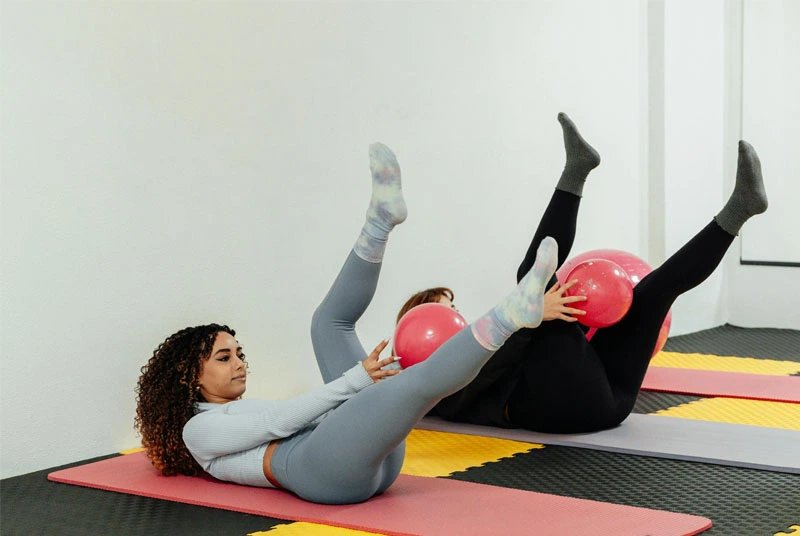
Best Pilates Socks: How to Source and Sell for Your Studio
A recent market report by Grand View Research projects significant growth for the global Pilates market through 2030, highlighting specialized apparel as a key revenue driver. Meanwhile, major media outlets like The New York Times verify a shift in studio culture: mandatory grip socks are no longer just a suggestion. They are now an industry standard for safety and hygiene across the United States. For studio owners, this shift is a dual opportunity. It’s no longer just about floor hygiene; it’s about capitalizing on a mandatory requirement to build your brand and boost your bottom line. The Business Value of Professional Pilates Socks In the Pilates industry, details matter. From equipment quality to studio hygiene, every element influences how clients perceive a studio’s professionalism. While Pilates grip socks may seem like a small accessory, they offer long-term value by supporting safety, brand presentation, and sustainable revenue for studios. Enhancing Client Safety and Performance Professional Pilates grip socks are designed with silicone or rubber grips to provide reliable traction on reformers, mats, and studio floors. This added grip helps clients maintain balance and proper alignment during exercises, reducing the risk of slipping or movement errors. Improved safety and training effectiveness directly contribute to higher client satisfaction and repeat attendance, which are essential for long-term studio success. Hygiene and Brand Image In shared training environments, hygiene is a key concern for clients. Requiring professional grip socks helps minimize direct skin contact with equipment and floors, reducing cross-contact and supporting higher cleanliness standards within the studio. Building a Sustainable Retail Business Professional Pilates grip socks are also a low-barrier, high-repeat retail item for studios. With flexible sizing and minimal inventory pressure, they are well suited as a required item for new members or as a convenient add-on to classes. In addition, studio-branded grip socks can be used beyond the studio, increasing brand visibility in everyday settings while generating consistent retail revenue. Key Features to Consider When Selecting the Best Pilates Socks To fully realize these benefits, it is important to choose Pilates socks that are designed for both performance and durability. From materials and grip design to fit and support, specific product features directly affect comfort, safety, and long-term usability in a studio environment. Choosing Ideal Material Blend: Cotton, Polyester and Spandex There are many sock materials available on the market, but for Pilates grip socks, the most effective solution is not a single fiber, but a blended fabric made of cotton, polyester, and spandex. Compared with 100% cotton or single-synthetic socks, a blended fabric combines the strengths of each fiber. Cotton improves comfort and breathability, polyester enhances durability and shape retention, and spandex provides the stretch needed for a secure, supportive fit. This combination creates a better balance of comfort, support, and long-term wear, making it well suited for frequent training and repeated washing. Non-Slip Grip Technology and Design Options Premature grip detachment is the most frequent quality issue in studio retail. Avoid standard PVC (Polyvinyl Chloride). It is cheap, rigid, and cracks under pressure. It also tends to peel off in hot water. Specify High-Density Silicone with a Heat-Pressed Bond. Silicone is flexible and mimics the skin’s grip. The heat-press process fuses the grip into the fibers, rather than just gluing it on top. Design Note: Ensure the grip pattern covers the entire heel. In Pilates, clients often drive their heels into the footbar for bridging exercises. If the grip stops mid-foot, they will slip. You can also customize the mold to use your studio logo as the grip itself: a subtle but powerful branding detail. Fit and Arch Support Proper fit is a fundamental requirement for Pilates grip socks. Socks that are too loose can shift during movement, while overly tight socks may cause discomfort or restrict circulation. A well-designed fit should stay securely in place throughout training without feeling restrictive. Arch support is also an important consideration, particularly during balance-focused and weight-bearing movements. Light compression or structured support around the midfoot helps improve stability and foot control, supporting proper body alignment. When fit and arch support work together, they contribute to greater comfort and more consistent performance during Pilates sessions. Inventory Strategies to Maximize Retail Sales Inventory that sits in a box is dead money. To maximize revenue, you need to treat your retail section like a high-turnover boutique, not a storage closet. Success comes from buying the right mix and creating urgency. Curating the Right Size and Color Mix New studio owners often overcomplicate their initial order. They buy too many colors and get stuck with unsold stock. To maintain healthy cash flow, stick to the 70/30 Rule: 70% Core Classics: Black, Charcoal, and Navy are your "bread and butter." They hide dirt, match every legging, and sell year-round. These pay the bills. 30% Seasonal Accents: This is where you inject freshness. Pick two or three "pop" colors that match the current season (e.g., Pastels for Spring). Do not restock these. Once they sell out, move on. When it comes to sizing for the US market, avoid an even split. The average American female foot size is roughly an 8.5 to 9. Consequently, your order should be heavily weighted toward Medium, covering about 60-70% of your customers. Treat Small and Large sizes as outliers; only stock them in minimal quantities unless your specific client data says otherwise. Selling Seasonal Styles and Trendy Designs Socks are the perfect vehicle for Scarcity Marketing. Their low price point turns them into easy impulse buys, especially during the holidays. Leverage the calendar. Right now, frame socks as the ultimate "stocking stuffer" for gift-buyers. Then, pivot immediately to the New Year. Capture the January "resolution rush" with motivational designs that tap into the "New Year, New You" energy. The trick is to treat these drops as Limited Editions. Tell clients: "We only ordered 50 pairs. Once they are gone, they are gone." This creates urgency and trains your customers to buy on the spot, rather than "thinking about it." Effective Display Techniques
Bamboo Socks for Athletes: Sustainable Performance for Sports Brands
Data from McKinsey & Company shows that products with ESG claims grew 28% over five years. The message is simple: your customers aren't just buying socks to prevent blisters anymore; they're buying your values. For brands targeting the modern American athlete, bamboo is that rare "double-win". It has elite performance and a green story that actually drives conversion. This article explains why bamboo outperforms synthetics and details the specific yarn blends and packaging specs you need to build a product that athletes will actually wear. U.S. Demand for Sustainable Athletic Socks The U.S. sock market is crowded, but buyers are hungry for innovation. Major retailers are shifting gears, moving away from generic plastics toward materials that offer a real story. Market Trends in the U.S. Athletic Socks The trend is functional sustainability. The U.S. market is driven by three factors: The "Anti-Plastic" Shift: Consumers are wary of microplastics. Plant-based fibers are the new destination. Premiumization: Specialized brands have trained consumers to pay $15+ per pair, provided the material justification is there. Traceability: Bamboo’s rapid growth cycle makes it a highly traceable asset for corporate sustainability reports. What Athletes Expect from Performance Socks A runner won’t wear a "green" sock twice if it gives them blisters. Sustainability is the hook, but performance is the retention strategy. American athletes need two things: dry feet and odor control. They want a fabric that breathes better than the plastic blends they’ve been wearing for the last decade. Why Bamboo Athletic Socks Stand Out In today’s highly competitive athletic apparel market, bamboo athletic socks stand out for their unique blend of performance and eco-friendly benefits. Unlike traditional fabrics that often force a trade-off between comfort and functionality, bamboo fibers deliver a noticeably superior wearing experience for both athletes and everyday users. Their biggest advantages come from the material itself as well as the positive environmental impact that supports long-term sustainability. Key Material Benefits of Bamboo Socks No More Blisters. Bamboo fibers are naturally round and smooth. This creates a buttery soft feel that reduces rubbing and chafing. Temperature Control. It breathes, Micro gaps in the fiber let air flow, keeping feet cool in the summer heat. Sweat Management. Unlike synthetics that just push water around, bamboo actually absorbs moisture and evaporates it fast. No more holding sweat like a sponge. Odor Control. Bamboo helps keep the funk away, which is a massive selling point for endurance athletes who wear their gear for hours. Sustainability Advantages of Bamboo Fiber If you are looking at your supply chain, Moso bamboo is a powerhouse. Two main advantages need to be known. First, it grows up to three feet a day and doesn't need replanting. Second, it thrives on rain. Unlike thirsty cotton, bamboo doesn't need heavy irrigation or pesticides. This lets you claim a much lower water footprint: a huge win for your brand's eco-score. Bamboo vs. Cotton/Polyester Socks Comparison Table Feature Bamboo Viscose Cotton Polyester / Synthetics Moisture Excellent. Wicks and evaporates. Poor. Absorbs and holds sweat. Good. Wicks but traps heat. Odor Anti-Bacterial. Stays fresh. Neutral. Odorless until wet. Poor. Retains "gym smell." Friction Low. Prevents blisters. High. Abrasive when wet. Medium. Plastic-like feel. Sustainability High. Renewable and Rain fed. Low. High water usage. Low. Petroleum-based. How to Choose Bamboo Socks for Your Brand Translating raw material advantages into a best selling product line requires precise execution. For sports brands, a "one-size-fits-all" approach rarely works. You need to engineer the sock to match the specific demands of the athlete. Pick the Right Socks for Each Sport Different activities place different stress loads on the foot. Your bamboo sock line should be categorized by function: Running and Cycling: Focus on lightweight, high gauge knits(200N). A "second-skin" fit is crucial to prevent bunching inside tight shoes, with mesh ventilation zones for maximum airflow. Gym and Cross-Training: These require midweight construction. Athletes need a balance of stability and breathability, with reinforced heels and toes to withstand the friction of lunges and jumps. Hiking and Outdoor: Look for heavyweight, full cushion designs. Utilizing a "terry loop" interior maximizes bamboo’s thermal regulation, keeping hikers warm in the cold and cool in the heat. Adjust Thickness, Length and Yarn Blend The "recipe" of your sock defines its performance. A common amateur mistake is requesting "100% Bamboo." First, this is a labeling minefield—under U.S. FTC regulations, products must be labeled as "Viscose from Bamboo," not just "Bamboo." Second, from a technical standpoint, pure viscose lacks the elasticity and structural memory required for sports. For elite performance, the industry "sweet spot" is typically a blend of 75-80% Bamboo Viscose paired with Nylon for structural durability and Spandex for stretch. Beyond the blend, you must define the cushioning. Opt for Flat Knit (thin, breathable) for your summer lines, or Terry Knit (thick loops) for shock absorption. Finally, align your cuff height: Crew cuts are trending in lifestyle and basketball, while No-Show remains the runner’s staple. Choose Your Bamboo Sock Supplier Your product is only as good as your factory. When vetting private label manufacturers, look beyond the price tag. Startups need flexibility, so find a partner offering reasonable MOQs ideally 500 to 1,000 pairs, allowing you to test the market without sitting on dead stock. Speed is currency. A reliable partner should deliver clear timelines (samples in 7–14 days) and, most importantly, possess OEKO-TEX Standard 100 certification. This guarantees your bamboo viscose is free from harmful chemicals, a non-negotiable requirement for entering U.S. and EU markets. Customize Logo, Colors and Packaging In the premium athletic market, the unboxing experience is part of the product. For branding, Jacquard knitting—where the logo is woven directly into the fabric is far superior to printing, as it won't crack or fade when the sock stretches. Don't forget the final touch: packaging. Wrapping a sustainable bamboo sock in a plastic polybag contradicts your brand story. Opt for recycled kraft paper sleeves or hooks. This consistency from fiber to packaging reinforces your commitment to sustainability, justifying a premium price point
Best Sock Manufacturers: Custom and Private Label Socks
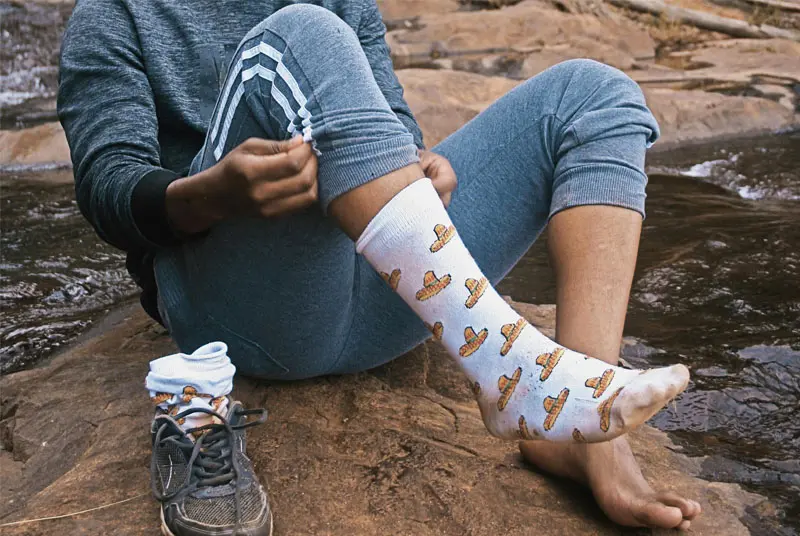
Choosing a sock manufacturer for your brand is a big supply chain decision that decides how your socks are going to feel on foot and how much profit you make from each order. If you run a brand, a physical or online store, and want your own custom socks, you may already know how noisy the market is. Every website promises top quality and fast delivery, yet few actually produce great socks. This article cuts through the noise and highlights five reliable manufacturers worth considering for your next sock line. Let’s dive in. Key Factors to Consider When Choosing a Sock Manufacturer Factories that print small batches of fun socks for cosplay conventions don't operate like a manufacturer that knits Merino hiking socks for outdoor brands. And before you fall for a cheap quote, you need to know if the manufacturer actually can deliver what you need. Product Range and Technical Capabilities Start by asking about the range. If their catalogue contains only novelty and promo socks, they’re probably not a good fit as they’re gonna be great for low-cost quick runs, but they are limited otherwise. But if you see high-performance socks (hiking, running, ski, work, and medical), it means that the factory can handle advanced features like terry cushioning and targeted support zones. Strong manufacturers also work comfortably with diverse materials and yarns like combed cotton, organic cotton, Merino blends, performance polyesters, and recycled fibers. When they clearly explain which blend suits your exact use case, you know they’re experts. If the jargon confuses you yet makes sense for the product, that’s still a green flag, just trust their development skills. Certifications and Ethical Manufacturing If you sell under your own brand in the US or Europe, customers will care how the socks are made. You want to answer confidently with no sweat. Check for OEKO‑TEX Standard 100; it proves the finished socks were tested for harmful substances. Certifications like GRS, GOTS, and RWS signal responsible sourcing, often from recycled or organic cotton. A manufacturer displaying these certifications beats one that only mumbles “yeah, we’re ethical.” Other certifications like BSCI, SMETA, or WRAP confirm safe, fair working conditions. Prioritize factories holding them. Pricing, MOQs and Lead Time Local factories offer low MOQs and transparent pricing yet each pair costs more. Offshore manufacturers in China or Turkey demand higher MOQs, but if you hit those volumes, you have to pay much less per pair and you can support a proper retail range. Check how easily they split sizes and colors within one order. Also confirm consistent quality on reorders of bestsellers. Local partnerships often ship in once in a couple of weeks while offshore ones take around thirty to sixty days for the whole process, from sample approval to delivery. So it’s best to keep that in mind while looking for a manufacturer. Five Best Sock Manufacturers You Need to Know These five manufacturers are the ones that currently dominate the world’s sock market. They provide state-of-the-art quality and strong technical experience, exactly what modern brands need. Sockcn Export-driven Sockcn sits in China's Zhuji sock cluster, dubbed the "Sock Capital of the World." OEM and private-label specialists, they've linked up with over five-hundred brands across North America, Europe, plus key markets elsewhere. Output spans casual daily pairs to pro-grade ones for running, skiing, or hiking. Sockcn is known for competitive pricing and consistent knitting along with labelling and packaging. They are the best in terms of long-term suppliers. Sock Club Sock Club operates out of Austin, Texas. Fully knitted custom designs remain their strength, perfect for corporate, events, or small brands. They offer low MOQs, clear pricing, fast turnarounds, and also help you with knitting. They are great if you want speed and you want your socks to be labelled “made in the USA.” The Sock Factory This family-owned mill sits in Conover, North Carolina. They supply retail brands and easily scale to full sock lines. Athletic, outdoor, dress, and fashion socks all come from the same roof. They have a skilled technical team and are a good option for you if you need USA-made socks with more engineering than a basic novelty crew. Fox River Socks Fox River Mills operates in Osage, Iowa and stands as one of the longest-running performance sock manufacturers in the USA. They specialize in outdoor, work and military socks. Their wool and Merino performance is backed by their in-house Wick Dry technology. They can be a great option if you want to offer the comfort of Merino and a label of USA made. Custom Sock Shop Custom Sock Shop is a Michigan-based manufacturer that makes branded socks for teams, schools, weddings, and corporate. They offer very low MOQs and turnarounds of seven to ten business days. If technical customization is not a big deal for you and your priority is speed, they are your suppliers. Why Sockcn Is Your Ideal Custom Sock Supplier Plenty of solid manufacturers exist, including those listed here. None handle everything the same way. For true private-label custom socks, Sockcn leads the niche. Let us explain why. Over 20 Years of Experience with Global Partners Sockcn has manufactured and exported socks for two decades. Seasonal trends, regional preferences, and sock categories are second nature. Your first order skips the guesswork as they already know what works. Comprehensive Product Range and Customization Sockcn crafts an extensive lineup: everyday cotton socks, business pairs, dress styles, sports variants, running socks, outdoor gear, hiking gear, safety options, and kids’ designs, and far beyond. Cushioning comes in multiple levels. Arch support according to needs; knit patterns range from classic to intricate. Custom features are fully available with private-label packaging included as standard. Clients running a startup business will receive dedicated support from Sockcn, as their professional in-house design team steps in immediately the moment collaboration is established, handling both sock patterns and packaging artwork from scratch, translating ideas into finished concepts. If a new product line is what you seek, Sockcn is specialized
Best Boot Socks: A Retailer’s Guide to Bulk Buying
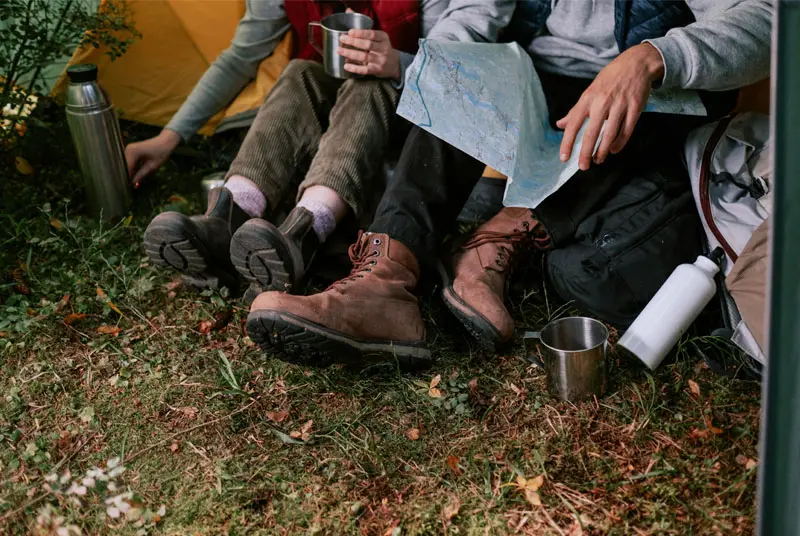
Cold-weather success starts at the ground. Customers who spend hours in snow, on job sites, or chasing games won’t be forgiving on cheap footwear layers. Blisters, sweat, and frozen toes kill repeat sales of socks faster than anything else. Buyers of today want blends that outperform yesterday’s cotton and acrylic, and the answer lies in traceable non-mulesed Merino, crossed with recycled nylon cores. Reinforced heel-to-toe cushion zones, and seamless toe closures that vanish under heavy boots. Sustainability also needs to be at the front and center with lower water footprints, biodegradable elastics, and packaging that actually composts. Sockcn delivers exactly those things at volume, along with competitive pricing and low MOQ on custom color orders. Stock what moves, not what gathers dust. Your margins and your customers’ feet will notice the difference before the first snowfall hits. What Are the Best Materials for Boot Socks? As a B2B buyer, you must understand your customers’ and target audience’s unique needs. That’s where Sockcn steps in. We design long-lasting, high-performance boot socks. If you’re a B2B retailer, you need reliable, durable fabrics; we deliver exactly that. Merino Wool: Premium Comfort and Breathability One of the most popular fibers in the boot sock industry. The soft, breathable, temperature-regulating, and naturally moisture-wicking Merino is customers’ first choice because it keeps feet dry on long hikes, fights odor with built-in antibacterial properties, and delivers outstanding warmth for minimal weight. Our Merino is not just any Merino. Sourced exclusively from the windswept high-country farms of Australia and New Zealand, where the world’s finest wool has been perfected for over a century. The word “premium Merino” is defined in the farms of these two nations as they raise sheep in rugged terrain that produces fibers finer, stronger, and cleaner than anywhere else on earth. The proof is in every pair: socks that are exceptionally soft, comfortable and resilient, yet priced for real-world retail, not fairy tales. Alpaca Wool: Superior Warmth for Extreme Conditions Cold doesn’t negotiate. When the temperature dives past what’s acceptable and wind screams across open tundra, customers want the best fiber that fights the cold for real. For the coldest winter days, there is nothing better than Alpaca wool. Delivering 30–40 % more warmth than Merino at the same thickness, it somehow feels lighter and silkier against skin. No lanolin means zero itch and true hypoallergenic performance; even the most sensitive customers wear it next-to-skin with no complaints. Our Alpaca fibers are sourced from Peru, the land of the world’s most natural and highest quality Alpaca wool. This guarantees that your boot socks will stay warm for the highest levels of warmth and buyers in the most extreme climates. Blended Fabrics: Durable and Affordable Options Blended fabrics is when one seeks a type that combines functionality with astute wallet-friendly designs. Combos like Merino wool paired with nylon and spandex offer unmatched stretch and moisture control; alpaca mixed with polyester and spandex for when warmth and toughness matter most; straight polyester plus spandex comes to rescue whenever thin, fast-drying, aggressively priced options are the goal. When brands demand serious boot socks capability without blowing past realistic shelf prices, nothing beats a well-executed blend. Blended Fabrics: Durable and Affordable Options The below comparison table will give you an idea of how multiple fabric types differ from each other and what are their best use cases. Material Key Strength Best Use Case Warmth Level Cost Merino Wool Breathable, moisture-wicking Hiking, outdoor sports Medium-High Medium Alpaca Wool Maximum insulation, hypoallergenic Permafrost cold, hunting, ice fishing Very High High Blended Fabrics Cheap, flexible, all-around good stuff Casual, nature hiking, work boots Medium Low-Medium You can see Merino and Alpaca wool are high-end choices and blended fabrics are best for those who are looking for good stuff at affordable rates. How to Choose the Right Material for Your Brand's Needs Different buyer priorities equal different requirement listings. Here’s how to match your material to your market segment. For Hiking and Outdoor Adventures Trail hikers and athletes need socks that pull sweat away fast, fight odor after hours on the move, and cushion every step without turning into soggy rags. Merino wool blends win here every time as temperature swings and sudden downpours barely faze them, while the natural fibers stay soft against skin mile after mile. For Hunting and Cold-Weather Performance (Ice Fishing) Hunters, snow workers, and ice anglers don’t get to warm up in a coffee shop. They need raw warmth that lasts all day in sub-zero stillness. Alpaca or Alpaca-Merino mixes trap heat better than almost anything else; pair them with reinforced heels and toes and the socks survive frozen dawns, long drags through crusty snow, and still feel dry when the sun finally drops. Sustainable Options in Boot Socks: Trends and Choices Buyers now check the hangtag before they check the size. Sockcn answers with certified recycled polyester, organic cotton, RWS-responsible Merino, and full regulation compliance across the line. Ethical factories, lower water use, and traceable yarns aren’t marketing fluff, they’re the new table stakes, and brands ignoring them are already losing shelf space. Recycled Materials and Eco Trends in Boot Socks Sockcn build sustainable production methods into all aspects of manufacturing. Recycled polyester, fast-growing bamboo, and organic cotton cut water and energy use dramatically compared to virgin fibers. Knitting machines run on tighter patterns that leave almost no scrap; leftover yarn gets re-spun instead of landfilled. Even the packaging switched to recycled card hooks and compostable polybags years ago. Ethical yarn partners are audited annually, dye houses recycle 90% of their water, and the factory floor tracks energy per dozen in real time. The result is boot socks that feel premium, perform in freezing backcountry, and still let retailers tell a bulletproof sustainability story that today’s shoppers actually believe, and are willing to pay extra for. OEKO-TEX, GRS, and BSCI Certifications Sockcn hands retailers three rock-solid credentials that close sales on the spot. OEKO-TEX Standard 100 guarantees every pair is free of harmful chemicals—skin-safe, baby-safe,
Corporate Christmas Gifts in 2025: Why Custom Socks Stand Out
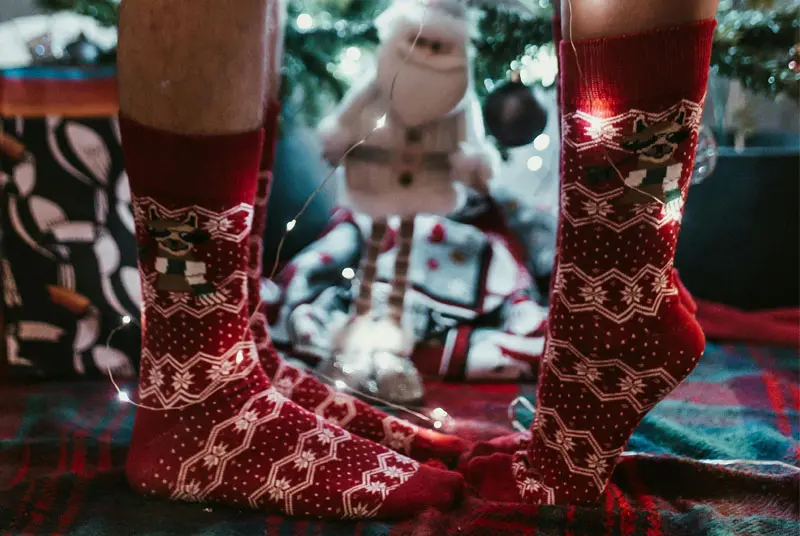
Corporate Christmas gifts in 2025 serve as a means to express brand values and strengthen client relations as much as to thank customers or motivate staff. As brands and businesses become more conscious of the statement and impact the gift carries, the demand for gifts that are practical, sustainable and relate to the brand increases. This is where the role of customized socks comes into the picture. As they are exactly according to customers' needs, they have endless creativity, all-time favorites, and deliver daily functionality as per needs. Their wide appeal and low cost make them an increasingly attractive option for firms seeking to introduce a more sophisticated touch to their holiday gift-giving. Corporate Gifting 2025: Trends and Sustainability for Businesses Corporate gifting has evolved from a focus on novelty to more usefulness these days. In 2025, while mugs, stationery, and promo gadgets are still beloved, they no longer inspire the same gratitude or sense of value. Therefore, businesses have realised that, for the most part, the best kind of gift is a functional, beautiful product. Trend of the Shift to Practical and "Usable" Gifts The emphasis on practical products is a big change in corporate gifts. Both clients and employees like gifts that have real utility rather than being symbolic. This change in attitude can be traced back largely to today’s corporate culture where people and consumers alike seek simplicity, comfort, and convenience in daily life. Custom socks sit squarely within this new norm. They serve a daily utility that is loved by people of all ages and demographics, and their versatility is what makes them more interesting than single-use novelty items. Corporate buyers looking for gifts that are thoughtful and have the ease of logistics at the same time consider custom socks as the perfect solution. Sustainability and Eco-friendly Gifting Trends Sustainability has been paramount in terms of commercial decisions, and even the holiday presents are no exception. The products they provide should reflect their commitment to the environment. Companies can communicate these values and still offer a visually appealing, practical gift in the form of custom socks made sustainably. The use of GRS-certified recycled polyester, organic cotton and bamboo yarn is a thoughtful departure from traditionally applied raw materials, which can have a higher environmental impact. Having OEKO-TEX certification means every pair is safe to wear and free from harmful chemicals, which provides comfort and security to the gift-giver and gift-receiver alike. Sustainable production is also about the responsible use of energy and water. The use of state-of-the-art knitting and dyeing methods promotes better quality with a lower carbon impact during production. Waste diversion programs, ingredients that have been ethically sourced, and partnerships with suppliers who meet ethical requirements mean that the entire process takes sustainability into consideration. Integrating BSCI-accredited operations demonstrates a commitment to ethical labor practices and transparent supply chains, enabling companies to rest assured that their corporate Christmas gifts will be able to meet the highest standards of global responsibility. Why Custom Socks Outperform Traditional Corporate Gifts Custom socks have really taken off because they offer value in ways that traditional corporate gifts struggle to. They are practical, give you an opportunity to brand them, and are cost-effective, which makes a winning combination for any corporate buyer. Universal Fit: Eliminating Size Collection Headaches Gifts of clothing can be logistically challenging, especially for large teams and multiple outposts. There is no need to collect sizes with custom socks either, since they fit a broad range of sizes comfortably. They’re perfect for B2B initiatives where you want to keep ordering and shipping simple. Businesses can now gift socks to hundreds or thousands of people without the logistical nightmare of sizing, making the process a lot smoother and more efficient. Maximize Brand Visibility Through Daily Wear Socks, unlike many corporate Christmas gifts which are used occasionally, display your brand daily. Every time a recipient dresses for the day, the brand is a part of their routine. Whether at home, in the office, at the gym, or on the road, custom socks give your brand the opportunity to engage with the wearer throughout the day. That understated yet repeated interaction is a much more powerful way to build brand identity than trinkets that just sit on desks or in drawers. A well-executed design, whether subtle with a small logo or loud with a complete pattern, makes socks walking brand ambassadors. Cost-Effective Value for Bulk Corporate Orders Corporate gifting budgets get tighter every year, especially for companies that send items to global teams or to large lists of clients. Custom socks have a surprisingly high perceived value and low cost, which makes them great for bulk corporate orders. They manage to walk that fine line of being both affordable but a bit more high-end looking, which lets companies give their customers or employees a nice, well-received gift without breaking the bank. By customizing the materials, design, and packaging, companies can enhance the experience while controlling costs. How to Create the Perfect Custom Socks for Your Brand with Sockcn A winning corporate Christmas gift is ultimately about good design, thought and quality of execution. Sockcn provides support to companies at every step, ensuring all pairs are a reflection of brand identity and align with professional expectations. Choosing the Right Material The choice of materials is important for the way a sock feels and performs. Cotton fabric provides enough comfort and breathability for daily corporate gifting. Merino wool adds a little luxury with its temperature-regulating and moisture-wicking properties, making merino wool socks a perfect fit for high-end gift boxes. Technical fibers such as CoolMax enhance performance by increasing durability and breathability. Sockcn guides companies in selecting blends that fit their climate, budget, and corporate goals, making each pair feel bespoke to the brand’s identity. Design Strategy The visual identity of custom socks is an area in which brands can play a little. A handful of companies take a minimalist route with discreet logo placement and classic colors while others favour

Best Hiking Socks: A Sourcing Guide for Retailers
If you sell outdoor gear anywhere in the US, you already know how brutal hikers are on socks. If hiking socks work, they just happily complete the trail or maybe buy another pair from you. But when a pair of socks fails, they get blisters and you get returns, one-star reviews, and customers who never shop from you again. This article explains how retailers, e-commerce sellers, and private label brands in the US can create a hiking sock line that actually performs on trails and wins the hearts of your customers. What Defines the Best Hiking Socks in the US Market? In the US, the best hiking socks mean the ones that are beneficial for both you and your customers. Let’s dive into the qualities of best hiking socks a little deeper. The Balance of Comfort and Durability What hikers are actually for in a sock is a mix of both comfort and longevity. Most blisters are caused by heat and moisture trapped inside the sock, plus the friction of the foot rubbing against the sock. To avoid these problems, your socks should avoid any kind of rugged designs and have proper ventilation. These are also exactly the features that drive sales, as we discuss in the next section. Key Features That Drive Sales The same technicalities that make a sock “great” in trail also make it worth buying both online and in-store. The features that sell are: Seamless or flat-linked toe, so there’s nothing rubbing across the top of toes. Locked in the heel and midfoot. A Y-shaped heel and a rubbed zone around the mid-foot keep the fabric anchored to the foot and prevent it from sliding against it. Arch support. A light compression band around the arch keeps the sock hugged to the feet and reduces the chances of slipping. It’s also a great visible feature that you can use in your marketing and can become your selling point(wink). Breathable panels like mesh on the top that let the heat escape. Nobody likes the smell when it doesn’t. In addition to technical details, hikers also look for buzzwords like: ‘Merino wool’ or ‘Coolmax’ front and center (we’ll dive into materials later) Reinforced heel and toe Breathable Odor resistant Clear height benefit, e.g., quarter-length trail sock Seamless or flat-linked toe, so there’s nothing rubbing across the top of toes. Locked in the heel and midfoot. A Y-shaped heel and a rubbed zone around the mid-foot keep the fabric anchored to the foot and prevent it from sliding against it. Arch support. A light compression band around the arch keeps the sock hugged to the feet and reduces the chances of slipping. It’s also a great visible feature that you can use in your marketing and can become your selling point(wink). Breathable panels like mesh on the top that let the heat escape. Nobody likes the smell when it doesn’t. In addition to technical details, hikers also look for buzzwords like: ‘Merino wool’ or ‘Coolmax’ front and center (we’ll dive into materials later) Reinforced heel and toe Breathable Odor resistant Clear height benefit, e.g., quarter-length trail sock Choosing the Right Materials: Merino, Coolmax and Blends The yarns you choose decide how many sales you’re going to make. Successful hiking socks are mostly made up of either Merino wool or synthetic performance fibers like Coolmax. Let’s dive into the best-performing materials in detail. Australian Merino Wool Merino wool stands as the undisputed premium material when it comes to hiking socks. Customers adore its ultra-soft touch delivered by the itch-free fine fibers. It keeps your feet warm in winter, yet stays remarkably breathable during hot summer treks. This natural temperature regulation paired with strong moisture-wicking properties, makes the socks ideal year-round. Odor resistance remains another major advantage as bacteria struggle to cling to fiber, letting feet stay fresher far longer than with synthetic alternatives. At Sockcn, every batch of Merino wool comes directly from farms in Australia and New Zealand, the two countries that dominate premium wool production worldwide. Our partners can confidently label their products “Australian Merino blend”, an origin story that drives US hikers like magnets. Durability testing takes our claims even further. American brand Darn Tough proudly advertises that its socks pass third-party abrasion tests at 10,000 rubs with zero damage—a standard they highlight heavily in marketing. We sent our own Merino hiking socks to the exact same independent lab. Results came back certified: Resistance Over 100,000 Rubs—passed with flying colors. Ten times the industry benchmark achieved by a respected US-made competitor. Coolmax Technology Coolmax and other such polyesters are designed to pull moisture off the skin. They dry a lot faster than cotton and other standard wool and thus are best for hot and humid climates. Customers who sweat a lot or those who prefer non-wool options love Coolmax. You can sell Coolmax socks easily by advertising them as “Dries quickly after washing on trail”, “Are lightweight and breathable”, and “Are more affordable than merino.” etc. Nylon and Spandex Blends Nylon and spandex material isn’t something you write in the headlines but these materials make your socks actually work. Nylon adds strength to the material and resists abrasions against skin. Spandex gives your sock stretch and easy recovery. You want enough nylon and spandex in your sock to make it durable but not so much that the sock starts to feel plasticky. For example, a workable blend for high-performance socks can be 30-70% merino or Coolmax, 20-40% of nylon and a few percentages of Spandex that make the sock elastic. Sustainability and Ethical Manufacturing A lot of customers these days care about how the product was made, not just how good it is. This matters more if you’re selling it under your own brand name. Let’s discuss what eco-friendly materials are and what eco-friendly production looks like. Eco‑Friendly Materials Make sure the company you work with uses eco-friendly materials. Like at Sockcn, we use recycled and organic material adhering to Global Recycled Standards (GRS), like organic

Best Material for Socks: Sockcn Expert Advice
Few choices matter more to private-label brands, wholesalers, and sourcing managers than picking the right sock materials. Fabric alone sets comfort, performance, durability, sustainability claims, as well as the price buyers will accept. In today’s US and European markets, customers now demand technical fibers, traceable origins, and blends that deliver clear performance edges. At Sockcn, we guide international B2B clients toward fibers that fit their lines perfectly. Our expertise translates raw material data into practical advantages: sharper product positioning, stronger margins, and options aligned with your exact market goals. Why Material Choice Defines Your Sock Brand’s Success Whether you offer premium outdoor gear, high-performance sports socks, or a department store label’s everyday apparel, fabric choice remains a core point of distinction. Amazon shoppers and distributors, along with in-store customers, can judge quality instantly. Some through touch, stretch, moisture control, and durability; others through specs, reviews, and brand signals alone. Enhancing User Experience: Comfort, Fit, and Touch End-users first notice a sock’s feel against skin and its knack for staying warm yet cool. Softness, temperature balance, and moisture control are the trio that shapes reviews and builds lasting loyalty, and all hinge on fiber selection. When a sock holds its shape, keeps feet dry, and stays comfortable wash after wash, repeat purchases are guaranteed to soar. Choose the right material, and customer churn drops while ratings climb across every retail channel. Gaining a Competitive Edge with Custom Material Blends With markets now crowded, material performance has become the sharpest way brands stand out. Tailored blends let you hit precise targets: warmth plus moisture control for outdoor users; cushioning and breathability for athletes; everyday softness paired with real strength for lifestyle lines. Sockcn works directly with mills and B2B clients to create high-performance blends that stay inside your cost envelope, so superior feel never forces a price jump. Common Sock Materials Used in Modern Socks Natural and synthetic fibers each play an important role in modern sock manufacturing. The choice of material affects comfort, durability, moisture control, and overall performance. Natural Fibers Natural fibers are widely used in premium and outdoor socks due to their breathability and temperature regulation. Materials such as merino wool and alpaca are especially popular in hiking and winter socks. Brands that want to understand the differences between natural fibers often compare merino wool and alpaca when selecting materials for outdoor products. Synthetic Fibers Synthetic materials such as polyester, nylon, and spandex are widely used in performance socks. These fibers provide durability, elasticity, and moisture management that natural fibers alone may not achieve. For example, nylon reinforcement is commonly used to improve sock durability, especially in high-wear areas such as the heel and toe. Natural Fibers for Hiking and Winter: Comparing Wool and Alpaca Wool and alpaca are two highly demanded fibers in high-end markets, and each have their own advantages. The knowledge of performance of these fibers in various situations enables brands to develop socks that provide enhanced comfort and performance, as well as distinguish their product range in a competitive retailing environment. Merino Wool: The Industry Standard for Hiking Merino wool remains one of the most reliable fabrics to use as an outdoor and winter sock. It keeps the body cool, evaporates moisture naturally, and keeps the body odor-free; all of which are extremely crucial in hiking and cold weather activities. To maintain consistency in quality, Sockcn sources its merino exclusively from Australia and New Zealand, the world’s top suppliers of this fiber. For B2B buyers, this can only mean the following: steady supply, stable pricing, and consistently pure, high-quality wool. Alpaca Fiber: A Premium Alternative for Differentiation Alpaca is less coarse and has a better warmth-to-weight ratio and is much more luxurious than Merino. Their natural hypoallergenic characteristic and smooth texture make it popular as an ingredient because many of the brands use it to launch high-quality winter socks or more luxurious lifestyle lines. Sockcn uses only authentic Peruvian alpaca—renowned for its exceptional fiber quality and centuries-old heritage. It shows that we only rely on the best regional experts to ensure that the socks are made from the world's most sought-after materials. In a winter market crowded with similar offerings, alpaca gives ambitious brands a clear, premium edge. Synthetic Materials for Performance Socks While cotton still dominates casual wear, performance socks designed for sports and active use require advanced technical fabrics. These materials provide the support, breathability, and durability necessary for high-intensity activities such as running, training, and outdoor sports. By selecting the right fiber combinations, brands can create performance socks that stand out in a competitive athletic market, delivering reliable comfort, moisture control, and long-lasting durability. The Limitations of Cotton in Athletic Use Cotton absorbs moisture but dries slowly, often staying damp for long periods. During intense activity, trapped moisture increases friction and can lead to blisters or discomfort. Because of these limitations, most athletic socks today avoid heavy cotton blends. Modern performance socks instead rely on materials that actively manage moisture and maintain breathability during movement. The Role of Synthetics: Nylon, Polyester, and Spandex Nylon provides durability and shape retention, making it ideal for reinforcing high-wear areas such as the heel and toe. Polyester fibers are widely used for moisture management because they can quickly pull sweat away from the skin and help feet stay dry during activity. Spandex adds elasticity and recovery, ensuring a secure and supportive fit. When these fibers are engineered together with features such as seamless toes, targeted arch support, compression panels, and ventilation zones, brands can develop high-performance socks suitable for sports, training, and everyday active use. Sustainable Material Trends for US Market Eco-friendly fibers boost a brand’s image—provided they meet strict sustainability standards. Recycled polyester cuts waste; organic cotton skips harsh pesticides; responsibly sourced wool or alpaca supports ethical farms. Brands that blend these options slash their environmental footprint while delivering socks tough enough for trails yet polished for retail shelves. In the US, where shoppers increasingly hunt green labels, such moves pay off fast. Adoption
Wholesale Compression Socks for Running: The Definitive Guide for Buyers
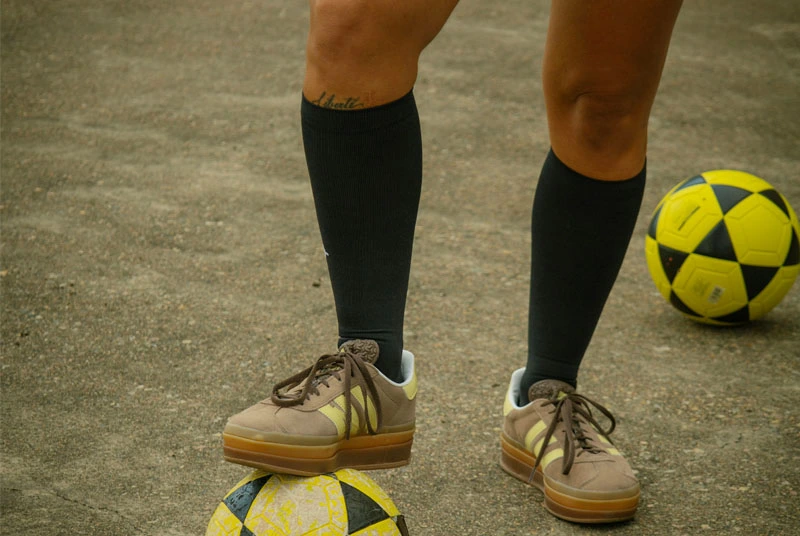
Nowadays, runners want to improve their performance, recover faster, and even prevent injuries altogether. Hence, compression socks for running have gained popularity among both elite marathon runners and recreational joggers. This has driven their rapid growth in the sports industry. Retailers and brands are seeing high demand for compression socks. It's a solid opportunity for wholesalers, distributors, and private label businesses to build product lines around high-quality compression socks made specifically for runners. As a smart buyer, know the benefits of compression socks plus the types available on the market. This could be your shot at creating a profitable, scalable product line. How Compression Socks Benefit Runners Compression socks now play a key role in modern running gear. Even top runners gain from what these socks deliver. These socks offer science-backed performance benefits by boosting muscle blood circulation and recovery support. Enhance Oxygen Delivery Compression socks assist circulation due to their graduated compression, which pushes oxygen-rich blood flow from the feet to the legs and heart. The blood flow efficiency ensures muscle stays energized and not fatigue quickly. The improved endurance allows runners to sustain long-distance running. Combat Muscle Fatigue Compression socks offer calf muscle support and stabilization. They lower the muscle vibrations caused by calf muscle movement. Well-supported runners don’t fatigue easily. Hence, they can maintain a higher performance level and training efficiency. Reduce Muscle Soreness Tightness and soreness after intense runs can be reduced with compression socks. These socks help reduce the buildup of lactic acid. As a result, discomfort following a run becomes easier to manage, and recovery processes are smoother and faster. Accelerate Recovery Compression socks increase the blood flow towards the lower legs and feet. So, if you wear these socks before and after running, it helps with the recovery process, including inflammation reduction and healing acceleration. Injury Recover Injuries that are common from running include slight strains, shin splints, and discomfort to the achilles. Aiding in the support and blood flow to these areas, compression socks provide support and pain relief. Types of Compression Socks for Running Recognizing the various kinds of compression socks available allows buyers to understand particular features that meet the demands of their targeted clientele. Compression level, fabric type, and other characteristics determine the comfort level, support, and effectiveness in running. By Compression Level (mmHg) With each compression level comes a different type of support. Hence, buyers must determine the right support and sock intensity in order to meet the particular running needs. Mild (10–15 mmHg): Appropriate for light running, everyday use, and new runners requiring lower support. Moderate (15–20 mmHg): Common for leisure runners who require assistance in circulation and minimal feeling of tiredness. Firm (20–30 mmHg): Especially for long-distance runners and athletes who need strong muscle support and faster recovery. Medical grade (30–40 mmHg): Usually for managing injuries; use only when recommended by specialists. With our own in-house pressure-testing lab, every prototype and every production batch gets measured—free of charge for customers—so the compression you receive always hits the exact measurement standard promised. This rigorous check, from sampling to final shipment, guarantees professional-grade accuracy and superior quality assurance that few brands can match. By Fabric and Material Running compression socks utilize high-quality advanced blends like moisture wicking nylon, spandex, polyester, merino wool, and other performance fibers. All these materials are ideal for long distance runners. This is because they need socks that are breathable, durable, temperature regulating, and have supportive compression. The US Market Insight: Tapping into a High-Growth Opportunity In performance gear and recovery products, compression socks are gaining popularity in the United States. This interest is making the market grow rapidly. Hence, compression socks have a lot of growth opportunities for wholesalers and brands. It is an ideal chance to sell a variety of compression products to occasional runners and even professional athletes. High Demand from US Runners and Athletic Retailers Running in the US is growing at a rapid pace, and millions of performance enhancing running gear items are in high demand. Compression products appeal to this market. Retailers, gyms, and sports clinics, as well as online brands, are seeing high demand. This means you can sell not only athleisure but also injury prevention gear. Compression Sock Market Size and Growth Table As more runners adopt compression gear into their lifestyles, recovery routines, warm-up and cool-down processes, the market’s expected growth becomes even more pronounced. Year Market Size (USD) Growth Rate 2021 $880 Million — 2022 $940 Million 6.8% 2023 $1.01 Billion 7.4% 2024 $1.09 Billion 8.2% 2025 (Forecast) $1.19 Billion 9.1% Customizing Your Socks with a Wholesale Manufacturer By Sockcn Take your compression sock line from idea to execution with a manufacturer who specializes in performance gear. Sockcn works with brands to create premium, fully customized running socks for athletes and retail partners. Backed by 24/7 customer service support, we ensure your inquiries are handled instantly, no matter your time zone. Defining Your Compression Sock for Running Collaborate with Sockcn to find the best compression level, fabric blend, knitting pattern, and size spectrum to suit the runner’s requirements. Need help visualizing it? Our expert team provides comprehensive design support to refine your vision—at no extra cost. With our expertise, you create socks designed with performance, durability, and comfort for long-distance runs in mind. Quality and Certifications Sockcn customers can be confident that all our products are high quality, and safe. We stand by our product as we have the OEKO-TEX. GRS, GOTS, and RWS certifications. Sockcn is trusted by high-performing athletes and prominent sports retailers. Branding and Customization Through our packaging, private-labeling, color options and comprehensive custom socks process, Sockcn allows their customers to create a memorable brand identity. To ensure the best outcome, We send you free samples before the bulk run so you can see and feel the quality firsthand. This helps catch the attention of retailers and athletes who prefer brands with strong identities. Wholesale Pricing and Cost-Effectiveness Buying through Sockcn will lower your cost per item because of factory-direct