When deciding which material to use for your line of products, you’ll definitely end up comparing merino wool vs. wool. Merino wool is actually a type of wool, but its finer fiber diameter and unique fiber characteristics give it different performance and comfort properties compared with many coarser wool types. They’re both natural and reliable, yet offer different experiences for users. If the goal is to hook your partners with gear that feels good and performs well, you gotta know the differences between these materials.
Quick Overview
- Merino wool is a type of wool known for its finer fibers, softness, breathability, and moisture-management properties.
- Wool vs. Merino wool: Merino wool generally offers a softer and more comfortable feel, making it particularly suitable for premium, performance, and next-to-skin products.
- For warmth, Merino wool is not necessarily warmer than every other type of wool. Sock thickness, yarn structure, knit density, cushioning, and fiber blend all affect the final warmth.
- Merino wool socks are widely used for hiking, winter, outdoor, travel, and everyday wear because they combine insulation, breathability, moisture management, and odor resistance.
- For businesses, Merino wool is a strong choice for premium and performance-oriented sock lines where comfort, quality, and product positioning are important.
What Is Wool?
For centuries, wool’s been harvested as a natural sheep fiber. People find it preferable for clothes because it keeps you warm and holds up tough. So, you’ll spot it in everyday winter gear like sweaters, blankets, coats, and cozy wool socks. The one downside? Its thick fibers can feel heavy and itchy against your skin.
But with how affordable it is, wool has become the go-to for standard, value-driven product lines. It dishes out solid insulation for protective, hard-wearing stuff. A crowd-pleaser that’s turned into a smart, reliable bet for many companies.

What Is Merino Wool?
Produced by a special breed of sheep, Merino wool is sought after for its softness and fineness. Clothing made from Merino feels smooth on the skin unlike regular wool, making it great for those who want none of that rough, scratchy feeling. Another thing about it is that it adjusts to temperature swings, keeping one warm in the cold and chill in the heat.
What Makes Merino Wool Different

One of the defining characteristics of Merino wool is its fine fiber diameter, which is commonly measured in microns. Merino fibers are generally much finer than many traditional or coarse wool fibers. Depending on the grade, Merino wool can range from around 11.5 to 22 microns in diameter, with finer grades offering an especially soft feel against the skin.
This fineness is important because wool “itchiness” is often related to fiber diameter rather than a true wool allergy. Coarser fibers can bend less easily and press against the skin, creating an itchy or prickly sensation. Finer Merino fibers are more flexible and can bend away from the skin, making them much more comfortable for next-to-skin products such as socks.
Fiber diameter isn’t the only factor that determines softness, however. Fiber length, yarn construction, finishing, and knitting structure can all influence the final feel of a Merino wool product.
Wool vs. Merino Wool: Key Differences for Sock Performance
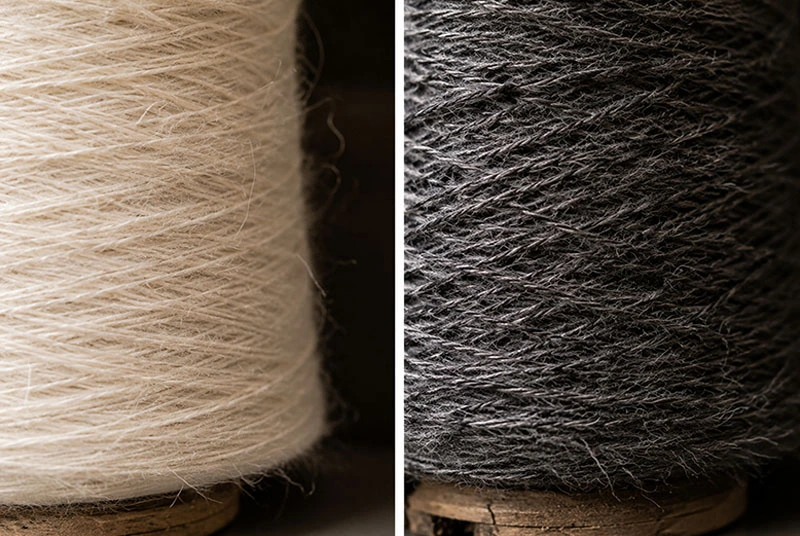
When you zoom in on individual fibers, the gap between regular wool and Merino wool jumps right out. No wool beats Merino for comfort, high performance, and high-quality presentation. A side-by-side comparison says it all.
Fiber Fineness and Softness
It’s barely a contest here.
Regular wool fibers are just too coarse and thick. People with sensitive skin will feel the burn from that roughness. But Merino fibers? Incredibly thin and soft. At that level of fineness, it crushes the competition.
luxurious and smooth, Merino is perfect for everyday wear.
Performance and Durability
The fibres of Merino wool are both strong and flexible. They can bend more than traditional wool, so products tend to remain in great shape for much longer. Which is why Merino is the go-to for socks, base layers, and knitwear lines that are specialized for performance.
It’s the industry standard for the level of comfort with superior durability.
Temperature Regulation and Breathability
Regular wool offers good warmth. However, it fails to adapt to varying body temperatures. Merino wool does. It regulates according to the body temperature, so it keeps you warm only when it’s cold. For this reason, Merino has become the industry standard for year-round products.
Moisture Wicking and Odor Resistance
Regular wool tends to absorb moisture. This makes it heavy. However, Merino wool does the opposite. It wicks moisture and dries out faster. It also has odor-resisting properties. All these features make it the most sought-after fabric to make activewear, travel gear, and everyday socks.

Quick Comparison Table
Regular Wool | Merino Wool | |
Softness | Can be rough | Ultra-soft |
Breathability | Good | Excellent |
Temperature Control | Warm | Adaptive |
Moisture Wicking | Moderate | High |
Odor Resistance | Low | Strong |
Durability | Good | Excellent |
Best Use | Basic winter wear | Premium & performance products |
While comparing merino wool with regular wool helps clarify their differences, material selection in real-world product development rarely stops at just one category.
In practice, brands often evaluate a wider range of fibers and blends before finalizing their product strategy. If you want a more complete overview of how different materials perform across various use cases, check out our full guide on the best material for socks to better understand how to choose the right option for your collection.
Are Merino Wool Socks Warm
Yes, Merino wool socks can provide excellent warmth, but they are not necessarily warmer than every type of wool. Wool naturally provides insulation by trapping air within its fiber structure, while Merino combines insulation with fine fibers, breathability, and moisture management.
Is Merino Wool Warmer Than Regular Wool
Not necessarily. Sock warmth depends on factors such as fiber type, sock thickness, yarn structure, knit density, cushioning, and fiber blend. A thick sock made from regular wool may provide more insulation than a lightweight Merino wool sock. Merino’s advantage is its ability to provide warmth while remaining lightweight, breathable, and comfortable against the skin.
For this reason, Merino wool is widely used in hiking socks, winter socks, ski socks, and other cold-weather products.
When to Choose Merino Wool for Your Business
If still unsure about when to choose merino wool, the points below can help you decide with confidence.
For Premium and High-Value Products
Merino adds a distinct touch to the products by enhancing the experience, look, and feel. The unparalleled lightweight comfort, softness, and natural performance features make the customer feel the luxury enhancement. Merino is the optimal choice to add a refined touch to the collection.
For Performance and Technical Apparel
For activewear, travel essentials, outdoor gear, and hiking socks, Merino wool gives you a competitive edge over regular wool. Those leading active lives and spending long hours on the move will appreciate the moisture management, breathability, and odor resistance.
For Building a Brand of Quality and Comfort
If your brand story is centered on comfort and craftsmanship, Merino helps reinforce that identity. It enables the creation of products that feel customer-centric and reliable.
Experience the Benefits of Merino Wool with Sockcn: A Partnership for Growth
Consider collaborating with a reputable sock factory for bulk production of custom merino wool socks. Sockcn is your best choice. We bring over 20 years of manufacturing experience and have partnered with more than 500 global brands, wholesalers, and retailers.
What Services We Offer:
- Fully customized socks with a wide range of materials, styles, and design options.
- Factory-direct pricing with no hidden fees.
- Complete certifications, including OEKO-TEX, GRS, GOTS, and RWS.
- Available for both large and small-batch orders.
- Free sample delivery provided.
Our team is available 24/7 – Reach out for a quote anytime, and we’ll ensure you receive the best service from start to finish.
FAQ
Can You Machine Wash Merino Wool?
Yes, Merino products can usually be washed in a machine, on a gentle or wool cycle. Following care instructions usually leads to the best results.
What Kind of Detergent Is Best for Wool Products?
A mild, wool-safe detergent is ideal. Anything with bleach or stronger chemicals is likely to harm the material.
Is 100% Merino Wool a Good Quality Investment for Our Product Line?
Yes, people can feel the difference immediately. It’s a strong investment going forward, as it is a performance and comfort upgrade.
What Are the Wholesale and MOQ Options Available?
Sockcn provides flexible MOQs that assist with small test orders or large orders. You have reliability with quality for customized orders every time.
Related Resources
→ Merino Wool vs Alpaca: Best Choice for Custom Socks
→ Wool vs Cotton Socks: Which Is Better for Your Brand
→ Cashmere vs Wool: Which Material Is Better for Socks
→ Best Material for Hiking Socks: What Actually Works on the Trail
→ Sock Material Guide: How to Choose the Best Material for Any Use
Explore more guides on sock materials, performance requirements, and manufacturing considerations.