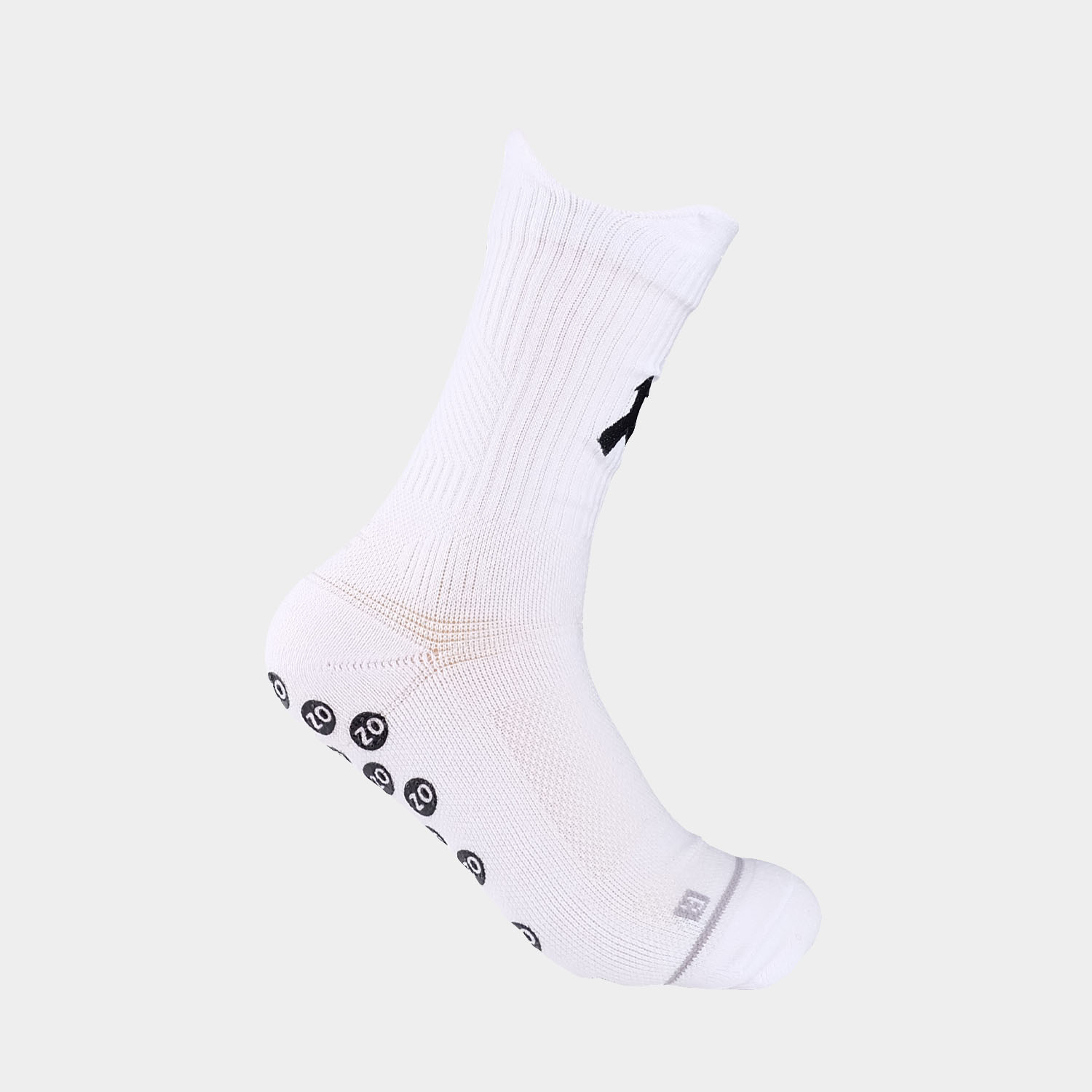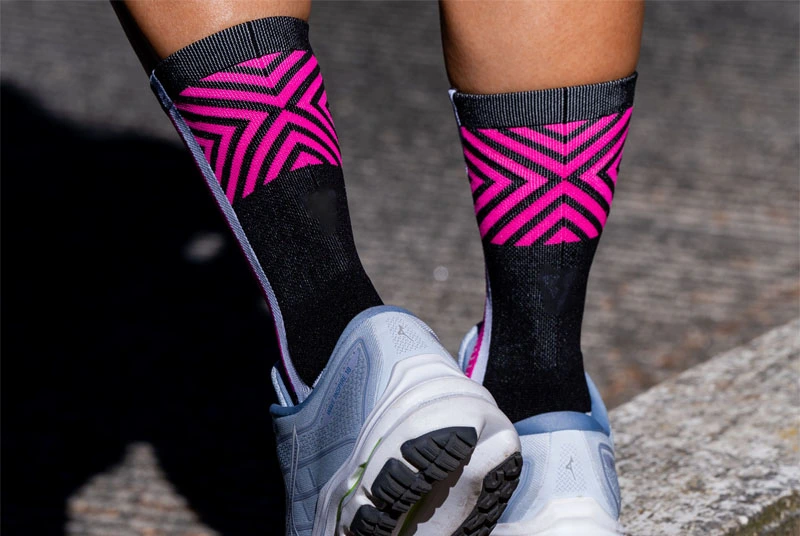

Crew socks reach mid-calf for more coverage, warmth, and branding space, while quarter socks sit just above the ankle for better breathability and athletic performance. Here’s how to choose the right sock length for your needs.
Quick Overview (30 Seconds)
- Crew socks extend to the mid-calf, offering more coverage, warmth, protection, and space for custom logos or patterns.
- Quarter socks sit just above the ankle, providing a lighter, more breathable fit for running, gym workouts, and everyday activities.
- For outdoor and work applications, crew socks are usually the better choice because they reduce friction and provide extra protection.
- For sports and warm-weather activities, quarter socks are preferred for their lightweight feel and improved airflow.
- For brands and retailers, crew socks offer greater branding visibility, while quarter socks create a more performance-oriented product style.
What Are Crew Socks?
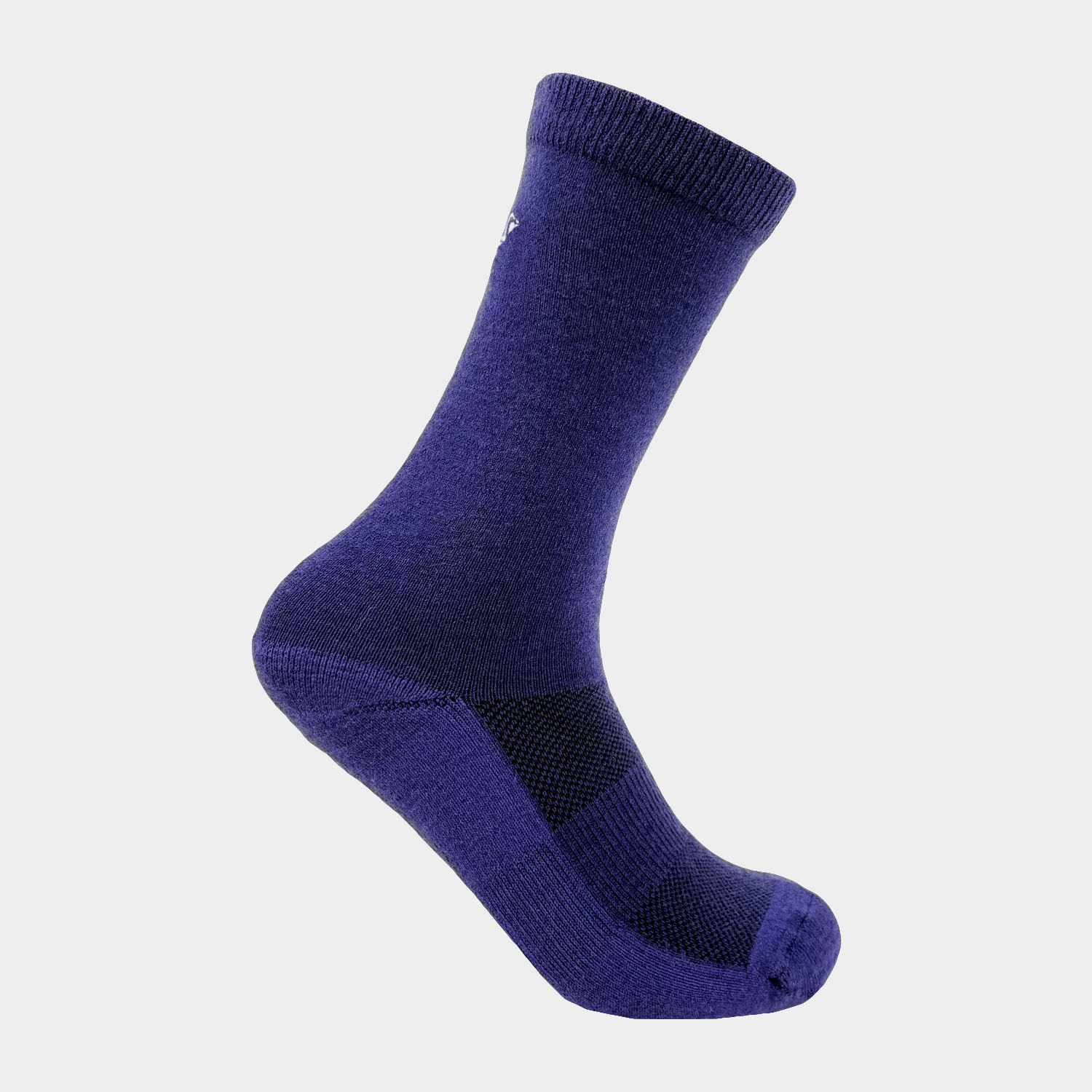
Crew socks reach mid-calf, typically sitting 6–8 inches above the heel. They provide more coverage than quarter socks and are commonly worn for hiking, work, everyday wear, and cooler weather.
What Are Quarter Socks?
Quarter socks sit just above the ankle, usually 2–4 inches above the ankle bone. They provide light coverage while keeping feet cooler, making them popular for running, training, and everyday wear.
Sock Length Guide
Sock length refers to how high a sock extends above your foot and ankle. Different lengths provide different levels of coverage, comfort, and protection, making them suitable for different shoes and activities.
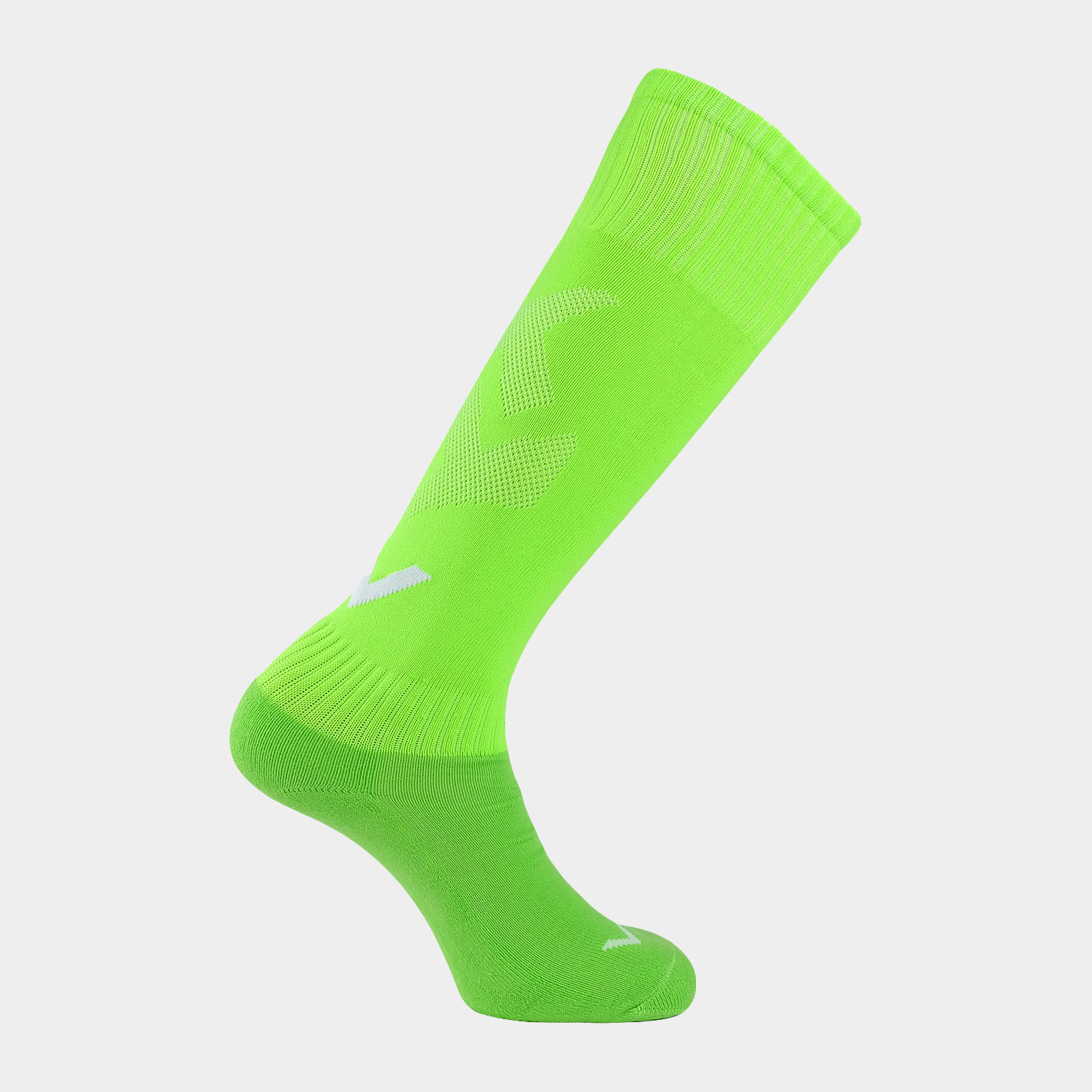
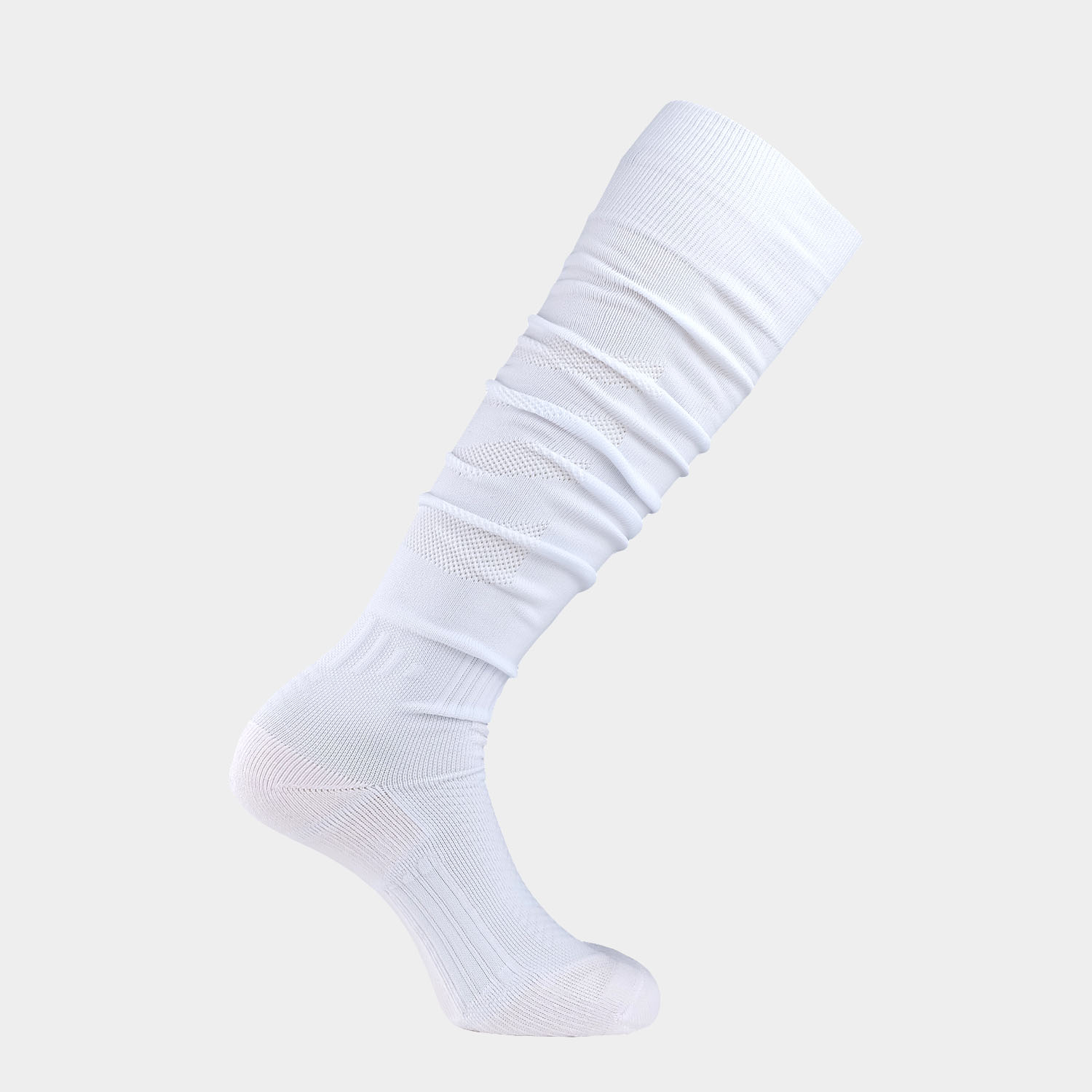
From shortest to tallest, the most common sock lengths are No Show, Ankle, Quarter, Crew, and Knee-High. Quarter socks sit just above the ankle, while crew socks extend to the mid-calf, offering more coverage and space for logos or patterns.

Crew Socks vs Quarter Socks: Key Differences
Although crew socks and quarter socks share many of the same materials and construction, they are designed for different needs. The biggest differences are height, coverage, breathability, warmth, and ideal use. The table below compares the two styles to help you quickly decide which sock length best fits your activity and preferences.
Comparison Table Between Them
| Feature | Quarter Socks | Crew Socks |
|---|---|---|
| Height | Usually reaches just above the ankle (around 3–5 inches) | Extends to the mid-calf area (around 6–10 inches) |
| Coverage | Provides light ankle coverage while keeping more of the leg exposed | Offers greater coverage for the ankle and lower calf |
| Breathability | Better airflow due to less fabric coverage; ideal for warm conditions and active use | Slightly less airflow but can still be highly breathable with mesh ventilation zones |
| Warmth | Provides light warmth and helps keep feet comfortable without overheating | Offers more insulation and protection, especially in cooler environments |
| Protection | Helps prevent shoe friction and provides basic ankle coverage | Better protection against abrasion, debris, and boot/shoe rubbing |
| Logo & Branding Space | Moderate branding area, suitable for subtle logos or athletic designs | Larger visible area, ideal for team socks, uniforms, and brand promotion |
| Best For | Running, gym workouts, tennis, casual walking, everyday sports | Hiking, outdoor activities, work boots, soccer, basketball, team sports |
| Best Season | Spring, summer, and indoor training; also suitable year-round with performance materials | Fall, winter, and outdoor activities; widely used year-round for sports teams |
| Best Shoes | Running shoes, sneakers, training shoes, low-cut athletic shoes | Hiking boots, basketball shoes, soccer cleats, work boots, high-top sneakers |
| Main Advantage | Lightweight feel, enhanced mobility, and reduced heat buildup | More coverage, stronger protection, and better visual impact |
Height & Coverage
Crew socks extend to the mid-calf, offering more protection for the lower leg. Quarter socks sit just above the ankle, providing enough coverage to prevent shoe rubbing while keeping the leg cooler.
Breathability & Comfort
Quarter socks allow more airflow, making them ideal for warm weather and high-intensity activities. Crew socks retain more warmth and provide a secure fit, making them better suited for cooler conditions and long hours of wear.
Protection & Support
Crew socks offer additional protection against boot friction, dirt, and minor scratches during outdoor activities. Quarter socks focus on lightweight comfort while still protecting the heel and ankle from rubbing.
Style & Visibility
Quarter socks create a clean, low-profile look that pairs well with running shoes and sneakers. Crew socks are more visible, making them a popular choice for streetwear, uniforms, and custom logo designs.
Logo & Branding Space
Crew socks provide a larger knitting area for logos, patterns, and brand colors, making them ideal for promotional products and private label collections. Quarter socks offer a cleaner athletic look and are often chosen for running clubs, fitness brands, and activewear collections.
Which Sock Length Should You Choose for Different Activities?
Activity | Best Choice | Why |
Running | Quarter | Lightweight & breathable |
Hiking | Crew | Better protection & warmth |
Gym | Quarter | Cooler during workouts |
Walking | Both | Depends on weather and shoes |
Work Boots | Crew | Reduces boot friction |
Office | Crew | Better with dress shoes |
Casual Sneakers | Both | Personal preference |
Summer | Quarter | Better airflow |
Winter | Crew | Extra warmth |
Running
Quarter socks are usually the better choice for road running because they provide enough ankle protection while keeping your feet cooler during long runs. Lightweight fabrics and breathable mesh panels further improve comfort in warm weather.
Hiking
Crew socks are recommended for hiking because they protect the lower leg from boot friction, dirt, and minor scratches while providing additional warmth on the trail.
Gym
Quarter socks pair well with training shoes and allow better airflow during high-intensity workouts, making them a popular choice for gym sessions.
FAQ
Q1. Are Crew Socks Still in Style in 2026?
Yes. Crew socks are versatile and functional. They have a fashion crossover appeal and are popular in the sportswear market. Streetwear culture has an affinity for crew socks.
Q2. Why Do Crew Socks Leave Marks?
When crew socks leave marks, it can indicate that the elastic is too tight or the material is of poor quality. Look for certified fabrics and elastic blends that will feel comfortable.
Q3. What Shoes Do You Wear with Quarter Socks?
Quarter socks are suitable for sneakers, athletic shoes, casual shoes, slip-ons, and low-cut walking shoes. They look neat and provide ankle protection from rubbing.
Q4. Do Quarter Socks Make You Look Taller?
Yes, Quarter socks visually lengthen the ankle area and leave the calf covered. Many people feel that this results in a slimmer, taller look, and therefore perceive that they have gained height.
Conclusion
So, which is better when comparing quarter socks vs crew socks? The answer is straightforward: it depends on your personal preference and the activities you have on a particular day. You’re on the go and staying active? You’re likely to choose quarter socks.
For cooler weather or a more relaxed day, crew socks offer fashion, warmth, and coverage. Many will find a need for both at some point. When it comes to dependable, comfortable, custom-branded, and bulk-priced socks, Sockcn is there for you. They can sort you out with everything from long-lasting crew socks and premium quarter socks to fully personalized Custom Socks.
This is your chance to stock up on your inventory or start a sock business. Choose high-quality Sockcn because customers can tell the difference with every step they take.