Sweaty feet are annoying, but the real nightmare is wearing socks that stay wet all day.
Most people switch to pure cotton thinking it helps, only to end up with damp feet, terrible odor, and friction blisters. The truth is, the problem isn’t just how much you sweat—it’s how your socks manage that moisture inside your shoes.
This guide skips the fluff and breaks down what actually works. From premium merino wool to high-performance synthetic blends, here is how to choose the right moisture-wicking socks for running, heavy work boots, and hot summer days.
Why Some Socks Make Sweaty Feet Worse
A lot of sweaty feet problems start before the sweat itself becomes an issue. The material, thickness, and how the sock handles moisture all change how your feet feel after a few hours in shoes. Some socks just hold onto heat longer than others.
Cotton Feels Breathable… Until It Gets Wet
Cotton socks feel light and comfortable at first, which is why many people assume they’re good for sweaty feet. The problem usually shows up later.
Once cotton absorbs sweat, it tends to stay damp instead of drying quickly. Inside shoes, that damp feeling builds up fast — especially during long walks, workouts, or hot weather.
That’s why cotton often ends up feeling heavier, warmer, and stickier over time.
Sweat, Heat, Friction — It’s All Connected
Sweaty feet are not just about moisture. Heat buildup matters too.
When socks trap heat inside the shoe, sweat increases. Then friction increases with it. Damp socks rubbing against skin for hours can make feet feel uncomfortable even if the socks seemed fine earlier in the day.
This is also why thick socks sometimes feel worse than thinner moisture-wicking socks, even when they absorb more sweat.
The Best Socks for Sweaty Feet by Situation
Not all sweaty feet feel the same. Running in lightweight shoes is different from standing all day in work boots, and both feel different again in summer heat.
The best sock material usually depends on where the sweat is happening.
Best Running Socks for Sweaty Feet
For running socks, fast drying matters more than softness.
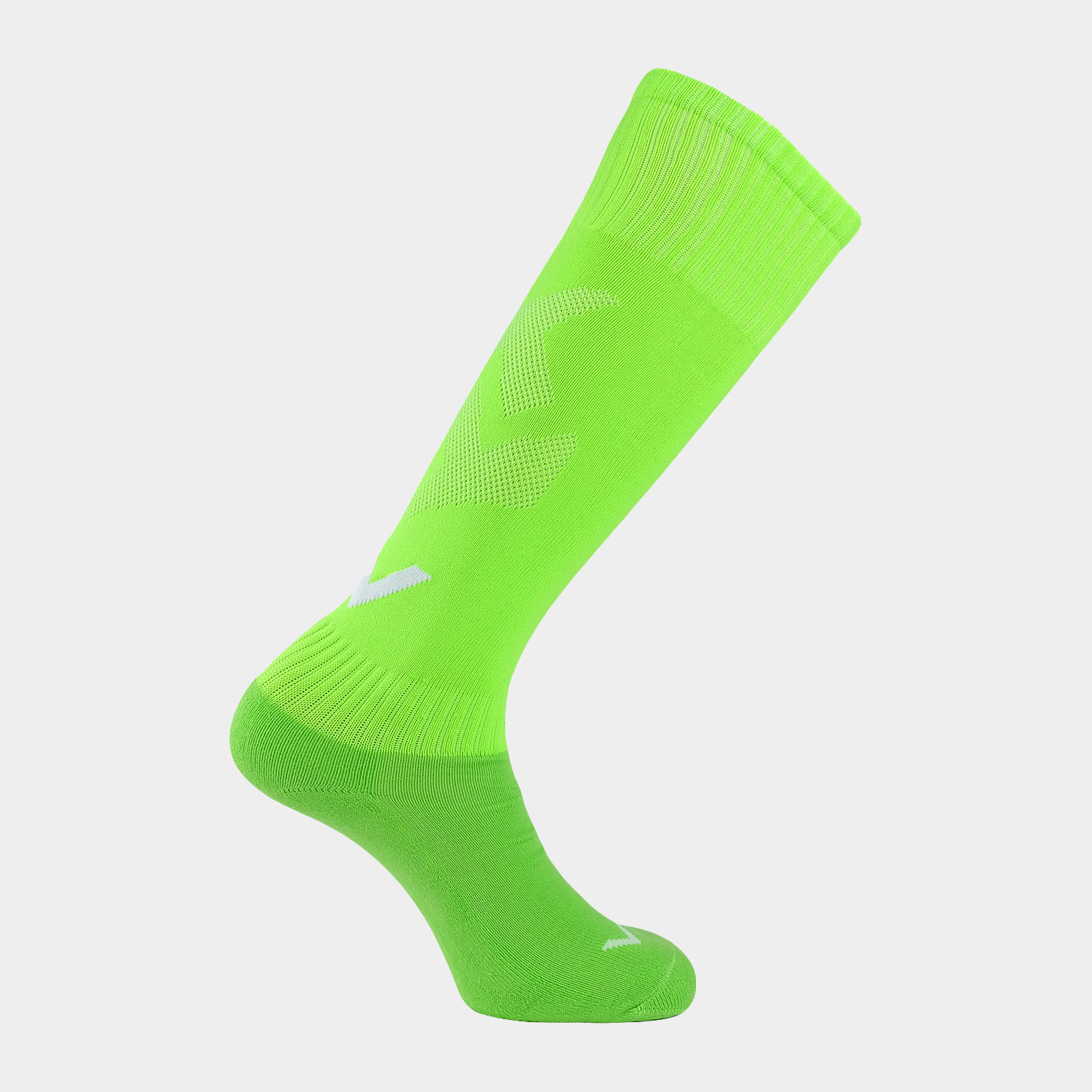
Most runners with sweaty feet do better with moisture-wicking synthetic blends made from polyester and nylon. These fabrics move sweat away from the skin quickly and dry faster during long runs or workouts.
Thin to medium cushioning usually feels better than heavily padded socks, especially in warm weather.
Best Socks for Sweaty Feet in Work Boots
Work boots trap heat more than running shoes, so comfort changes after a few hours.
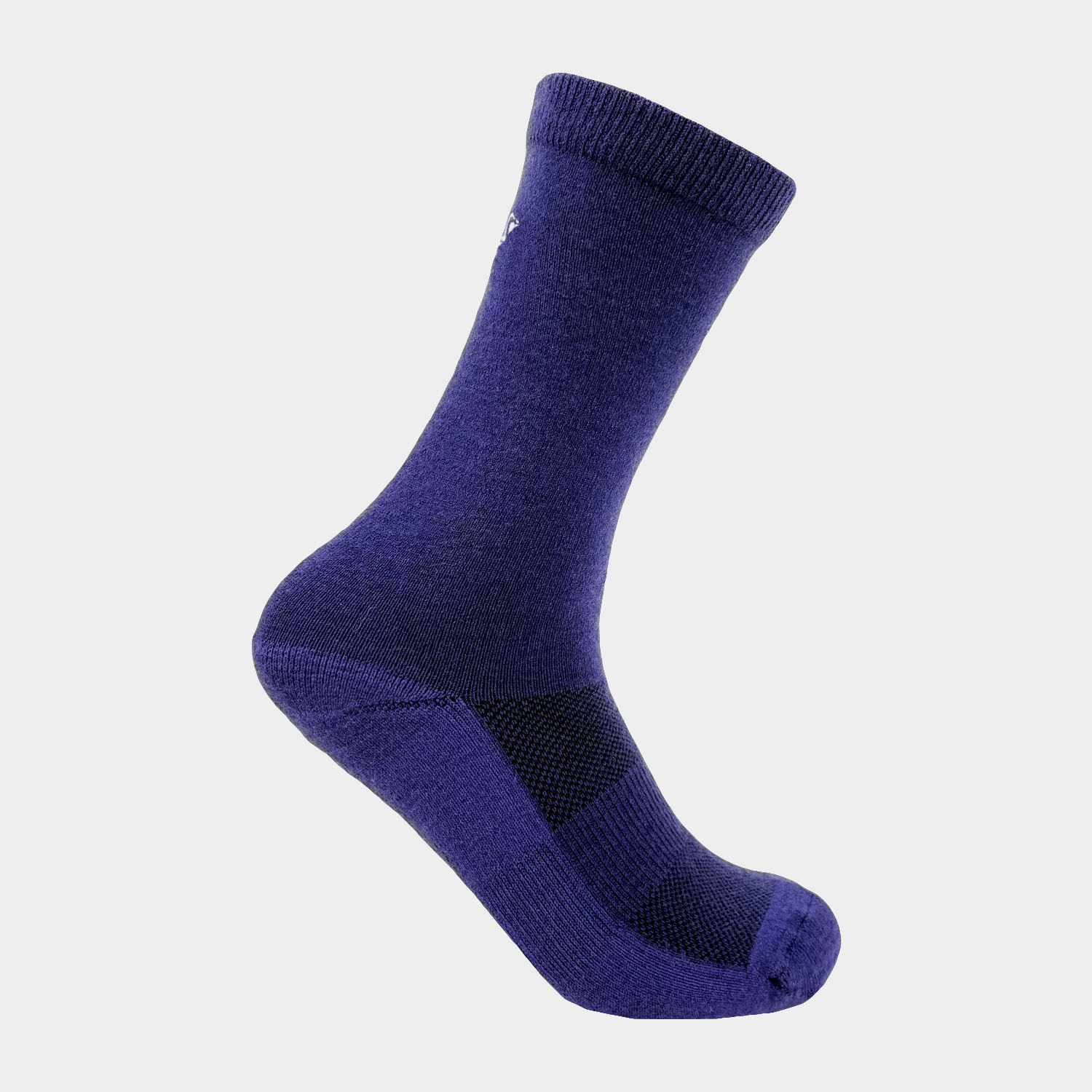
Merino wool blends tend to work well here because they handle moisture without feeling overly damp inside the boot. They also help more with odor during long shifts compared to cheaper synthetic socks.
Too much thickness can backfire, though. Heavy socks inside insulated boots often end up feeling hotter, not drier.
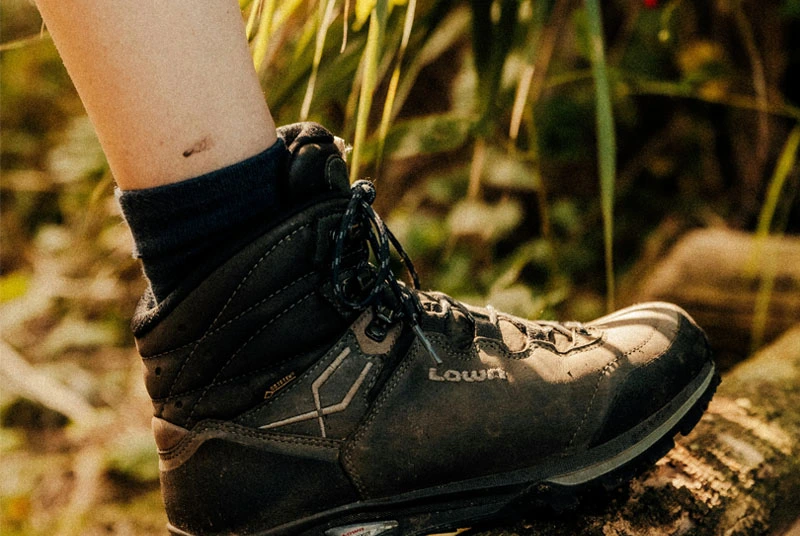
Best Summer Socks for Sweaty Feet
Summer socks need airflow more than heavy cushioning.
Lightweight merino wool socks are surprisingly comfortable in hot weather because they regulate temperature better than standard cotton socks. Thin moisture-wicking synthetic socks also work well if quick drying is the priority.
This is usually where thick athletic socks start feeling miserable.
Best Socks for Sweaty Smelly Feet
Sweat itself usually isn’t the main reason socks smell bad. Trapped moisture is.
Merino wool naturally resists odor better than most synthetic materials, which is why many people notice less smell even after long wear. Synthetic socks can still work well for sweaty feet, but lower-quality synthetic fibers tend to absorb skin oils, creating a breeding ground for bacteria that traps odor even after a wash.
How to Choose the Right Sock for Sweaty Feet
A sock can feel great for an hour and terrible by the end of the day. That’s why sweaty feet usually have less to do with one “perfect” material and more to do with choosing the right combination for the situation.
Feature | Merino Wool Socks | Synthetic Blend Socks |
Moisture Management | Excellent | Very Good |
Drying Speed | Moderate | Fast |
Odor Resistance | Excellent | Moderate |
Hot Weather Comfort | Very Good | Good |
Long Wear Comfort | Excellent | Moderate |
Best For | Daily wear, work boots, hiking | Running, gym, intense activity |
Thickness matters more than many people realize. Heavy cushioning can trap heat surprisingly fast, especially in summer or inside work boots. For sweaty feet, light to medium cushioning usually feels more comfortable over long wear.
And despite the reputation wool has, lightweight merino wool socks rarely feel as hot as people expect. In many cases, they end up feeling drier than cotton once your feet start sweating.
Common Mistakes People Make When Buying Socks for Sweaty Feet
A sock that feels breathable at first can still end up hot, damp, and uncomfortable a few hours later.
Mistake | Why It Makes Sweaty Feet Worse |
Choosing 100% Cotton Socks | Cotton absorbs sweat easily but dries slowly, leaving socks damp inside shoes for long periods. |
Focusing Only on Breathability | A sock can feel airy at first and still hold moisture once sweat builds up. |
Wearing Thick Socks in Hot Weather | Heavy cushioning traps heat and reduces airflow around the foot. |
Buying Cheap Synthetic Socks | Lower-quality synthetic fibers tend to absorb skin oils, creating a breeding ground for bacteria that traps odor even after a wash. |
FAQ
Can I wear merino wool socks multiple days in a row?
Yes — many people do, especially for hiking, travel, or long work shifts. Merino wool resists odor better than most synthetic materials, so it usually stays fresher longer.
Are cheap synthetic socks better than regular cotton socks?
Usually yes for sweat management. Even lower-cost synthetic socks tend to dry faster than cotton. The downside is that cheaper synthetic fibers often trap odor more easily after repeated wear.
Do thinner socks help with sweaty feet?
Sometimes, but not always.
Thin socks usually feel cooler at first because they trap less heat inside the shoe. But if the material holds moisture poorly, thin socks can still end up damp and uncomfortable very quickly.
For sweaty feet, material often matters more than thickness alone. Lightweight merino wool or thin moisture-wicking synthetic socks usually work better than ultra-thin cotton socks.
Related Resources
→ Top Private Label Sock Manufacturers for Startups (2026 Guide)
→ How to Choose a Reliable OEM China Factory for Socks
→ Chinese Socks: Why Global Brands Choose China for Manufacturing
→ What Is OEM? A Simple Guide for Brands and Buyers in the Sock Industry
Explore more guides on sock materials, performance requirements, and manufacturing considerations.