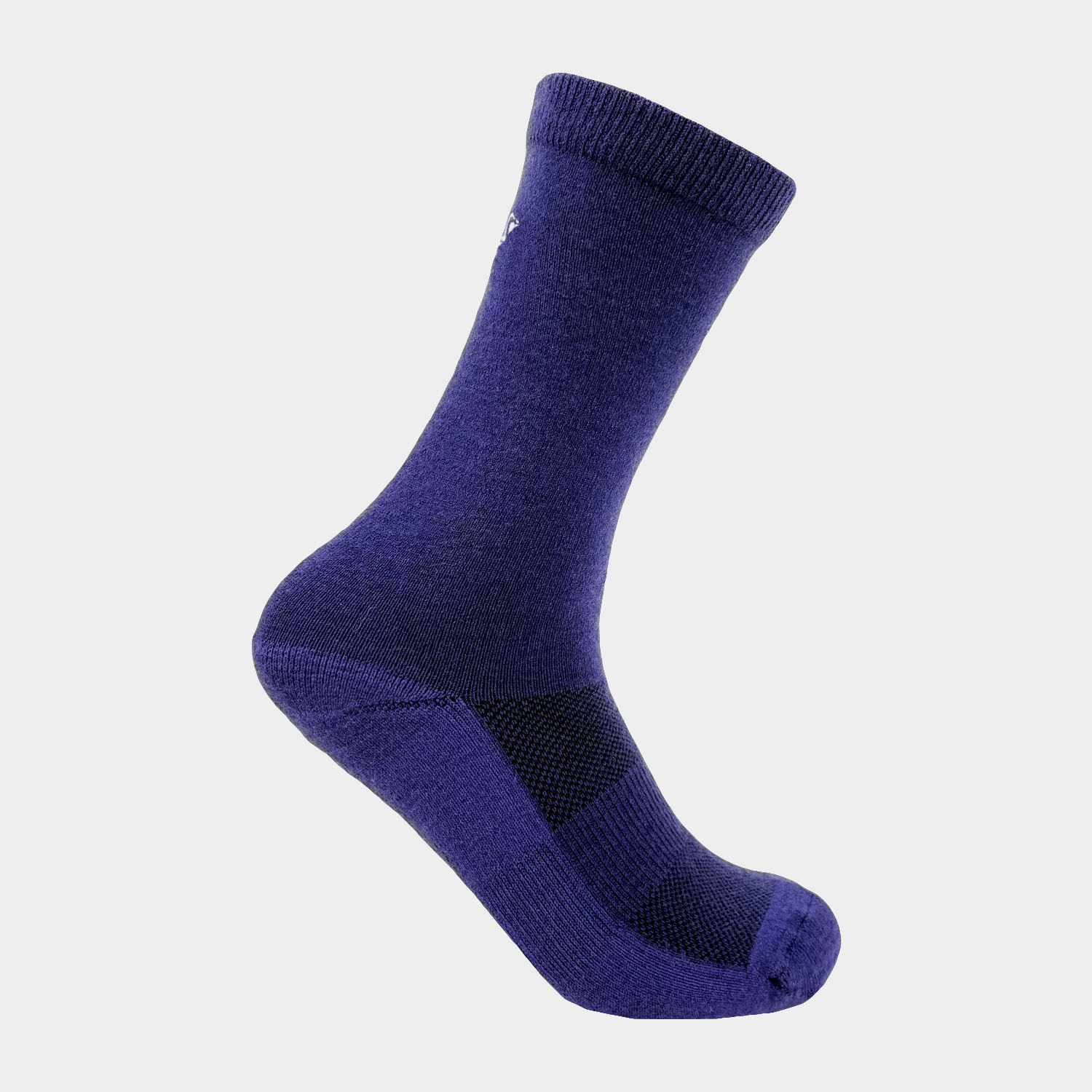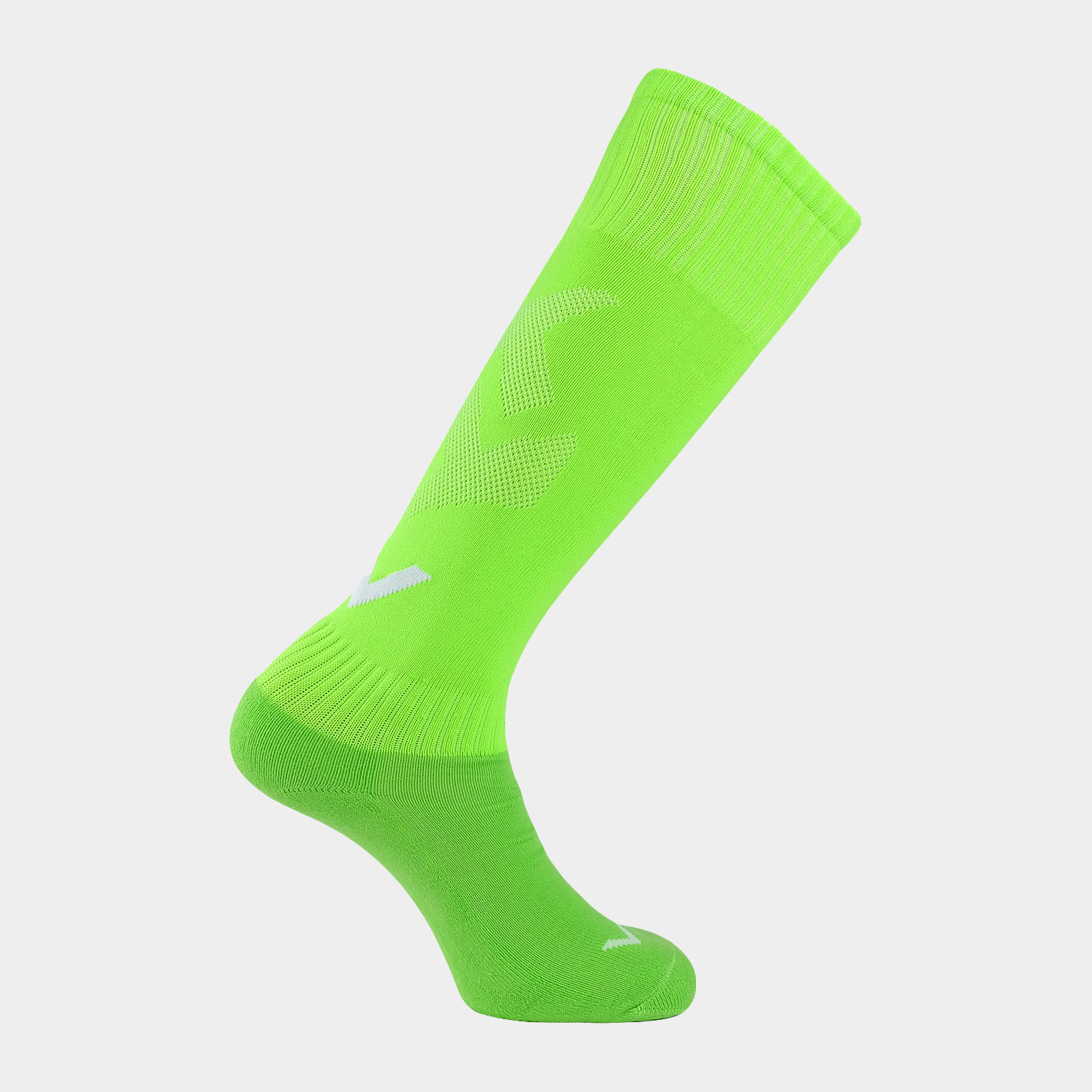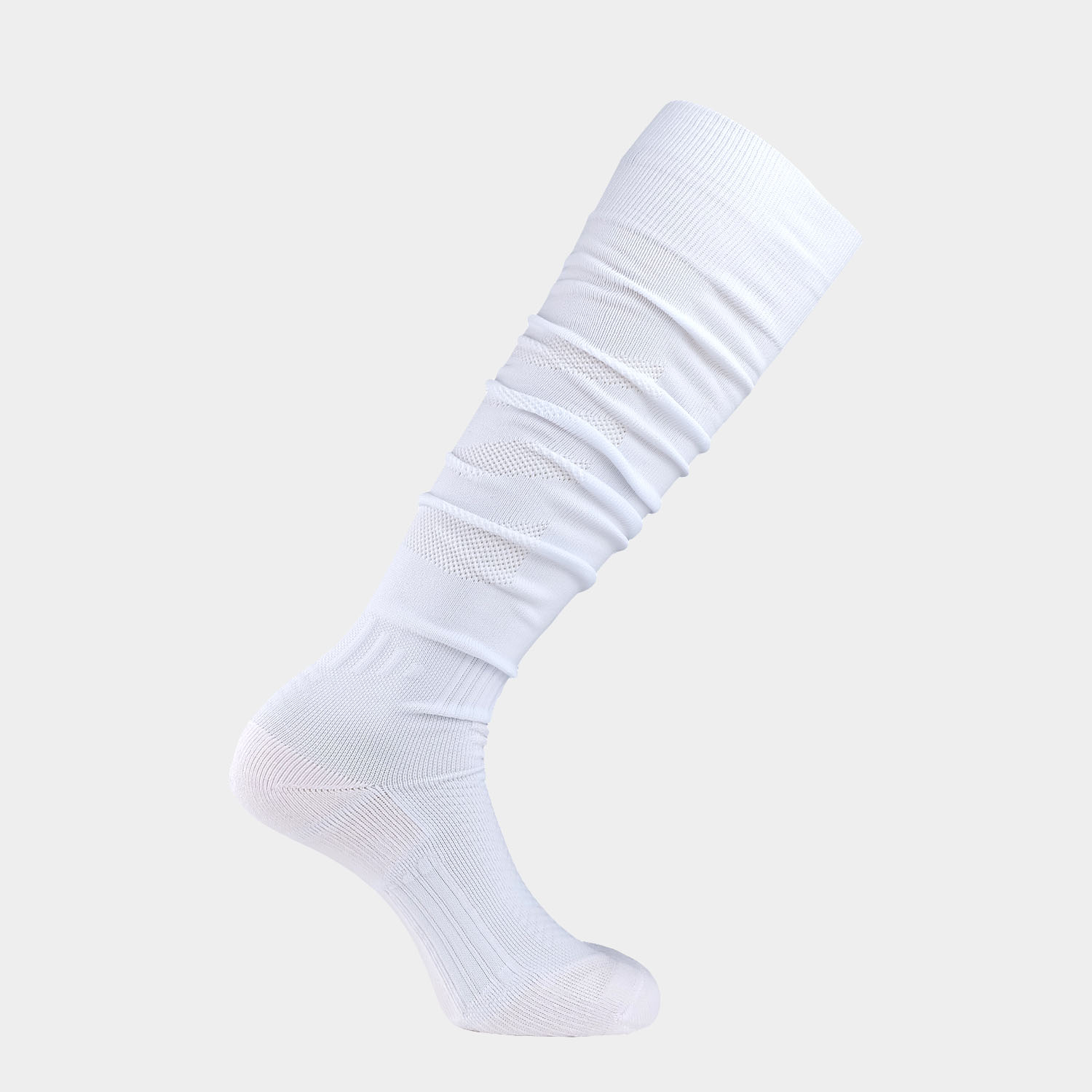
The following is a comprehensive guide to buying hiking socks written by experts from outdoor brands from a consumer-educational point of view. This style of post is not only helpful to hikers, but your brand gains trust and authority by appearing in these search results. Of course, offering a great product starts with more than just knowledge—it requires the right manufacturing partner. For brands looking to create superior wool socks, understanding how to choose a reliable socks factory is equally critical. But first, let’s find out how to choose good socks for hiking!
What Makes a Good Pair of Hiking Socks?
A pair of professional hiking socks is more than warm cloth, it’s necessary gear to make hiking comfortable and maintain the health of the feet.
Merino Wool Benefits
This is one of the core functions of hiking socks, directly affecting the comfort of the feet and whether blisters will form.
Material is key:
- Merino wool is the best option: If you are getting outdoor socks, then this is the “gold standard”. Merino wool fibers are hollow and so have a faster drying time, they also draw moisture away from the skin and keep you warm even when they’re wet, plus are naturally antibacterial and resistant to odor.
- Synthetic functional fibers: Like Coolmax and polyester fibers. By special physical structure or chemical finishing, these fibers or fabrics can let sweat leave your body immediately and keep you cool and dry.
- No pure cotton: Cotton socks are hard to dry once they get wet. Wet socks create friction and greatly increase the chances of blisters, but also wet socks can cause cold feet and this is very dangerous as it may lead to hypothermia.
Structural design aids:
The body of the sock is normally constructed with a combination of weaving techniques, using more ventilated and thinner mesh or ribbing in places where you sweat the most like on the instep and ankle, to keep air flowing.
Cushioning & Impact Protection
Hiking, particularly heavy-duty hiking, has a substantial impact on the knees and feet. Good hiking sock is well padded and protective.
Zoned Cushioning Design:
- Professional hiking socks are not uniformly thick. They have extra terry cloth padding or special cushioning material in the areas which are subject to the most pressure and friction, like the heel, forefoot and ankle.
- This “zoned cushioning” allows for your foot to absorb pressure when the foot lands, reducing the pressure on joints, protecting your toes (so they don’t hit the toe box) and providing cushioning between bony prominences and the upper of the shoe so that they don’t get irritated.
Balance of Cushioning and Flexibility:
Thin and supportive knits are used in the instep and arch areas to allow flexibility and a fit that is not too tight, keeping the sock from being too bulky and restricting motion.

Fit & Elasticity
Even the best features are useless if socks don’t fit properly. Ill-fitting socks cause wrinkles and chafing, directly leading to blisters.
3D Cut and Ergonomic Design:
- Superior hiking socks employ the L/R (left/right) design, they are separately 3D knitted for each foot, adapting perfectly to the natural curves of the foot and getting rid of any excess fabric.
- A special “pocket” at the heel locks the sock to the foot and keeps it from sliding or folding.
High-Elasticity Materials:
- Usually consisting of a combination of Lycra, spandex, or elastic nylon with the main fabric, so of an all round elasticity.
- This stretch allows the sock to snugly fit around the feet without sliding, but not be too tight that it compromises blood flow. An elastic support at the ankle and the cuff is highly necessary for this purpose so that it keeps the mud and sand out of your shoes and without bunching holes.
When buying hiking socks, take your type of hiking light/heavy pack, season) into account to determine the thickness of the material and the composition. You can definitely check out the smartwool hiking socks types. The right hiking sock is a magical blend of material, construction and design, and a good pair can mean the difference between a miserable day on the trail and a comfortable one.
Are Wool Socks Really the Best for Hiking?
For the majority of hiking situations, particularly longer hikes and those with unpredictable weather, merino wool socks will serve you best overall. But they aren’t a magic bullet: there are situations where synthetic, or blended socks, can be better.
Merino Wool Benefits
Why Merino wool ? What is Merino and why is it so highly regarded, it has all the properties that you don´t get with ordinary cotton or regular wool and is just perfect to use outdoors.
- Superior Moisture Management: Merino wools can absorb up to 30 percent of its weight in water and maintain a dry feeling. On the other hand, cotton socks feel moist and cold when wet, while synthetic materials usually remove sweat from the interior of the sock to the outside. Wool wicks moisture from your feet and insulates you from the cold associated with the evaporation of sweat, so the micro environment around your feet is stable.
- Better Temperature Control: The natural crimp of the wool fiber traps air which makes it an insulator. In other words, it is the best layer when it comes to radiating your warmth outwards in winter, and in summer that same insulation layer reduces the exposure to the sun’s heat that comes inward to your feet, resulting in a touch of coolness. It is indeed a smart, naturally temperature regulating material.
- Natural air purification and odor neutralization: The molecules found in the keratin that makes up wool’s fibers has an inherent ability to neutralize odors, and hamper the growth of bacteria. For those travelers who do not hike for many days in a row and have no opportunity to change socks daily, after one day your feet and shoes won’t be smelly.
- Soft and Comfortable: Merino wool is not like the traditional coarse wool fibers are extremely fine (normally measuring below 20 micrometers in diameter) making it super soft. It means you won’t get itching or allergic reactions from wearing it directly on your skin, so it’s perfect for making underwear and socks.
Wool vs Synthetic Alternatives
Wool excels in comfort, temperature adaptability, and sustained warmth and odor resistance in damp conditions.
Synthetic fibers excel in quick-drying speed, extreme lightweight, superior abrasion resistance, and price.
Hybrid blends: Since both have pros and cons, there is a multitude of “hybrid” socks available on the market that blend the comfort and warmth of wool with the durability and drying speed of synthetic materials. The typical “Merino wool + nylon + elastane” blend is regarded as the “gold standard” when it comes to performance.

Why Outdoor Brands Prefer Wool
- Reliability in Complex and Ever-Changing Environments: Weather and trail conditions may change quickly while hiking. Crossing streams, sudden downpours, and overexertion through sweating are all part of the deal. Wool socks staying warm when wet is important for preventing hypothermia and staying safe. Nothing is on par with this reliability, not even the synthetic fibers!
- Increased Comfort for Users: Enjoyment of hiking is to a large extent dependent on the level of body comfort. With a well-balanced temperature and moisture management, soft touch and long-lasting odor-free properties, wool socks increase hiking pleasure and decrease the occurrence of blisters and tired feet, making a difference in long hiking satisfaction. Happy users are loyal
- Satisfying the Essential Requirements of Multi-Day Hiking: When it comes to backpackers and long-distance hikers, going light and carrying less gear is a must. Wool socks that can be used for 2-3 days straight without smelling makes it possible to pack fewer spare socks, making your pack lighter and your itinerary simpler.
- A Great Marketing Narrative: Terms such as “natural”, “intelligent temperature regulation”, and “odor-resistant”add up to a compelling product narrative that will likely resonate with outdoor customers who appreciate nature and quality products.
Choosing the Right Thickness and Height for Different Hikers
Sock Thickness
Sock thickness determines their padding, breathability, and warmth. They fall into three categories based on thickness: thin, medium, and thick.
Thin Socks
- Features: Thin padding, usually made from a merino wool blend with synthetic fibers, offering minimal breathability and minor protection from friction.
- Weather: Summer, hot and dry areas.
- Terrain: Flat, easy trails, urban hiking.
- Footwear: Requires pairing with lightweight, breathable hiking or trail running shoes with narrow boot openings. Thick socks will be too tight in these shoes.
- Suitable for: Hikers who prioritize speed, are sensitive to heat, and are less prone to blisters.
Medium-Thick Socks (All-Round)
- Features: This is the popular thickness option for hiking socks. They are strong in the critical areas of the sole and heel, which gives them a great cushioning and support and also allows your feet to breathe well.
- Weather: Most weather conditions in spring, autumn, early summer, and early winter.
- Terrain: Multi-day treks, rugged mountain trails, and backpacking treks.
- Footwear: Works perfectly with most standard hiking boots.
- Suitable for: Most hiking enthusiasts. If you’re unsure which to choose, a medium-thick boot is the safest and most versatile option.
Thick Boots
- Features: Very thick material with maximized cushioning and excellent warmth.
- Weather: Winter, high-altitude snow-capped mountains, and extremely cold environments.
- Terrain: Extreme adventures and long-distance backpacking treks.
- Footwear: Needs to be worn with heavy-duty hiking boots or mountaineering boots in going up or half a size to accommodate thick socks. Tight shoes will cramp feet blood flow and make them even colder.
- Suitable for: Winter hikers, mountaineers, or adventurers undertaking backpacking treks in extreme environments.
Sock Height
The height of the sock generally only influences the ankle and calf protection, and is also a matter of taste.
Ankle Socks/Invisible Socks
- Features: The sock cuff falls below the ankle, completely invisible.
- Advantages: Most flexible, coolest, and unrestricted.
- Disadvantages: Offers no protection for the ankle and Achilles tendon; sand and gravel can easily enter the shoe.
- Suitable Scenarios: Only suitable for the most relaxed daily walking or urban hiking; not recommended for wilderness hiking.
Quarter Socks
- Features: The Sock cuff is a little above the ankle bone.
- Benefits: Basic Protection for the bony ankle area, stops friction from the shoe upper with good breath-ability and flexibility.
- Suitable Scenarios: Low-cut trail hiking, summer heat hiking, day hiking on well-maintained trails.
- Features:Sock cuffs descend to mid-calf; the most common hiking sock length.
- Advantages: Full coverage to prevent chafing of achilles and calves from the upper of high top hiking boot along with effective blocking of mud, sand, small stones or other foreign materials from getting inside your shoe. They certainly offer a little warmth for the calves in cold weather.
- Suitable Scenarios: General hiking (paired with mid- or high-top hiking boots). First choice for multi-day hiking and heavy backpacking.
Knee high Socks
- Features: Sock height is close to or exceeds the knee.
- Advantages: Provides maximum protection against plant scratches and insect bites, and effectively prevents foreign objects from entering in deep snow or muddy environments.
- Suitable Scenarios: Bushy trails, winter snow hiking, high-altitude expeditions. Typically used in conjunction with professional mountaineering boots.
Matching Thickness & Height to Customer Preferences
In addition to objective conditions, personal preference is also the main influence factor. You can help customers to choose their best option by asking:
- Regarding thickness, you can ask:
“Do your feet sweat easily when hiking?”
- If so, prioritize thin or medium-thick socks made of merino wool, as they have excellent moisture-wicking and antibacterial properties.
“Do you get blisters easily, or have old foot injuries?”
- If so, medium-thick socks are a key choice. Their extra cushioning effectively reduces friction. Look for socks with zoned cushioning at the toes, heels, and soles.
- Regarding height, you can ask:
“What type of hiking shoes do you prefer?”
- Low-top shoes -> Crew socks (classic combination).
- Mid/high-top shoes -> Mid-calf socks (essential to prevent chafing).
“Do you mind a feeling of being covered up in your calves?”
- Prefer freedom of movement -> Crew socks.
- Don’t mind, even like a feeling of security -> Mid-calf socks.
What Top Brands Teach Us About Hiking Socks Design
Gone are the days when hiking socks were simply used for warmth, they are now high-tech pieces of functional gear. Leading brands excel in comfort, performance and durability with meticulous designs and they build a strong brand moat in the process.
Popular Brands & Their Signature Features
The core of top brands lies in making technology “visualized” and “perceptible”, and forming a distinctive brand identity through a unique design language.
Smartwool (USA)
- Key Feature: Merino wool expert.
- Material: Largely Merino wool with a focus on the natural temperature regulating, odor resistant and soft to skin qualities. This is the foundation of its brand narrative.
- Technology: Seamless Intraknit® knitting technology knits the entire sock in one piece. Various knitting patterns are made in different zones (instep, sole) to provide localized support and breathability.
Darn Tough (USA)
- Key Feature: Unparalleled durability and lifetime warranty.
- Material: It uses Merino wool but it is more the content of synthetic fibers like nylon and lycra for maximum durability and shape retention.
- Technology: Tight knit density and reinforced construction – particularly at stress points (heel, toes, sole). Its policy “lifetime warranty” is itself the ultimate statement of its rugged construction.
Falke (Germany)
- Key Features: European craftsmanship and ergonomics.
- Structure: Anatomically designed, separately woven for the left and right foot, adapts perfectly to the shape of the foot. Wraps and supports perfectly at the ankle and the arch.
- Materials and Zoning:It utilises a number of functional fibers, for example Coolmax and wool, and thickens the cushioning in strategic zones (like the heel and forefoot) via an elaborate “zoned cushioning system”, while allowing lightweight breathability in zones that are not mission critical.
Icebreaker (New Zealand)
- Key Features: Advocate for 100% pure natural Merino wool.
- Material Purity: Primarily featuring pure merino wool socks (or those with extremely high synthetic fiber content), emphasizing sustainability and biodegradability. Its “farm-to-feet” traceability system is a core narrative.
- Design: The design style leans towards natural and minimalist, consistent with its brand philosophy. The cushioning is relatively understated, focusing more on the natural comfort and temperature management offered by the wool itself.
Lessons for B2B Buyers & Private Labels
- Shift from “Material Story” to “Technology System”
Don’t just sell “Merino wool”, sell “a zoned temperature control system based on Merino wool”. Combine materials with specific design structures (such as different knitting methods, thicknesses, and fiber blend ratios) to create a convincing technological combination. This effectively avoids falling into a price war based on homogeneity.
- Precisely Identify “Pain Points”
Top brands have all solved a core pain point: Smartwool addresses “comfort”, Darn Tough addresses “durability”, and Falke addresses “fit”. When developing private label products, ask yourself: “What problem does my sock solve for my core user that others haven’t solved well”?
- Build Trust Through Visualized Design Details
Zoned designs must be visible: use different colors or textures of yarn to showcase areas like arch support and sole cushioning. This allows consumers to intuitively perceive the product’s technological content.
Flat Toe Seam should be standard: This is key to eliminating blisters and a basic requirement for high-quality socks.
Clear sizing and fitting guide: Provides a detailed size chart and instructions on how to choose the thickness and height of socks based on shoe type and activity.
Segmenting by Gender & Activity Type
- By Gender:
- Best hiking socks for men:
Fit: Typically wider feet, higher arch and heel support, and larger calf circumference.
Cushioning: Tends to provide thicker, more impact-protective cushioning, especially in heavy-duty hiking socks.
Design: Colors tend to be more subdued (e.g., dark blue, dark green, gray, black), with a focus on functionality rather than aesthetics.
- Best hiking socks for women:
Fit: Designed based on women’s foot shape, generally narrower and longer, with a narrower heel and a more forward-shifted arch support.
Cushioning: Cushioning thickness may be relatively thin, but still provides ample protection in key areas, with a greater emphasis on flexibility and fit.
Design: A wider range of colors, potentially including brighter or softer tones, and more fashionable details such as the ankle and sock cuff.
- By Activity Type:
- Everyday Hiking:
Characteristics: Low cushioning (or none), lightweight and breathable. The primary functions are moisture-wicking and basic comfort.
Material: Merino wool blend or functional synthetic fibers.
Height: Mostly short socks or boat socks, suitable for low-cut shoes.
- Moderate Intensity Hiking:
Characteristics: The core category. Moderate cushioning, with thicker padding at the heel and forefoot. Features arch support and ankle protection.
Material: A classic blend of Merino wool with nylon and Lycra.
Height: Mostly crew-length reaching mid-calf, providing better protection and support.
- Heavy Hiking:
Characteristics: All-terrain fortress. Heavy-duty cushioning, thickened throughout, even using double-layered fabric to prevent blisters. The strongest support system.
Material: High-content Merino wool combined with high-strength nylon.
Height: Usually a higher crew or over-calf sock, preventing sand and gravel from entering and providing more protection.
The B2B Buyer’s Checklist: 5 Key Sourcing Considerations
Material & Performance Standards
This is the foundation of the product’s “hard power.” Buyers need to ensure that the product’s physical, chemical, or functional properties perfectly match their application scenarios. Any deviation could lead to production line shutdowns or ultimately product failure.
Showcase Test Reports: Provide test reports from third-party laboratories demonstrating the product’s performance indicators (such as strength, purity, and durability).
Provide Samples: Allowing buyers easy access to request and test samples is the first step in building trust.
MOQ & Pricing
Price is more than just the unit price. Buyers focus on total cost of ownership, including logistics, tariffs, and payment terms. MOQ directly impacts the buyer’s inventory risk, capital tied up, and flexibility in market testing.
Transparent Pricing Structure: Clearly define pricing methods (e.g., FOB, EXW, CIF), bulk discounts, and payment terms early in communication.
Flexible MOQ Strategy: For new clients, consider offering a lower “trial order MOQ.” Explain the reasons behind a higher MOQ (e.g., mold costs) and explore win-win solutions.
Value Communication: Don’t just compete on price; explain the value your price represents, such as higher-quality materials, stricter quality control, and better after-sales service.
Customization & Private Label Options
This is crucial for buyers seeking a competitive edge and building brand loyalty. They don’t want to be just an “OEM” but rather a partner who can help them differentiate their products.
Clearly Define Customization Capabilities: Clearly list customizable options such as size, color, materials, packaging, and logo printing.
Showcase Your Own Brand Cases: Showcase examples of your White-label/ODM services provided to other clients on your website or brochures (subject to confidentiality agreements).
Establish a Clear Process: Explain the customization process, timeline, and associated costs from inquiry, design, sampling to mass production.
Supply Chain Reliability
Reliability is the foundation of long-term cooperation, directly impacting the stability of the buyer’s own production and its commitment to its customers.
Showcase Capacity and Infrastructure: Introduce your factory size, number of production lines, level of automation, and warehousing capacity.
Transparent Delivery Times: Offer standard and expedited delivery times, maintain open communication, and provide timely order status updates.
Certifications & Compliance
Certification is a “passport” to many markets, especially in Europe and America. It’s not only a legal requirement but also an authoritative endorsement of quality and safety, significantly reducing procurement risks for buyers.
Proactively showcase key certifications: Place important international certifications on your website homepage, product pages, and company profile.
Understand regional regulations: Proactively explain which specific regulations your products comply with, tailored to the buyer’s target market.
Regularly update certifications: Ensure all certifications are valid and communicate your commitment to ongoing compliance to buyers.