With the improvement of living standards, people’s expectations for socks have also become increasingly higher. Many people are puzzled as to why they still feel cold and damp even after wearing warm socks. In cold weather, you put on socks to keep warm, but surprisingly, your feet become even colder than before. Many people initially attribute this to the weather or blood circulation problems, but the real culprit is often right in front of us – it is the pair of socks you are wearing. Today, let’s take a look at the specific reasons and how to avoid this problem.
Common Reasons Socks Make Feet Feel Colder
We have to diagnose the problem first if we want to present a solution. The feeling of cold isn’t always just a matter of temperature — it’s a matter of dampness and confinement. So, these are the top three reasons why your trusted socks have been turning on you.
Wrong Material Traps Moisture
The human foot is a sweat machine, with around 250,000 sweat glands and capable of producing over a half-pint of moisture each day. When you use socks composed of non-breathable or sweat-retaining fabrics, you end up with a microclimate of humidity inside your sock.
First, let’s understand the scientific principle behind feeling cold.
The Science of Evaporative Cooling: When moisture (sweat) is trapped on your skin, it starts to evaporate. Evaporation is an endothermic process and heat energy is taken from your body to evaporate the sweat. This is called evaporative cooling — the same concept that makes you feel chilled when you get out of the shower. A soggy sock, on the other hand, pulls heat away from your feet so that you continue to feel cold even if the air temperature is not particularly low.
In the past, during the cold winter, people would choose cotton socks. Actually cotton is the quintessential awful cold-weather sock fabric. It’s really good at soaking up moisture like a sponge, but it holds that dampness right against your skin. The expression “cotton is rotten” is well-established in hiking and outdoor rhetoric specifically because of issues like this. Once a cotton sock gets wet, it no longer insulates, and it can make your feet feel like they’re wrapped in a cold, wet blanket.
The wrong materials not only fail to absorb moisture and facilitate sweat evaporation, but also cause moisture to accumulate on your feet. So, what kind of materials can effectively achieve the function of absorbing moisture and facilitating sweat evaporation?
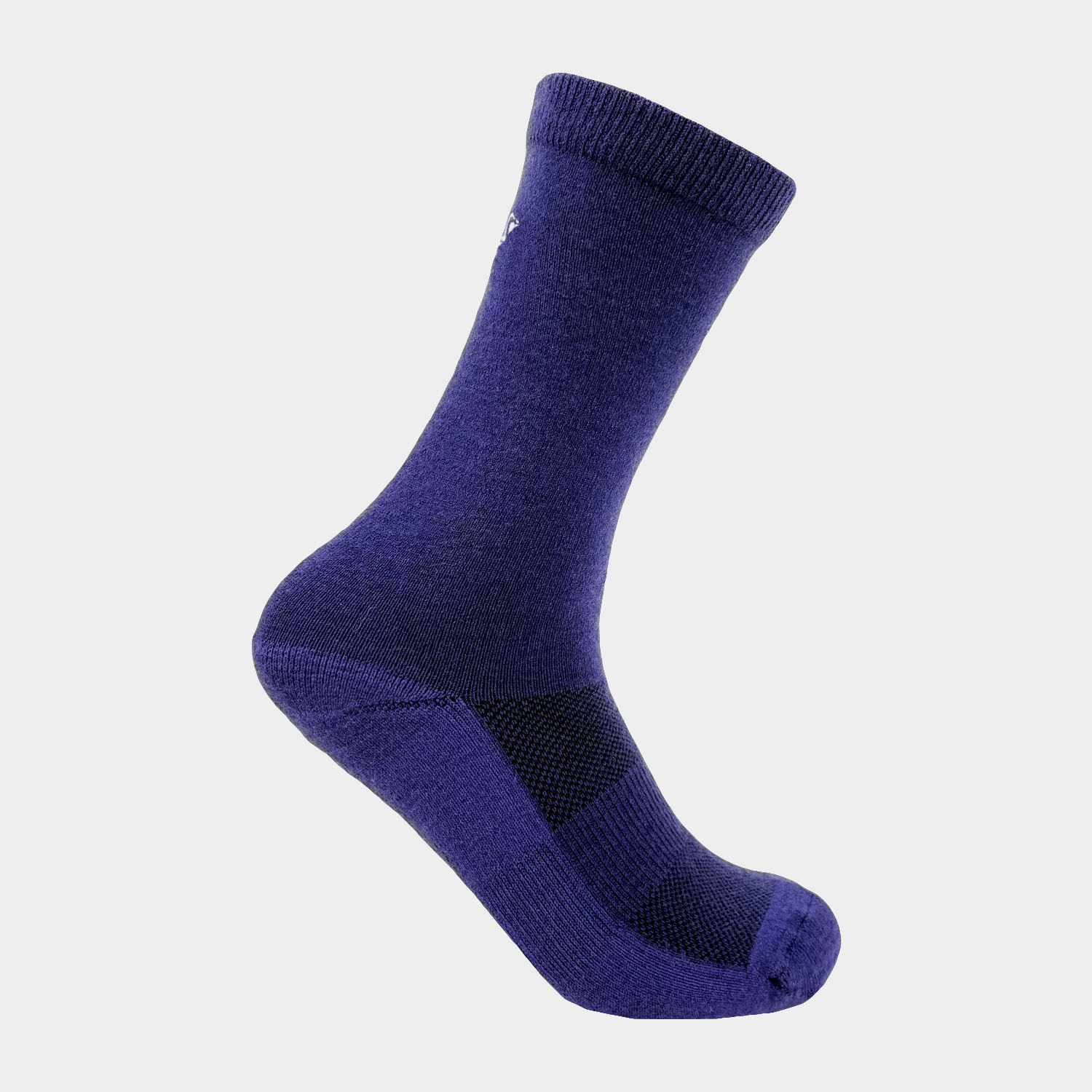
In outdoor activities such as hiking, climbing, and hunting, the market for merino wool has received increasing attention. This is precisely because merino wool is a natural fiber with a hollow structure. Merino wool is Mother Nature’s smart fabric! Its fibers naturally pull moisture away from your skin, carrying sweat vapour to the surface of the fabric where it can evaporate. That keeps you dry and stops you from getting cold. When compared to synthetics, merino wool is able to hold more moisture before it begins to feel wet. At the same time, its crimped fibers create tiny insulating air pockets that trap warmth in cold weather and breathe in hot weather, which turns it into true temperature-regulating magic for all environments.
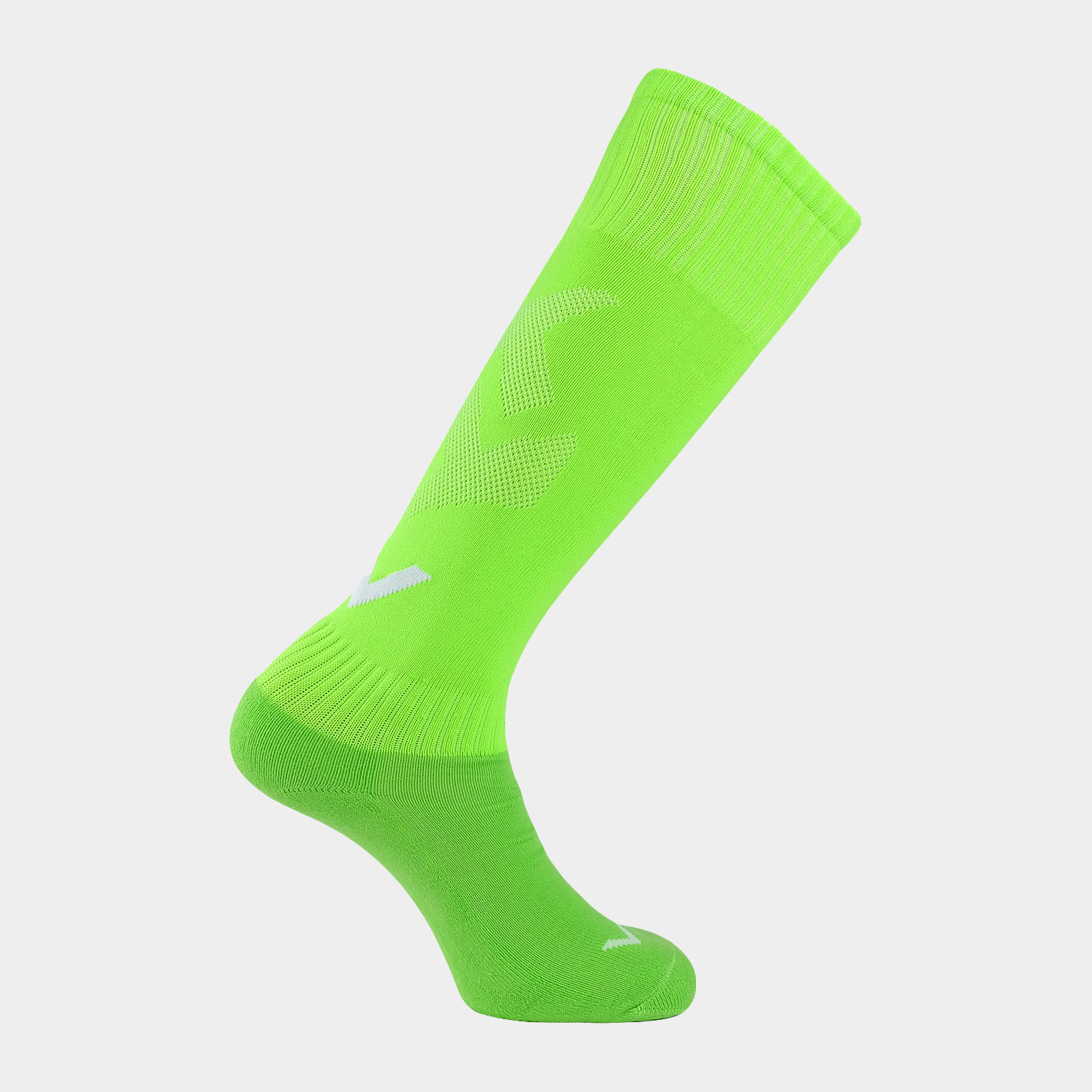
In lightweight sports, like running,cycling, Coolmax® is an excellent choice. Coolmax®serves as an alternative to wool socks. It is entirely made based on the hollow fibers found in animals.Coolmax® fabric performs like moisture. Its unique cross section forms tiny channels or capillaries that move sweat away from your skin. This brings moisture to the outer layer of fabric and the moisture is allowed to spread in a thin layer over a large area, leading to rapid evaporation. By wicking moisture out of your skin, it helps you stay dry and comfortable rather than wet and chilled. It’s more than just absorbent — it’s a system for moving moisture.
Poor Fit or Compression
The fit of each part of the socks is crucial for their insulation effect. This is not only about comfort – it also relates to physiological functions.
- Tight socks: Tight socks can impede blood circulation. The body’s heat is transferred to the limbs through the blood. If the tight cuff at the sock opening or the overall pressure of the sock disrupts this blood flow, then the warm blood flowing to the feet will decrease. And the reduced warm blood means the feet will be colder. It’s like partially tightening a water pipe; the water flow will decrease.
- Loose socks: On the other hand, very loose socks cause completely different problems. Insulation relies on forming a warm air layer on the skin surface. Loose socks cannot form a smooth, tight, and lifeless air layer. Instead, it causes excessive air flow, resulting in cold spots and forcing the body to compensate by heating a larger and unstable air volume. Moreover, loose socks may slide inside the shoes, creating a pressure point, which further restricts blood flow.
If cotton is the problem, Merino wool is often the perfect solution. This natural fiber, sourced from Merino sheep, possesses a unique set of properties that make it exceptionally well-suited for temperature regulation and moisture management.
Why Merino Wool Socks Work Better for Cold Feet
Natural Temperature Regulation
Synthetic insulators just BLOCK cold, Merino Wool RESPONDS to your body and its environment.
- Air trapping structure: Merino fibers are crimped and when spun into yarn, they form millions of microscopic air pockets. This trapped air acts as a good insulator creating a stable thermal barrier that keeps body heat in and cold air out.
- Lightweight Warmth: Merino wool is incredibly warm for its weight. it is possible to make socks that are not very bulky but are very effective in trapping heat, leading to a better fit inside footwear.
Moisture Wicking and Breathability
It is the daily use of Merino wool that stands us the above the rest, and combats the problem of evaporative cooling.
Hydrophobic Core, Hydrophilic Surface – Every Merino fiber has a resistant to water (hydrophobic) core and a shell that attracts water (hydrophilic). The fiber is able to take in up to 30 percent of its weight in moisture vapor from your skin without you feeling wet. Then it transfers the moisture to the outer layer of the sock, from where it can evaporate.
Keep warm by staying dry when you are warm and dry, you will feel warmer. This is where Merino Wool comes into play, as it keeps your feet dry by pulling moisture away from your skin. When your feet are wet, they’re cold, and you’re chilly.
Soft Comfort for Sensitive Skin
A barrier that kept people from trying wool is a widespread misunderstanding: that it’s scratchy and rough. Merino wool is a completely different breed.
- Fine Fibers: Merino fibers are extremely fine, often less than 20 microns in diameter (finer than a human hair). This fine gauge counteracts the irritation associated with more traditional, rough wool varieties. It’s so soft you can wear it straight against even the most sensitive skin, for hours on end.
What Hikers and Outdoor Workers Should Know
For those cold-weather professionals or enthusiasts, the wrong sock is not just uncomfortable—it’s dangerous. Cold, damp feet cause blisters and loss of dexterity, and in some cases they lead to frostbite and hypothermia.
Best Socks for Hiking in Cold Conditions
A good cold weather sock is a system, not just a single layer of socks.
- Merino Wool Blends: Choose merino wool socks that contain small amounts of synthetic materials such as Nylon or Spandex. The Nylons provide essential durability to areas that tend to wear out like the heel and toe, The Spandex ensures a snug, compressive fit without sacrificing circulation. A common high performance blend is 70% Merino Wool, 28% Nylon, and 2% Spandex.
- Weight Does Matter: Socks are available in various weights (e.g. lightweight, midweight, heavyweight). Cold weather hiking socks are best bought in midweight to heavyweight weight when hiking in the cold as they will give you more warmth and more comfort.
Layering Tips for Extra Warmth
Stratification of socks can be very effective under extreme conditions.
- The Liner Sock System: A thin moisture-wicking liner sock (usually of silk or a thin synthetic material such as polyester) is worn under a thicker insulating sock (such as one made of Merino wool). The liner sock is designed to wick sweat away from your skin at a faster rate, while the outer sock is the main insulator and keeps the moisture of the inner layer away from your skin. Important Note: This system only works if your shoes have enough room to fit both socks and your foot without it getting tight and cutting off your circulation.
Pairing With the Right Footwear
If your shoe is off the best sock in the world is nothing.
- Adequate Shoe Volume: Your winter boots need to be sized for your socks. If you are accustomed to wearing a medium-weight sock inside your boots, you might have to order a half size larger for a heavyweight or layered sock system (without compressing).
- Waterproof and Breathable: Choose boots with a breathable, waterproof membrane (such as Gore-Tex) that enables moisture vapor from your socks to escape while keeping outside water from entering.
How Brands Can Solve the “Cold Feet” Problem
For sock makers and outdoor clothing companies, the “cold feet paradox” is a compelling marketing and product innovation narrative. When you position your brand as the ender of this common ailment, you earn trust and loyalty.
Focus on Material Innovation
Go beyond generic “wool blend” content and inform your customers about what makes your materials work.
- Lead with Merino: Feature top-tier Merino wool front and center in your performance collections. Indicate the micron count and the source of the material to reference quality and ethics.
- Try out advanced combinations: Experiment with other natural fibers such Alpaca, which has even greater thermal properties than wool or bamboo viscose, which is extremely soft and wicking. Create proprietary blends that differentiate your product.
- Add Sustainability: Today’s buyers care about the planet. Provide socks made from recycled materials (recycled nylon or polyester) and showcase sustainable production methods. This creates a motivating value-based buy reason.
Offer Multiple Performance Lines
A universal method is not possible for cold feet. Make targeted product lines.
- Active Cold Weather: Socks designed for running, snowshoeing and ski touring. They need to concentrate on mid-weight insulation and high breathability / moisture management, and be crafted from blends containing a high percentage of Merino wool (preferably on the top side of the foot) with strategic synthetic panels to enhance breath ability.
- Static Cold Weather: Socks for ice fishing, hunting, or construction work. These are allowed to be heavier weight, and concentrate on maximum insulation and padding. They may use thicker Merino blends or include additional insulating materials.
Everyday Comfort: Don’t ignore the city dweller. Provide fashionable but technical socks for daily use in cold environments, based on the same material science principless, but with more stylish cuts and print patterns.
Customize for Different Climate Needs
Target niche audiences through customization and private labeling.
- Climate-Specific Kits: For corporate gifting or outdoor companies, build unique, environment-specific sock sets—e.g. “Northern Expedition” heavy-weight set, “Alpine Runner” mid-weight set.
- Technical Socks With Your Brand: Collaborate with outdoor brands, ski resorts or industrial employers to design co-branded socks tailored to their specific cold weather needs. This helps to establish your brand as a technical leader.
- Clear Labelling and Explanation: Clearly communicate the technology with your hang tags and product descriptions. Terms such as “Moisture-Wicking to Prevent Evaporative Cooling,” “Temperature Regulating Merino Wool” and “Anatomic Fit Promotes Unrestricted Blood Flow.” Teach your customer at the point of sale.
Conclusion
The question “Why are my feet colder with socks on?” exposes a common consumer blind spot: the problem isn’t the cold, but the sock itself. Moisture-trapping cotton and poor fit are often the real culprits.
For brands, this insight is a commercial opportunity. The solution lies in advanced materials like Merino wool, which expertly manages temperature and moisture. By leading with smart technology and targeted products—such as offering Bulk Merino Wool Socks and providing Tips for Efficient Ordering—your brand becomes the expert in foot comfort.
Solve this conundrum, and you’re not just selling socks; you’re delivering performance and peace of mind.