
The success of a brand company is not only related to its business capabilities, but another crucial factor is how to select a high-quality supplier. The significance of the supplier lies in whether the company can provide high-quality products, reasonable prices, prompt delivery times, and excellent services, etc.
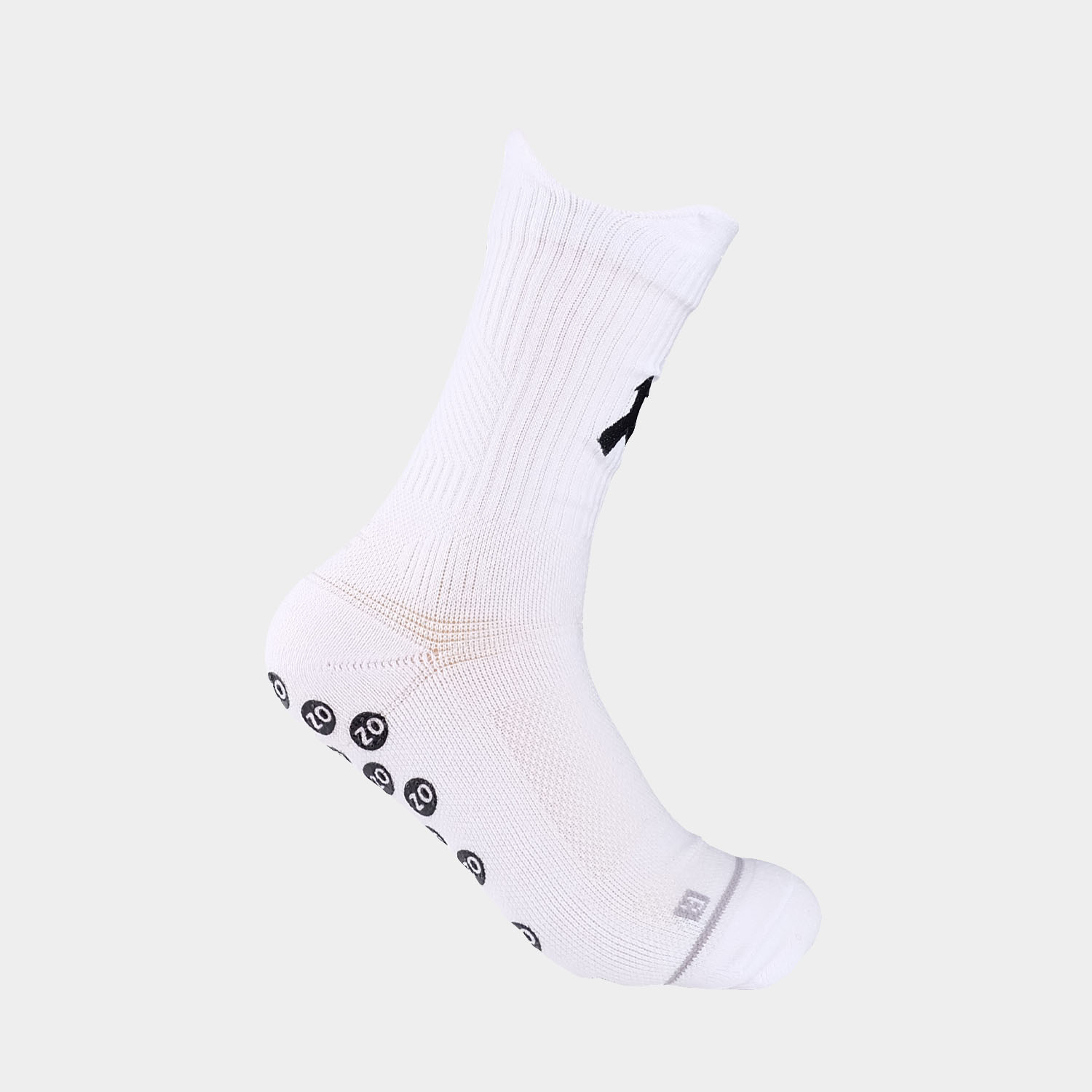
For a company that mainly produces wool socks, the selection of suppliers is of greater significance. Wool yarn is a special material. Unlike ordinary cotton yarn or polyester yarn etc, wool yarn has technical protection and there is a lot of points for customization. Most of the wool yarn available on the market is not genuine, and the quality of the suppliers varies greatly. Choosing a reliable wool socks supplier is simply an extremely difficult task.
Why Supplier Choice Impacts Retail Success
Influence on Product Quality
The best wool socks supplier should be sock factories. The sock factory directly produces socks. The reliability of the factory will directly affect the quality of the socks. The main difference between a factory and a trading company lies in that the factory can directly control the quality. It can go to the workshop at any time to inspect the quality and quickly identify problems in the production process.
Each wool socks supplier has its own specific quality inspection standards. Professional wool sock suppliers should provide pre-production samples before confirming the production to ensure accuracy. During the machine production process, socks are frequently inspected. After production, all socks are checked to remove all defective products. Quality checks and trimming of excess threads are conducted again during packaging. Finally, the socks are packed and sealed for shipment. Each step is controlled by a responsible person. Before shipment, there will be a quality inspection sheet and all samples will be kept on file.
A complete quality inspection process and after-sales traceability process bring not only high-quality socks to the partners, but also peace of mind and benefit guarantee in the cooperation process.
Effect on Pricing and Profitability
Generating profits is the primary goal of every company. So, how can we earn more profits? On the one hand, we need to increase the selling price; on the other hand, we must do our best to reduce costs. Choosing a reliable wool socks supplier can effectively control costs.
When choosing a supplier, it is best to select a mature and large wool socks manufacturer. There are several straightforward reasons for this point:
The first reason is that: directly collaborating with the factory can eliminate the profits earned by middlemen/trading company etc, allowing your company to obtain the lowest cost price directly.
The second reason is that: large factories have high annual production volumes, so they purchase large quantities of yarn and have closer cooperation with yarn suppliers. As a result, the cost of yarn/raw materials for the factories will be lower than small factories, obviously, the cost of the socks will be lower as well.
The third reason is that: mature factories usually have high-quality machines and experienced workers. They must have produced various types of socks of different grades, and have extensive experience in making different designs of socks. Therefore, once production is initiated, losses caused by insufficient experience or equipment issues will be lower. The operational losses of the factory will be lower, so the price of the socks will be lower as well.
Long-Term Business Relationships
For a company, it is extremely important to find a supplier with long-term cooperation. Especially for a special product like wool socks, frequent changes of suppliers will cause many problems.
The difference between wool socks and other normal socks lies in that two socks with the same appearance may be made of completely different wool yarns. For example, it is impossible for the naked eye to distinguish 30% wool yarn from 70% wool yarn, and their prices are indeed totally different. After you change to a new factory, you need to repeatedly and frequently test the yarn and the socks to obtain exactly the same socks. During this process, a lot of time and money will be lost.
If your company intends to have a long-term cooperation with a factory, it must choose a high-quality wool socks supplier. Generally, such factories have strong economic support. Even in the current situation with downturn economic, they can still develop steadily and will not easily go bankrupt due to poor profits. Such wool socks suppliers will not encounter a situation where its production capacity is insufficient due to the rapid increase in order volume after your company’s rapid growth.
Key Criteria for Evaluating Suppliers
Manufacturing Capabilities
Manufacturing capability is an important indicator for evaluating the ability of a wool socks supplier. Production manufacturing capability refers to the ability of an factory to produce socks or services that meet customer demands with high quality and low cost.
This capability consists of three parts: new product research and development capability, new product production capacity, and supporting capacity. Among them, new product development capability covers the innovation ability of raw materials and the ability to formulate processes; production capacity includes the production capacity of socks machine as well as the quality assurance capability; supporting capacity involves the organizational coordination ability between raw materials factories and auxiliary material factories.
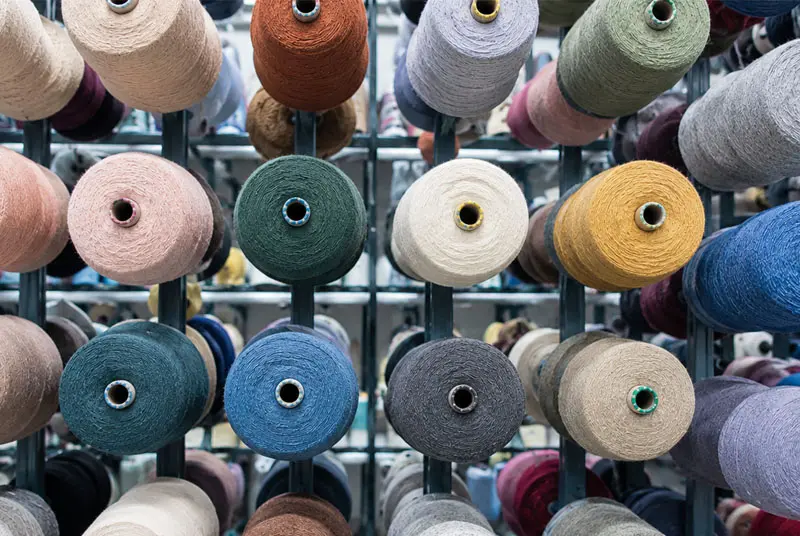
For wool socks, it is crucial for an outstanding factory to have the ability to independently develop and produce its own unique wool yarn. This means that the brand company who choose this factory gives the company the possibility of producing socks that are unique worldwide, which will significantly enhance the competitiveness of the brand company.
Moreover, when the business grows rapidly, there should be sufficient production capacity to support it, ensuring the delivery time and quality of the partner company. This is of vital importance for long-term stable cooperation.
Certifications and Standards
The socks produced by professional wool sock factories need to obtain two types of certificates in order to gain recognition in the international market. One type is mandatory certification with an entry threshold. This certification ensures that the product complies with the basic safety regulations of the target market. The other type is voluntary certification aimed at enhancing competitiveness, which is used to demonstrate additional advantages of the product in terms of ecology, animal welfare, or social responsibility.
The common types of market access certifications include: the EAC certification required by the Eurasian Economic Union (such as Russia and Kazakhstan etc), the CE & REACH certifications required by the European Union region, and the CPC certificate required by the United States( this certification normally required by products for kids).
Value-added certification certificates include RWS (Global requirements, mainly targeting European and American brands), OEKO-tex (The global requirement is the textile ecological safety standard), GOTS (The global high-end environmental protection market requires that for organic fibers), WRAP (Global demands, especially in the US market. It is used to ensure that the wool sock production factory meets the humane working environment and social responsibility standards.), and so on.
MOQ and Flexibility
The minimum order quantity for the wool socks supplier varies depending on the factory’s positioning and the type of order. Flexibility is mainly reflected in the production mode and communication efficiency.
The regular order quantity for most socks manufacturers ranges from 50 to 1000 pairs. For example, basic style socks usually start from 50 pairs, which is suitable for individual users or small-scale trial sales. For enterprise purchases or custom orders, a quantity of more than 300 pairs is generally required to reduce costs. Some export orders, due to the involvement of inspection and certification processes, may have a higher order quantity, such as 1000 pairs or more. The specific order quantity needs to be confirmed after communication with each factory.
Flexibility is demonstrated in the production mode (supporting either OEM processing or design customization. Customers can provide design drafts, and the factory is responsible for sample making and the entire production process), the delivery cycle (regular orders take approximately 15-20 days, while urgent orders require additional negotiation), communication efficiency (it is necessary to clearly define process parameters such as yarn count and weight in advance to avoid rework). It is recommended to evaluate the actual production capacity and response speed of the factory through sample testing and on-site inspections before starting the cooperation.
Red Flags to Watch Out For
Lack of Transparency
The transparency of the factory towards its customers is of great importance and forms the basis of cooperation.
If a wool socks supplier lacks transparency towards its customers, it will lead to a decline in the trust level of the cooperation. Once customers are unable to track the progress of their orders in real time or obtain product information, they will question the reliability of the factory, resulting in a decrease in cooperation confidence and being detrimental to long-term and stable cooperation.
Lack of transparency will also lead to a reduction in communication efficiency. Information asymmetry will increase the communication costs for both parties. Traditional methods of communication such as emails and phone calls that are not timely can lead to delays in order processing or the omission of important information, affecting the customer’s order experience.
Moreover, it will increase potential risks. Lack of transparency may cause customers to have no understanding of the factory’s internal management or production conditions, increasing the uncertainty risks in the cooperation, such as delivery delays and quality issues.
Finally, it will also damage the industry image of the factory. If the factory’s information is not made public and causes damage to the customer’s rights and interests (such as opaque prices, missing product information), it may trigger negative word-of-mouth, affecting the reputation of the entire industry.
Inconsistent Quality Records
The quality record of a wool socks supplier is the most fundamental requirement for a factory. If there are problems with the quality record, it can cause many hazards.
Firstly, inconsistent record standards will make it difficult to trace the quality. Incomplete or inconsistent production records will prevent accurate tracing of the source when quality problems occur, affecting the timeliness of problem location and corrective measures. For example, in the production of wool socks, if there is a lack of complete batch records, the production department will not be able to confirm whether the production parameters of each batch are correct, which may lead to inconsistent quality in each batch.
Secondly, the absence of production records will lead to the failure of factory quality control. Inconsistent records may reflect the lack of unified production process standards, causing employees to misunderstand the quality requirements. For example, inconsistent records of size in the production of socks will directly lead to incorrect sizes of the produced wool socks, resulting in unnecessary financial and time losses.
Furthermore, economic losses are uncontrollable. Record errors may lead to product returns or customer complaints. For instance, after receiving the wool socks, customers find that they are not consistent with the required wool socks and request returns and refunds.
Finally, it will damage the brand reputation. Multiple purchases of wool socks that do not meet the requirements will make consumers lose confidence in the brand. In the long run, the development of the brand will be severely damaged.
Poor Communication
The essence of doing business is direct communication between cooperation enterprises. For a factory or an enterprise, both internal and external communication are very important.
If there is a lack of communication, it will first lead to a decline in production efficiency. Inefficient information transmission will cause workers to repeat tasks and result in chaotic processes, such as delays in the timely supply of raw materials and the delayed transmission of equipment failure information, which can cause production line stagnation and loss of production capacity.
Secondly, it will lead to quality risks. Unclear instructions or misunderstandings of information may result in production errors, such as size errors and color errors, leading to rework and inventory accumulation, and even affecting customer trust.
Finally, poor communication will cause obstacles in team collaboration. Lack of coordination between positions can lead to “information islands”, such as disconnection between procurement and production, which can result in resource waste and project delays.
Conclusion
A high-quality wool socks supplier is of vital importance to the development of a retail company. The supplier directly affects the quality of the products, pricing, and the quality of long-term cooperation.
When selecting a wool socks supplier, the most crucial aspect is to assess the supplier’s qualifications, production capacity, quality control, and the ability to flexibly handle various issues.
During the supplier evaluation process, the transparency of information, the timeliness of communication, and the internal traceability records within the factory are all extremely important.
Finally, I wish every retail enterprise could find a suitable wool socks supplier and have a prosperous business!