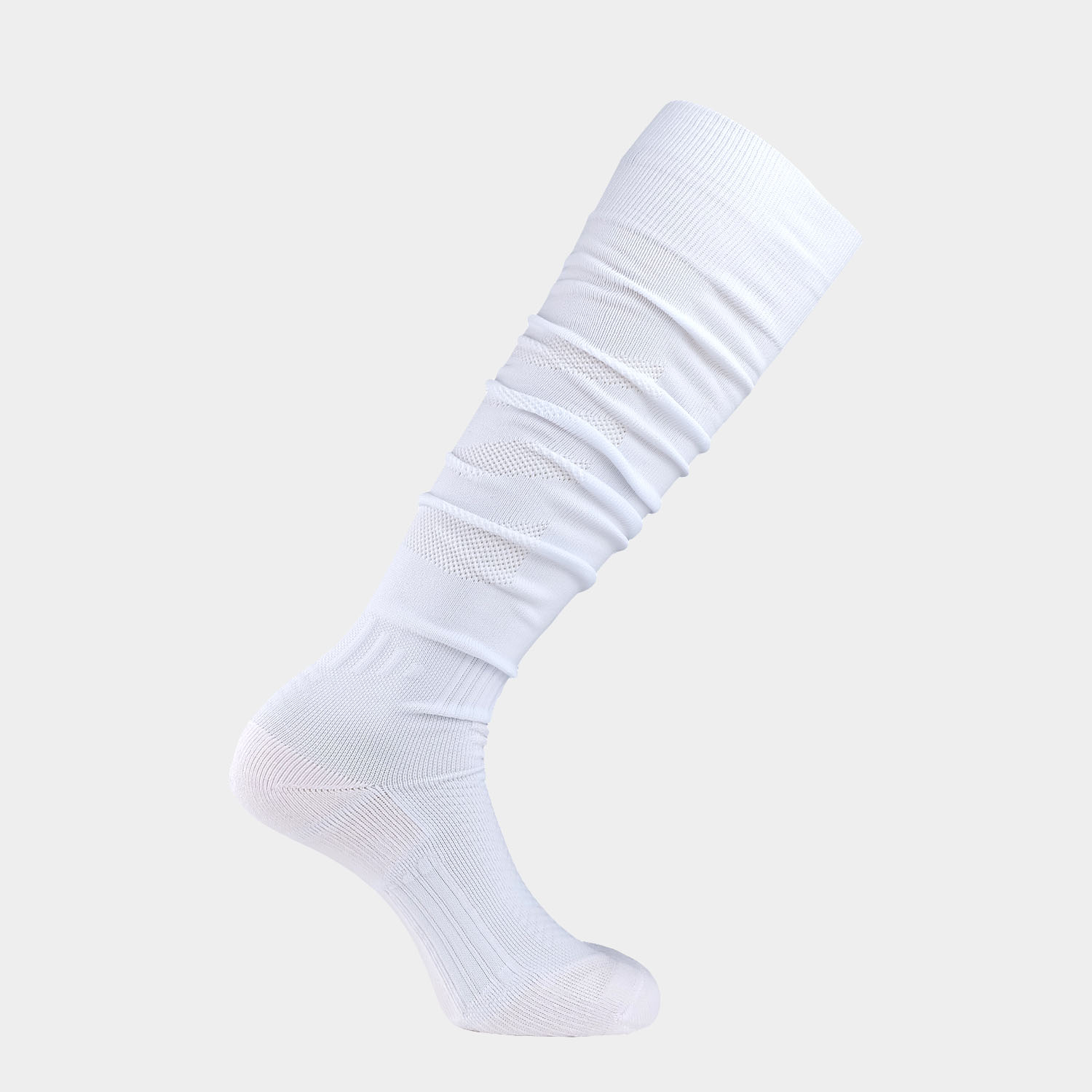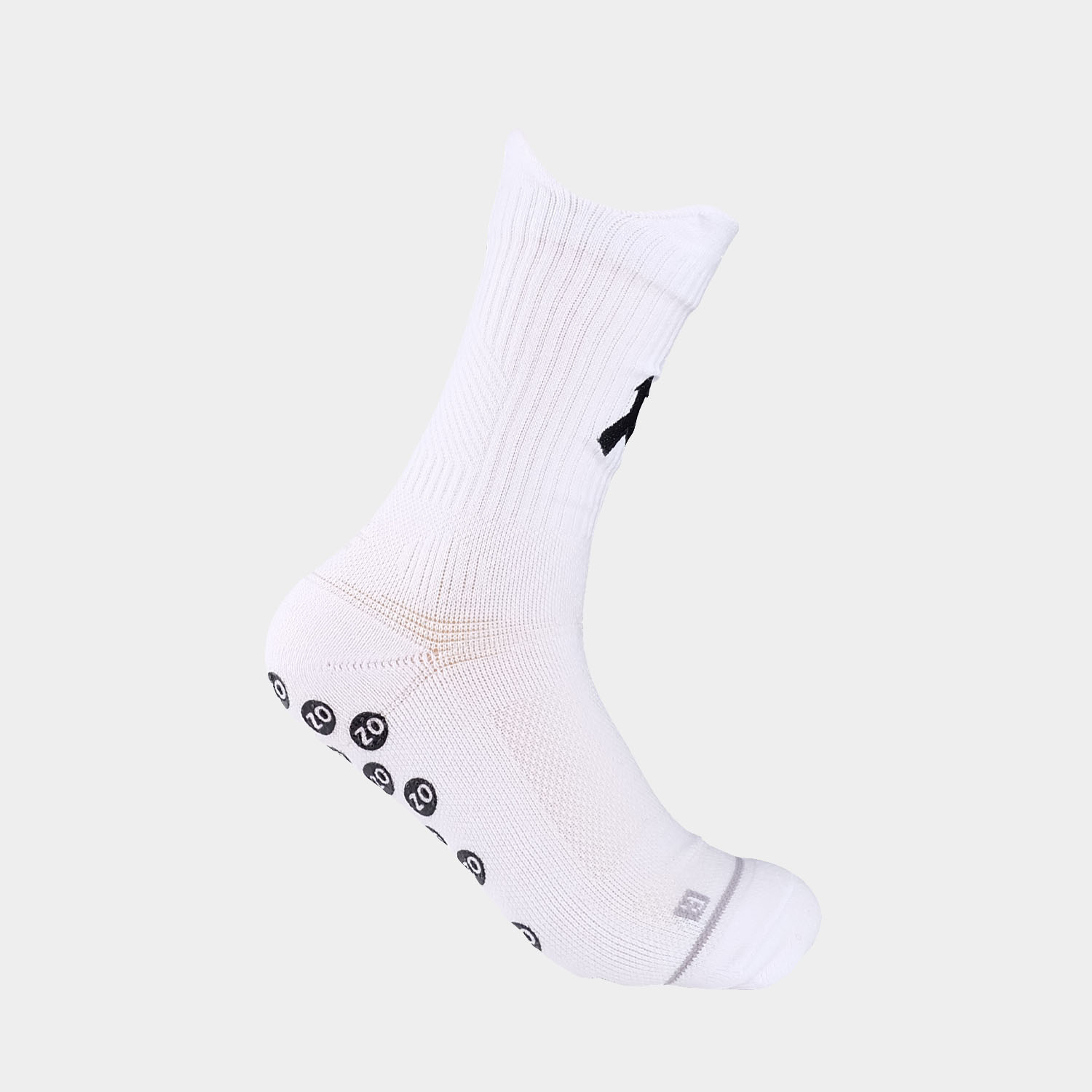

According to the 2024 Outdoor Industry Association report, the US outdoor participant base has reached a record 175.8 million, with hiking remaining a dominant activity. This growth fuels specific demand for specialized endurance gear. Hikers are moving beyond basic cotton, seeking technical solutions to minimize swelling and prevent blisters. For retailers, this consumer shift transforms compression legwear from a niche accessory into a core inventory essential.
Hiking compression socks are performance tools that extend endurance. They boost circulation to stop swelling and eliminate friction to prevent blisters. However, effectiveness depends on selecting the correct pressure rating and materials. This article explains these key benefits and how to choose the right pair for the trail.

Benefits of Compression Socks for Hiking
Hikers choose compression gear to extend endurance. Unlike standard socks that focus strictly on cushioning, compression socks act as active performance tools to solve physical problems on the trail.
Improved Circulation and Reduced Swelling
Compression stops the “heavy leg” feeling. Gravity naturally pulls fluid down to the ankles during long hikes. By applying graduated pressure that is strongest at the ankle, these socks fight gravity and assist veins in pushing blood back to the heart. This active pumping prevents the swelling and puffiness typical of high-mileage days.
Muscle Stabilization and Fatigue Reduction
Stabilizing the calf saves energy. Every step on hard ground sends shockwaves through the leg causing muscles to vibrate. This constant oscillation drains energy and accelerates fatigue. Compression socks lock muscle tissue in place to minimize this wasted movement.
Enhanced Protection and Blister Prevention
A locked-in fit is the key blister defense. Blisters usually form when loose socks slip or bunch up against the skin. Compression socks fit like a second skin and refuse to move, ensuring friction occurs between the shoe and sock rather than on the foot.
Hiking Compression Socks vs Regular Hiking Socks
Retailers must distinguish between passive comfort and active support. While standard socks cushion the foot, compression socks serve a functional purpose to maintain leg health.
Built for Different Goals
The design philosophy splits into cushioning versus circulation.
- Hiking Socks: Prioritize impact absorption. They use thick wool loops to insulate and soften the step.
- Compression Socks: Prioritize blood flow. The goal is to squeeze leg muscles to delay fatigue rather than just keeping the foot warm.
Feel Different in the Boot
Fit dictates the difference between a plush feel and a performance grip.
- Hiking Socks: Feel roomy and soft but can stretch or shift during the day, potentially causing bunching.
- Compression Socks: Grip like a second skin. This tight, elasticated fit eliminates fabric wrinkles, ensuring zero friction between the foot and the boot.
Best for Different Trail Needs
Usage depends entirely on activity intensity.
- Hiking Socks: Best for casual use. Ideal for short day hikes, campsites, or sleeping where a relaxed fit is preferred.
- Compression Socks: Best for endurance. Essential for high-mileage treks, high altitude, and recovery travel where leg swelling is a guaranteed risk.
For retailers who also need guidance on non-compression options, see best hiking socks: a retailer’s Sourcing Guide.
How to Choose Compression Socks for Hiking?
Selecting the right gear requires analyzing three key technical variables. Retailers must guide customers based on trail intensity and physiological needs rather than just aesthetics.
Pick the Right Compression Level
Pressure rating defines the use case. Most casual hikers benefit from 15-20 mmHg, while endurance trekkers require 20-30 mmHg. To guarantee this precision, Sockcn offers free in-house lab testing on all samples and bulk orders, ensuring every pair meets strict professional standards.
Choose the Right Materials and Knit Features
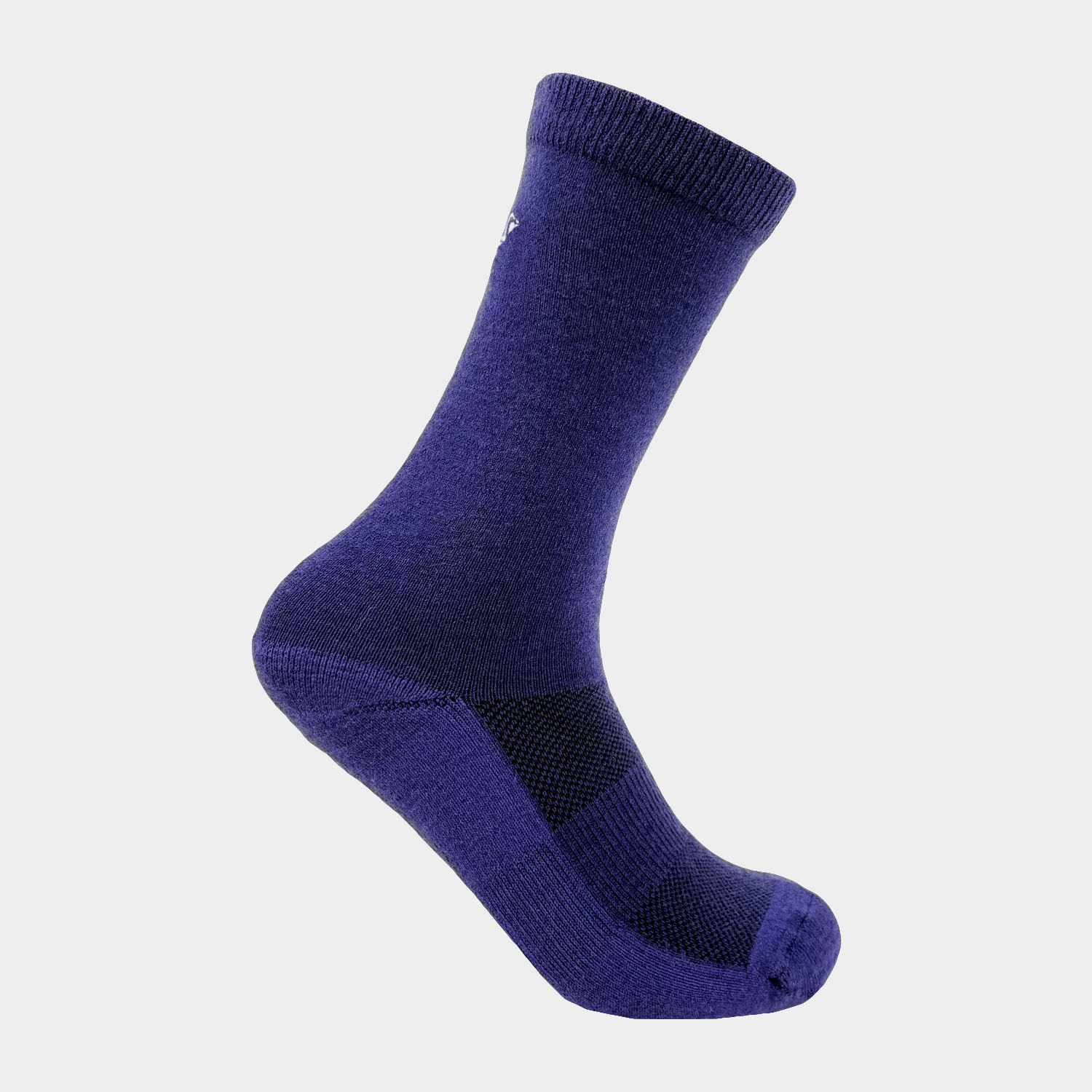
A hybrid fiber blend is critical for longevity. The ideal hiking sock combines Merino wool for odor control with high-denier Nylon for durability in high-friction zones. Except for the yarn, check the construction details. Seamless toe closures are mandatory to eliminate the bulky seams that cause blisters, while mesh ventilation panels on the top of the foot are essential for regulating heat during high-output climbs.
Match Sizing and Sock Height to Your Boots
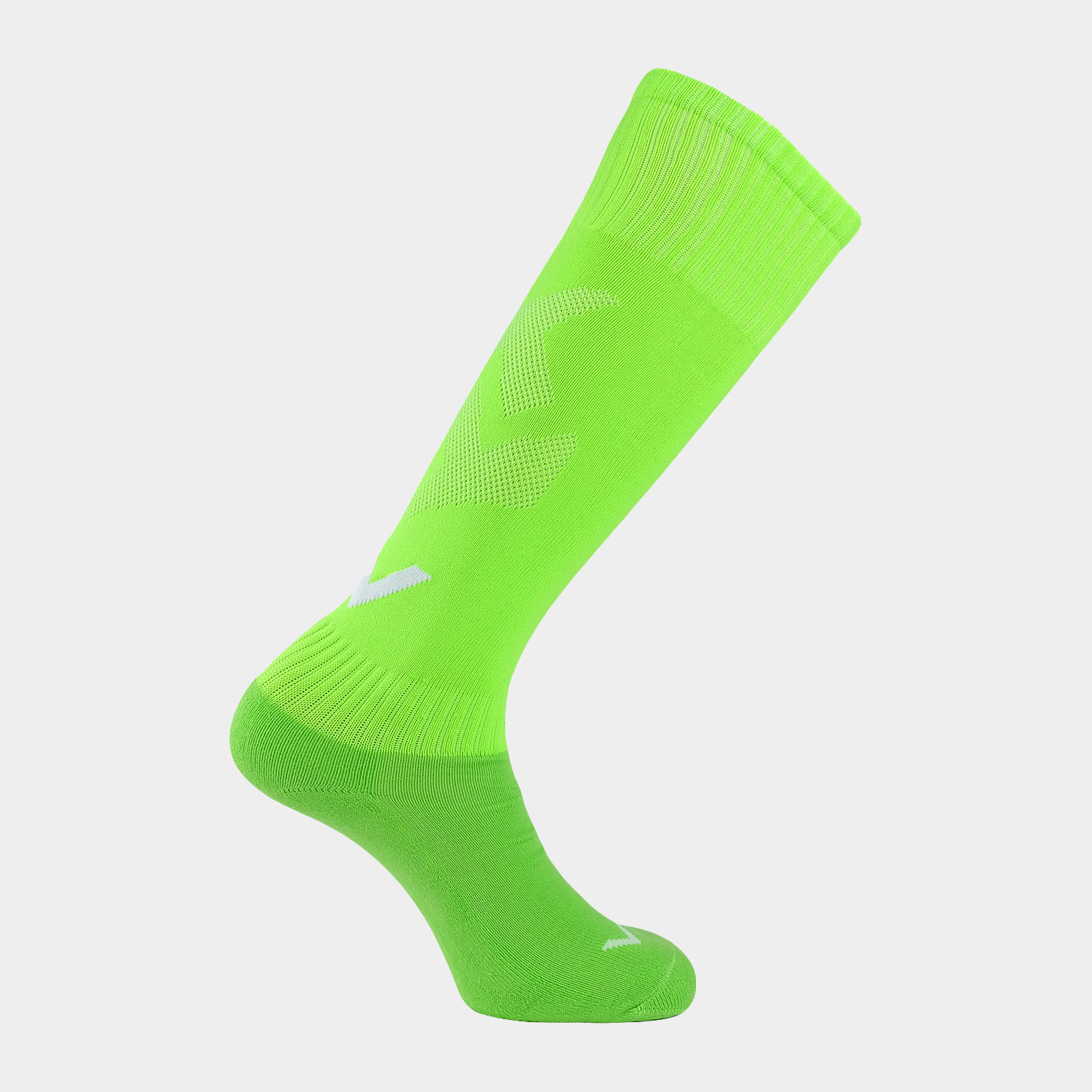
Gear compatibility prevents injury. The sock cuff must always rise higher than the boot collar to prevent chafing, making knee-high models the safest choice for standard hiking boots. Crew height serves as a lighter option for low-cut trail runners. Crucially, size must be determined by calf circumference, not just foot length. Ignoring calf width risks creating a tourniquet effect that blocks the very circulation the sock is meant to improve.

When to Wear Compression Socks for Hiking?
Effective use depends on timing. While everyday wear is possible, the technology delivers the highest value in three specific high-stress scenarios.
Long Mileage and Hot Weather
Heat drives swelling. High temperatures cause blood vessels to expand while gravity pulls fluid down to the ankles. Compression physically restricts this expansion, keeping legs light and agile even during peak summer heat.
Long Descents and Heavy Packs
Downhill braking damages muscle. Descending steep trails sends shockwaves through the calves, a stress intensified by heavy backpacks. Compression socks clamp the muscle tissue to stop this vibration, preventing the fatigue that leads to stumbles.
After Hikes and During Long Travel Days
Recovery happens in transit. Sitting in a car or plane immediately after a hike allows blood to pool and stiffen the legs. Wearing fresh compression socks during the ride home forces circulation to continue, flushing out soreness for the next day.

2026 U.S. Market Trends for Hiking Compression Socks
Market success in 2026 relies on specificity. Retailers must shift from generic activewear to precise, solution-based selling.
Sharper Audience Targeting
Generic marketing fails. 2026 demands specific messaging for specific goals. Targeting “blister prevention” for thru-hikers versus “recovery” for casual travelers drives significantly higher conversion than selling a single solution for everyone.
More Inclusive Sizing and Better Fit Options
Standard sizing limits revenue. The “Wide Calf” category is exploding. Brands that expand size charts to fit larger legs capture a high-spending market that refuses to buy gear that pinches or rolls down.
Performance Materials Plus Content-Driven Sales
Education validates the price tag. Shoppers buy the result, not just the fabric. Successful brands use packaging to explain how compression reduces swelling, proving the value of premium materials over cheap budget alternatives.
FAQ
Q1. Should I Wear Compression Socks While Walking?
Yes. Walking forces blood down to the ankles. Compression socks fight this gravity, pushing fluid back up the leg. This simple mechanical action delays fatigue and keeps your steps feeling light.
Q2. Who Should Consider Compression Socks for Hiking?
Anyone doing high mileage or carrying weight. They are essential for endurance hikers, backpackers with heavy loads, or those hiking in the heat. They are also vital for anyone who typically suffers from swollen ankles after a long day.
Q3. What Are Common Compression Sock Mistakes?
The biggest error is ignoring calf size. You must measure the calf, not just the foot, to ensure the right pressure. Also, never roll the top of the sock down; this creates a tight band that cuts off circulation like a tourniquet.
Q4. Can Hiking Compression Socks Be Customized for a Brand?
Yes, private labeling is essential for differentiation. Manufacturers can adjust yarn blends and compression levels to your specifications. Retailers can order bulk personalized socks and customized socks to ensure every detail, from logo placement to retail packaging, perfectly matches their brand identity.
Q5. What Is the Alternative to Compression Socks?
Calf sleeves are the best substitute, providing support while letting hikers wear standard socks. If you want zero compression, choose heavy cushion Merino wool hiking socks. For materials and cushioning basics, see this hiking sock sourcing guide for retailers.
Conclusion
Hiking compression socks are performance tools, not just accessories. They solve immediate physical problems like swelling and fatigue, offering retailers a high-value product for the serious outdoor market. Success comes down to stocking the right hybrid blends and inclusive sizes. This category is no longer a niche add-on; it is a revenue staple for any modern outdoor brand.