According to the U.S. Fish and Wildlife Service’s 2022 National Survey, 14.4 million Americans hunted in 2022, and people spent about $394 billion on hunting, fishing, and wildlife-related activities. That demand makes small gear like socks a real sales driver. For wholesale buyers, the right materials reduce returns and build repeat orders.
This guide helps buyers choose hunting sock materials that perform and sell. It covers what matters in the field: warmth, moisture control, friction, odor, and durability. It also shows which fibers work best, how blends change performance, and how to match materials to cold, wet, or high-activity hunts. Use it to set a clear spec and reduce returns.

What Performance Should Hunting Socks Materials Deliver?
For wholesale buyers, sock materials must solve four problems inside a boot: steady warmth, fast moisture control, lower friction to prevent blisters, and odor control with abrasion resistance. If one fails, comfort drops fast. Reviews decline and returns rise.
Thermal Regulation
Materials should keep feet warm during long sits. They should also breathe during movement. The goal is stable warmth, not just a thicker sock. Insulation should match the weather range and activity level.
Moisture Management
Moisture ruins comfort fast. Wet socks turn cold, and cold feet end hunts early. Good materials pull sweat off skin and help it dry faster. Drier feet also lower blister risk.
Comfort and Skin Protection
Comfort depends on fit and low friction. The material should feel smooth in a boot and stay in place. Cushion matters most where boots hit hardest. Less rubbing and better dryness help prevent blisters.
Odor Control and In-Boot Durability
Odor builds when socks stay damp during long wear. Better materials slow odor buildup. Socks should also resist boot abrasion at the heel, toe, and forefoot. Strong fibers and balanced blends reduce early failures and protect margin.

What Fibers and Blends Work Best for Hunting Socks?
The best hunting socks are rarely made from a single fiber. Most top-selling hunting socks use a base fiber for comfort, then add synthetics and elastane for durability and fit. It adds polyester for wicking and dry time, nylon for high-wear zones, and elastane to keep the fit locked in. The right mix depends on season, boot type, and price tier.
Merino Wool as the Base Fiber
Merino is the most common base fiber in premium hunting socks. For next-to-skin comfort, we recommend specifying 18.5 to 23.5-micron wool. This range ensures the sock is itch-free while maintaining enough fiber thickness for durability. It feels soft, stays warm when damp, and manages odor better than most options.
A standard Golden Ratio for a durable hunting sock is typically 60-70% Merino, 25-30% Nylon, and 3-5% Elastane. This mix pairs the warmth of wool with the abrasion resistance of nylon.
Synthetics for Performance
Synthetics cover two weak spots in natural fibers: dry time and abrasion. Polyester improves wicking and dries faster. Nylon adds strength where boots rub the most, usually the heel, toe, and forefoot. Reinforcement often matters more than thickness because boots wear through contact points first.
Value Options for Entry-Level Programs
Acrylic blends work for entry-level and value lines. They offer excellent loft and a high warmth-to-cost ratio. While they lack the premium moisture management of wool, acrylic is hydrophobic and dries reasonably well. It is the ideal choice for budget-friendly programs or dry-condition gear.
Adding nylon and using a tighter knit helps slow wear in this tier.
Fit and Recovery
Elastane is used in small amounts, but it changes fit a lot. It helps socks stay up, keeps cushion in place, and reduces bunching in the boot. Weak recovery leads to slippage and hot spots. A modest elastane add improves fit without changing the main fiber mix.
Material Performance Comparison Table
Use this quick comparison to align fiber choices with your target conditions and price tier.
Material | Strengths | Limitations | Best for | Typical Use in Blends |
Merino wool | Warmth when damp, comfort, odor control, breathes well | Higher cost, needs reinforcement for abrasion | Premium and mid-tier hunting socks | Base fiber for feel and thermal balance |
Polyester | Wicking and faster drying, stable in wash | Odor can build without treatments or blending | High-output hunts, early season | Moisture management and dry time |
Nylon | Strong abrasion resistance, long wear life | Less soft against skin if overused | Heel/toe durability, rough boot interiors | Reinforcement in key zones |
Acrylic | Lower cost, warm feel, easy to scale | Odor retention, weaker moisture comfort | Entry-level programs, value packs | Budget base fiber with nylon/elastane support |
Elastane | Better fit, recovery, stays in place | Too much can feel tight in some knits | All tiers where fit matters | Small percent for hold and shape |
Next, apply these fiber strengths to cold, wet, high-activity, and low-activity hunts.

How to Choose the Right Materials by Condition?
Start with the conditions, then choose the fiber mix. Cold causes heat loss. Wet causes cold plus rubbing. High activity creates sweat fast. Low activity creates cold soak. The best hunting socks pick a fiber mix that targets the main problem first.
Merino Insulation for Cold Conditions
Cold hunts need warmth that holds when socks get damp. Merino is a strong base because it still insulates and stays comfortable. For late season and long sits, choose Merino-led blends with more cushion. Add nylon for wear points, since thicker socks take more boot abuse.
Synthetic Quick Drying for Wet Conditions
Wet hunts punish slow drying. Polyester helps socks dry faster after sweat, rain, or snow. Nylon matters more in wet boots because friction goes up. For wet conditions, prioritize dry time and durability over maximum thickness.
Moisture Wicking for High Activity
High activity means sweat, even in cold air. Materials must move moisture off skin fast. Merino works better with synthetics that boost wicking and dry time. Fit also matters, because loose socks increase friction and hot spots.
Heat Retention for Low Activity
Low activity means less heat and more cold soak. Materials should hold warmth during long sits. Merino-heavy blends and higher cushion help retain heat. Too much synthetic can feel damp and clammy when movement stays low.
Sockcn: A Reliable Hunting Sock Manufacturer in China
After material selection, the next step is consistent execution in production. Sockcn is an OEM and custom sock factory in China with over 20 years of manufacturing experience. We will support hunting sock programs from development to bulk delivery, with clear specs and stable quality.
Performance Fiber Standards
We source Merino wool directly from Australia and New Zealand. For synthetics, we use high-tenacity nylon and polyester. These fibers pass strict abrasion tests, guaranteeing professional-grade durability in the heel and toe.
Blend Development Support
We will recommend blends based on season and target price. Common options include Merino with nylon and spandex for durability and fit. Polyester or CoolMax can be added for faster drying. Spandex is typically kept at 3–5% for stable recovery.
Construction Options by Use Case
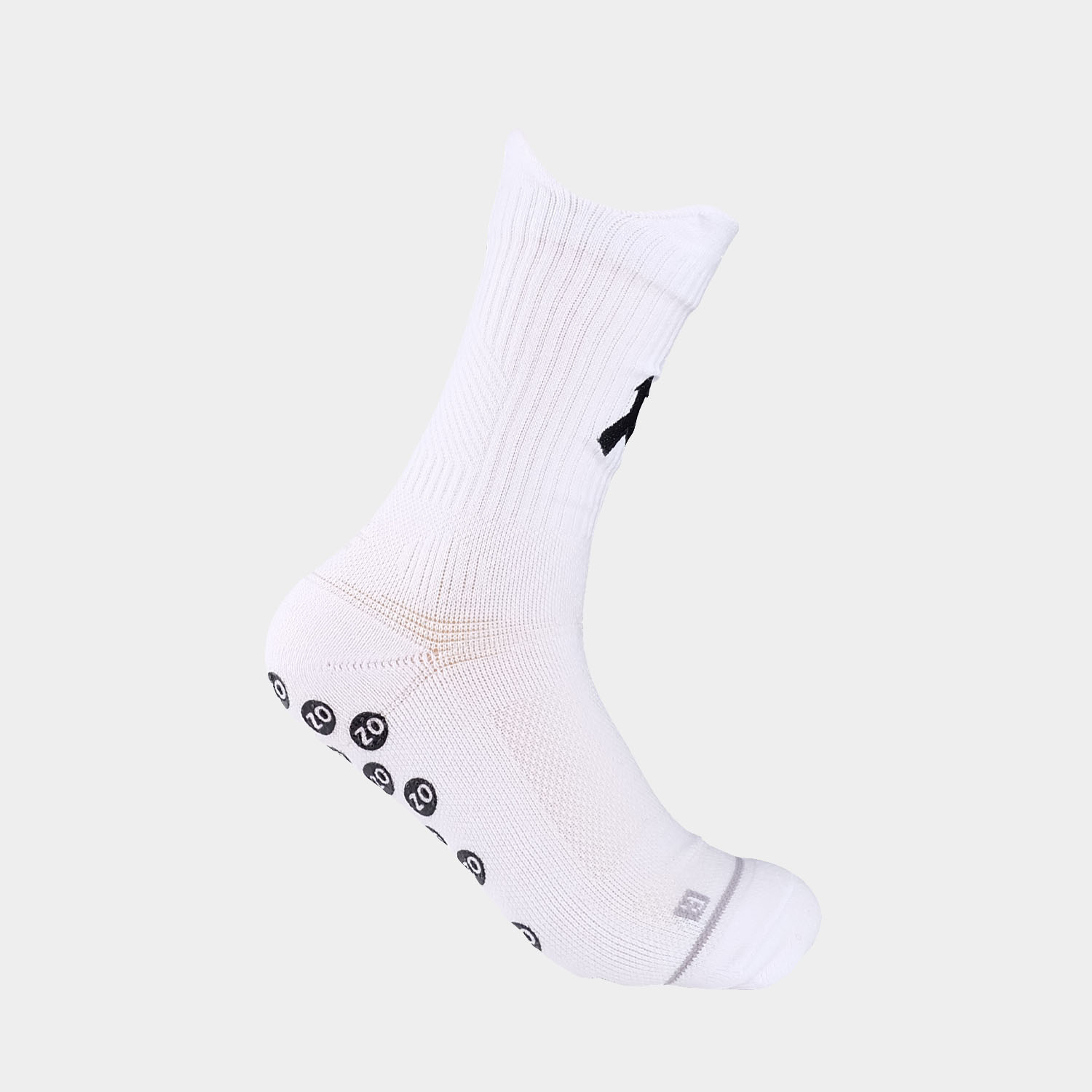
We will set the build around boot wear points. Options include reinforced heel and toe, targeted cushion or full cushion, arch support, and mesh ventilation. Seamless toe and compression zones can be added for premium lines. Logo and packaging customization are supported through our custom sock manufacturing program.
Testing and QC Process
We will confirm the spec with samples first. Then QC runs through bulk production. Checks cover size, fit, stretch, finishing, and packing accuracy. Certified programs can be supported, including OEKO-TEX, GRS, GOTS, and RWS.
FAQ
Q1. What Is the Difference Between Merino Wool and Regular Wool?
Merino is softer and better for long wear in boots. It uses finer fibers, so it reduces itch and rubbing. It also handles odor and temperature swings better than most regular wool. For more details, see Merino vs regular wool.
Q2. How to Choose Materials for Consistent Sizing After Washing?
Use shape-stable blends, then verify with wash tests. Nylon and polyester help hold size. Keep elastane controlled for recovery. Lock the spec with shrinkage targets and a clear care label before bulk.
Q3. What Material Certifications Matter for Wholesale Hunting Socks?
Pick certifications that reduce compliance risk for the target channel. OEKO-TEX covers harmful substance limits. GOTS supports organic claims. RWS covers responsible wool. GRS covers recycled content.