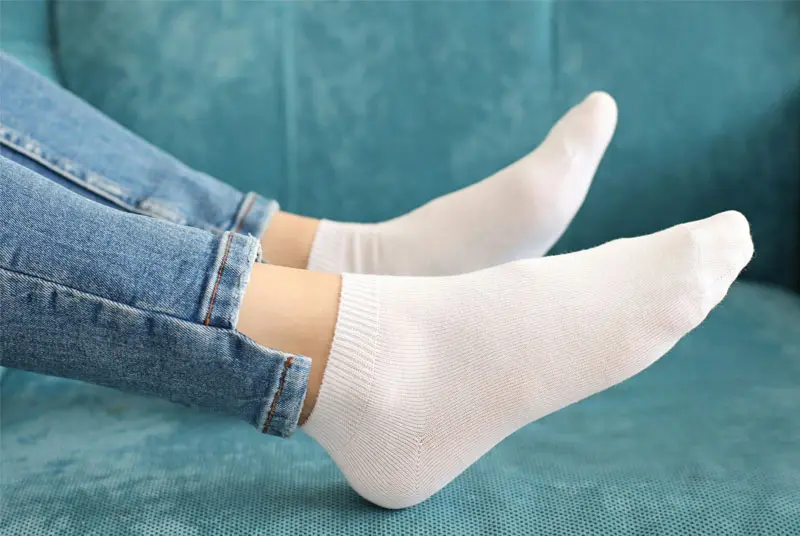
Description in 2025 outdoor brands are rewriting the rules of performance wear by weaving sustainability into the fibers in their socks. The focus has turned from dry functionality to green conscious innovation with trends that take care of the planet as well as the user.
Natural Performance Fibers Become Mainstream
By 2025, natural fibers have firmly established their dominance in the performance sock market while maintaining a perfect balance of outdoor-worthy functionality and uncompromising sustainable practices. This transition is largely a result of new material science that amplifies the natural characteristics of fibers such as Merino wool and brings new options like alpaca wool.
Rising demand for Merino & Alpaca
By 2025, top outdoor brands will be embracing natural animal fibers as the foundation for their best performing socks. With its excellent temperature and moisture management properties, Merino is the four season outdoor sock material of choice – it can remove sweat in summer and contribute to moisture management (warmth) in winter.
Due to its exceptionally soft feel and natural antibacterial properties, alpaca wool is one of the most popular materials for long distance hiking and mountaineering applications.
Biodegradable materials preferred
The new generation of eco-friendly socks now incorporate animal and plant-based biodegradable fibers, including:
- Tencel fiber: Derived from sustainable forests, it offers a silky touch and natural degradability
- Hemp seed extract fiber: Provides excellent wear resistance and elasticity recovery ability
- Wool fiber: Comes from animals such as sheep and alpacas, offering outstanding moisture absorption, sweat wicking, and warmth retention properties
These materials can naturally decompose after their lifespan ends, truly achieving a cradle-to-cradle cycle.
Recycled Yarns Move Into Performance Socks
In 2025, recycled fibers are not a concession in the performance of socks – they are the engineered core, redefining high performance through sustainability. The change is being driven by advanced processing technologies that enable the conversion of post consumer waste into technical yarns that have properties comparable to, and in some cases better than, those of virgin materials.
GRS-certified nylon & polyester
The GRS (Global Recycled Standard) certified recycled yarns have become the industry benchmark. Leading brands are using:
- Recycled nylon fibers from abandoned fishing nets in the ocean
- Polyester filaments made from post-consumer plastic bottles
- Elastic fibers produced by closed-loop recycling systems from production waste
The performance of these recycled materials has fully reached and even exceeded the level of virgin fibers.
Reduced use of virgin fibers
Come 2025, the and forward-looking outdoor brands have pledged a bold sustainability goal: cutting the use of virgin fibers in new products to 30% or less. This strategic shift reduces reliance on petroleum-based materials and makes a real difference in climate efforts — when recycled polyester is used, about three tons of carbon dioxide emissions are prevented for every ton. Now these companies with the circular materials are weaving responsibility into every thread, showing that performance and caring for the planet really can go together.
Durability Recognized as Sustainability
Reinforced zones reduce waste
Sustainable socks that are in line with the sustainable development of the new era are an increase in durability. Key areas prone to wear, such as the heel, toe, and sole parts are all require special reinforcement treatment.
The seamless toe technology can also avoid the wear problems caused by traditional stitching. These socks have a long usable lifespan, reducing the generation of waste at the source.
Abrasion & wash testing required
All socks that meet environmental protection requirements must pass strict abrasion resistance tests:
- They need to pass the abrasion test with more than 20,000 repetitions (socks from Sockcn can pass the abrasion test with 100,000 repetitions)
- Performance retention test after 50 standard washes
Only products that pass these tests can obtain the brand’s “long-lasting certification” label.
Supply Chain Transparency Becomes Essential
By 2025, supply chain transparency has shifted from an optional feature to an essential requirement for outdoor sock brands. Consumers are no longer satisfied with vague environmental commitments; they demand verifiable data to trace the entire journey of products from raw materials to finished products.
Traceable fiber sourcing
By 2025, full supply chain transparency will be mandatory for truly best sustainable socks. “Every pair has to be fully traceable now, with a clear and verifiable digital history from source to store.” Using technology such as block chain, manufacturers will have to trace and record every detail of the origin, journey and processing of each batch of yarn. This digital ledger will make records immutable so brands and mindful consumers can verify ethical sourcing, environmental impact, and the authenticity of every sustainability claim, turning transparency from a promise into proof.
Brands prefer sustainable OEM partners
When outdoor brands select manufacturing partners, they have made ESG performance a core evaluation criterion:
- The factories must use renewable energy sources at a rate of more than 50%
- Wastewater treatment must reach zero discharge standards
- Obtain the OEKO-TEX® certification
- Establish fair labor practices and community welfare programs
Conclusion
The 2025 best eco friendly socks trend is setting a new standard for sustainable growth in the outdoor industry. This involved innovation not just at the level of materials technology, but also at the level of value chain configuration. The new generation of outdoor socks now been built on three key pillars: Use of natural and recycled fiber, design for durability, and full-chain transparency.
To brands, environmental protection has changed from a marketing concept to the core competitiveness of their products; to consumers, sustainability has become a key component of the outdoor lifestyle; to suppliers, the capability of green production defines their future market.
For outdoor brands to remain competitive by 2025, they must deeply integrate environmental innovation into every aspect of product development. This is not only in response to regulatory requirements, but also a necessary choice to win over the new generation of consumers with a strong environmental awareness. The future belongs to those brands that can transform their sustainable development concepts into outstanding product experiences.