Data from McKinsey & Company shows that products with ESG claims grew 28% over five years. The message is simple: your customers aren’t just buying socks to prevent blisters anymore; they’re buying your values.
For brands targeting the modern American athlete, bamboo is that rare “double-win”. It has elite performance and a green story that actually drives conversion. This article explains why bamboo outperforms synthetics and details the specific yarn blends and packaging specs you need to build a product that athletes will actually wear.
U.S. Demand for Sustainable Athletic Socks
The U.S. sock market is crowded, but buyers are hungry for innovation. Major retailers are shifting gears, moving away from generic plastics toward materials that offer a real story.
Market Trends in the U.S. Athletic Socks
The trend is functional sustainability. The U.S. market is driven by three factors:
- The “Anti-Plastic” Shift: Consumers are wary of microplastics. Plant-based fibers are the new destination.
- Premiumization: Specialized brands have trained consumers to pay $15+ per pair, provided the material justification is there.
- Traceability: Bamboo’s rapid growth cycle makes it a highly traceable asset for corporate sustainability reports.
What Athletes Expect from Performance Socks
A runner won’t wear a “green” sock twice if it gives them blisters. Sustainability is the hook, but performance is the retention strategy. American athletes need two things: dry feet and odor control. They want a fabric that breathes better than the plastic blends they’ve been wearing for the last decade.
Why Bamboo Athletic Socks Stand Out
In today’s highly competitive athletic apparel market, bamboo athletic socks stand out for their unique blend of performance and eco-friendly benefits. Unlike traditional fabrics that often force a trade-off between comfort and functionality, bamboo fibers deliver a noticeably superior wearing experience for both athletes and everyday users.
Their biggest advantages come from the material itself as well as the positive environmental impact that supports long-term sustainability.
Key Material Benefits of Bamboo Socks
- No More Blisters. Bamboo fibers are naturally round and smooth. This creates a buttery soft feel that reduces rubbing and chafing.
- Temperature Control. It breathes, Micro gaps in the fiber let air flow, keeping feet cool in the summer heat.
- Sweat Management. Unlike synthetics that just push water around, bamboo actually absorbs moisture and evaporates it fast. No more holding sweat like a sponge.
- Odor Control. Bamboo helps keep the funk away, which is a massive selling point for endurance athletes who wear their gear for hours.
Sustainability Advantages of Bamboo Fiber
If you are looking at your supply chain, Moso bamboo is a powerhouse. Two main advantages need to be known. First, it grows up to three feet a day and doesn’t need replanting. Second, it thrives on rain. Unlike thirsty cotton, bamboo doesn’t need heavy irrigation or pesticides. This lets you claim a much lower water footprint: a huge win for your brand’s eco-score.
Bamboo vs. Cotton/Polyester Socks Comparison Table
Feature | Bamboo Viscose | Cotton | Polyester / Synthetics |
Moisture | Excellent. Wicks and evaporates. | Poor. Absorbs and holds sweat. | Good. Wicks but traps heat. |
Odor | Anti-Bacterial. Stays fresh. | Neutral. Odorless until wet. | Poor. Retains “gym smell.” |
Friction | Low. Prevents blisters. | High. Abrasive when wet. | Medium. Plastic-like feel. |
Sustainability | High. Renewable and Rain fed. | Low. High water usage. | Low. Petroleum-based. |
How to Choose Bamboo Socks for Your Brand
Translating raw material advantages into a best selling product line requires precise execution. For sports brands, a “one-size-fits-all” approach rarely works. You need to engineer the sock to match the specific demands of the athlete.
Pick the Right Socks for Each Sport
Different activities place different stress loads on the foot. Your bamboo sock line should be categorized by function:
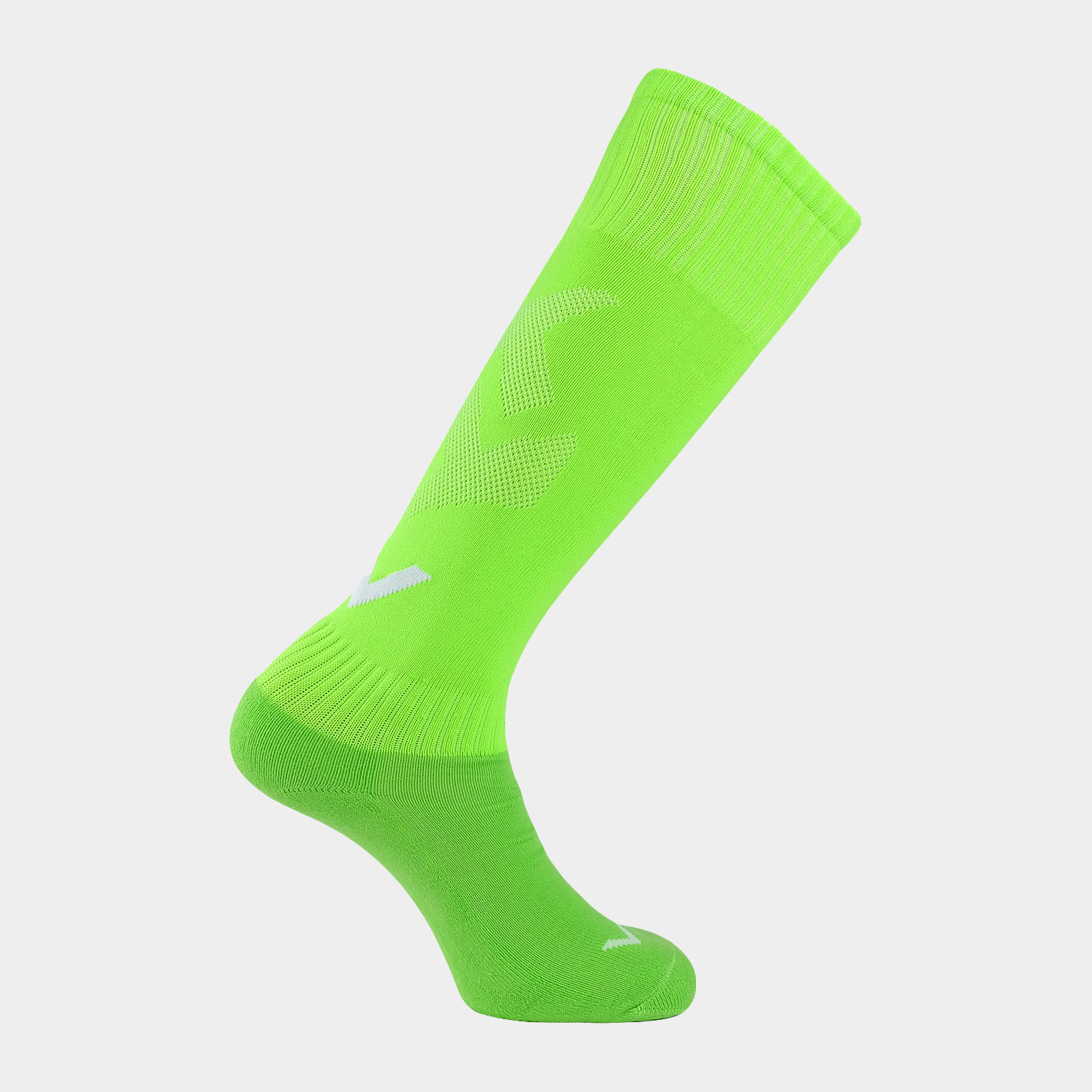
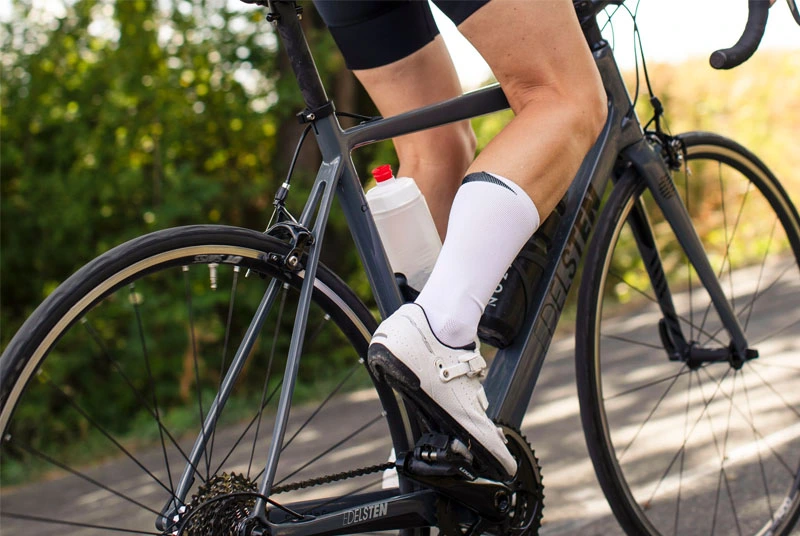
- Running and Cycling: Focus on lightweight, high gauge knits(200N). A “second-skin” fit is crucial to prevent bunching inside tight shoes, with mesh ventilation zones for maximum airflow.
- Gym and Cross-Training: These require midweight construction. Athletes need a balance of stability and breathability, with reinforced heels and toes to withstand the friction of lunges and jumps.
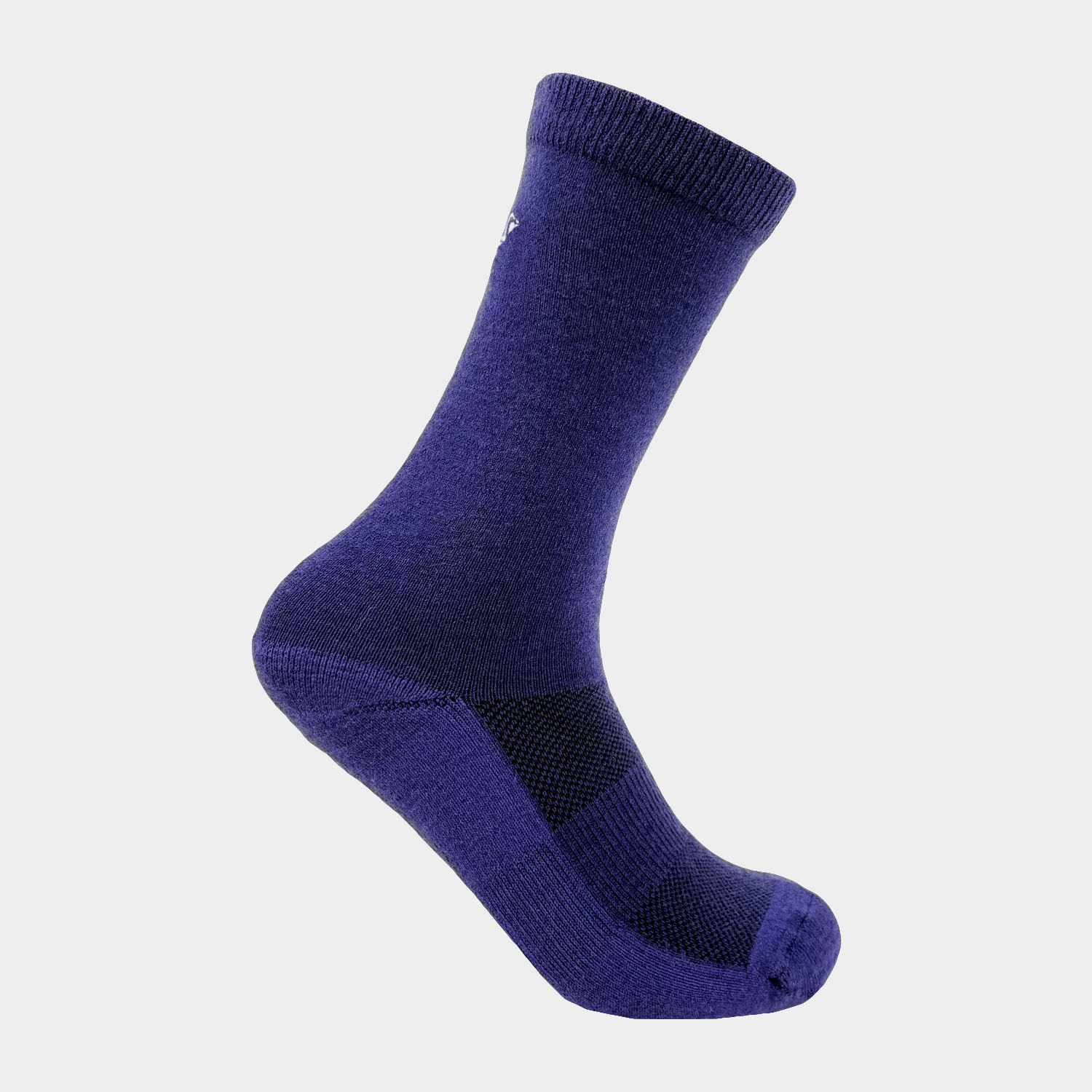
Hiking and Outdoor: Look for heavyweight, full cushion designs. Utilizing a “terry loop” interior maximizes bamboo’s thermal regulation, keeping hikers warm in the cold and cool in the heat.
Adjust Thickness, Length and Yarn Blend
The “recipe” of your sock defines its performance. A common amateur mistake is requesting “100% Bamboo.” First, this is a labeling minefield—under U.S. FTC regulations, products must be labeled as “Viscose from Bamboo,” not just “Bamboo.” Second, from a technical standpoint, pure viscose lacks the elasticity and structural memory required for sports.
For elite performance, the industry “sweet spot” is typically a blend of 75-80% Bamboo Viscose paired with Nylon for structural durability and Spandex for stretch. Beyond the blend, you must define the cushioning. Opt for Flat Knit (thin, breathable) for your summer lines, or Terry Knit (thick loops) for shock absorption. Finally, align your cuff height: Crew cuts are trending in lifestyle and basketball, while No-Show remains the runner’s staple.
Choose Your Bamboo Sock Supplier
Your product is only as good as your factory. When vetting private label manufacturers, look beyond the price tag. Startups need flexibility, so find a partner offering reasonable MOQs ideally 500 to 1,000 pairs, allowing you to test the market without sitting on dead stock.
Speed is currency. A reliable partner should deliver clear timelines (samples in 7–14 days) and, most importantly, possess OEKO-TEX Standard 100 certification. This guarantees your bamboo viscose is free from harmful chemicals, a non-negotiable requirement for entering U.S. and EU markets.
Customize Logo, Colors and Packaging
In the premium athletic market, the unboxing experience is part of the product. For branding, Jacquard knitting—where the logo is woven directly into the fabric is far superior to printing, as it won’t crack or fade when the sock stretches.
Don’t forget the final touch: packaging. Wrapping a sustainable bamboo sock in a plastic polybag contradicts your brand story. Opt for recycled kraft paper sleeves or hooks. This consistency from fiber to packaging reinforces your commitment to sustainability, justifying a premium price point to the consumer.
Why Partner With Sockcn as Your Bamboo Sock Manufacturer
At Sockcn, we operate as a true end-to-end production partner—from yarn sourcing to knitting, dyeing, and shipping, every step is handled in-house to ensure consistent quality and predictable lead times.
We offer a proven “Premium Bamboo Performance” base that’s ready for your brand’s unique spin, so you build on a validated product architecture instead of starting from scratch.
Specializing in Athletic and Performance Socks
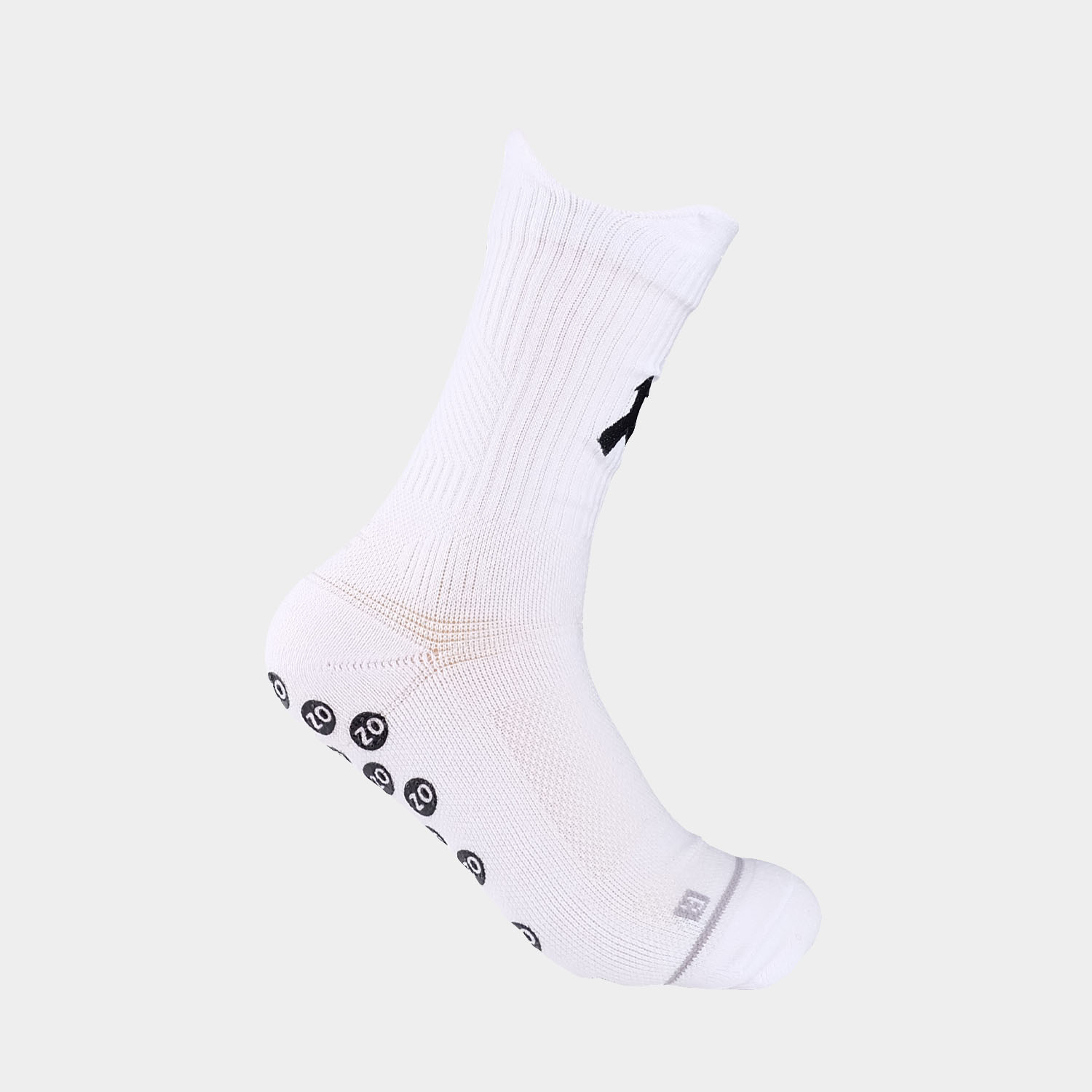
We don’t just sell socks; we engineer performance. Our factory supports all key athletic constructions, including seamless toe closures, zoned compression, and reinforced heels.
Our flagship socks are built on a focused material triad: Bamboo Viscose for softness, Nylon for structure, and Spandex for stretch. This blend is calibrated for superior temperature regulation and lasting freshness.
You can plug straight into proven best-sellers: Performance Running Socks, hiking and outdoor socks, premium athletic series.
Consistent Quality for Every Order
Whether you’re running a small trial or a large bulk order, our automated production lines ensure identical quality specs and finish for every single pair. We deliver consistent moisture management and durability that outperforms standard cotton.
Professional Customization and Retail-Ready Packaging
Your brand requires precise specs, not generic solutions. We give you full control across length, size (US S–XL), and design, but our real advantage is speed. While other factories make you wait weeks for lab dips, we hold stock of over 300 bamboo yarn colors. This inventory advantage allows us to match your design and produce a physical sample in just one day. You can verify the color and quality immediately, cutting weeks off your development cycle.
Quality extends to the finish. We use Jacquard knitting to weave your logo directly into the fabric—far superior to printed logos that crack after washing. Finally, your socks arrive shelf-ready. We replace cheap polybags with custom recycled header cards, so your product goes straight from the carton to the retail fixture without extra handling.

Expertise in Bamboo and Certified Sustainable Supply Chain
Our manufacturing is built around a certified, bamboo-focused supply chain designed for the eco-conscious consumer. We use processing techniques that preserve bamboo’s biodegradability while enhancing durability for sports use. All socks are OEKO-TEX Standard 100 certified and compatible with GRS yarns.
FAQ
Q1. What Is the MOQ for Custom Bamboo Socks?
We keep it flexible. We support small trial orders to help you test the market without heavy inventory pressure. Our production is designed to be easy to start for businesses of all sizes, from startups to established brands.
Q2. Can I Get Samples Before Placing a Bulk Order?
Yes. We offer free samples so you can verify the knitting quality and bamboo texture firsthand. We want you to inspect the product and feel confident before committing to a bulk run.
Q3. What Shipping and Logistics Options Are Available?
We support all standard global trade terms (CIF, DDP, EXW, FOB, DAP) and adapt to your specific requirements. Whether you prefer to use your own freight forwarder or need us to handle the entire process from factory to door, we align with whatever logistics strategy works best for your business.