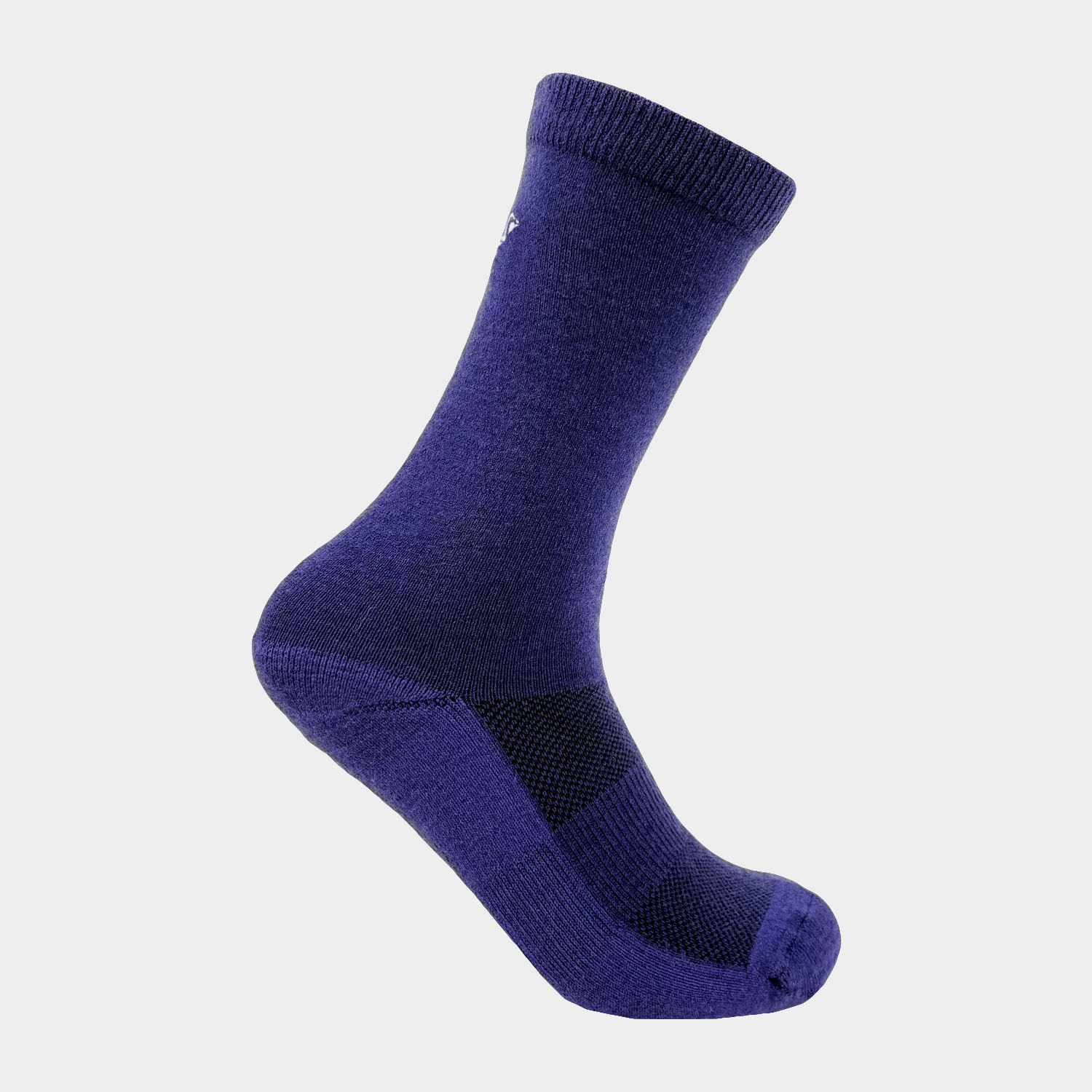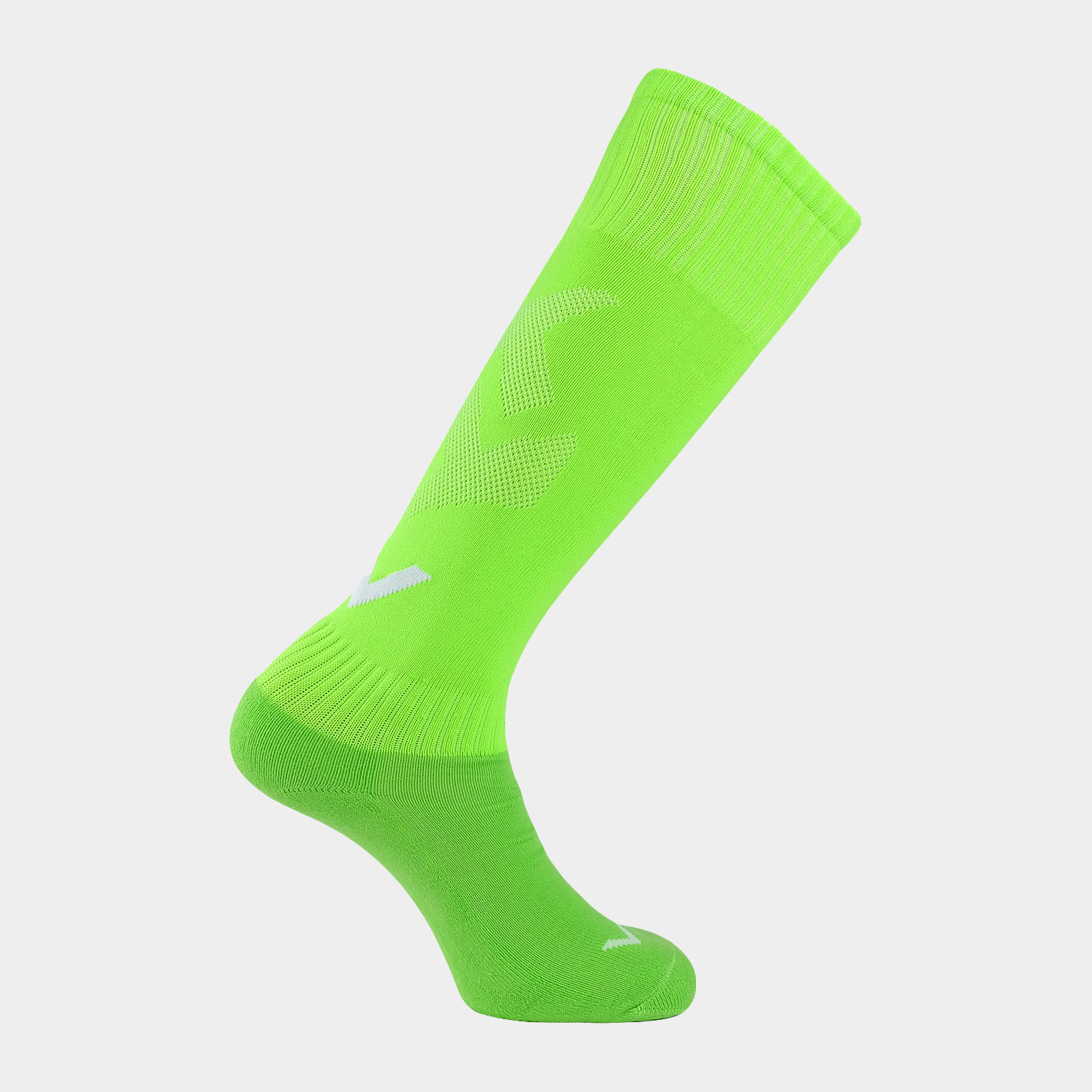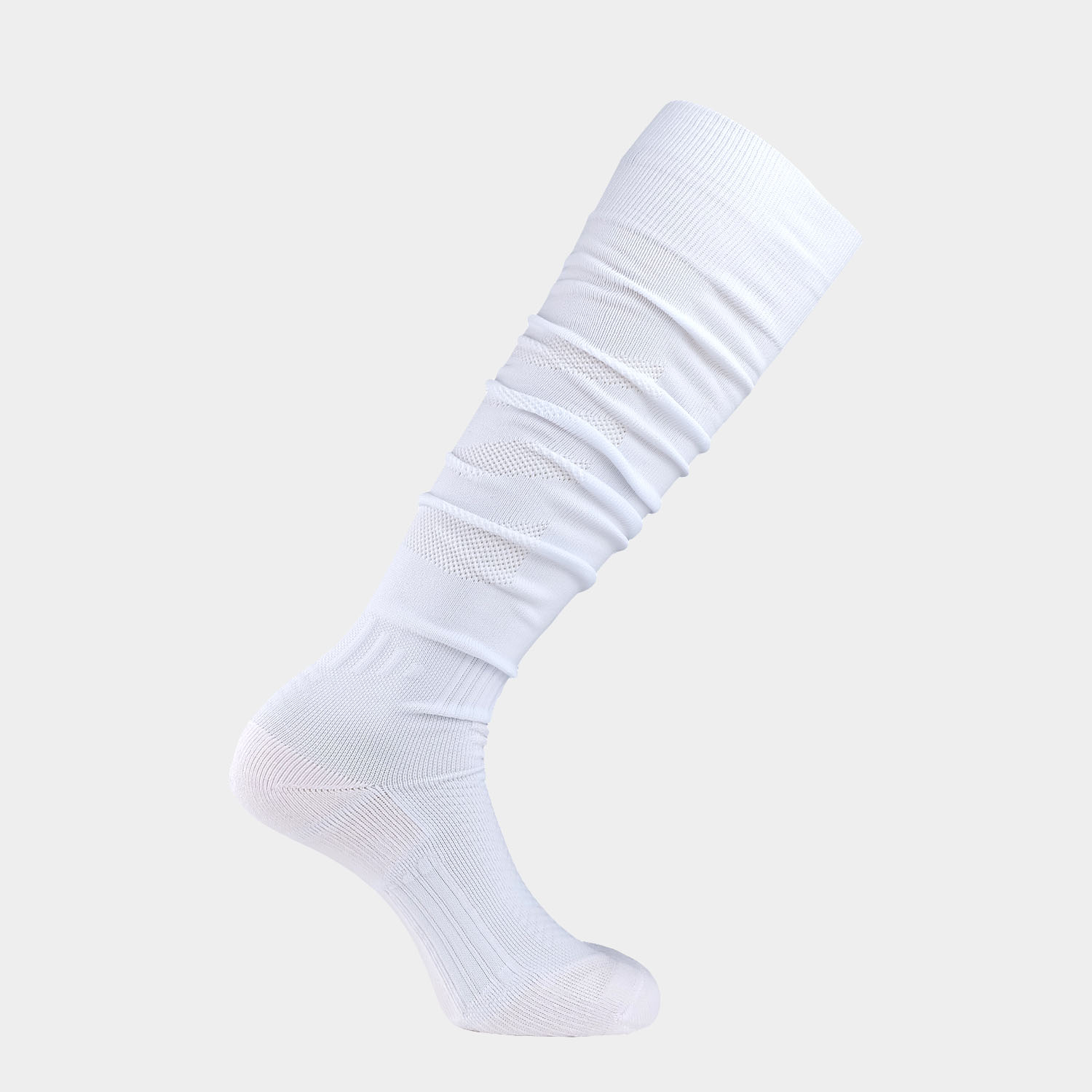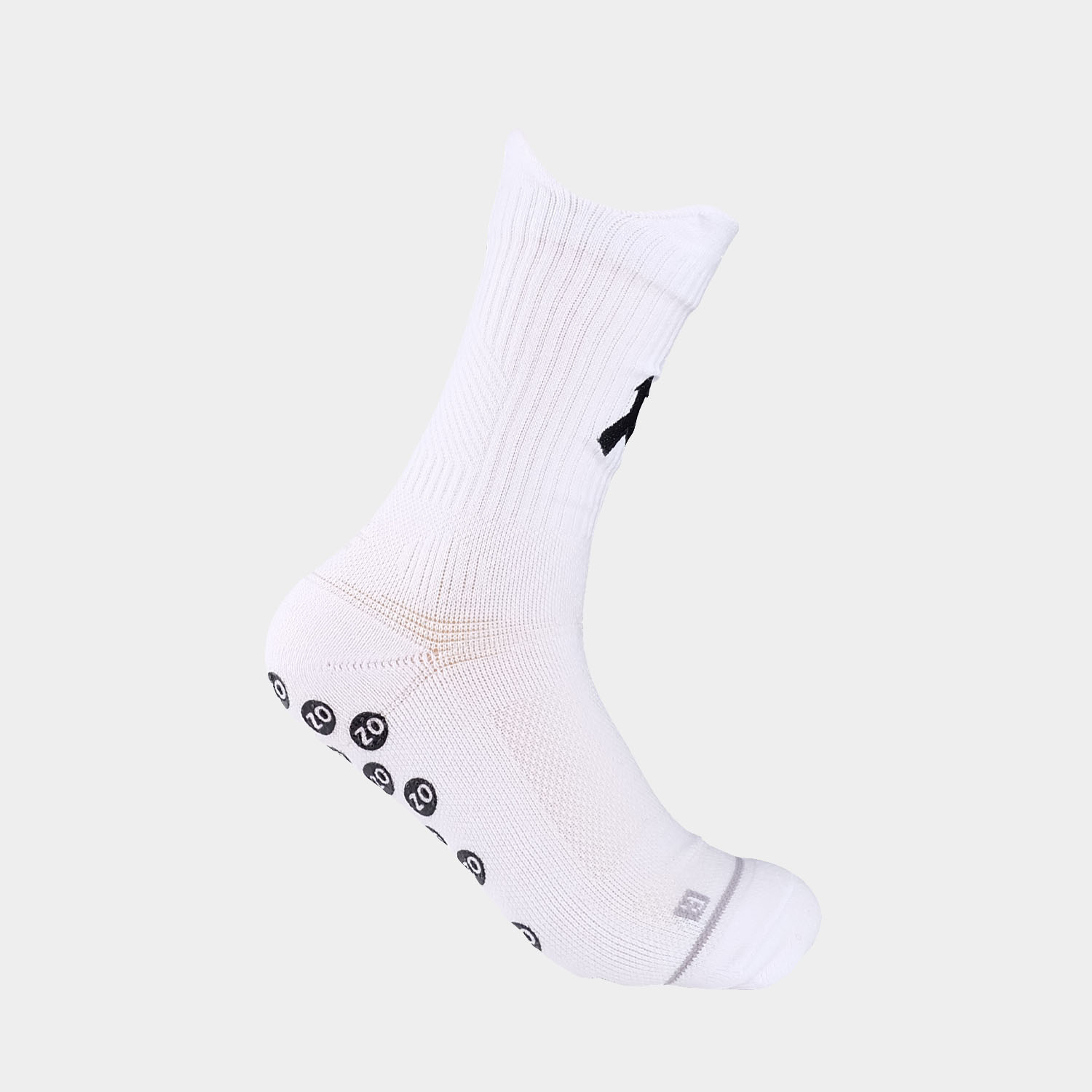
Budget cotton socks often survive less than six months. This isn’t your imagination. The Ellen MacArthur Foundation reports that many fast-fashion garments are discarded after only seven to ten wears. Upgrading to merino wool or reinforced synthetics offers better durability and long-term savings.
This guide details sock lifespan by material, comparing everyday cotton against performance options. We also cover the main causes of wear and actionable care tips to help you prevent premature holes.

How Long Do Different Types of Socks Last?
Sock longevity depends on material strength and usage frequency. Measuring lifespan in wash cycles or total miles is more accurate than counting months on a calendar.
Everyday Cotton Socks
Standard cotton socks last three to six months. Short cotton fibers break down fast under constant friction. Thinning at the heel or the ball of the foot typically appears after 30 laundry cycles. Once the material becomes threadbare, a hole will form within a few wears.
Athletic and Running Socks
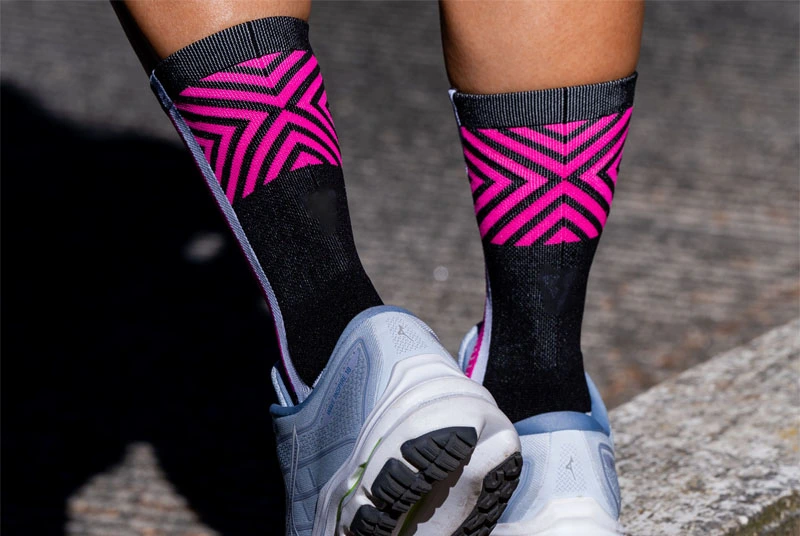
Expect six months to a year from performance socks depending on your mileage. When comparing polyester vs cotton socks, you’ll find that synthetic blends like polyester and nylon handle friction significantly better than standard cotton.
Holes are not the primary failure point because high-impact running eventually flattens the cushioning. If the socks stop absorbing shock, they are worn out regardless of the fabric condition.
Merino Wool and Hiking Socks
Quality hiking socks last two to five years. Merino wool blended with strong nylon fibers stretches and recovers without tearing. Because wool is naturally antimicrobial, it requires fewer washes. This preserves the fibers and allows many pairs to survive over 1,000 miles of heavy trail use.

Compression Socks
Compression socks have a functional life of three to six months. Elastic fibers like spandex lose tension over time even if the fabric stays intact.
Once they become easy to pull on, they no longer provide the graduated pressure needed for circulation. If they feel like regular socks, they have lost their utility.
Different Types of Socks Last Comparison Table
The table below compares the typical lifespan and common reasons for replacement for each category.
Sock Type | Lifespan | Reason to Replace |
Cotton | 3 to 6 months | Holes and thinning |
Athletic | 6 to 12 months | Loss of padding |
Merino Wool | 2 to 5 years | General wear |
Compression | 3 to 6 months | Loss of stretch |
What Factors Affect Sock Durability?
Knowing what destroys fabric helps you get more use out of every pair.
Material Quality and Fiber Type
Fiber quality determines longevity, which is why choosing the best material for socks is important. Premium socks typically use merino wool blended with reinforced nylon. Standard industry abrasion tests often stop at 10,000 rubs. However, independent labs verified that Sockcn’s reinforced zones withstand over 100,000 rubs. This durability ensures heels and toes remain intact long after standard socks fail.
Frequency of Wear and Rotation
Wearing one pair multiple days in a row ruins elastic fibers. Socks need at least 24 hours to snap back into shape. Constant heat and moisture from your feet break down the material if the fabric stays damp.
Shoe Fit and Internal Friction
Shoes that don’t fit right grind through fabric. Loose shoes cause sliding and heel wear, while tight shoes force toes against the shoe front. A snug fit prevents the unnecessary friction that destroys the knit.
Rough Floors and Shoeless Walking
Walking on carpet or hardwood without shoes ruins socks fast. These surfaces act like sandpaper against soft knits. Abrasive carpet fibers pull at threads with every step. Use slippers to protect the fabric from this surface friction.
When Should You Throw Away Your Old Socks?
Check your current collection for these four warning signs.
Holes in Toes and Thinning Heels
Thinning heels lose their cushioning and create painful friction inside your shoes. Replace any pair as soon as the knit becomes transparent. Once you can see your skin through the fabric, the sock can no longer prevent blisters.
Loss of Elasticity
Socks that fail to stay up cause irritation. Once elastic fibers lose their snap, the fabric bunches up and leads to foot fatigue. If your socks no longer stay in place on your calf, they are past their prime.
Fabric Hardening and Stiffness
Sweat and detergent buildup eventually turn soft fibers into a rough, crunchy texture. This stiffness irritates skin and stops the fabric from wicking moisture. If your socks feel like cardboard after washing, they are ready for the trash.
Permanent Discoloration and Fading
Extreme fading indicates that the fabric is structurally weak. Permanent yellowing often signals trapped bacteria that standard washing cannot remove. At this stage, the material is unhygienic and requires replacement.
5 Care Tips to Make Your Socks Last Longer
Following these five simple habits will keep your socks in rotation for much longer.
Wash on Cold and Gentle Cycles
High heat damages fibers and shrinks fabric. Cold water protects elastic materials like spandex from losing stretch. Use a gentle cycle to reduce the rubbing that causes pilling and thinning.
Air Dry to Prevent Heat Damage
Dryers are a leading cause of sock failure. Excessive heat makes both synthetic and natural fibers brittle over time. Lay socks flat or hang them to dry to preserve their elasticity and soft texture.
Trim Toenails to Avoid Toe Holes
Sharp nails act like knives on soft knit fabrics. Most toe holes result from internal friction rather than outside wear. Keeping toenails short and smooth reduces the physical stress on the front of the sock.
Rotate Pairs to Restore Elasticity
Elastic fibers need time to recover between wears. Constant use stretches the material without giving it a chance to bounce back. Alternating pairs lets the knit to return to its original shape.
Use Mesh Bags for Extra Protection
Laundry bags prevent socks from snagging on zippers or hooks during the wash. A mesh bag shields the fabric from aggressive agitation and prevents pulled threads that lead to larger holes.
FAQ
Q1. Can I Customize Socks With the Same Durability as Top Brands?
Yes. At Sockcn, you can design customized socks using premium materials, such as high-density Merino Wool (≥70%) or reinforced synthetic blends, that match or exceed the standards of top retail brands.
Q2. Do High-Quality Socks Offer a Lifetime Guarantee?
Yes, top-tier performance socks often do. A “Lifetime Guarantee” is the ultimate seal of durability.
Sockcn’s manufacturing standards are so rigorous that we enable premium hiking brands across the USA, Europe, and Australia to offer Unconditional Lifetime Guarantees. This level of backing proves the socks are built to last.
Q3. Does Washing Socks Inside Out Help Them Last Longer?
Yes. Turning socks inside out protects the outer knit from wash friction. This preserves the fabric’s appearance while letting detergent directly reach the sweat and skin cells trapped on the interior.
Q4. Is Fabric Softener Bad for Sock Durability?
Yes. Fabric softeners leave a waxy coating that stops the fabric from wicking moisture. This buildup traps heat and bacteria, which accelerates the breakdown of elastic fibers and leads to sagging.
Q5. Why Does One Sock Always Develop a Hole Before the Other?
Uneven walking patterns and foot size differences cause asymmetrical wear. Most people apply more pressure with their dominant foot, creating localized friction. Swap your socks between feet occasionally to even out the stress, unless they are anatomically shaped.
Conclusion
Quality materials need the right care to truly last. Even with Sockcn’s durable premium fibers, habits like cold washing and air drying are essential to prevent premature wear. Pairing expert manufacturing with these simple steps is the best way to get the maximum mileage out of every pair.