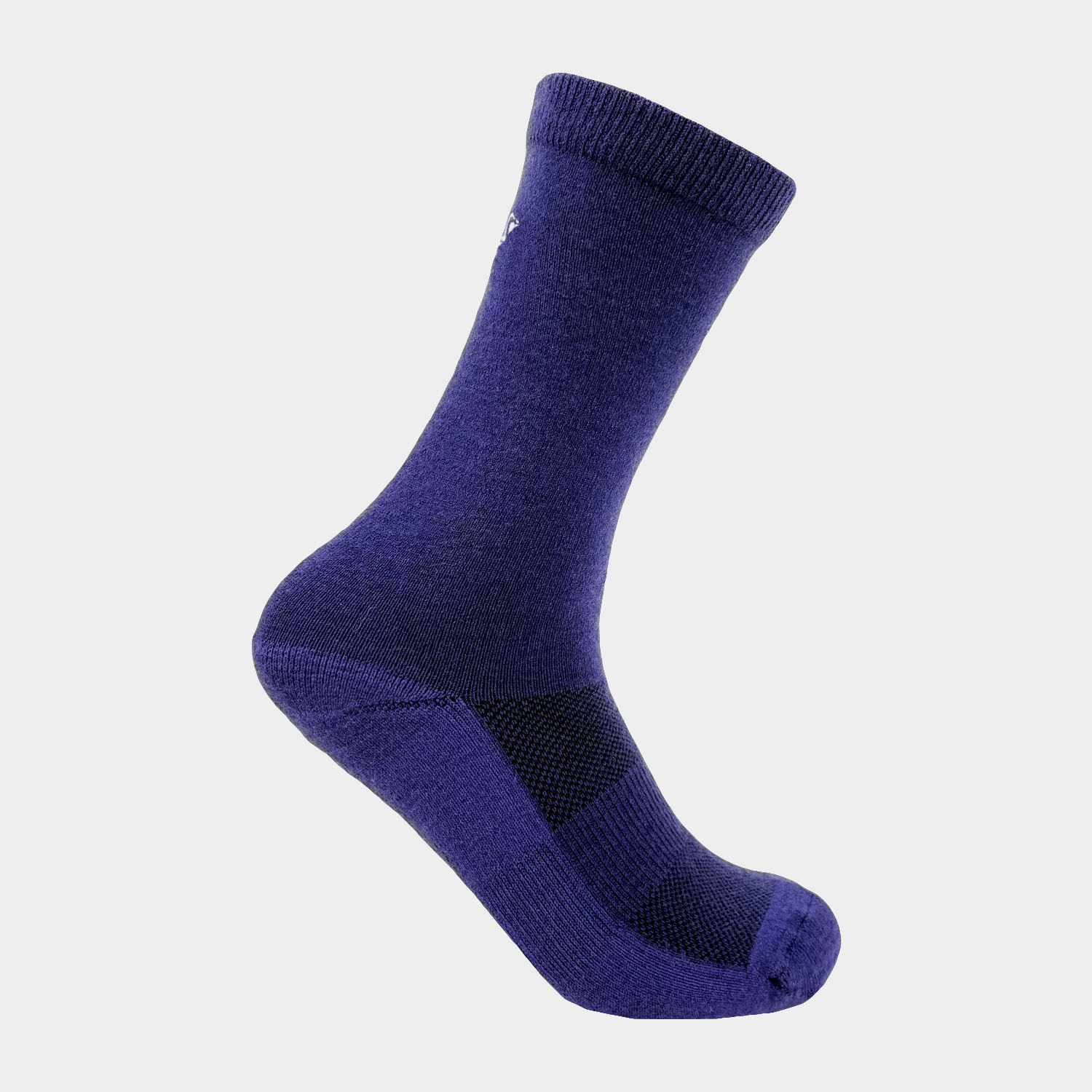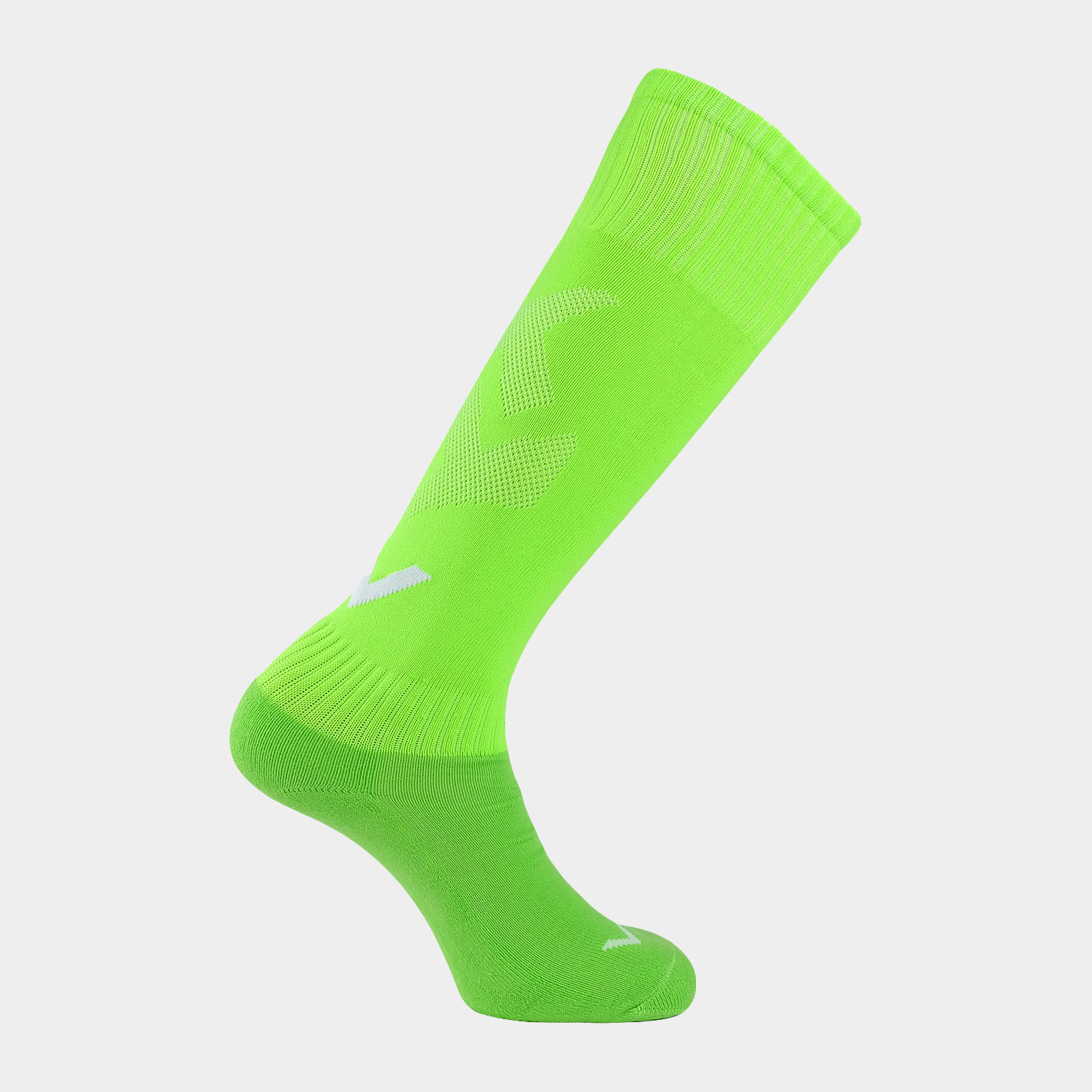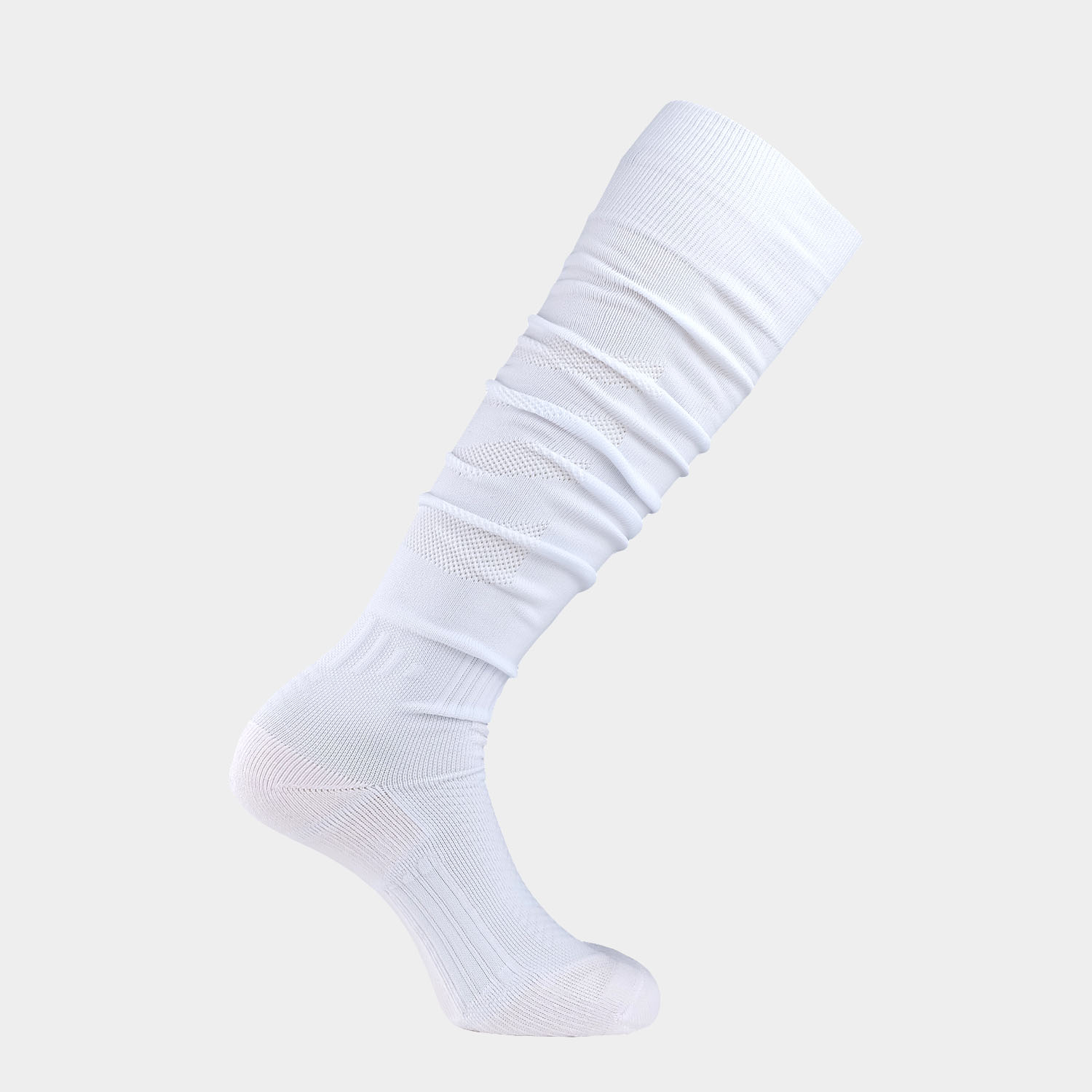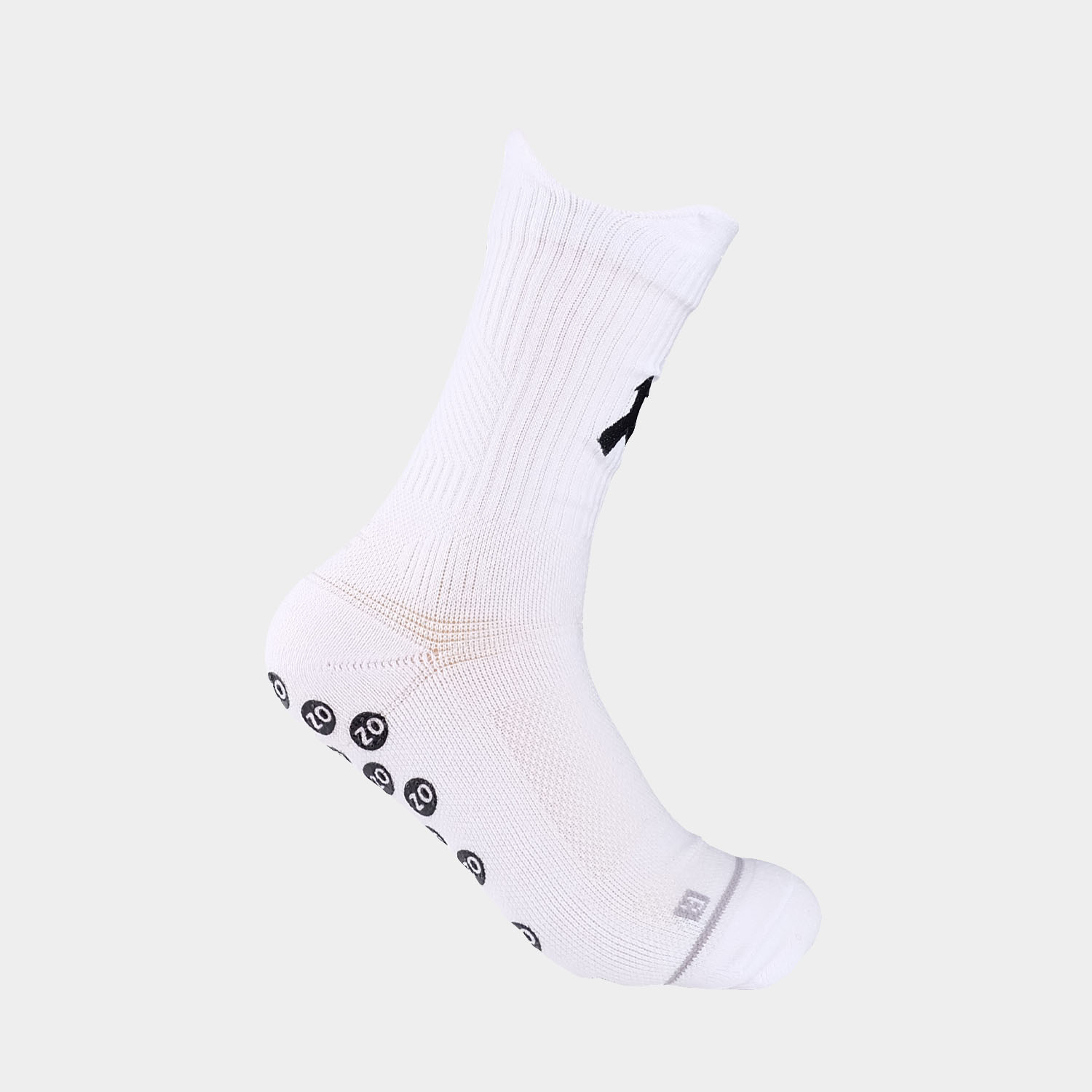

Few choices matter more to private-label brands, wholesalers, and sourcing managers than picking the right sock materials. Fabric alone sets comfort, performance, durability, sustainability claims, as well as the price buyers will accept. In today’s US and European markets, customers now demand technical fibers, traceable origins, and blends that deliver clear performance edges.
At Sockcn, we guide international B2B clients toward fibers that fit their lines perfectly. Our expertise translates raw material data into practical advantages: sharper product positioning, stronger margins, and options aligned with your exact market goals.
Why Material Choice Defines Your Sock Brand’s Success
Whether you offer premium outdoor gear, high-performance sports socks, or a department store label’s everyday apparel, fabric choice remains a core point of distinction. Amazon shoppers and distributors, along with in-store customers, can judge quality instantly. Some through touch, stretch, moisture control, and durability; others through specs, reviews, and brand signals alone.
Enhancing User Experience: Comfort, Fit, and Touch
End-users first notice a sock’s feel against skin and its knack for staying warm yet cool. Softness, temperature balance, and moisture control are the trio that shapes reviews and builds lasting loyalty, and all hinge on fiber selection.
When a sock holds its shape, keeps feet dry, and stays comfortable wash after wash, repeat purchases are guaranteed to soar. Choose the right material, and customer churn drops while ratings climb across every retail channel.
Gaining a Competitive Edge with Custom Material Blends
With markets now crowded, material performance has become the sharpest way brands stand out.
Tailored blends let you hit precise targets: warmth plus moisture control for outdoor users; cushioning and breathability for athletes; everyday softness paired with real strength for lifestyle lines.
Sockcn works directly with mills and B2B clients to create high-performance blends that stay inside your cost envelope, so superior feel never forces a price jump.

Common Sock Materials Used in Modern Socks
Natural and synthetic fibers each play an important role in modern sock manufacturing. The choice of material affects comfort, durability, moisture control, and overall performance.
Natural Fibers
Natural fibers are widely used in premium and outdoor socks due to their breathability and temperature regulation. Materials such as merino wool and alpaca are especially popular in hiking and winter socks.
Brands that want to understand the differences between natural fibers often compare merino wool and alpaca when selecting materials for outdoor products.
Synthetic Fibers
Synthetic materials such as polyester, nylon, and spandex are widely used in performance socks. These fibers provide durability, elasticity, and moisture management that natural fibers alone may not achieve.
For example, nylon reinforcement is commonly used to improve sock durability, especially in high-wear areas such as the heel and toe.
Natural Fibers for Hiking and Winter: Comparing Wool and Alpaca
Wool and alpaca are two highly demanded fibers in high-end markets, and each have their own advantages.
The knowledge of performance of these fibers in various situations enables brands to develop socks that provide enhanced comfort and performance, as well as distinguish their product range in a competitive retailing environment.
Merino Wool: The Industry Standard for Hiking
Merino wool remains one of the most reliable fabrics to use as an outdoor and winter sock. It keeps the body cool, evaporates moisture naturally, and keeps the body odor-free; all of which are extremely crucial in hiking and cold weather activities.
To maintain consistency in quality, Sockcn sources its merino exclusively from Australia and New Zealand, the world’s top suppliers of this fiber. For B2B buyers, this can only mean the following: steady supply, stable pricing, and consistently pure, high-quality wool.
Alpaca Fiber: A Premium Alternative for Differentiation
Alpaca is less coarse and has a better warmth-to-weight ratio and is much more luxurious than Merino. Their natural hypoallergenic characteristic and smooth texture make it popular as an ingredient because many of the brands use it to launch high-quality winter socks or more luxurious lifestyle lines.
Sockcn uses only authentic Peruvian alpaca—renowned for its exceptional fiber quality and centuries-old heritage. It shows that we only rely on the best regional experts to ensure that the socks are made from the world’s most sought-after materials.
In a winter market crowded with similar offerings, alpaca gives ambitious brands a clear, premium edge.

Synthetic Materials for Performance Socks
While cotton still dominates casual wear, performance socks designed for sports and active use require advanced technical fabrics. These materials provide the support, breathability, and durability necessary for high-intensity activities such as running, training, and outdoor sports.
By selecting the right fiber combinations, brands can create performance socks that stand out in a competitive athletic market, delivering reliable comfort, moisture control, and long-lasting durability.
The Limitations of Cotton in Athletic Use
Cotton absorbs moisture but dries slowly, often staying damp for long periods. During intense activity, trapped moisture increases friction and can lead to blisters or discomfort.
Because of these limitations, most athletic socks today avoid heavy cotton blends. Modern performance socks instead rely on materials that actively manage moisture and maintain breathability during movement.
The Role of Synthetics: Nylon, Polyester, and Spandex
Nylon provides durability and shape retention, making it ideal for reinforcing high-wear areas such as the heel and toe. Polyester fibers are widely used for moisture management because they can quickly pull sweat away from the skin and help feet stay dry during activity. Spandex adds elasticity and recovery, ensuring a secure and supportive fit.
When these fibers are engineered together with features such as seamless toes, targeted arch support, compression panels, and ventilation zones, brands can develop high-performance socks suitable for sports, training, and everyday active use.
Sustainable Material Trends for US Market
Eco-friendly fibers boost a brand’s image—provided they meet strict sustainability standards.
Recycled polyester cuts waste; organic cotton skips harsh pesticides; responsibly sourced wool or alpaca supports ethical farms. Brands that blend these options slash their environmental footprint while delivering socks tough enough for trails yet polished for retail shelves. In the US, where shoppers increasingly hunt green labels, such moves pay off fast.
Adoption of Recycled Wool and Polyester
US retailers now treat sustainability as a core buying criterion. Demand keeps rising for recycled wool, GRS-certified polyester, organic cotton, and bamboo yarns. These fibers cut waste sharply, strengthen eco-credentials, and help chains hit their own green targets.
For buyers rolling out fresh lines, they open the door to shoppers who prioritize the planet and won’t compromise on performance.
Compliance and Certifications: RWS, OEKO-TEX and BSCI
Compliance sits at the heart of B2B sourcing. Every Sockcn material carries OEKO-TEX certification, meaning that they are free of harmful chemicals. Wool follows strict Responsible Wool Standard (RWS) rules from farm to yarn.
Our factories meet full BSCI requirements: fair wages, safe conditions, and transparent records. Dyeing and knitting processes use far less water and energy than industry averages, delivering brands a cleaner supply chain without extra cost.
For US and European retailers, these certifications aren’t optional. Auditable traceability has become the entry ticket.
Popular Sock Material Comparisons
Choosing the right sock material often requires comparing different fibers based on performance, comfort, and cost. Retailers and brands frequently evaluate multiple material combinations before deciding which fabric works best for their product lines.
Some of the most common comparisons include:
- Polyester Vs Cotton Socks: Which One Should You Choose
- Wool vs Cotton Socks: Which Is Better for Your Brand
- Cashmere vs Wool: Which Material Is Better for Socks
- Bamboo Vs Cotton Socks: What Should You Choose
- Merino Wool Vs. Regular Wool: Key Differences for Your Business
Performance and Technical Sock Materials
Modern performance socks rely not only on fiber selection but also on advanced textile technologies. Moisture management, durability, and color stability all play important roles in sock performance.
For example, moisture-wicking fabrics help keep feet dry during intense activity, while color fastness ensures socks maintain their appearance after repeated washing.
Material Comparison Guide: Making the Right Choice
Understand how fibers differ in warmth, durability, and moisture control. The right match fits market needs perfectly, minimizing returns and complaints.
A clear side-by-side breakdown lets brands choose wisely, simplify production, and place socks sharply in crowded retail and wholesale channels.
Feature Breakdown: Warmth, Durability, and Moisture Wicking
The various fibers do not work alike.
Merino excels at both warmth and moisture control, which makes it ideal for outdoor use. However, when considering the best choice for custom socks, the debate often comes down to Merino Wool vs Alpaca. While Alpaca offers even better thermal regulation, it typically comes at a premium price. Cotton, in contrast, stays comfortable for casual daily wear but doesn’t hold up well under athletic demands.
Polyester and nylon dominate performance socks; they wick sweat fast and last season after season. Bamboo (plus other sustainable options) brings softness and strong eco-appeal without sacrificing real function.
Choose based on your target: everyday comfort, trail-ready reliability, or green credentials that sell.
Material | Warmth | Durability | Moisture Wicking | Notes |
Merino Wool | ★★★★★ | ★★★★☆ | ★★★★★ | Best all-round performance; ideal for hiking and winter. |
Alpaca Fiber | ★★★★★+ | ★★★★☆ | ★★★★★ | Warmer and softer than merino; luxury differentiation. |
Cotton | ★★☆☆☆ | ★★★☆☆ | ★★☆☆☆ | Comfortable but poor moisture control for performance use. |
Recycled Polyester / CoolMax | ★★★☆☆ | ★★★★★ | ★★★★★ | Excellent for running and high-sweat activities; fast-drying. |
Nylon | ★★☆☆☆ | ★★★★★ | ★★★★☆ | Adds strength and abrasion resistance when blended. |
Spandex (Lycra) | ★☆☆☆☆ | ★★★★☆ | ★★☆☆☆ | Used for stretch, fit, compression—not for warmth. |
Bamboo Viscose | ★★★☆☆ | ★★★☆☆ | ★★★★☆ | Soft, breathable, sustainable; moderate durability. |
Recycled Wool | ★★★★☆ | ★★★★☆ | ★★★★☆ | Sustainable alternative with strong overall performance. |
Selecting Materials Based on Your Target Audience
Know who wears your socks and how.
Hikers and outdoor enthusiasts want warmth plus moisture control: merino or alpaca delivers both. Runners and gym-goers demand lightweight, breathable synthetics—CoolMax, nylon—that stay tough mile after mile.
Eco-minded shoppers reach straight for recycled polyester, organic cotton, or bamboo. Match the fiber to real use and you hand them better comfort, stronger performance, and a brand they’ll keep buying.
Best Materials for Different Sock Applications
Different activities require different material combinations. Outdoor, athletic, and lifestyle socks often use specific fibers to deliver the right balance of warmth, durability, and moisture control.
For example, merino wool socks are widely used for hiking, while alpaca fibers are popular for extreme cold environments and hunting socks.
Partner with Sockcn for Custom Sock Manufacturing
Need one trusted factory that handles everything, from material selection to finished private-label product? Choose Sockcn.
From Material Selection to Private Label Production
We guide B2B partners through every step. Fiber choice, custom blends, exact Pantone matching, woven logos, branded packaging—done. Free design consultation and fast samples let you touch and test before committing. Predictable lead times and locked-in delivery dates keep your inventory steady and stress-free.
Why Choose Sockcn: Direct Pricing and Flexible MOQs
Factory-direct prices sharpen your edge. Low, flexible MOQs fit startups and big players alike, meaning no forced overstock. Your dedicated team stays in constant contact, pushing sampling, production, and shipping forward without delays.
One partner. Zero headaches. Stronger margins.
FAQ
Q1. What is the best blend ratio for durable socks?
The durable sock is usually a mixture of natural and synthetic fibers 60~70% merino or cotton with 20~30% nylon and 35% spandex. Nylon is used to enhance the abrasion resistance and spandex provides the fabric with stretch and shape which considerably prolongs the life of the sock without reducing comfort.
Q2. Which material offers the best moisture management?
Merino wool and technical fabrics such as CoolMax and polyester are the best to use in moisture management. They remove moisture and sweat off the body, dry fast, and are breathable when exercising intensely. These materials are helpful in the prevention of blisters, growth of odor, and discomfort and can be used during running, hiking, and all-day-wear.
Q3. How does Alpaca compare to Merino in thermal retention?
Alpaca fiber has better thermal insulation than merino due to the hollow core that traps more warm air to give it excellent insulation during cold weather. Whereas merino keeps the balance between the warm and the moisture, Alpaca provides a more comfortable touch, a more cozy and luxurious one–which is why it should be used in the high-end winter or outdoor sock collections.
Conclusion
The choice of the best materials for socks is critical in creating a product line that will perform well in the market and serve the expectation of the customers in various categories.
You are an outdoor performance, athletic wear, sustainable apparel, or an exclusive label lifestyle business; Sockcn can guide you to make the right choice of fiber and produce high-quality socks with high-quality sourcing and skilled production.
Having access to high-quality materials and complete B2B support, we contribute to making sure that the products can be distinguished with the help of the best materials to use in socks of any category.