According to the Clinical Journal of Sport Medicine, friction blisters are the most common injury plaguing runners. The pain forces you to alter your gait, often leading to serious knee or hip issues. Whether you are logging high mileage or just starting out, ignoring your feet is a surefire way to sideline your progress.
This guide details how to prevent blisters when running. It explains the causes of friction, essential gear, and proven steps to treat blisters properly. From the right shoes to the best socks, here is the plan to run comfortably.
Why Do Runners Get Blisters When Running?
Blisters are your body’s cushion for damaged tissue. They form when friction separates skin layers, filling the gap with fluid. This separation stems from three main forces.
Heat and Skin Friction
Friction is the main trigger. It isn’t just rubbing. It is shear force. Your sock grips your skin while your shoe grips the sock. This tension stretches skin layers until they tear. Heat accelerates the breakdown, often signaling trouble with a burning sensation before the blister appears.
Sweat and Wet Skin
Moisture weakens skin integrity. Wet skin softens and wrinkles like fingers after doing dishes. Soft skin is fragile and tears under pressure. Damp socks also grip skin harder than dry ones, making blisters much more likely on long runs.
Tight or Loose Shoes
Poor fit invites friction. Tight shoes jam toes together, creating immediate pressure points. Loose shoes let feet slide back and forth. This sliding acts like sandpaper on heels and the balls of your feet.

How Can I Prevent Running Blisters?
Prevention is easier than treatment. Wrong size gear and moisture are the primary causes of blisters. Make these adjustments to minimize the friction that tears up your feet.
Choose the Correct Shoe Size
Buy running shoes larger than your casual shoes. Feet naturally swell during a run, often expanding by a half size. If shoes fit perfectly while you sit, they are likely too small for running. Shop in the afternoon or evening when feet are already swollen to get the best fit.
Allow Extra Room for Toes
Toes need space to splay. A narrow toe box jams toes together, causing blisters. A good rule of thumb is to keep a thumbnail’s width of space between your longest toe and the end of the shoe. You should be able to wiggle your toes freely while standing.
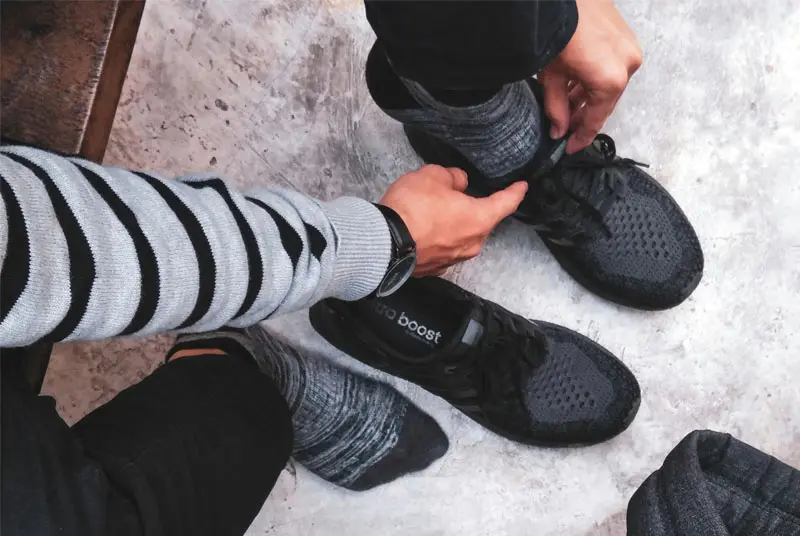
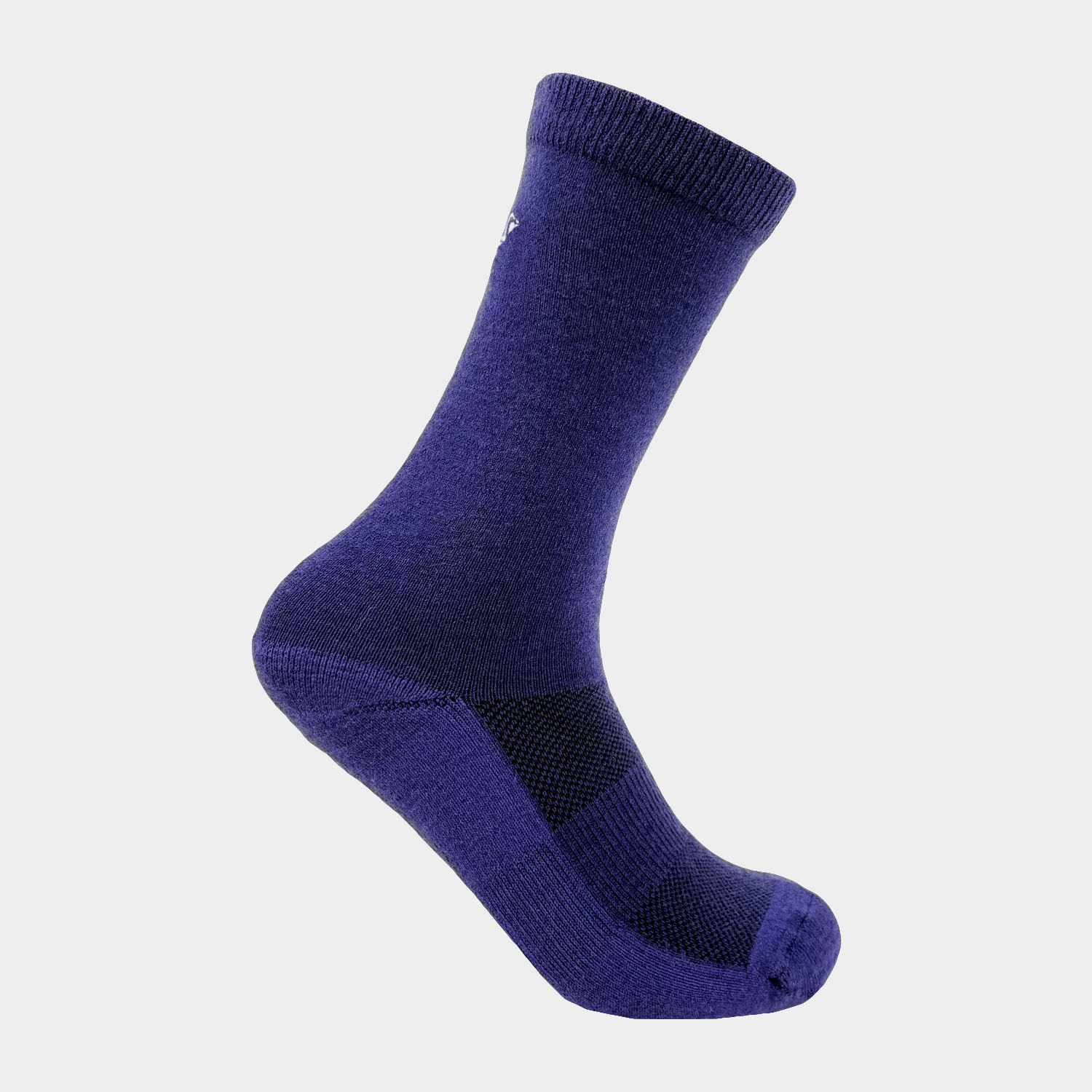
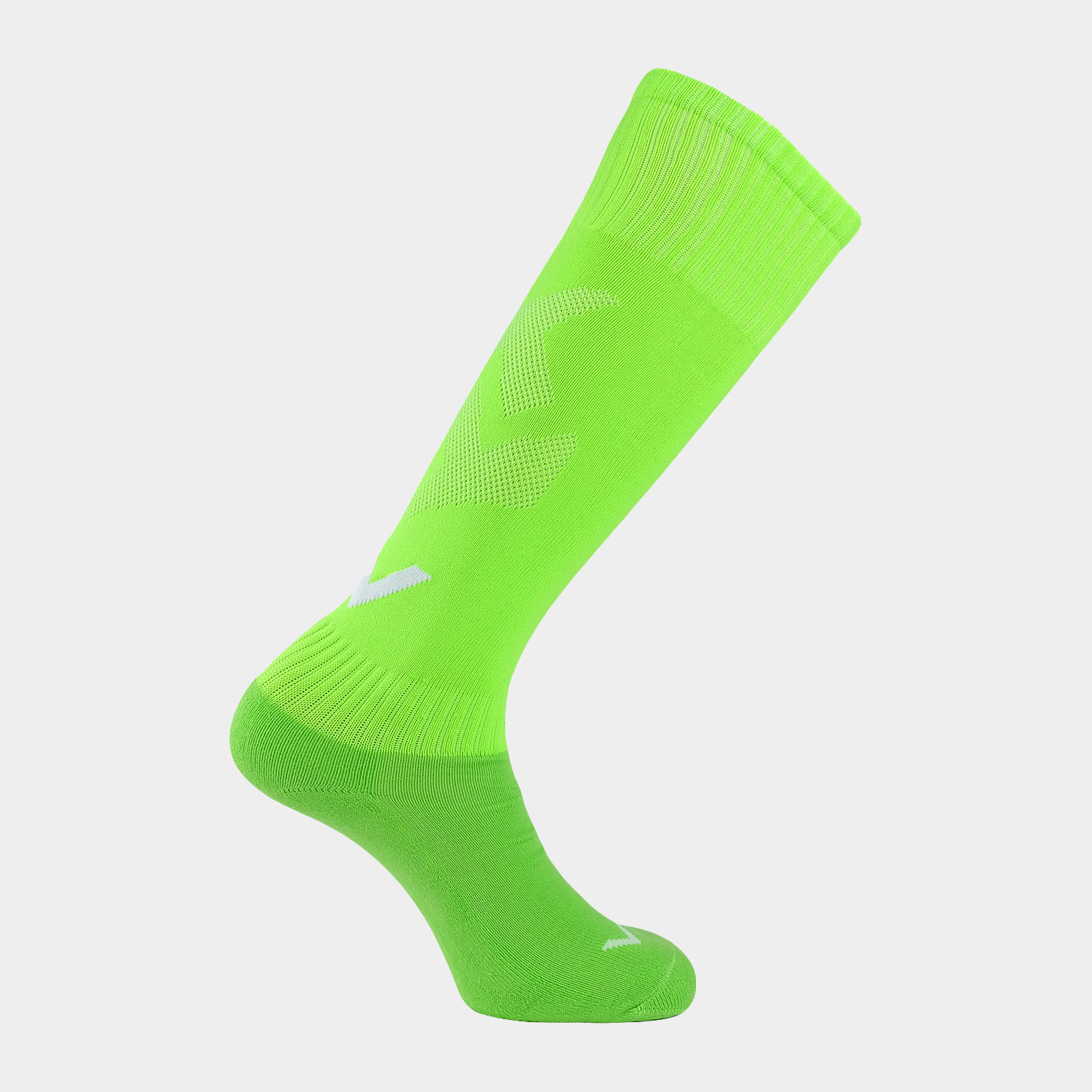
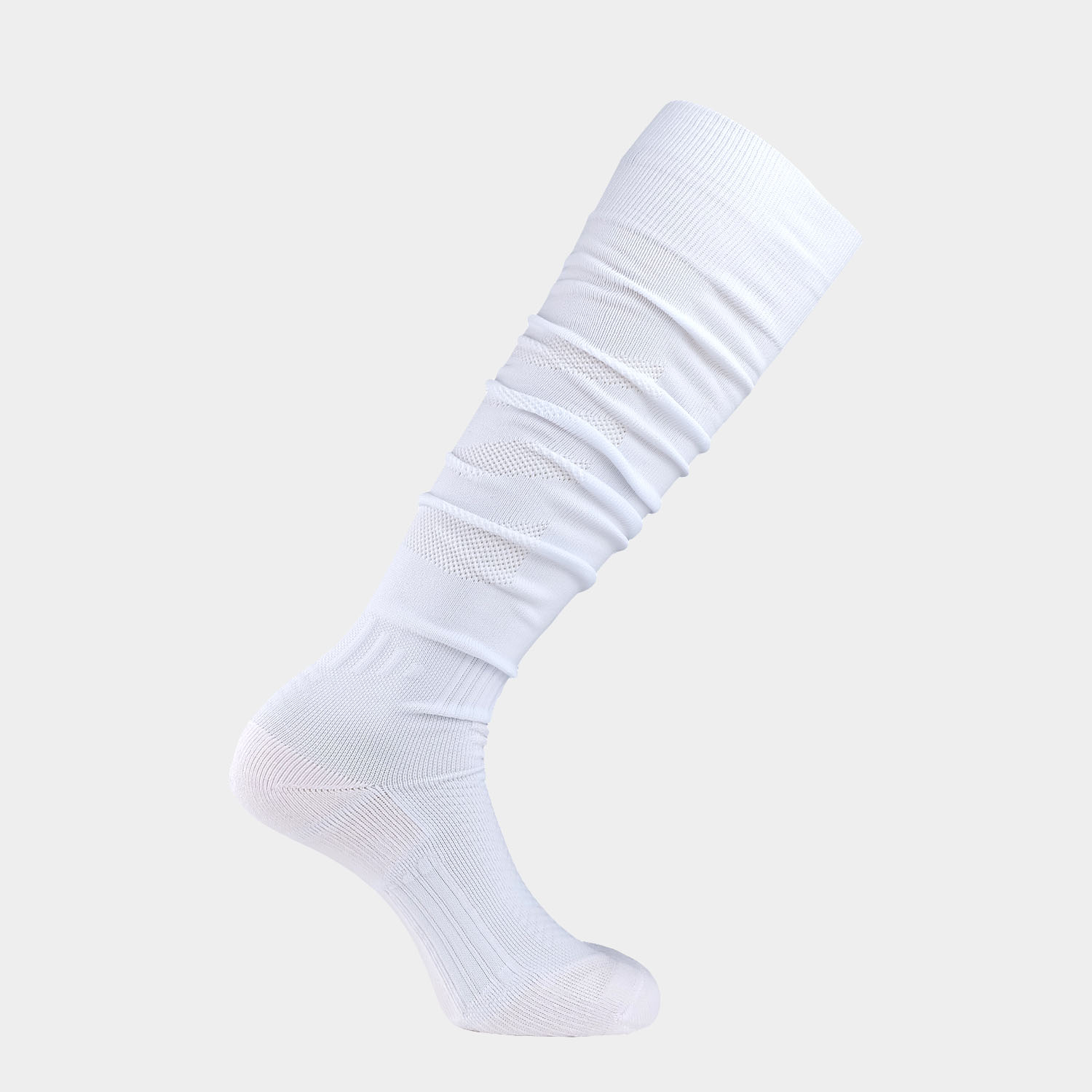
Wear Moisture Wicking Running Socks
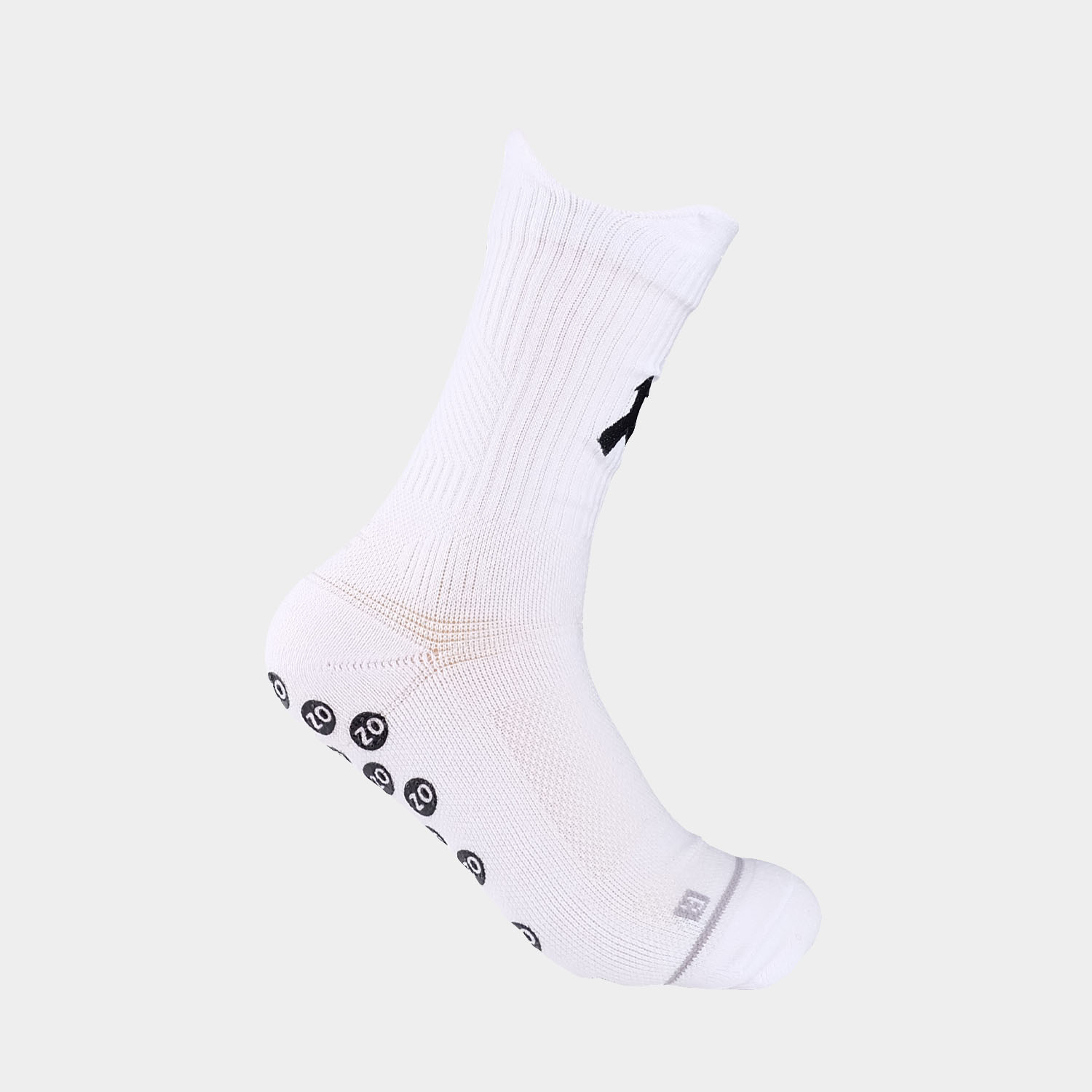
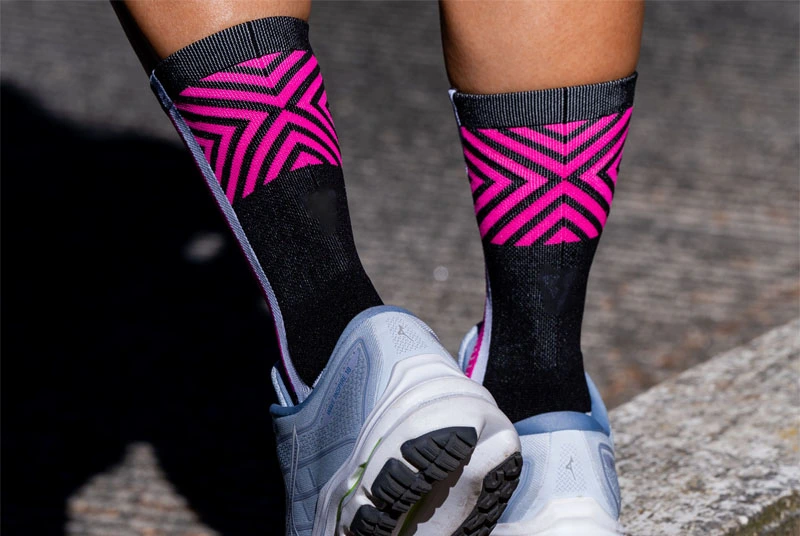
Avoid cotton. It acts like a sponge, trapping moisture and increasing friction. Instead, choose synthetic blends or merino wool. Quality synthetics, such as durable polyester running socks, combine moisture-wicking fibers with seamless toes to minimize chafing. These materials wick sweat away from the skin. Double-layer socks are also effective, shifting friction between layers.

Apply Lubricant to Reduce Friction
Apply products like Body Glide or petroleum jelly to high-risk areas before putting on socks. Focus on heels, the balls of feet, and between toes. This creates a protective slick layer, allowing surfaces to glide rather than grip and tear the skin.
Adjust Laces to Secure Feet
Heel slippage creates heat. If your heel slips with every step, lock it down. Use the runner’s loop or heel lock lacing technique. Thread the extra eyelet at the top of the shoe to create a tighter cuff. This keeps your heel planted without restricting blood flow.
Cover Hot Spots With Tape
Treat a hot spot (warm, irritated sensation) immediately. Do not push through the pain. Apply a barrier like moleskin, athletic tape, or blister bandages. This acts as a second skin to absorb the friction.
Keep Feet Dry During Runs
If you sweat heavily, use foot powder to absorb moisture. However, for rainy runs, skip the powder (it creates a paste) and carry spare dry socks instead. Swapping out wet socks halfway through a run resets your foot environment and helps prevent skin softening.
5 Steps to Treat Running Blisters
Even with the best gear, blisters happen. How you treat them determines if you run tomorrow or take a week off.
Step 1: Assess the Blister Severity
Don’t pop small, painless blisters. Intact skin is your natural defense against bacteria. Only drain a blister if the pressure is painful or it is in a spot that will inevitably burst during your next run.
Step 2: Clean the Area
Wash your hands and feet with soap and warm water first. Before a needle touches your skin, wipe the blister with rubbing alcohol. This prevents surface bacteria from entering the open wound.
Step 3: Drain Large Painful Blisters
Sterilize a needle with alcohol or a flame. Puncture the blister near the edge rather than the center. Gently press the fluid out with clean gauze, but leave the loose skin flap alone. That “roof” acts as a biological dressing for the raw skin underneath.
Step 4: Apply Protective Blister Bandages
Dab a little antibiotic ointment on the opening. Cover it with a hydrocolloid bandage or blister pad to keep the wound moist. Avoid standard adhesive strips; sweat makes them slide off instantly during a run.
Step 5: Monitor for Signs of Infection
Watch for red streaks, heat, or pus. If the pain gets worse or you run a fever, stop home treatment and see a doctor.
FAQ
Q1. Do Seamless Socks Really Reduce Blisters?
Yes. Regular socks often have a bumpy seam that rubs your toes. The main difference in seamless toe socks and regular socks is the flat stitch. It smooths out that ridge, so the seam doesn’t hurt your skin.
Q2. Do Custom Socks Help Prevent Blisters?
Yes. Regular socks bunch up, creating hot spots. Custom fits stay put. At Sockcn, we offer custom socks that tailor premium materials (like Merino or Coolmax) and target cushioning to high-friction zones.
Q3. Why Do I Get Blisters Under My Toenails?
This is runner’s toe. While tight shoes are a culprit, long toenails are often the cause. Long nails bang against the front of the shoe, causing bleeding underneath. Keep nails trimmed short to prevent this.
Q4. Should I Pop a Blood Blister?
No. Blood blisters mean deep tissue damage. Popping them invites infection. Let them heal naturally. If painful, pad with moleskin but do not puncture the skin.
Q5. How Long Do Blisters Take to Heal?
Most blisters heal in 3 to 7 days. However, running on them or peeling the skin drags recovery out to two weeks. Eliminate the friction source to heal faster.
Conclusion
Blisters shouldn’t sideline you. Focus on shoe fit, proper running socks from Sockcn, and treating hot spots early. Experiment with lacing and lubricants to find what works for you. Don’t let a small rub turn into a big problem. Lace up, stay dry, and run comfortably.
Medical Disclaimer
This content is for educational purposes only and does not constitute medical advice. Consult a healthcare professional or podiatrist for diagnosis and treatment, especially if you have diabetes or poor circulation.