
Custom socks let you show creativity, build a brand, or make memorable gifts for special moments. Whether you’re chasing visibility as a company or showing personal style, the design process follows clear steps. From picking yarns, gauges, and colors to locking artwork and production details, knowing the workflow is key to getting the fit and look right. This guide lays out each stage so you can turn a sketch into a pair that matches your vision.
Why Custom Socks are a Smart Investment
Investing in custom socks can shift the odds for brands—sharpening campaigns, lifting recognition, and giving you something truly distinctive to sell or gift. Here’s why it often pays to choose custom socks.
Elevating Brand Identity and Marketing
Pantones, and consistent handfeel make merchandise look like part of the line, not an add-on. Build a simple style guide for your Customize Socks program—logo sizes, safe zones, and color rules—so every drop reads as “you” at a glance.
Perfect for Events, Teams, and Gifts
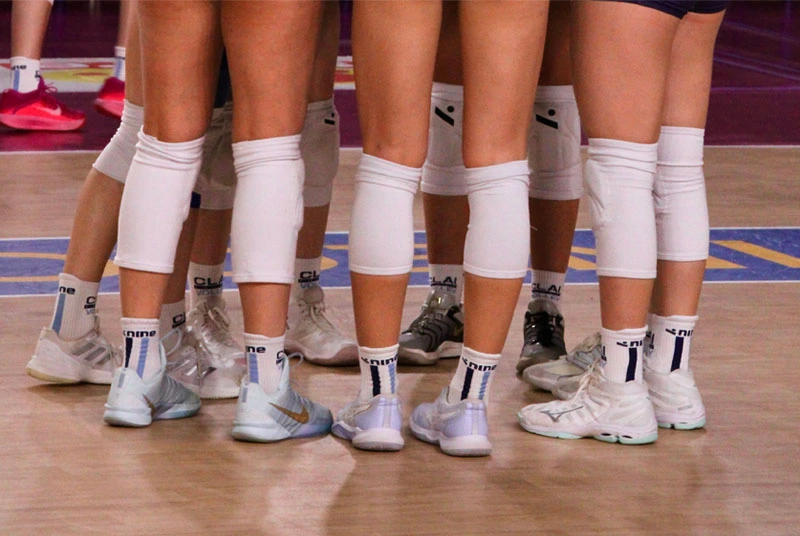
Conference kits, team uniforms, and loyalty gifts work best when sizes, ship windows, and packaging are set early. Plan hangtags, size stickers, and carton specs alongside the artwork to keep receiving quick and chargebacks low. With those basics locked, limited-run Customize Socks arrive on time and look cohesive on shelf.
Quality Control and Uniqueness
Customization lets you set measurable targets—cushioning, compression, colorfastness, and shrinkage—and hold reorders to the same bar. Keep shade bands and a signed golden sample on both sides to prevent drift across seasons. The result is a distinctive product that stays consistent as volumes grow.
Designing Your Custom Socks: Key Considerations
Good design decisions shorten sampling and protect cost. Start with the use case, then match styles, materials, and artwork to how the socks will be worn and washed.
Understanding Sock Styles and Lengths
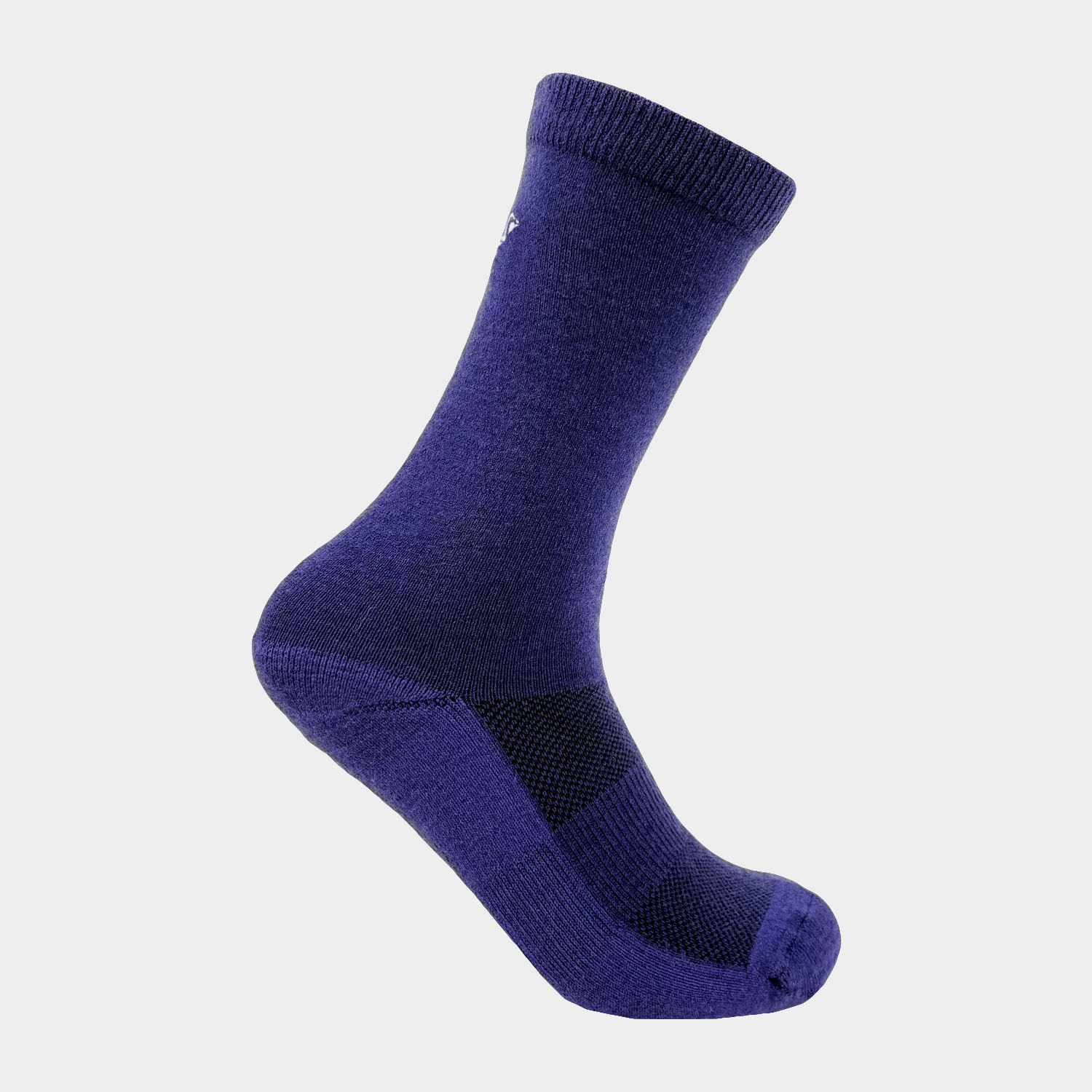
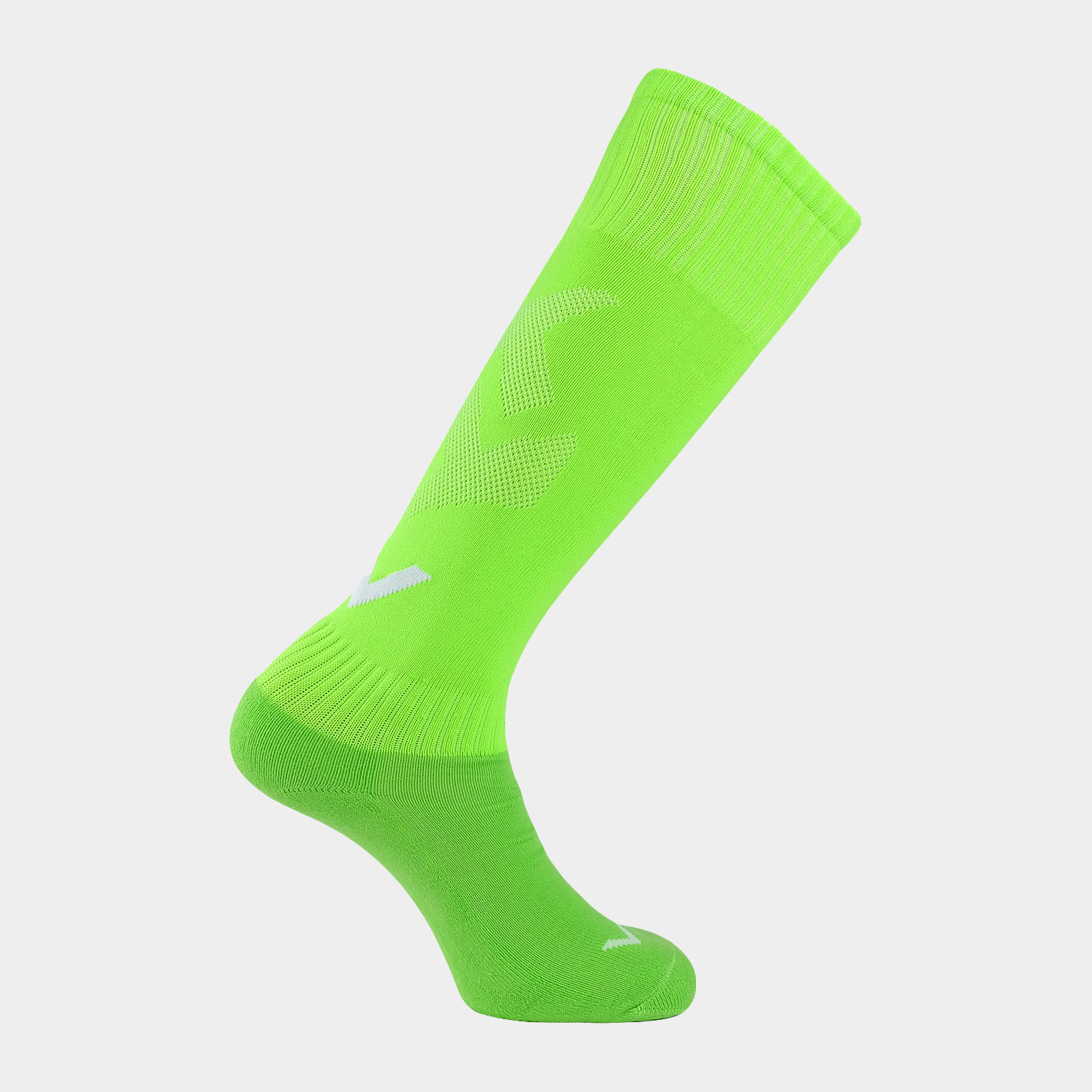
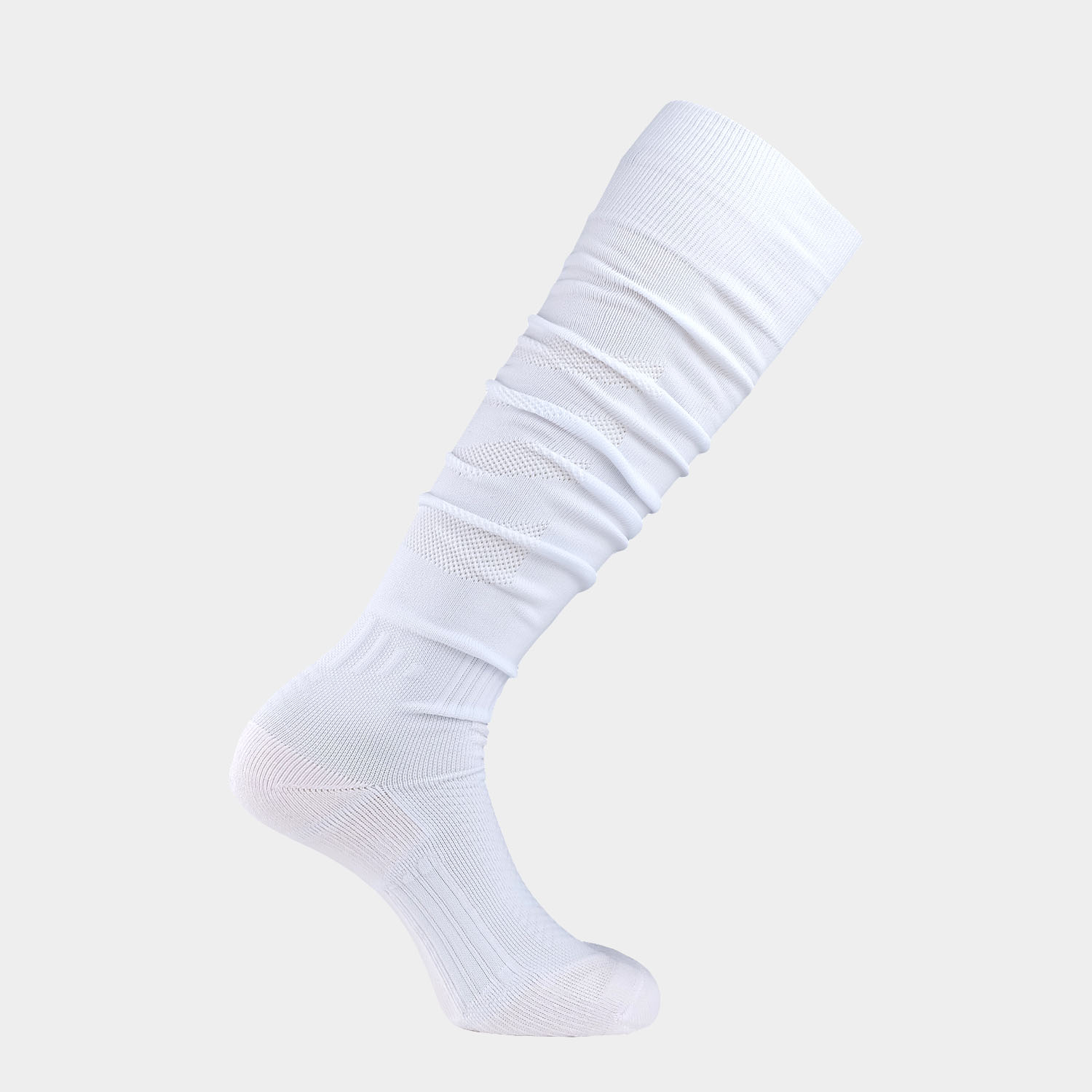
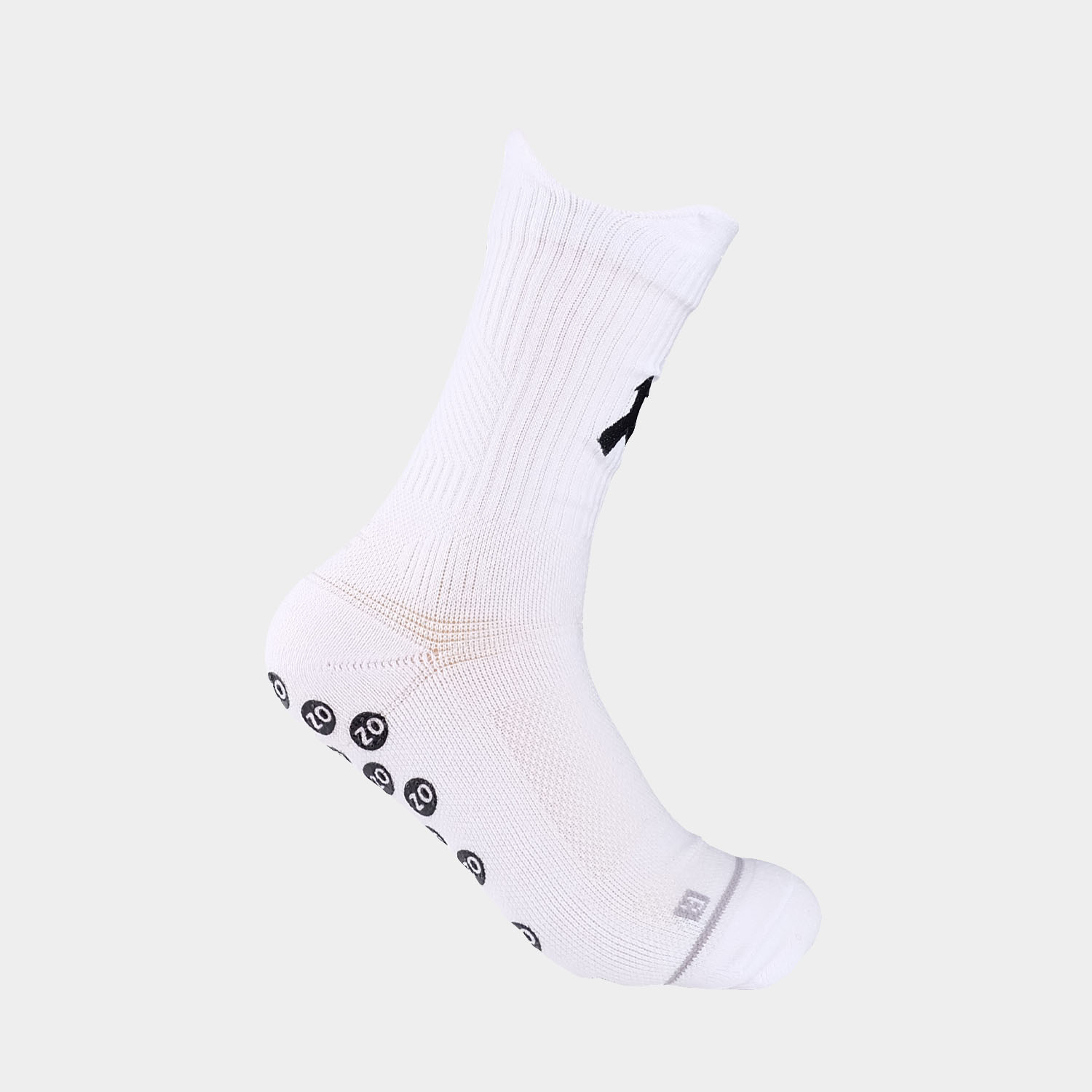
No-show fits lifestyle sneakers; quarter and crew cover most training and retail needs; knee-high suits teams or medical roles. Gauge (needle count) affects detail and feel—higher gauges show finer graphics, lower gauges support cushioned sport builds. Pick silhouette and gauge before finalizing graphics to avoid redraws and delays.
Material Matters
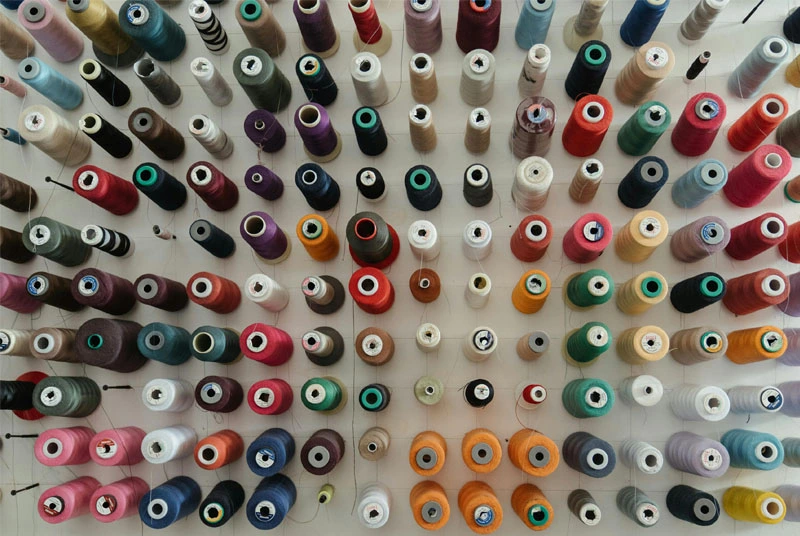
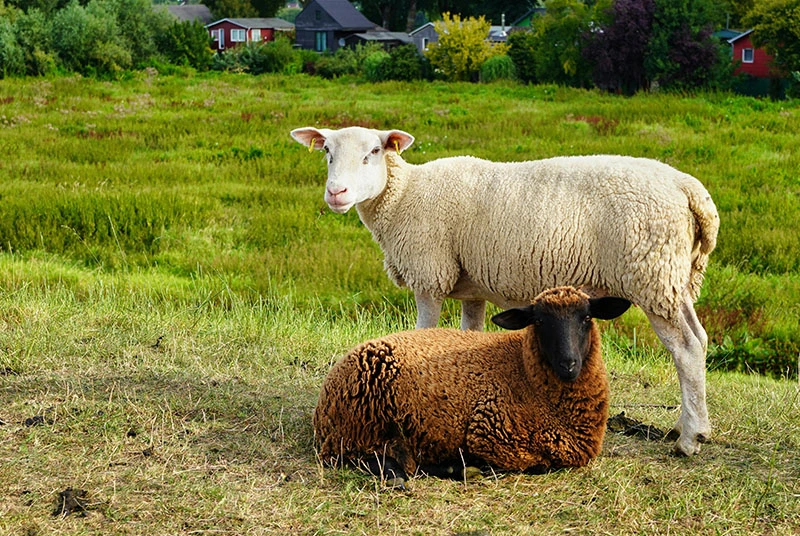
Most programs blend cotton, polyester, nylon, and spandex to balance comfort, durability, and recovery. Add merino for odor control and temperature regulation, or recycled fibers (GRS/RCS) for sustainability claims. Write the test list—pilling, abrasion, shrinkage, colorfastness—so your Customize Socks brief turns into verifiable quality.
Artwork and Logo Placement
Decide how graphics are applied: knit-in (durable and clean), embroidery (textured but needs spacing), or print (great for gradients). Protect ribs and high-stretch zones so logos stay sharp after wear and wash. Set Pantones, minimum line thickness, and safe areas for each size curve to keep execution crisp.
The Manufacturing Process for Custom Socks
Knowing the factory’s sequence helps you approve the right things at the right time. Fewer surprises mean fewer loops—and faster launches.
From Design to Digital Program
Everything starts with the tech pack: style, sizes, colorways, gauge, stitch density, and placement maps. The factory converts your brief into a knitting program and prepares yarns against the shade band. Approve lab dips and development samples early to keep the Customize Socks calendar on track.
Knitting and Looping
Circular machines knit the leg, heel, and toe; terry zones add cushion for sport styles. Linking closes the toe for a smooth interior seam, and boarding sets shape and dimensions for consistent fit. Tight control here determines how your socks feel straight out of the bag.
Finishing, Inspection, and Packaging
Depending on construction, socks are dyed, washed, and heat-set before inspection. Inline checks, end-line audits, and TOP reviews catch defects; kids’ and retail programs often add needle detection. Approved pairs are labeled, tagged, and cartoned per spec so Customize Socks arrive scan-ready and compliant with routing guides.
Partnering with the Right Custom Socks Manufacturer
Selecting the right custom sock manufacturer sets the tone for every product launch. Opt for factories that foster ongoing project collaboration rather than suppliers offering one-off services. The following points warrant consideration when choosing a manufacturer:
Vetting Experience and Certifications
Proof of practical work experience must be provided: recent shipped styles, monthly production volume, and replenishment cycle. Verify certificate numbers, scope of application, and validity periods. Additionally, submit recent laboratory test reports (colour fastness, abrasion resistance, shrinkage rate) and ensure finished cardboard boxes are traceable to yarn batches.
Minimum Order Quantity and Pricing
Split knitting MOQ from yarn-dye MOQ so you don’t overbuy colors. Request a price ladder with stated assumptions: grams per pair, gauge, color count, wastage, linking method, finishing route, and pack spec. note surcharges for extra colorways, embroidery stitch counts, or rush handling. For pilots, negotiate a lower MOQ with a pre-booked slot for scale-up once the style proves out.
Communication and Sample Process
Effective communication underpins a successful partnership with a custom socks manufacturer. Choose a supplier that assigns one accountable contact and shares progress on a fixed cadence throughout production. Define a clear sampling path so you can review and approve prototypes before bulk, ensuring the final pairs meet your specifications and brand standards.
Conclusion
To Custom Socks successfully, align style and materials with the use case, write specs you can measure, and choose a partner who can repeat the result every time. Treat the work as a clean sequence—brief, samples, approvals, and disciplined production—and each drop will land on schedule with the same look and feel as the last. That’s how a one-off idea becomes a dependable product line. When you’re ready to move, Sockcn offers factory-direct development, flexible MOQs, and rapid sampling—reach out for a quick quote and timeline.