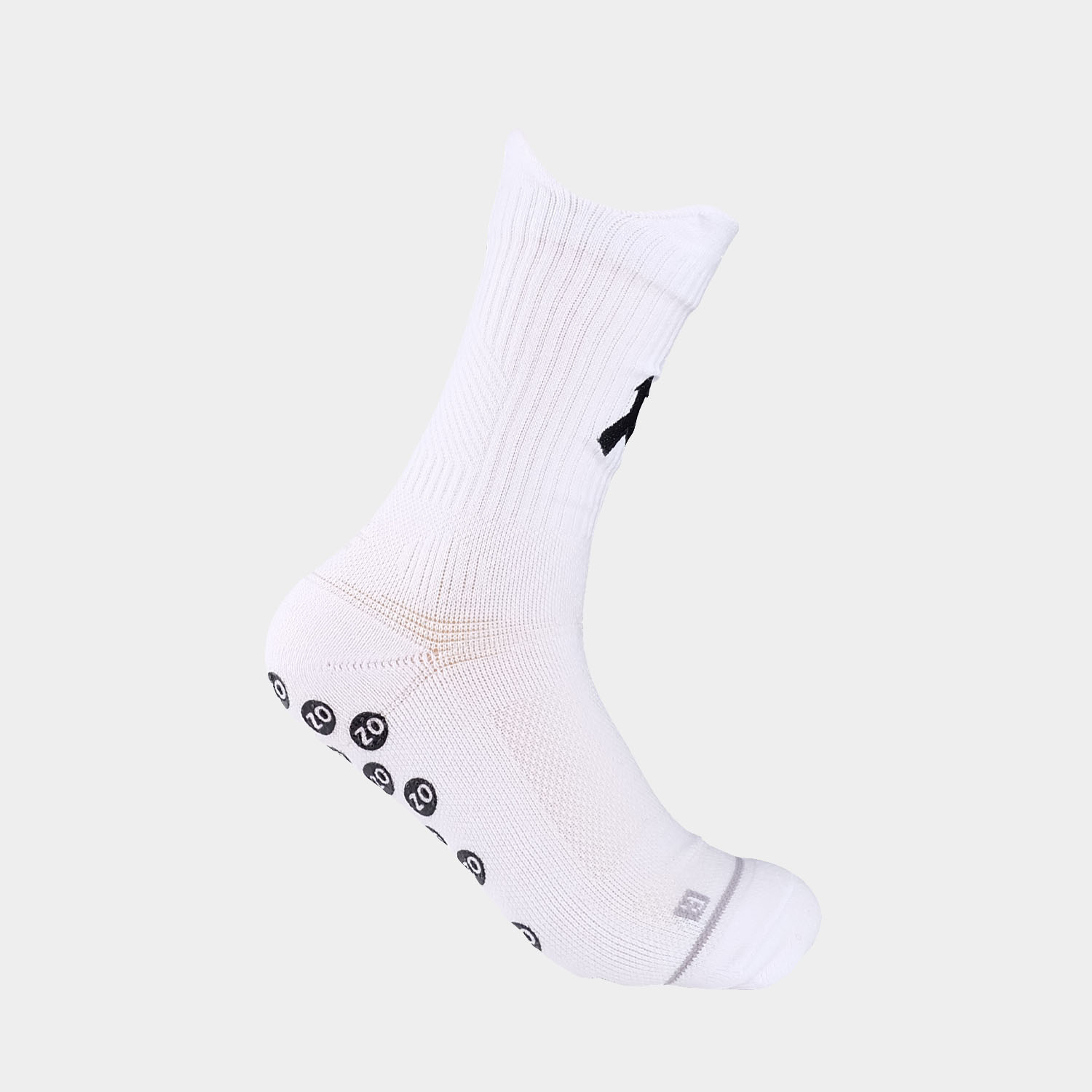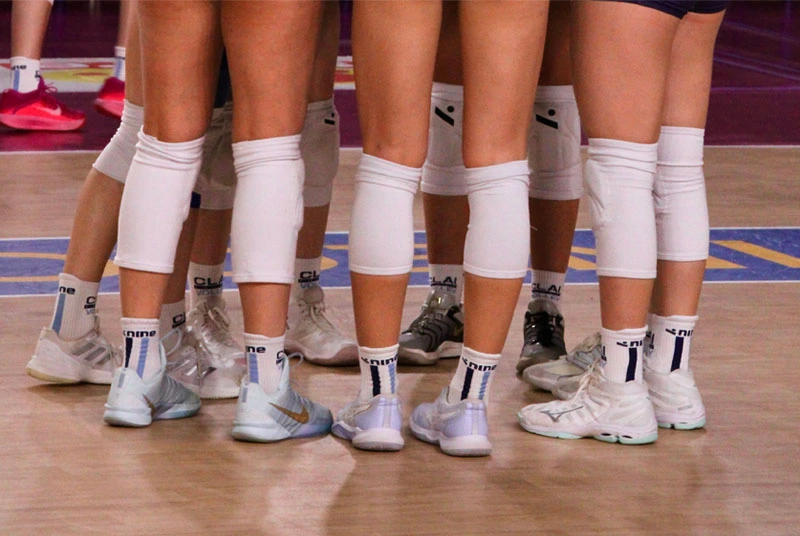
The demand for premium functional socks is on the rise as consumers prioritize a better quality of life. Of the many fabrics on the market, merino wool has proven to be a game changer for brands thanks to its incredible performance, unparalleled comfort, and natural durability. Merino wool socks are not some passing fad for merchandisers and they know it – it is a strategy to solidify competitive product offerings, customer loyalty, and margin.
What is Merino Wool? How Does It Differ from Regular Wool?
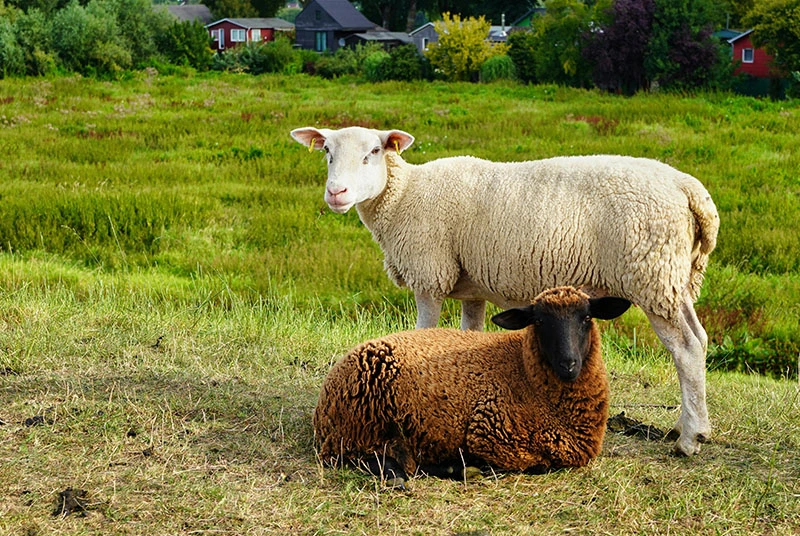
Merino wool comes from merino sheep, which are found mainly in the high-altitude regions of New Zealand and Australia.Merino wool fibers are exceptionally fine, typically ranging between 17 and 21 microns—roughly half the diameter of a human hair—whereas regular wool fibers often exceed 30 microns.

The finer the fiber, the softer the feel. Despite its delicacy, merino wool boasts remarkable strength and elasticity. Its natural crimp and smooth fiber structure result in fabrics that are soft, breathable, and high-performing. Consequently, merino wool rarely causes the itchiness associated with traditional wool.
From a marketing perspective, Merino has also become a recognized quality label in itself. Consumers associate it with premium outdoor brands such as Icebreaker, Smartwool, and Darn Tough, all of which emphasize the natural properties and comfort of merino wool.
For retailers, the label merino implicitly conveys an image of luxury and comfort. It immediately suggests high quality and reliability without the need for further explanation.
The Science of Merino Wool and Performance Socks
Natural temperature control
Merino wool fibers are naturally crimped and smooth creating air pockets between the fibers that contribute to our products insulation.Animal and pet our bodies generate heat in cold weather and heat is lost in warm weather. Temperature Neutral.In contrast to non-breathing synthetic fibers, merino wool actively regulates your temperature so it can be worn all year round.
Moisture Wicking Performance
It is able to take in moisture up to about 30 per cent of its volume without feeling damp. Even when you’re pushing hard, feet stay dry, reducing friction and blisters. Those who retail the outdoor, athletic or work socks know better performance means a more satisfied customer.
Antibacterial and odor control
Due to its natural lanolin and protein content, merino wool possesses antibacterial qualities that inhibit the formation of odor. This means they still feel fresh even after a few wears.Retailers can label these as multi-day wear or travel-ready garments.
Adding softness, Will Elasticity
The modern merino fibre is remarkably soft and strong. These mould to the shape of your foot and they hold their shape after wash, no sagging. Mix with small percentages of nylon or spandex for added strength and flexibility while still keeping the soft comfort.
What makes Merino wool socks attractive to retailers
The demand for merino wool socks is growing among retailers, as they are aware that trend-following consumers are no longer the predominant force in shopping. This is where today’s shoppers are/prioritize comfort, quality and environmentally friendly products – and all which merino wool delivers in spades.
Premium Material Elevates Brand Positioning
Incorporating merino wool can effortlessly elevate a brand’s positioning.Simply switching the primary material transforms ordinary socks into “premium functional products.”
Many brands discover that merino blends:
- Convey a natural luxury perception
- Facilitate performance + sustainability storytelling
- Significantly boost average order value and brand premium potential
Merino wool socks are often considered an indispensable bestseller in winter or throughout the year.
Consistent quality and high customer satisfaction
Retailers appreciate not only the history of the material, but also the consistent performance of the product.
Compared to some synthetic fibers, merino wool offers greater durability and long-lasting performance.
- High wearing comfort = low complaint rate (does not scratch, odorless, breathable)
- Versatility = high repurchase rate (suitable for different seasons and occasions)
- Exceptional durability = added value (dimensionally stable, resistant to deformation)
For B2B buyers, these factors mean fewer after-sales problems and greater brand loyalty.
- High comfort = Low complaint rate (non-itchy, odor-resistant, breathable)
- Versatility = High repurchase rate (suitable for different seasons and occasions)
- Exceptional durability = Greater value (retains shape well, resists deformation)
For B2B buyers, these factors translate to fewer after-sales issues and stronger brand loyalty.
Sustainability as a sales driver
Sustainability is no longer just a buzzword; it’s disrupting global retail. Retailers and brands are facing increasing demand for products that perform well and are good for the environment.
This is where merino wool natural stands out. It is a 100% renewable and biodegradable fiber that comes from the sheep’s fleece, which is shorn every year and grows back season after season. That circular loop makes it one of the most sustainable fabric that’s on the market. Synthetic fibers like nylon and polyester, however, are made from petroleum. They rely on fossil fuels, take hundreds of years to break down and release microplastics into the environment during their lifecycle.
For that reason, industry leaders are increasingly turning to certifications like the Responsible Wool Standard (RWS), the Global Organic Textile Standard (GOTS), and OEKO-TEX Standard 100, that signifies the product meets established environmental and social criteria. Brands like Smartwool and Icebreaker prominently feature these certifications on their packaging and in their marketing materials. To them, sustainability is not only good for the planet, but good for business
Market Differentiation and Higher Profit Margins
Merino wool socks are tickets naturally to the high-end arena, giving sellers a getaway from the low-margin commodity market-centric space. This premium positioning enables brands to command stronger prices and better margins.
Whereas traditional cotton socks have around 2.0 to 2.5 of margin, socks in merino wool are able to charge a higher price with a margin of 3 to 4 or even over that, energizing benefits and a premium image are the main drivers of this growth.
To sum up, merino wool socks not only make more profit per pair, but also attract more consumers who are willing to pay up for a quality product. This means that not only is the average order value increasing for retailers, they are selling a higher-quality product to their customers. Creating Brand Loyalty with Great Storytelling The Story of Merino Beyond comfort and performance, the powerful narrative of Merino wool connects with consumers on a level that few products can – a true differentiator in a crowded market.
The Strength of Natural Origin
Merino wool’s story is elegant and simple, in stark contrast to the complex narrative of synthetic fibers used in many products. The natural origin of the material—from the vast open fields of New Zealand and Australia, to the RWS-certified (Responsible Wool Standard) animal welfare and sustainable lifecycle of the fiber can be traced by retailers. It’s a nature story and a responsible one and a handcrafted one and consumers today dig brands that the real deal.Word-of-Mouth That Money Can’t Buy
The comfort of Merino wool isn’t just marketing — it’s something people feel.A traveler who wears the same pair for days, or a hiker who finishes a long trail with dry, blister-free feet, becomes a brand advocate.That authentic experience sparks organic word-of-mouth that advertising can’t replicate.
From Commodity to Community
When retailers create around the Merino story, they’re not just selling socks — they’re forming a community. Customers who purchase Merino wool tend to identify with a community who value quality, adventure, and sustainability. That emotional connection leads to repeat purchases and transforms a basic product into something that consumers incorporate into their lives.
Common Merino Blend Combinations and Benefits
While pure Merino wool is the softest, the retailers usually combine with other materials to increase durability or to lower the price:
- Merino + Nylon→ Reduces jaggeds and adds stability to structure.
- Merino + Spandex→Enhances elasticity and comfort.
- Merino + Acrylic→Cuts cost without losing soft comfort.
Such combinations are sold into a wide variety of customer segments, i.e. outdoor, athletic, or everyday casual wear. With these specialized OEM manufacturers, retailers can have the flexibility to tailor blend ratios to balance performance, comfort and cost.

How Should Retailers incorporate Merino Wool in the Products
Turn socks into a high-profit core product. Use these strategies:
- Plan by season: warm socks for winter, light socks for summer.
- Use materials like Merino wool across different categories like outdoor, sport, and gifts.
- Teach customers that wool is for all seasons, not just winter.
- Partner with factories for low minimum orders, custom packaging, and mixed shipments.
Conclusion
More than a fiber, Merino is an answer when it comes to performance, comfort and sustainability solutions. Merino wool socks aren’t just a winning choice to appeal to customers, it’s a choice that elevates the very quality perception of your brand and the competitiveness of your market. Whether you’re a boutique retailer or a large distributor, Merino can be the key material to differentiate and add value to your brand.