From sports performance to daily wear, socks have come a long way. Now they’re a canvas for personal expression, a tool for athletic performance and a critical element of footwear comfort. When it comes to socks, there are mainly 2 types that you be faced with: knitted socks and printed socks. They may look alike on the shelf, but they’re created, perform and feel completely differently. Knowing the difference can help you select the best sock for your needs, whether you’re a brand designing a line or a consumer looking for the perfect pair. Let’s unravel the threads.
What Are Knitted Socks And Printed Socks
At their core, both types serve the same purpose. But their journey from concept to your feet follows dramatically different paths.
Knitted Socks
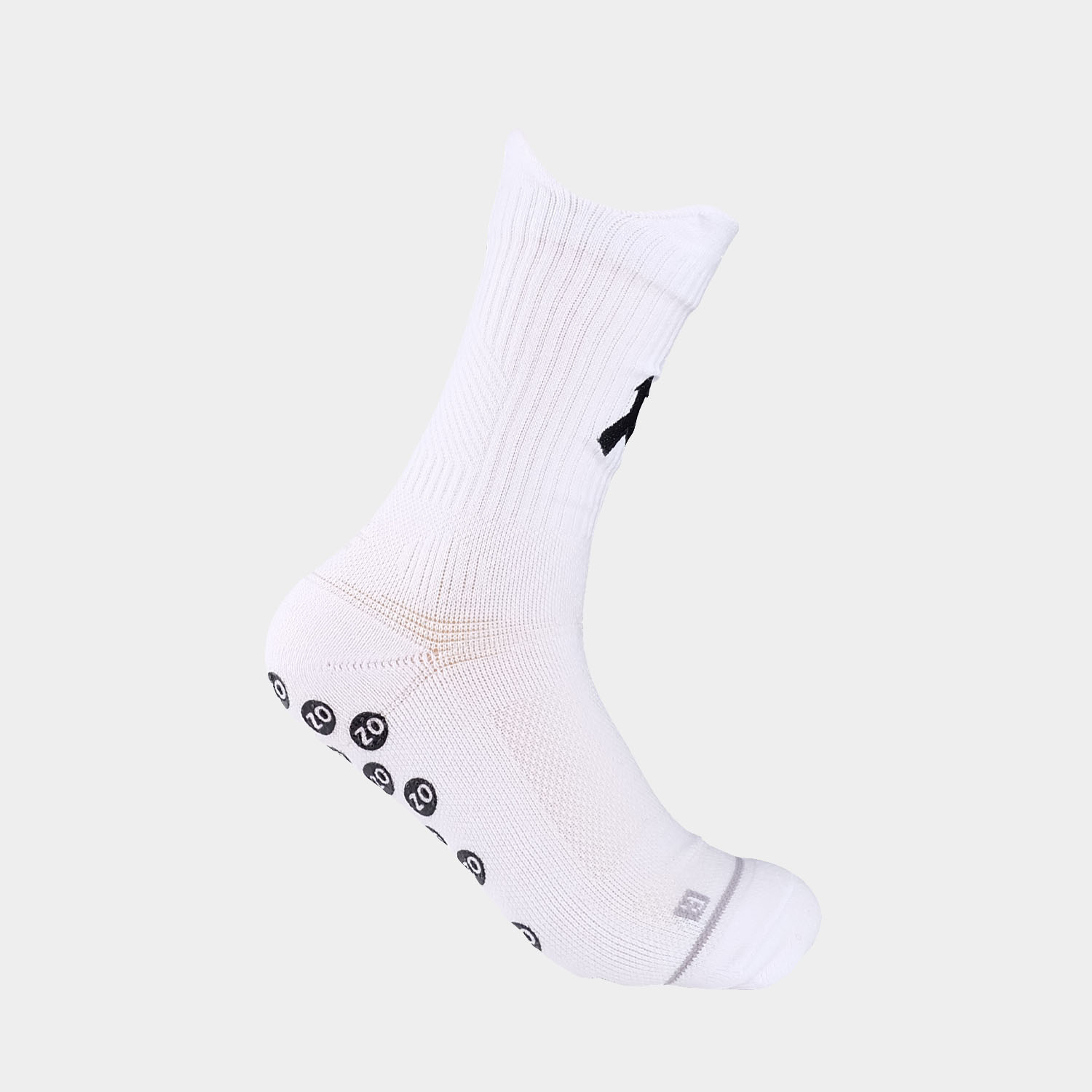
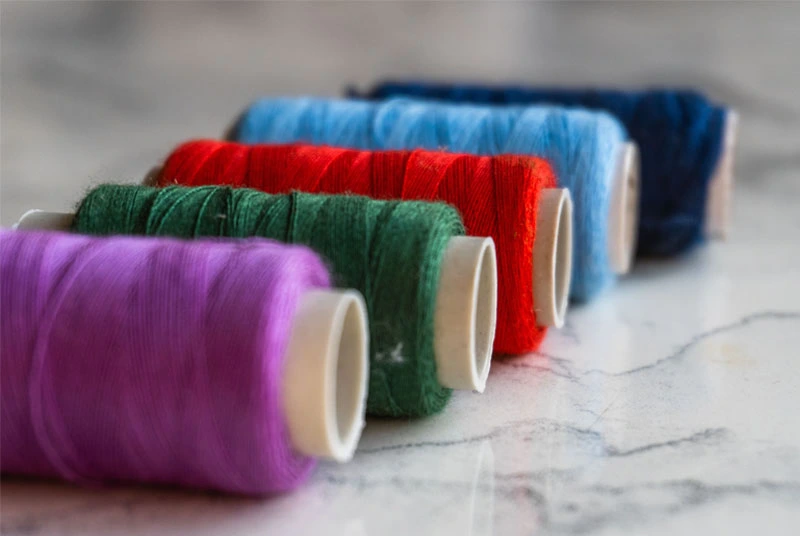
Imagine a craftsman at a loom running threads through the fabric. Knit socks are made much the same way, though on very high-tech machines. The pattern is built into the construction of the sock itself in the manufacturing. Utilizing advanced computerized knitting machines (much like a Jacquard loom), various coloured yarns are joined, row by row, to create patterns, pictures, or logos directly on the fabric. The pattern isn’t a layer on top, it is the fabric. Like a tapestry or a sweater with a Fair Isle pattern – the color and pattern are baked in.

Printed Socks
Now, imagine a solid colored sock – one that’s generally knitted from one yarn – acting as a blank canvas. Print socks have their design on the surface of this product already made fabric, like a t shirt graphic. It’s usually done by digital printing, screen printing or sublimation. The pattern is planted on top of the substrate. Think of it like a hand-knit argyle sweater (knitted) vs a white t-shirt with a graphic ironed on (printed).
Knitted vs Printed Socks: Key Differences
The divergence in their creation leads to significant practical differences.
Production process
- Knitted: The process is streamlined and the pattern files are loaded on the knitting machine and it produces the whole sock in one go, with the design, etc. It works well for large quantities of one design but there is a high setup cost and minimum order quantity.
- Printed: The process is 2-step. An initial production run of plain socks (commonly known as “blank” socks) is manufactured. After that, designs are printed on in a separate process. This provides for such tight coupling that it is hopefully suitable for tiny batches, custom orders, and prototyping.
Design limitations
- Knitted: Thedesign is constrained by the mechanics of the loom. High-detail photographic images, gradients and thousands of colors are difficult. Designs tend to be classic, “pixelated” or geometric in nature. Each color change means a new yarn feed needs to be inserted.
- Printed: Provides almostunlimited design possibilities. Photorealistic images, detailed illustrations and limitless colors can be used. The design is only limited by the resolution of the printer and the size of the sock canvas.
Stretch Performance
- Knitted: This is the king of comfort and fit. Since the design is on the fabric, it expands and contracts consistently. The colors and patterns travel with the yarn,so they remain consistent in stretch and never crack or stiffen the design.
- The layer of printing can have an impact on performance. Although processes have been refined, heavy inks or insufficient curing can result in a small less pliable area on the sock. The print may feel stiff and, under extreme stretch, poor quality prints might crack and peel with time.
Color Vibrancy
- Knitted: The colors are derived from the dyed yarns. They are softer and more textured with a natural, fabric-like They are very hard wearing, as the color is through the entire yarn length.
- Printed: The colors can be brighter, sharper, and more vibrant. Sublimation printing dyes polyester fibers, such as those on the surface, allowing vibrant color results. However, prints can fade after multiple washes, depending on the ink and method used.

Material Composition
- Knitted: Suitable for an array of yarns types– such as cotton, merino wool, bamboo, nylon, and spandex – that can be customized for specific functions (moisture management, cushioning, temperature regulation). The design has been accomplished with these functional yarns.
- Printed: Is usually based on a fabric that takes print well. This almost always means a large amount of white or other light colored polyester or cotton-poly blends, which can detract from the natural performance of the sock material itself.
Can You Do Both Together?
Definitely! The hybrid system is a game changer for luxury or performance brand. The most popular approach is to knit the sock body for fit and performance (with technical yarns in specific areas for padding, arch support, moisture management) then apply detailed, colorful graphics to specific, low-stretch panels (such as the side of the calf or the bridge of the foot). This brings together the comfort and durability of knitting, with the design possibilities of printing.
How Brands Should Decide
Deciding between knitted socks and printed socks should depend on your brand’s values:
- Choose knitted if: You want top performance, long lasting durability and the classic quality feel of napped cotton. Great for athletic, hiking, luxury basics, or designs with minimalistic, classic patterns. You cater to bigger volumes and can accommodate high MOQ
- Choose printed if: Design creativity, Sample friendly / Low risk sampling, Flexibility of designs with many colors, multiple designs per sock, Rotary socks, Batch Production etc. Great for fashion brands, novelty socks, small boutiques, or campaigns with photorealistic. You want to test the market with small runs or offer personalization.
- Consider a hybrid if: You’re premium or technical and will not compromise. You want the latest performance materials and bold, layered graphics. You have the financial and technical ability to design a better product.
Conclusion
The choice between knitted and printed socks isn’t really about which is better in general, but more which is better suited for the application.
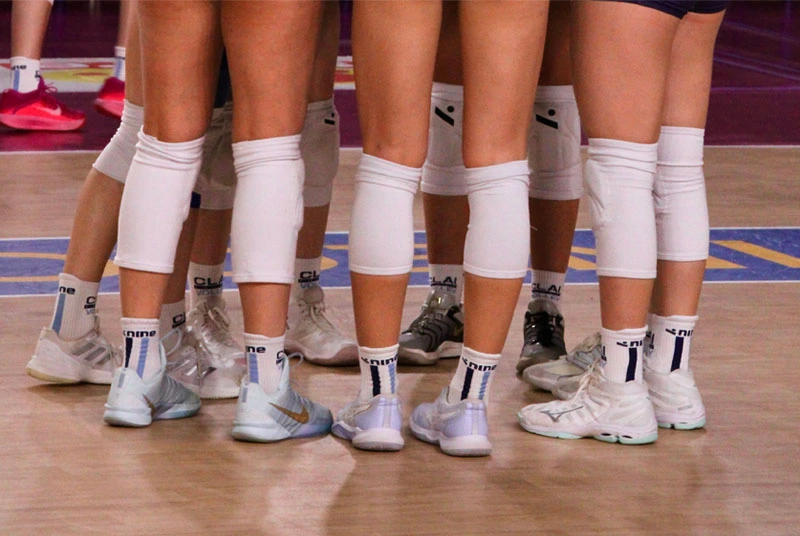
Knitted socks are the enduring workhorses. They feature seamless, rugged constructions, excellent uniform comfort that forms to your foot. They’re the go-to for the athlete, the hiker, or anyone who cares as much about how a sock feels as how it looks.
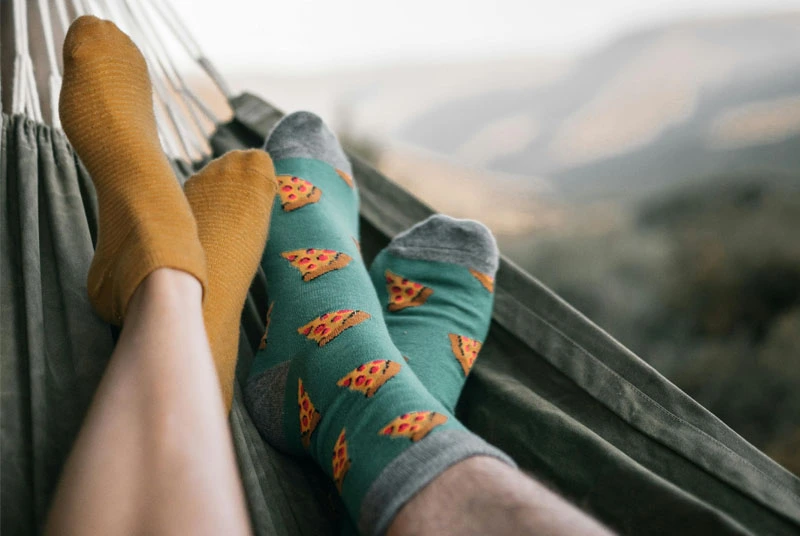
Printed socks are the vibrant storytellers. They open a world of limitless creativity, so you can wear art, photography and humor on your ankle. They democratize design, allowing small brands and big ideas to come to life quickly.
As a consumer, let your needs guide you: seek out knitting for daily comfort and performance, and embrace printing for statement-making style. As a brand, let your identity and goals make the choice: invest in knitted integrity or printed possibility – or innovate with a hybrid that captures both. In the end, this fascinating distinction in craftsmanship ensures there’s a perfect pair of socks for every foot and every story.