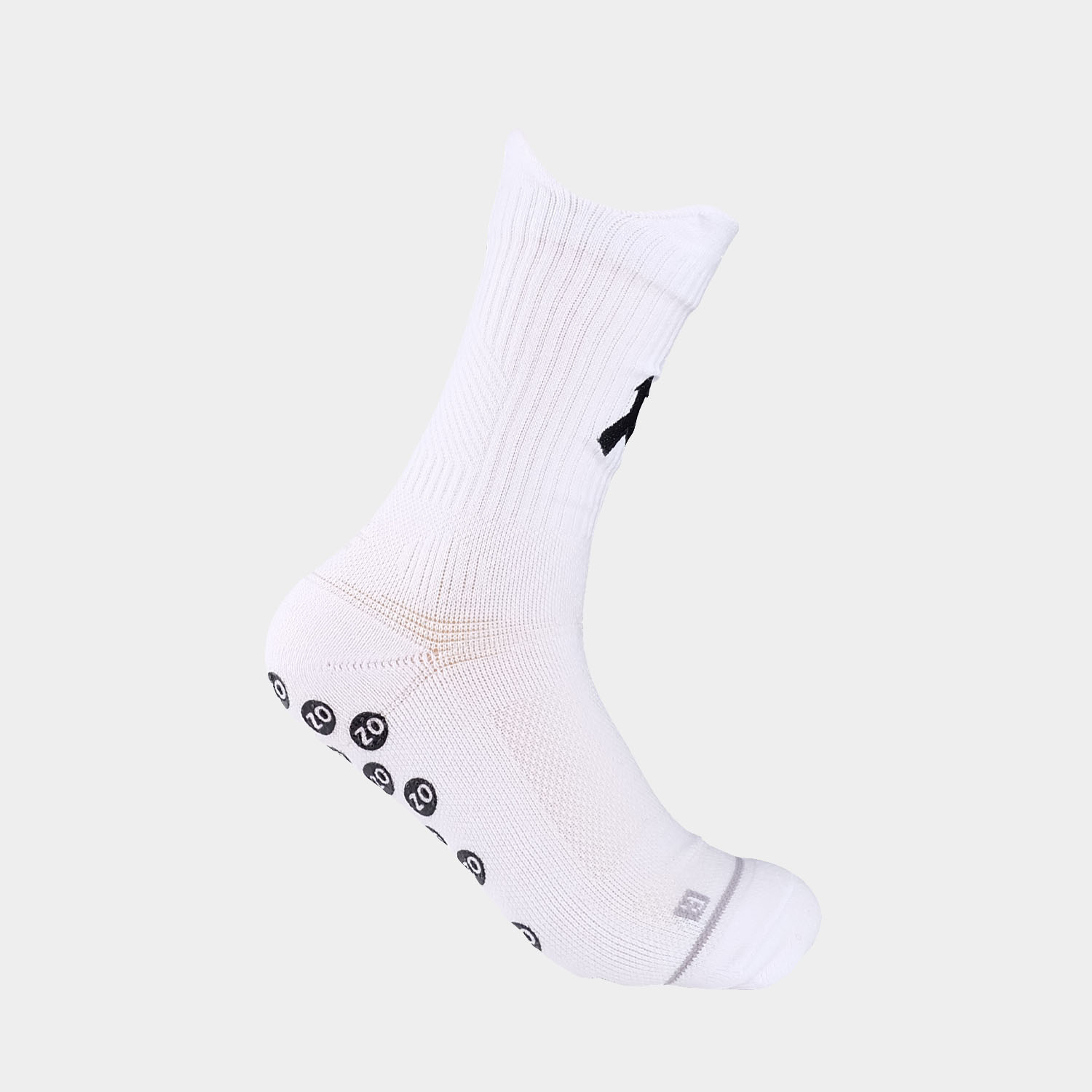
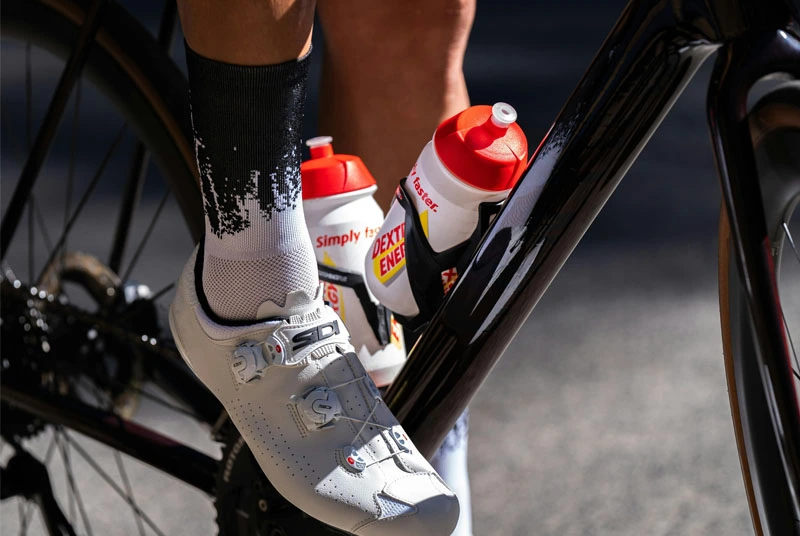
When choosing socks, beyond color and style, sock material is an important factor. cotton and polyester socks are two of the most common choices, and the fabric directly determines whether your feet feel dry and comfortable or sticky and uncomfortable. In this article, we’ll compare two of the most common sock materials: cotton and polyester.
What Are Cotton and Polyester Socks?
Cotton socks are primarily made from natural cotton fibers derived from cotton plants. They offer excellent moisture absorption and skin-friendly properties, making cotton one of the most traditional materials for socks. The key characteristics of cotton socks are their softness against the skin, breathability, and strong moisture-wicking ability. However, pure cotton also has inherent drawbacks like slow drying, shrinkage, and limited elasticity. Therefore, cotton socks on the market often blend in small amounts of spandex or polyester fibers to enhance stretch.
Polyester socks are made from synthetic fibers derived from petroleum-based polymers. The most notable characteristics of polyester socks are quick-drying, durability, and resistance to deformation. It absorbs almost no water, instead transporting moisture through its fabric structure to the surface for rapid evaporation. While not as soft as cotton, its outstanding structural stability and durability make it a mainstay in functional apparel.
In actual production, pure cotton or pure polyester socks are uncommon. Most products incorporate blended materials like spandex or nylon to enhance elasticity and stability.
What benefits do polyester socks have?
Many brands choose polyester-based materials when producing custom sports socks designed for performance:
Excellent moisture-wicking: This is polyester’s core strength. While polyester itself has low water absorption, it excels at moisture transfer, rapidly moving sweat from the skin’s surface to the outer layer of the sock for evaporation. This makes it outperform pure cotton materials in athletic settings.
Enhanced Durability: Polyester fibers boast high strength and abrasion resistance. Compared to cotton socks that wear out easily at the heel and toe areas, polyester socks offer significantly longer service life.
Strong Shape Retention: They resist shrinking and do not become stiff with repeated washing like cotton does. Even after multiple washes, they maintain their original shape and texture.
Good color retention: Polyester facilitates vibrant, long-lasting dye and print patterns—a key advantage for branded custom sock production.
Lightweight: Typically lighter than cotton, reducing burden during physical activity.
What benefits do cotton socks have?
Despite the rise of functional fibers, cotton socks remain irreplaceable in daily life:
Comfortable and skin-friendly: Natural cotton fibers feel soft and gentle on the skin, making them ideal for those with sensitive skin. They offer exceptional comfort, particularly suited for everyday wear.
Natural and eco-friendly: As a renewable natural resource, cotton is biodegradable. For those pursuing an eco-conscious lifestyle, organic cotton socks represent a more environmentally friendly choice than plastic-derived polyester fibers, earning greater consumer trust.
Warmth & Moisture Absorption: Cotton fibers trap air to form an insulating layer. In dry, cold conditions, thick cotton socks (like terry-cloth soles) provide exceptionally cozy warmth. Cotton also absorbs significant sweat, performing well during light activity or daily wear.
Low Static Buildup: Cotton is a natural conductor, generating minimal annoying static electricity for a more comfortable wearing experience.

Polyester Socks vs Cotton Socks: Side-by-Side Comparison
We can better see the comparison between the two by looking at the table.
Comparison Factor | Cotton Socks | Polyester Socks |
Breathability | Naturally breathable fibers allow good air circulation, helping keep feet comfortable in everyday wear | Breathability depends on fabric structure; modern polyester blends can improve airflow |
Moisture Absorption | Highly absorbent and able to retain moisture, which can feel comfortable initially | Low moisture absorption; does not retain water easily |
Moisture-Wicking Ability | Absorbs sweat but releases it slowly, which may leave socks feeling damp during intense activity | Excellent moisture-wicking; moves sweat away from the skin and dries quickly |
Drying Speed | Dries slowly after washing or heavy sweating | Dries quickly due to low moisture retention |
Durability | Softer fibers may wear out faster with frequent use and washing | Strong synthetic fibers resist abrasion and last longer |
Shape Retention | Can lose shape or shrink slightly after repeated washing | Maintains structure and elasticity better over time |
Color Retention | Colors may fade gradually after multiple washes | Holds color well and maintains brightness longer |
Typical Use Cases | Everyday wear, casual socks, comfort-focused products | Sports socks, performance socks, high-activity environments |
Because polyester dries quickly and manages moisture well, it is often recommended for sports and active wear. This also leads many consumers to ask whether polyester socks are bad for your feet, but most modern performance socks use blended materials to balance comfort and function.
Which Is Better for Different Uses?
There’s no absolute “best”—only the most suitable scenario:
Daily wear: Cotton socks are the top choice. For prolonged sitting or low-intensity activities where feet sweat minimally, the unmatched softness and comfort cotton socks provide are priceless.
High-Intensity Exercise: In high-intensity activities like running, polyester-based running socks are often preferred because they dry quickly and help keep feet comfortable. During exercise, feet sweat heavily. Cotton socks absorb sweat, becoming wet and heavy—not only causing friction and blisters but also adding unnecessary weight. Polyester’s quick-drying properties keep feet dry and light during activity.
Cold Winters: Blends are preferable. While pure cotton socks provide warmth, if your feet sweat or your shoes get wet, damp cotton socks can leave your feet freezing cold and even increase the risk of frostbite. Opt for wool or polyester-blend socks instead. The quick-drying properties of polyester help keep your feet dry and warm.
Hot Summers: For people who experience excessive sweating, socks with strong moisture-wicking performance are usually a better choice. Polyester fibers are often designed to move sweat away from the skin and dry faster than traditional cotton materials. Moisture-wicking fabrics are commonly recommended when choosing the best socks for sweaty feet.
Outdoor Hiking: Opt for polyester or wool blends. During long treks, moisture is the enemy—polyester’s quick-drying properties are crucial for keeping feet dry, which is key to preventing blisters.

Why Many Brands Choose Blended Socks
By now, you’ve likely noticed that pure cotton or polyester socks aren’t the optimal choice. Most high-quality socks on the market aren’t 100% cotton or 100% polyester, but rather a blend of both. This is because blending achieves the perfect synergy of combining the strengths of each material.
A common blend is cotton + polyester + spandex, such as 70% cotton + 25% polyester + 5% spandex:
Cotton: Provides softness against the skin and basic moisture absorption.
Polyester: Provides structural support, enhancing durability, quick-drying properties, and dimensional stability to prevent socks from losing shape or stretching out after repeated washing.
Spandex: A small amount of spandex ensures socks hug the ankle snugly without slipping, offering excellent elasticity to maintain a secure, form-fitting fit.
Cost & Manufacturing Considerations
In sock production, material selection impacts not only product performance but also a brand’s cost structure and product positioning. Therefore, when choosing between cotton and polyester, buyers typically weigh multiple factors.
First is product positioning. Cotton socks emphasize comfort and a natural feel, making them ideal for everyday wear. Polyester socks, being more durable and quick-drying, are commonly used for athletic or functional socks.
Sock durability directly impacts customer experience and post-sale issues. Polyester fibers offer higher strength and better shape retention, resisting deformation or loosening after repeated washing. This is particularly crucial for athletic socks or products requiring frequent laundering. In contrast, while cotton socks provide comfort, they are more prone to distortion or wear over extended use. For products targeting high-frequency use scenarios, brands often prefer blended materials containing polyester or nylon to reduce the risk of returns or complaints.
For brands and wholesalers, consistency in large-volume orders is paramount. Synthetic fibers like polyester typically offer more stable fiber specifications, making it easier to maintain product uniformity during mass production. Natural cotton fibers may exhibit variations between batches, necessitating stricter quality control during production. For large-scale orders, many brands balance comfort and production stability by utilizing blended materials.
Conclusion
Cotton socks and polyester socks each have distinct advantages; neither is inherently superior. If your priority is ultimate comfort, softness, and everyday casual wear—or if you have sensitive skin—cotton socks are the right choice for you. If your focus is sports, outdoor activities, or functionality—or if you want socks that are more durable, quick-drying, and resistant to deformation—polyester socks, or blended socks containing polyester, are the smarter option. In most cases, selecting a high-quality blended sock (e.g., cotton + polyester + spandex) offers the best compromise between comfort and functionality.
When making actual choices, prioritize the end-user’s intended environment and the product’s positioning over focusing solely on material labels.