According to the Organic Trade Association, U.S. organic cotton demand is hitting record highs as brands replace conventional materials with sustainable options. This change affects both professional sourcing and personal shopping. Companies must now balance production costs, while consumers look for better quality and safer materials.
This article compares both fibers across farming, manufacturing, and durability. Use this information to find the right cotton for your brand or your own wardrobe.
What is Organic Cotton?
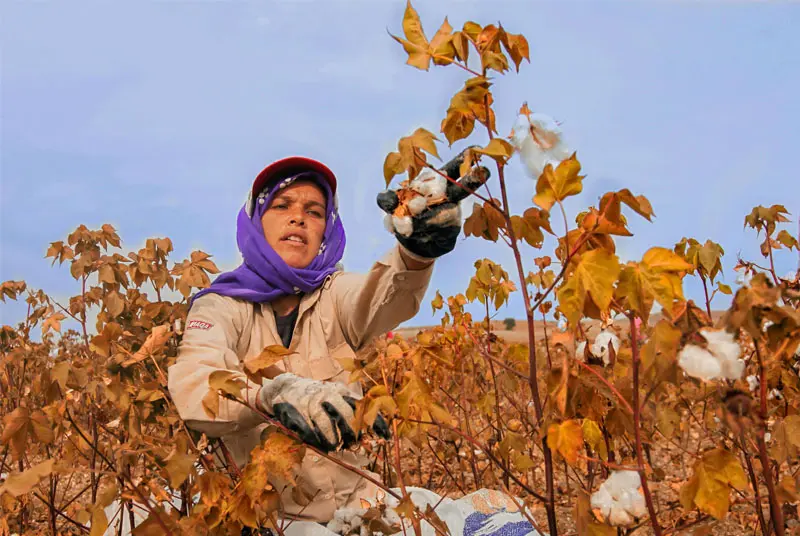
Organic cotton is natural fiber grown from non-GMO seeds without synthetic pesticides or fertilizers. It is a regulated material that utilizes biological pest control and crop rotation rather than toxic chemicals. This process delivers a cleaner raw material for your production line, free from the chemical residues found in industrial cotton.

What is Conventional Cotton?
Conventional cotton is an industrial fiber grown from GMO seeds using synthetic fertilizers and pesticides. It is the global textile standard, optimized for high-volume production and maximum yield. This material offers mass-market scalability and the lowest upfront cost. However, it lacks the strict environmental certifications and traceability found in organic alternatives.
What's the Difference Between Organic Cotton and Cotton?
Organic cotton is defined by purity and strength, while conventional cotton is built for speed and volume. The core differences lie in chemical load, water efficiency, and fiber integrity.
Environmental Impact and Sustainability
Water management and soil health largely determine cotton’s ecological impact and sustainability.
- Organic: Uses 91% less water (Textile Exchange data) by relying on rainfall. Natural crop rotation keeps soil healthy and productive for decades.
- Conventional: Drains local water tables through intensive irrigation. Relies on synthetic fertilizers that create toxic runoff and degrade soil quality.
Quality, Durability, and Feel
Harvesting methods directly dictate the physical strength, pilling resistance, and total lifespan of the yarn.
- Organic: Avoids harsh chemicals to keep fibers strong and intact. This creates a resilient yarn that resists pilling and maintains its shape after repeated industrial washes.
- Conventional: Machine-harvested, which snaps and weakens the strands. Short, damaged fibers lead to fraying, thinning, and a significantly shorter product lifecycle.
Organic Cotton vs Cotton Comparison Table
To keep it simple, here is a side-by-side look at how these fibers actually perform.
Feature | Organic Cotton | Conventional Cotton |
Water | 91% less (Rain-fed) | Heavy (Irrigated) |
Chemicals | GOTS Certified (Zero Toxins) | High Pesticides/Dyes |
Fiber | Intact (Chemical-free) | Broken (Machine-picked) |
Durability | High (Resists pilling) | Low (Prone to fraying) |
How to Choose the Right Fabric for Your Needs?
The best choice depends on what the product needs to do. It really comes down to whether the focus is on lasting quality or getting the lowest price per piece.
Choose Organic Cotton for Sustainability and High Quality
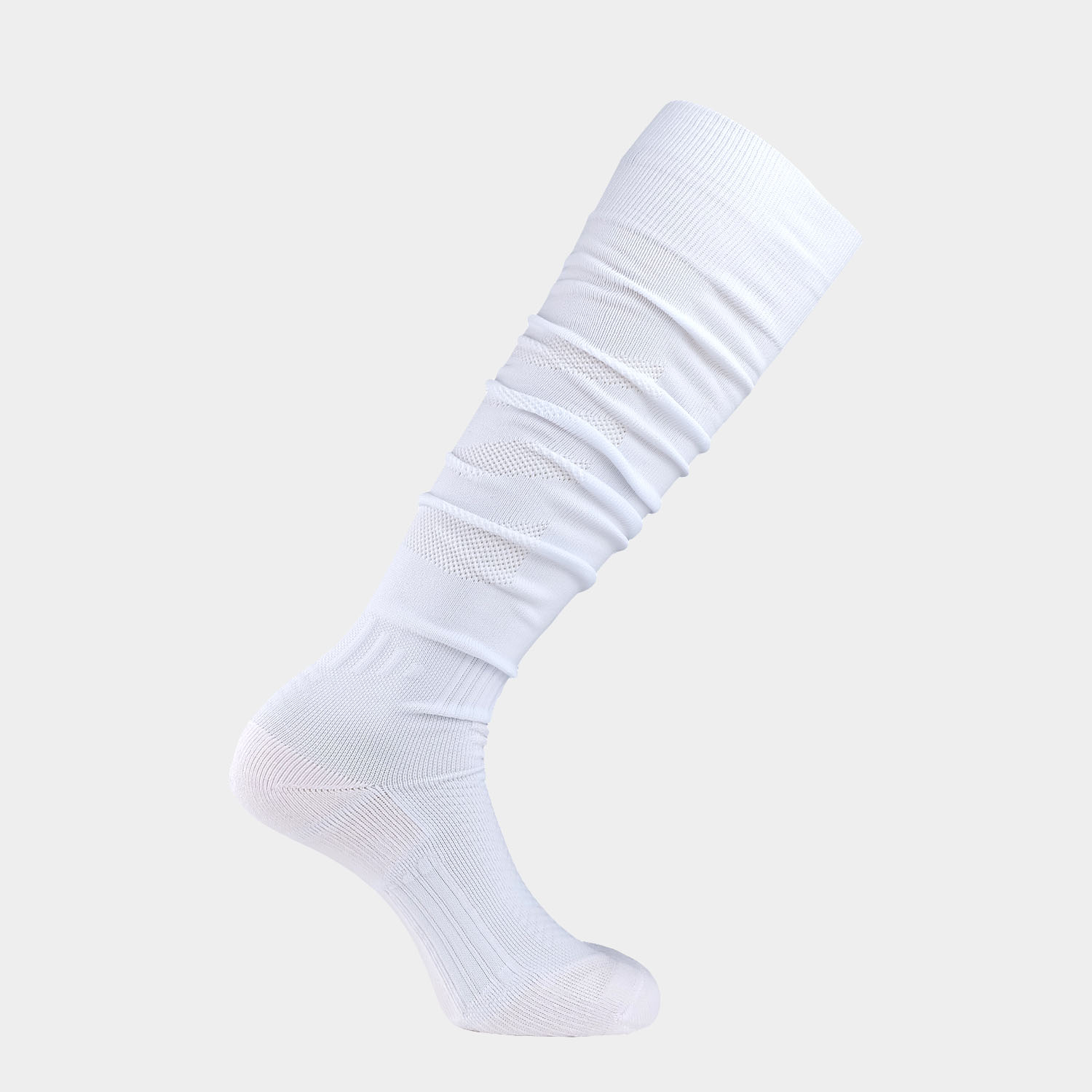
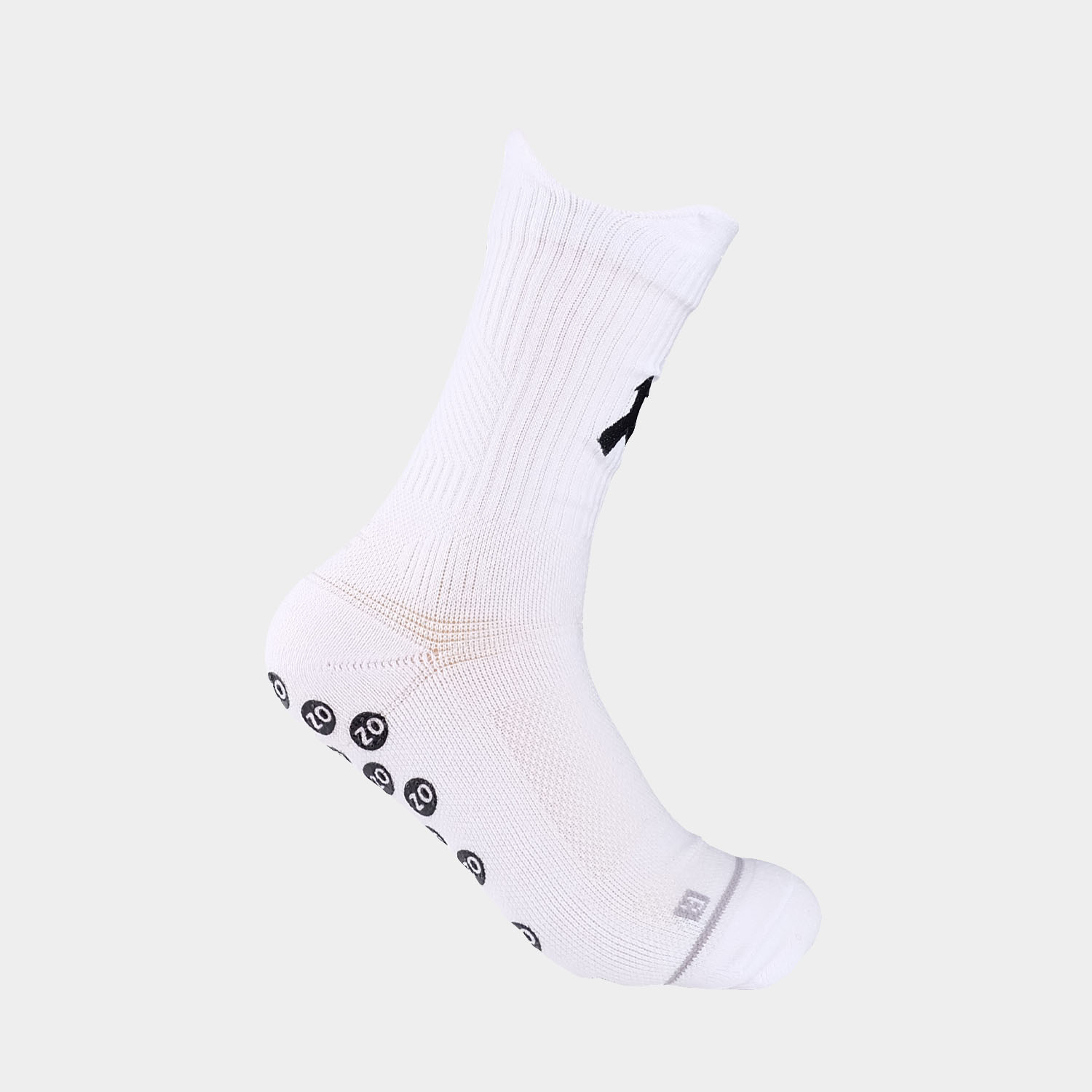
Organic cotton is the move for premium brands seeking quality and supply chain traceability. This fabric is the standard for sensitive items like baby gear or high-end organic cotton socks. The long fibers don’t pill and they stay soft after many washes, which helps support a better retail markup.

Choose Regular Cotton for Cost-Efficiency and Mass Production
Regular cotton is the better choice for high-volume sales and tight budgets. It is the practical pick for basic clothing and bulk orders of standard cotton socks. This option keeps production moving fast and keeps costs as low as possible for big giveaways or budget lines.
How to Maintain Organic Cotton and Conventional Cotton?
Proper care keeps fabrics fresh for longer. The washing method depends on whether the cotton is organic or conventional.
For Organic Cotton
Organic fibers need gentle handling to stay soft. Use cold water and a slow cycle to protect the natural threads. Skip harsh bleaches and strong detergents that break down the fabric. For businesses, teaching these steps keeps organic cotton socks and apparel in top shape for years.
For Conventional Cotton
Conventional cotton handles regular washing and high heat with ease. This fabric holds up well in the tumble dryer and stays strong through frequent cycles. Color-safe soap prevents fading during daily wear. Items like standard cotton socks can go straight into the dryer without shrinking concerns.
FAQ
Q1. Is Organic Cotton Healthier?
Yes, it is hypoallergenic and safer for skin because it lacks toxic chemical residues. No harsh pesticides or dyes are used during production. This prevents the irritation and allergies often caused by standard cotton.
Q2. Why Does Organic Cotton Cost More?
It costs more due to manual labor and lower crop yields. Farming without chemicals requires weeding by hand, which takes much longer. Added certification fees and smaller harvests also push the price up.
Q3. Are 100% Cotton and Organic Cotton the Same?
No, they are completely different standards. “100% cotton” only describes the fiber type, not how it was grown. Organic cotton must be grown and processed without any synthetic chemicals.
Q4. What Is the Difference Between Wool and Cotton?
The main difference is Performance. Wool wicks sweat for premium outdoor lines, while cotton offers breathable softness for high-volume collections. See how both perform in our wool socks vs cotton socks guide.
Conclusion
Choosing the right cotton sets the standard for comfort, durability, and credibility across your product line. If you’re developing a cotton or organic cotton sock line, Sockcn can help you review options and move from comparison to sourcing.