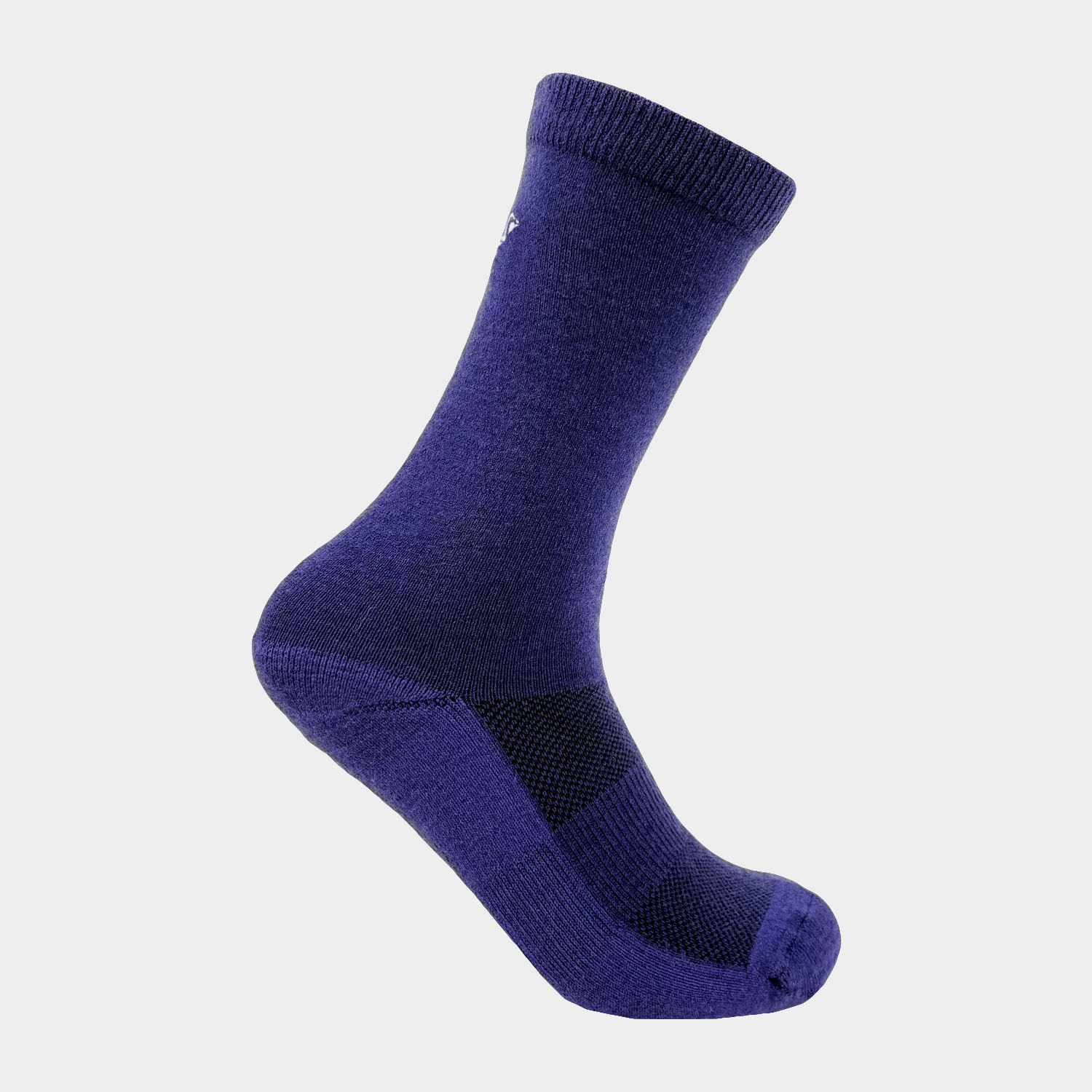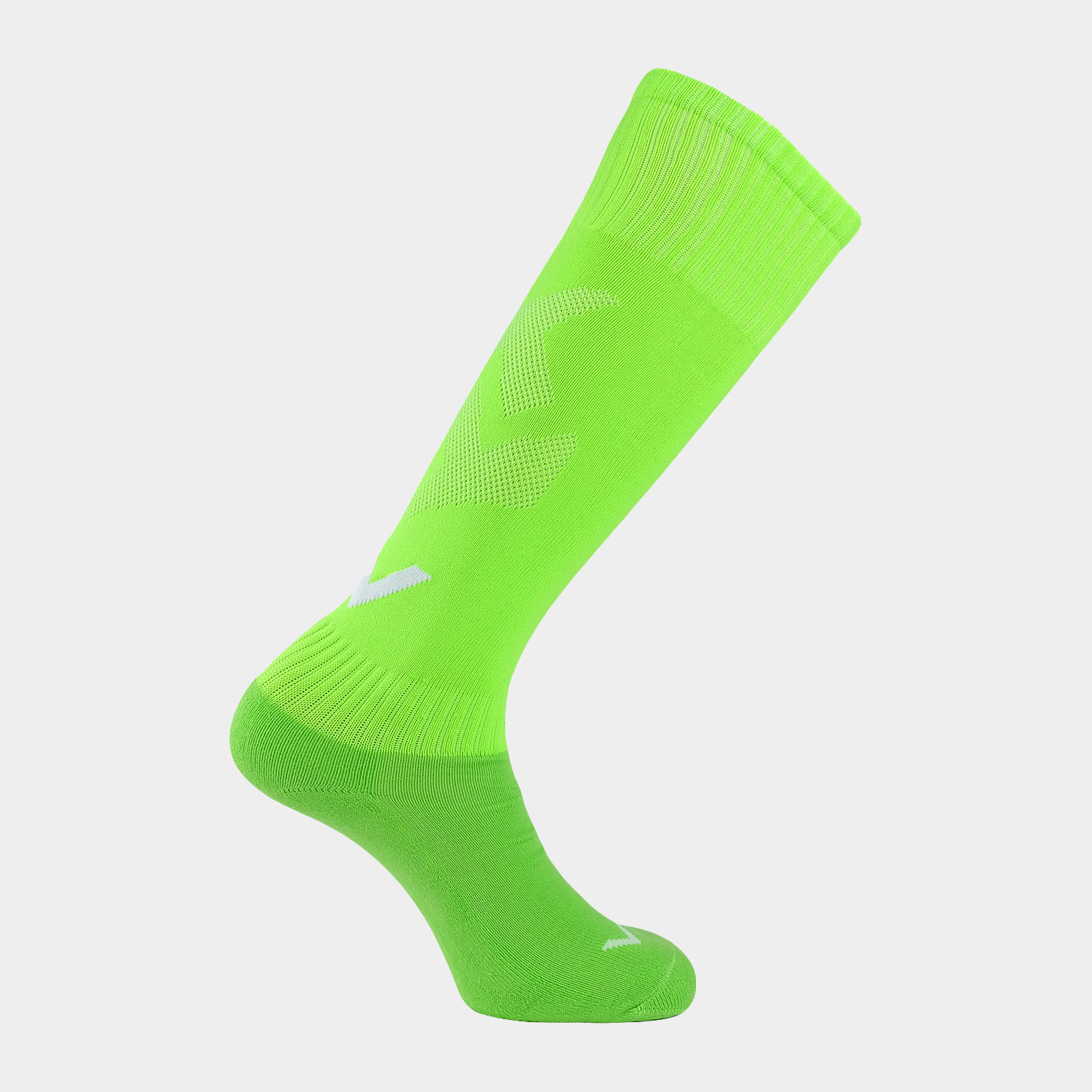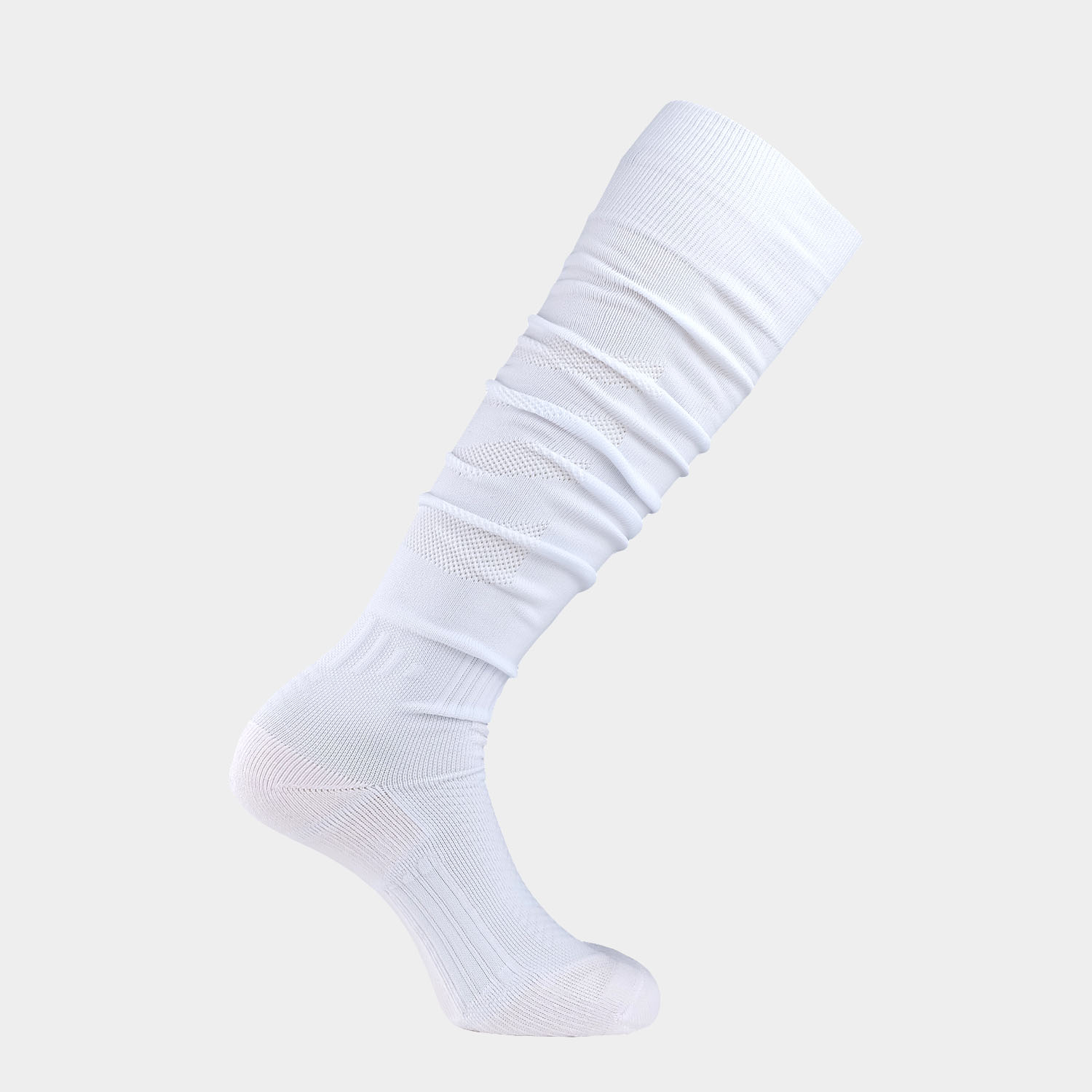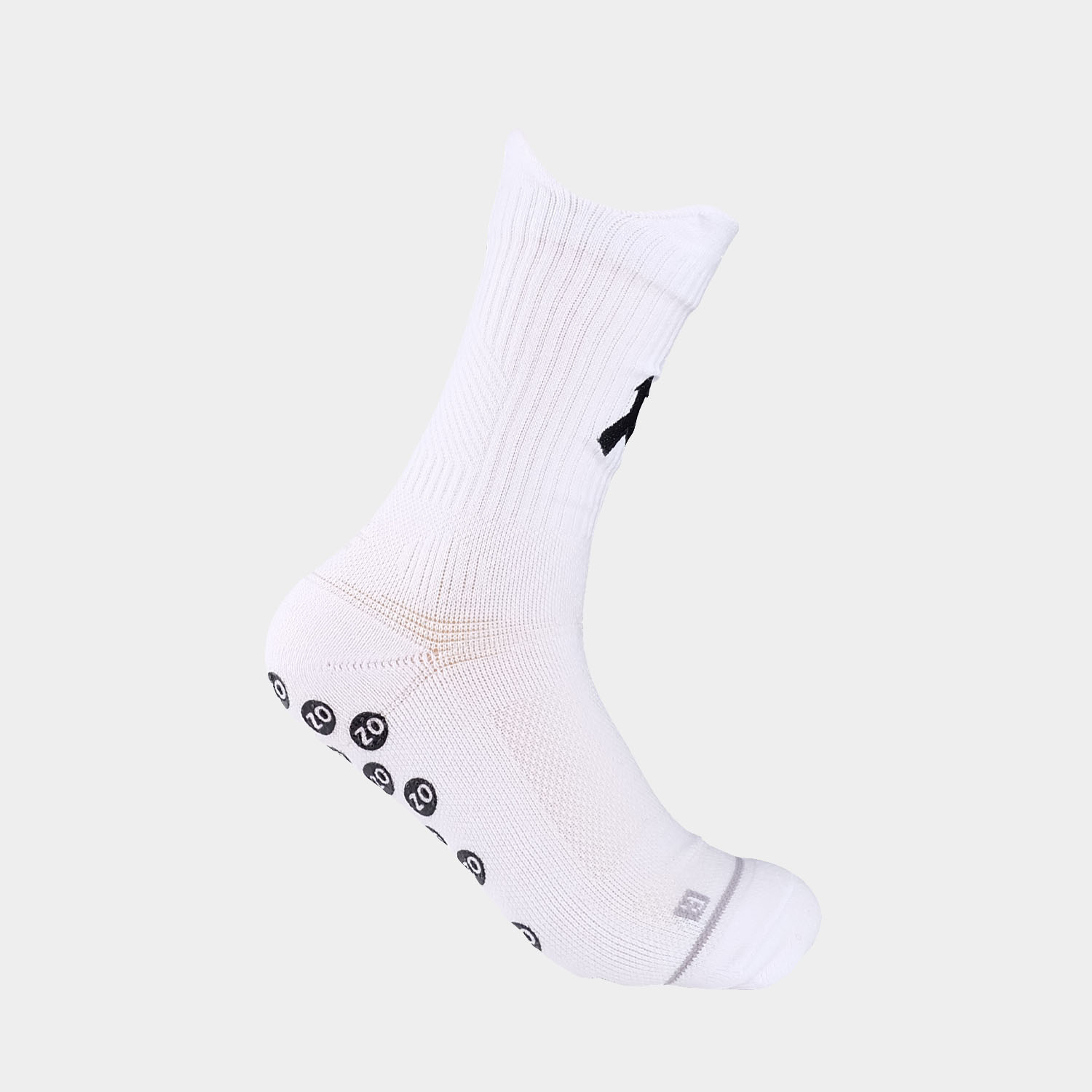
For a brand, the selection of products should be more in line with the brand’s value. When it comes to choosing between wool socks and cotton socks, the brand selection often needs to be based on the actual situation. So, how to choose the right brand of socks for yourself? This blog will provide detailed information on this topic.
Wool vs Cotton — What’s the Real Difference?
Many people distinguish between wool socks and cotton socks by simply touching them. However, in fact, the differences between them can also be compared based on their fiber structure, moisture absorption and sweat drainage functions.
Wool Socks vs Cotton Socks in Structure
The structural differences between wool socks and cotton socks stem from the different properties of the materials. The flaky and curly structure of wool is more suitable for providing warmth and has greater elasticity. However, the smooth and straight structure of cotton is more conducive to breathability.
Cotton vs Wool: Moisture and Breathability
Due to the difference in structure between cotton socks and wool socks, cotton socks are better at absorbing sweat than wool socks, but they are not as good at draining sweat. Wool socks are better at preventing your feet from getting sweaty. Although wool has a lower moisture absorption capacity than cotton, it has a fast moisture release rate. After absorbing moisture, it remains fluffy and is not prone to causing foot discomfort. Its dryness is also better.
Merino Wool vs Cotton: Comfort Upgrade
The softness and breathability of Merino wool will be better than that of cotton socks. Even after wearing for a whole day, your feet won’t feel stuffy and damp. It also performs better than cotton socks in balancing warmth and breathability. When it’s cold, it won’t cause your feet to get cold, and it has a very strong adaptability to different seasons.
Are Wool Socks Better Than Cotton for Performance?
Many people will raise the question: Are wool socks always better than cotton socks when exercising? After switching to wool socks, I realized that when choosing socks for sports, it’s not just about being soft. Wool socks are far superior to cotton socks in terms of “reducing the suffering of your feet”! Today, let’s use the plain language that all sports enthusiasts understand to explain the differences between these two.
Warmth and Temperature Control
The temperature-regulating effect of cotton socks is not very good. During winter exercise, if your feet sweat, the poor exhaust function of the socks will cause the socks to become very cold immediately; in summer exercise, the opposite occurs. As soon as you sweat, your entire foot will become very sticky and prone to slipping. Wool socks can adapt to both cold and hot environments. They are designed based on different weaving techniques for various scenarios. For example, in winter, by adding loops at the bottom and heel of the socks, it is possible to effectively drain moisture during exercise and keep the feet from feeling sweaty and uncomfortable.
Odor and Sweat Resistance
The sweat-wicking ability of wool is higher than that of cotton socks. Even if you sweat a lot, it can keep your feet dry and not sticky. The root cause of foot odor lies in the fact that bacteria break down the grease and protein in sweat, thereby producing an unpleasant smell. The structure of wool enables it to quickly wick away moisture, and wool is a keratin fiber, which has a natural antibacterial property and can prevent foot odor.
Durability and Longevity
Wool socks are not more durable than cotton socks simply because of their thickness; rather, it is more due to their inherent properties and the scientific material composition. The resilience of wool is quite strong. Even in areas prone to wear and tear such as the heels and toes, wool socks can withstand the wear.
When Cotton Socks Make More Sense
Although the characteristics exhibited by wool socks in many aspects are inferior to those of cotton socks, from the perspective of daily wear by customers and from the viewpoint of retailers, cotton socks might be a better and more cost-effective choice.
Everyday or Indoor Use
When working from home every day, going for shopping or other low-intensity activities, choosing cotton socks is definitely the right choice! Because its texture is relatively soft and smooth, while some wool socks may have a slight itchy feeling. And cotton socks can also be suitable for the elderly and children. Even if worn for a long time, they won’t make your feet feel stuffy.
Cost-Effective for Bulk Retail
For mass retailing, cotton socks offer greater cost-effectiveness. Firstly, the raw materials for cotton socks are readily available, with low and stable costs, and the production process has basically become mature and standardized. Moreover, the target audience for cotton socks is a broad segment of the general public with a high demand. The customer base is extensive (including adults, children, etc.) and the repeat purchase rate is also relatively high. And the cost is controllable. Even if promotional activities are carried out, it can still stimulate consumption, increase the average transaction value, and thereby drive up the overall sales volume.
When Wool Socks Are the Better Choice
The comprehensive advantages of wool socks lie in their ability to precisely meet specific needs, such as in high-intensity outdoor activities like skiing and hiking. In these particular situations, customers have a greater demand for wool socks.
Outdoor and Cold-Weather Use
Wool socks have excellent heat retention properties. Good outdoor wool socks know exactly how to protect ankles – the ankle area is designed with a snug fit, not too tight, but soft and just right to wrap around. For activities like skiing or snow camping where “treading on snow feels instantly cold,” trust me—go straight for fleece-lined wool socks. Opt for ones with at least 70% wool content; they’ll even block that icy tingle when snowflakes land on your socks. Unlike cotton socks that let the cold right through the moment they touch snow, wool socks are way more freeze-resistant—ten times more, no exaggeration!
Best Socks for Cold Feet or Poor Circulation
For people with always cold hands and feet and those with poor blood circulation, wool socks are truly the exclusive essential items for keeping feet warm. The constant warmth and insulation properties of wool socks can continuously provide them with gentle and warmth. These wool socks suitable for specific occasions, if the merchants can precisely target health care and elderly clothing segments, will have a large market development potential.
Premium Appeal of Merino Wool
The structure of Merino wool is different from that of ordinary wool. The fibers of Merino wool are finer than those of ordinary wool. When touched, it is delicate, smooth and soft, and there is no irritating feeling. And it can also be worn throughout the four seasons. It is naturally antibacterial and provides long-lasting deodorization. Its fiber breaking strength is also higher than that of cotton socks. After being stretched, it can quickly return to its original shape, and its durability is also better than that of cotton socks. Wool is also a renewable natural fiber. After being discarded, it can naturally decompose without causing any chemical pollution.
While comparing wool and cotton helps clarify their strengths in different scenarios, most sock products are not built from a single material alone.
In real-world manufacturing, brands often evaluate multiple fibers and blends before making a final decision. If you want a broader overview of how different materials perform across various applications, check out our complete guide on the best material for socks to better understand how to choose the right option for your product line.
Wool vs Cotton in B2B Manufacturing
From the B2B perspective of production, procurement, and marketing promotion, there is no absolute superiority or inferiority; only compatibility or incompatibility exists.
MOQ and Material Availability
Cotton is the world’s largest producer of natural fibers, with a stable raw material supply. Therefore, the requirements for the minimum order quantity are relatively low, making it suitable for small-scale trial enterprises that can quickly respond to market demands and have less inventory pressure. In contrast, compared to wool socks, the raw materials mainly rely on Australia, New Zealand, and other regions. The raw material prices fluctuate greatly, and there are also certain requirements for production processes during the manufacturing process. Therefore, the minimum order quantity is generally larger. So if you need to order wool socks, it is best to have a specific plan.
Custom Blends for Brand Identity
The customization space for cotton socks mainly lies in color and logo, while there is little room for further improvement in terms of the material’s own properties. In contrast, compared to wool socks, it can be customized in terms of functionality when mixed with materials such as nylon and spandex in a certain proportion, which can better serve high-end clothing brands in creating core products.
Sustainability and Marketing Value
From a sustainable environmental perspective, wool is a natural and renewable fiber with a fast degradation rate; while pure cotton, although also a natural fiber, requires a large amount of water and pesticides for cotton cultivation, thus having a lower environmental impact. In terms of marketing value, wool can be marketed in conjunction with outdoor sports, health, and high-end scenarios; while for cotton socks, the focus of marketing should be on cost-effectiveness, versatile style, and mass production products.
Conclusion
In conclusion, the choice between wool and cotton socks hinges on your brand’s positioning and resources. Opt for premium merino wool to build a high-end, functional sports brand, or start with cost-effective cotton as a foundational product. Once you’ve determined the best material for your needs, the next question is how to choose a reliable socks factory to bring your product vision to life.
Related Resources
→ Merino Wool vs Alpaca: Best Choice for Custom Socks
→ Merino Wool Vs. Regular Wool: Key Differences for Your Business
→ Cashmere vs Wool: Which Material Is Better for Socks
→ Best Sock Material for Sweaty Feet: What Actually Works?
→ Best Sock Material for Hot Weather: What Actually Keeps Feet Cool
Explore more guides on sock materials, performance requirements, and manufacturing considerations.