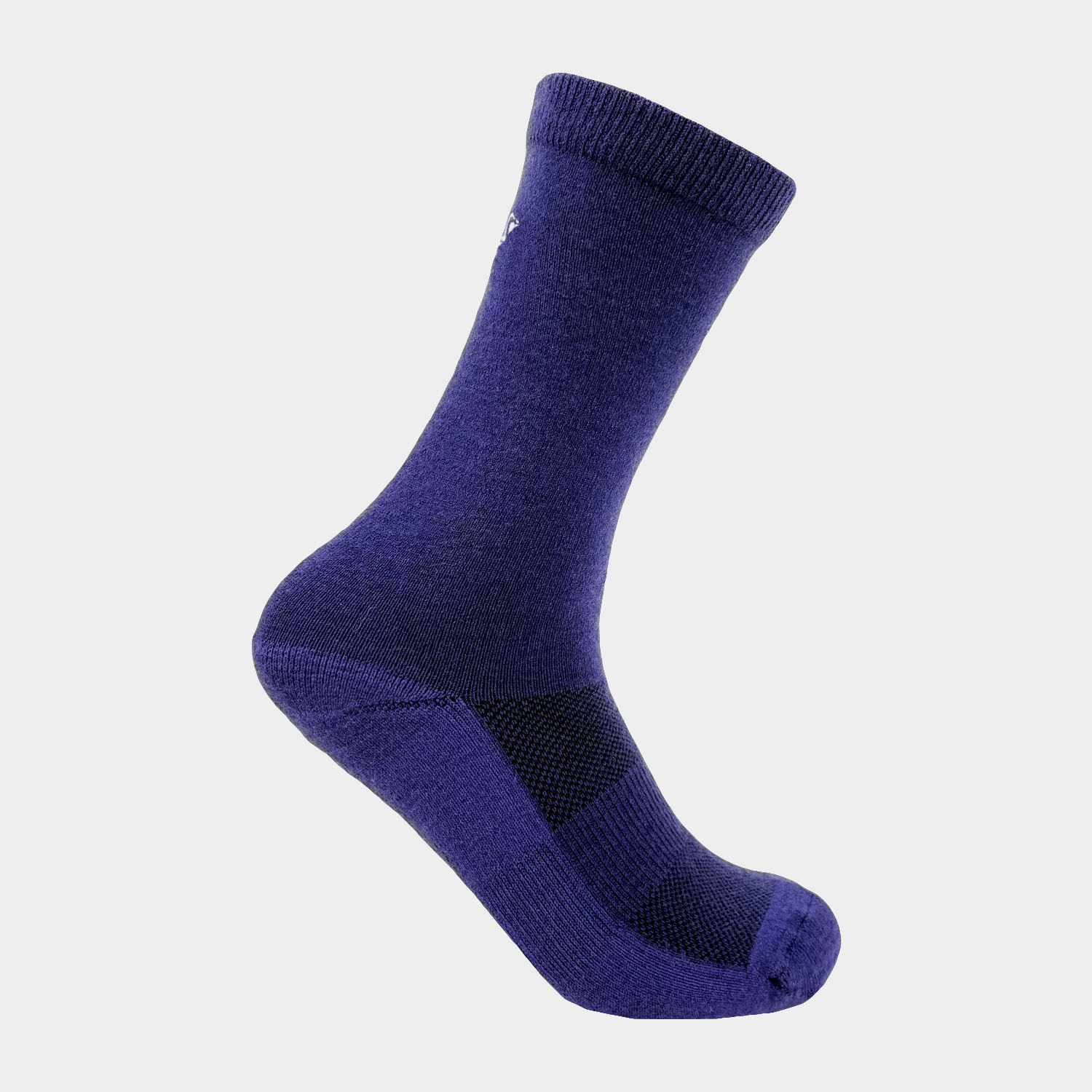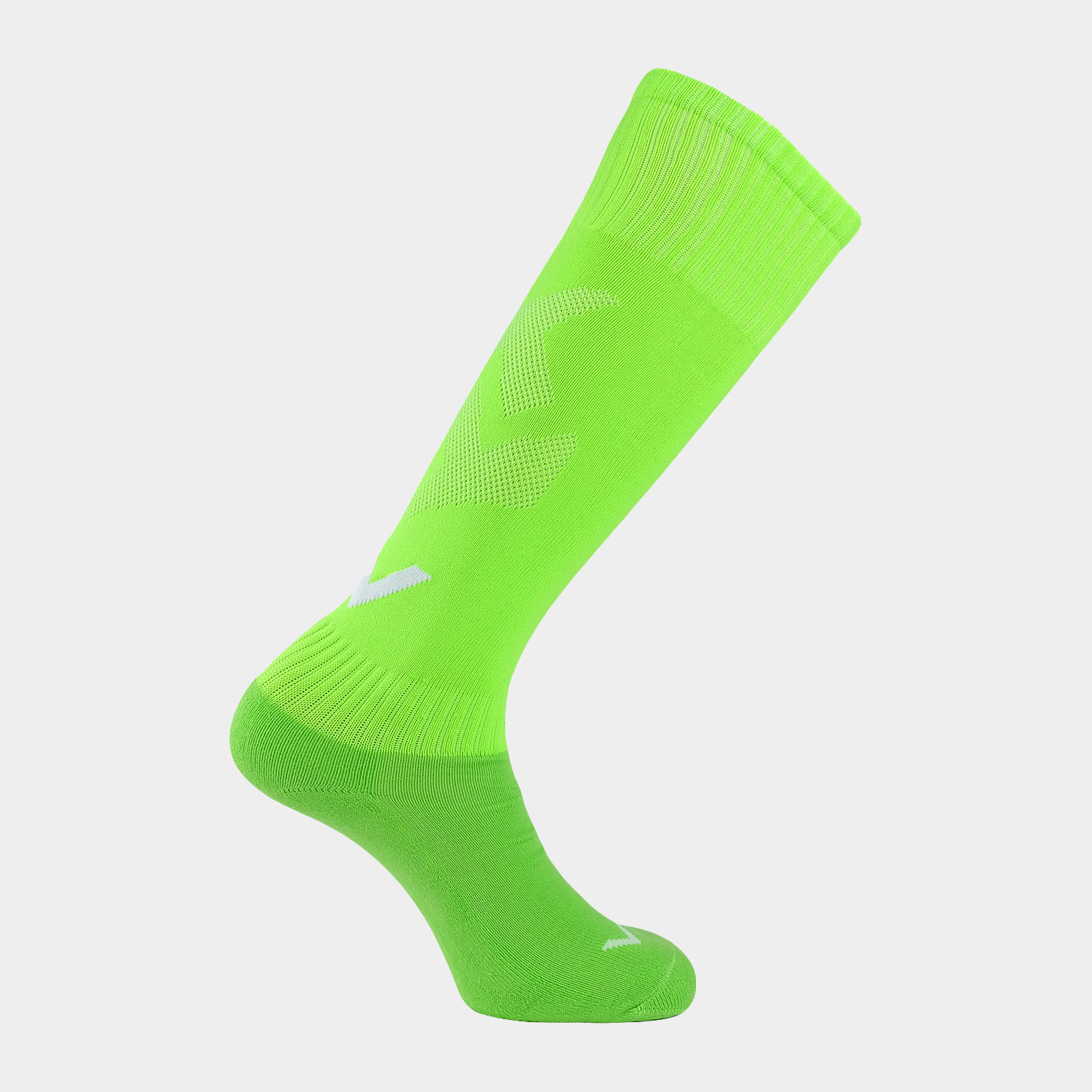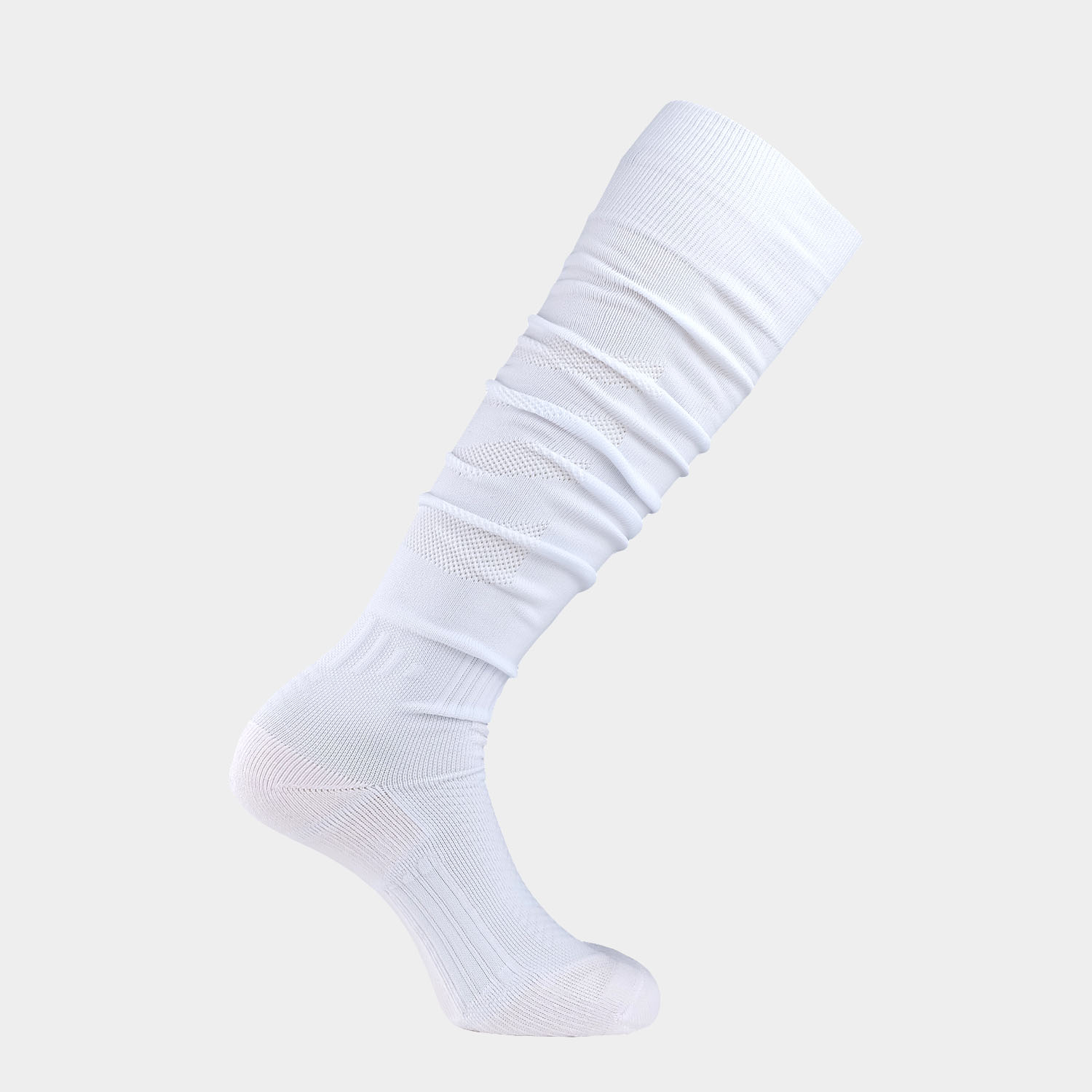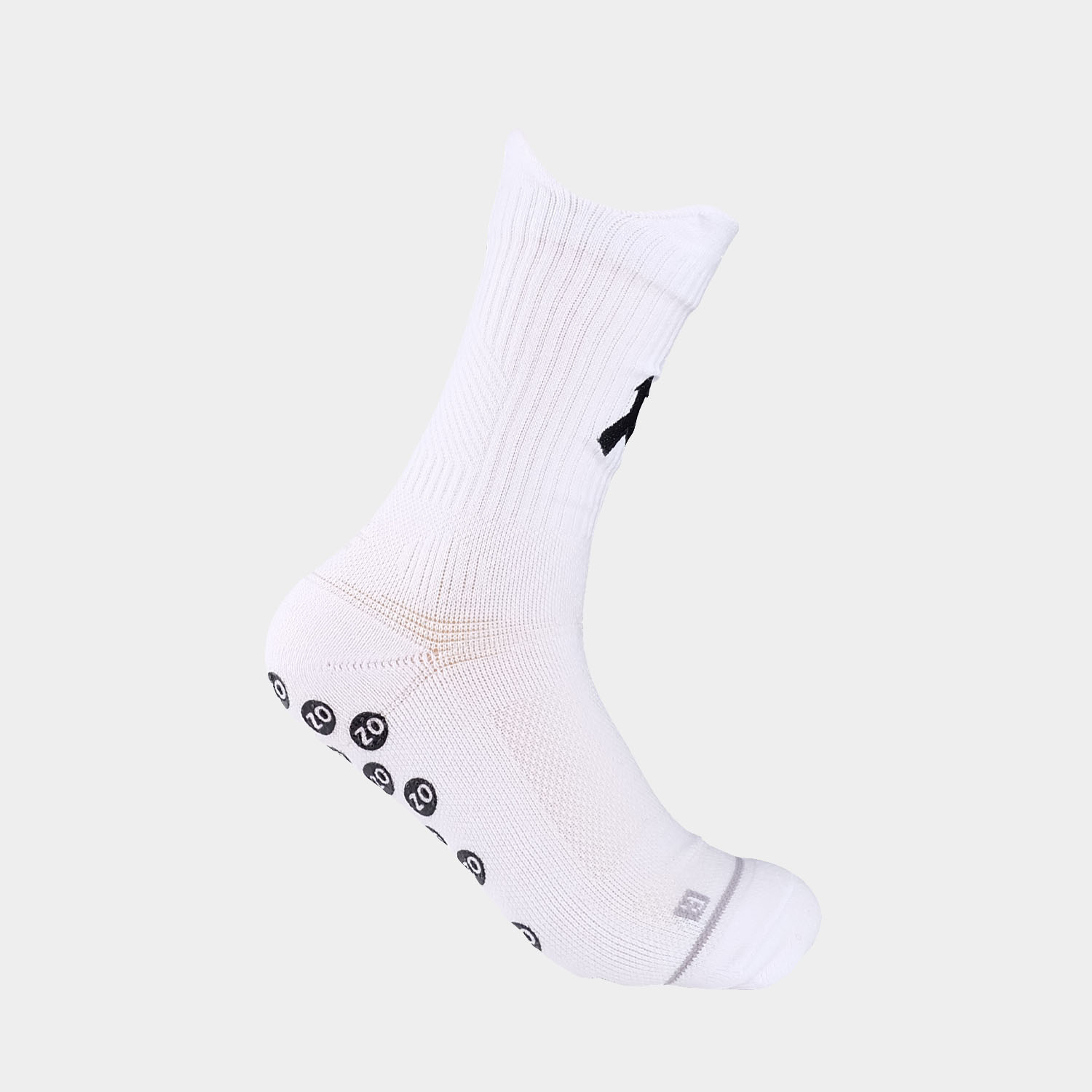

For outdoor workers, winter sports enthusiasts, and anyone seeking comfort during the colder months, a pair of best cold weather socks is an essential item on any gear list. They not only provide warmth and comfort but also serve as a crucial line of defense against moisture, preventing blisters and frostbite. This article delves into the material science and core features of top-tier cold weather socks, offering key bulk purchasing insights to help you make informed decisions for your clients or team.
Why Cold Weather Socks Matter More Than You Think
There’s a common misconception that cold weather socks are just condensed socks. However, they are about so much more than that. Feet have many sweat glands that produce perspiration even in cold weather. When sweat is not effectively wicked away, moisture quickly brings body heat with it as it leaves, making for cold feet and a further risk of frostbite. One pair of sport extreme cold weather socks battling out temperature control through a combination of temperature regulation, moisture management, and physical relief: An extremely functional design!
- Maintain Core Temperature: The core temperature can be maintained by efficient use of insulating clothing able to retain stagnant air and prevent warmth loss.
- Active Moisture Wicking: Sweat from the skin’s surface is quickly absorbed and transported to the outer most layer for evaporation, leaving feet dry.
- Reduce friction and blistering: Adds cushioning to the insoles of heavy boots, helping to reduce friction areas and prevent blisters.
Buying a pair of extreme cold weather socks is not only a wise investment, it can be the difference between being comfortable outdoors, and miserable outdoors.
Best Materials for Extreme Cold Weather Socks
Merino Wool Socks
Merino wool is the benchmark when it comes to winter socks. Its excellence comes from the unique structure of the fibre:
- Better thermal regulation: Due to crimping, the fibers trap a large amount of air which results in an excellent thermally insulating layer.
- Suitable for moisture management: Can absorb more than 30% of its own weight in moisture without feeling wet, and moisture is also evaporated outwards to keep feet dry.
- Natural anti-microbial and odour retardant: Inhibits the development of bacteria, making it perfect for wearing outdoors over multiple days without getting stinky.
- Sensitivity: Ultra-fine fibres (usually 17.5-21.5 microns) prevent the sensation you get from traditional wool. For extreme cold, choose blended socks with 60%–85% merino wool, a blend of nylon and spandex to improve strength and stretch.
Alpaca Socks
Alpaca wool is the high-end market secret weapon, beating out merino in some aspects:
- Warmth: Longer hollow fibers than merino wool. This gives it better insulation, though it’s lighter in weight.
- Great absorbs moisture: Alpaca equals merino in the ability to pull moisture from the skin with minimal residue of surface oil.
- Soft feel: The fibers are as smooth as silk, offering a softness that is critical. Because of small-scale production, alpaca yarn is often reserved for luxury lines or combined with merino wool or nylon to mitigate performance with cost.
Synthetic performance fibers
Functional Significance of Synthetic Fibers (Polyester, Special Nylons):
- Ultra-Fast Drying: They do not absorb water but pull moisture away from the skin to the outer surface of the fabric where it can evaporate, and in some cases at a faster rate than wool.
- Extremely Durable: No other material can match its resistance to abrasion and its tear strength.
- Structural support: Typically it is used as a blend with Lycra® or spandex to supply shape retention and body-hugging functionality.The best approach is to use combination fabrics: utilizing the temperature-regulating, comfort of merino/llama wool with the quick-drying hardiness of synthetics (Like 60% merino/20% nylon/18% polyester/2% spandex)
This combination delivers high-performance all-around socks.
Why Darn Tough Makes High-Performing Cold Weather Socks
Take Darn Tough for instance—it is the highest level of the craft in cold weather socks. Its success comes from a few fundamental principles that any fine manufacturer should be able to emulate:
- Precision-Engineered Blend: Instead of using one material they use a scientific blend of high-percentage merino wool along with reinforced synthetic fibers to the bottom to the top that gives the perfect combination of warmth, moisture-wicking, and thebest durability you can find.
- Seamless Construction & Precision-Zone Cushioning Built for blister-free comfort, and extra protection in easy-tiring spots: In a single-piece knitting manufacturing process to minimize the friction, extra layers of cushioning padding are added at high-impact areas such as the heels and toes. On the other hand, non-weight areas such as the instep receive reducedknitting in order to allow for greater flexibilty and moisture-wicking.
- Lifetime Warranty: A Testament to Quality Confidence: This comes straight from a relentless striving for yarn strength, seam integrity, and structural integrity to make sure your items hold up to extended abuse in the outdoors. At the heart of it is the whole-hearted investment in materials, and the painstaking attention to process.
Key Factors to Evaluate When Buying Cold Weather Socks in Bulk
As a brand owner or a purchaser, when making bulk purchases, one should not only focus on the surface features of the products such as price and appearance, but also conduct a professional performance assessment of the socks:
Material testing & wool blend percentages
- Requirements for certification: The supplier must submit the OEKO-TEX Standard 100 certification for the yarn to guarantee it is free of harmful substances. For merino woolcold weather socks,can request suppliers provide RWS (Responsible Wool Standard) certificates, which can enhance consumers’ trust in the safety and morality of the raw materials
- Confirmation of Blending Ratio: The agreement clearly states exact percentages of the major materials (e.g. “75% Merino wool” instead of a vague “mainly Merino”). This is the basis of cost and performance.
Yarn stability, shrinkage & size accuracy
- Pre-shrinking Treatment: Wool socks are particularly prone to shrinkage after washing, leading to distorted appearance and uncontrollable dimensions. Inquire whether the yarn or fabric has undergone pre-shrinking treatment, as this is a critical process for controlling the finished product’s shrinkage rate (typically required to be below 5-8%).
- Size Accuracy: During the shaping (boarding) stage, are precise metal foot molds used for forming, this directly determines the consistency of sock sizes across different production batches.
Cushioning levels based on product category
- Lightweight: Daily commute, light hiking, flexible high usage.
- Midweight (Half-Cushion/ Hiking Grade) : Halfcushion to the heel, mid foot and the toes, best for hiking and working in the winter.
- Heavyweight / Full-Cushion: Intended for use in severe conditions, such as mountain skiing, mountaineering or polar adventures, gives highest level of protection and warmth.
Colorfastness & durability
- Colorfastness Testing: Finished products, especially dark-colored socks, must undergo wash and rub resistance testing. Contact us anytime to request a colorfastness report.
- Abrasion Resistance Testing: Field abrasion testing is available. Our cold weather socksare certified with 10,000 revolutions of abrasion resistance.
MOQ & seasonal planning
Supply chain resilience: Define the MOQ and evaluate production capacity and lead time of supplier in busy season (autumn). It is standard procedure in the industry to place orders 3-4 months ahead in order to avoid peak production periods and assure delivery on time.
How Sockcn Ensures High-Quality Cold Weather Socks
At Sockcn, we craft every pair of cold-weather socks with an engineer’s precision and a craftsman’s meticulousness:
Premium merino & alpaca sourcing
We partner directly with farms and spinning mills certified under the Responsible Wool Standard (RWS) or Global Organic Textile Standard (GOTS), ensuring the use of premium micron-grade merino wool and carefully selected alpaca wool. This guarantees the purity, traceability, and exceptional performance of our materials from the very source.
High-precision knitting for warmth retention
We utilize advanced computerized cold weather socks knitting machines from Italy and Germany, equipped with specialized merino wool and alpaca-enhanced thick loop structures. Through precise programming, we knit uniform, dense, and highly lofted air-filled loop structures in specific areas of the cold weather socks (such as the sole and toes). This maximizes the storage of stationary air, achieving efficient warmth retention rather than relying solely on increased thickness.
Low MOQ + fast sampling
We understand the demands of the brand testing market. We offer competitive low minimum order quantities: custom styles start at 100 pairs, while stock styles start at 10 pairs. Our efficient prototyping team can deliver high-precision custom confirmation samples within as little as one week. For in-stock samples, we can have them on your feet within 3-5 working days, enabling you to quickly experience the product and seize market opportunities.
50,000+ pairs/day winter capacity
We operate a dedicated production line for best cold weather socks and maintain a robust supply chain system, ensuring stable output of high-quality products during peak demand seasons. With a daily production capacity of up to 50,000 pairs, we provide a solid guarantee for the timely delivery of your large-scale orders.
Conclusion
Choosing the best cold-weather socks is a balancing act between materials science, functional design, and manufacturing methods—the natural benefits of merino and alpaca wool versus the reinforced support of synthetics.
We don’t just manufacture cold weather socks—we offer brands full and best cold weather socks solutions based on professional knowledge and experience. From quality fabrics to timely delivery, we strive to be your most dependable friend in cold weather.
Ready to manufacture your next best cold weather socks for your customers? Making the right partnership is key. For guidance on selecting a manufacturing partner, see our detailed guide on How to Choose a Reliable Socks Factory for Wool Socks. Then, get in touch today for your professional product solutions and quotes.