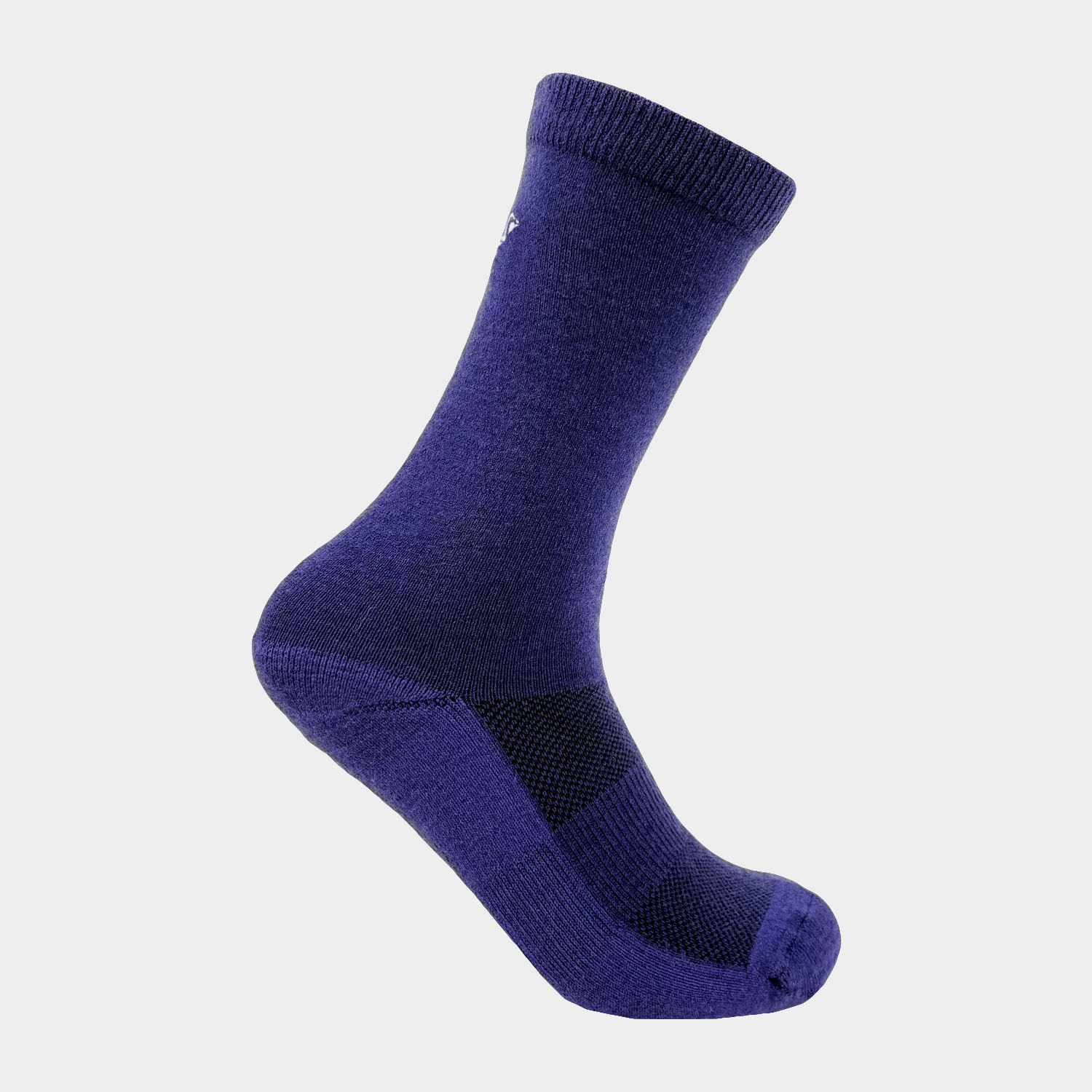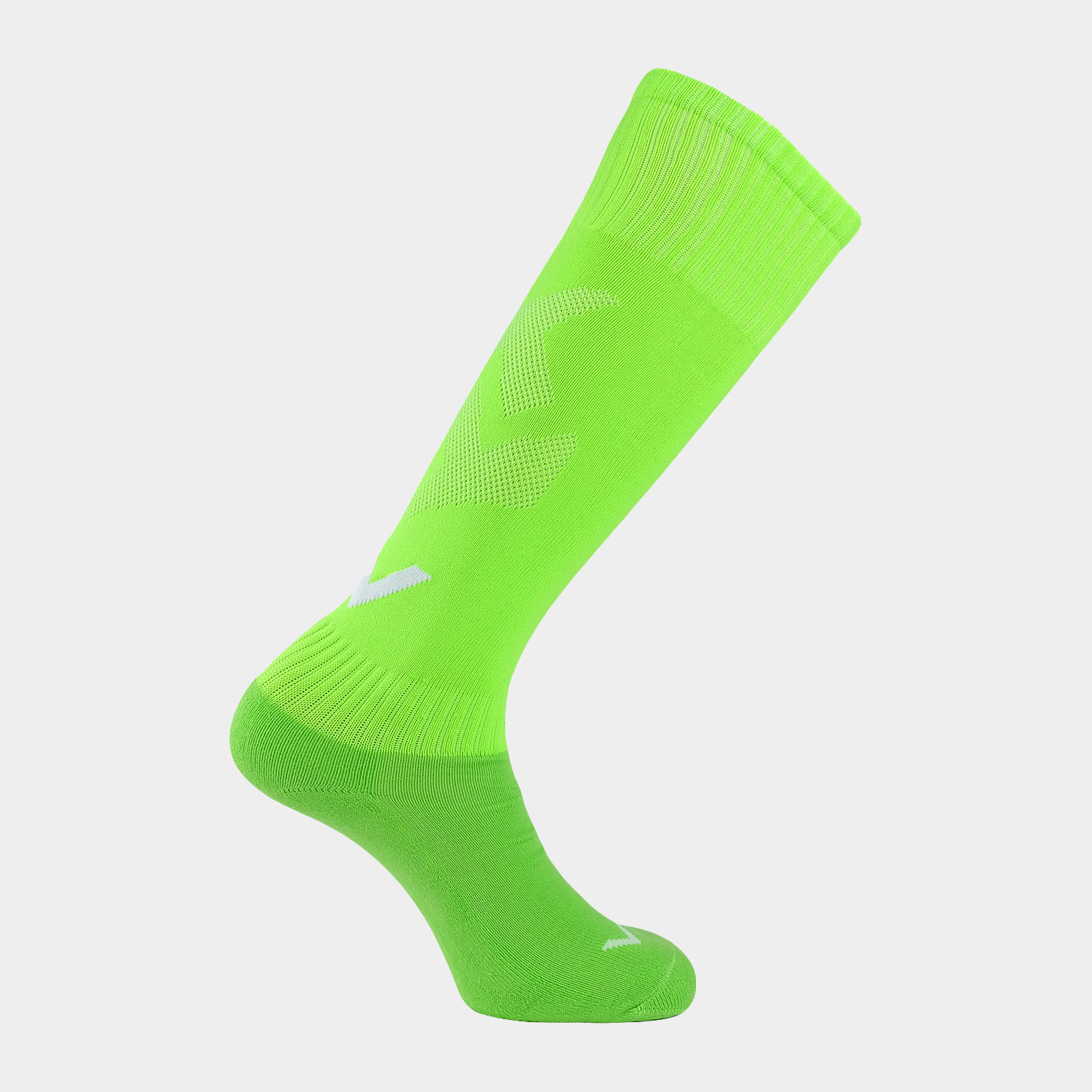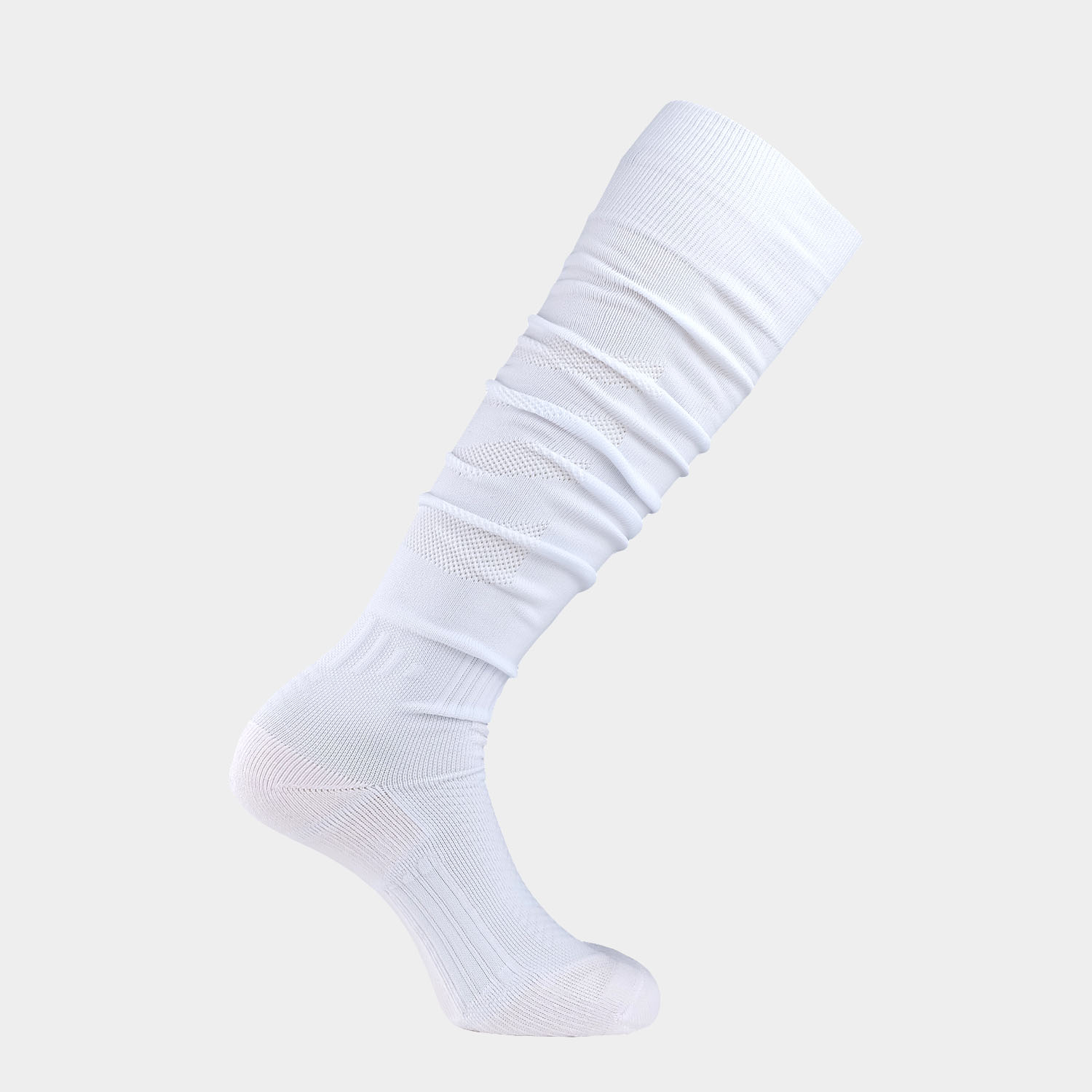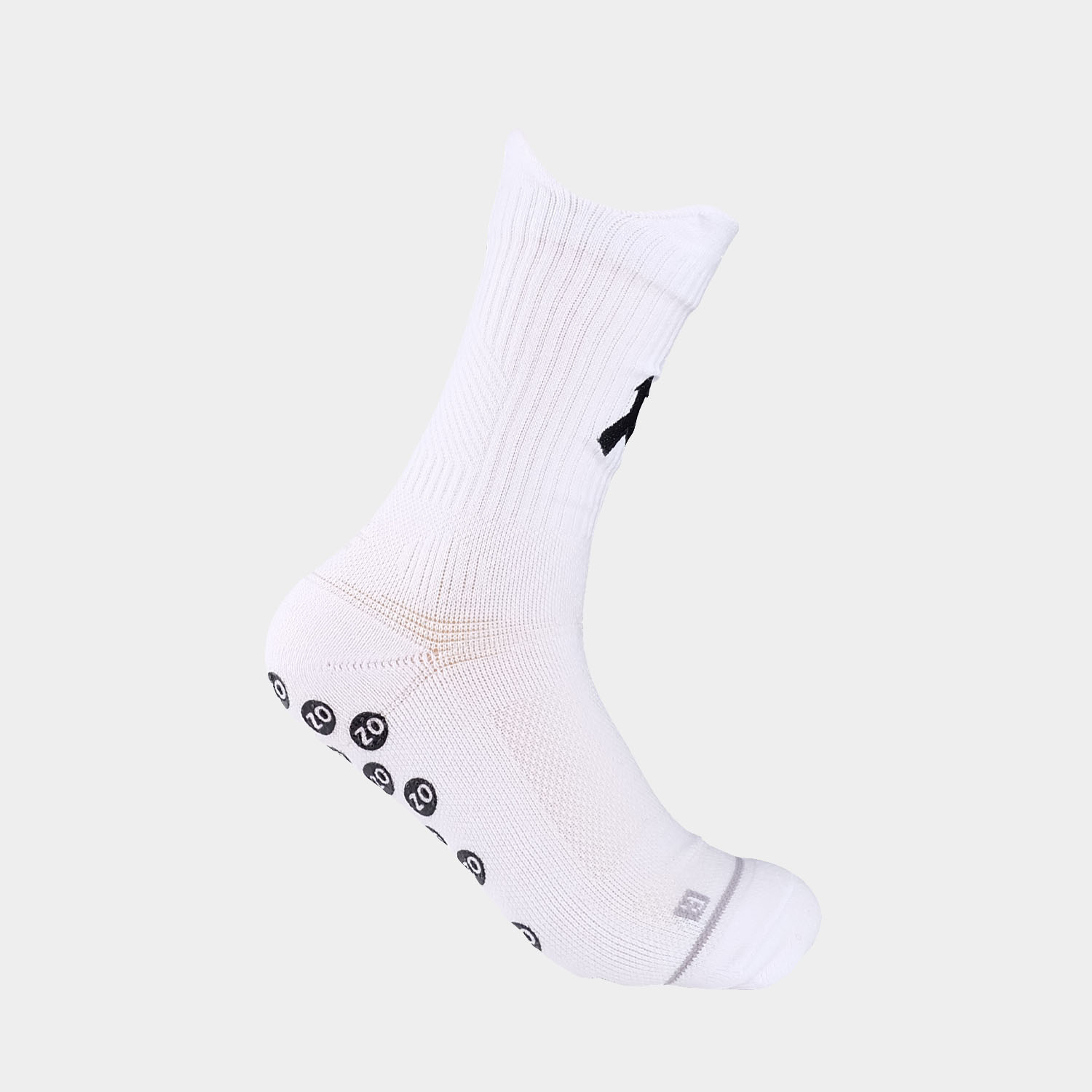

Hello, I’m Sockcn, a supplier specializing in sock manufacturing. When we interact with brands, retailers, and wholesalers, the price is often the focus of our conversations. Today, I want to discuss a very typical and useful B2B and wholesale pricing strategy — tiered pricing. You may have heard of it before, or maybe you’re already using it without fully understanding the logic behind it. No worries — I’ll use examples from our sock industry to explain it in plain language.
Tiered Pricing Overview
Simply put, tiered pricing is a “buy more, pay less per unit” pricing model. But unlike a simple “second pair half price” deal, it works like a staircase — purchase quantities are divided into several distinct “tiers,” each with its own unit price.
For example, take our Sockcn basic white socks:
Tier 1: When you Order 1–499 pairs, unit price is $2.0/pair.
Tier 2: When you Order 500-999 pairs, unit price drops to $1.5/pair.
Tier 3: When you Order more than 1000 pairs, unit price further drops to $1.2/pair.
You’ll notice that while the customer’s total purchase amount increases, because they “step up” to a higher quantity tier, the unit price they enjoy is lower. This creates a win-win incentive for both us as the supplier and the customer.
How Tiered Pricing Works
Pricing by Volume or Quantity
This is the core principle of tiered pricing. As in the example above, the price tiers are directly linked to purchase quantity. As a manufacturer, we deeply understand the power of economies of scale: when you order 5,000 pairs of socks at once, the average cost (management, logistics, production efficiency) for us to schedule one production run, pack, and ship is much lower than producing 1,000 pairs five separate times. Therefore, we are willing to share the cost savings generated by this “scale” with customers in the form of lower unit prices.
Step-Based Price Changes
The key is the word “step.” Prices don’t decrease continuously or smoothly but change in jumps at key quantity thresholds. For example, If you buy 999 pieces, the unit price is still $1.5 But order just one pair more to make it 1,000, and the unit price of all pairs of socks drops to $1.2. This creates a powerful incentive for customers to bump up their order quantities to “jump up” to the next tier, increasing the size of the transaction for both parties.
Tiered Pricing vs Other Pricing Models
Tiered Pricing vs Bulk Discounts
Many people think these are the same, but there are subtle differences.
Bulk Discounts: Usually refer to a single order reaching a certain quantity and receiving a uniform discount rate. For example, “single order of 1,000+ pairs gets a 10% discount off total.” Calculation is relatively simple.
Tiered Pricing: More structured and transparent. It clearly defines the standard unit price for each quantity range (tier) in advance, allowing customers to accurately forecast costs at different purchase volumes. This is more suitable for long-term, stable procurement relationships. For us suppliers, tiered pricing also makes cost accounting and profit management easier.
Tiered Pricing vs Flat Pricing
Flat pricing is the simplest: “no matter how many you buy, the unit price is the same.” This is convenient for micro-orders or retail scenarios but less friendly in B2B wholesale. It fails to reward large customers and may make smaller customers feel there’s a lack of flexibility. But tiered pricing allows flexibility and options. Buyers can select the “tier” that most closely aligns to their sales volume and inventory needs, providing them with a greater sense of control over the cost of procurement.
Advantages of Tiered Pricing
From Sockcn’s perspective, implementing tiered pricing has many benefits:
Incentivizes Larger Orders: The most direct benefit. It makes the flow of our production more stable, and then the quantity loss caused by changing products and adjusting machine frequently is also reduced.
Transparency and Clarity reduces friction: It’s easy to see how much the price list costs overall. Customers can do their own cost calculations rather than haggle over price in each transaction, which ends up improving cooperation efficiency.
Secures and Retains Large Customers: Leading wholesalers or brand partners are extremely grateful for this transparent cost system in terms of forming long-lasting and mutually trusting partnerships.
Makes Inventory and Production More Efficient: By predicting the sizes of the orders based on the volumes most likely attracted by the different price plates, we are able to efficiently cut down on raw material purchase and production planning for a smoother factory operation.
When Tiered Pricing Makes Sense
B2B and Wholesale Use Cases
Tiered pricing seems made for this. When your clients are businesses, as opposed to individual consumers, their buying is more rational, planned and volume-cost sensitive.
Brand Clients : e.g. a clothing brand requires 5,000 pairs of socks as accessories for a new product line. They get clear buying costs with tiered pricing.
Wholesalers/Distributors: They keep regular supplies. Tiered pricing incentives them to combine orders reducing logistics and administration costs for both sides.
Large Retailers: When supermarkets or chain stores make seasonal purchases, clear tiers help them decide on order quantities.
Product and Cost Considerations
Not all products are equally suited. From a sock manufacturing perspective, tiered pricing works particularly well for:
Standardized Products: Like our basic white or black socks. Production costs are easy to calculate, and economies of scale are evident.
Products with Decreasing Marginal Costs: The cost to produce the 1000th pair of socks is much lower than the average cost of producing the first pair. The additional cost of producing more is very small.
Businesses with Clear Cost Structures: Our raw materials, labor, and machine depreciation are clearly accounted for. This allows us to accurately calculate at which quantity thresholds we can share some of the profits in exchange for larger orders.
Conclusion
In summary, tiered pricing is more than just a price list; it is a business mindset and partnership strategy. It acknowledges the value of “scale” and returns that value to customers in a transparent way. For suppliers like Sockcn, it helps us manage expectations, stabilize production, and build long-term relationships with customers based on data and mutual benefit.
If you are a buyer, the next time you see a supplier’s tiered price list, take a closer look at those quantity steps. Behind them lies an opportunity for win-win gains from improved supply chain efficiency. If you are thinking about your pricing approach, I hope this straightforward example from the socks industry will give you a spark of inspiration. Because at the end of the day, whether you’re selling socks or anything else, making both the buyer and the seller feel like the deal is fair and motivating is the basis of enduring business.