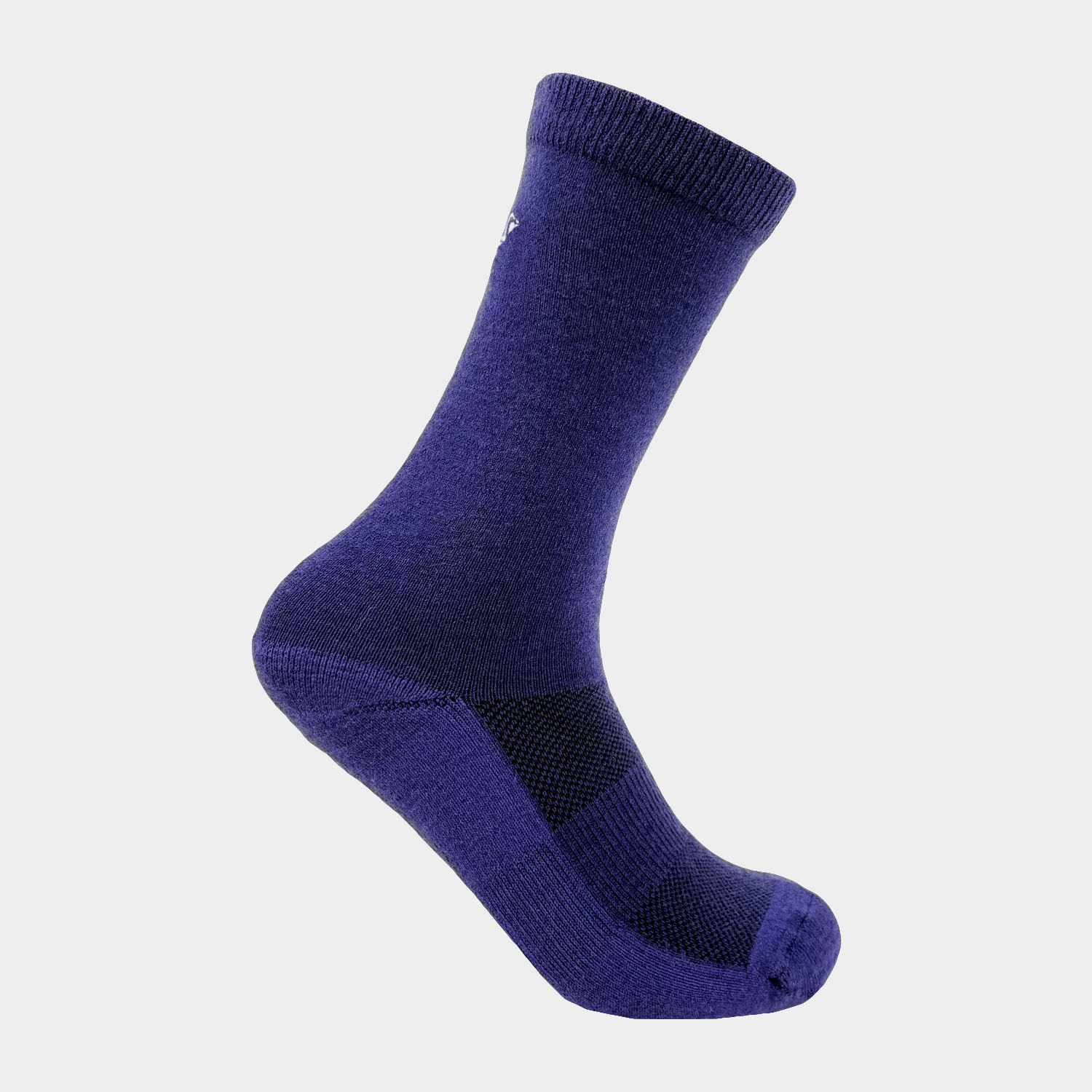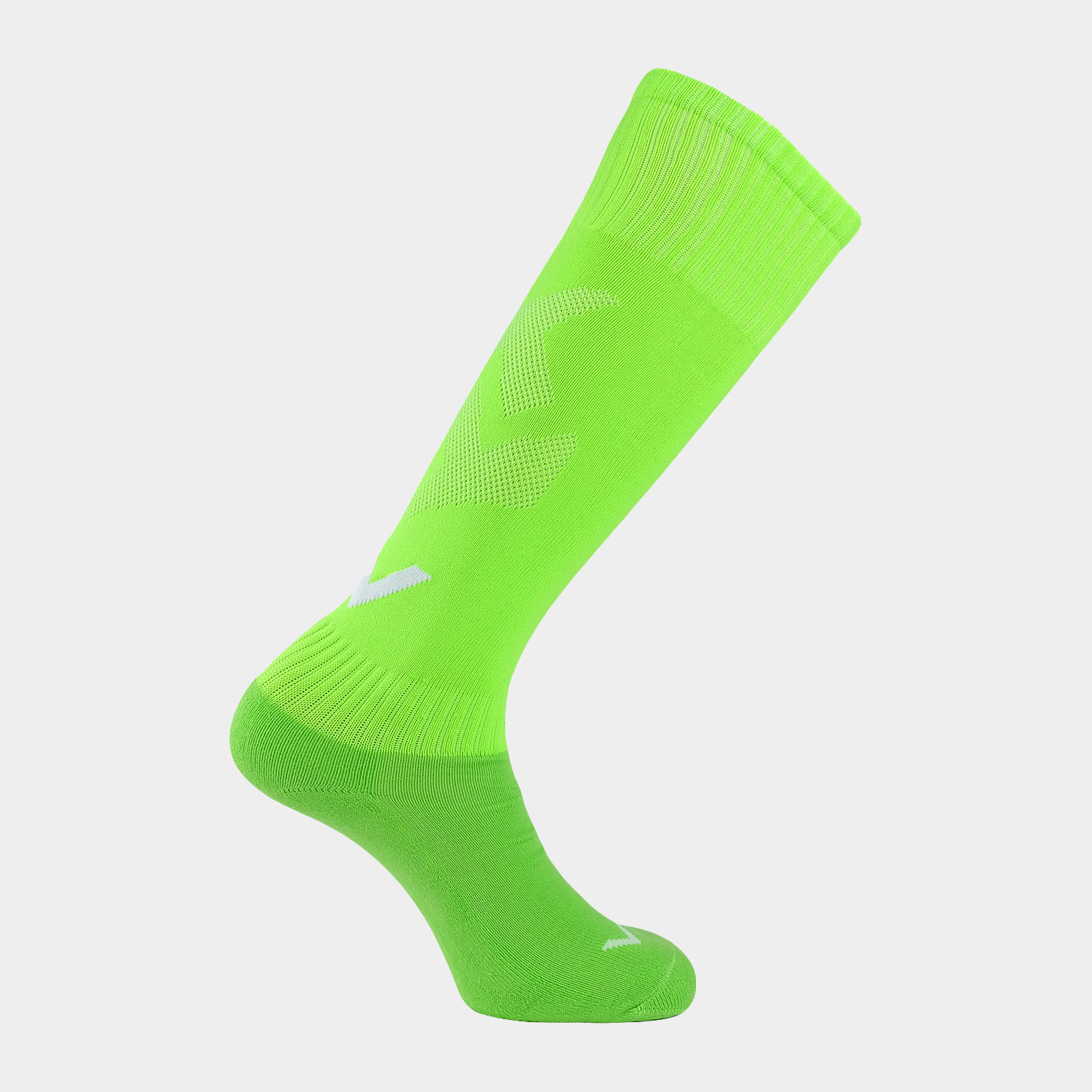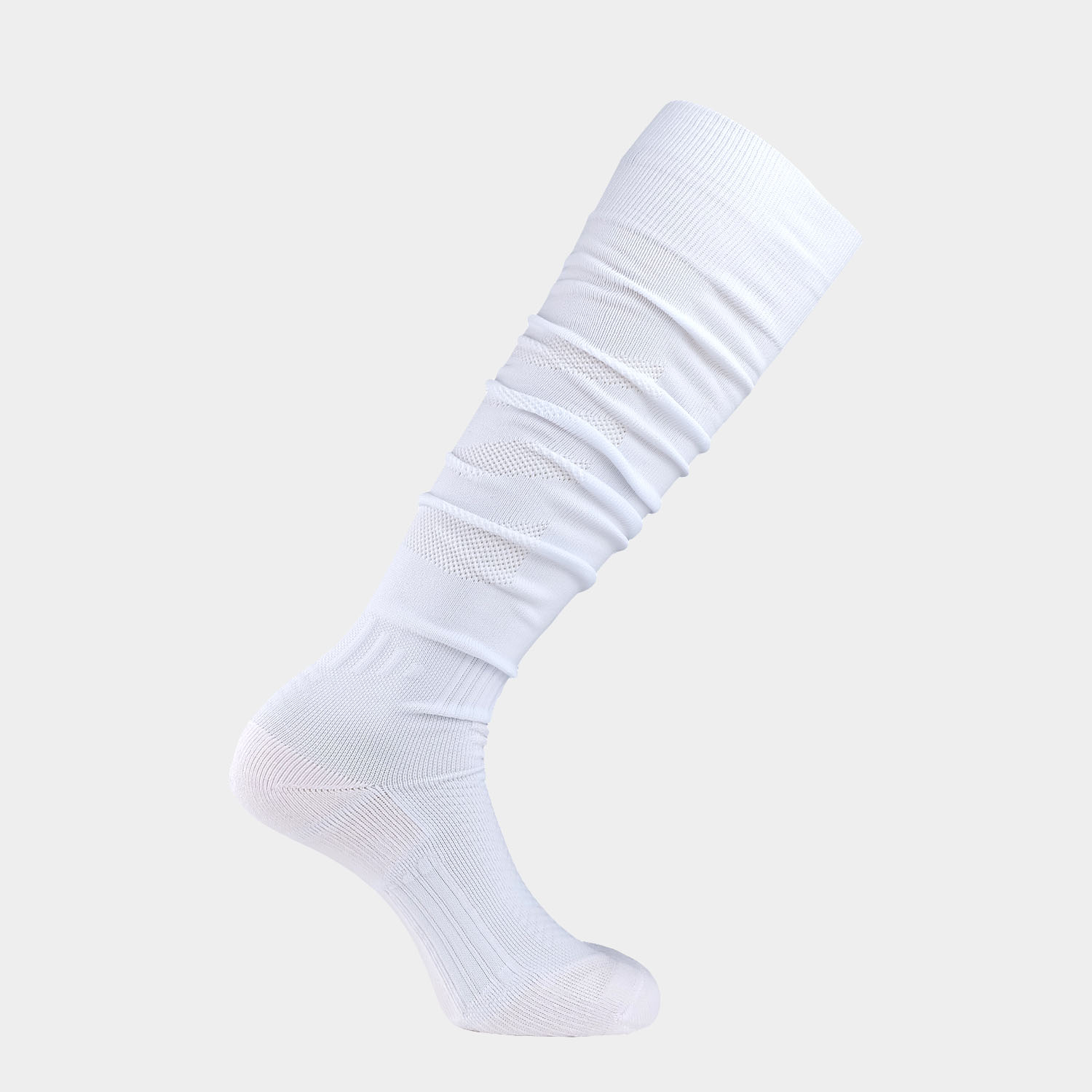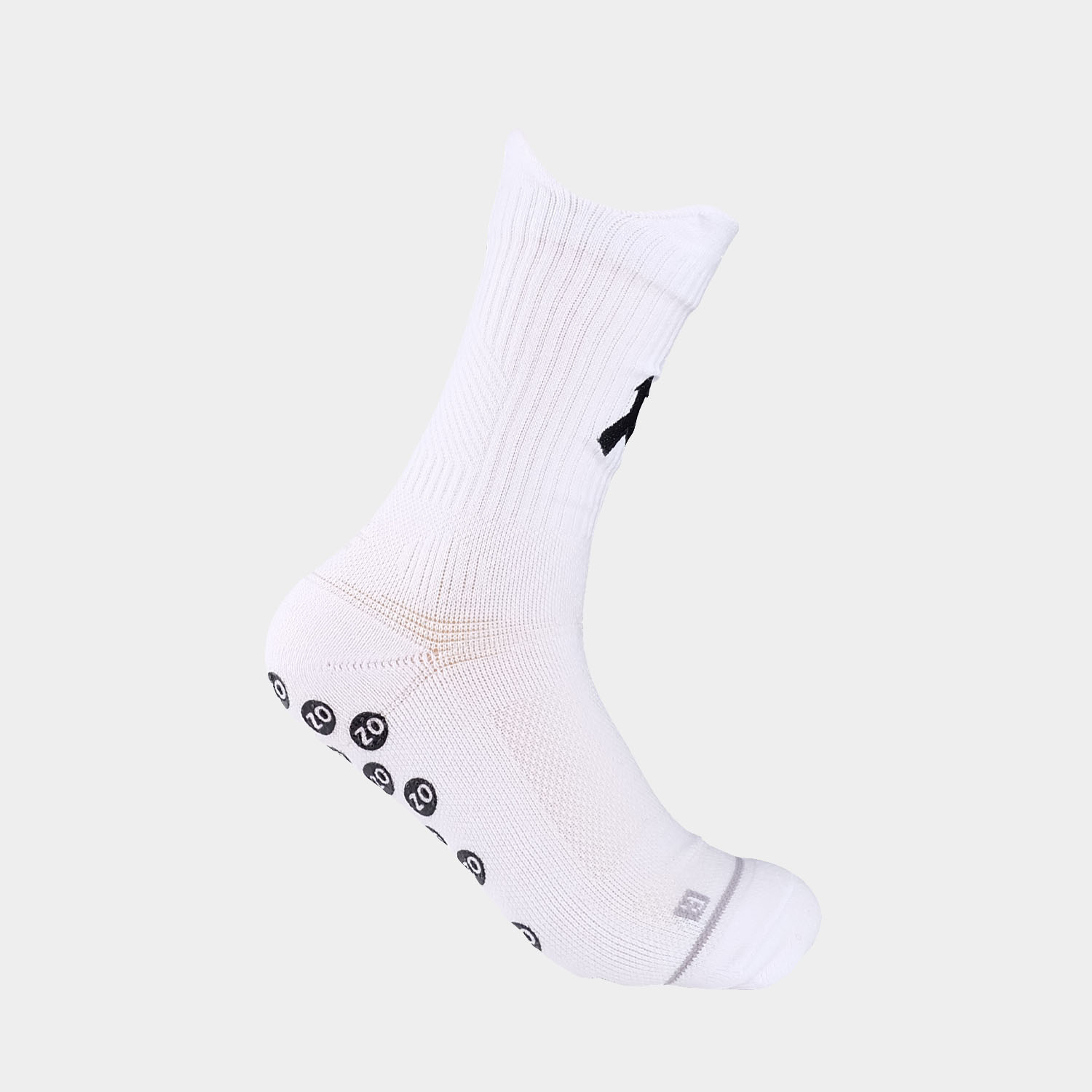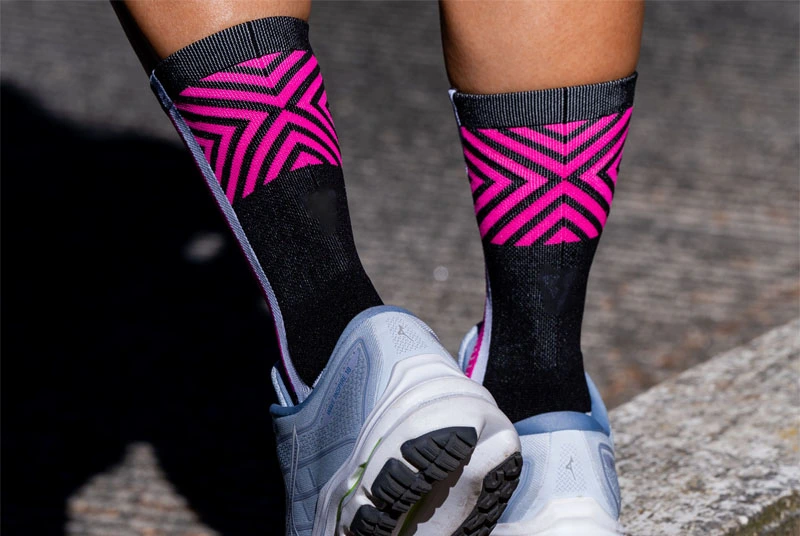

According to podiatrists at Gotham Foot Care, your feet contain 250,000 sweat glands and produce half a pint of moisture daily. This trapped sweat directly causes painful blisters and stubborn odors. Simply put, your choice of socks matters more than you think.
Are merino wool socks the right fix? Yes. These fibers actively regulate temperature and quickly pull moisture away from your skin. They even stop odor bacteria before it starts. Let’s look at the top benefits of merino wool socks, why they beat standard cotton, and how to find your perfect pair.
The 5 Key Benefits of Merino Wool Socks
Merino wool socks actively help solve daily foot problems. Here are five practical reasons to make the switch.
Adapts to Summer and Winter Weather
Merino wool acts as a personal thermostat for your feet. The fibers trap body heat in cold weather. They release excess warmth when temperatures rise. This natural climate control maintains comfort during summer hikes and snowy commutes.
Keeps Your Feet Dry from Sweat
Merino wool keeps your feet dry through natural moisture-wicking. The fabric pulls sweat directly off your skin. It then pushes this moisture to the outside layer for quick evaporation. This constant drying cycle leaves your feet feeling noticeably fresh.
Fights Bad Odors Naturally
Merino wool naturally starves odor-causing bacteria. By keeping your skin comfortably dry, these odor-resistant socks ensure bacteria struggle to multiply and create bad smells. Without trapped moisture, bacteria struggle to multiply and create bad smells. The fibers also naturally resist buildup. This natural resistance keeps your socks fresh even after multiple wears.
Prevents Skin Rubbing and Blisters
Merino wool drastically reduces the friction and moisture that cause blisters. The ultra-fine fibers are incredibly soft. They flex naturally with your foot movements instead of rubbing against your skin. This low-friction environment protects your feet from irritation.
Prevents Fungal Growth
Merino wool acts as a natural defense shield against foot fungi. The fabric continuously dries out the inside of your shoes. This rapid drying disrupts the damp environment fungi need to spread. Your skin simply stays healthier and more comfortable.

Why Merino Wool Outperforms Cotton and Synthetic Fabrics
Choosing the right sock fabric directly impacts your foot health. Merino wool offers specific technical advantages that standard materials lack.
The Dangers of Cotton Socks
Cotton fibers absorb and hold moisture against your skin. This trapped dampness often leads to cold feet and painful blisters. Cotton also tends to lose its shape when wet. This loss of shape creates clumps of fabric that rub against your heels and toes throughout the day.
The Flaws of Synthetic Materials
Synthetic materials often struggle with natural breathability. Fabrics like polyester trap heat and moisture inside your shoes. This environment creates an uncomfortable plastic-like feeling during long hours of wear. These fibers also tend to retain odors much longer than natural options.
The Advantages of Merino Wool
Merino wool directly addresses the exact problems created by standard fabrics. It moves moisture away from your skin instead of soaking it up like cotton. It allows excess heat to escape naturally instead of locking it in like synthetic polyester. This material gives you reliable comfort without the common drawbacks of traditional yarns.
Merino Wool Vs Cotton vs Synthetic Fabrics Comparison Table
A side-by-side comparison clearly highlights the performance gaps between these everyday materials. This quick comparison table summarizes their direct impact on your foot health.
Feature | Merino Wool | Cotton | Synthetic Fabrics |
Moisture Handling | Moves sweat away | Absorbs and holds dampness | Traps moisture inside |
Breathability | Allows heat to escape | Poor when wet | Struggles to breathe |
Shape Retention | Maintains reliable fit | Loses shape and clumps | Creates plastic-like feel |
Odor Control | Naturally stays fresh | Moderate | Retains odors heavily |
Blister Risk | Low friction | High friction | Moderate friction |
Switching to merino wool directly improves your daily comfort. The fabric provides a much smarter balance of dry protection and lasting wear.

Which Merino Wool Sock Styles Are Best for Different Activities
Specific activities require distinct fabric weights and cushioning levels. Matching the right profile to your routine maximizes daily comfort. Here is a practical guide.
Hiking and Outdoor Use
Medium to heavy cushioning provides the essential support needed for a reliable pair of merino wool hiking socks. This extra padding absorbs heavy impact on uneven trails. The thicker yarn actively protects your skin from stiff outdoor boots. Crew-length options then prevent trail dirt from reaching your ankles.
Running and the Gym
Ultra-lightweight sock profiles work best for high-intensity workouts. Finding the best wool socks for running drastically enhances breathability during heavy sweating. Ankle or no-show cuts with reinforced heels fit perfectly into athletic shoes. This specific design reduces friction while keeping your feet comfortably cool.
Everyday and Office Wear
Lightweight and sleek sock designs are ideal for office environments. These thinner weaves fit easily into tight dress shoes or casual sneakers. Light cushioning provides adequate support for daily walking. The breathable profile prevents your feet from overheating in climate-controlled indoor spaces.
Winter and Snow Sports
Heavyweight and over-the-calf designs offer the necessary protection for snow sports. The extended length shields your lower legs from stiff ski boots. High wool density traps substantial body heat in freezing temperatures. This thick insulation maintains vital warmth while actively managing moisture.
FAQ
Q1. Will Merino Wool Make My Feet Itch?
No, merino fibers are significantly thinner than traditional wool. This fine structure allows the yarn to flex easily against your skin without causing irritation. They remain smooth and comfortable even during long hours of wear.
Q2. Should I Look for 100% Merino Wool Socks?
No, durable blends provide better performance than pure wool. 100% merino fibers often lack the structural strength needed for daily footwear. Sockcn engineers technical blends by combining merino wool with nylon and elastane. This specific construction prevents premature holes while ensuring a consistent fit over time.
Q3. Are They Worth the Higher Price Tag?
Yes, superior durability makes these socks more cost-effective over time. One pair often outlasts multiple pairs of standard cotton socks. Their natural odor resistance also reduces the total number of socks you need to own.
Q4. Do These Socks Shrink in the Wash?
No, pre-shrunk fabrics maintain their original shape after washing. Using a cold cycle protects the delicate fibers from heat damage. Air drying further ensures your socks keep their size and integrity.
Q5. Is Merino Wool a More Sustainable Choice?
Yes, if you are looking for sustainable socks, merino wool is a natural and biodegradable resource. These fibers return to nature significantly faster than synthetic alternatives after disposal. Sockcn validates this sustainability by using OEKO-TEX and GOTS-certified materials. This focus on energy-efficient production directly minimizes the manufacturing footprint of every pair.
Conclusion
Merino wool socks are an ideal choice for long-term foot health. These natural fibers directly solve the moisture and odor issues common in standard materials. Sockcn applies 20 years of manufacturing expertise to produce high-quality wool blends for lasting comfort. Selecting socks built on these professional standards remains an effective way to improve your daily hygiene.