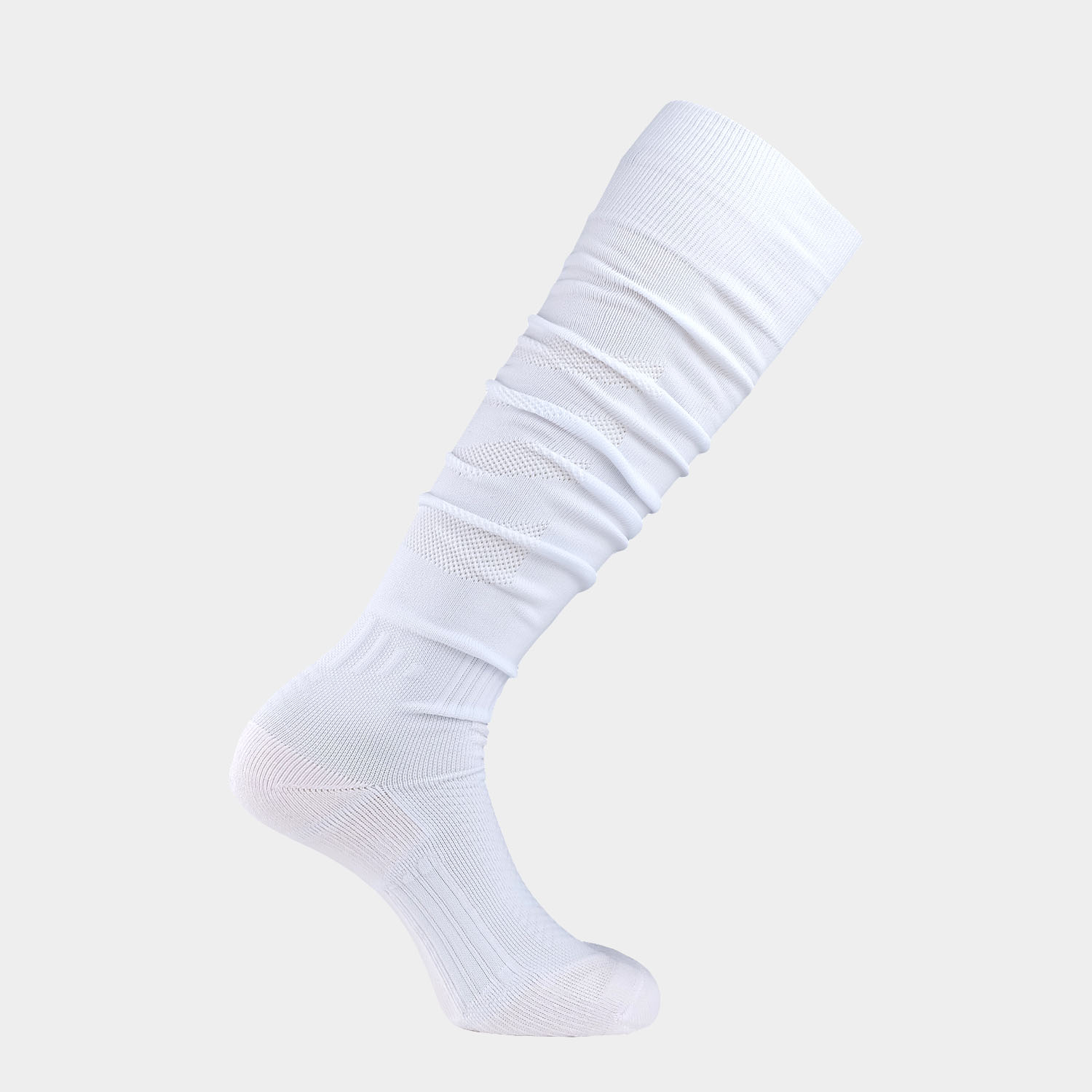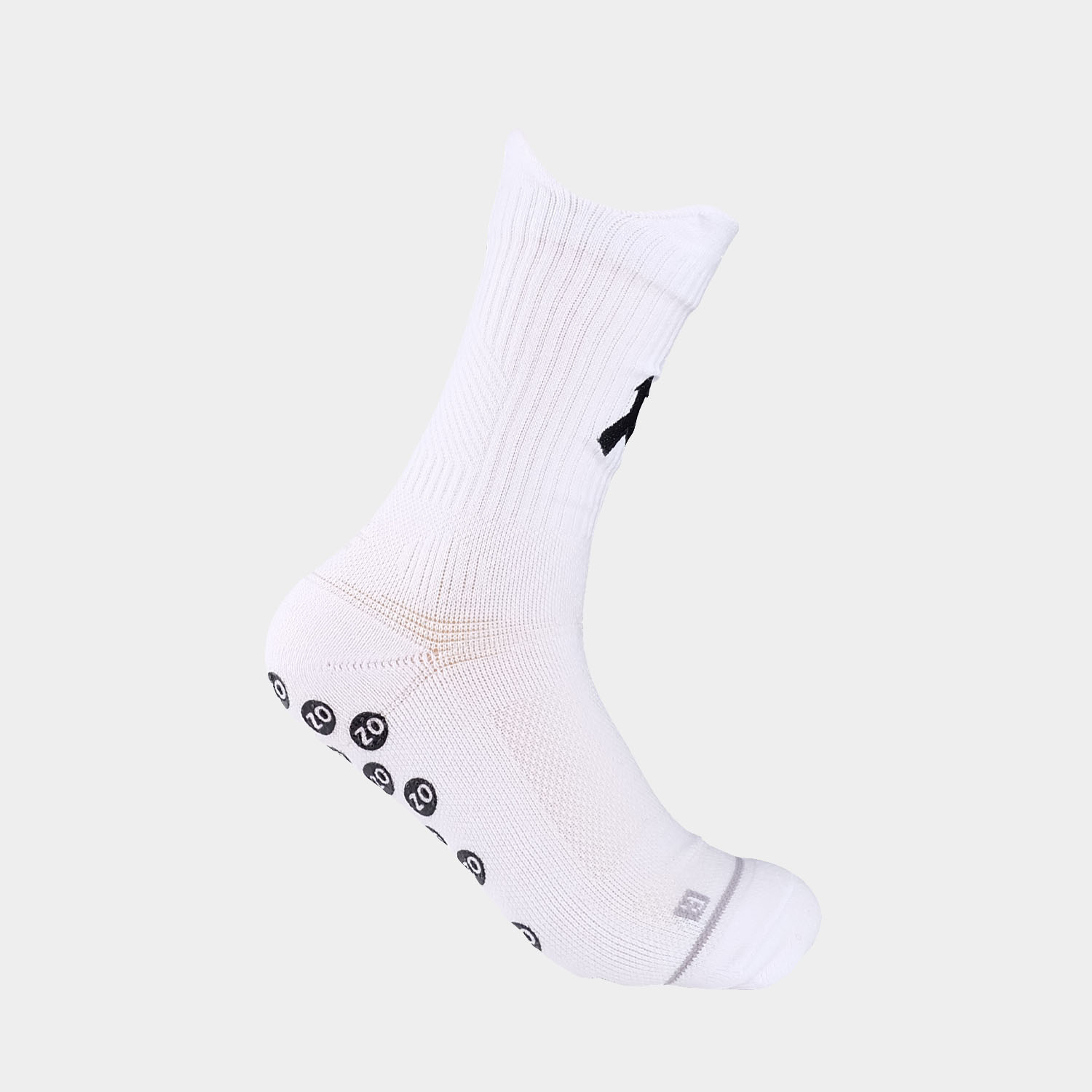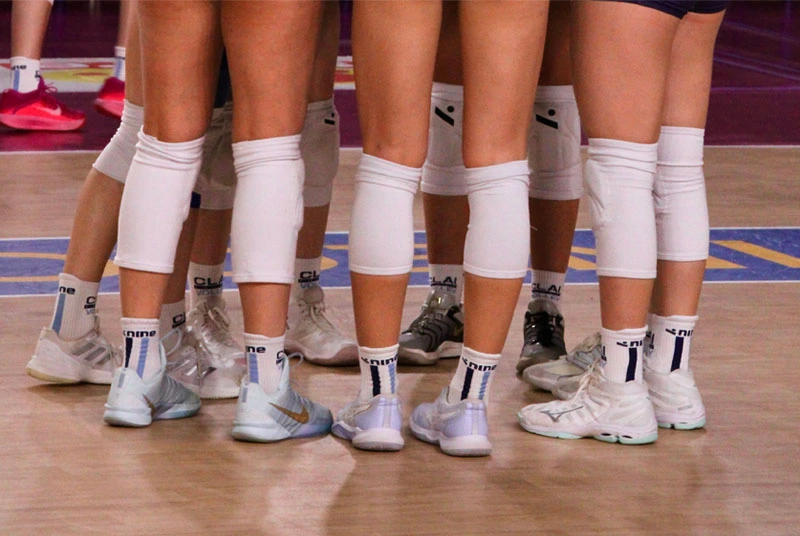
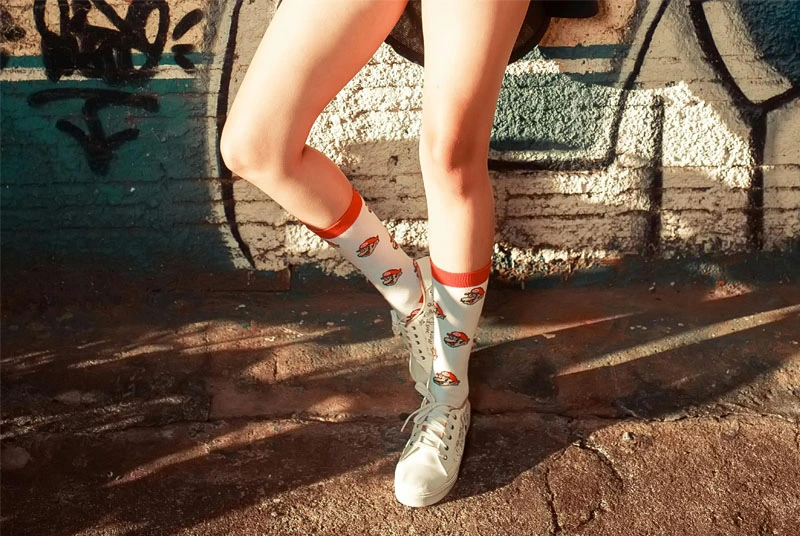
According to Grand View Research, the global sock market reached $49.48 billion in 2025, driven by consumer spending on bold visuals, sustainable materials, and functional tech. This guide covers the top 10 sock design trends for 2026, from Y2K metallics to Gorpcore utility. A final manufacturing section explains how to push these concepts into bulk production.

How Will Sock Design Evolve in 2026?
Sock design in 2026 fuses functional engineering with smart textiles. This shift directly stops physical problems like sweat buildup and arch fatigue. Manufacturers execute these performance upgrades through three exact shop floor changes:
- Material Science: Knitting machines replace virgin plastics with 80 to 100% recycled nylon and bamboo blends. This exact material swap clears strict global sustainability mandates.
- Ergonomic Engineering: Designers scrap flat tenson knits for 3D mapped compression zones. These engineered structures push 15 to 20 mmHg of targeted support directly into the plantar fascia.
- Small Batch Customization: Facilities now spin up automated full cylinder digital printers. Upgrading this hardware drops minimum order quantities from 1000 down to 50 pairs per run.

Top 10 Innovative Sock Design Trends to Watch in 2026
Retail data and factory production schedules confirm these specific aesthetic and functional upgrades actively drive buyer purchases.
Tip 1: Retro Futurism and Y2K Metallic Graphics
Y2K metallic graphics drive retail sales by catching harsh lighting on physical store shelves. Because designers achieve this visual effect using metallic lurex threads blended with standard cotton bases, this specific yarn combination requires strict tension control to stop rigid fibers from snapping on the machines.
- Thread Mix: Spin 10 to 15 percent lurex alongside 85 percent combed cotton.
- Machine Setting: Slow knitting cylinders by 20 percent to prevent metallic yarn breakage.
Tip 2: Smart Socks and Wearable Tech Integration
Embedded conductive yarns monitor real time biometric data like foot temperature and strike pressure to prevent athletic injuries. Medical brands fuse microscopic sensors directly into the sole fabric, which send immediate alerts to smartphone apps when runners alter their gait. Factories seal these conductive pathways in waterproof polyurethane so buyers can wash them in standard machines.
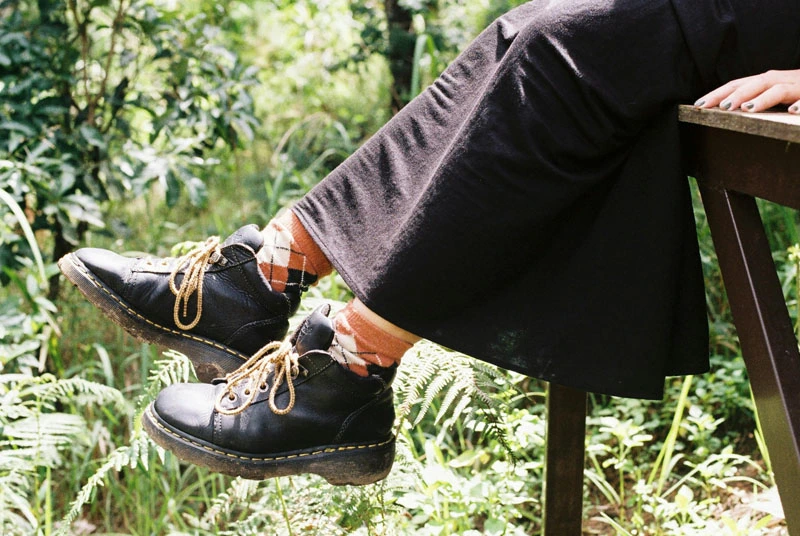
Tip 3: Asymmetrical and Mismatched Pairings
Deliberately mismatched sock pairings increase customer basket sizes by offering multiple styling options per purchase. Because factories package left and right feet with inverted color palettes, this styling strategy skips complex manufacturing overhauls. Brands simply knit two distinct designs on standard 168 needle machines before pairing them during final packaging.
Tip 4: Maximalist Geometric Color Blocking
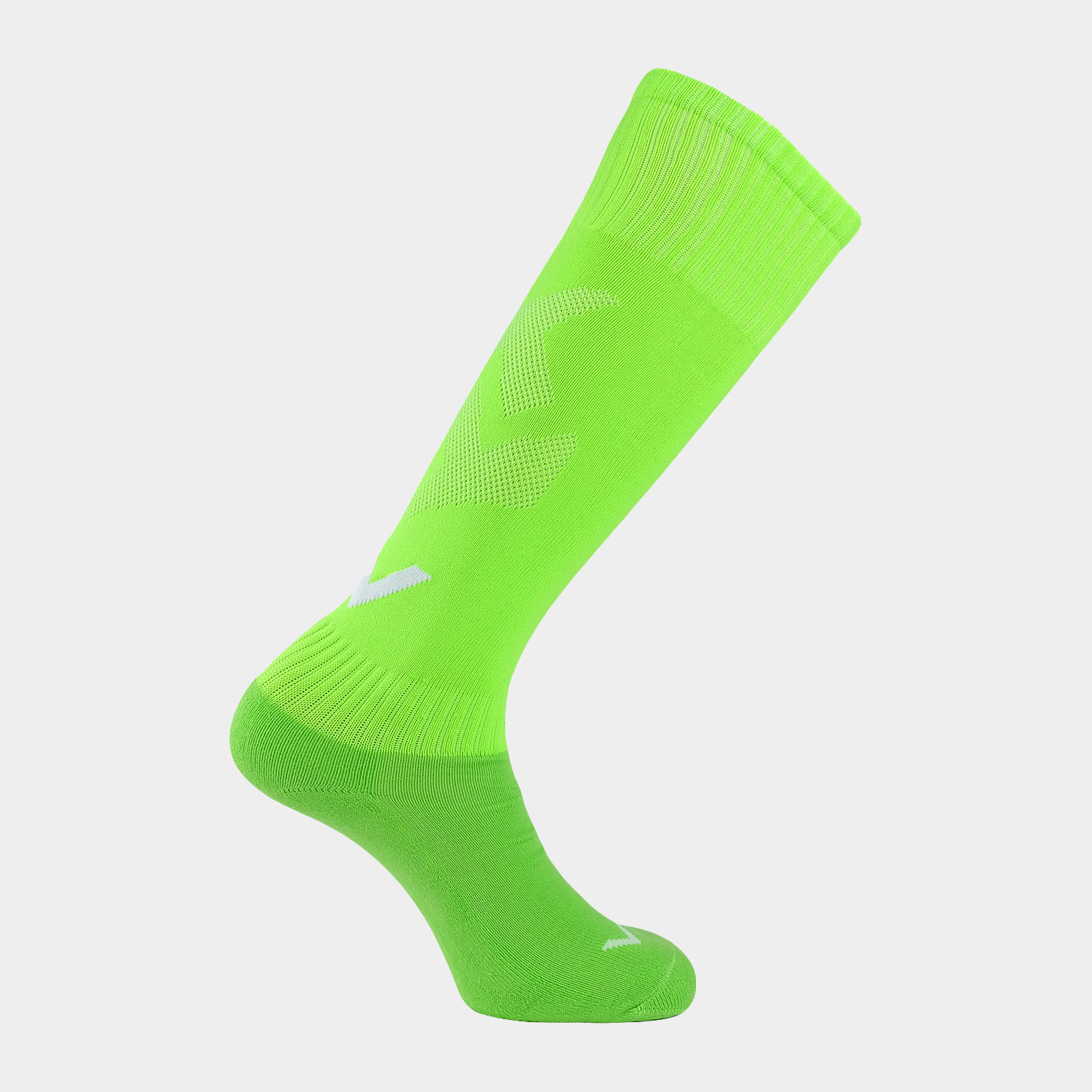
Heavy geometric color blocking creates aggressive visual contrast that effectively stops digital scrolling. Intarsia knitting machines build these sharp angles without leaving loose interior threads, which stops toenails from catching on stray yarn loops. Designers map neon greens against deep blacks on neon geometric crew socks using exact hex codes to guarantee visual pop across all screens.
Tip 5: 3D Textures and Tactile Knits
Raised 3D tactile knits actively absorb impact shocks and reduce skin friction during heavy movement. Because terry loop knitting techniques build physical cushioning directly into high strike zones like the heel, this added fabric volume prevents severe blisters.
- Heel Padding: Add 3 to 4 millimeters of terry loop density for impact absorption.
- Arch Zone: Switch to tight flat knits in the midfoot to drop excess bulk and release body heat.
Tip 6: Sheer Fabrics and Transparent Elegance
Transparent sheer panels cool feet during summer months while displaying detailed shoe interiors. As manufacturers drop heavy wools for ultra thin monofilament nylon yarns, working with this material requires highly polished machine needles. Even microscopic metal burrs easily shred delicate 20 to 30 denier threads upon contact.
Tip 7: Hyper Personalization and Modular Designs
Modular design elements like magnetic patches allow buyers to physically alter their footwear daily. Because shoppers snap custom velcro accessories onto a blank base sock, this modular approach solves dead inventory problems for retailers. Warehouses simply stock bulk quantities of solid base layers alongside highly profitable physical attachments.
Tip 8: Nature Inspired Organic Linework
Flowing organic linework captures the highly profitable outdoor market by directly mimicking natural terrain maps. Because digital design software translates topographic data into exact knitting patterns, factories execute these fluid designs using unbleached raw cotton and natural vegetable dyes.
Stripping chemical bleach from the production line saves massive water volumes, which directly appeals to environmentally focused buyers.
Tip 9: Typographic and Statement Lettering
Bold typographic lettering transforms the bare ankle into a high visibility marketing asset for streetwear brands. Because knitting clear letters requires high density 200 needle machines, this mechanical upgrade stops text from stretching when worn. This crisp typography clearly signals premium manufacturing quality to buyers.
Tip 10: Gorpcore and Extreme Outdoor Utility
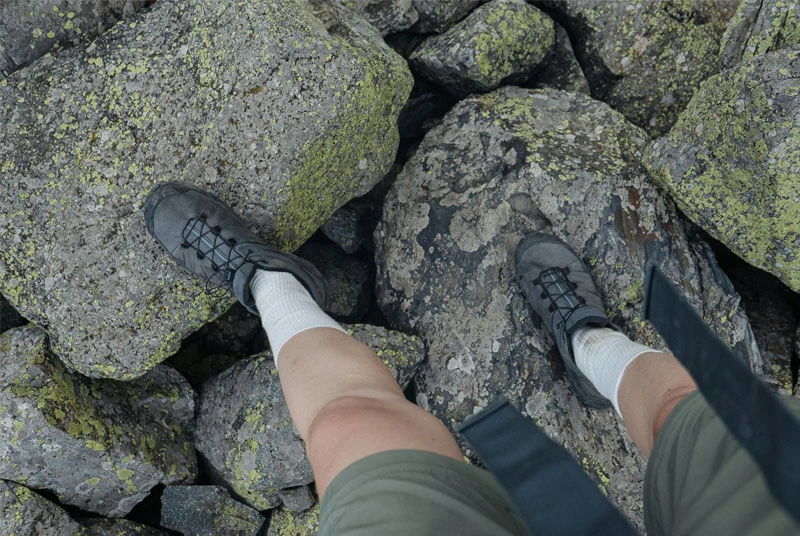
Heavy duty Gorpcore styling protects users against sharp trail debris and freezing temperatures during outdoor expeditions. As buyers wear technical gear in urban settings, manufacturers armor these garments using Kevlar toe boxes. Analyzing Merino wool vs. regular wool prevents rapid heat loss during freezing expeditions.
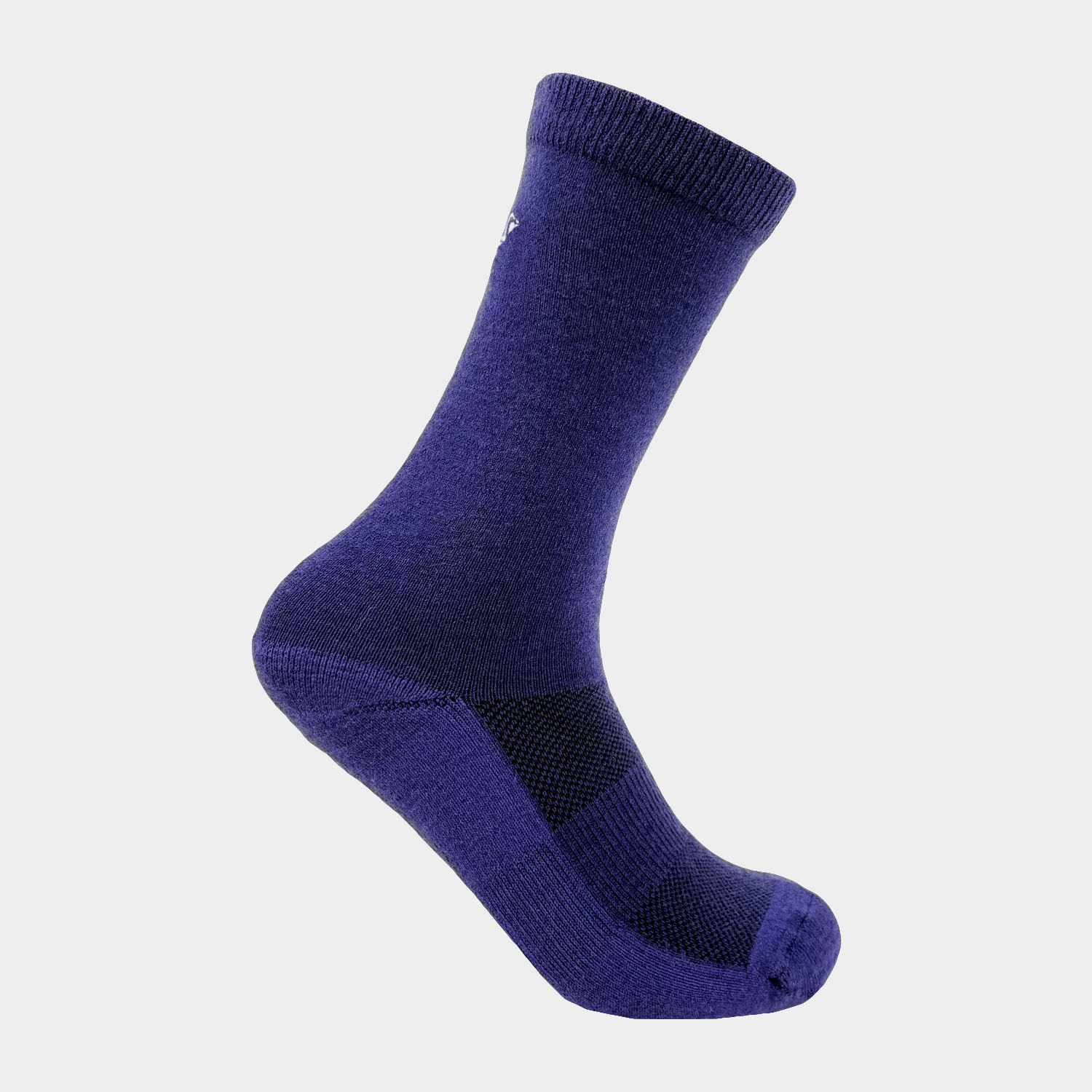
- Thermal Core: Weave 65 to 75 percent Merino wool for natural temperature regulation.
- Armor Plating: Inject 5 percent Kevlar yarn at extreme abrasion points to stop fabric blowouts.
How to Manufacture Your Custom Sock Designs Step by Step
Sockcn streamlines how to custom socks by transforming digital concepts into retail ready inventory through 20 years of direct factory expertise. This facility controls the entire production pipeline to support both small trial runs and high volume global orders.
Step 1: Submitting Tech Packs and Material Sourcing
Precise tech packs stop production errors by locking in exact Pantone shades and structural fiber blueprints before the machines start. To ensure specific performance metrics, Sockcn provides free design support to help buyers dial in the perfect yarn combinations.
- Merino Blends: Mix 40 to 70 percent Merino wool with nylon to hit temperature control targets.
- Alpaca Blends: Weave hollow alpaca fibers to capture extreme warmth without skin irritation.
Step 2: Rapid Prototyping and Sample Approval
Free physical prototyping prevents financial risk by allowing buyers to verify stretch, color, and fit before funding bulk production. Factory technicians use this trial phase to calibrate specific machine gauges for your exact graphic requirements.
- Needle Options: Select 96, 108, 144, 168, or 200 needle machines based on design complexity.
- Performance Testing: Run internal lab tests to confirm compression zones hit exact tension targets.
Step 3: Mass Production and Quality Control
Direct factory manufacturing secures the lowest possible unit cost by stripping away all middleman markups. Production lines execute bulk orders while maintaining GRS and OEKO TEX standards to ensure consistent stitch quality across thousands of units.
- Global Certifications: Source sustainable materials cleared by GRS, GOTS, and RWS authorities.
- Quality Inspections: Audit toe seams and thread tension to ensure bulk output matches the approved sample.
Step 4: International Shipping and Smooth Logistics
Strategic shipping terms minimize your total landed costs by matching delivery logistics to your specific warehouse capabilities. Sockcn executes flexible shipping agreements to guarantee punctual arrival across global borders.
- Delivery Terms: Choose DAP, DDP, FOB, EXW, or CIF based on your customs clearance capacity.
- Retail Packaging: Snap on custom labeling and woven logos before sealed boxes leave the loading dock.
FAQ
Q1. How Do International Shipping Terms Impact the Final Cost of My Bulk Order?
Shipping terms such as DDP or CIF determine who handles import taxes and final delivery costs. Because these agreements shift financial liability, selecting the wrong option often increases total expenses by 15 to 25 percent. Sockcn compares various rates to secure competitive pricing for your specific warehouse location.
Q2. Can a Sock Manufacturer Provide Custom Packaging and Private Labeling?
Sockcn provides full private label services including custom tags and retail bags during the knitting process. Because these elements are added at the factory, your inventory arrives ready for sale on platforms like Amazon or Shopify. This integrated workflow stops the high labor costs of manual repackaging after delivery.
Q3. What Eco Certifications Should I Look for in a Reliable Manufacturing Partner?
Valid GRS and OEKO TEX certificates verify environmental claims by proving the use of safe dyes and traceable fibers. Because certified suppliers follow strict global sustainability rules, working with these partners prevents greenwashing legal risks. This documentation confirms your product meets modern ecological standards for international trade.
Conclusion
Combining high impact visuals with functional textile engineering captures the 2026 market shift. Direct factory expertise from Sockcn turns these specific design trends into profitable inventory ready for global distribution.