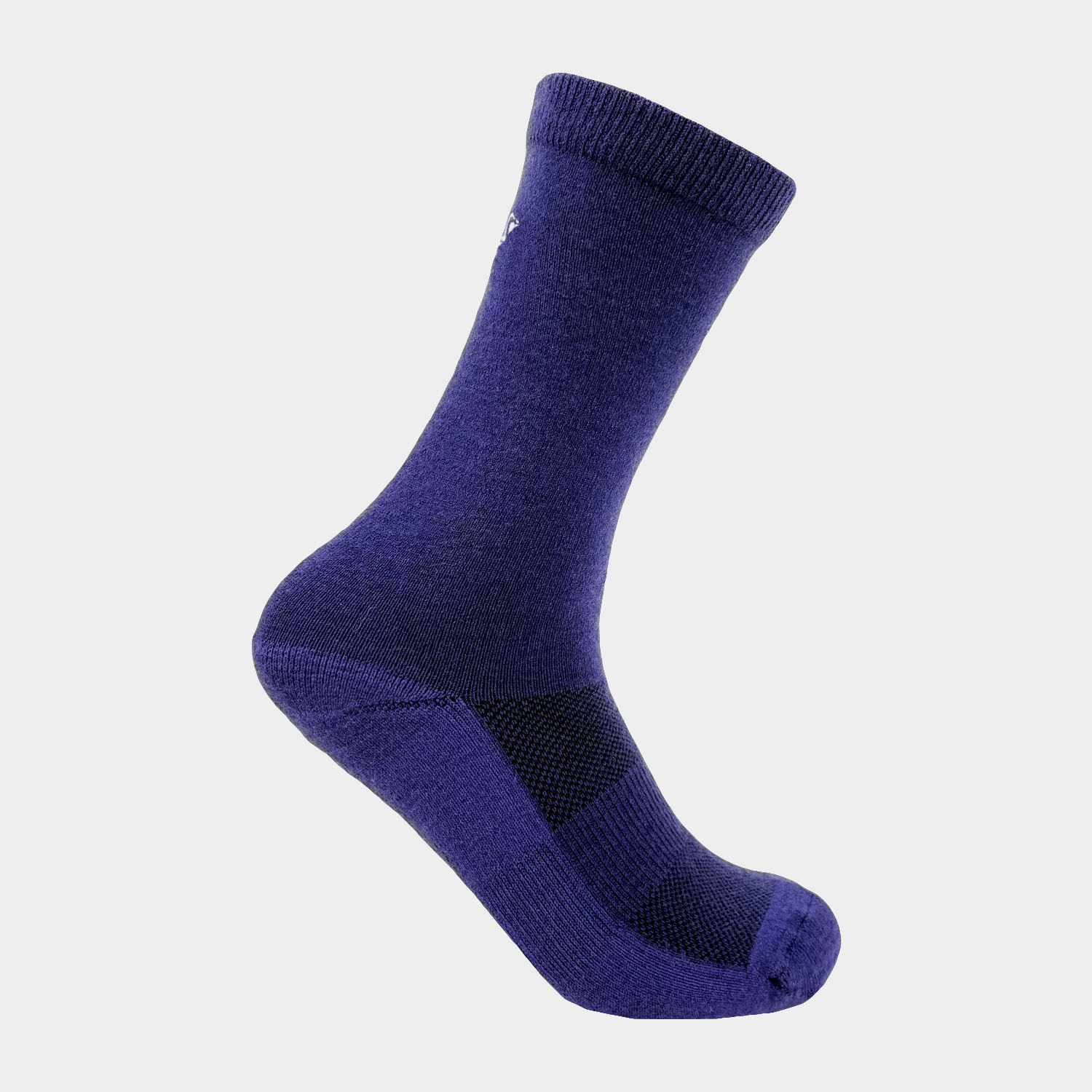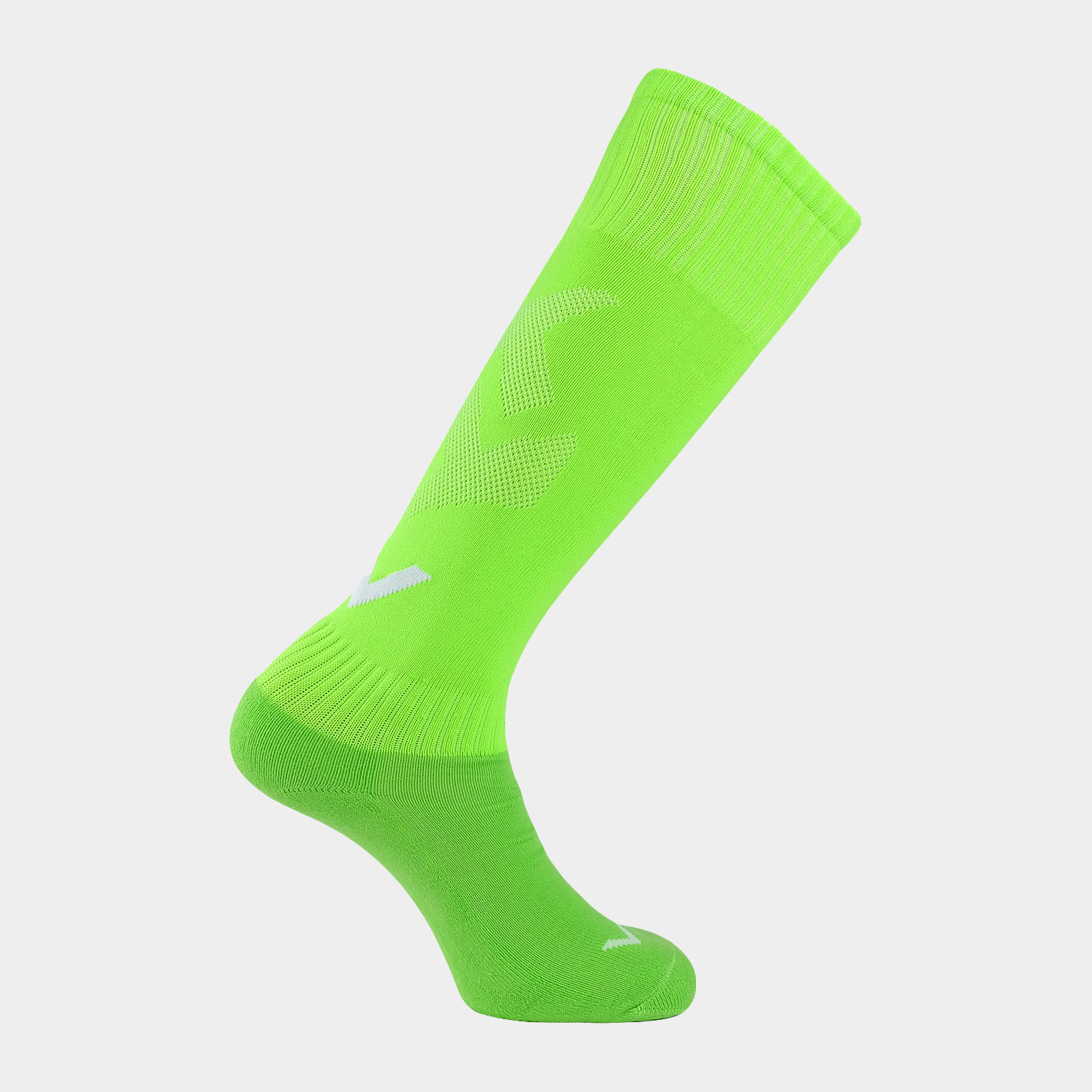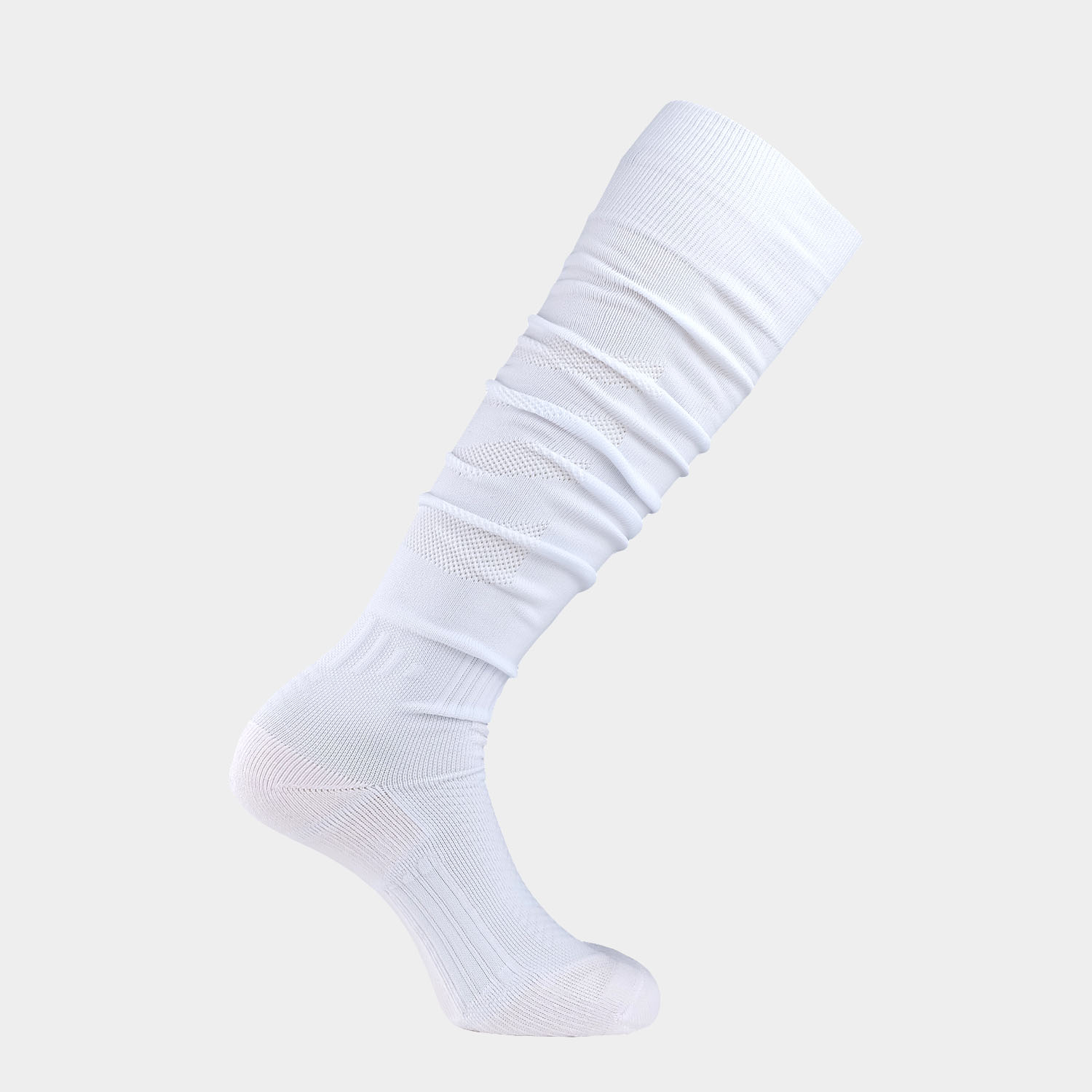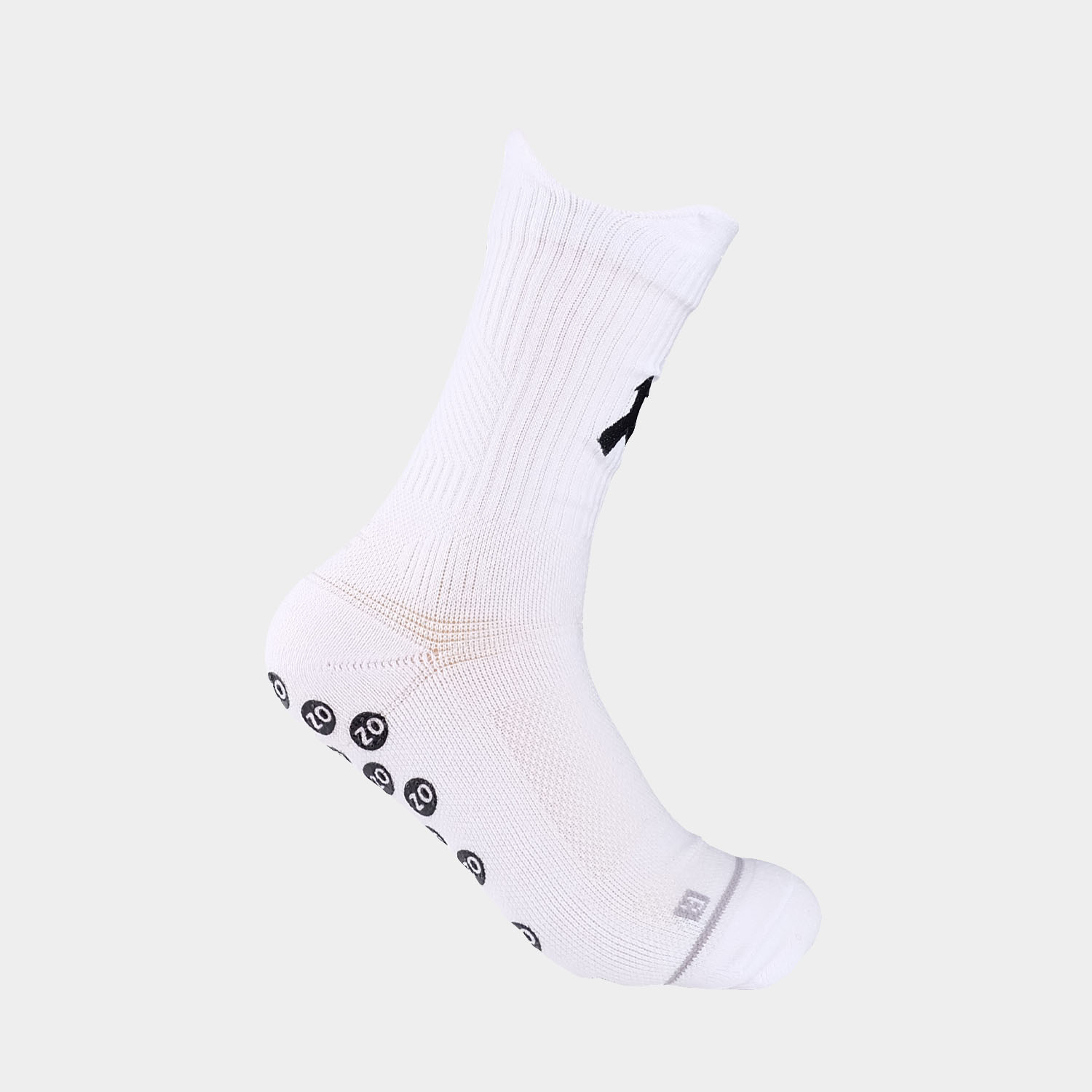

Merino wool socks sell best when brands match the product to clear customer needs. The strongest buyers are outdoor users, workwear customers, travelers, and comfort-focused shoppers who need moisture control, temperature balance, odor resistance, and a softer feel.
For retailers, the value is not just the fiber. Merino wool supports a higher-position sock line when the blend, cushion, weight, and construction match the use case. This is why wholesale merino wool socks often work better as a targeted product category rather than a basic sock replacement.
4 Customer Groups That Buy Merino Wool Socks
The strongest buyer groups usually share one thing: they need socks that solve a repeated comfort problem, not just a warmer material.
Outdoor Athletes and Hiking Customers
Hikers, trail runners, campers, and winter sports users often buy merino wool socks for moisture control and comfort during long movement. Cotton holds sweat against the skin, which can increase friction inside shoes or boots. Merino wool can absorb moisture and release it as vapor, helping feet feel drier during active use.
This customer group usually looks for reinforced heels, cushioned soles, secure arch support, and breathable knit zones. For retailers, outdoor merino socks work best when the product page explains sock weight, cushion level, and season fit instead of only listing the fiber name.
Workwear and Long-Shift Customers

Nurses, warehouse workers, construction workers, and service staff often need socks that stay comfortable through long hours. Heavy footwear traps heat, while repeated standing creates pressure around the heel, toe, and arch.
Merino wool blends can support temperature balance and odor control, which makes them practical for work socks, boot socks, and uniform programs. This buyer group usually values durability as much as softness, so nylon reinforcement and stable elastic zones matter during product development.
Sensitive-Foot and Comfort-Focused Customers
Some customers choose merino wool socks for softness rather than outdoor performance. Fine merino fibers can feel smoother against the skin than coarse wool, making them suitable for people who dislike rough sock textures.
For this group, retailers should avoid vague claims such as “therapeutic” unless the product has the right support and documentation. Better product copy should mention fine yarn, smooth toe seams, gentle cuff options, and a secure fit that does not feel tight during daily wear.
Travelers and Minimalist Shoppers
Travelers often buy merino wool socks to pack fewer pairs and reduce odor buildup between washes. Lightweight merino blends are useful for business trips, hiking trips, and capsule wardrobes where one sock needs to work across several outfits.
This customer group cares about versatility. Neutral colors, quick-drying blends, thinner knit structures, and easy-care instructions can make the product easier to buy. For retailers, travel-focused merino socks also work well in gift sets and multi-pair packs.
Why Retailers Add Merino Wool Socks to Product Lines
Retailers add merino wool socks when the material gives customers a clear reason to pay more than they would for basic cotton or synthetic socks.
Merino wool can support premium pricing when the sock construction, blend, and use case justify the higher cost. The fiber is already associated with outdoor use, comfort, and all-season wear, but customers still need a clear reason to choose the product.
The selling point should stay practical. Customers buy merino socks when the product solves a clear problem, such as sweaty feet, cold-weather discomfort, boot odor, packing limits, or rough sock texture. A product line built around these needs usually feels more credible than a general “premium wool sock” claim.
What Makes Merino Wool Socks Sell
The main selling points of merino wool come from how the fiber manages moisture, temperature, and odor during real wear.
Moisture Management
Merino wool can absorb moisture from the skin and release it into the air. This helps reduce the damp feeling that often causes friction during walking, hiking, or long work shifts.
For customers choosing socks for sweaty feet, the blend still matters. A balanced merino blend with nylon or polyester can improve shape retention, drying speed, and abrasion resistance, helping the sock hold up better in daily wear.
Temperature Balance
Merino wool can help feet feel warmer in cold weather and more comfortable in mild or warm conditions. The fiber structure traps air for insulation, while moisture movement helps reduce clammy heat inside shoes.
This feature makes merino useful beyond winter socks. Lightweight merino socks can work for spring, summer travel, indoor work, and daily wear when the knit is thin enough and the construction allows airflow.
Odor Control
Merino wool helps reduce odor buildup during repeated wear. This benefit matters most for travelers, hikers, workers, and customers who wear closed shoes for long hours.
Retailers should avoid saying merino “destroys bacteria” or “eliminates odor.” A safer claim is that merino wool helps manage odor and keeps socks fresher between washes.

How Brands Should Source Merino Wool Socks
When brands source custom merino wool socks, the target customer should guide the structure, since hiking socks, work socks, travel socks, and comfort socks need different builds.
Choose the Right Merino Blend
A higher merino content can improve softness and comfort, but the sock still needs strength. Nylon, polyester, spandex, and other support fibers can help improve stretch, recovery, drying speed, and wear resistance.
The best blend depends on the target buyer. Brands should compare merino wool blends by checking fiber percentage, reinforcement, stretch recovery, drying speed, and hand feel. Comfort socks need softness, smooth seams, and gentle cuffs.
Match Sock Weight to the Use Case
Heavy merino socks work better for boots, winter wear, and outdoor cold-weather use. Lightweight merino socks are better for travel, office wear, sneakers, and warmer seasons.
Retailers should separate these styles clearly on the product page. Customers can choose faster when the page explains whether the sock is built for hiking, work boots, travel, daily wear, or sensitive comfort.
Check Certifications and Testing
Before placing a bulk order for merino wool socks, brands should confirm material details, test options, and certification support when available. RWS can support responsible wool sourcing claims, while OEKO-TEX can support product safety communication related to harmful substance testing.
Brands should also ask about abrasion testing, wash testing, size stability, colorfastness, and sample development. These checks reduce risk before bulk production.
FAQ
Q1. Who should buy merino wool socks?
Merino wool socks are best for customers who need moisture control, temperature balance, odor resistance, or a softer sock feel. Outdoor users, workers, travelers, and comfort-focused shoppers are the clearest buyer groups. Retailers should match the sock weight, cushion, and blend to each use case instead of selling merino as one general product.
Q2. Are merino wool socks good for sweaty feet?
Yes. Merino wool can absorb moisture from the skin and release it into the air, which helps feet feel drier during wear. This makes merino socks useful for hiking, work boots, travel, and long days in closed shoes. For high-sweat customers, a merino blend with nylon or polyester can improve drying speed and durability.
Q3. Are merino wool socks only for winter?
No. Merino wool socks are not only for winter when the knit is lightweight and breathable. Heavy merino socks fit cold weather, boots, and outdoor use, while thinner merino blends can work for travel, office wear, sneakers, and warmer seasons. Retailers should separate winter-weight and lightweight merino styles clearly.
Q4. What is the best merino wool blend for socks?
The best merino wool blend depends on the sock’s use case. Higher merino content can improve softness and comfort, while nylon, polyester, or spandex can improve stretch, recovery, drying speed, and wear resistance. Hiking and work socks usually need more reinforcement, while comfort socks need smooth seams and a softer hand feel.
Q5. What should retailers check before sourcing merino wool socks?
Retailers should check merino content, yarn quality, sock weight, cushion level, reinforcement, seam finish, elasticity, testing options, and available certifications. These details affect comfort, durability, pricing, and customer complaints after launch. A sample review is important before bulk production.
Conclusion
Merino wool socks are easier to sell when the product is built around a specific buyer group. Outdoor customers need performance. Workers need comfort through long shifts. Travelers need odor control and versatility. Sensitive-foot customers need softness and a secure fit.
For brands sourcing wholesale merino wool socks, the main decision is which customer problem the sock should solve. Sockcn helps brands develop custom merino wool socks with suitable blends, structures, samples, and production support for their target market.