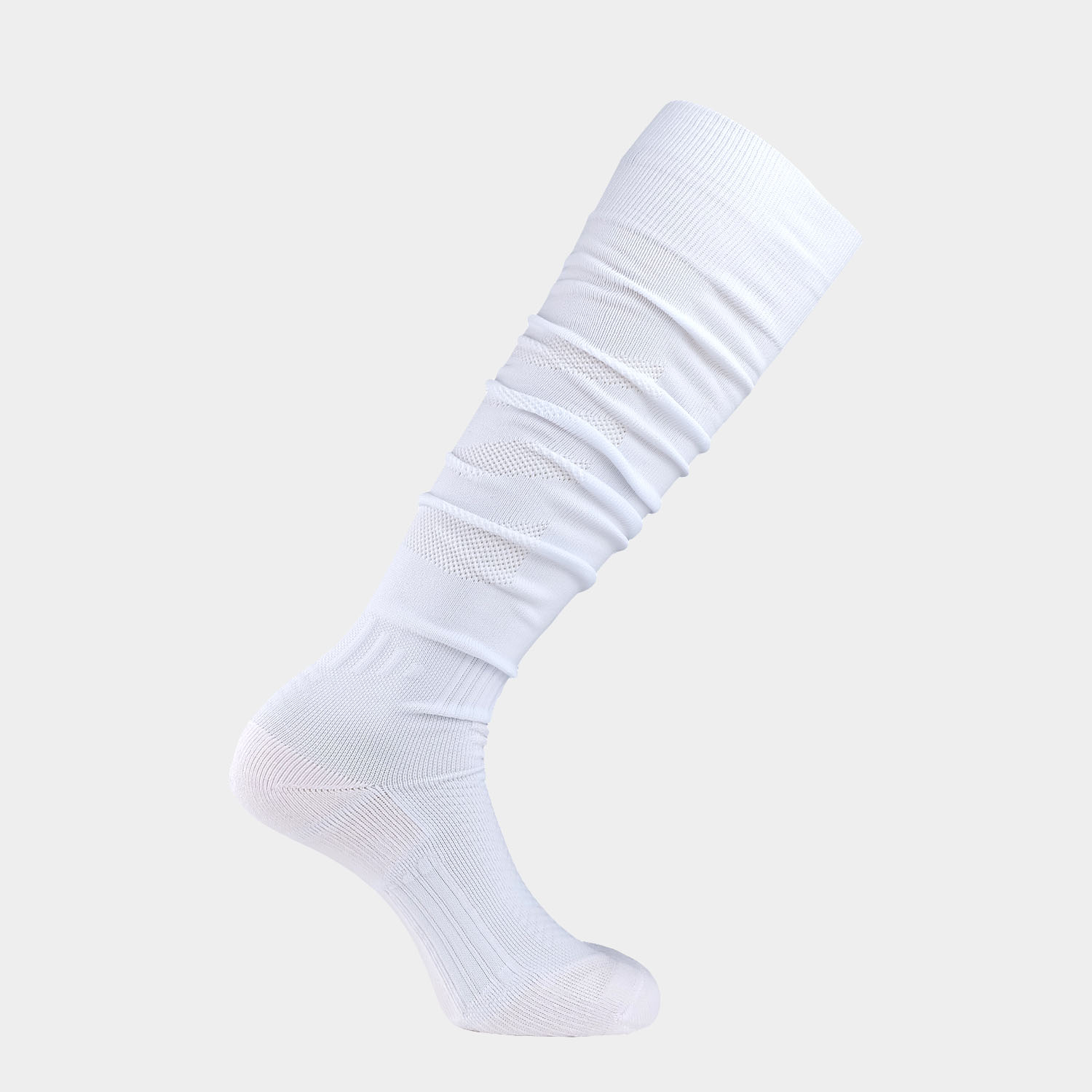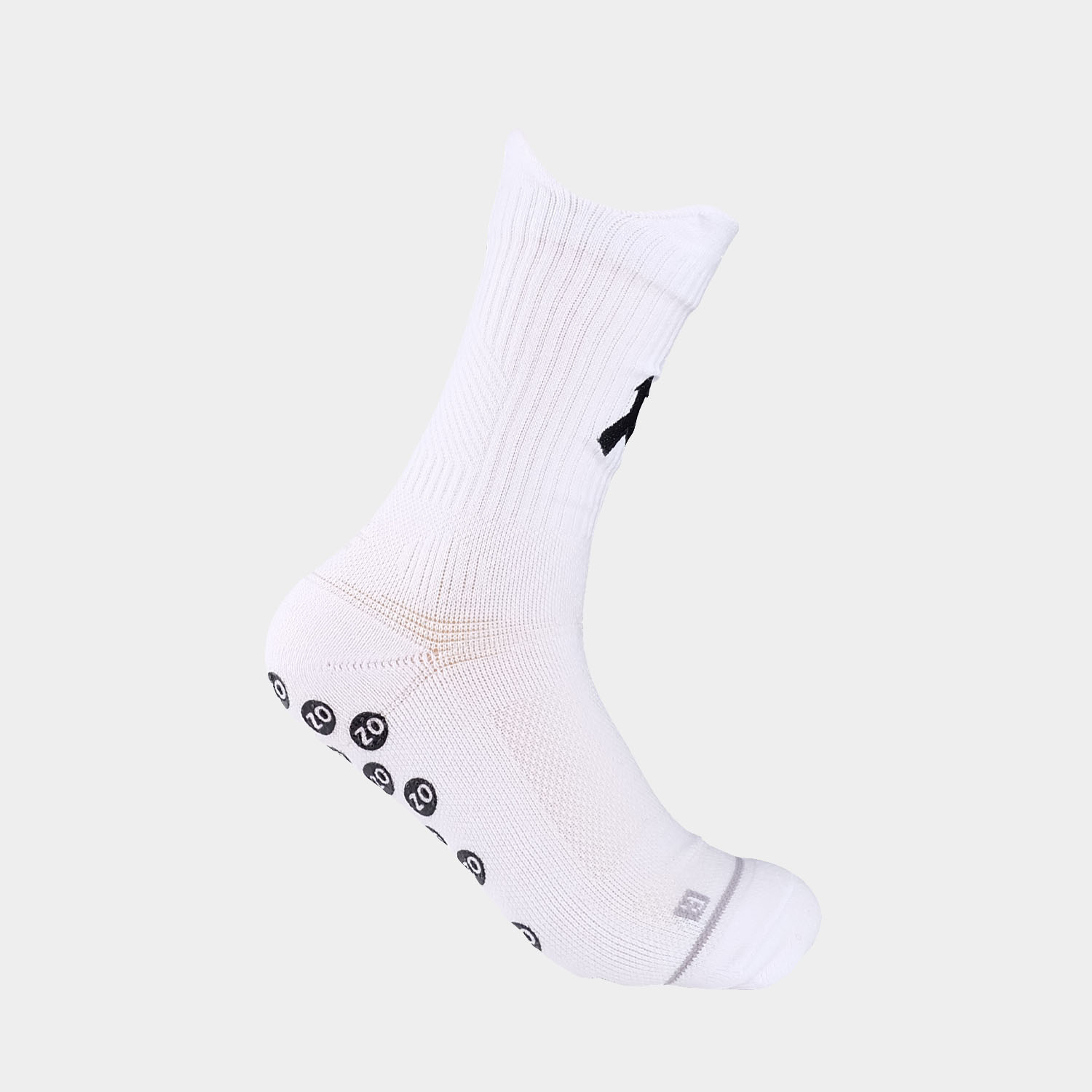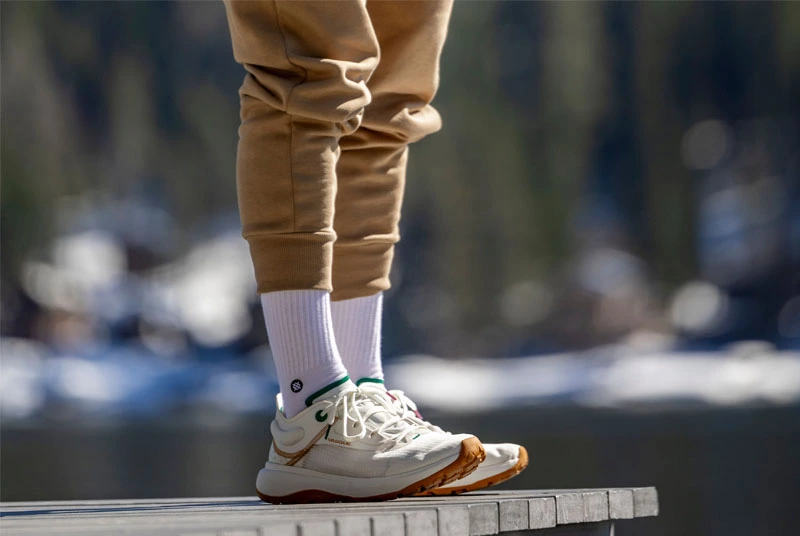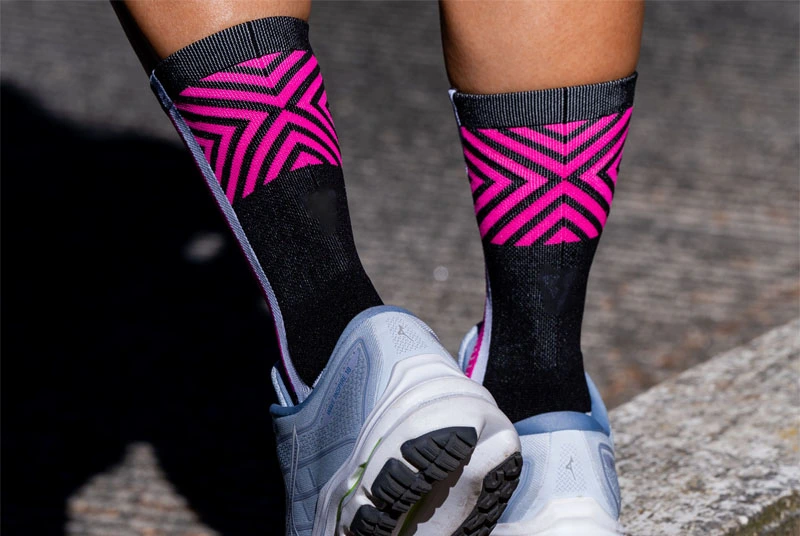

Advanced manufacturing helps reduce inconsistent sizing and premature wear in merino wool socks. According to the 2026 Merino Wool Socks Market Analysis report, the sector projects a 5.7% CAGR through 2033 as buyers prioritize technical reliability. Precision machinery limits the production errors that damage brand reputation.
Combining premium yarn with automated needle controls builds durable footwear. This hardware integration locks in targeted cushioning and thermal regulation. Direct material sourcing and rigorous stress testing prevent customer complaints regarding fabric holes and shrinking.
Premium Merino Wool Yarn Sourcing
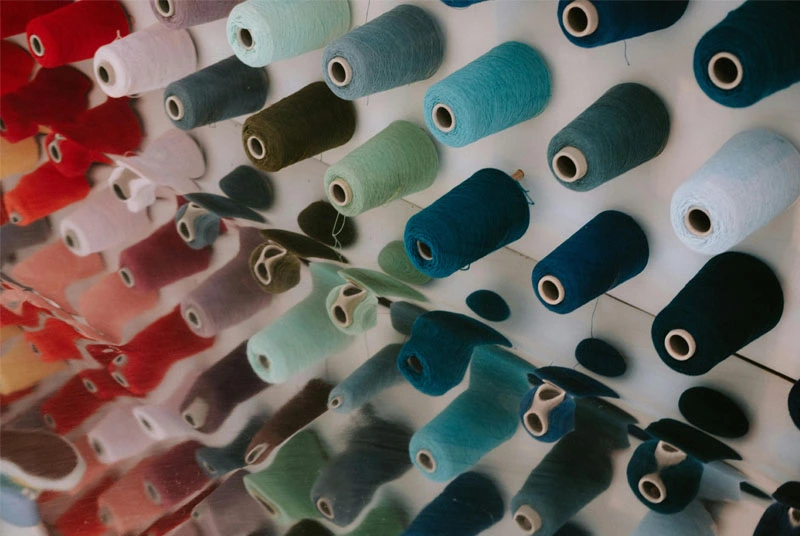
Securing higher-grade raw materials helps merino wool socks resist structural failure and fabric pilling. Because weak yarn degrades quickly under constant friction, this material choice affects whether the socks hold up during heavy use or lose shape after washing.

Sourcing Merino Wool from Australia and New Zealand
The argyle pattern originated in the Scottish Highlands during the 17th century. Modern apparel brands use this historical pedigree to construct authentic marketing narratives and justify premium retail pricing for custom knitwear.
Securing RWS and OEKO TEX Certified Yarn
Certified yarns verify ethical production standards and chemical safety for the end user. Responsible Wool Standard tracking validates animal welfare, as OEKO TEX testing confirms the material contains no harmful substances. Missing certification documents can create compliance risk for retailers, distributors, and import reviews.
Blending Merino Wool with Nylon and Spandex
Mixing merino wool with synthetic fibers can improve durability and shape retention. A well-planned merino wool sock blend helps balance softness, friction resistance, and fit stability. Adding 20 to 50 percent nylon strengthens the base structure against friction, while spandex provides the stretch required for a secure fit.
Seamless Merino Sock Knitting Technology
Computerized needle control determines the density and breathability of the fabric. Because automated calibration limits structural irregularities, this mechanical precision aligns bulk orders with strict technical specifications. Failing to monitor these machines leads to inconsistent sizing and rejected shipments.
Choosing 96N to 200N Needle Counts
Selecting the correct needle count dictates the final thickness and intended application of the footwear. While 96N machines create heavy terry loops for industrial warmth, 200N cylinders produce the fine gauge required for professional dress attire. Ignoring specific needle density results in poor moisture management and unstable fits.
Matching Needle Counts to Footwear Applications:
Pairing needle density to end-use activities prevents structural failures. Cylinder gauges dictate yarn thickness and cushioning limits, directly controlling final product quality. Selecting the wrong configuration accelerates uncomfortable fits and rapid material wear.
Needle Count | Best Application | Fabric Thickness | Risk of Wrong Choice |
96N | Industrial work footwear | Heavy terry loop | Poor moisture management |
144N | Athletic performance wear | Medium padding | Inconsistent arch support |
200N | Professional dress attire | Fine flat gauge | Rapid fabric thinning |
Knitting Seamless Toes for Blister Free Socks
Removing the internal toe ridge prevents skin abrasion and localized pressure during movement. Because automated linking creates a flat surface, the material remains smooth against the skin inside tight footwear. Traditional seaming methods often cause painful blisters and unnecessary friction.
Adding Targeted Cushioning for Foot Support
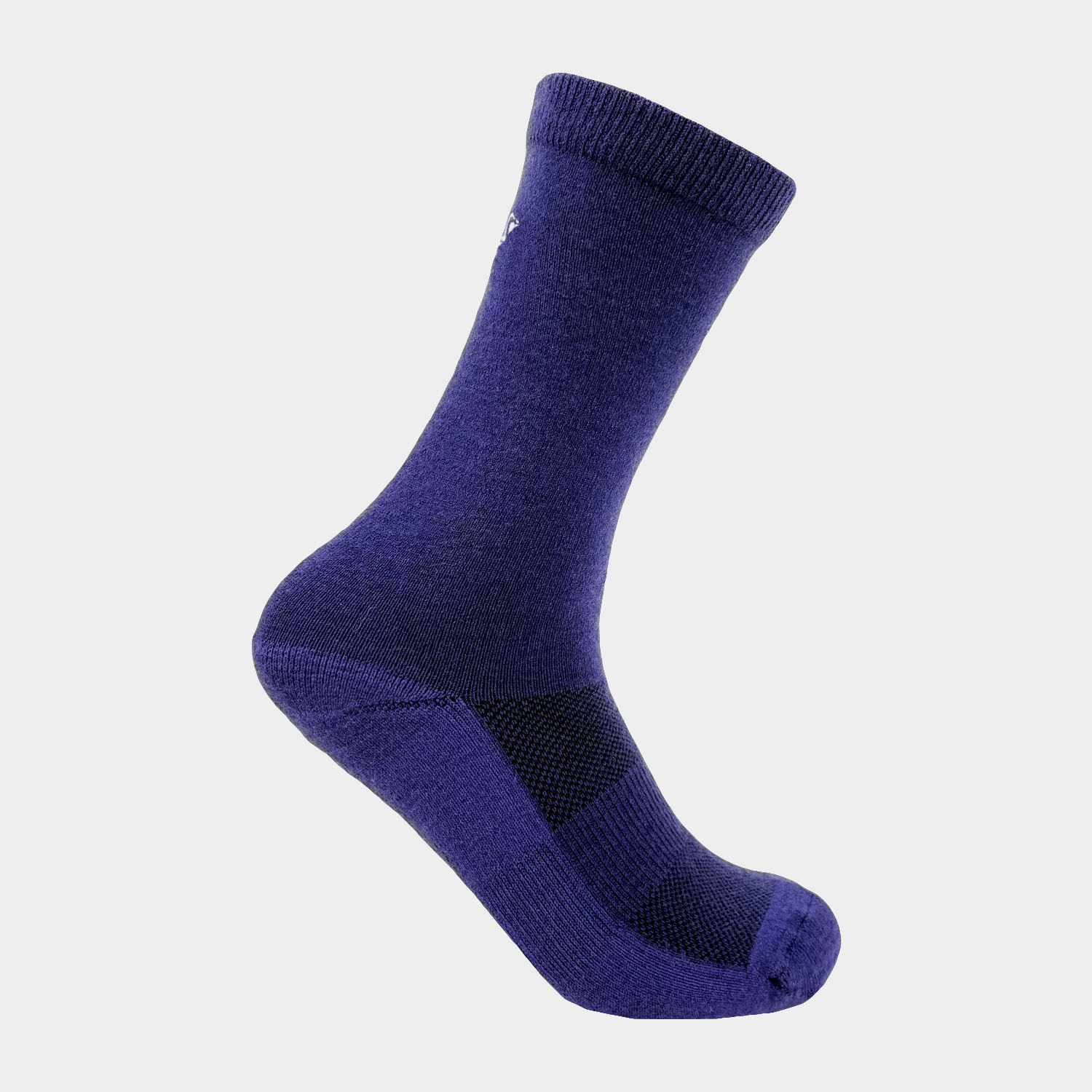
Placing extra padding in heavy impact areas absorbs shock while maintaining overall breathability. This localized reinforcement protects the heel and ball of the foot without adding bulk to the upper garment. Lacking specific support zones accelerates foot fatigue and rapid fabric thinning.
Merino Wool Sock Finishing and Durability Testing
Finishing checks and internal stress testing help reduce fabric wear, shrinkage, and size changes after washing. Because these checks simulate repeated use, bulk production stays closer to the approved sample. Batch checks can also cover size consistency, color accuracy, and structural integrity, giving buyers clearer proof before packing and shipment.
Pressure testing gives compression and performance sock buyers a measurable QC point. For compression and performance programs, Sockcn can measure sock pressure in its own lab at no extra cost during sampling and bulk production, helping the final order stay closer to the approved sample in fit and support.
Preventing Merino Wool Shrinkage
Implementing strict temperature controls during the final wash prevents severe garment shrinkage. When technicians apply standardized washing techniques, natural wool fibers relax and reach stable physical dimensions before packaging. Ignoring this material stabilization step creates distorted footwear after initial consumer laundry cycles.
Locking in Sock Shape with Heat Setting
Applying controlled steam and pressure prevents fabric warping and structural loss. Because the heat setting process conditions synthetic fibers to retain the metal board contour, the footwear maintains its engineered fit. Bypassing this thermal shaping produces baggy garments that bunch uncomfortably inside the shoe.
Testing Abrasion Resistance for High Wear Areas
Sockcn sends selected sock samples to third-party labs for abrasion resistance testing. In one lab test, the tested samples passed Resistance Over 100,000 Rubs. This result shows how durable socks reach 100K+ abrasion cycles in high wear areas such as the heel and toe, helping buyers check whether the yarn blend can handle repeated friction before bulk shipment.

Custom Merino Wool Sock OEM Solutions
Working directly with the factory gives brands more control over yarn selection, sample approval, packaging, and delivery planning. This OEM sock manufacturing setup keeps material blends, construction details, and packaging requirements easier to verify without middleman interference.
Customization can cover yarn blends, terry cushioning, zoned padding, compression support, jacquard branding, breathable mesh zones, and private label packaging. Indirect sourcing can make sampling, quality checks, and delivery costs harder to verify.
Matching Advance Samples to Bulk Orders

Physical samples help catch sizing, color, logo, and construction issues before bulk production starts. Existing quality samples in stock can ship the same day and reach buyers by express in about three days.
For custom designs using stocked materials, sample knitting can take about three days, with delivery often within about one week. Pre-production samples can use the same yarns, machines, and production standards as bulk orders, helping buyers compare the approved sample with the final shipment more accurately.
Testing a Merino Wool Sock Line? Start at 100 Pairs.
Sockcn's pre-production samples run on the same yarns, machines, and settings as bulk orders, giving buyers a reliable reference before committing to scale. RWS-certified merino blends and in-house pressure testing are standard across all sampling stages.
Choosing Flexible MOQs and DDP Shipping
Selecting adaptable order quantities and clear delivery terms limits upfront financial risk. Sockcn’s typical MOQ starts from 100 pairs per design, with final quantities confirmed after design review. Low minimums support initial market testing, while delivery options such as DDP help the factory manage customs clearance logistics.
Confirming DAP, DDP, FOB, EXW, CIF, FCA, or air freight terms before production starts helps prevent duty, clearance, and delivery surprises after packing. Committing to rigid supplier demands traps capital in excess inventory and can trigger unexpected import costs.
FAQ
Q1. Are Custom Sample Fees Refundable if I Place a Bulk Order?
Yes, some sample fees may be refundable or creditable after bulk order confirmation, depending on the development requirements and order details. This credit applies to the final invoice so brands avoid unnecessary development costs. Failing to confirm these terms early leads to unexpected overhead expenses.
Q2. Do I Need a Professional Tech Pack to Start My Custom Sock Project?
No, many factories initiate production using clear photos or physical reference samples. Because internal design teams create knitting specifications from these visuals, a formal tech pack is not mandatory. Relying on vague descriptions increases the risk of multiple sample revisions and launch delays.
Q3. What Is the Standard Production Lead Time for Custom Merino Wool Socks?
Bulk manufacturing usually takes about 2 to 4 weeks after sample approval, depending on order size, material availability, and design complexity. This window accounts for material preparation and rapid knitting alongside strict quality testing. Ignoring these production timelines results in missed retail seasons and expensive air freight.
Partnering with an Advanced Merino Wool Sock Factory
Choosing the right merino wool sock factory helps reduce quality variation, sampling delays, and missed retail timelines. For brands comparing OEM partners, Sockcn supports production control through certified yarn sourcing, in-house pressure testing, third-party abrasion testing, and pre-production samples that match bulk production standards.
Early sampling and clear production planning catch problems before scale-up, giving brands a better chance of meeting the upcoming retail season.